
Sustainable Trekking in Nepal 2026: The Complete Guide to Carbon-Neutral Adventures
 Sristi Adhikari
Sustainable Trekking in Nepal is a responsibility every trekker should follow when exploring different remote mountain villages of Nepal. When passing through centuries-old Himalayan villages, rivers, suspension bridges, sacred sites like monasteries and temples, you should focus on how you can experience them without damaging the environment and communities that make them special.
From carrying reusable water bottles in the trekking trails to the place you sleep in mountain teahouses or homestays, whatever decision you take it should minimize the harm to the fragile ecosystem of remote Himalayas. In 2026, trekking responsibly is no longer just an environmental choice but it is a smarter way to experience the Himalayas of Nepal while leaving a positive footprint behind.
When planning for an unforgettable journey through the remote trails of the Himalayas, make sure you read our detailed guide to discover how you can explore Nepal responsibly while making your journey more sustainable and rewarding.
What is Sustainable Trekking in Nepal?
An Approach which demands trekkers and travelers to explore the remote trekking destination of the Himalayas in a way that balances environmental protection, cultural respect, and economic benefits for mountain communities is called Sustainable Trekking in Nepal. Trekkers exploring remote mountains are not only guests for teahouses and homestays but you are also a guest of the Himalayas ecosystem.
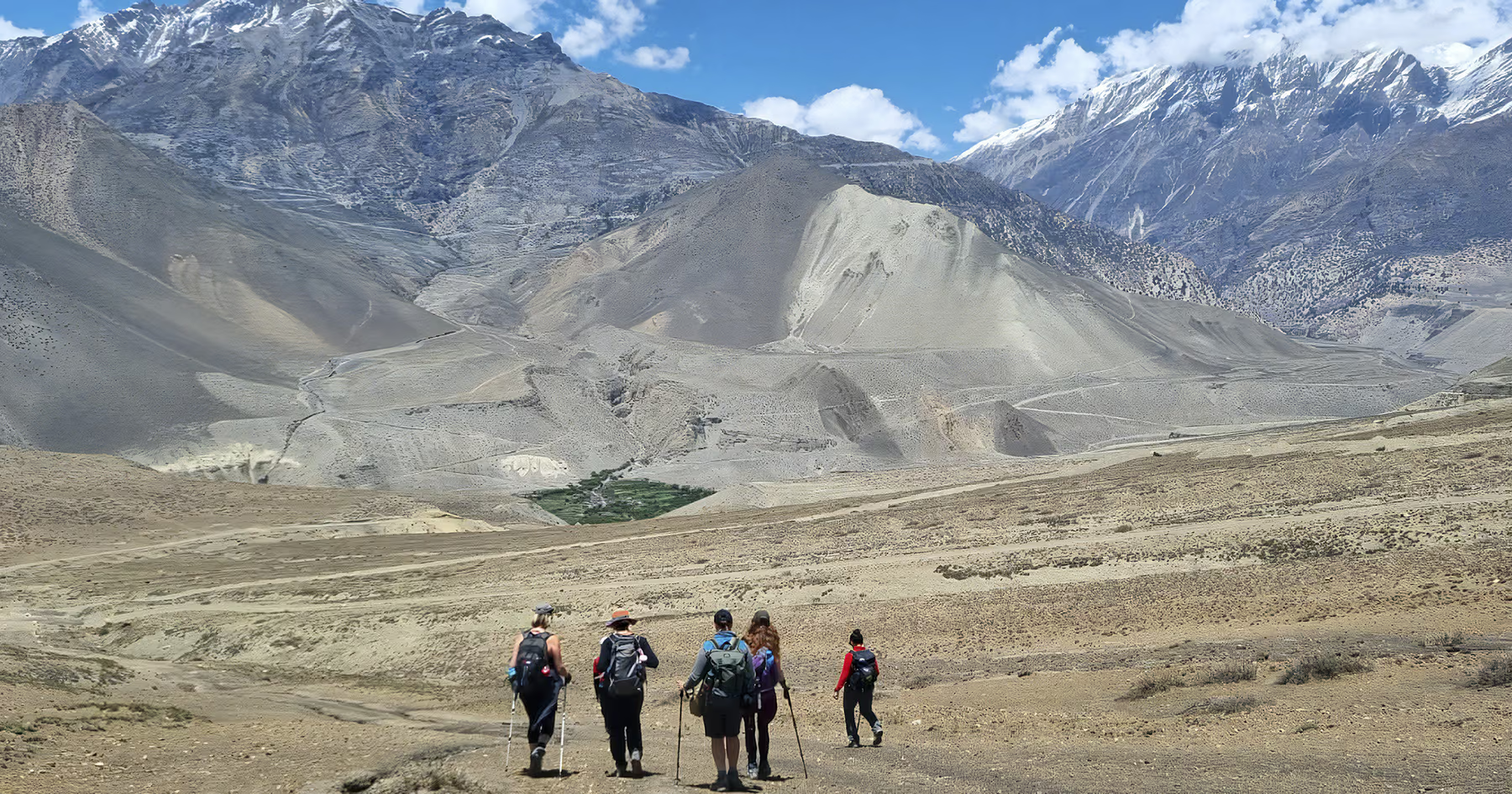
Foreign as well as domestic trekkers should make a wise decision and be an example for the other trekkers to follow. Some of the sustainable trekking approach for Nepal are:
- Protect fragile ecosystems and wildlife.
- Be responsible towards culture and religious sites.
- Support mountain local villages.
As Himalayan ecosystem is quite fragile and it takes a long time to recover from the damage, you should not harm nature just for your comfort and enjoyment.
Importance of Sustainable Trekking in Nepal
Sustainable trekking in Nepal is very important as it helps in the three major priorities such as preserving the environment, supporting communities and preserving culture and heritage of the Himalayas.
Protection of Fragile Mountain Ecosystem
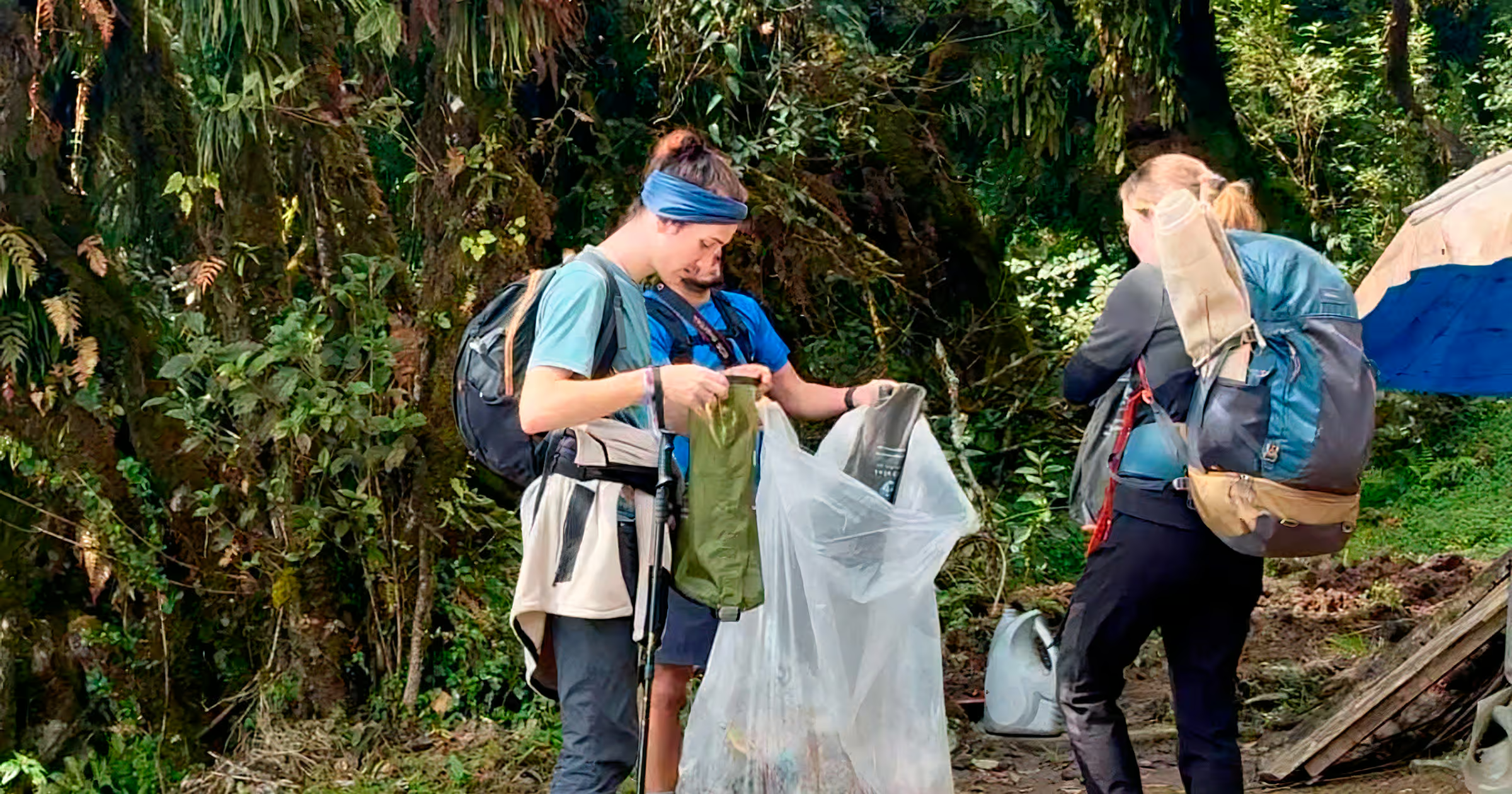
As you will be hiking inside the protected and conservation areas passing through forest, wetlands, glacier valley, your responsible trekking demands you to manage waste, reduce littering, avoid plucking any vegetation just to take pictures.
Preservation of Endangered Wildlife
Remote trekking trails of Dolpa, Kanchenjunga, Mansalu etc are home to rare and endangered wild animal and bird species. So, if you walk only on designated trekking trails, it will help protect their habitat and these rare species.
Economic Support to Local Communities
Local mountain communities spend their day to day life depending on animal husbandry, agriculture, and their homestay business. Help them by staying in local accommodation, hiring native as guide and porter which will make them earn money within mountain communities.
Preservation of Culture and Heritage
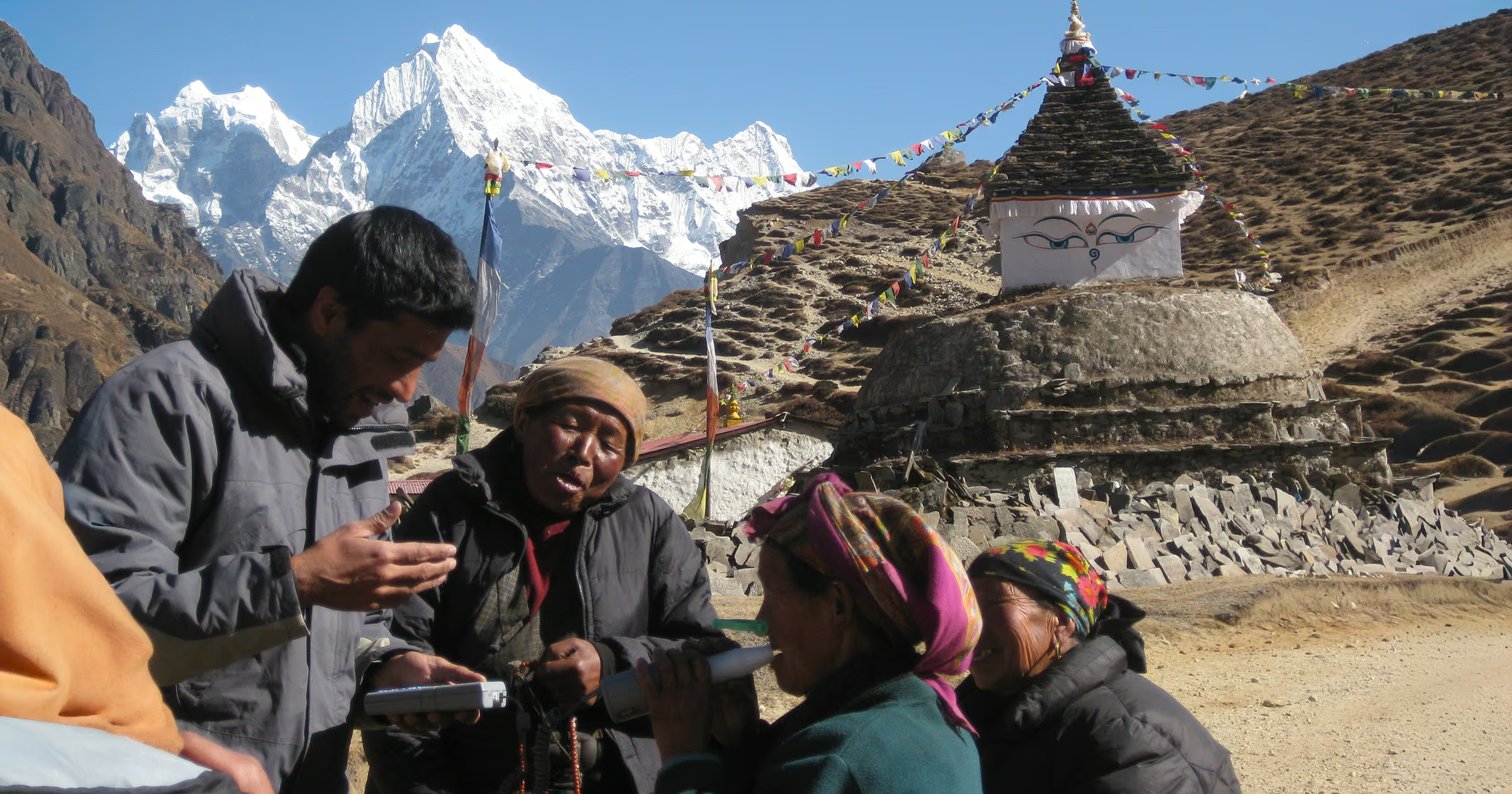
Sustainable trekking in Nepal encourages foreign as well as native visitors to respect and experience the traditions of communities. You should not consider Sherpa, Limbu, Rai, and other Himalayan communities as commercial attractions only and immerse in their culture by participating in daily prayer and religious ceremonies.
Accessible for Future Generation
Remote destinations like Mai Pokhari, Limi Valley, Badimalika are important ecological and cultural sites. They are home to diverse wildlife, migratory birds, and plant species, and following the approach of responsible trekking in Nepal, preserving these places will remain healthy and accessible in the future.
Reduces Pressure on Crowded Destinations
Instead of booking classic ABC trek and EBC trek, sustainable tourism in Nepal demands you to shift focus on Kanchenjunga, Makalu etc. This will help reduce pressure on these crowded areas and create employment opportunities for remote communities.
What is Carbon-Neutral Travel in Nepal?
An effort to reduce and compensate for greenhouse-gas emissions that are associated within your Nepal journey is called Carbon-Neutral Travel in Nepal. Your Nepal visit results in carbon emission the moment you take an international flight until you head on the trekking trails.
To create a positive impact on environment, you can reduce your carbon foot as a measure of sustainable trekking in Nepal by choosing:
- Eco-friendly transportation
- Overland route instead of booking a domestic flight
- Staying in sustainable accommodations for longer duration
- Minimizing waste and use reusable water bottles
- Conserving water and energy, and
- Supporting local communities.

Beside this, foreigner should also involve in carbon negative travel by participating in:
- Tree plantation
- Waste Management
- Trail cleaning with locals
- Awareness program related to carbon management.
Difference Between Carbon Reduction and Carbon Offsetting
One of the most important ideas in Sustainable Trekking in Nepal is understanding that reducing emissions and offsetting emissions are not identical.
| Carbon Reduction | Carbon Offsetting |
|---|---|
| It directly reduces greenhouse-gas emissions. | It compensates for emissions produced elsewhere. |
| Focuses on preventing emissions at the source. | Focuses on balancing unavoidable emissions. |
| Includes using public transport or walking. | Includes supporting verified carbon-offset projects. |
| Can involve energy-efficient hotels and lodges. | Can involve reforestation and renewable-energy projects. |
| Has a direct impact on your travel footprint. | Helps compensate for your remaining carbon footprint. |
| Should be the first priority before offsetting. | Works best for emissions that cannot be fully |
Sustainable trekking in Nepal also demands trekkers to be carbon-conscious and prioritize:
- Reduce → Minimize → Measure → Offset remaining emissions
Eco-Friendly Trekking Nepal: Choosing Better Routes and Operators
The approach of Eco-friendly trekking Nepal extends beyond one particular trail. Your journey to remote Himalayas can only be more responsible if you work together with guides, trekking operators, and communities harmoniously. Trekking in Nepal demands trekkers to follow:
- Choose Local Guides and Porters
- Stay in Locally Owned Teahouses and Homestays
- Reduce Plastic Waste on the Trail
- Stay on Designated Trails
- Respect the Himalayan Soundscape
- Respect Local Culture and Religious Traditions
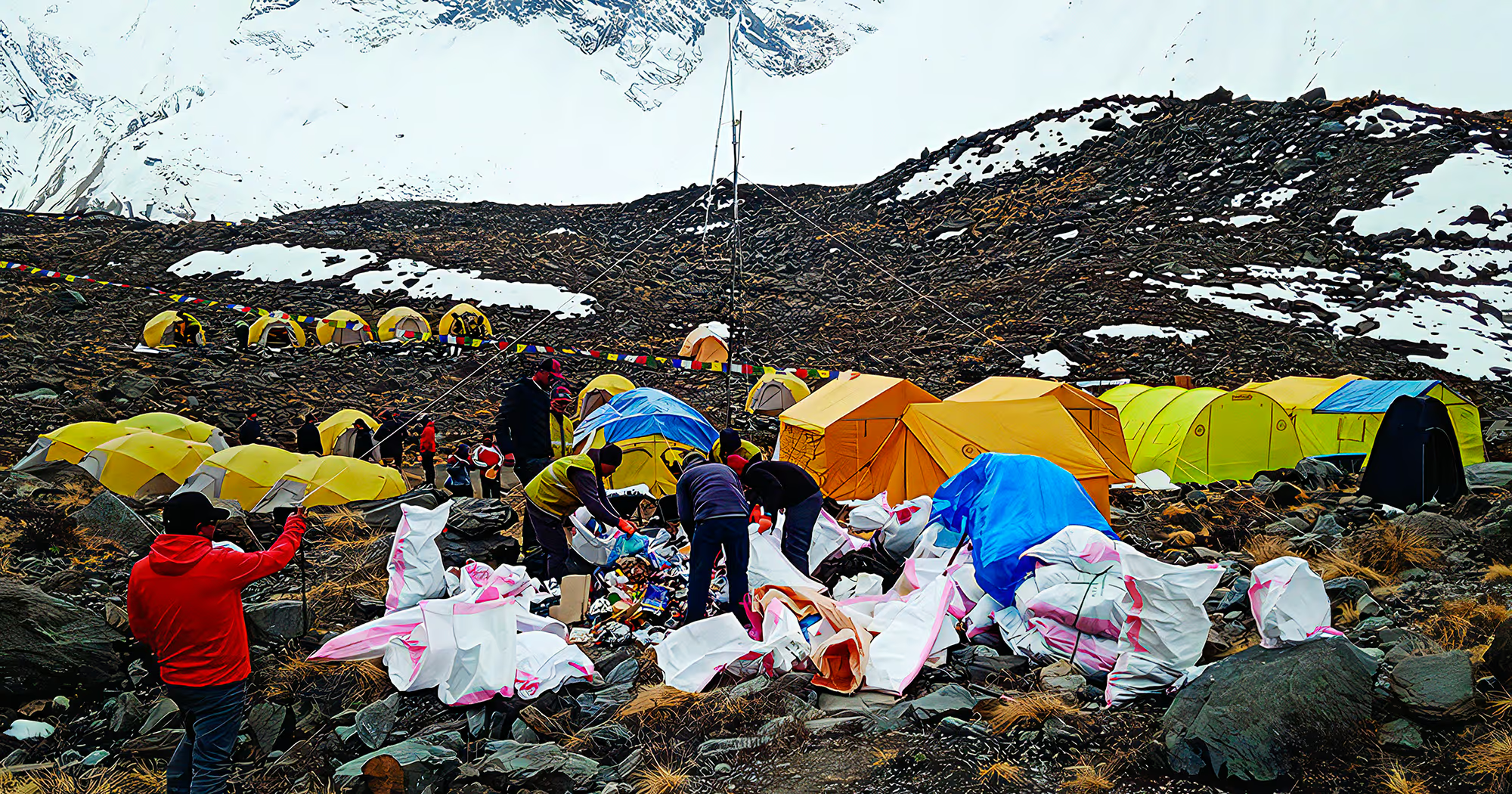
Some of the Eco-friendly treks which minimizes less carbon foots prints, you should do in 2026 are:
- Langtang Valley Trek
- Tamang Heritage Trail
- Ruby Valley Trek
- Ganesh Himal Trek
- Annapurna Circuit
All of the above mentioned trekking trails take you to Himalayan communities without having to book domestic flights. Unlike above mentioned trails, if your bucket list is to explore routes like:
You can also trek there with responsible practices but one thing you need to focus on is choosing a responsible trekking and tour operator. Company like Awesome Holidays Nepal focuses on eco-friendly trekking approach while providing a transparency on:
- Guide and porter welfare policies,
- Waste management,
- Accommodation choices,
- Environmental programs,
- and community relationships.
Leave No Trace Principle
Trekkers need to follow the principle of “Leave No Trace” so that they can protect the fragile Himalayan ecosystem of Nepal. These principles also support Carbon Neutral Travel in Nepal by encouraging responsible travel practices and reducing unnecessary environmental impacts.
Principle 1: Plan Ahead and Prepare
Always plan your trip by choosing a registered trekking agency like Awesome Holidays Nepal because we offer transparency on wages of trekking guides and porters. You should also prepare beforehand and pack those things only which does not produce plastic waste and book in peak season for best mountain views.
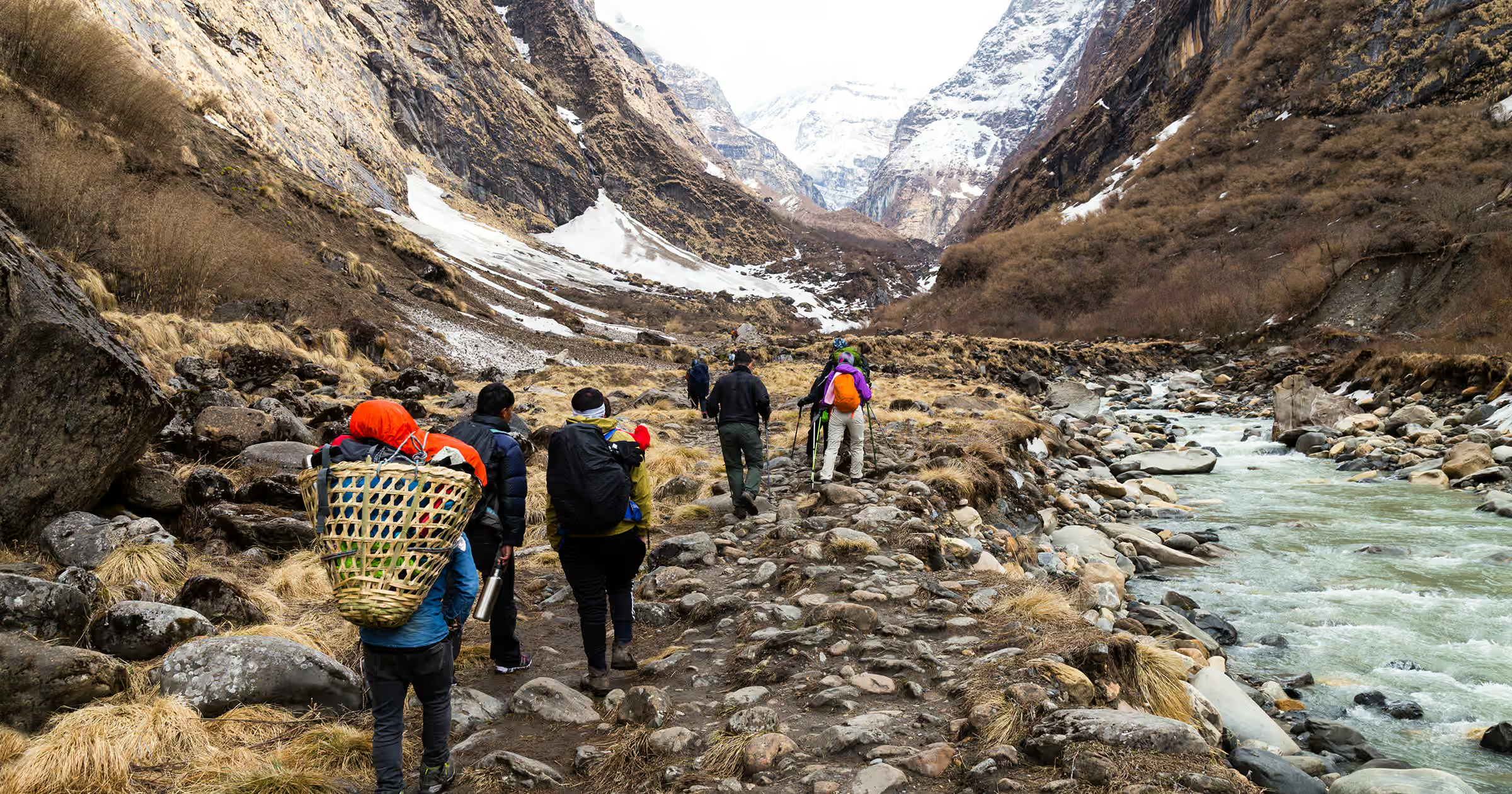
Principle 2: Travel and Camp on Durable Surfaces
Trekkers should always walk on designated trekking trails and if your trek demands camping only build it on designated areas only.
Principle 3: Dispose of Waste Properly
You should always pack out all of your trash whether it is biodegradable or plastic ones. Also, you need to only dispose of human waste in teahouses and lodges.
Principle 4: Leave What You Find
Trekkers should not take souvenirs from the trails and should only capture artifacts, wildflowers, and cultural objects in your camera lens.
Principle 5: Minimize Campfire Impacts
When doing campfires, do not leave the place without making sure that the fire is fully out and cold. Choose teahouses and lodging heating services instead of it.
Principle 6: Respect Wildlife
If you witness any wildlife, make sure you maintain distance from them and do not feed or poke them.

Principle 7: Be Considerate of Others
You should always respect the local communities and give way to uphill trekkers in narrow trails. Also, make sure you maintain less noise at night.
Packing List for Eco-Friendly Trekking in Nepal
The things you pack on your backpack determine how much and what type of waste will be produced during your trekking journey in Nepal. The concept of sustainable trekking gear focuses on:
- Durability,
- Repairability,
- Responsible materials, and
- Buying only what you genuinely need.
If you are planning your first trek in Nepal remote region make sure you check which item you can do rent instead of buying such as:
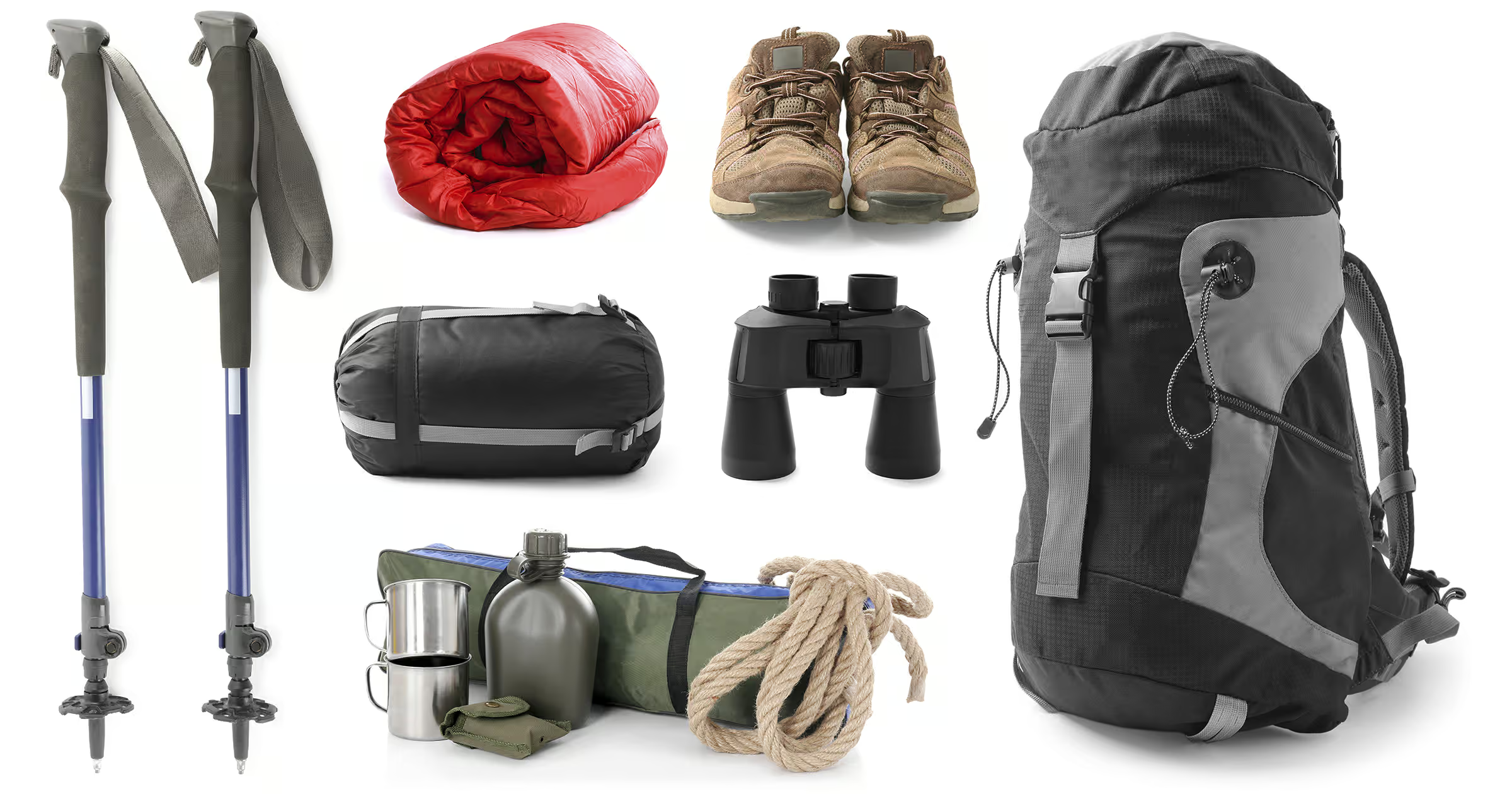
- Rent technical gear in Nepal.
- Repair an existing backpack or jacket.
- Buy durable second-hand equipment like trekking poles.
- Choose durable products that will last for years.
- Avoid unnecessary gadgets like drones etc.
- Select multipurpose equipment.
Your trekking backpack should contains packing list like:
- Reusable water bottle and purifier
- Solid shampoo and biodegradable soap
- Rechargeable batteries and reusable dry bags
- Versatile layered durable lightweight clothing
- Reusable snacks bags for storing hiking snacks.
How Awesome Holidays Nepal Supports Carbon-Neutral Adventures
All of our trekking guide and leaders are committed to support carbon-neutral adventures by following initiatives:
- Every adventure like hiking, trekking or expedition, our representative team leader does tree planting per booking.
- We make sure that our client are using reusable water bottles and using purification tablets regularly.
- Our team only book teahouses and lodges who focuses on solar power, recycling, strict waste management and plastic reduction.
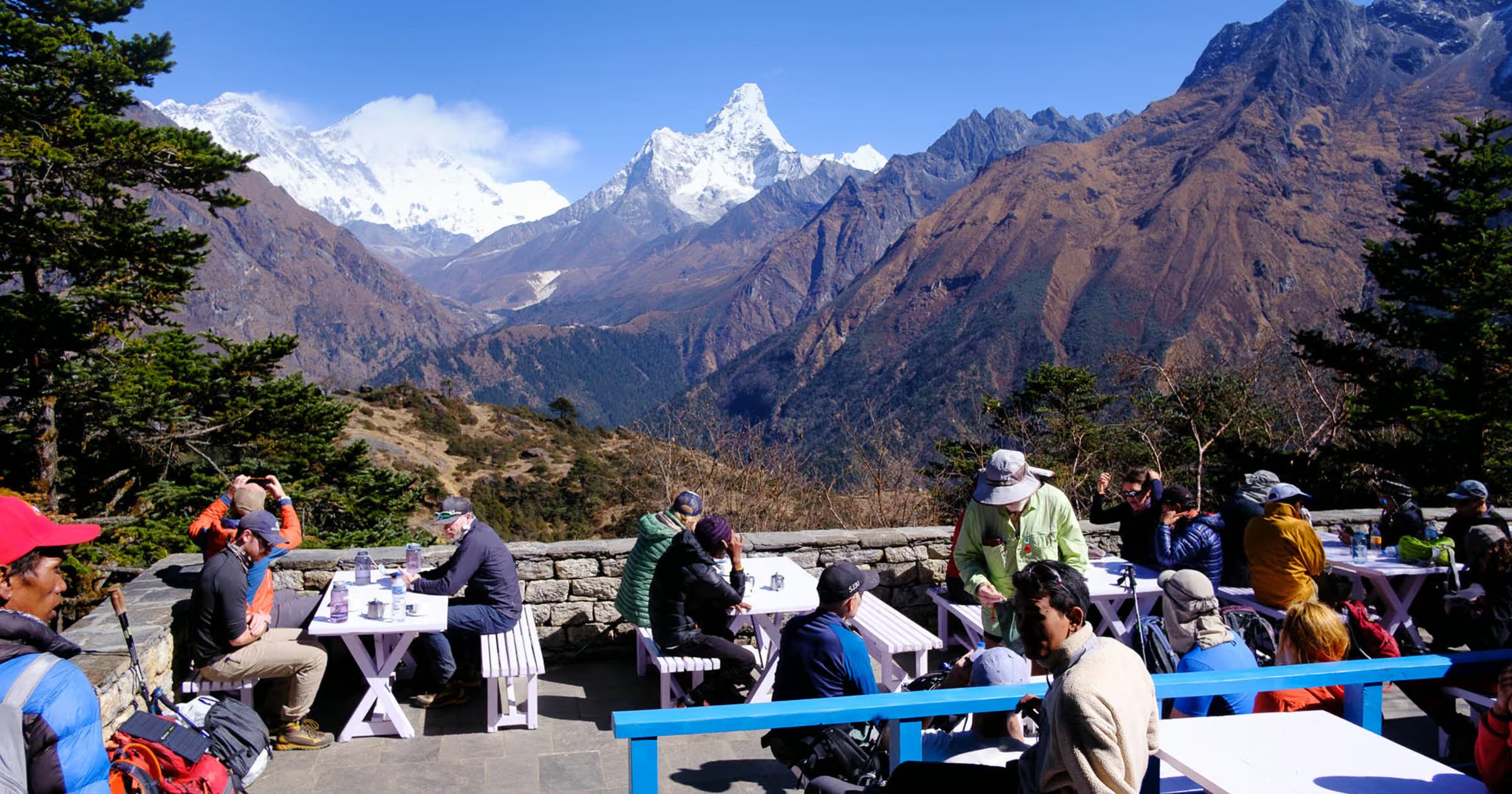
- We encourage our guest to use public bus or micro instead of hiring a private jeeps.
- Our team also give first hand briefing regarding trek and how to minimize waste before you step on the trailhead.
- We also donate different National park and conservation projects.
- Our team does equal treatment in case of paying fare and tipping according to their experience level.
How to Make Your Trekking in Nepal More Carbon Conscious
When planning a Sustainable trekking in Nepal, you can reduce the overall footprint of by following strategy mentioned below:
Before You Leave
You should always research trekking companies who focuses on clear environmental and staff-welfare policies. Also, your travel plan should include longer stays and routes that can be reached without using domestic flights.
During Transportation
Use shared or group transportation when practical. Consider road travel instead of domestic flights when time, safety, and route conditions allow.

During the Trek
Refill water, avoid disposable plastics, stay on established paths, and choose locally operated accommodation and restaurants. Buy souvenirs from local mountain villages instead of buying from urban cities.
After the Trek
Make sure you review your estimated travel emissions and consider a credible offset or conservation contribution for emissions that could not reasonably be avoided. This approach makes carbon responsibility part of the entire trip rather than a last-minute purchase.
Planning A Nepal Treks in 2026?
Or Call/Message on WhatsApp +977 98434 13619
Conclusion
Trekking to Himalayas is beyond an exploration of spectacular scenery but it all about a chance to participate in a living environment shared by communities, wildlife, forests, rivers, and future generations. Sustainable Trekking in Nepal does not require travelers to be perfect and experienced but it demand them to be more conscious.
Choose local services. Carry reusable items. Reduce unnecessary emissions. Respect cultural traditions. Stay on established trails. Treat guides and porters fairly. Support credible conservation work. And think carefully about the environmental cost of every major travel decision.
When planning a carbon neutral travel Nepal experiences, one of the most effective approaches is to reduce emissions first and use responsible offsetting or conservation contributions for what remains.
The same principle applies for those who are in search of eco-friendly trekking Nepal, choose experiences that protect the mountains while creating a economic benefits to mountain communities who call them home. Now, it is your responsibility to make sure those mountains remain extraordinary tomorrow while enjoying the beauty of nature.
FAQs
Expand AllWhat is carbon neutral trekking in Nepal?
Exploring Nepal trekking routes while reducing trekking-related emissions and balancing unavoidable emissions through verified carbon-offsetting projects is called carbon neutral trekking in Nepal.
How to find carbon neutral trekking companies in Nepal 2026?
When searching carbon neutral trekking companies, you should look for those who clearly disclose their carbon-reduction practices, waste policies, renewable-energy use, and verified offset or conservation programs.
Are there any eco friendly trekking operators in Nepal?
Yes, several eco-friendly and responsible trekking operators in Nepal such as:
- Awesome Holidays Nepal,
- Mission Eco Trek,
- Glorious Himalaya Nepal ,
- Eco Adventures.
Does trekking in Nepal have a carbon footprint?
Yes. Trekking in Nepal has a carbon footprint from:
- Flights,
- Transportation,
- Accommodation,
- Food,
- Heating,
- Waste,
- and other travel-related activities.
Is Everest Base Camp trek carbon neutral?
Everest Base Camp trek is not carbon neutral but one can reduce the emission via low-impact choices, and credible carbon-offset programs.
Zero waste trekking in Nepal – how does it work?
Zero waste trekking in Nepal works by focusing on:
- Avoiding single-use plastics,
- Carrying reusable supplies,
- Minimizing packaging, and
- Properly managing or carrying out all waste.
Carbon offset trekking Nepal – which companies do it?
Awesome Holidays Nepal, Nepal Sanctuary Treks, Mountain Lodges of Nepal, etc are some of the trekking companies which offer Carbon offset trekking in Nepal.
Are there carbon neutral Annapurna treks?
Yes, Annapurna treks can be made closer to carbon neutral. You need to choose a responsible operators which focuses on reducing transport emissions, minimizing waste, and offsetting unavoidable emissions.
What makes a trekking company eco friendly in Nepal?
Those company which support local communities, reduces waste and emissions, protects natural resources, respects local culture, and follows responsible tourism practices fits inside the list of eco-friendly trekking company.
Is there any Responsible trekking operators Nepal 2026?
Yes, there are many responsible trekking operators such as Awesome Holidays Nepal.
What is Eco lodges and carbon neutral treks Nepal?
Eco lodges focuses on solar energy, energy-efficient systems, local resources, and responsible waste management. Trekking in such a way that will reduce plastic use and offsetting remaining emissions through verified local reforestation and clean-energy projects is termed as carbon neutral treks in Nepal.
How to reduce carbon on Nepal trekking trips?
You can reduce carbon by choosing:
- Shared or public transport,
- Local accommodation and food,
- Avoiding unnecessary flights,
- Carrying reusable items, and
- Supporting responsible trekking operators.
When is the Best time for sustainable trekking in Nepal?
Spring and autumn seasons are Best time for sustainable trekking in Nepal as trails can be enjoyed without excessive environmental impact.
Is there any Nepal trekking carbon footprint calculator?
No. There is no single official, dedicated calculator to calculate carbon footprint in Nepal.
Is Langtang Valley trek more sustainable than EBC?
The Langtang Valley trek can have a lower environmental impact than Everest Base Camp because it is closer to Kathmandu and do not demand domestic flight to reach the trailhead.
Are there any Carbon neutral peak climbing expeditions in Nepal?
Yes. You can do Carbon neutral peak climbing expeditions to Island Peak, Mera Peak, and Lobuche East.
How to reduce carbon on Nepal trekking trips?
You can reduce carbon on Nepal trekking trips by choosing a local, shared transport and eliminating domestic flights.
Plastic free trekking Nepal tips?
You can approach Plastic free trekking Nepal by focusing on single-use bottles with portable purifiers and packing out all personal non-biodegradable waste.
Do Nepali trekking companies plant trees for trekkers?
Yes. There are many Nepali trekking companies who does tree plantation as part of their corporate social responsibility and environmental sustainability initiatives.
What are Eco conscious trekking routes in Nepal (off the beaten path)?
The Eco conscious trekking routes in Nepal are:
- Manaslu,
- Tsum Valley,
- Kanchenjunga,
- Langtang valley trek, etc.
Related blog posts
Discover a choice of tourist destinations loved by most of our visitors. Whether you're on a jungle safari to spot rare animals or walking through a world heritage site, these well-planned itineraries cover the major highlights of Nepal.

 call an expert at: