
Nepal Travel 2026: The Rise of Slow Travel Nepal – A 3-Week Deep Immersion Guide
 Sristi Adhikari
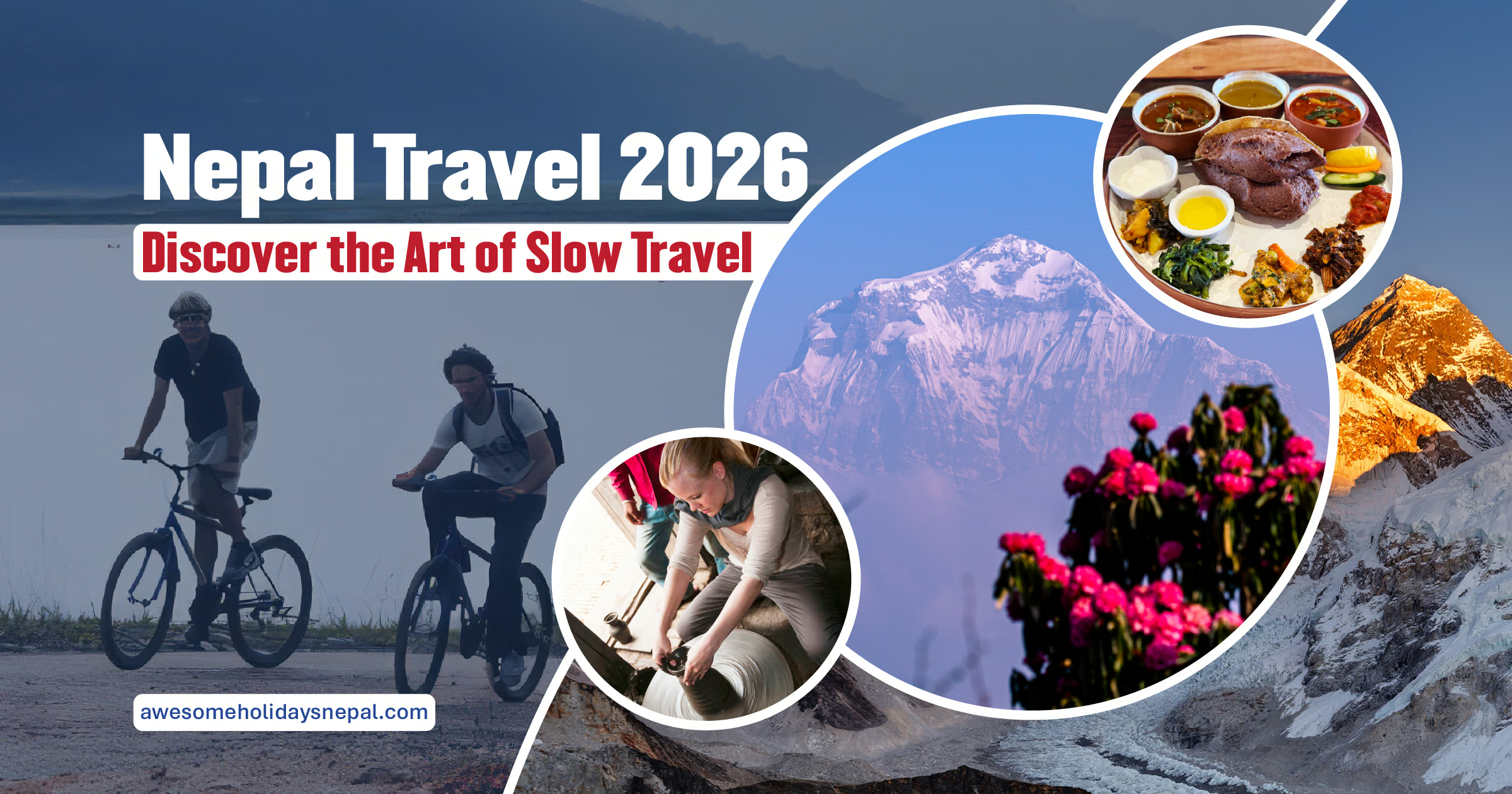
Nepal Travel 2026 is no longer just about reaching Everest Base Camp, checking off famous viewpoints, or rushing from one destination to another. Instead, travelers are embracing a more meaningful way of exploring the Himalayas through Slow Travel Nepal.
In recent years, conscious tourism has transformed how visitors experience Nepal. Rather than spending only a day in Kathmandu or Pokhara before heading into the mountains, travelers are choosing freedom to slow down while focusing on longer stays, authentic cultural connection at local homestays, village experiences, cultural workshops, watching how Himalayas turn pink at dusk, and eco-friendly adventures.
If you’re planning a journey that goes beyond ticking famous landmarks off a checklist, this guide will show you exactly how to spend three unforgettable weeks exploring Nepal at a slower pace while supporting local communities and creating memories that last a lifetime in 2026.
What is Slow Travel in Nepal?
Slow travel is about quality rather than quantity which is inspired from Italy’s slow food movement in the 1980s. You will spend more time in a few places instead of rushing to other 10 destinations in ten days.
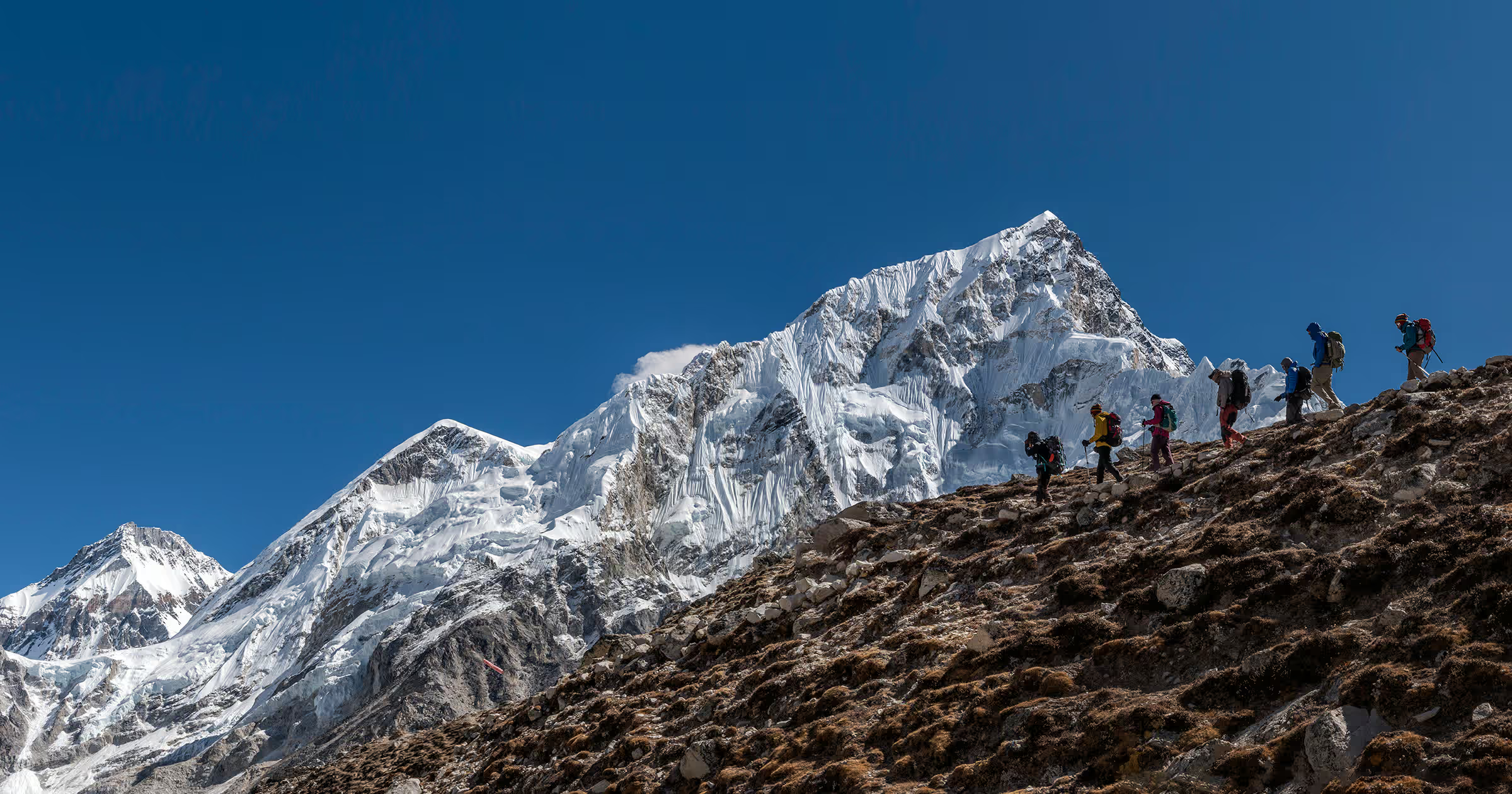
Slow travel in Nepal means choosing village homestays for several nights, walking instead of rushing, eating with host family instead of booking a table in hotels and restaurants, and experiencing local traditions rather than simply photographing them. Slow travel is perfect for those who want to experience deeper cultural immersion during Nepal Travel 2026.
Rather than simply seeing Nepal, you become part of everyday life.
Why Slow Travel Nepal is Growing in 2026
Nepal is filled with jaw-dropping Himalayan peaks, centuries old spiritual temples, and a vibrant, diverse tapestry of cultures and to explore them you need to slow down. Nepal stays in your heart in such a way that when you leave a certain place or rural homestays you will get the feeling you are abandoning something which belongs to you.
Slow travel in Nepal is getting more popular due to following reasons:
Travelers Want Authentic Experiences
Modern travelers are in search of genuine interactions with local people rather than crowded tourist attractions. Nepal offers exactly the same things when travelers stay in local homestays which spread across, Himalayas, hills, and terai lowlands.
The major highlights of Nepal travel 2026, is exploring different villages, learning cooking and making handicraft, enjoying local festivals like Dashain, Tihar with community members.
Sustainable Tourism
Many foreigners are being conscious and are focusing on their environmental impact before planning a trip. They are choosing road trips rather than domestic flights, staying in local homestays, hiring local guides and porters, and staying longer in one destination. This overall contributes to more responsible tourism.
Digital Nomads Stay Longer
As Nepal is offering reliable internet connection in travel destinations like Kathmandu, Pokhara, Bandipur, and other trekking trails. Many travelers are choosing tour in Nepal and exploring different corners of the Country without hampering their work.
Best Places for Slow Travel Nepal
Kathmandu Valley: Centre of Culture
Kathmandu is the capital city of Nepal. Being a capital city, you will witness a perfect blend of ancient tradition and modern life.
Even though it is the busiest city, it has a lot to offer and you will get a chance to learn about different cultures and traditions when exploring narrow lanes of Patan or sipping a cup of tea in traditional alleys of the valley. Kathmandu offers you a following slow travel highlights in 2026:
- Exploring temples and courtyard in Durbar squares like Kathmandu, Patan, and Bhaktapur.
- Participate in pottery and cooking class with locals of Bhaktapur and Patan.
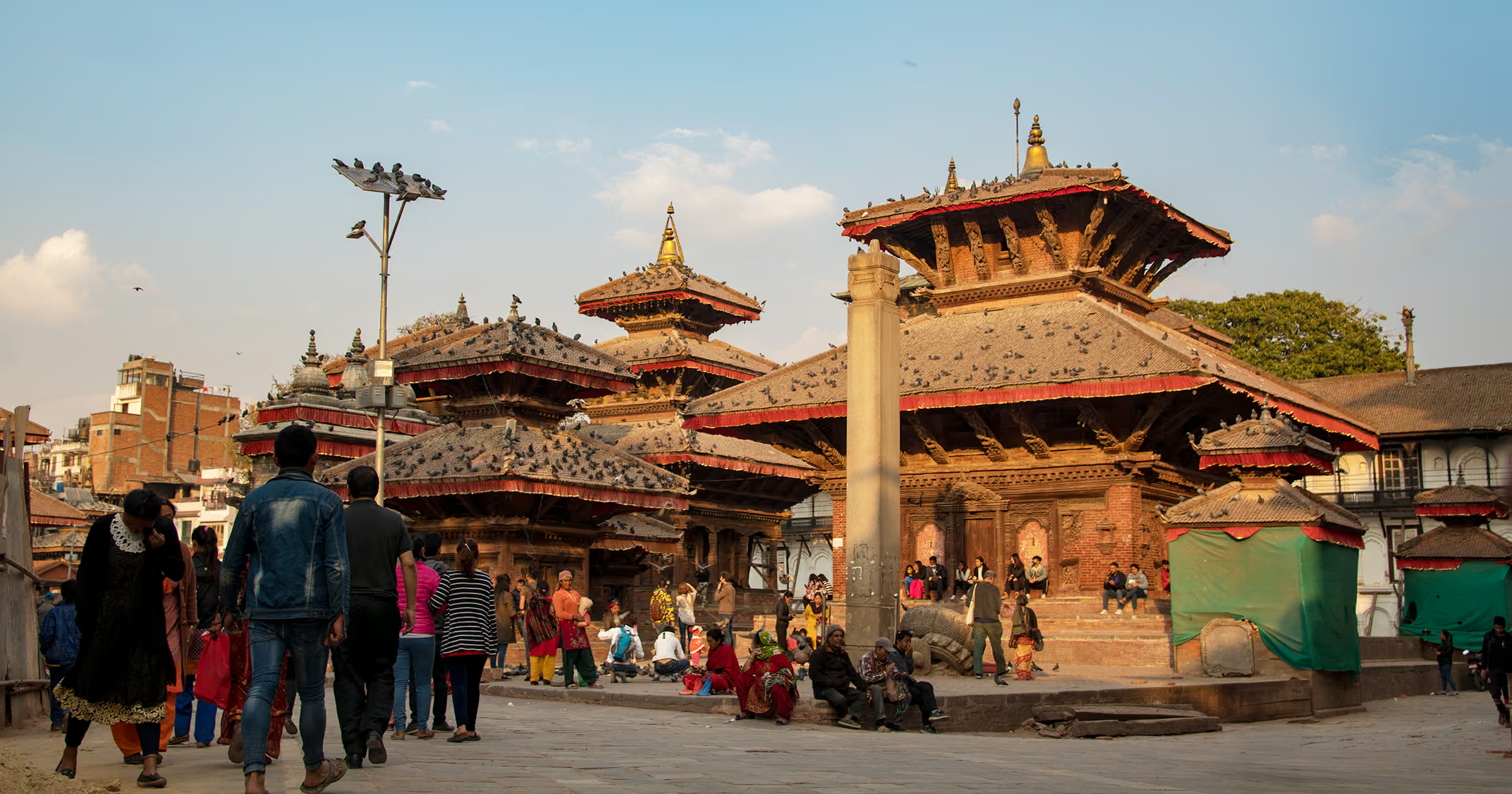
- Witness daily rituals at Boudhha and Sandhya Aaarati and funeral rites in the bank of Bagmati river of Pashupatinath temple.
- Learn ancient crafts and join workshops of yoga and meditations.
- Exploring traditional Newari food in streets and learning about the history of Royals in museums.
Bandipur: Hilltop Village
Bandipur is a small Newari hill town which is located in between Kathmandu and Pokhara. When doing slow travel in Nepal, Bandipur serves as a best destination to explore. You can enjoy:
- Quiet morning walks in old bazaar
- Hike to Thani Mai temple
- Stay inside centuries old homestays operated by Newari people
- Enjoy meals prepared in wooden fires
- Learn weaving and pottery inside the house of local artisans
Ghandruk: Traditional Village
Ghandruk is a welcoming mountain village inhabited by local Gurung communities. Here, you will get to experience:
- Authentic Nepalese village lifestyle,
- Cultivated terrace farmlands and help them harvest seasonal crops like rice, barley, millet, etc.
- Authentic Gurung culture and interaction with locals who have been living for generations.
- Awe-inspiring view of mountains like Annapurna I, Annapurna South, Hiunchuli, Machhapucchre, and Gangapurna.
Pokhara: City of Lake
Pokhara offers a tranquil escape for those who are in search of a blend of relaxation, adventure, and wellness. When doing a slow Nepal travel 2026, you will become mesmerised by its popular attractions like:
- Canoeing in Phewa lake,
- Tasting local fish items in Majhi kuna,
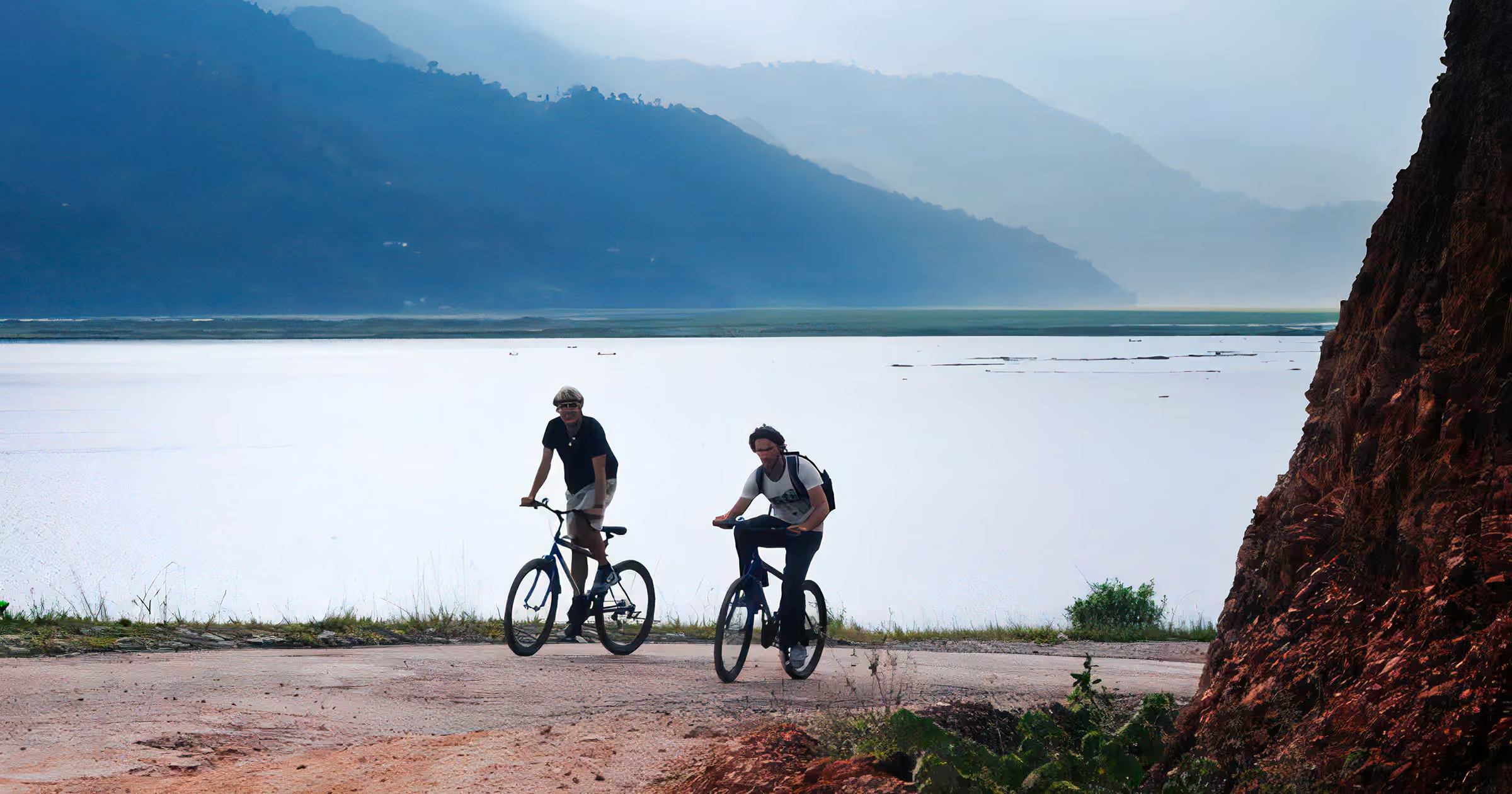
- Hiking to small village like Dhampus or Sarangkot,
- Cycling in the lakeside and through rice paddy field, etc.
Panauti: Oldest Living Towns
Located just in the south east of the Kathmandu valley, Panauti is a small Newari town lies in between the Rosi and Punyamata river. Here, every year thousands of local and Indian devotees come to pay homage to Indreswor Mahadev temple.
Spending slow time in this town helps you get a deeper immersion of their local culture from visiting temples like:
- Indreshwar Temple,
- Panauti Durbar Square,
- Triveni Ghat,
- Namo Buddha
or being a part of Makar Mela and Panauti Jatra.
Tansen
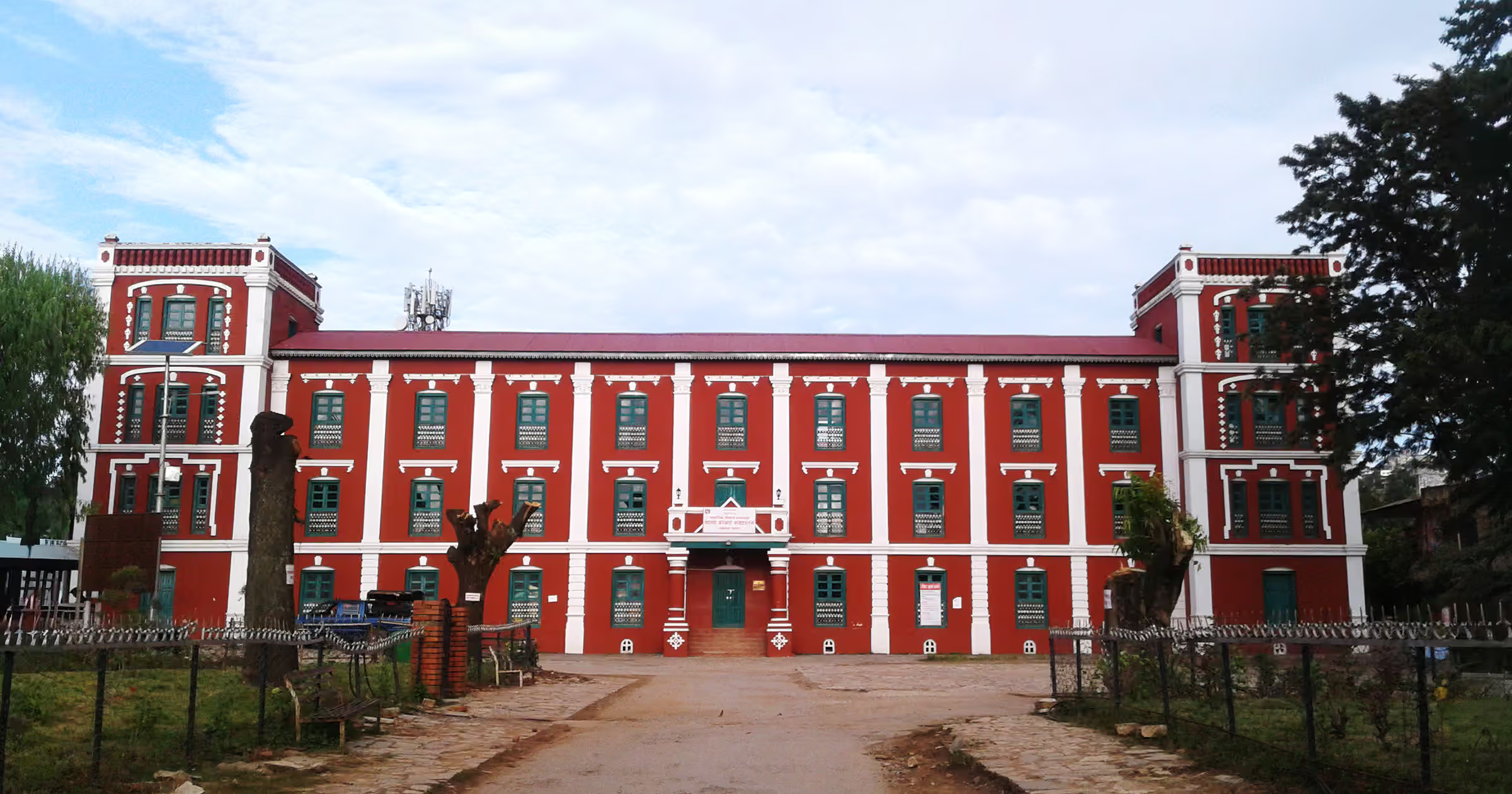
Tansen is a charming hilltown located in Palpa district. It is also known as the cultural hub of the mid-west region. The town is attracting heart of the travelers with its:
- Tranquil atmosphere
- Cobbled streets in the old Bazaar
- Old artistic Newari houses.
The Ideal 3-Week Slow Travel Nepal Itinerary
Week 1: Exploration of Kathmandu Valley
Instead of exploring Kathmandu in one day, you will be exploring it without rushing. We suggest you to spend first week exploring cultural heart of Nepal, Kathmandu by:
- Exploring heritage squares
- Visiting Buddhist monasteries
- Morning walks through local neighborhoods
- Nepali cooking classes
- Traditional pottery workshops in Bhaktapur
- Local food tours in streets of Patan, Asan, Kirtipur, and Basantapur etc.
- Visiting artisan markets such as Farmers Market at Le Sherpa in Maharajgunj on Saturday mornings.
- Meditation sessions
- Sunset at hill viewpoints of Nagrakot or Dhulikhel
This first week, we suggest you take time to learn about history, architecture, religion, and daily life before heading into the mountains.
Week 2: Bandipur and Pokhara
Slow Nepal travel 2026, allows you to spend several days in one location rather than moving quickly between destinations. After exploring Kathmandu, we suggest you move towards Bandipur and then to Pokhara.

In Bandipur, spending 2 nights will be enough for you to explore every aspect of this preserved hilltown like:
- Stone-paved streets
- Traditional Newari architecture
- Mountain sunrise views
- Local museums
- Community walks
- Organic farms
- Village homestays
After that, head to Pokhara and you will experience Pokhara slowly by spending time:
- Walking around Lakeside
- Cycling nearby villages
- Visiting local markets
- Joining yoga retreats
- Exploring caves and waterfalls
- Watching sunrise from Sarangkot
- Enjoying lakeside cafés, and so on.
Week 3: Village Trek and Community Experience
Your final week should focus on experiencing mountain life which is not crowded and is untouched by modern infrastructures.
We suggest you select community-based trekking regions so that your travel will directly benefit local families and you will get to experience:
- Staying in family-run lodges
- Learning about mountain farming
- Visiting local schools
- Participating in cultural evenings
- Trying traditional Nepali meals
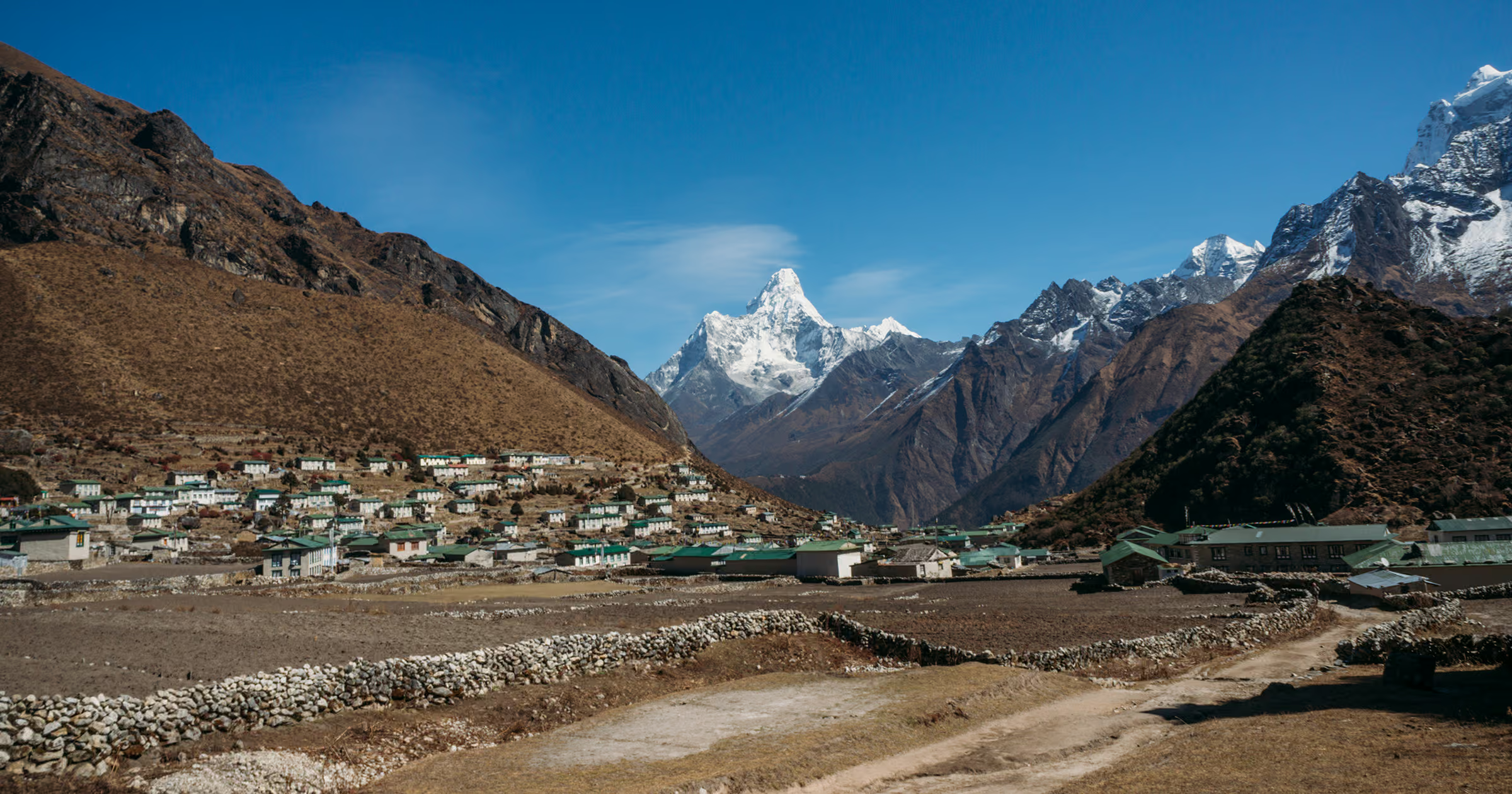
- Walking through forests and terraced fields
- Meeting local guides who share regional history
The goal isn’t reaching the highest altitude but it is to understand Himalayan life.
Experience Authentic Homestays in Nepal
Choosing to stay in locally operated homestays in Nepal is one of the smart decisions foreigners should make during Nepal travel 2026. Staying in Nepal homestay makes you feel like you are living in your own home because the owner will treat you like their own family member.
As you will be spending night under the same roofs with local families, you will know how they spend their day to day life, how they make meals, what festival they celebrate, and what kind of life struggle they are facing or what makes them happy.
When you stay in a rural village, you don’t need an alarm clock, you will simply wake up with roosters, smell coming from burned wood, and the sound of host family members.
Food You will Eat
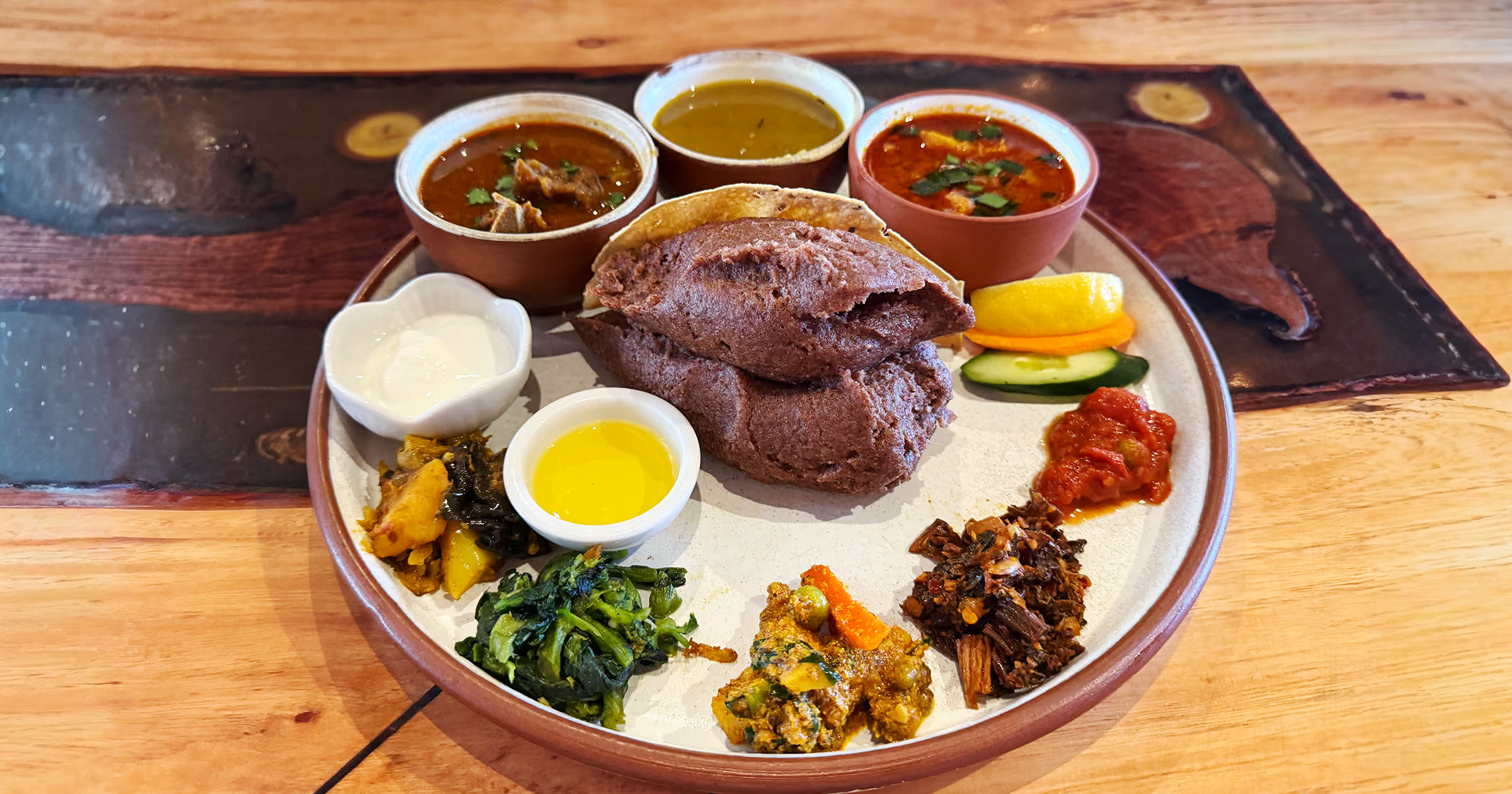
Unlike hotels and restaurants, you will get to taste foods like:
- Flatbreads, eggs, fresh milk and tea for breakfast with another host’s family member.
- Dinner and lunch: Dalbhat served with vegetable curry and homemade pickles.
- Sometimes, momo, Dhido set, and so on.
Things You Can Do
- You can explore villages and join them to harvest or plant crops in nearby farmlands.
- You can also join the cow milking or buffalo milking process via hand in their barns.
- Villagers are quite kind and welcoming, they will surely invite you to watch and learn Gundri (गुन्द्री, a traditional hand-woven Nepali floor mat made by dried straw of paddy.
- Be a part of small family functions like weaning or Bratabandha (or Bratabanda) ceremonies.
- Learn how to say hello in other languages like Gurung, Tamang, and Newar.
- You can also join the villagers group for grazing their domestic animals in their farmlands.
How to Plan a Slow Travel Trip to Nepal
It is quite easy to plan a slow travel trip in Nepal as compared to rushed one because you will be spending more time in one place and you don’t have to think about booking multiple accommodation in different destination.
- At first, pick two to three destination where you want to go according to the type of experience you are in search of. For example, combine Bandipur, Panauti, Kathmandu, Ghandruk, if you love culture and history.
- Then, contact registered trekking and touring agency like Awesome Holidays Nepal for trip planning and help you with all the logistics.
- Then, mention in which time you are coming and which place you want to stay longer so that our member will book a community homestay in that region.
Planning to Visit Nepal in 2026?
Or Call/Message on WhatsApp +977 98434 13619
- Keep extra days on your schedule as villages roads to countryside may get obstructed anytime due to weather conditions.
- Before packing bag, learn few Nepalis words like “Namaste, Dhanyabaad, Mitho Chha which means Hello, Thank you, delicious in English.
How much does Slow Travel in Nepal cost?
Nepal travel 2026 is quite affordable travel destination in compared to the European countries. Slow travel in Nepal means you will be exploring countryside village, staying in homestays, traveling in local buses and the travel cost becomes more affordable unlike spending nights in star-rate hotels in popular city.
| Expense | Estimated Cost
NPR Per Day |
Estimated Cost
USD per Day |
|---|---|---|
| Local Bus Transportation | NPR 500 to 1,200 | USD 4 to 9 |
| Community Homestay | NPR 1,500 to 3,000 | USD 11 to 22 |
| Meals (Breakfast, Lunch and Dinner) | NPR 1,000 to 2,000 | USD 7 to 15 |
| Activities and Entrance Fees | NPR 500 to 2,000 | USD 4 to 15 |
| Estimated Total Per Day | NPR 3,500 to 8,200 | USD 26 to 61 |
The estimated cost for a 3-week slow travel trip in Nepal in 2026 is:
| Budget Style | Approximate Total Cost in 2026 |
|---|---|
| Budget Traveler | NPR 73,500 to 94,500 (USD 540 to 700) |
| Mid-Range Traveler | NPR 94,500 to 126,000 (USD 700 to 930) |
| Comfortable Slow Travel | NPR 126,000 to 172,000 (USD 930 to 1,270) |
Discover the True Spirit of Nepal Through Slow Travel
Nepal can be explored without rushing through its historic landmarks and popular attractions in 2026. You can enjoy the beauty of Nepal by slowing down, staying longer and getting connected with local people, their culture, and traditions.
Whether you’re sharing tea with a family in a mountain village, wandering centuries-old streets in Kathmandu, watching sunrise over the Annapurna range, or enjoying homemade Dal Bhat after a peaceful hike, slow Nepal travel 2026 transforms your ordinary holiday into a life-changing journey.
We suggest you to spend at least 3-weeks in Nepal and enjoy the slow travel experience and return back with more than beautiful photograph with lasting friendships, unforgettable stories, and genuine appreciation of our Country in 2026.
FAQs
Expand AllWhat is slow travel in Nepal?
A travel style which focuses on spending more time in a few places instead of rushing is called slow travel in Nepal.
How long should I stay in Nepal for slow travel?
You should stay for at least of 2–3 weeks for slow travel in Nepal.
Is 3 weeks enough for Nepal?
Yes. Three weeks is the perfect amount of time to experience cultural heritage, scenic landscapes, local homestays, and short treks of Nepal at a relaxed pace.
What is the best time for slow travel in Nepal 2026?
Spring (March–May) and autumn (September–November)is the best time for slow travel in Nepal 2026 as weather is pleasant and mountain views are at their best.
How much does slow travel in Nepal cost?
Slow travel in Nepal may cost from USD 540 to 1270 and it depends on your budget an travel destinations.
Do I need a visa for long stay in Nepal?
Yes. You will need visa to enter Nepal and should extend it for longer stay.
What is Nepal's digital nomad visa 2026?
Nepal’s Digital Nomad Visa allows eligible remote workers to live and work in the country while enjoying its culture and natural beauty.
Where are the best homestays in Nepal?
Homestays of Bandipur, Ghandruk, Sirubari, Ghalegaun, Ilam, and villages in the Langtang and Mustang regions are best in Nepal.
Which villages are best for slow travel in Nepal?
Villages like Bandipur, Ghandruk, Ghalegaun, Sirubari, Tansen, and villages in the Langtang Valley are best for slow travel in Nepal.
What is community based tourism in Nepal?
A sustainable travel model where local communities manage tourism services, ensuring that visitors enjoy authentic experiences while directly benefiting local families is termed as community based tourism in Nepal.
What cultural workshops are available in Nepal?
Cooking classes, pottery making, thangka painting, traditional weaving, meditation sessions, yoga retreats, and local handicraft workshop are some workshops which are available in Nepal.
Where to stay for cultural immersion in Nepal?
If you are in search of cultural immersion in Nepal make sure you stay in community homestays, heritage guesthouses, eco-lodges, and family-run accommodations.
What are hidden gems in Nepal 2026?
Bandipur, Tansen, Ilam, Khaptad National Park, Rara Lake, Dhampus, and the remote villages of Lower Mustang are some of the hidden gems in Nepal.
What to pack for 3 weeks in Nepal?
You should pack following items for 3-weeks in Nepal:
- Lightweight layers,
- Comfortable walking shoes,
- A waterproof jacket,
- Reusable water bottle,
- Sunscreen,
- Power bank,
- Basic first-aid kit, and
- Travel documents.
Can I work remotely from Nepal?
Yes, you can work remotely from Nepal in 2026.
What are the best slow trekking routes in Nepal?
The best slow trekking routes in Nepal are:
- Ghorepani Poon Hill Trek,
- Langtang Valley Trek,
- Mardi Himal Trek,
- Helambu Trek, and
- Lower Mustang trails.
What should a 3 week Nepal itinerary include?
Your 3-week Nepal itinerary should include destinations like:
- Kathmandu Valley,
- Bandipur or Tansen,
- Pokhara,
- A community homestay, and
- A short Himalayan trek.
What is sustainable tourism in Nepal?
Sustainable tourism in Nepal is a approach which focuses on responsible travel that supports local communities, protects natural resources, and preserves cultural heritage.
What festivals can I experience in Nepal 2026?
You can experience festivals like Dashain, Tihar, Holi, Buddha Jayanti, Indra Jatra, Losar, or Teej in Nepal 2026.
What's the difference between tourism and slow travel in Nepal?
Traditional tourism focuses on visiting as many attractions as possible. Whereas slow travel emphasizes meaningful experiences, longer stays, cultural immersion, and responsible travel.
Related blog posts
Discover a choice of tourist destinations loved by most of our visitors. Whether you're on a jungle safari to spot rare animals or walking through a world heritage site, these well-planned itineraries cover the major highlights of Nepal.

 call an expert at: