
Badimalika Trek 2026: The Most Magical Hidden Gem in Nepal You’ve Never Heard Of
 Sristi Adhikari
Have you ever explored the untouched landscapes of Far Western Nepal? If not, Badimalika trek should be your next adventure!
The trekking trails of Badimalika allows you to explore the high alpine meadows, dense forests, traditional villages, and sweeping mountain panoramas before reaching the revered Badimalika Temple in Bajura. Badimalika Temple is the crown jewel of the trekking trails which sits at an altitude of 4,200 meters above sea level and is connected with legends of deities and ancient myths.
Its unique ability to blend a remote wilderness, solitude, culture, off-grid trekking experience with powerful and deeply rooted spiritual significance is attracting the heart of those enthusiasts who are seeking off-the-beaten-path-treks in Nepal. With opportunities of camping in open pastureland and wilderness, this least explored rewards you with the profound and scenic beauty of remote Himalayas.
Let’s dive deeper into our Badimalika Trek and discover what makes this remote Himalayan journey one of Nepal’s most fascinating off-the-beaten-path adventures in 2026.
Facts of Badimalika Trek
- Destination: Badimalika, Bajura District in the Sudurpashchim Province of Nepal
- Attraction: Badimalika Temple
- Elevation of Temple: 4,200 meters
- Trek Grade: Moderate to challenging
- Trek Distance: 70 to 85 kilometers (43 to 53 miles) round-trip,
- Duration: 10 to 15 days (Depends on routes)
- Accommodation Options: Camping, Teahouse, and Homestays
- Other Cultural Sites: Triveni Dham
- Nearby Attractions: Khaptad National Park, Dhawalpur Lake, Natyeshwori , etc.
- Mountain Views: Api and Saipal Himal
Where is Badimalika Located?
Badimalika is a remote western Himalayan region located in Bajura District of Far-Western Nepal. The main highlight of the Badimalika trek is Badimalika temple which is situated at an elevation of 4200 meters above sea level.
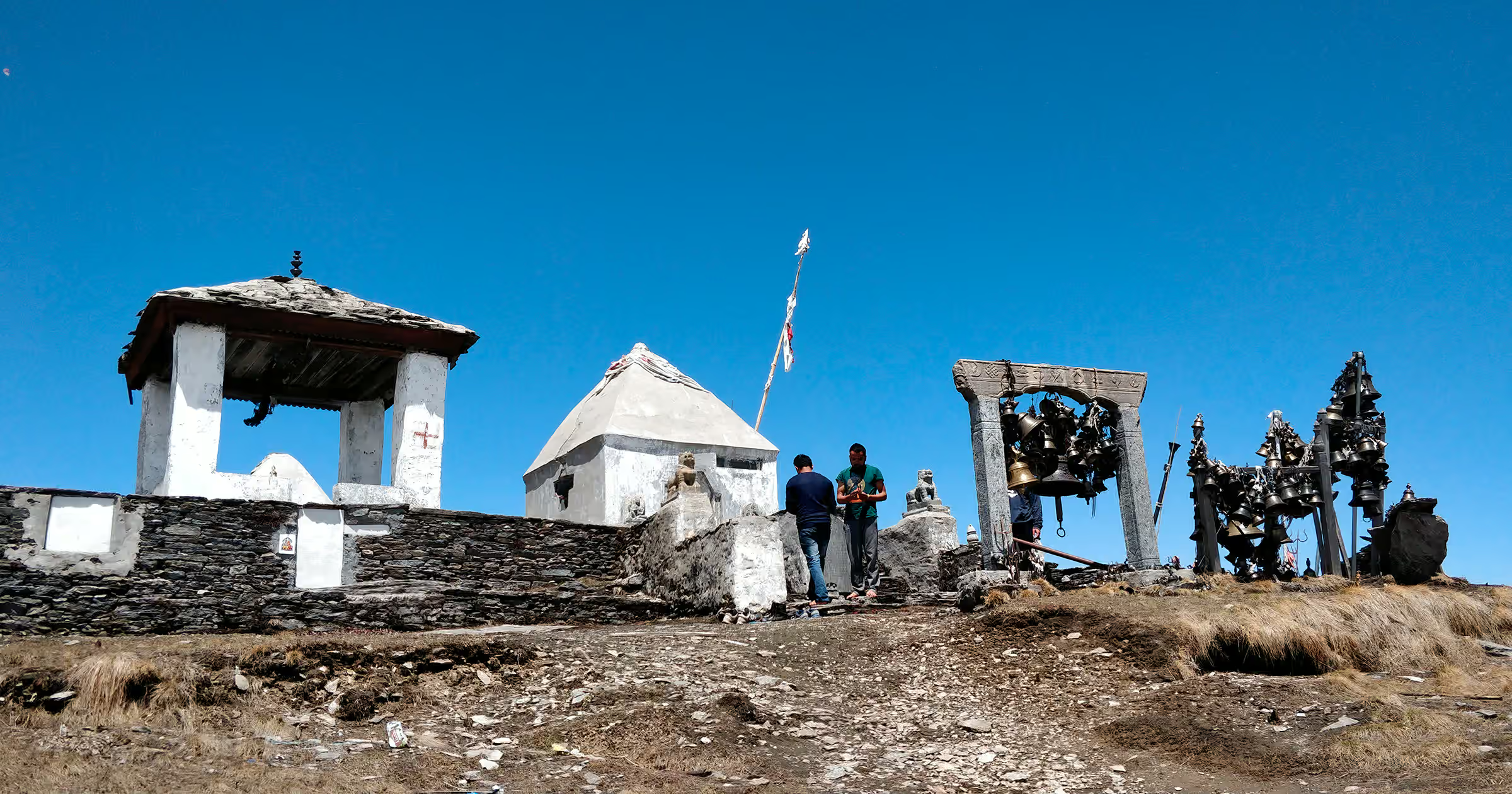
Badimalika temple is dedicated to Hindu Goddess, Bhagwati and is also regarded as the Shakti Peeth of Nepal. Located in the Triveni Dham of Bajura, the Badimalika Temple is one of the holy sites which is surrounded by alpine meadows and mountain ridges.
History of Badimalika Temple
Badimalika Temple is one of the important religious sites which is closely linked with Hindu traditions of western Nepal. According to the mythology in the Swasthani scripture and the Skanda Purana, When Sati Devi’s (wife of Lord Shiva) father, Daksha Prajapati held a Yagya where he invited all the gods except her husband.
Sati Devi questioned her father why he did not invited her husband, Shiva and in replied Daksha started humiliating her choice saying, why would he invite someone:
- Who is always intoxicated,
- Lives in cemeteries,
- Smeared ash all around his body and forehead,
- Wears snake and skull’s garland and drapes tiger skin around his body
- Hair is entangled in dreadlock
In front of all the God and Goddess, Sati Devi got humiliated by her father and she could not bear it and invoked her yogic powers to immolate herself in the Yagya fire. When Mahadev heard the news of her death, he sent his warrior, Veerabhadra and he beheaded Daksha Prajapati.
Then, Mahadev got so lost in grief that he was travelling to different parts of earth while carrying the dead body of Sati in his lap. Other God and Goddess could not see Lord Shiva suffering, so Lord Vishnu released his Sudarshan Chakra and wounded Sati’s body so her body would decompose faster.
Different parts of Sati Devi started to fall which are now considered as Shakti Pethas. Her left shoulder fell in Mallagiri Mountain, and then Mallagiri region got the name Malika after the event and is now known as Badimalika.
The “Badimalika temple” is also traditionally regarded as the eldest among the seven sister goddesses of Far-Western Nepal. The other seven sisters Goddess names are:
- Ugratara,
- Shaileshwari,
- Melauli Devi,
- Nigalasaini,
- Dilasaini, and
- Tripurasundari.
The name “Badimalika” comes from the idea of Badi, which means elder, and Malika, referring to the goddess.
Another Mythology of Badimalika Temple
There is a belief that when Goddess, “Bhagwati” executed demon “Mahisasur”, she rested in Dwaredhunga of Kalikot District. When a low caste man got so tired and hungry after collecting firewood for longer period of time, it eventually led him to beg for food Infront of Goddess Bhagawati.
Goddess also granted all of his demands what he wanted to eat, he continued eating and when he could not finish this huge portion of food, he started calling his family member and relative to join him. As they live far from that place, nobody heard his scream and no one showed up which made him furious and he asked her to kill all of his family member and relatives.
Goddess granted his dreadful wish and when he saw his family and relatives dying he again got furious towards her and retuned back to Dwaredhunga to vent his anger. When Goddess Bhagwati sees his wrathful pounding and blow in the temple door, she open the temple gate and fled from there forever while passing through Triveni, Panchpur Patan, and Mallapuri Patan before finally settling in Badimalika.
How is Janai Purnima Celebrated in Badimalika Temple?
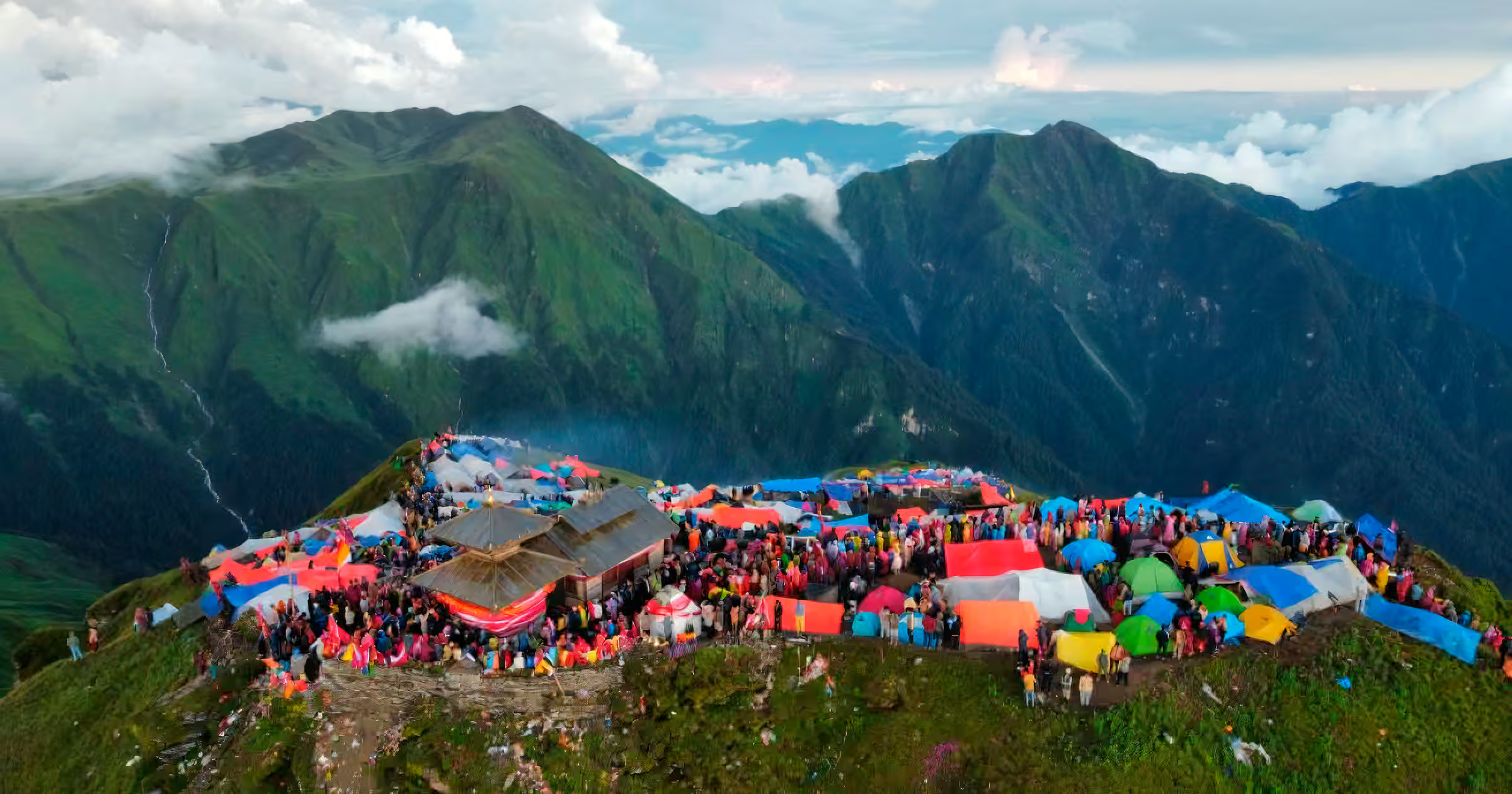
One of the main festivals celebrated in Badimalika temple is Janai Purnima. Janai purnima is a Hindu festival which is celebrated with a grand fair in Badimalika.
The main worship begins in Shukla Chaturdashi which falls this year on 11th of Bhadra 20283 or 27th of August 2026. On this day, worshippers from Doti and Jumla perform puja at the temple on behalf of the Gorkhali and Chandannath platoons.
On Thursday, August 14, 2026, a team of Government officials went to Badimalika while carrying puja materials. It is reported on The Rising Nepal that they performed special worship and left the District Administration Office, Doti.
They left Doti and headed to Badimalika before paying their visit to worship Shaileshwari temple and local Malika temple. The tradition of traveling to Badimalaika from Doti started in the Rana period and is still being practiced.
The team carry puja materials like:
- Bhurudi from Dipayal, Doti,
- Flower garland made from paddy leaves during the planting season,
- and Akshata (mixture of red vermillion and rice grains) from Baidyanath.
The government team will reach Badimalika in the 15th days and will stops at:
- Phulot → Dhanukanda → Marku, Achham → religious site of Baidyanath → Badimalika
The Janai Purnima festival is celebrated on the 12th Bhadra of 2083 and to celebrate this festival thousands of pilgrims of Nepal and India travel to Badimalika. Dhami-Jhakris from all over Sudurpaschimm and Karnali provinces arrive here while dancing in their rhythmic drumming of “Damaru” (pellet drum or clapper drum).
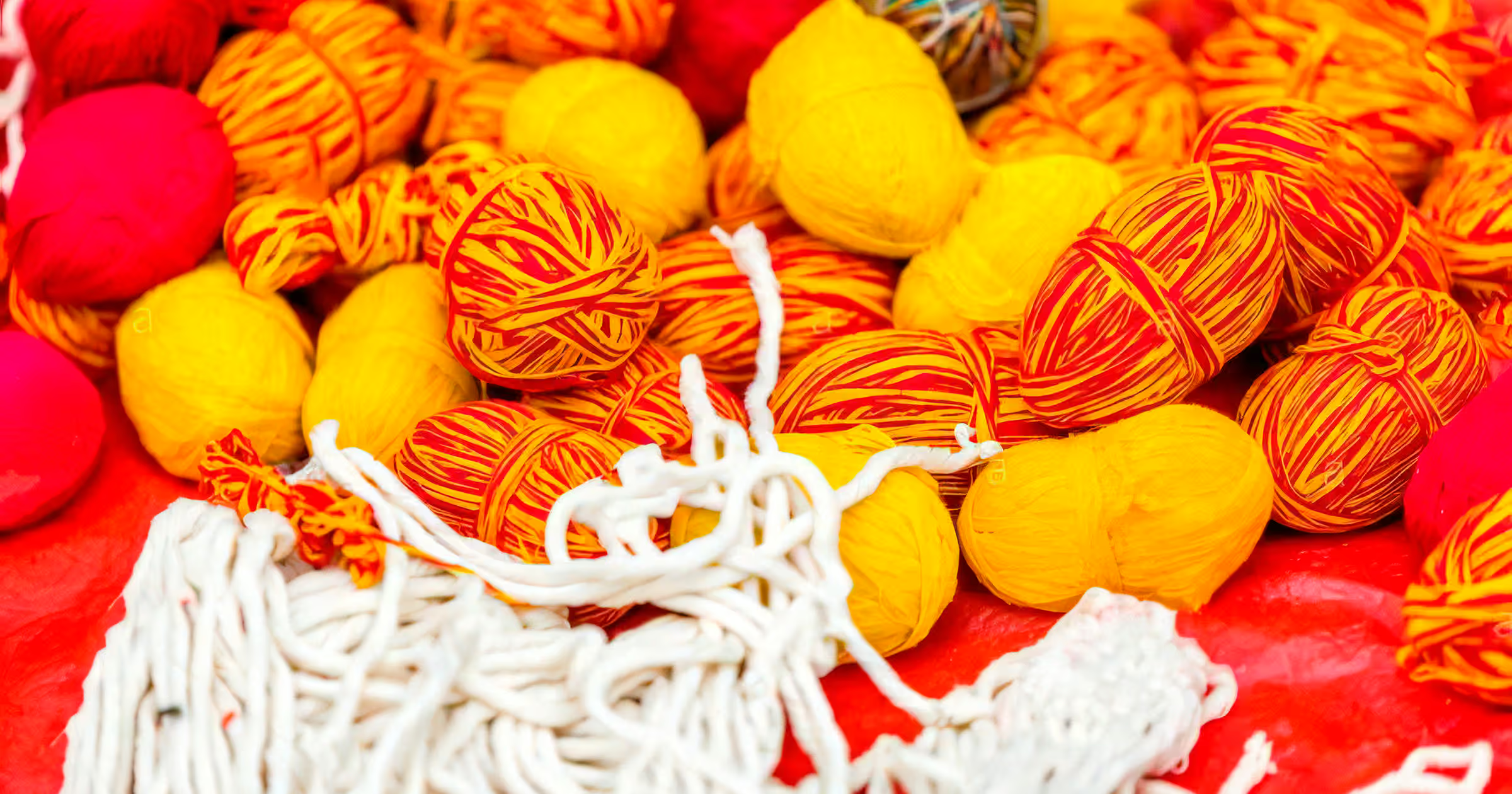
All the pilgrims worship the Badimalika temple according to their belief after taking a holy dip in the local rivers. It is believed that worshipping Malika Devi on the full moon, will grant all of your wishes and bless you with prosperity, good health, happiness, and fulfillment.
Nepalese men who did their “Bratabandha” replaces their old Janai thread acroos their chest with new ones whereas other whose Bratabandha is yet to be done and both married and unmarried women ties the colorful yellow and red thread around their wrist.
It is believed that wearing it in wrist will protect you from evil energy and we growing up in Nepalese household used to wear it until Tihar and then discard it on the day of Lakshmi Puja by tying in the tail of Cow, symbol of Goddess Lakshmi. Doing this, cow will let you hold in its tail and help you cross the mythical Baitarni river to reach heaven after death.
Must Visit Places in Badimalika
Although the temple is the central attraction, the Badimalika region has several places worth exploring.
Badimalika Temple
Your trekking trails of Badimalika ends when you reach the sacred Badimalika Temple. It is located on a high hill which offers sweeping views across the surrounding landscape.
The present temple structure has been reconstructed, with wood, stone and clay used in its construction and a brass roof and is served by two priests one from Bajura and other from Kalikot district. This holy temple is mainly filled with pilgrims from all around the Country in festivals like:
- Malika Chaturdashi
- Janai Purnima
Triveni Dham
Triveni Dham in Bajura is one of the most important stops on the pilgrimage routes to Badimalika. Triveni Dham is located at the confluence of the districts like:
- Kalikot,
- Achham,
- and Bajura districts.
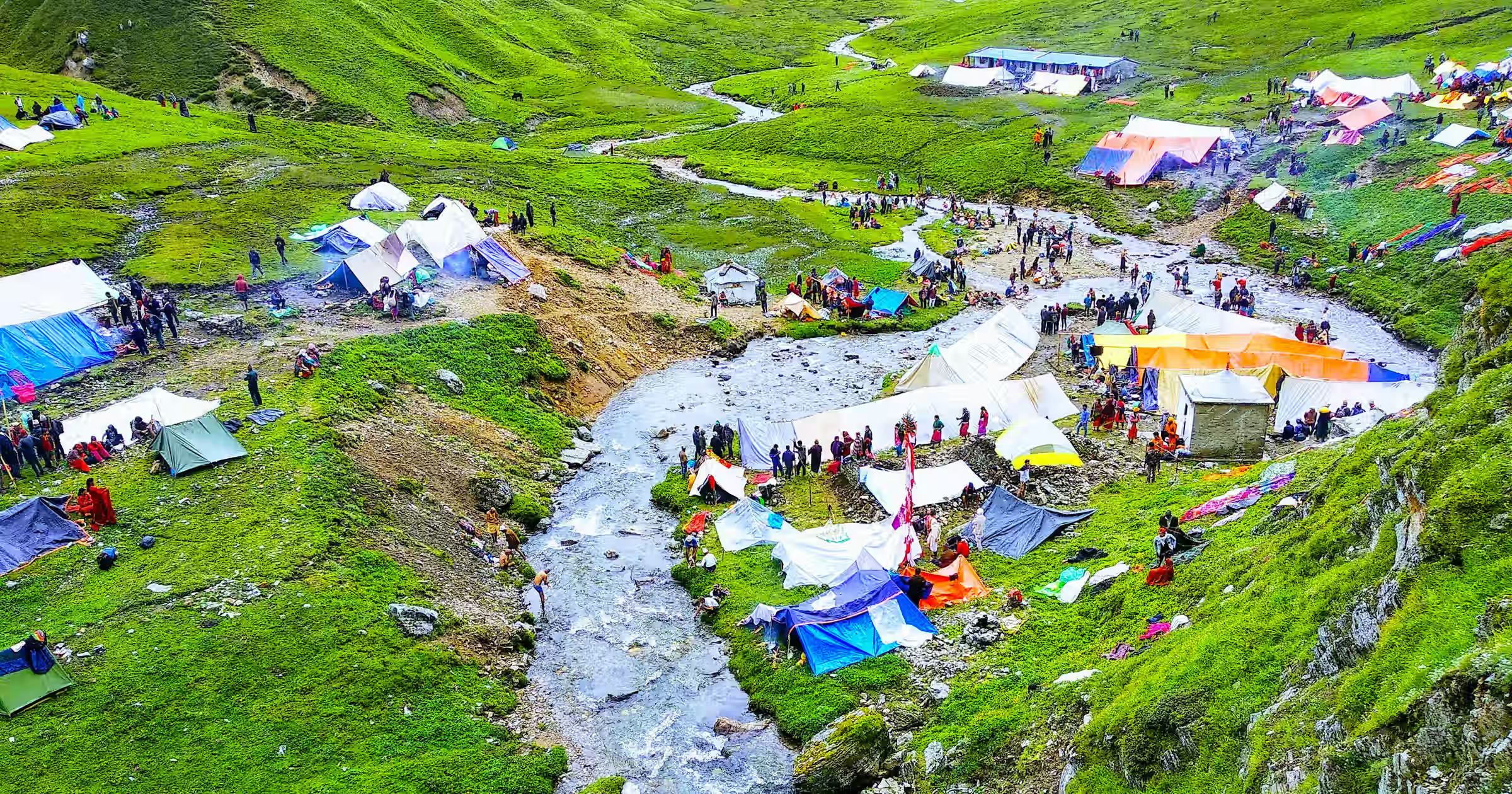
The name Triveni refers to the confluence of three rivers such as the Kshir, Benurudra, and Mandakini rivers converging and serves as an important ritual point before the climb toward Badimalika. The surrounding pasturelands also make Triveni an excellent place to slow down and appreciate the high-altitude environment.
Dhawalpur Lake
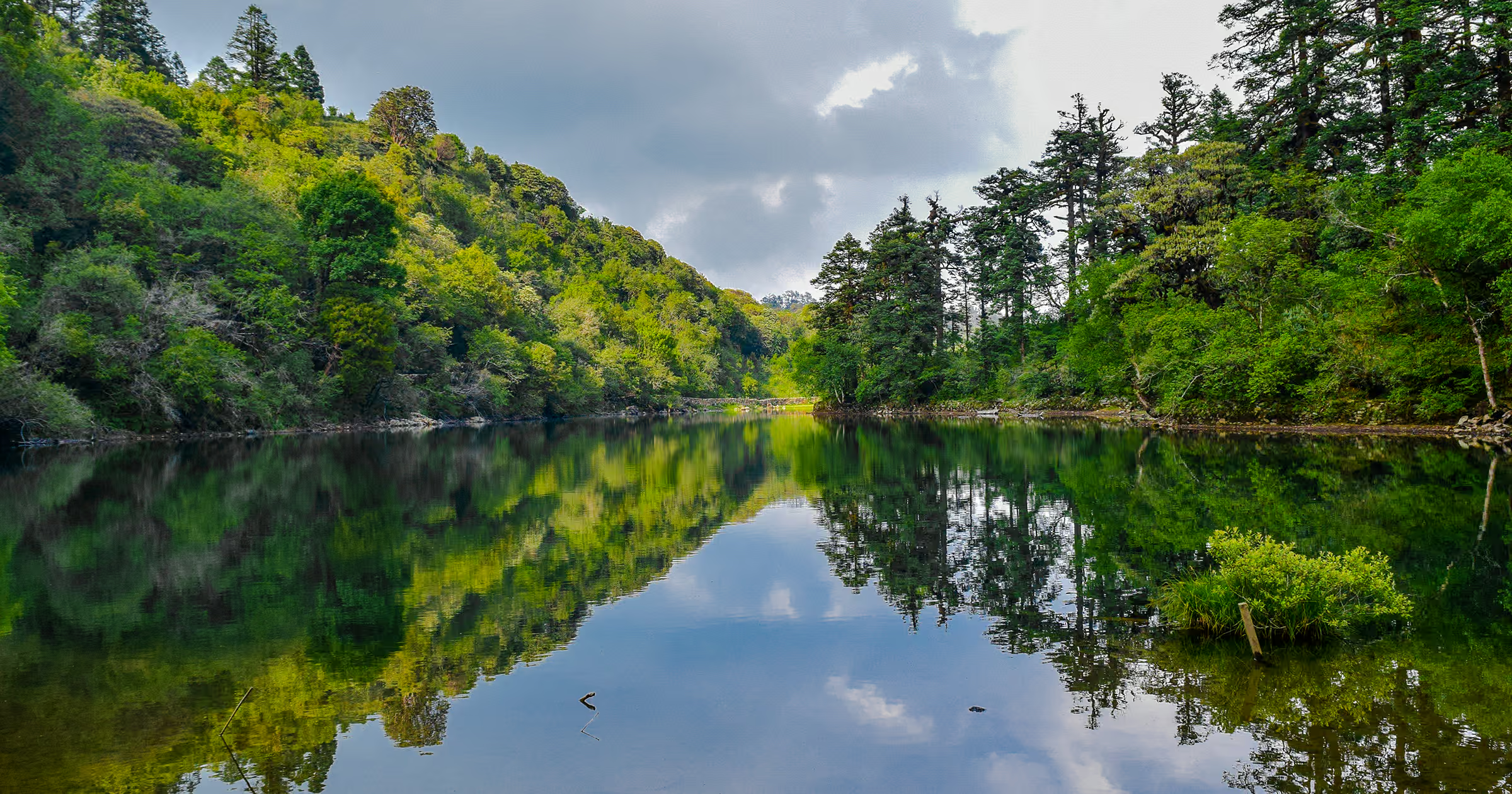
Dhawalpur Lake offers a striking contrast to the open mountain meadows. Some trekking routes descend from the Badimalika area toward this forest-surrounded lake, located at roughly 2,556 meters according to published itinerary information.
Natyeshwori Temple
Natyeshwori is another important religious site encountered on Badimalika routes. The temple is also known as Nachanathali and it is a 10 hours walk away from Badimalika temple.
There is a local belief that gods and goddesses danced in the periphery of Natyeshwori Temple after slaying a demon at Triveni Dham. It adds another cultural layer to an already spiritually significant journey.
National Park
Khaptad National Park is the must visit attraction of Far West Nepal trek. The park is known for its forests, meadows, rare variety of medicinal plants, birds and wildlife such as:
- Danfe (Himalayan Monal)
- Kalij Pheasant,
- Wild boar,
- Himalayan goral,
- Himalayan tahr, and
- Barking deer etc.
How to Reach Badimalika?
Reaching Badimalika is part of the adventure and you can begin your challenging trekking journey from:
- Achham,
- Bajura, and
- Kalikot districts.
By Flight
If you land in Kathmandu for the Badimalika trek, you will fly to Dhangadi or Nepalgunj, then to Bajura or Sanphebagar of Achham. Within 1 hour and 10 minutes, you will land at Dhangadi airport. Then, you will take a scenic drive to Martadi or Jadanga, from where your trek will start.
- Kathmandu → Dhangadhi → Martadi/Jadanga → Trek toward Badimalika
By Road
If you have enough time and enjoy a longer hour of drive, you should take a road route. You can hire a public or private vehicle from Kathmandu.
The distance from Kathmandu to Dhangadhi is approximately 680 km and it takes 16 hours via bus. Once you reach Dhangadhi, you need to again hop on a scenic 12 hour bus journey to reach Martadi and on the way you will pass through Dipayal and Sandebagar. Then, from Martadi your trekking journey to Badimalika starts.
What to Expect in Badimalika Trek
If you are in search of genuine wilderness experience, Badimalika trek is best suited for you. The trekking trails of Badimalika make you witness:
- High passes,
- Local lifestyles in ethnic villages,
- Natural beauty of green Patans
- Spiritual experience in Triveni Dham and Badimalika Temple, and so on
- White Himalayas of Api and Saipal
- Remote natural campsite experience under the sky.
Geography and Biodiversity
When trekking to the Badimalika you will be traversing across a wide variety of ecological zones. In the beginning of the trekking days, you will be passing across subtropical forest which is followed by terraced farmlands.
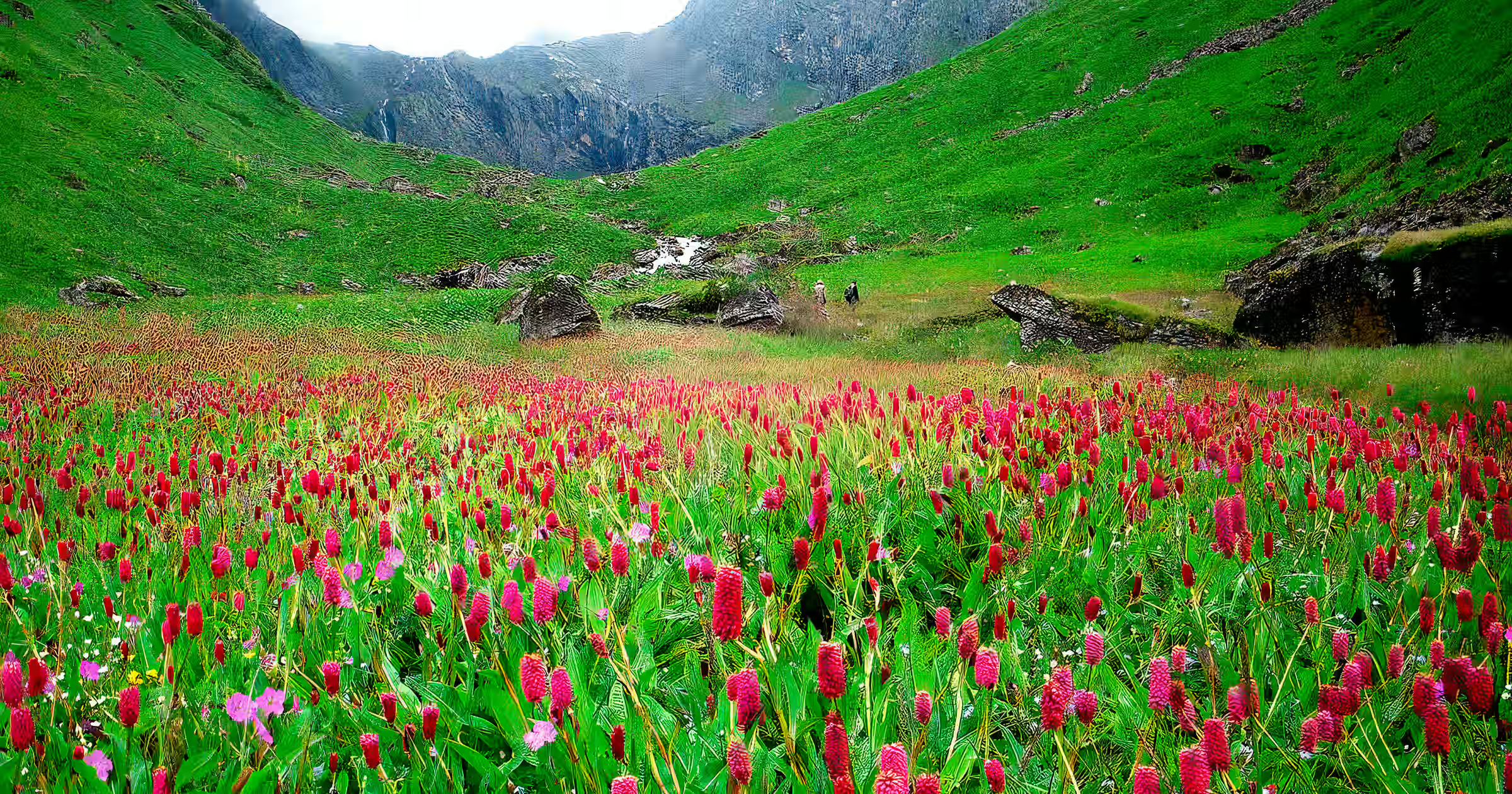
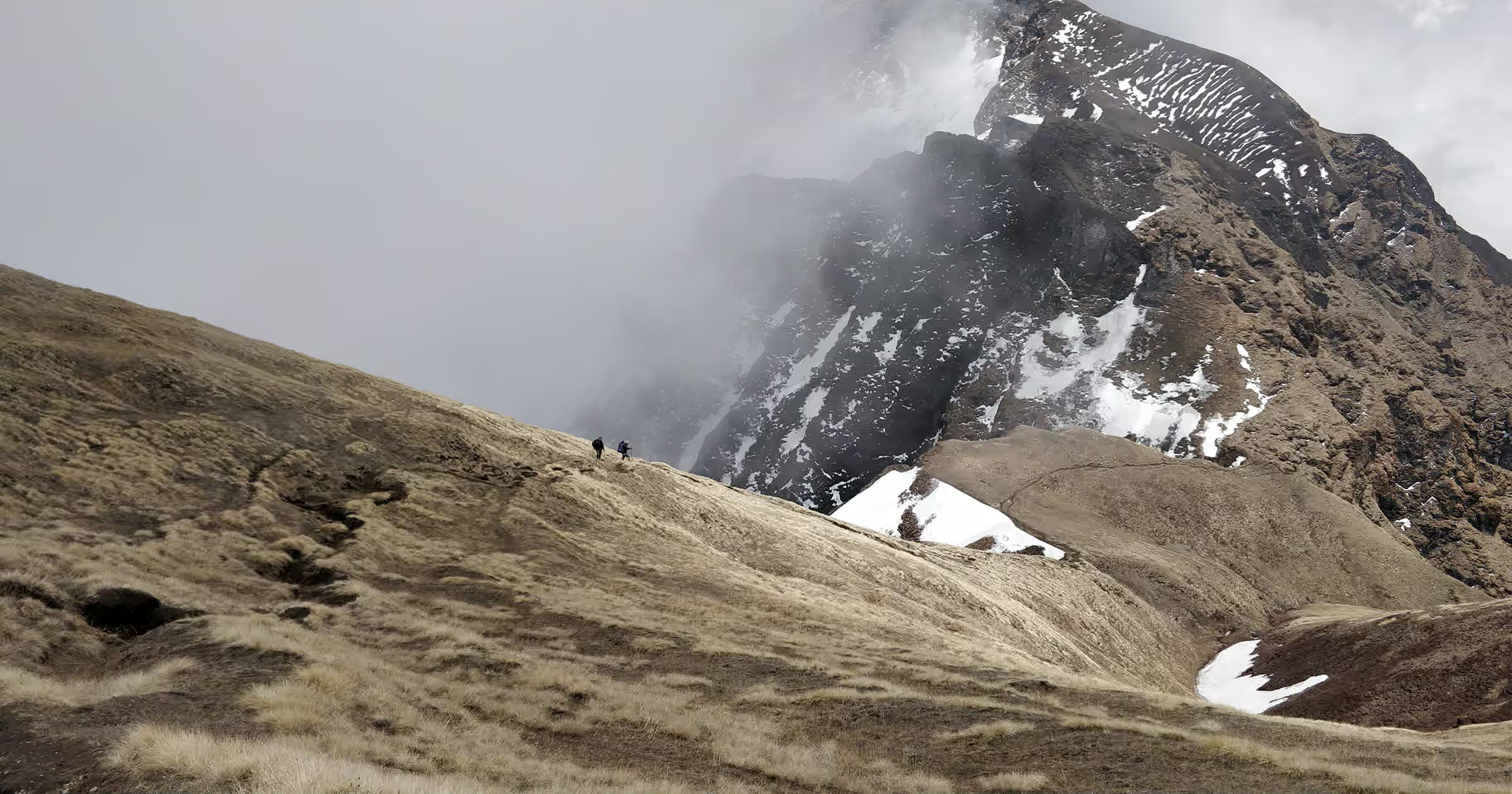
Then, as you gain altitude, you will get to witness the high alpine pasture far away than your eyesight along with windswept ridgelines. You will also be hiking alongside Khaptad National Park, if you are birdwatcher, photographer or nature lover you will become so lost in nature and its beauty, you will forget all the pain from multiple days of hiking.
When traversing in these, off the beaten path Nepal you will be rewarded with an absolute sense of isolation in the crowdless trails. You will also be walking inside the Khaptad valley where you will get to encounter one of the rare and endangered wildlife and bird species such as:
- Yellow-throated Marten,
- Rhesus, and Langur monkeys,
- leopard,
- wild dogs,
- jackal,
- musk deer
- Impeyan Lophophorus pheasant,
- Bulbuls,
- Cuckoos,
- Eagles etc.
Routes and Itinerary
The Badimalika trek is one of the least explored hidden gems in Nepal which take you to the remote region of Bajura. Different trekking agency differs in itinerary and route depending on road conditions to reach Badimalika.
Our Awesome Holidays, 14-days Badimalika trek itinerary follows:
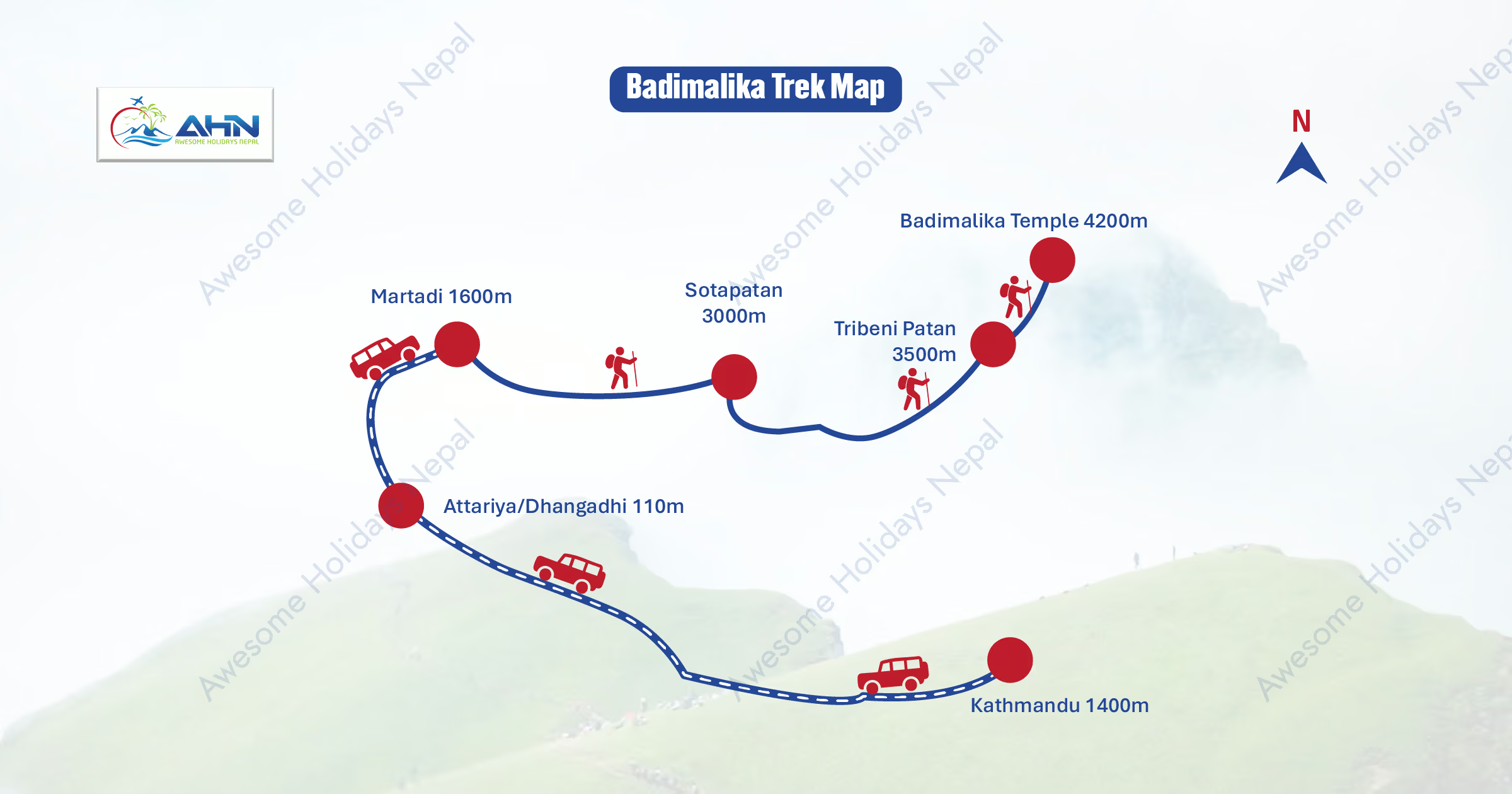
- Day 1: Arrival in Kathmandu(1,400 m)
- Day 2: Kathmandu sightseeing and preparation
- Day 3: Fly to Dhangadhi (110m) and drive toward Dadeldhura (1,800m)
- Day 4: Trek starts from Dadedhura to Jadanga (3,820 m)
- Day 5: Trek from Jadanga toward Budha Krodha(2,700 m)
- Day 6: Trek from Budha Krodha to Triveni (3,870 m)
- Day 7: Acclimatization at Triveni
- Day 8: Trek from Triveni to Badimalika Temple (4,200 m)
- Day 9: Exploration of Badimalika and surrounding Patans
- Day 10: Descend toward Dhawalpur Lake (2,556 m)or an alternative overnight point
- Day 11: Continue toward Natyeshwori /Lamagadh (2,195m)
- Day 12: Continue toward Silgadhi (1,129 m) or another roadhead
- Day 13: Drive toward Dhangadhi
- Day 14: Fly back to Kathmandu
Duration and Difficulty
Trekking to Badimalika Temple is considered as moderate to challenging. This off-the-beaten-path trek in Nepal takes 12 to 15 days for completion.
As you will be trekking to an highest elevation of 4,200 meters above sea level at Badimalika temple, you need to hike for multiple days for more than 7 hours daily. Also, you need to walk in steep remote trekking trails without spotting any settlement for longer hours and the mountain weather changes within a second.
Planning a Badimalika Treks in 2026?
Or Call/Message on WhatsApp +977 98434 13619
So, you need to be cautious and walk in such a way that you won’t suffer from injuries and falls. Finally, you need to have enough fitness, strong cardio-vascular endurance and mental preparation to complete this trek. Regular hiking, stair climbing and cardiovascular training before the trek can make a major difference.
Mountain Scenery
The mountain scenery is one of Badimalika’s
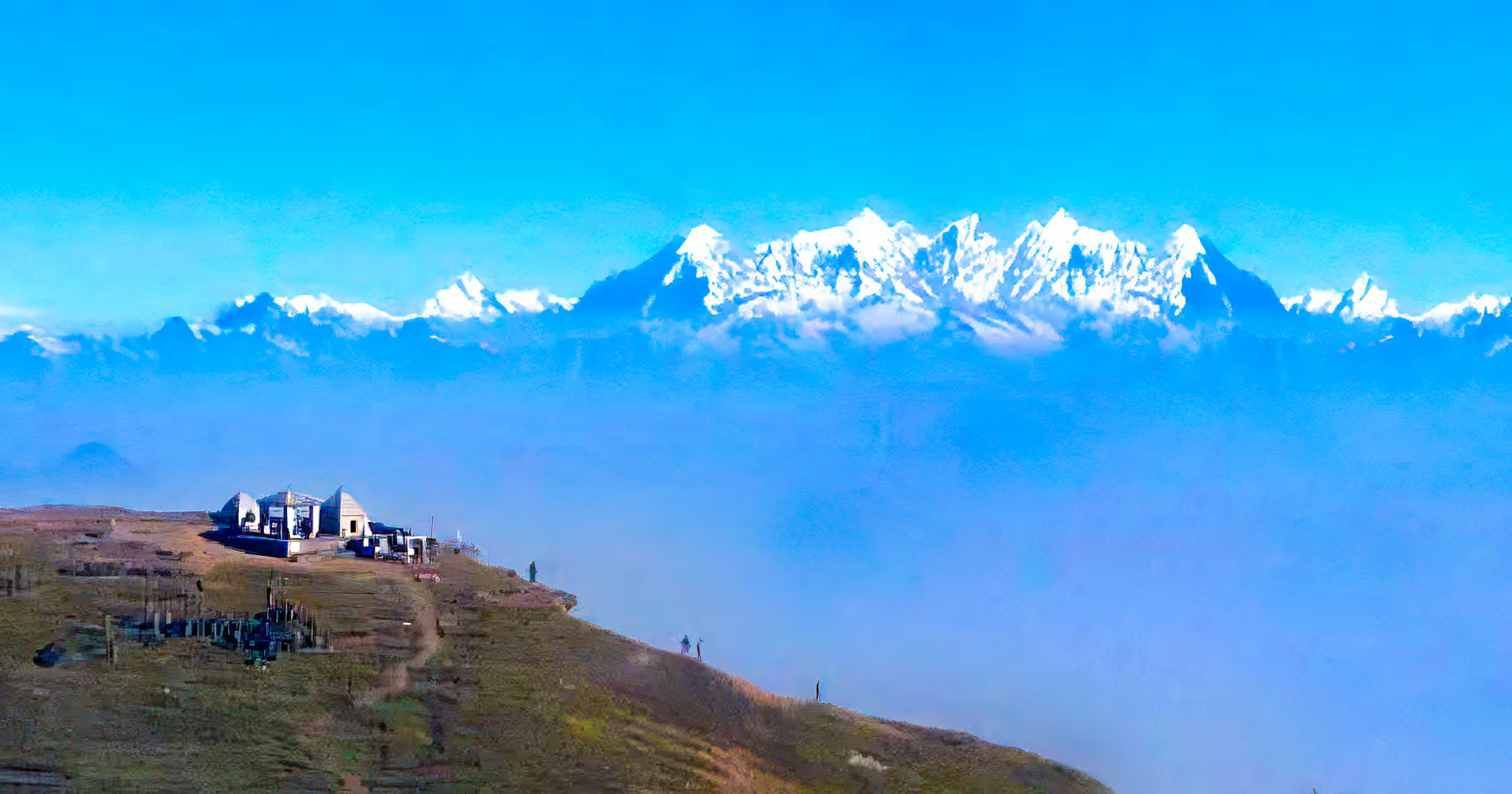
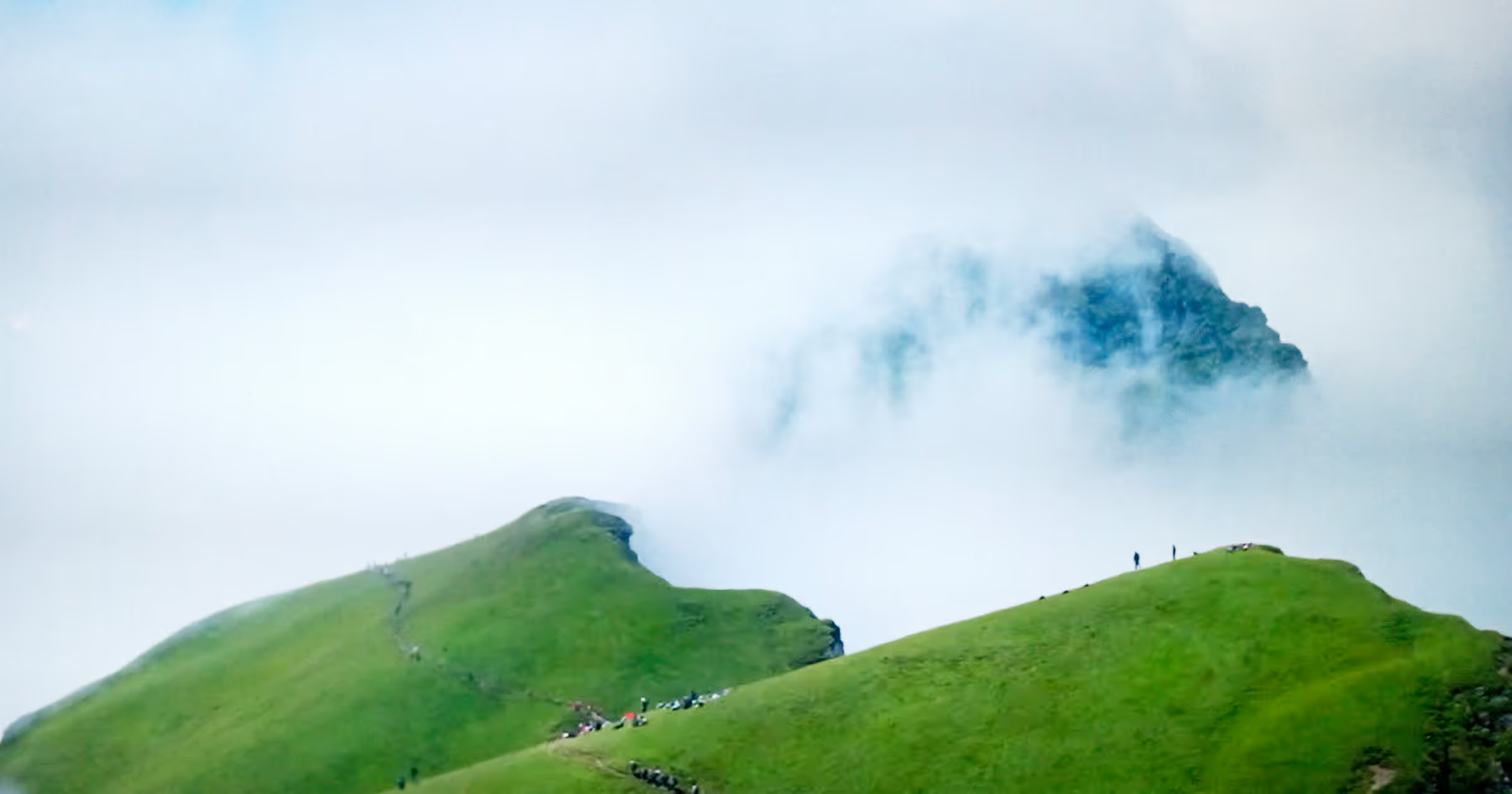
strongest attractions. The route provides spectacular views of the Api and Saipal Himalayan ranges, especially from high ridges and the Badimalika area.
The Badimalika trek’s scenery is not limited to snow peaks and throughout the trails, you will be accompanied by:
- Green hills, alpine meadows, open pasturelands,
- Forests filled with Pine and Rhododendron trees
- Waterfalls, mountain streams,
- High ridges, traditional agricultural landscapes,
- Remote valleys.
Trail Conditions
Unlike the developed trekking routes of Everest or Annapurna region, the trekking trails of Badimalika temple trek are quite less developed, rough, and narrow.
- Steep ascents, river crossings, alpine meadows, dense forests, and high ridges.
- Rocky paths, grassland tracks, steep uphill sections,
- Off-road road sections get muddy and slippery after rainfall.
Due to off- road conditions, you need to spend multiple hours on a jeep just to cross the distance of 55 km approx. from Martadi-to-Jadanga. Then, as you traverse above 2500 meters, you will be exposed to some sections that can be physically demanding. So, we recommend you to bring well-broken trekking boots with trekking poles and raingear.
Culture Encounters
When passing through the remote settlement of Bajura Nepal, you will get to witness how locals are continuing their day to day life amidst the lack of modern infrastructures. You will encounter how their life rotates in farming practices, how they spend semi-nomadic life making temporary shelter, “Goth” in winter to graze their cattle and to avoid extreme cold.
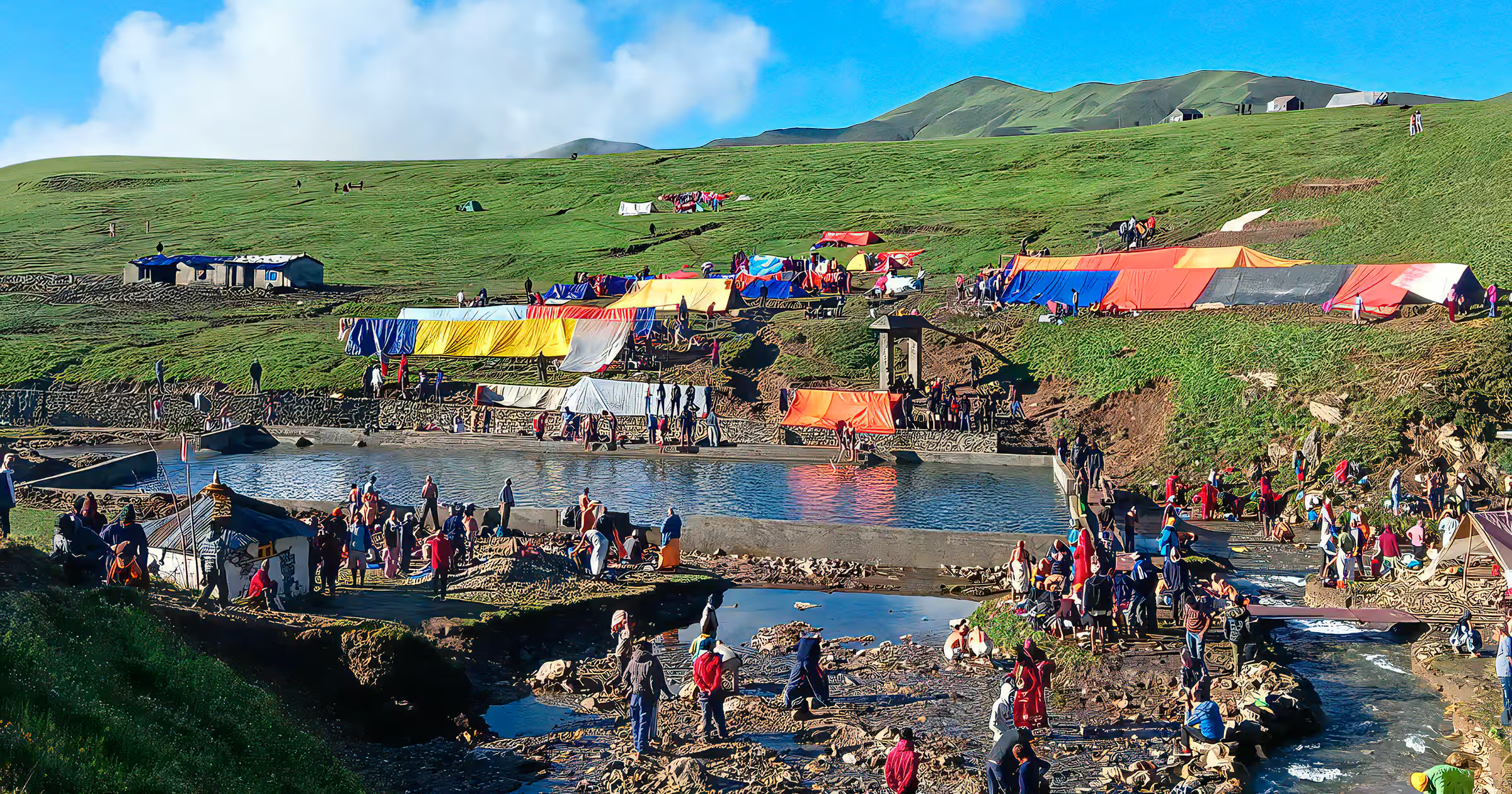
If you visit Badimalika in the festival season of Janai Purnima in the month of July or August, you will get to witness the rituals and how important the temple is to locals and domestic tourists.
Food and Accommodations
The established basic teahouses with twin sharing rooms, communal toilets, and permanent human settlement will be there to assist you only in lower valleys like Jadanga or Kolti. Beyond these points, you will be fully spending the night under the sky in tented camps.
Having an experienced and certified trekking guide is important, only he knows which place is safe for camping and arranges accordingly. Also, you need to hire camping staff along with porters to carry your heavy camping equipment.
In teahouses, homestays, and tents you will be eating simple but balanced diet foods which includes:
Breakfast
You will start your day by eating light breakfast which includes options like Tibetan-style breads, eggs, Tea and coffee.
Lunch and Dinner
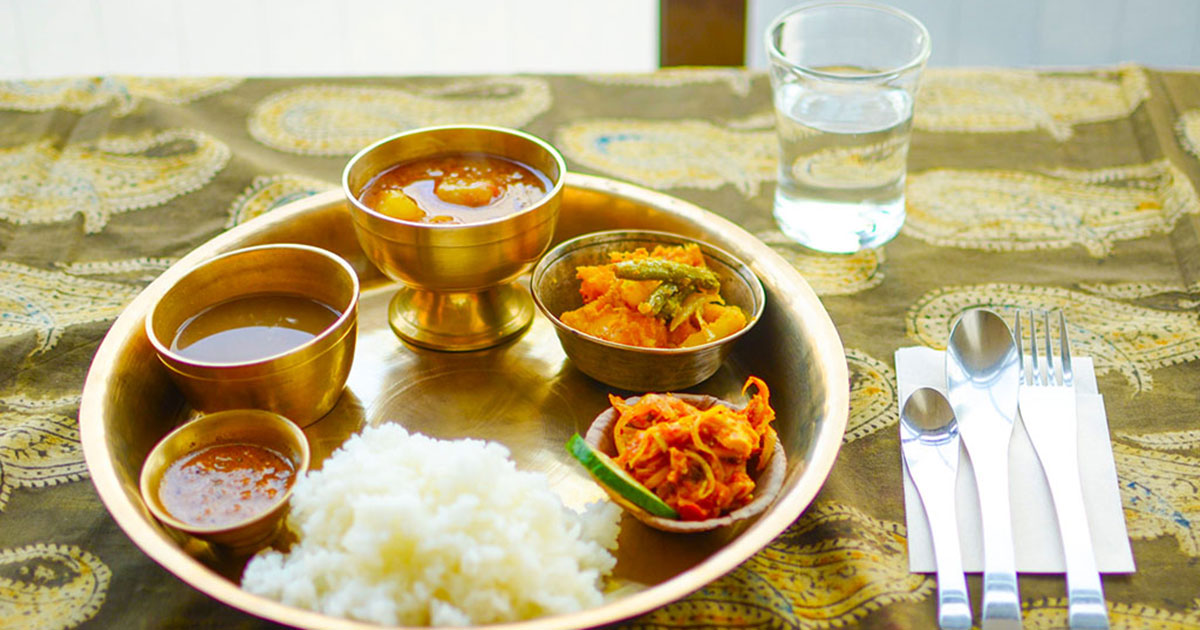
We suggest you to traditional Nepalese staple foods, Dal bhat which comes with vegetable curries and pickles. It is so enriched with diet that you will get 24 hours of non-stop power. Beside this, you will also get to eat Noodles, Soup, Potatoes, etc.
Whereas when you hike higher, you will witness semi-nomadic locals in their buffalo sheds, make sure you taste the locals buffalo milk and curd by buying. This small gesture makes you encounter local lifestyles whereas locals get some source of money.
Altitude Sickness and Travel Insurance
Altitude sickness is common once you cross 2500 meters and higher. As Badimalika trek takes you to an elevation of 4,200 meters at revered Badimalika temple, you are more prone to suffer from altitude sickness. So, you need to focus on:
- Proper acclimatization
- Walking in a slow pace
- Eat balanced diet food and hot soup
- Must drink at least 3 to 4 liters of water daily
- Should take it as an adventure and enjoy every aspect instead of pacing like you are on marathon or something
- Hiking to higher altitudes during the day and sleeping at lower elevations
- Trekking alongside your group member and in near eyesight of guides.
The early signs of altitude sickness make you feel:
- Dizzy
- Vomit
- Headache
- Difficulty breathing
- Insomnia
- Fatigue
If you feel any of the sickness mentioned above, make sure you share about your condition with your trekking guides, so that they can help you overcome this sickness. Do not neglect this symptoms otherwise it turns into life threatening risks like HAPE or HACE.

When doing Badimalika trek, you should not step in the trailhead unless you have a travel insurance which covers:
- Emergency rescue,
- Medical treatment,
- Major surgeries,
- Helicopter evacuations, and
- Coverage for unforeseen events above 5000 meters.
Having travel insurance will make sure that you will be rescued safely and you don’t have to pay a hefty sum of money for hospital expenses, and it also helps with flight cancellations and trip cancellations due to weather conditions.
Packing List for Badimalika Trek 2026
Having a proper packing list is essential to complete this moderate to challenging trek of Bajura Nepal.
Required Clothing
- Layered clothing such as base, insulation and shell,
- Down Jacket, shirts, long sleeve shirts
- Waterproof trousers and Warm trousers
- Hiking shorts/trousers with Long thermal pants
- Thermal underwear with thin and thick socks
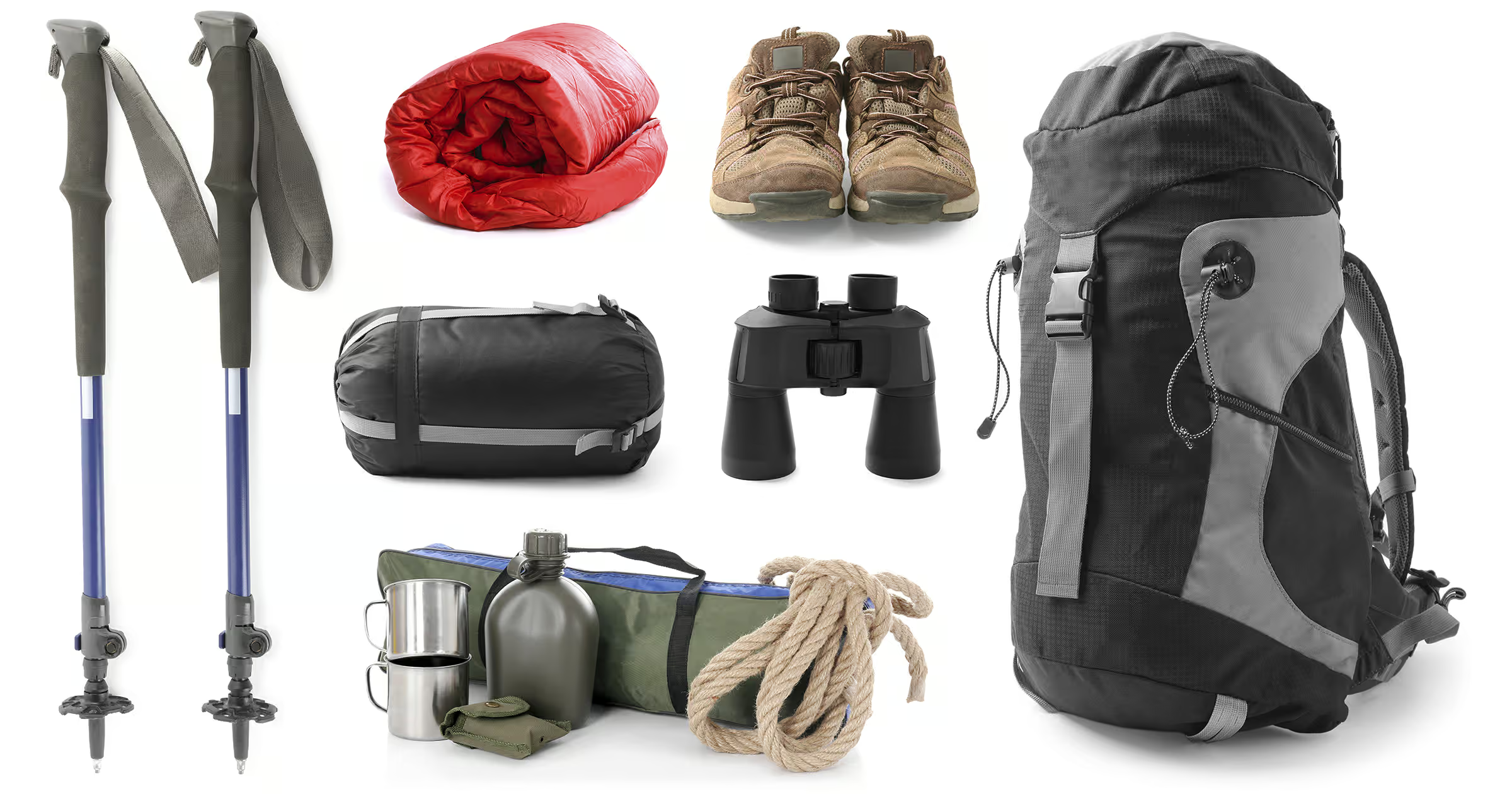
Trekking Gear
- Hiking boots, Comfortable closed shoes
- Gaiters
- Mittens and ski gloves, with Balaclava and woolen hat
- Scarf
- Sleeping bag, tents, trekking poles,
- Headlamp and extra batteries.
- Personal first‑aid kit and Water purification methods.
Other Essentials
- Sunglasses, Sun hat, Backpack,
- Refillable water bottles,
- Sunblock and high SPF lip balm,
- Guidebook, Map or GPS,
- Cash, snacks, energy bars, rain protection.
Responsible Travel Tips for Trekking in Nepal to Badimalika in 2026
- Have enough endurance and train before doing regular hiking, uphill walking and cardiovascular training.
- Mountain weather may change anytime, so pack every essentials from layered clothing to gears.
- Have enough cash, medicines, toiletries, snacks, batteries, etc.
- Always plan your trek by hiring a licensed guide from certified trekking agencies.
- Respect locals and their customs.
- Download trail information beforehand and make sure you inform family members that communication may be limited.
- Always wear respectful clothing which covers shoulders and knees.
- Do not make any noise or talk in phone calls in high pitch near temples and settlements.
- Avoid single-use of plastic and only do camping in established areas and never disturb wildlife.
- Always walk in designated trails and avoid plucking or smelling wild flowers, as they may be filled with toxins and allergens.
- Do not disturb wildlife by poking or feeding when spotted.
Final Thoughts on Badimalika, Nepal’s Best-Kept Secret
One of the least explored trekking trails of Badimalika offers you a unique chance to witness the rich culture, the diverse flora and fauna, pastoral land, alpine grasslands, traditional villages and an authentic sense of wilderness. As this trek ends at Badimalika Temple, a hill‑top temple where myths, tranquil spirituality, intertwine with panoramic vistas of Mt. Api and Saipal.
Trekking to the remote region of Bajura demands a necessary preparation and planning, so if your travel choice is cultural immersion, then July to August will be best for you. Whereas if you are into nature and want to enjoy the remote wilderness, you should definitely book this trek in the peak seasons like Autumn and Springs.
This long and tiring journey needs enough patience and good physical and mental fitness, so if you are ready to encounter the magic of Badimalika, contact Awesome Holidays Nepal and let us handle all the logistics so that you can fully focus on your remote Himalayan trek in 2026.
FAQs
Expand AllWhere is Badimalika Temple located in Nepal?
Badimalika is located in the Bajura district, far western region of Nepal.
How difficult is the Badimalika Trek?
The Badimalika Trek is considered moderate to challenging.
What is the altitude of Badimalika Temple?
The altitude of Badimalika Temple is approximately 4,200 meters.
How many days does the Badimalika Trek take?
Depending on the chosen route, transportation, acclimatization, and itinerary, Badimalika Trek takes around 10–15 days for completion.
How much does the Badimalika Trek cost?
The standard Badimalika Trek in Nepal costs ranges from USD 1,000 to USD 2,000+ per person.
Do I need a permit for the Badimalika Trek?
Yes, you will need TIMS card, a local Bajura permit, and a Khaptad National Park entry permit for the Badimalika Trek.
Is there a flight to Dhangadhi for the Badimalika Trek?
Yes. Dhangadhi Airport is a common air gateway for Badimalika Trek.
Are there teahouses on the Badimalika Trek route?
Yes, there are teahouses in lower trails of Martadi and Jadanga.
Is camping required on the Badimalika Trek?
Yes, camping is required on the Badimalika Trek.
What is the starting point of the Badimalika Trek?
The starting point for the Badimalika Trek is Martadi.
Can beginners do the Badimalika Trek?
Yes, but you need to have enough fitness and must start practicing for uphill and downhill section more than 3 to 4 months before.
Is a guide required for the Badimalika Trek?
Yes. We recommend you to hire a local guide as the route is remote, less developed, and can be difficult to navigate.
Is there altitude sickness risk on the Badimalika Trek?
Yes. As trail take you above 4,000 meters, altitude sickness is possible and should focus on gradual acclimatization.
What mountains can you see from Badimalika?
Badimalika trek rewards you with a mountain views of Api and Saipal Himalayan ranges and other surrounding peaks on a clear days.
What is the religious significance of Badimalika Temple?
Badimalika Temple is a sacred Hindu pilgrimage site and is dedicated to Goddess Malika. The temple is deeply revered by devotees from Nepal and neighboring regions.
Is Badimalika a Shakti Peeth?
Yes. Badimalika is traditionally regarded as a Shakti Peeth, associated with the sacred mythology of Goddess Sati.
Can you do a helicopter tour to Badimalika?
Yes, you can do Badimalika helicopter tour.
What wildlife can you see on the Badimalika Trek?
Wildlife such as musk deer, snow leopard, Himalayan tahr, barking deer, and Himalayan black bear, Danfe (Himalayan Monal) and Kalij Pheasant can be encountered on the Badimalika Trek.
Is the Badimalika Trek safe for solo travelers?
Yes, but you need to hire a licensed trekking guide.
Can foreigners visit Badimalika Temple?
Yes, foreign travelers can visit Badimalika Temple.
What is the best time for the Badimalika Trek?
The best time for the Badimalika Trek are Autumn (September to November) and Spring (March to May) as it offers clear mountain views and favorable weather conditions.
Whereas Monsoon specially the month of July or August is when culture enthusiasts visit Badimlaika to witness blooming alpine flowers and the annual Janai Purnima Festival.
Related blog posts
Discover a choice of tourist destinations loved by most of our visitors. Whether you're on a jungle safari to spot rare animals or walking through a world heritage site, these well-planned itineraries cover the major highlights of Nepal.
 call an expert at: