
Kailash Mansarovar Route after Nepal Flood and Re-Route Via Kodari Border
 Sristi Adhikari
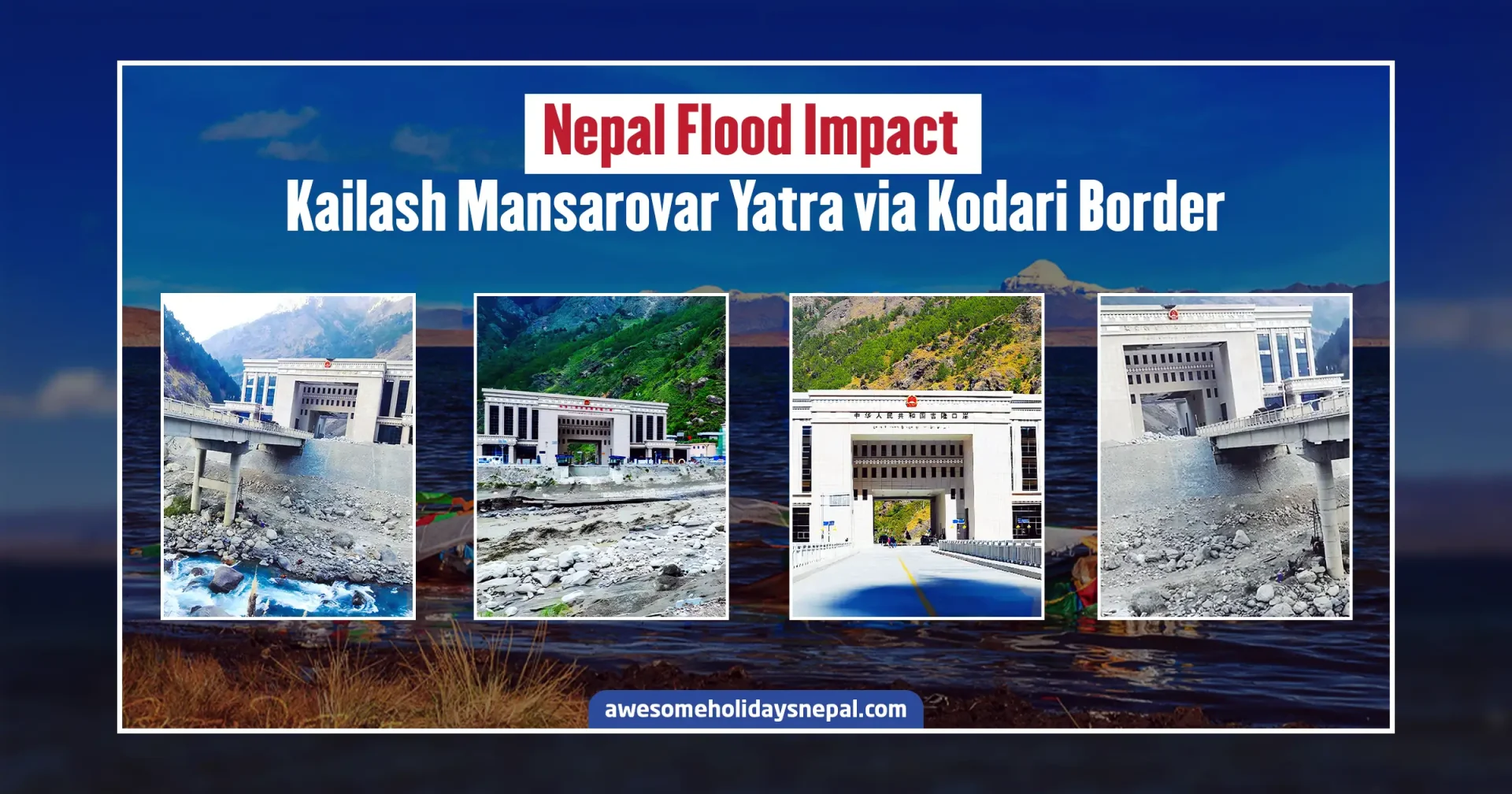
The Kailash Mansarovar Route after Nepal Flood has become an important concern for thousands of pilgrims who were planning their journey to experience a journey of faith, devotion, and self-discovery. The flood damage around the Rasuwa–Rasuwagadhi region disrupted road connectivity and affected the regular overland route connecting Kathmandu with Kerung (Gyirong) in Tibet.
With the traditional route facing uncertainty, attention has increasingly shifted towards alternative entry and exit points, particularly the Kodari–Tatopani border crossing, which connects Nepal with Zhangmu in Tibet.
For pilgrims planning the 2027 season, understanding these developments is essential. While alternative routes may provide travel possibilities, border permissions, road conditions, and Chinese immigration procedures must be confirmed before making travel arrangements.
Conditions of the Traditional Kailash Route after Nepal Flood
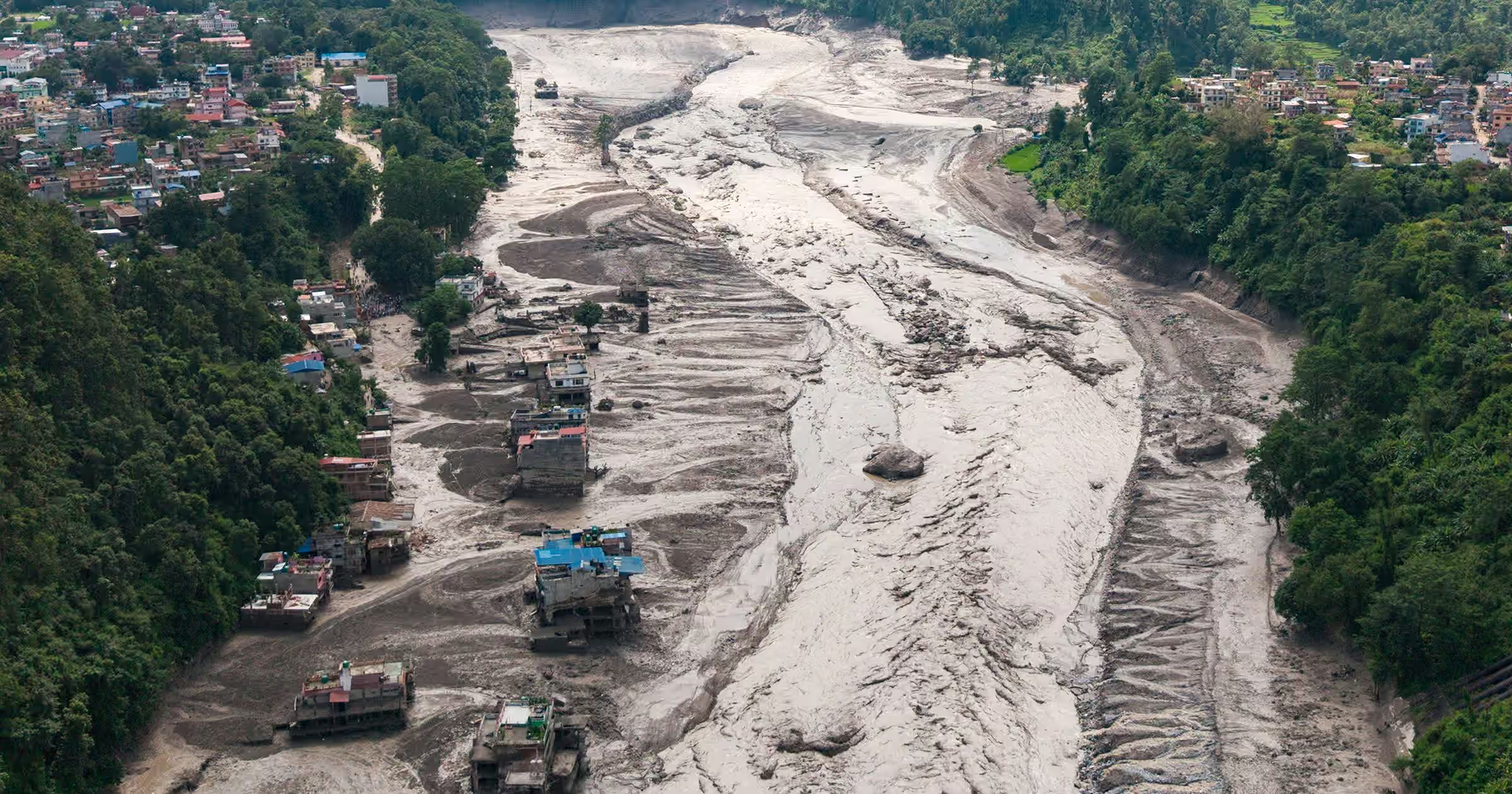
The Bhotekoshi flood swept the Rasuwagadhi border on 26 August 2026. This heart wrenching disaster took lives of many innocent while doing extensive damage to:
- roads,
- bridges,
- settlements, and
- border infrastructure.
It disconnected the road connecting Betrawati, Syabrubesi, Timure, and Rasuwagadhi, a major connection between Nepal and China’s Tibet Autonomous Region. The Nepal government authorities targeted the plan to install temporary Bailey bridges to restore access to the Rasuwagadhi border before undertaking permanent reconstruction.
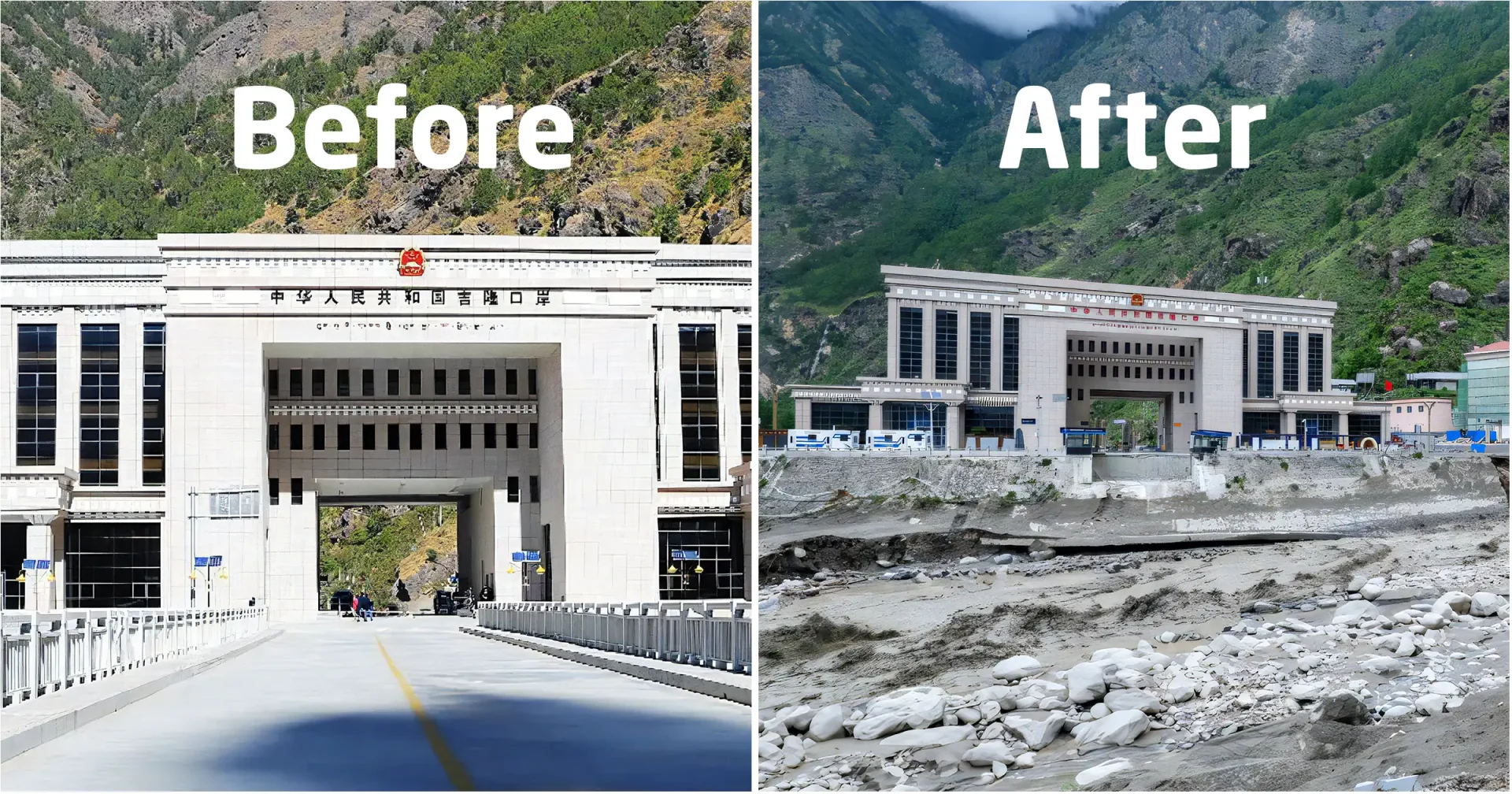
But, even after 2 months, the region is still closed. The restoration of bridges, essential infrastructure has yet to be completed and the authorities are highlighting the continuing challenges in restoring the damaged road infrastructure
So, when will the Rasuwagadhi-Kerung border reopen? There is no answer with both the Department of Customs nor the Department of Roads.
This condition has been directly impacting the traditional overland Kailash Mansarovar journey.
Why is Rasuwagadhi–Kerung Border Facing Delays?
The traditional and most convenient way to do Kailash yatra is Rasuwagadhi–Kerung border. Instead of flying directly to Tibet Autonomous region, many pilgrims plan their trip via an overland route via Kerung port due to its geographical benefits.
The Rasuwagadhi–Kerung Border is facing multiple challenges which are causing re-opening delays. Some of the major challenges includes:
Damaged Bridges
The Bhotkoshi flood washed 33 motorable bridges and 64 suspension bridges resulting in the damage of NPR 11.35 billion. The construction of the severely damaged and completely washed bridges are progressing slowly as the government is prioritizing the reconnection of affected families and rescuing them.
Road Disruption
The flood swept away debris in the motorable road which completely damaged the road transportation. Bringing raw material for construction is halted and getting delayed due to no means of transportation.
Border Infrastructure Damage
The Rasuwagadhi border area got highly destructed though China side has reconstructed it, Nepal side of border construction is yet to get complete.
Uncertain Re-opening
Reconstruction and temporary bridge installation require time and coordination between Nepal and China.
Kailash Mansarovar via Kodari Border
Rasuwagadhi-Kerung border is closed as of November 2026. Pilgrims searching or planning the Kailash Mansarovar route after the Nepal flood are concentrating their attention towards the Kodari–Tatopani border as an alternative.
The Kodari border is located 12 km northeast of Kathmandu in the Sindhupalchowk District. It connects the Tatopani region of Nepal with Zhangmu, Tibet.
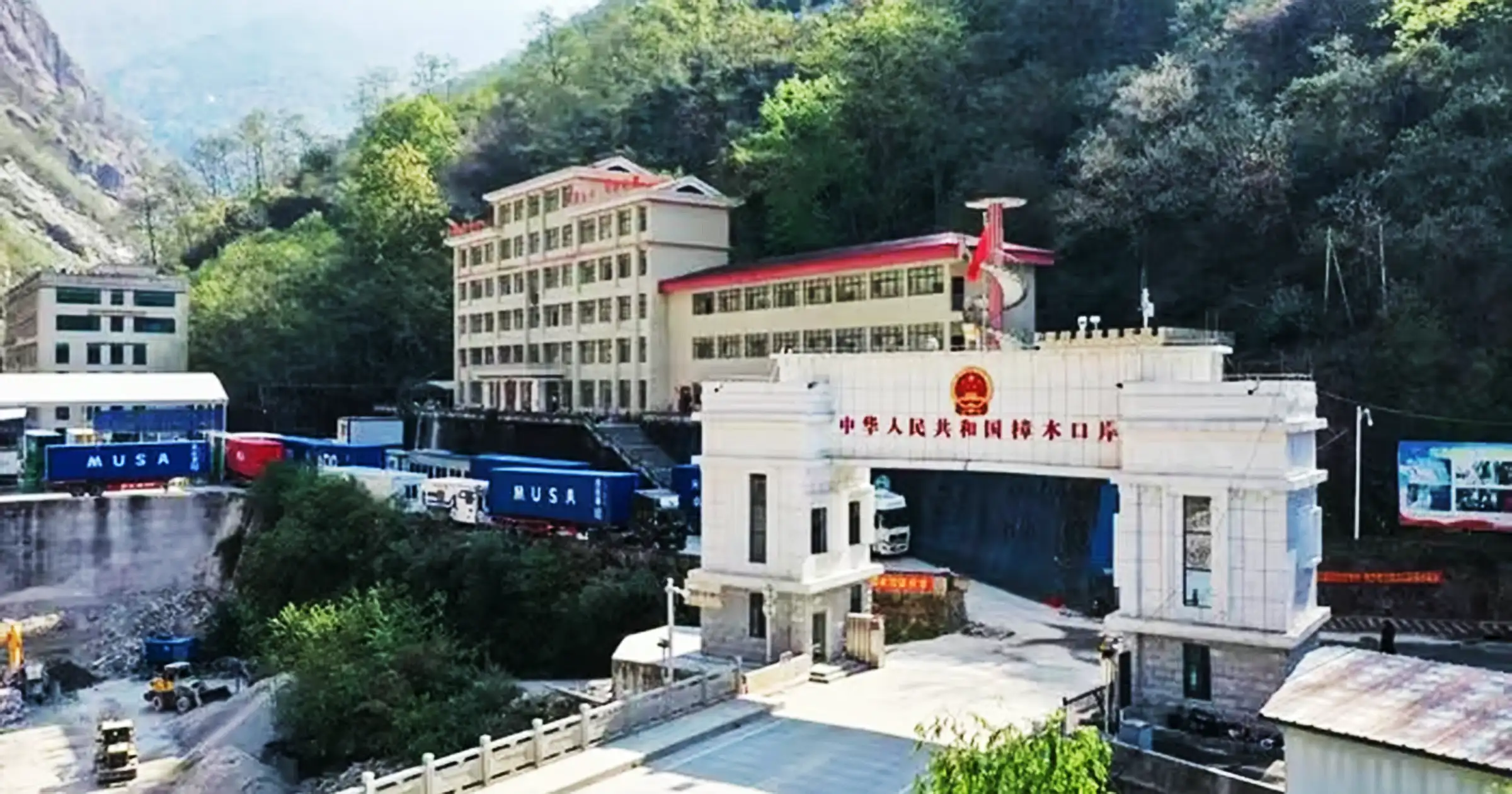
It is being considered as an alternative for Nepal-China border connection because it may offer a different approach to entering or exiting Tibet. Also, it’s closeness to Araniko highway is highlight the alternative approach.
Furthermore, the border is supposed to offer additional flexibility for cross-border tourism and with necessary permission and infrastructure, one can plan their Kailash Mansarovar yatra via itineraries using the Zhangmu–Nyalam corridor.
Kodari Border Status: Is the Kodari Border Open For Tourists?
Kailash Mansarovar route after Nepal flood has redirected its attention towards Kodari border. According to Nepali officials, the Kodari–Zhangmu crossing has been open for tourists but it remains closed for Cargo operations.
It is also reported that, there is no confirmation of foreign tour groups crossing the Tatopani or Kodari Border for Kailash Mansarovar Yatra. While some agencies note that entry arrangements could be temporarily suspended towards Zhangmu–Nyalam–Kodari and exit might be possible.
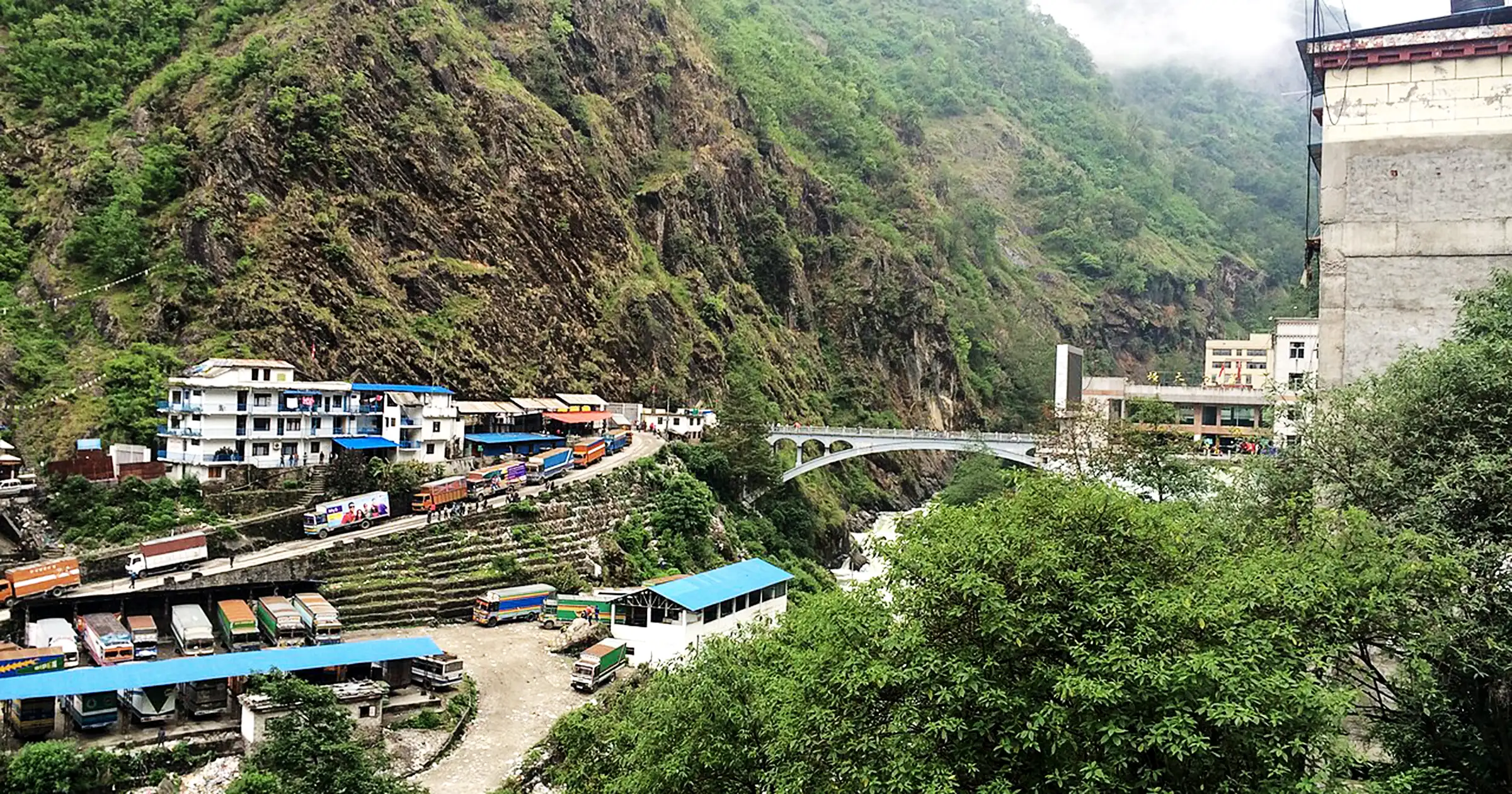
If you are planning Kailash Mansarovar yatra, you should not consider that the border being open for certain categories may allow entry of international tour groups.
So, Kailash Mansarovar Route after Nepal Flood via Kodari should currently be treated as a route under consideration rather than a guaranteed replacement for the traditional route. We suggest you to confirm before booking whether:
- Foreigner can enter Tibet through Zhangmu,
- Chinese immigration accept pilgrim group to enter or not,
- Permits like route entry and Tibet travel can be issued or not
- Transport from Zhangmu towards Nyalam, Saga, and Mansarovar is operating
- Return journey to Nepal is permitted through the same or a different border.
Suggested Nyalam Itinerary for Kailash
When the border re-opened you can schedule your Kailash Mansarovar Yatra via overland routes of Nyalam or Tatopani border with following itineraries:
| Day | Destination | Program |
|---|---|---|
| 01 | Kathmandu | Arrive at Tribhuvan International Airport, Kathmandu, Nepal. |
| 02 | Kathmandu | Visit Pashupatinath Temple and other important spiritual sites and in the evening you will attend a detailed briefing about the Kailash package. |
| 03 | Kathmandu | Complete documentation and group formalities. |
| 04 | Kathmandu | Final briefing day which begins with visa and Tibet travel permit arrangements. |
| 05 | Tatopani | Drive from Kathmandu towards Tatopani through the scenic Sindhupalchok region. |
| 06 | Nyalam | Complete Nepal-side immigration and cross into Tibet through the Kodari–Zhangmu border for permission. Continue driving uphill to Nyalam. |
| 07 | Saga | Travel across the Tibetan landscape towards Saga. |
| 08 | Saga | Acclimatization day. |
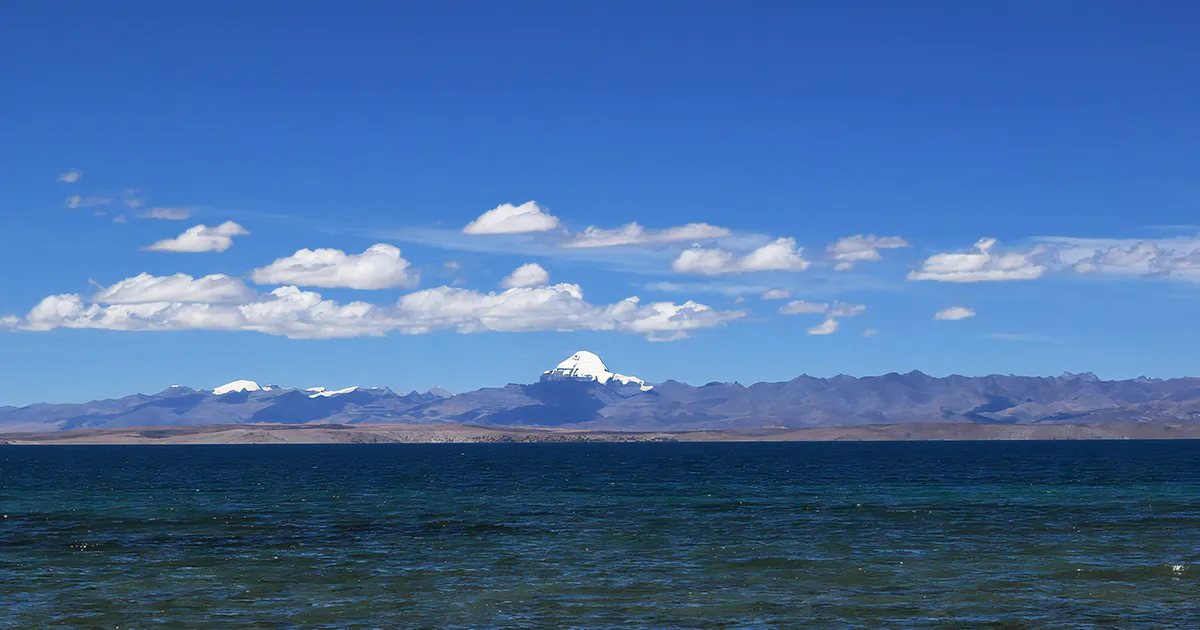
| 09 | Lake Mansarovar | Drive to the sacred Lake Mansarovar. Enjoy remaining days by attending prayers, meditation ceremonies. |
| 10 | Darchen | Continue to Darchen, the gateway to Mount Kailash parikrama. Prepare for the trek. |
| 11 | Dirapuk | Drive to Yamadwar and begin the first day of Kailash parikrama. Trek towards Dirapuk Monastery, with magnificent views of Mount Kailash. |
| 12 | Zuthulphuk | Continue the challenging trek across Dolma La Pass and descend towards Zuthulphuk. |
| 13 | Saga | Complete the final section of the parikrama, return to Darchen and drive towards Saga. |
| 14 | Nyalam | Drive back to Nyalam. |
| 15 | Kathmandu | Complete Chinese and Nepal immigration procedures, cross back through the Tatopani–Kodari border and drive to Kathmandu. |
| 16 | Departure | Transfer to the international airport for your onward journey. |
Nepal Requests China to Reopen Tatopani Border Crossing
For trading and cross-border connectivity, Nepal Government has been continuously requesting Chinese officials to reopen Tatopani border. When the August 26 flood severely damaged infrastructure in the Tatopani region, China subsequently restricted operations, citing landslide risks along the Araniko Highway.
This restriction resulted in the broader disruptions of Nepal-China border trade. The Nepal government is negotiating with the Chinese government to open every border from Rasuwagadhi, Tatopani, Kimathanka, to Korala.
Although the government-level discussions primarily concern trade and transportation, they are relevant to the future of cross-border tourism. If Tatopani-Zhangmu border opens, it will help pilgrims to do Kailash Mansarovar route after Nepal flood.
For pilgrims following the Kailash Mansarovar Route after Nepal Flood, the most important development will be an official confirmation that organized tourist groups can use the crossing with the necessary permits.
Alternative Route to Kailash from Nepal
The disruption of the traditional overland corridor towards Kailash Mansarovar Yatra has not completely suspended the other routes towards Tibet. You can plan your Kailash Mansarovar Yatra with alternatives routes like:
- Kathmandu → Beijing / Chengdu → Lhasa →Saga → Kailash → Zhangmu / Nyalam → Kathmandu
- Kathmandu → Zhangmu / Nyalam border → Saga → Kailash → Kathmandu
Planning A Kailash Mansarovar Yatra from Nepal in 2027 ?
Or Call/Message on WhatsApp +977 98434 13619
- Kathmandu → Lhasa → Shigatse → Saga → Kailash → Return
- Kathmandu → Nepalgunj → Simikot → Hilsa → Mansarovar → Kailash → Return
- Kathmandu → Lhasa → Ali / Purang airport → Lake Mansarovar → Mount Kailash → Return
Conclusion: A New Chapter for Kailash Mansarovar Travel from Nepal
Traveling to Kailash after the Bhotekoshi flood of August 2026 has created significant challenges as it completely damaged the Rasuwagadhi-Kerung border. The Nepal government is continuously focusing on insisting on the Chinese government to reopen important border connections including the Kodari–Tatopani border.
The opening of Kodari–Tatopani border allows Kailash pilgrims to travel via overland route without having to spend a hefty sum of money on international flights. This will bring a positive impact on Nepal tourism and help uplift those families who have been affected by floods.
We suggest you to remain informed, choose an experienced travel organizer like Awesome Holidays Nepal and confirm every border and permit arrangement before departure. Your ultimate destination remains the same: the sacred Mount Kailash and the serene waters of Lake Mansarovar, no matter which route you choose, the only difference is in budget.
So, plan your Kailash Mansarovar Yatra with updated travel information, realistic expectations, and a flexible itinerary. The journey may change, but the spiritual destination remains timeless.
FAQs
Expand AllIs Kailash Mansarovar Yatra open after the Nepal flood?
Yes. Kailash Mansarovar Yatra is still possible after the Nepal floods.
Is the Rasuwagadhi–Kerung border open now?
No. The Rasuwagadhi–Kerung border remains closed following the flood on August 26, 2026.
Is the Kodari border open for tourists?
The Kodari–Tatopani crossing has had temporary and restricted reopenings.
Is the Tatopani border open for Kailash pilgrims?
No. Tatopani is not open for Kailash pilgrims after Bhotekoshi flood.
Can pilgrims reroute to Kailash via Kodari?
Pilgrims should consider the Kodari–Tatopani route only after confirming permission for outbound tourist crossings from both Nepalese and Chinese authorities.
Is the Kodari route safe after the 2026 Nepal floods?
The Kodari route requires careful assessment because landslides, road disruptions, and changing border restrictions after the 2026 Nepal floods.
What happened to the Kailash route after the Rasuwa flood?
The Rasuwa flash floods damaged the Rasuwagadhi border infrastructure, bridges, and the Syabrubesi–Rasuwagadhi road. It resulted in cutting off the traditional Kathmandu-to-Kerung pilgrimage route.
What are the alternatives to Rasuwagadhi for Kailash travel?
Simikot–Hilsa, flying from Kathmandu to Lhasa, and possible Kodari–Tatopani crossing are some of the alternatives to Rasuwagadhi for Kailash travel from Nepal.
Is the Simikot–Hilsa route operating?
Yes, Simikot–Hilsa route is operating.
Can foreign pilgrims use the Hilsa border for Kailash?
Yes. Foreign pilgrims, including Indian, British, and American nationals, can use the Hilsa border for Kailash.
How can I reach Kailash Mansarovar from Kathmandu now?
You can reach Kailash Mansarovar from Kathmandu by flying from Kathmandu to:
- Nepalgunj and Simikot to Hilsa,
- Lhasa and then road journey through Shigatse and Saga.
Can you travel from Nepal to Tibet by land now?
Travelling from Nepal to Tibet is subject to border-specific restrictions, as Rasuwagadhi remains closed and Kodari–Tatopani operations are uncertain for international tourists.
Are Nepal trekking routes open after the floods?
Yes, Nepal trekking routes open after the floods.
What documents are needed for a Nepal–Tibet crossing?
Chinese entry visa, Tibet Travel Permit, applicable route permits, and Nepal immigration documentation, are needed for a Nepal–Tibet crossing.
What permits are needed for Kailash Mansarovar via Nepal?
Chinese visa, Tibet Travel Permit, applicable Chinese group or route permits, and a Nepal Restricted Area Permit for routes such as Simikot–Hilsa, are needed for Kailash Mansarovar via Nepal.
How long does it take to travel from Kathmandu to Kodari?
The road journey from Kathmandu to Kodari generally takes around 5–7 hours.
How far is Kathmandu from the Tatopani border?
Kathmandu is approximately 110–115 kilometres by road from the Tatopani border.
What is the difference between the Kodari and Rasuwagadhi routes?
Kodari–Tatopani connects Sindhupalchok with Zhangmu in Tibet through the Araniko Highway, whereas Rasuwagadhi–Kerung connects Rasuwa with Gyirong through the Syabrubesi border road.
Should I cancel my Kailash Mansarovar booking after the flood?
No. You should not automatically cancel your booking but should contact your tour operator to confirm the alternative route.
Does travel insurance cover flood-related Kailash trip cancellation?
Travel insurance may cover flood-related cancellations or travel disruptions if the policy includes natural-disaster coverage and the circumstances meet its terms, exclusions, and purchase-date requirements.
Related blog posts
Discover a choice of tourist destinations loved by most of our visitors. Whether you're on a jungle safari to spot rare animals or walking through a world heritage site, these well-planned itineraries cover the major highlights of Nepal.

 call an expert at: