
Tiger Tracking in Bardia National Park 2027: Sighting Odds, Walking Safaris and Best Month
 Sristi Adhikari
Are you planning a Royal Bengal tracking tour in Nepal? Then, Bardia National Park is waiting for you with its quiet and real wilderness.
Imagine walking quietly through the tall grasslands and sandbanks of western Nepal, following fresh pugmarks along the forested trail. Somewhere beyond the trees, a spotted deer suddenly gives an alarm call.
Your guide stops, listens carefully, and points towards the riverbank. The moment transforms into utter silence. This is the specialty of the Bardia National Park walking safari.
Exploring the habitat of the royal bengal tiger on foot is one of the best experiences one can have, though sightings are rare. The extensive grasslands, river systems and sal forests of Bardia provide habitat for the elusive Royal Bengal tiger along with rare animals like the one-horned rhinoceros, wild elephants, leopards and other wild species.
Continue reading our guide for more details on tiger population figures, realistic sighting, walking safari experiences inside Bardia national park.
Where is Bardiya National Park?
Bardiya National Park lies in the western lowlands of Terai that runs along the Indian border. It is situated in Bardiya District in Lumbini Province of Nepal.
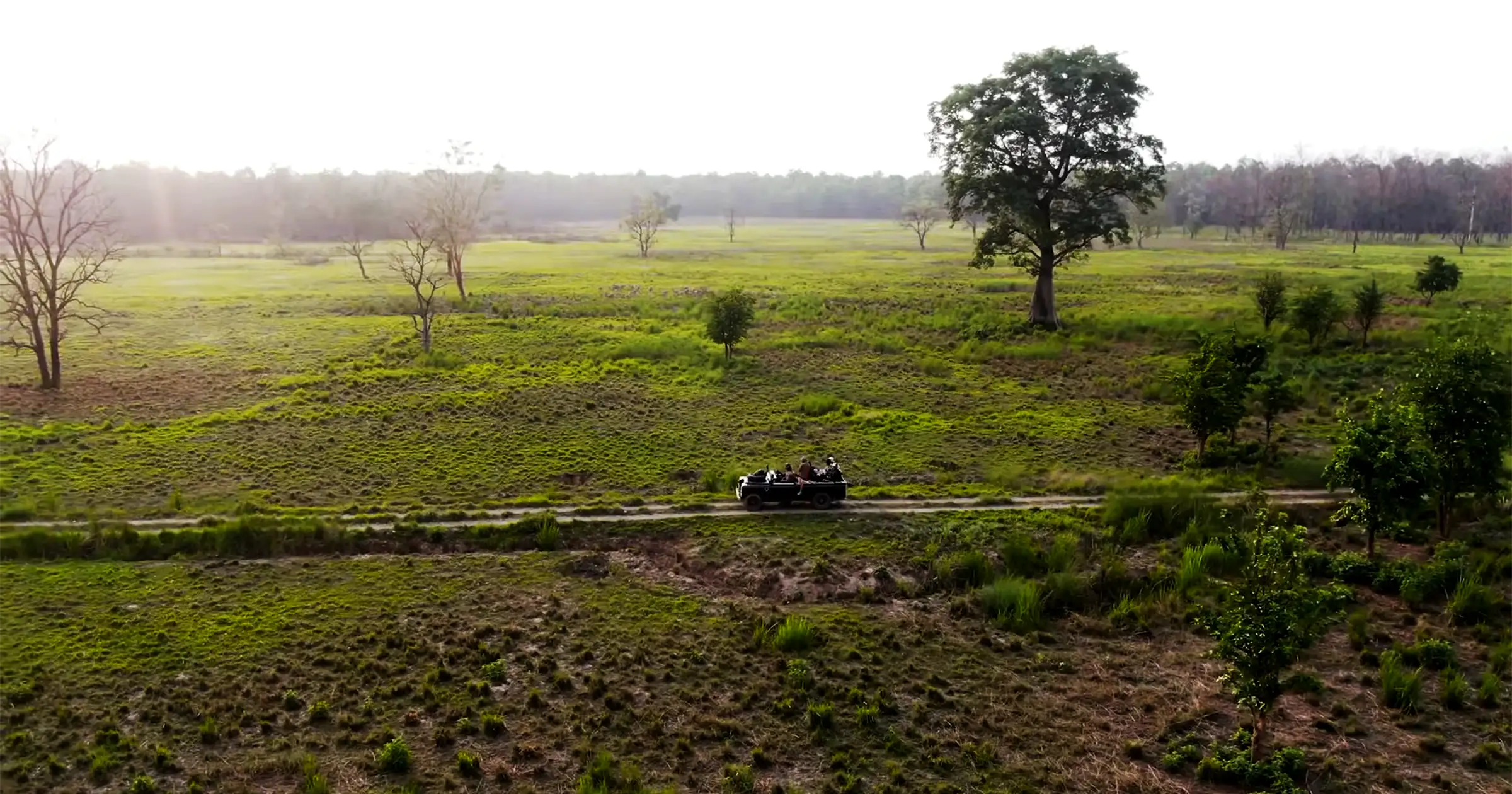
The park was first named as a royal hunting region and some portion of it was listed under the name of Karnali wildlife reserve in 1976. Later, it was renamed as Bardiya wildlife reserve extending up to Babai valley.
Finally, in 1988, the reserve was extended into a Bardiya national park and stretched over an area of 968 square km. It is one of the largest undistributed wilderness areas which extends up to Karnali river in the west, low Churia hills in north and cuts through the middle via Babai river.
The national park offers diverse range of landscape such as:
- Dense sal forests and subtropical vegetation
- Open grasslands and riverine forests
- Floodplains and sandy riverbanks
- Wetlands, oxbow lakes and seasonal water sources
Different wild species thriving inside the lowlands of Terai depend on Karnali and Babai river systems for food, water, and movement. The park is home to some of the rare and endangered wild species such as:
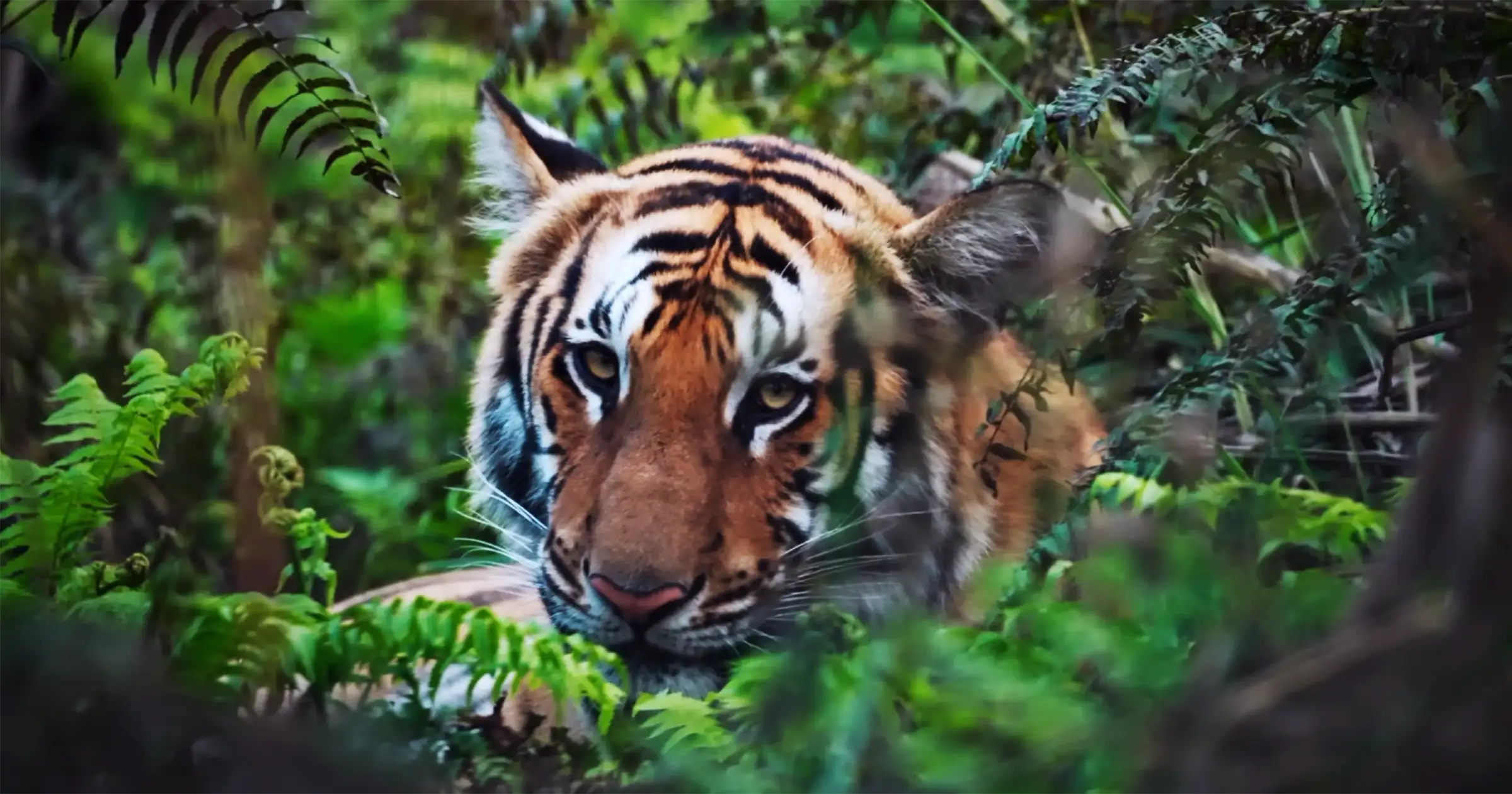
- Royal Bengal Tiger,
- one-horned rhinoceros,
- elephant,
- swamp deer,
- black buck
- reptiles include gharial crocodile, marsh mugger crocodile
- fresh-water Gangetic dolphin
- birds species like Bengal florican, lesser florican, silver-eared mesia and sarus crane
How many Tigers are in Bardiya National Park?
According to the national Tiger census of July 2026, 429 numbers of Royal Bengal tiger are found in Nepal’s park and conservation area. Out of 429, 112 numbers of Royal Bengal tiger were recorded in Bardia national park.
The reports make Bardia a second largest habitat for Royal Bengal tiger after Chitwan with a total record of 145 numbers. The number of tigers declined in Bardia national park as it recorded 125 in the 2022 census.
Here is the lists count of tiger since 2013 to 2026 inside Bardia national park:
| Census year | Tigers recorded in Bardia |
| 2013 | 50 |
| 2018 | 87 |
| 2022 | 125 |
| 2026 | 112 |
So, Why Tiger Count Dropped in 2026?
The sudden drop of tiger population in Bardia does not mean that the conservation of rare animals has failed but it reflects their dispersal and habitat saturation. Since 2013, there has been growth of tiger numbers inside Bardia until 2022 and decline in 2026 census means they might have population distribution or natural death as park authorities don’t have a record of poaching or hunting activities.
Territorial Competition
Their territorial nature brings conflict for food, breeding, with the growth in population. This may result in displacement and migration.
Movement into Neighboring Habitats
Some young cubs with their mother might have moved beyond their original territories in search of suitable habitats. As Bardia is nearer to Banke National Park and the Khata corridor, some tigers may have moved there.
Changes in Population Distribution
A tiger population is not always concentrated in the same area. Changes in prey availability, breeding activity, territorial pressure and habitat conditions can influence where individual animals live.
Natural Mortality
Tigers are mortal beings and face natural threats throughout their lives. They risk their life for territorial fights which result in injuries, they age with time and die.
Differences in Survey Coverage and Counting Boundaries
Population surveys depend on camera-trap coverage, monitoring periods, survey methods and the geographical boundaries used to calculate results. Animals recorded in adjoining corridors or protected areas may be counted separately.
Tiger Tracking in Bardia National Park, Nepal: Sightings Odds
Tiger tracking in Bardia national park can be done via walking safari. The tracking is done under the supervision of expert naturalist guides and park personnel.
Early Morning Departure
Your day begins before sunrise, usually around 5 am. After a light early morning breakfast, you will meet your guides and receive a safety briefing.
The park scouts who monitor tiger movement overnight will brief about the sighting sites, including tiger tracks, deer alarm calls and activity around riverbanks. You will enter the wild of the national park on foot with one guide and one park ranger.
It demands a small group not more than four.
Following Tiger Signs
Your guide will begin reading the forest and look for clues like:
- Pugmarks in soft soil and sandy riverbanks
- Scratch marks on trunks of Sal tree
- Scat and scent-marking signs
- Broken vegetation along animal trails
- Alarm calls from spotted deer, langurs and other wildlife
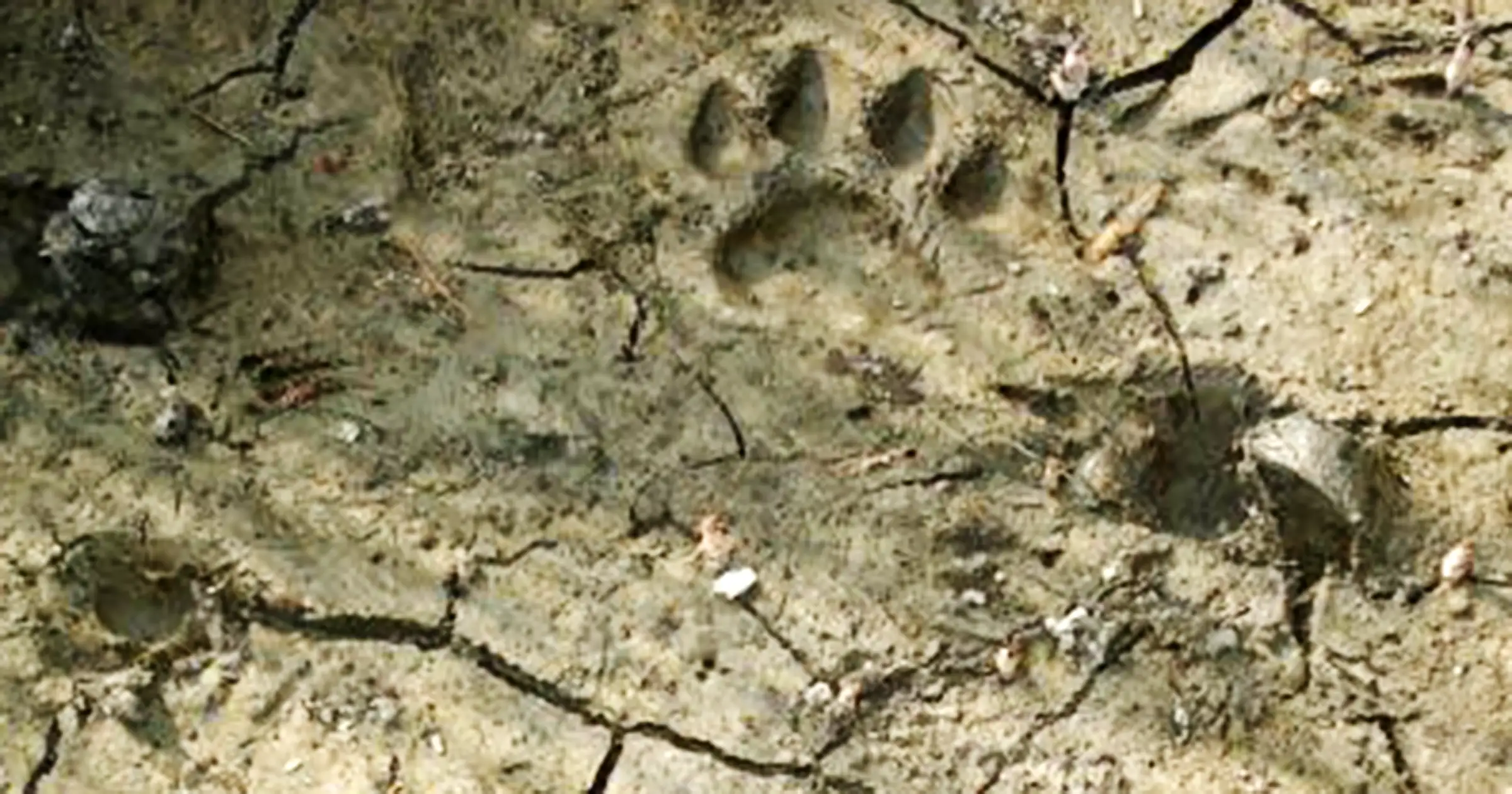
During your walking safari, sometimes you may hear non stop barking of deer, this means you are near a tiger. Your guide and park scouts can differentiate the sound of leopard alarm and tiger alarm.
Tracking Sessions
It may last for 3 to 5 hours. Sometimes, you need to spend hours just for sightseeing covering more than 10 km.
When your guide finds the fresh pug prints, the slower version of tracking gets changed. You will be told to maintain silence and follow the tracks.
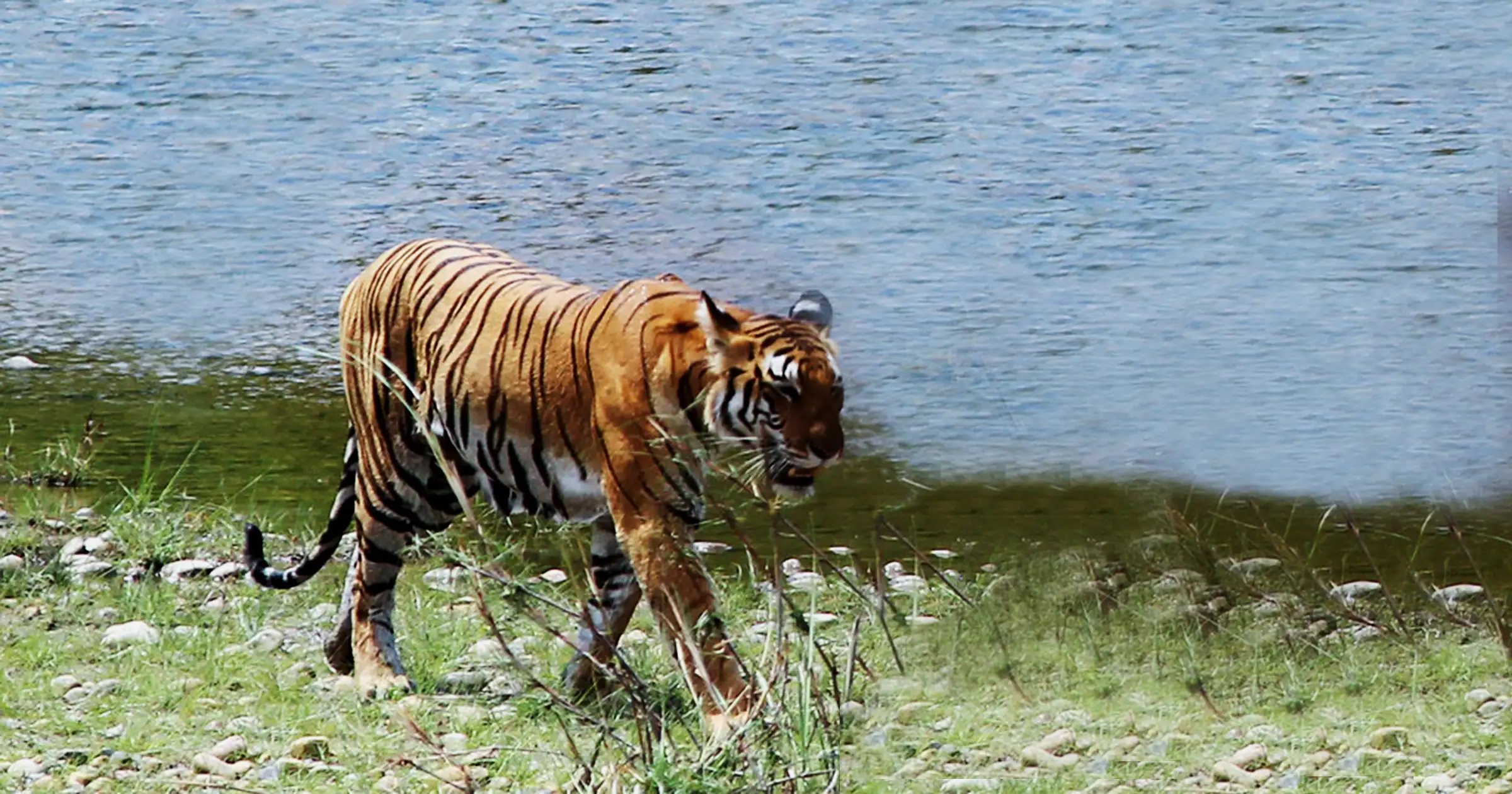
You will have to wait near a probable sighting location such as riverbanks. During summer, tigers may get spotted in riverbanks as they do the movement for drinking or cooling themselves from the scorching sun
This slower, more immersive approach makes tiger tracking in Bardiya an exciting experience, where every clue brings you closer to understanding the jungle’s most elusive predator.
Statistics of Real Sighting
Tiger tracking in Bardia is not guaranteed in a single day. It is an art of patience, sensory awareness, and timing which demands multiple days than single outing.
During peak season, you may encounter a royal Bengal tiger in the park only if you are lucky. Most of the time, you will return with sighting of their pugmarks, where they attack prey, and exploring their habitat.
- There is only 40 to 50 percent chances of Tiger sighting in a single day safari.
- This probability increases to 65 to 75 percent in 2-day full walking safari
- If you continue it to 4 days, you will have 85 to 92 percent chances of their sighting in peak season like spring.
Secret Spots
Some of the secret sighting spots where you may encounter tiger in Bardia are:
Kingfisher Hide
It is a point which is shaded most of the time which lies opposite to a deep river oxbow. In the daytime, tiger often come here to bathe.
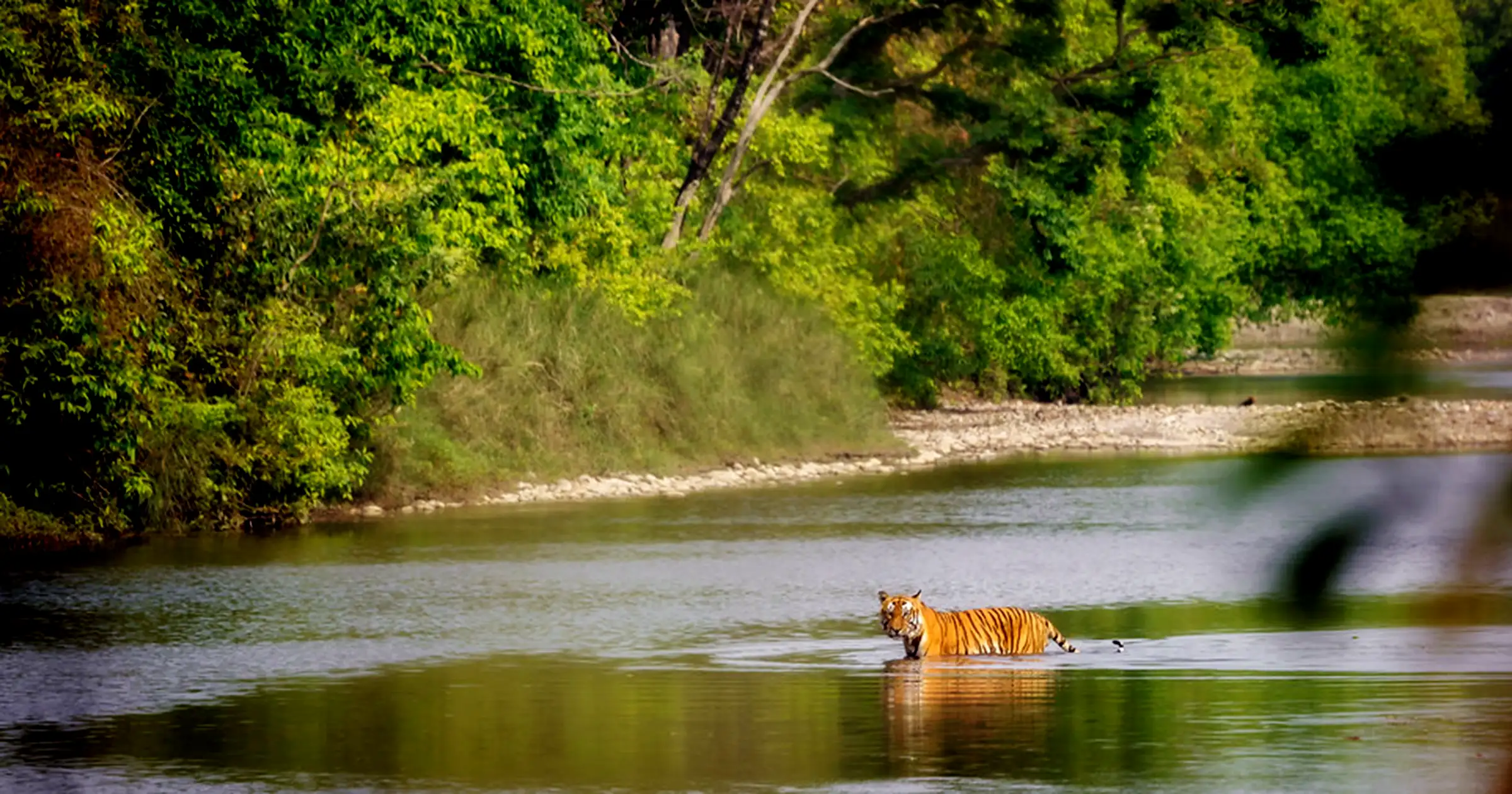
Tinkuni
It is a river junction which is surrounded by dense Sal trees and elephant grass. You may encounter male tiger with tigress and small cubs.
Baleni and Khauraha Riverbanks
The tiger often visit here in search of prey like deer. You will see fresh imprint of them in sand beds.
Why Choose Walking Safari Over Jeep
Both walking and jeep safaris have their own advantages during tiger tracking in Bardia national park, Nepal. Your choice depends on your fitness, interests and expectations.
However, walking safaris are one of the experiences that make Bardiya particularly distinctive because of following reasons:
Closer Connection with Nature
When doing a walking safari in Bardia national park, you will get to enjoy the beauty of nature at a slower pace. You will get to experience fresh air, walk in sandbars and dry riverbeds.
Walking makes you also encounter other wild animals and vegetation.
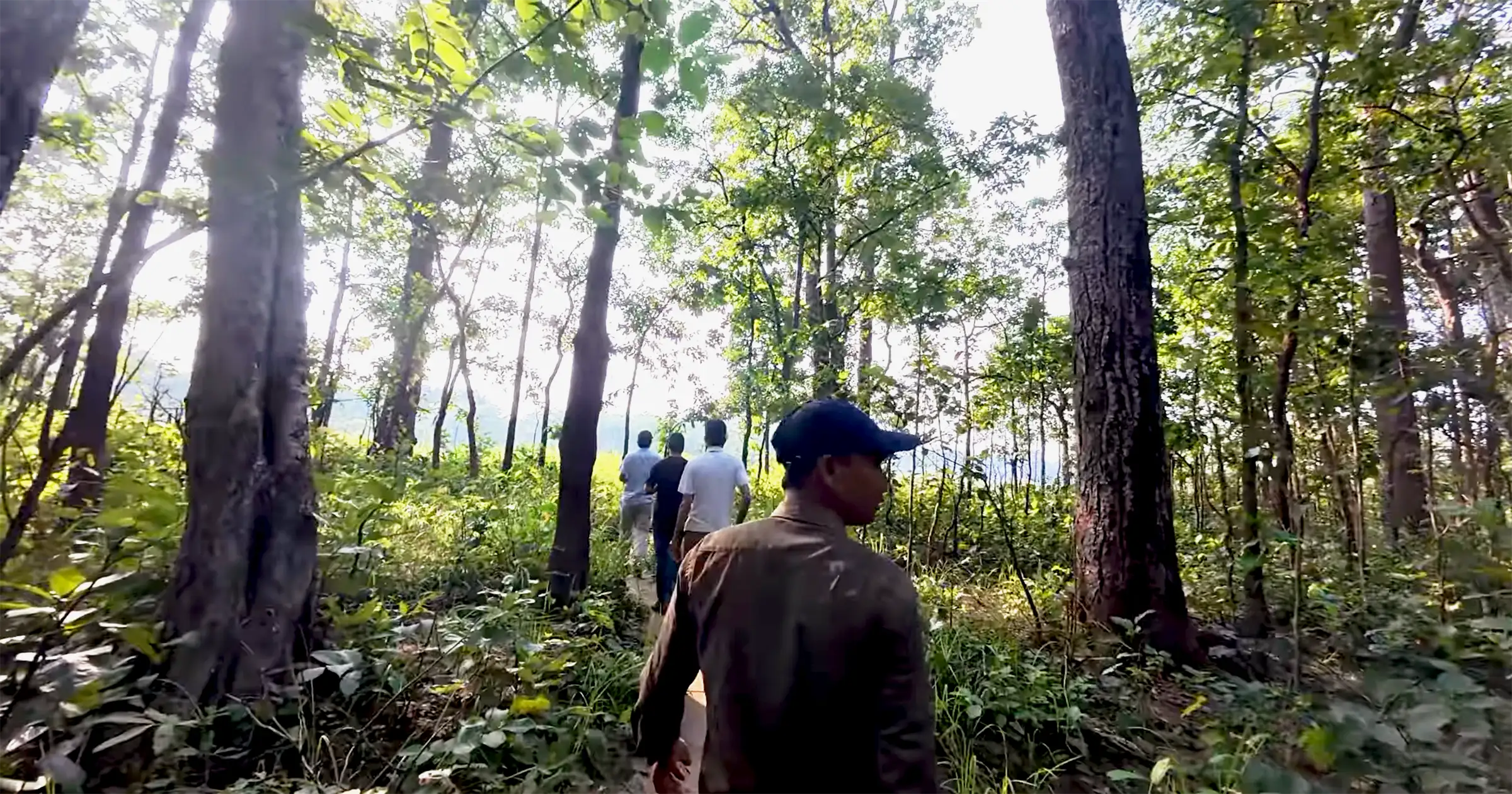
Better Tracking Opportunities
Guides and park scouts can examine fresh footprints, scratch marks which may get missed during jeep safari.
A Quieter Experience
Tracking animals like tigers who have an extraordinary auditory sense demands less disturbance in jungle soundscapes. As you will be walking in a small group without making noise, you will get to enjoy nature in its real form.
Wildlife Interpretation
Naturalists will explain animal behavior, habitat and the relationships between different species.
Adventure and Excitement
When you are walking in grasslands, sand or river banks, every step you take is filled with excitement and anticipation of the tiger sighting.
Best Time to Visit Bardiya National Park
The best time to visit Bardia national park for tiger tracking is February to April and October to November. Though the national park remains open throughout the year, choosing the right months for tracking tigers offer you a higher chance of their sightings.
February to April
The strongest and highly recommended time to visit Bardia national park for tiger sighting is in the months of February, March and April. In the month of January, park authorities start cutting grasses and local communities collect it to thatch their roofs.
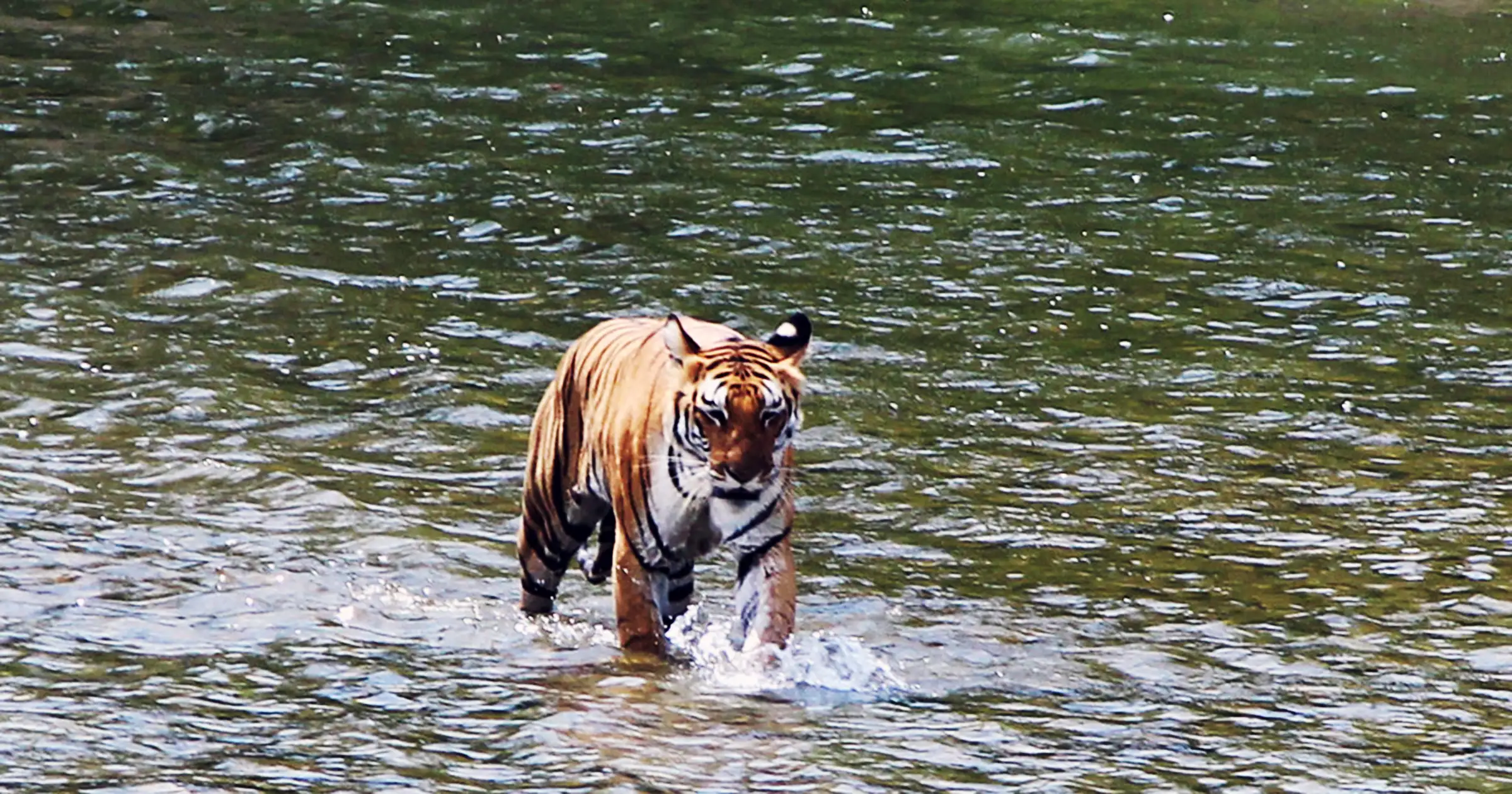
This makes the open lands of the lowlands more visible which allows you to encounter tigers moving in the Karnali river corridor or near Babai river banks from far away. Also, the morning temperature is quite comfortable, reaching 14°C in February, 14°C to 32°C in March and April.
October to November
Another attractive period for tiger tracking in Bardia are October and November. The month of October brings post rain vegetation, the landscape transforms into greener forest and grassland, full flow of rivers and you will encounter one-horned rhino grazing in the parks.
Tiger sighting probability is around 20 to 35 % in these months because taller vegetation may make spotting animals more challenging than in the later dry season. Also, the daytime temperature ranges from 20 to 28 degree Celsius which is pleasant for longer hours of tracking.
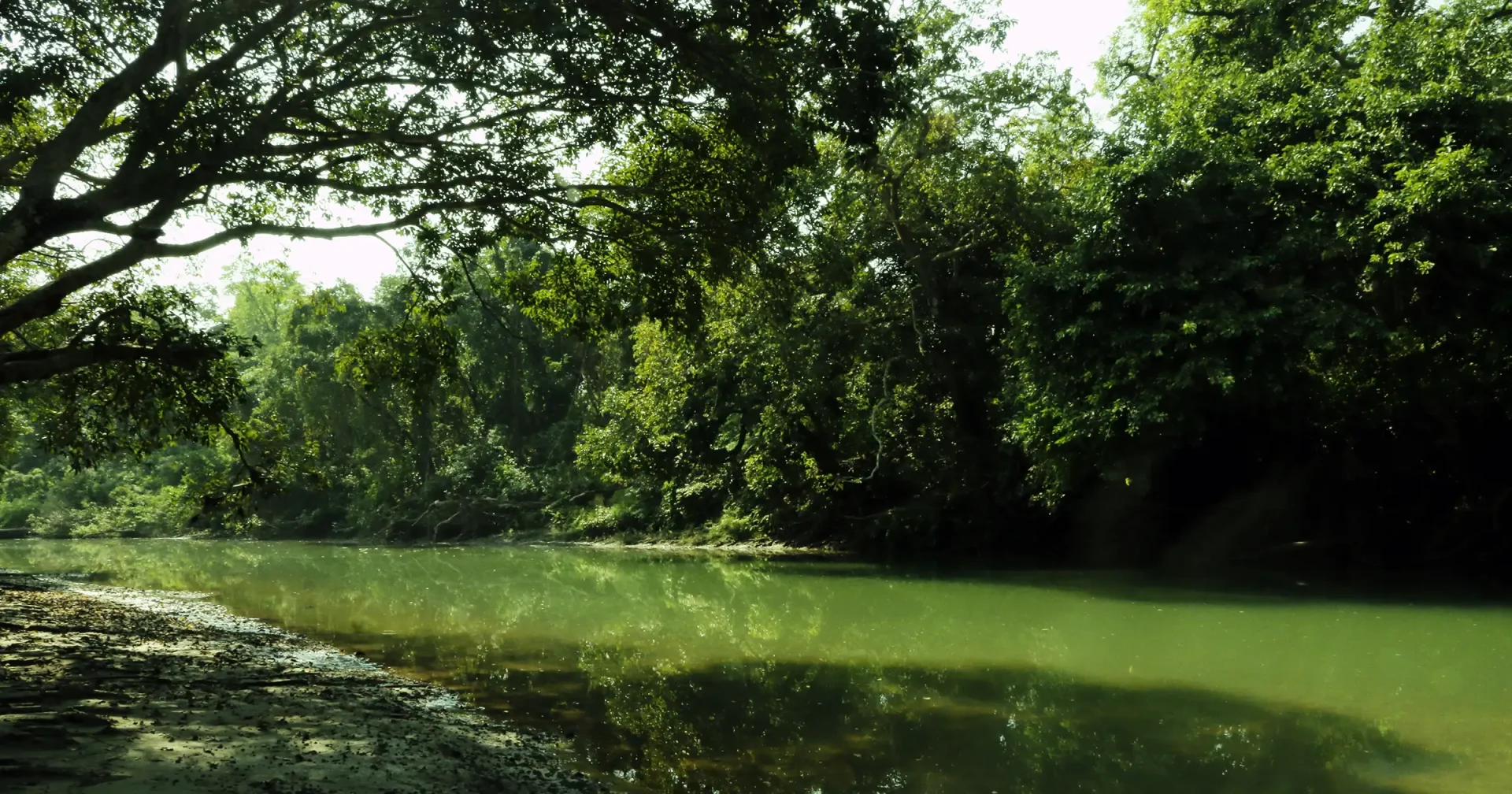
We suggest you to avoid mid-June through September because it brings heavy rainfall and the daytime temperature is quite hot. Traversing in the grasslands and river banks make you suffer from leeches attack and mosquito bites.
The months of December and January are favorable for birdwatching, walking, and exploring the park in the daytime but the morning and evening become foggy and cold which affect the visibility.
How to Reach Bardiya National Park?
Bardia national park is located in the far-western Nepal and it demands proper planning as it remains off the typical tourist hub. You can reach Bardia via two ways:
By Air
Flying from Kathmandu is one of the quickest and most convenient options to reach Nepalgunj. The flight duration from Kathmandu to Nepalgunj is only 50 minutes.
Everyday multiple airlines depart to Nepalgunj, but during peak season, you need to do early booking. Once you reach Nepalgunj, you will take a scenic drive of 2 to 3 hours to reach Thakurdawa, the main gateway village for Bardia.
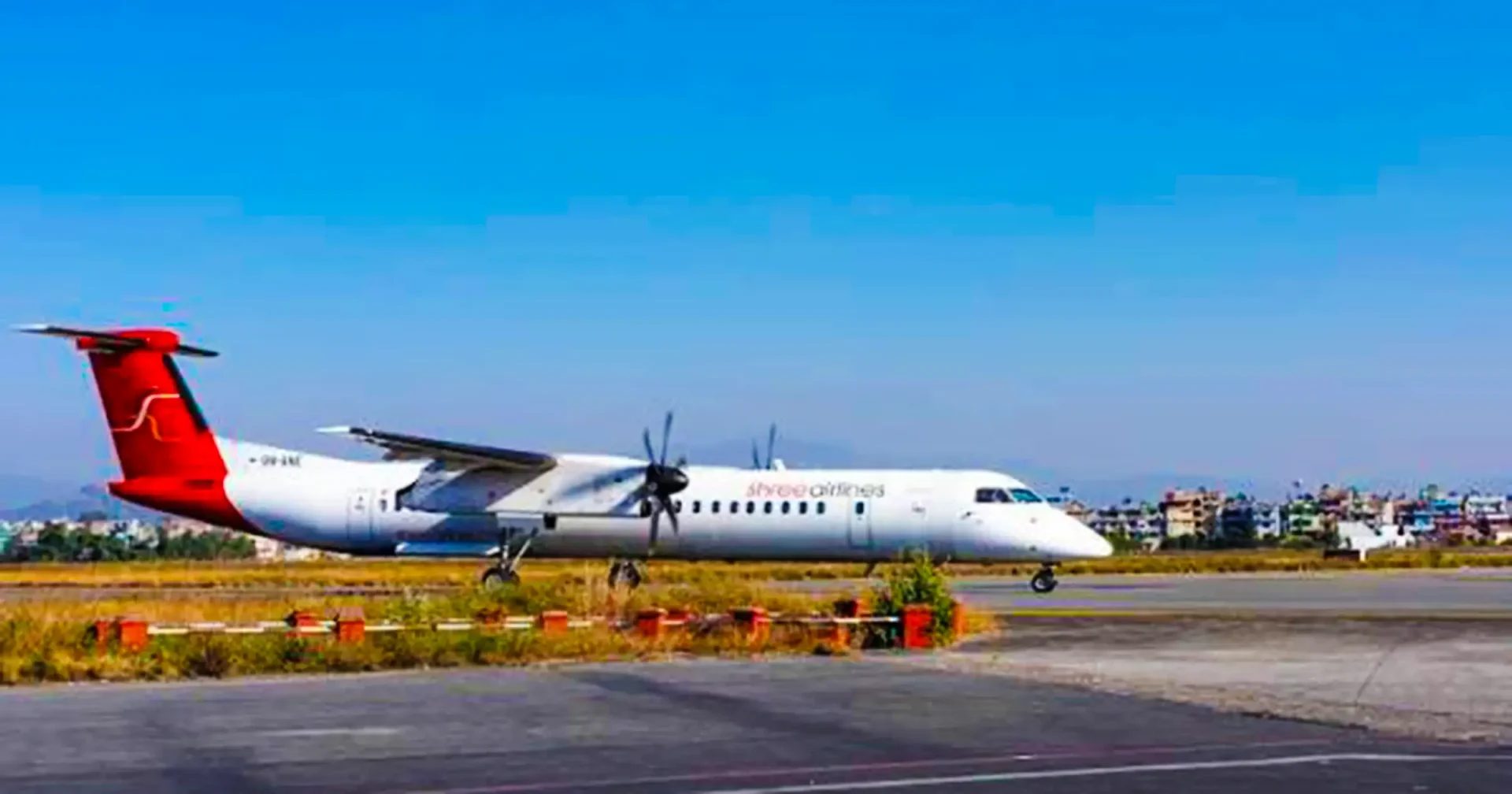
The duration depends upon the vehicle you are travelling on and booking a domestic flight to Nepalgunj is suitable for those who have a limited amount of time and who want to skip a longer hour of road journey.
By Road
Everyday, public buses leave Kathmandu to Ambassa, the nearest highway junction to Bardia. It takes 12 to 14 hours depending upon the road traffic and conditions.
Once you reach Ambassa, you will again have to take a road drive to reach Thakurdawa. You can also book a shared or private vehicle for a more comfortable journey.
Practical Tips for Tiger Tracking in Bardiya
When doing tiger tracking in Bardia national park, visitors are expected to follow some ethics of the park. Here are some tips which you should follow during your next wildlife adventure in Nepal:
- Always choose licensed, experienced guides and follow park regulations.
- Allow 2 to 3 full days for tiger tracking.
- Wear neutral color clothing, so that you can camouflage with the park’s vegetations.
- Prepare your mind for longer hours of walking or waiting without seeing a tiger as it is normal.
- Never separate from your group, approach wildlife or attempt to photograph animals from an unsafe distance.
- Make sure you bring binocular, enough drinking water and snacks, as it may make you wait for 2 to 3 hours in one place.
- Focus on starting early as wild animals are more productive and show movement in the morning.
Planning A Tiger Tracking in Bardia National Park?
Or Call/Message on WhatsApp +977 98434 13619
- Drink sufficient water to protect yourself from dehydration as Terai sun is extremely hot and take breaks.
- Never feed animals, make loud noises to attract them or attempt to approach them for photographs.
- Always choose locally operated accommodation, hire local guides and focus on buying locally made products in homestays than in supermarkets.
- Do not pluck any vegetation and stay in the designated trails only.
- Keep realistic expectations as tiger sighting is an extraordinary bonus, not something that can be guaranteed.
Final Verdict on Visiting Bardiya National Park for Tiger Tracking
Tiger tracking in Bardia national park demands a slower pace, patience, and a keen eye for the smallest signs of wildlife. The adventure and excitement of tracking tigers lies in reading the forest floor to encounter fresh pugmarks, examining broken branches, and carefully listening to the sound of real wilderness.
You are not only searching for the clues but you are being closer to nature which is home to the elusive royal Bengal tiger. For the best experience, we suggest you visit between late February and early April 2027.
Having at least three full days for walking safari allows enough time to explore the park beyond tiger tracking. The most important thing to remember is that you are entering the tiger’s natural habitat.
Travel responsibly,
respect the wildlife, and
enjoy every moment of the wilderness.
Explore Bardia wildlife by planning a trip with Awesome Holidays Nepal in 2027.
FAQs
Expand AllWhat are the chances of seeing a tiger in Bardiya?
The chances of seeing a tiger in Bardiya depends on the season, tiger movements, weather conditions, and time spent tracking.
How many tigers are in Bardiya National Park?
There are 112 numbers of Royal Bengal tiger in Bardia national park.
What is the best month for tiger tracking in Bardiya?
The best time to visit Bardia national park for tiger tracking is February to April and October to November.
Is March a good month for a Bardia tiger safari?
Yes. March is a good month for a Bardia tiger safari.
Is April too hot for a Bardiya safari?
Yes, April can be very hot in Bardiya, but early-morning and late-afternoon safaris remain rewarding.
How many days should I spend in Bardia to see a tiger?
You should spend three to four days in Bardiya. The multiple tracking sessions provide more opportunities to encounter fresh pugmarks, follow tiger trails, and observe wildlife.
Can a tiger sighting in Bardiya be guaranteed?
No. Tiger sightings cannot be guaranteed in Bardiya because tigers are wild and elusive animals.
Is a walking safari or jeep safari better for tiger tracking?
A walking safari is better for an immersive tiger-tracking experience than jeep safari. During walking safari you can read pugmarks, examine broken branches, identify animal signs, and understand the forest with your naturalist guide.
Are walking safaris safe in Bardiya?
Yes, guided walking safaris are safely conducted in Bardiya.
How long does a walking safari in Bardiya last?
A typical walking safari in Bardiya lasts around three to five hours.
Do I need a guide for a Bardiya walking safari?
Yes. You should always join a walking safari with an authorized, experienced local naturalist or wildlife tracker for Bardiya walking safari.
What should I wear on a tiger-tracking walk?
You should wear following clothing:
- neutral-coloured,
- lightweight,
- long-sleeved,
- comfortable walking shoes
- a hat,
- and breathable trousers.
What is the best time of day to see tigers in Bardia?
Early morning and late afternoon is the best time of day to see tigers in Bardia.
Is Bardiya or Chitwan better for tiger sightings?
Both Bardiya and Chitwan offer excellent tiger habitats. Bardiya is particularly appealing to travelers seeking quieter wilderness experiences, immersive walking safaris, and a more adventurous approach to wildlife tracking.
How far is Bardia National Park from Nepalgunj?
Bardiya National Park is around 95 km away from Nepalgunj.
How much does a Bardia tiger safari cost in 2027?
For a 3- to 5-day guided package, Bardia National Park tiger safari cost s USD $350 to US$1,430 per person in 2027.
What are the 2027 entry fees for Bardia National Park?
The entry fees for Bardia National Park
in 2027 cost:
- Foreign nationals: NPR 1,500 per person
- SAARC nationals: NPR 750 per person.
- Nepali citizens: NPR 100 per person.
The entry fee is for single-day entry, you need to buy another for next days.
Where should I stay for a Bardiya safari?
Thakurdwara is the best area to stay for a Bardiya safari.
What animals can I see besides tigers in Bardiya?
One-horned rhinoceroses, wild elephants, swamp deer, spotted deer, blackbucks, gharials, marsh crocodiles, Gangetic dolphins are some of the animal you may encounter besides tigers in Bardiya.
Can I visit Bardiya without booking a safari package?
Yes. You can visit Bardiya independently by arranging your accommodation, park entry permits, and authorized guides by yourself.
Related blog posts
Discover a choice of tourist destinations loved by most of our visitors. Whether you're on a jungle safari to spot rare animals or walking through a world heritage site, these well-planned itineraries cover the major highlights of Nepal.
 call an expert at: