
Mu Gompa and Rachen Gompa: Living Monasteries of Tsum Valley Trek 2026
 Sristi Adhikari
Nestled deep within the remote Himalayan wilderness of Nepal, Mu Gompa and Rachen Gompa stand as two of the most significant spiritual landmarks of Tsum Valley. These living monasteries have been preserving centuries-old Tibetan Buddhist culture and traditions of the Tsumba people with sacred teachings and monastic ways of life.
Surrounded by towering snow-capped peaks, peaceful mountain landscapes, and traditional villages, these two living monasteries offer trekkers a rare glimpse into the spiritual heart of the Hidden Valley, which was long known to Tibetan Buddhists as “Beyul Kyimolung”. Mu Gompa sits quietly in the upper northernmost reaches of Tsum, reflecting the solitude and devotion of monastic life.
Likewise, Rachen Gompa welcomes visitors with its rich Buddhist heritage, vibrant spiritual atmosphere, and insight of life shaped by faith, discipline, and isolation. These two remarkable monasteries are more than a cultural excursion and bring you closer to the timeless faith, history, and traditions that continue to shape the identity of the Tsumba people during Tsum Valley Trek.
Those who are searching for a place to slow down while observing and learning more about the spiritual and cultural aspect, then Mu Gompa and Rachen Gompa deserve a special place on your next Nepal treks.
Tsum Valley, The Hidden Valley of Nepal
Tsum valley also known as “hidden valley” is located in the east of Manaslu, near the Tibetan border in the Gorkha District of Nepal. The valley is isolated and lies within a natural amphitheater of the Himalayan giants ranges including:
- Ganesh Himal,
- Sringi Himal,
- Boudha Himal.
The valley was restricted to outsiders until 2008 which is why it has remained largely untouched and untamed by human activity. You can witness local communities still practicing centuries old lifestyles and focusing on preserving the Tibetan Buddhist tradition into their everyday life.
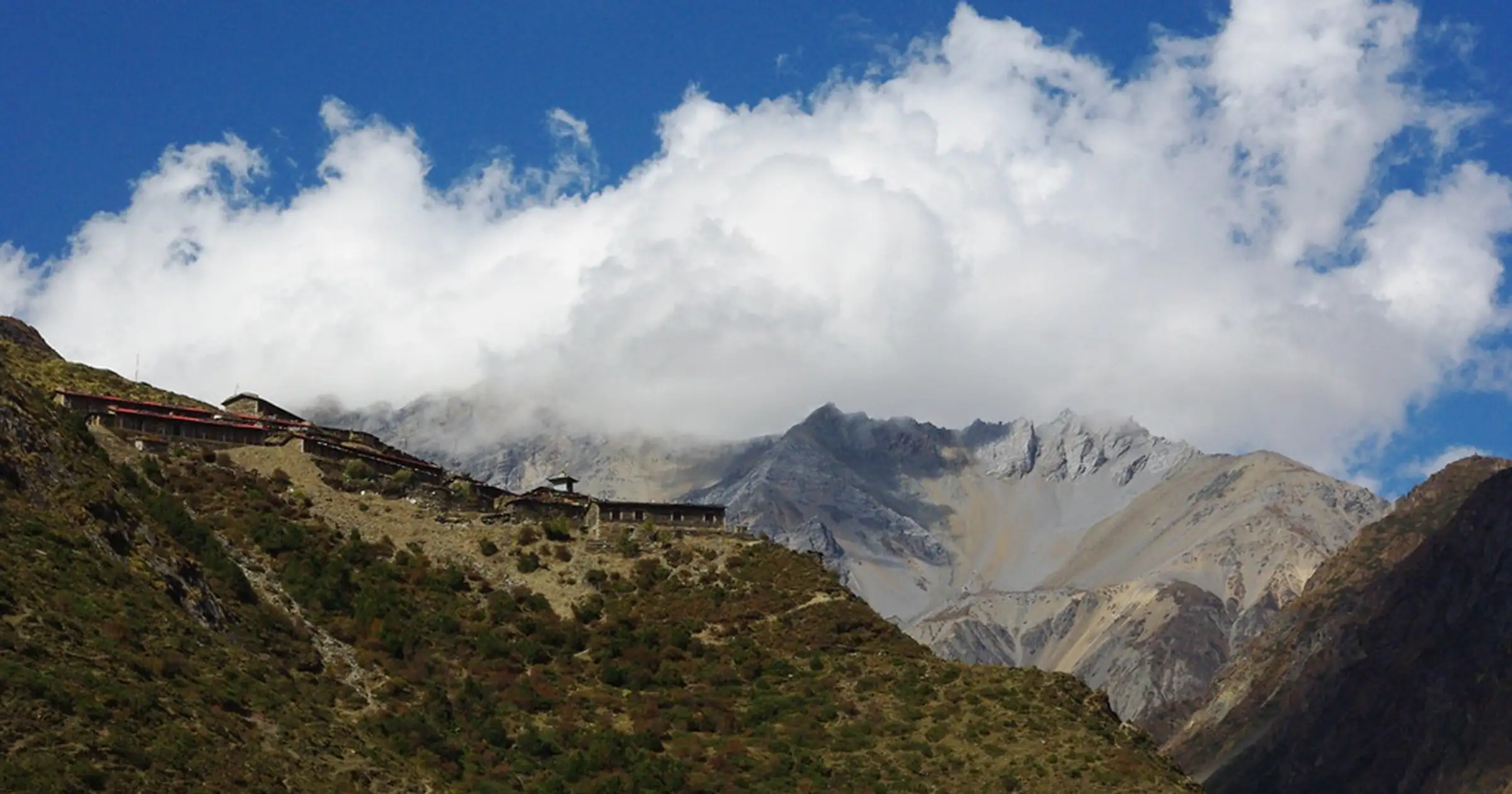
The valley is filled with sacred and religious sites which showcases the Tibetan Buddhist heritages in:
- chortens
- monasteries
- meditation caves
- mani walls
- prayer flags.
Tsum (hidden) Valley of Nepal is home to the descendants of the Tibetan community called “Tsumbas”. The locals are famous for practice which is associated with compassion toward living beings and the avoidance of killing animals collectively termed as “Shagya” traditions.
Trekking to Tsum (hidden) valley allows you to traverse in variable landscapes which follow:
- deep river gorges,
- dense forests,
- alpine meadows
- open valleys
- sky-rocketing mountains peaks.
Tsum (hidden) Valley trek offers an experience that combines natural beauty with a living cultural landscape. The two monasteries, Mu Gompa and Rachen Gompa, are central to understanding this identity.
Mu Gompa: The Spiritual Landmark of Upper Tsum Valley
Mu Gompa is one of the highest and largest Tibetan Buddhists monasteries located in Tsum (hidden) Valley. The Mu Gompa monastery is elevated at an altitude of 3,700 meters above sea level and can be reached on foot with multiple days of trekking.
Mu Gompa on Tsum valley trek is situated 7 hours of hike away from the last permanent settlements like Nile and Chhule. Mu Gompa is also referred as “Mu Gumba,” “Mung Gompa” or “Mui Gompa” and it sits in front of the Shringi and Ganesh Himal ranges and in the middle of vast open plateau. It offers one of the best views of:
- open sky,
- glacial streams
- alpine terrain,
- distant hills.
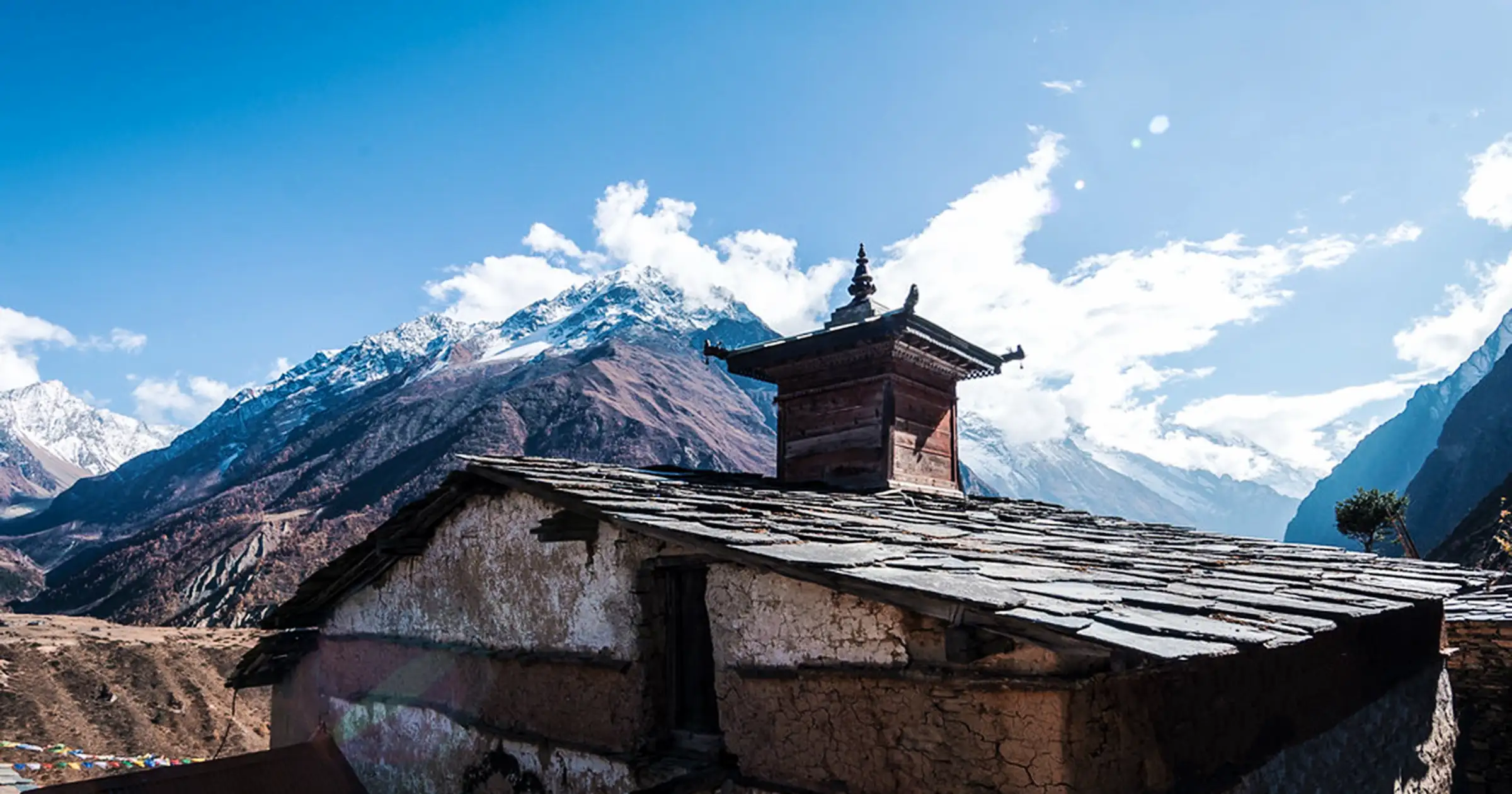
The Mu Gompa monastery architecture reflects the practical requirements of monastic life in a high-altitude environment where outside wall features
- stone plates engraved with Buddha images,
- simple structural forms,
- prayer flags,
- and religious symbols.
These aspect reflect how local communities are living in the borderlands of Himalayas of Tsum. Whereas the inner complex features:
- Buddhist shrines
- sacred images and ancient thangkas,
- religious paintings,
- prayer books and ritual objects,
- and traditional decorations.
You will encounter the interwoven relationship between Buddhism teaching and how it has been continuing the centuries old lineage and practices within the monastery walls.
History and Religious Significance
It is believed the present complex of Mu Gompa roots back to the late 19th century around 1895. Some believe it to be more ancient which is considered as one of the oldest of the four major schools of Tibetan Buddhism within the Nyingma traditions.
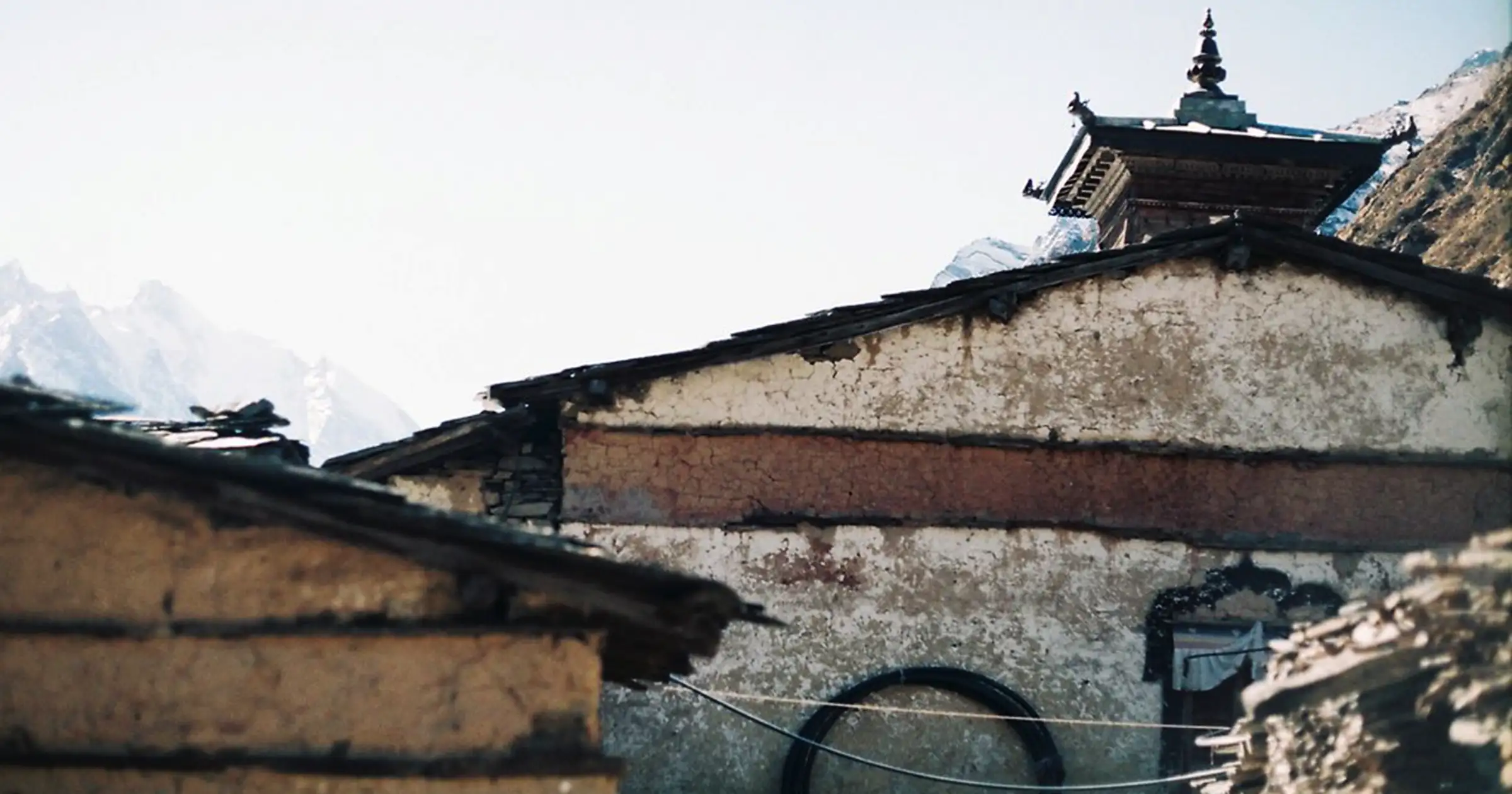
Mu Gompa monastery complex was founded by Drupa Rinpoche has been serving as a centers for:
- religious study,
- prayer,
- ritual
- meditation, and quiet retreat
- community worship.
The monastery is connected to Milarepa, the most celebrated figures in Tibetan Buddhism. The spiritual connection with Buddhist masters, meditation traditions, ancient practices and teaching has been preserved beautifully with its remote setting.
As a result, it has been attracting the hearts of religious and spiritual enthusiasts.
The Daily Monastic Life at Mu Gompa
Mu Gompa monastery complex is home to local monks who follow a simple and disciplined monastic lifestyle. Their day begins early in the morning and they do the prayers before warm rays of sun enter the valley.
Then, they continue studying Buddhist literatures and scriptures and do the daily chores which include maintaining the monastery complex clean. Most of the time monks are seen studying, chanting prayers, or reciting sacred texts, talking or sharing the knowledge with younger ones, and meditating in the serene and peaceful atmosphere.
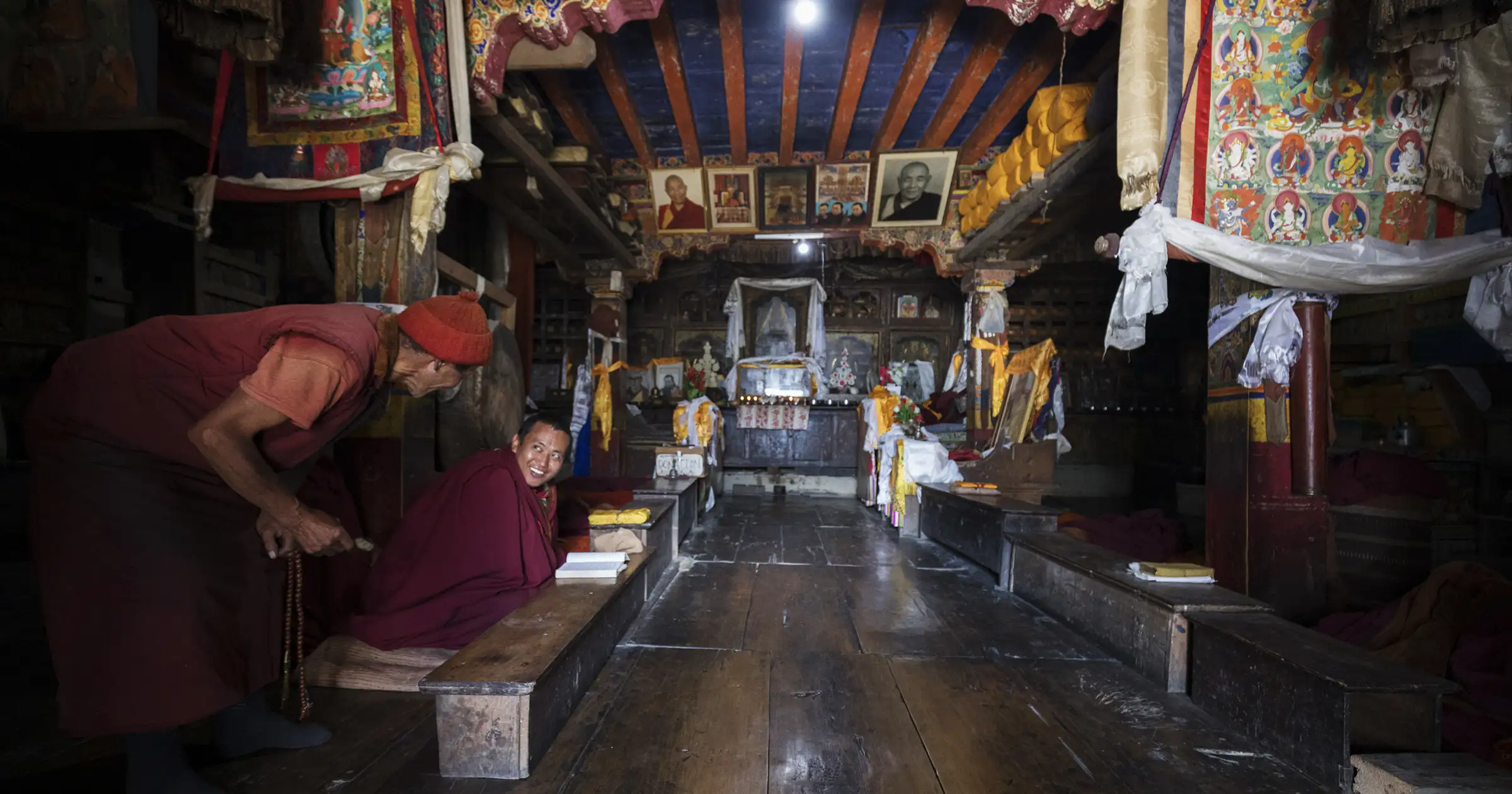
Visitors are recommended to maintain silence and observe from the back of the hall as mindfulness is part of everyday life. During the winter season, some monks moved to lower gompas to avoid the cold.
As there is no means of transportation, monks depend on mules, porters for fuel, food, and building materials. You will have one of the best times at Mu Gompa as its remote and peaceful setting gives you enough time for self reflection, values those things which you take granted in your daily life, and learns warmth and humidity from monks.
Rachen Gompa: A Historic Buddhist Nunnery
Rachen gompa is a working Buddhist nunnery located near Chhokangparo village in the upper Tsum (hidden) Valley trek. The nunnery complex is situated at an altitude of 3,240 metres above sea level.
It lies in between Chumling and Nile of the classic trekking trails of Tsum valley. The gompa sits perfectly in the calm, and open setting which offer one of the best views of:
- fields
- pastures lands
- snow-covered mountains
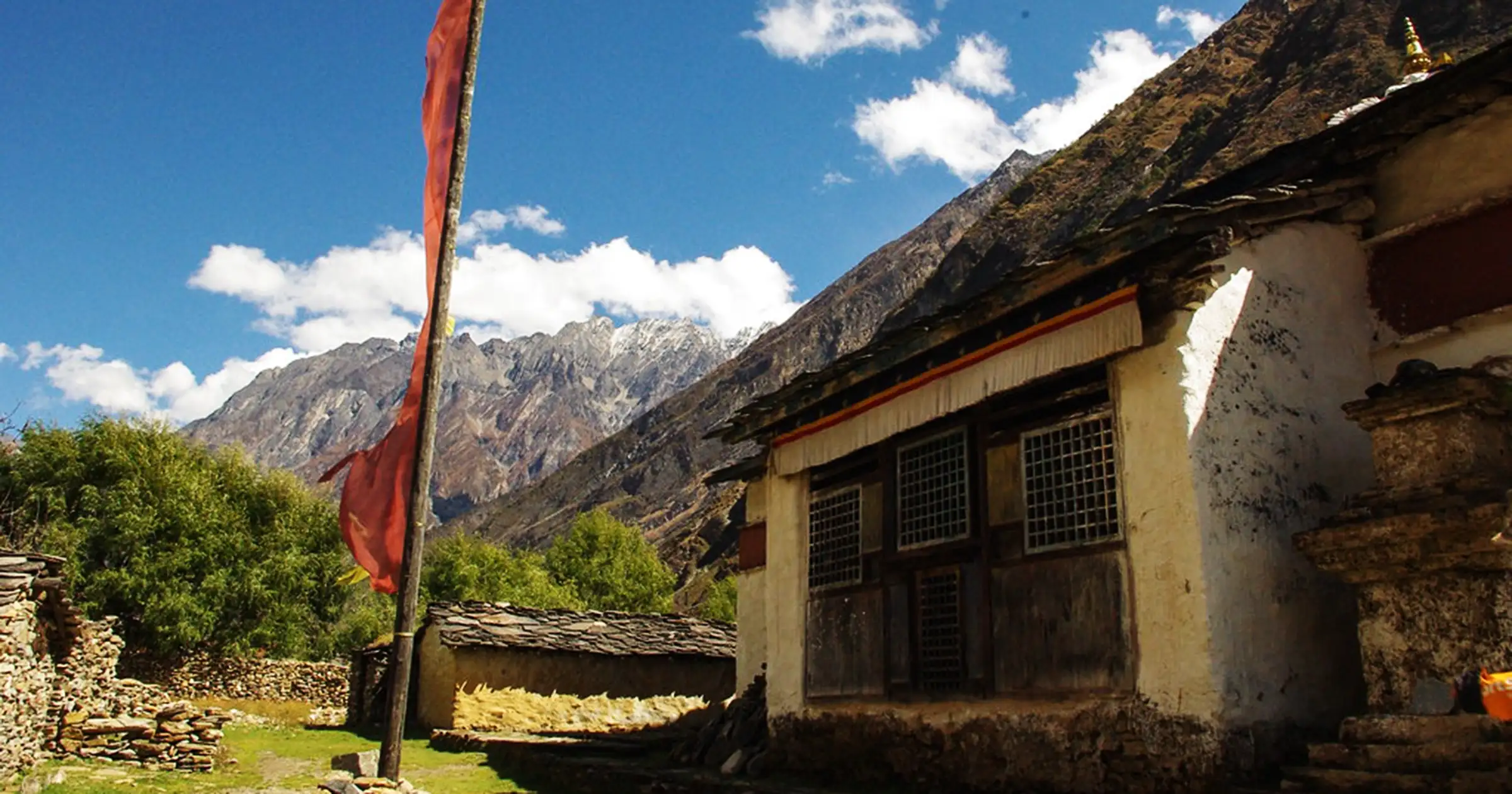
Unlike other monasteries, Rachen Gompa offers quiet and intimate experience to witness a way of life that has been shaped by:
- Faith
- Discipline
- Isolation
It has been serving as a place where women can learn Buddhist teaching, perform rituals, ceremonies and continue a monastic life. The Buddhist teaching, tradition, and ritual which is being practiced at Rachen gompa nunnery complex has been passed down via inscription and oral means since centuries.
History and Spiritual Importance
Rachen Gompa nunnery was established by a Bhutanese Buddhist lama named Drupa Rinpoche in 1936. When monastic communities at Rachen faced difficulty living, then Drupa Rinpoche appealed to Lama Zopa Rinpoche to look after them in 2005.
Zopa Rinpoche then made Kopan monastery to take responsibility for their administration and help them by improving classrooms, accommodation, and kitchen. The nunnery is also connected to the spiritual aspect of the whole Tsum valley beyul or hidden sacred valley in Tibetan Buddhism.
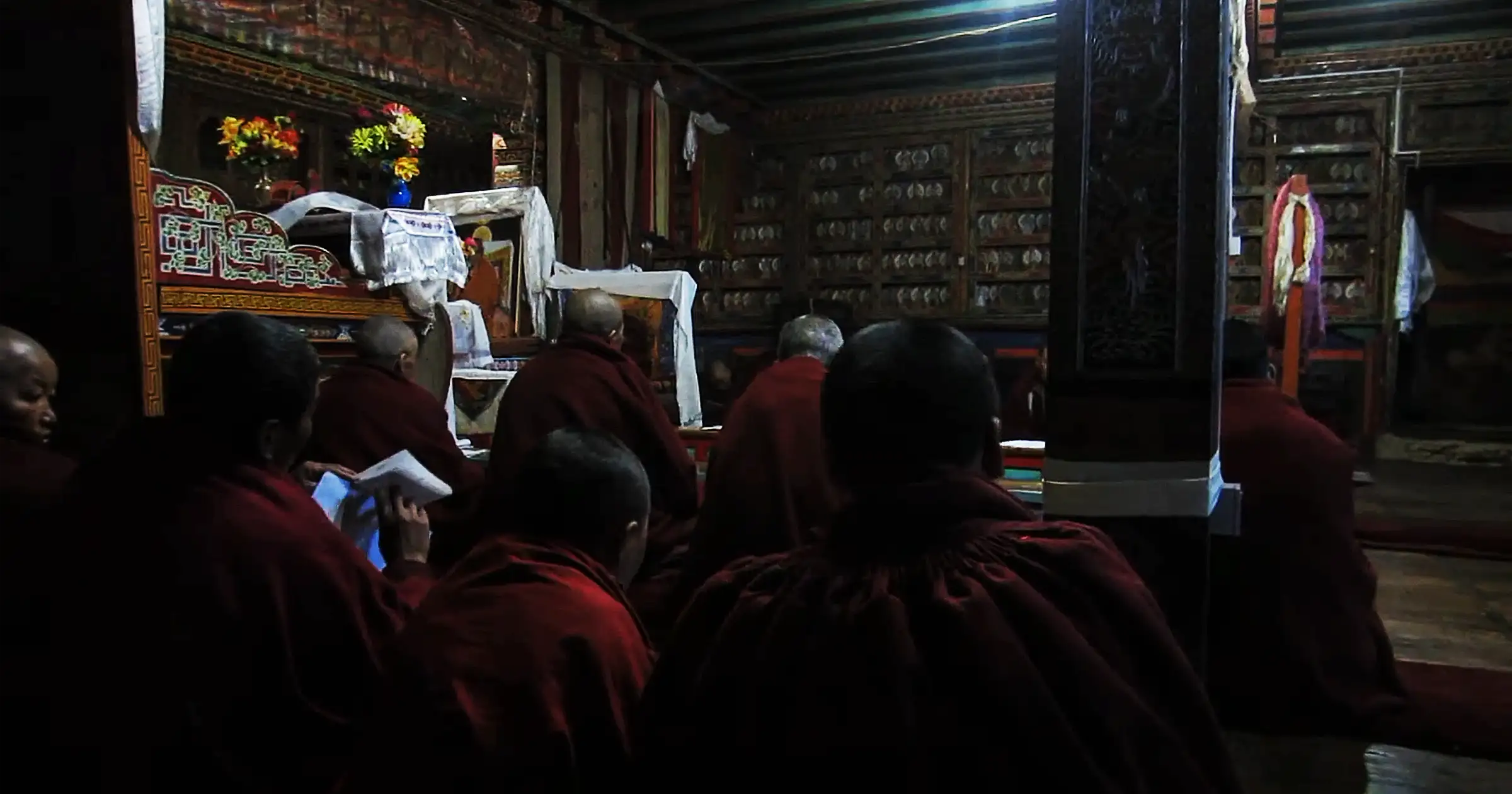
Likewise, Rachen Gompa is closely connected to Mu Gompa and other religious aspect of the region and host following activities during Buddhist festival and celebrations:
- prayer sessions
- seasonal ceremonies
- special rituals
The nunnery is also strongly reinforcing the violence against animals as they keep wildlife and animals at the same level. This shapes the Tsum (hidden) valley into a place of compassion and coexistence.
Religious Activities and Everyday Life
Rachen Gompa is a nunnery and nun who lives here follows a strict but meaningful daily route. Their life encircles around:
- morning prayers
- scripture study,
- meditation,
- communal ceremonies, and
- monastic responsibilities.
The modest interior walls of the Rachen gompa nunneries are decorated with thangka painting, statues where you will see burning butter lamps in the halls. The outer building complex is made of stone which is surrounded by fluttering prayer flags.
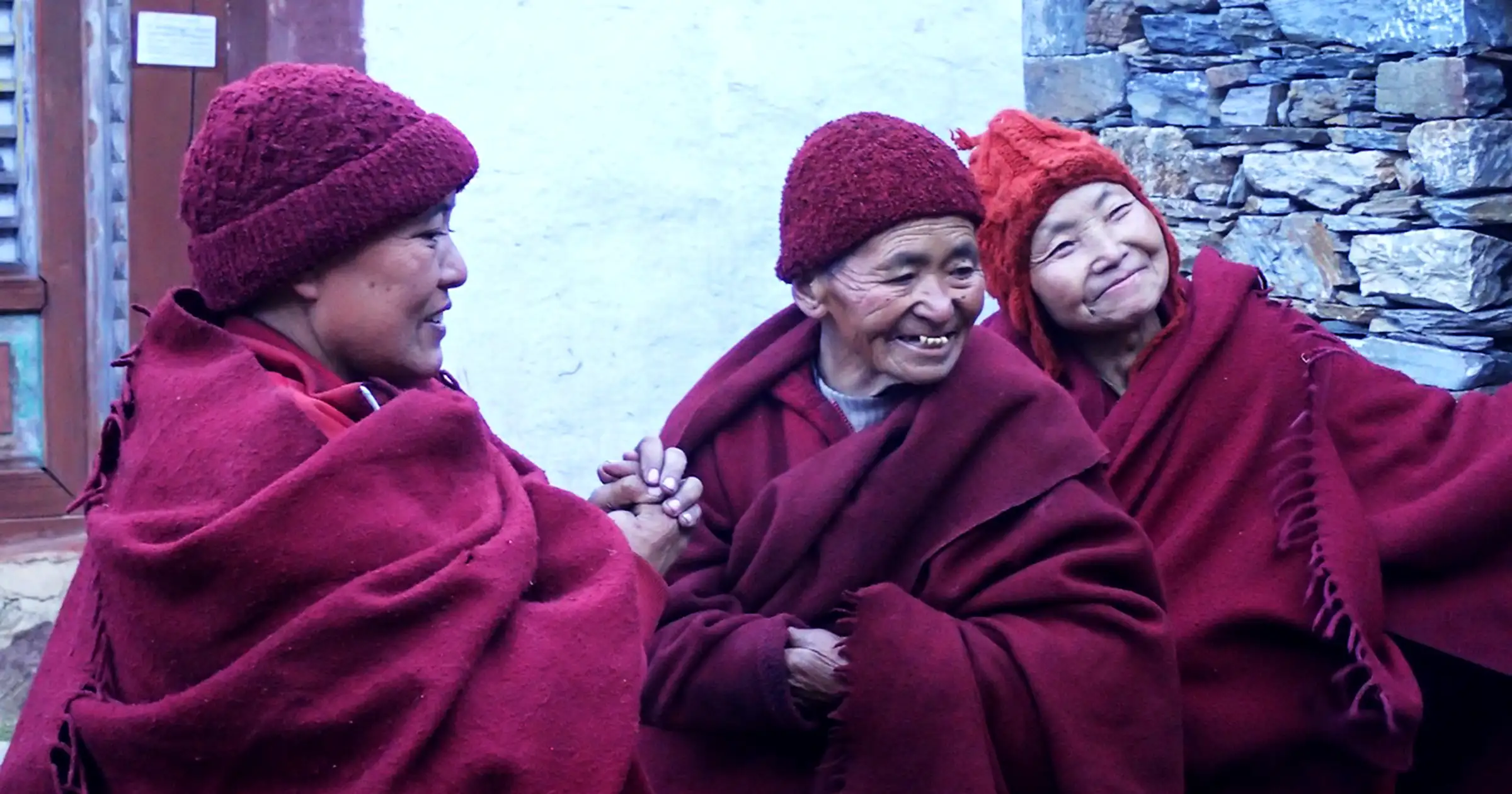
The nuns are responsible for continuing the Buddhist tradition, passing it down to younger generations while doing the daily monastery chores like cooking, livestock grazing, and offering warm hospitality to pilgrims and trekkers. The cold, harsh weather conditions of the Upper Tsum valley makes life quite hectic but their strong mindset and spiritual devotion made them thrive for centuries.
When making your visit to Rachen Gompa nunneries, makes sure you approach them with respect and avoid anything that will interrupt their daily monastic life.
Mu Gompa vs Rachen Gompa
Both Mu gompa and Rachen gompa are part of the Tibetan Buddhist cultural environment and holds unique identities and roles. Here is the list of difference between Mu Gompa and Rachen gompas:
| Feature | Mu Gompa Monastery | Rachen Gompa Nunnery |
| Elevation | 3,700 meters above sea level | 3,240 meters above sea level |
| Location | Far north of Upper Tsum Valley near Tibetan Border | Near Chhule in upper Tsum Valley |
| Religious identity | Buddhist monastery | Buddhist nunnery |
| Associated with | Monastic practice and religious heritage | Women’s monastic education and spiritual practice |
| Landscape | Remote, open high-altitude terrain |
|
| Cultural experience | Buddhist monastic traditions | Buddhist nuns and women’s religious traditions |
| Trekking experience | Higher-altitude destination | Cultural stop along the upper valley route |
Suggested Tsum Valley Trek including Mu Gompa and Rachen Gompa
Here is a suggested list of Tsum (hidden) valley itinerary where you can explore both Mu Gompa and Rachen gompa nunnery in you next Himalayan adventure:
- Day 1: Arrival in Kathmandu
- Day 02: Drive to Machha Khola
- Day 03:Trek from Machha Khola to Jagat
- Day 04: Trek to Lokpa
- Day 05: Trek from Lokpa to Chumling
- Day 06: Trek to Chokhangparo and explore Rachen Gompa

- Day 07: Trek to Nile
- Day 08: Trek from Nile to Mu Gompa/Highest Point of Tsum (hidden) Valley
- Day 09: Trek from Mu Gompa exploration day
- Day 10: Trek to Chumling
- Day 11: Trek to Philim
- Day 12: Trek from Philim to Soti Khola
- Day 13: Drive from Soti Khola to Kathmandu
- Day 14: Final Departure Day
Responsible Tourism: How to Respect the Monasteries
The monasteries like Mu Gompa and Rachen gompa are one of the active religious institutions located in the remote Himalayas of Manaslu region. When exploring these monasteries, one should approach it in a responsible way and support the communities that have been preserving the centuries old lineage.
- Make sure you wear appropriate clothing which will cover your shoulders and knees.
- Always ask permission before capturing monks, nuns, prayer ceremonies, or monastery interiors.
- Do not touch any shrines and artefacts without permission.
- Always maintain silence and keep your phone silent during prayer ceremonies.
Planning to Explore Living Monasteries of Tsum Valley in 2027?
Or Call/Message on WhatsApp +977 98434 13619
- Walk around shrines and Chhorten in clockwise directions.
- Do not throw plastic waste randomly and place it in designated bins only.
- Always hire a licensed guide for a safer and responsible journey.
- Respect Shagya tradition and do not demand non-veg items in gompas kitchens.
Final Verdict on the Living Buddhist Heritage of Tsum Valley
The living heritage like Rachen Gompa and Mu gompa offer quietness, reflection, and a rare sense of stillness of the remote mountain valley. They not only serve as scenic stops but represent the living religious traditions, cultural values, and spiritual history of life centered on devotion.
Mu Gompa offers you a chance to witness the quiet atmosphere of a high-altitude Buddhist monastery surrounded by the mountains of upper Tsum (hidden) Valley while you will get insight into Buddhist nuns whose lives are intertwined with centuries old teaching and practices. When doing Tsum valley trek, these two gompa deserve each extra day for better understanding of the spirituality of the valley.
With enough preparation, physical and mental resilience, one can complete their Tsum valley trek smoothly but we suggest you to focus on altitude related symptoms as it is more common above 4000 meters. So, focus on enough acclimatization, taking small breaks, hydration and eating balanced meals.
Are you ready to witness the symbol of faith, resilience and quiet strength of remote Himalayas? Then, contact Awesome Holidays Nepal for customized trip planning, safe and memorable adventure in 2027.
FAQs
Expand AllWhat is Mu Gompa?
Mu Gompas is largest and one of the oldest Tibetan Buddhist monasteries located in Tsum (hidden) Valley. It serves as an important spiritual and religious centre for the local Buddhist community.
Where is Mu Gompa located?
Mu Gompa is located in the upper part of Tsum (hidden) Valley in Gorkha District, northern Nepal. If you walk whole day from Nile village, the last permanent settlement of Tsum, you will arrive at Mu Gompa.
What is the altitude of Mu Gompa?
Mu Gompa is elevated at an altitude of 3,700 metres (12,139 feet) above sea level.
How many days to reach Mu Gompa from Kathmandu?
It takes 9 to 11 days to reach Mu Gompa from Kathmandu. The duration depend on your travel style, physical fitness, and prior experience of trekking to higher altitude.
Is Mu Gompa an active / living monastery?
Yes. Mu Gompa is an active living monastery of Tsum (hidden) valley.
What is Rachen Gompa?
A Tibetan Buddhist nunnery located in Tsum (hidden) Valley is called Rachen Gompa. It is home to Buddhist nuns who have devoted their whole lives to religious study, meditation, prayer, and spiritual practice.
Where is Rachen Gompa in Tsum Valley?
Rachen Gompa is situated near Lamagaun in the upper Tsum Valley of Gorkha District. It lies in the middle of Chhokangparo and Nile.
What is the altitude of Rachen Gompa?
Rachen Gompa nunnery is elevated at an altitude of 3240 meters above sea level.
Best time to visit Mu Gompa and Rachen Gompa
Spring (March–May) and autumn (September–November) are best time to visit Mu Gompa and Rachen Gompa because the seaosn offer stable weather condition which favors longer hours of walking and skies becomes clear and offer bets views of surrounding snow capped mountain peaks.
Is a guide mandatory for Tsum Valley trek to the monasteries?
Yes. Guide is mandatory for Tsum (hidden) Valley trek to the monasteries because it lies inside the restricted zone without a licensed guide one cannot apply for restricted area permit.
Can you stay overnight at Mu Gompa or Rachen Gompa?
Yes. You can stay overnight at Mu Gompa or Rachen Gompa.
How to visit Rachen Gompa nunnery?
You can visit Rachen nunnery by trekiking from Chhokangparo towards Nile. Then, stop at nunnery and explore the rare and peaceful atmosphere while respecting teh culture and norms.
Permits required for Tsum Valley / Mu Gompa
Permits like Tsum (hidden) Valley Restricted Area Permit (RAP) and a Manaslu Conservation Area Permit (MCAP),Chumnubri Rural Municipality Fee are required for Tsum Valley / Mu Gompa.
What to see at Mu Gompa monastery?
Tibetan Buddhist architecture, prayer halls, religious artefacts, colorful prayer flags, sacred surroundings, and spectacular views of alpine meadowand snowcapped mountains are the attraction of Mu Gompa monastery.
Is Tsum Valley crowded?
No. Tsum (hidden) Valley is not crowded due to its remoteness.
Other monasteries and sacred sites in Tsum Valley
Gumba Lungdang, Chumling Gompa, Dephyudonma Gompa, and Milarepa’s Piren Phu Cave, are some sacred sites and moansteries located in Tsum (hidden) Valley.
What is daily life like for monks at Mu Gompa and nuns at Rachen Gompa?
The daily life of monks at Mu Gompa and nuns at Rachen Gompa revolves around:
- Buddhist prayers,
- meditation,
- religious teachings,
- chanting,
- community activities, and
- maintaining centuries-old spiritual traditions.
Is Tsum Valley trek open in 2026/2027?
Yes. Tsum (hidden) Valley trek is open in 2026/2027.
How long does the Tsum Valley trek take to Mu Gompa and back?
Tsum (hidden) Valley trek take around 10 to 14 days to and fro Mu Gompa.
Wildlife and nature around Mu Gompa and Rachen Gompa
You will encounter diverse Himalayan landscapes, alpine vegetation, forests, rivers, and wildlife like Himalayan blue sheep, musk deer, Himalayan monals, and other high-altitude bird species.
Related blog posts
Discover a choice of tourist destinations loved by most of our visitors. Whether you're on a jungle safari to spot rare animals or walking through a world heritage site, these well-planned itineraries cover the major highlights of Nepal.


 call an expert at: