
Tharu Culture in Chitwan and Bardiya: Stick Dance, Homestays, and Maghi Festival
 Sristi Adhikari
Have you ever wondered what lies beyond the wildlife safaris and lush forests of Chitwan and Bardiya National Parks? While spotting a one-horned rhinoceros, Bengal tiger, or wild elephant is often the highlight of visiting these destinations, the experience becomes even more meaningful when you step into the cultural world of the Tharu community.
During a visit to Chitwan or Bardiya, travellers often get their first glimpse of Tharu culture through lively traditional stick dance performances, where rhythmic movements, wooden sticks, folk music, and colourful attire bring local traditions to life. But what if this cultural showcase inspires you to explore beyond the performance?
From walking through traditional Tharu villages and staying in welcoming community homestays to tasting authentic local dishes and learning about generations-old customs, there is so much more to discover. Visiting during the Maghi Festival, the Tharu New Year, makes the experience even more special, offering a chance to witness family gatherings, festive food, traditional dances, and community celebrations.
Whether you are exploring the cultural villages of Chitwan or discovering the quieter settlements surrounding Bardiya National Park, immersing yourself in Tharu culture adds a deeper and more memorable dimension to your journey through Nepal’s Terai.
Who are the Tharu People of Nepal?
Tharu people are the indigenous communities who have been living in the inner Terai lowlands of Nepal. They have their own language, social structure and belongs to sub-groups such as:
- Dangaura,
- Kochila,
- Chitwaniya,
- Kathariya,
- Desauriya, and
- Rana.
Tharu people are the living human souls who are believed to be the descendants of Rajput royal of Rajasthan who fled to thick forested lowlands of Nepal during 16th century Mughal invasion in India. Tharu people have a high incidence of alpha-thalassemia, an inherited hemoglobin mutation which helps them thrive against malarial swamps in Terai lowlands.
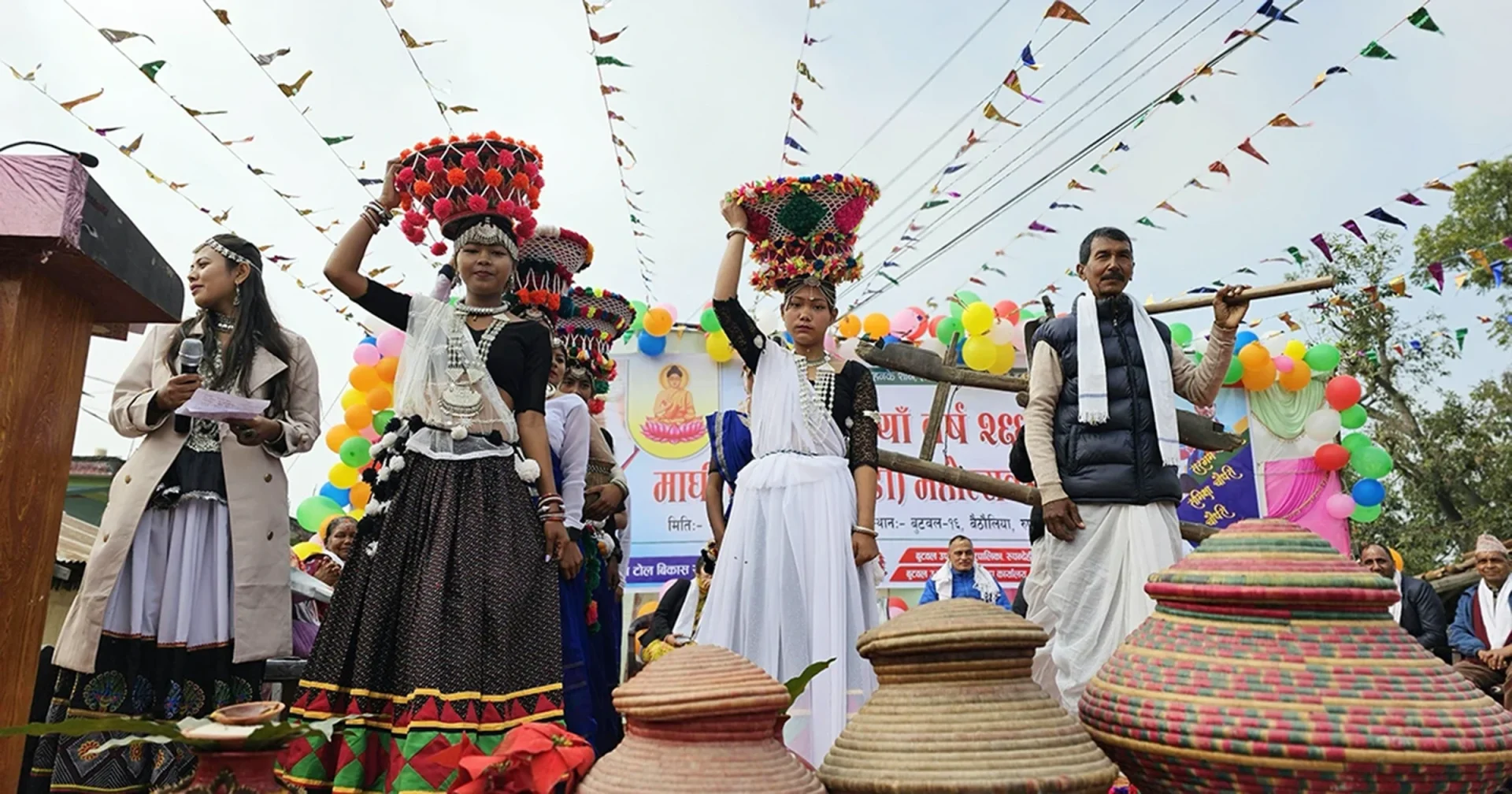
There are more than 1.8 million Tharu people in Nepal which is around 6 to 7 % of total population. They are one of the oldest recorded inhabitant of Terai and are found majorly in districts like:
- Bardiya,
- Kailali,
- Kanchanpur,
- Dang,
- Banke,
- Kapilvastu,
- Rupandehi and
- Chitwan.
Tharu people live on the edge of Chitwan and Bardiya National park and its buffer zone. Their day to day lifestyle revolves around the surrounding forests, rivers, agricultural fields, and wetlands.
Their relationship with the environment is reflected in many aspects of Tharu culture. From architecture to festival and religious practices, one can see the insight of cultural identity which has been preserved since centuries.
Tharu Culture in Chitwan and Bardiya
Chitwan is worldwide famous for its jungle safari, diverse wildlife, and one-horned rhino while the quiet and deeper experience in local Tharu culture of Bardiya make it popular among travel enthusiasts. The surrounding villages around Sauraha and Bardiya national park is home to traditional Tharu communities.
During your visit, you will get to learn about Tharu culture, local traditions and experience the everyday lifestyle of the indigenous community. You will encounter houses made from bamboo, roofs thatched with elephant grass, and mud walls decorated by floral motifs, elephant paintings and other geometric artwork inspired by nature and local beliefs.
The daily routines of Tharu people are deeply connected to forests, rivers, grasslands, and agricultural landscapes of western Nepal. You will get to learn more about traditional artwork, household customs, folk music, local cuisine, and stories passed down through generations when staying in Tharu community homestay.
Traditional Architecture
Tharu villages are unique due to its traditional architectural design. The traditional Tharu home are also knoen as longhouses because the rooms are of multiple layouts with extension.
They built their house using the local resources available in their nearby forest such as:
- mud,
- clay,
- rice husk or straw
- bamboo,
- wood, and
- thatch.
The house’s design is simple but it reflects the practical knowledge of the local climate and the resources available in the surrounding environment. In some villages like Chitwania Tharu communities and Dalla and Thakurdwara in Bardiya, you will get to see the organic houses’ walls which are made by mixing river clay, chopped rice straw, dried cow dung in the frames of bamboo and elephant reed.
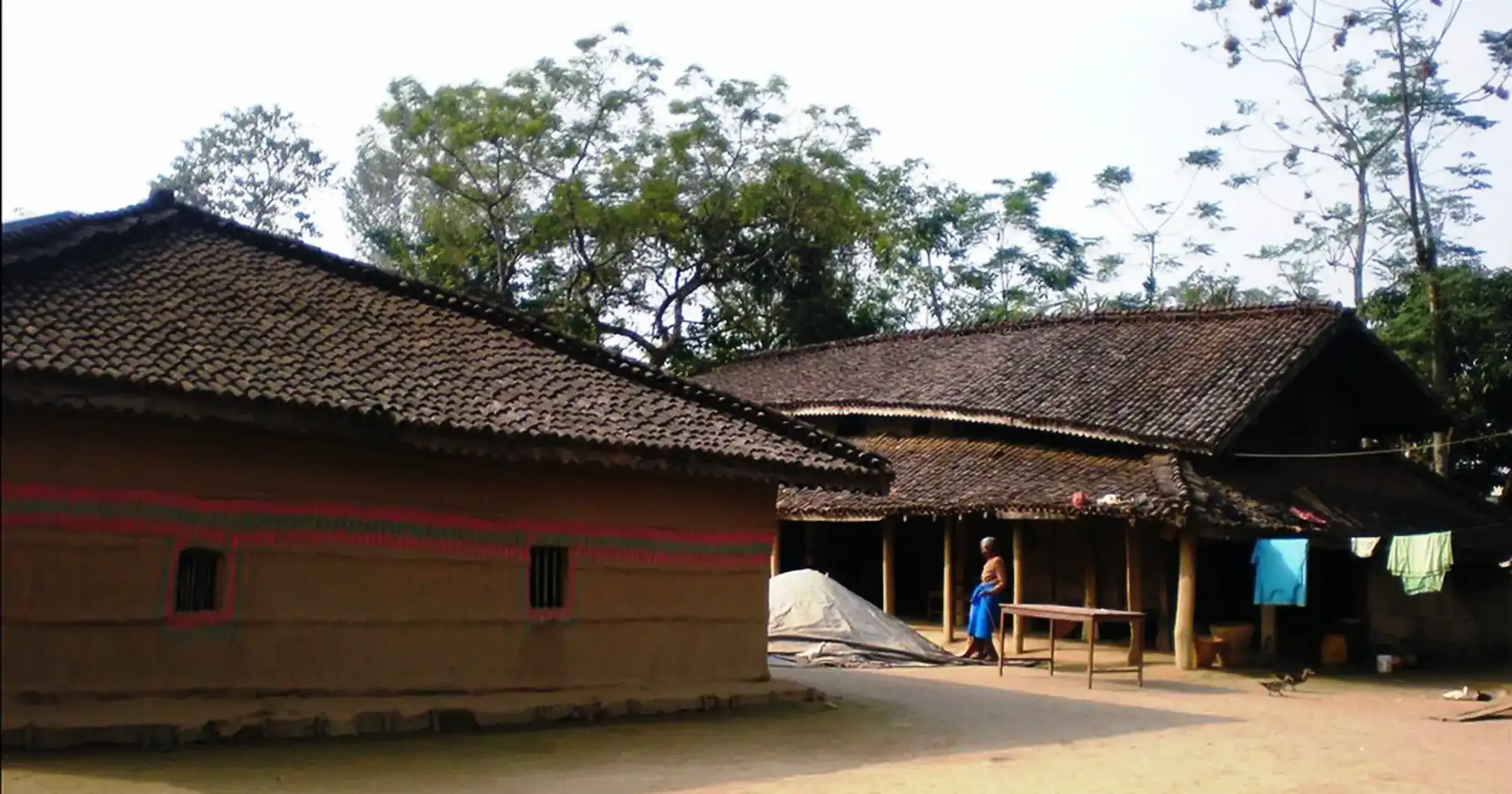
This composition acts as a thermal insulation making cooler rooms in summer and warmer in the colder months. The houses are thatched with elephant grass also known as “Khar” locally, which is waterproof and inhibits water to enter inside during monsoon.
Another interesting fact about the architecture of Tharu is the painting and patterns known as “mandana” on the outside walls. You will witness different designs and patterns including:
- geometric shapes,
- floral patterns,
- animals, and
- handprinted blessing.
Without using any chemical paints, they decorate their traditional small houses with naturally available pigments like lime white, river ogre, and charcoal. This artistic impression does not only add charm in the village homes but it reflects their creativeness and how they value their culture and are doing efforts to preserve in the fast changing modern century.
Planning to Explore Tharu Culture in Nepal?
Or Call/Message on WhatsApp +977 98434 13619
Living Traditions of Tharu Communities
A village walk is one of the simplest ways to begin exploring Tharu culture and traditions. You will get insight into their daily lifestyle and opportunity to witness some of the oldest living traditions.
The Tharu Stick Dance
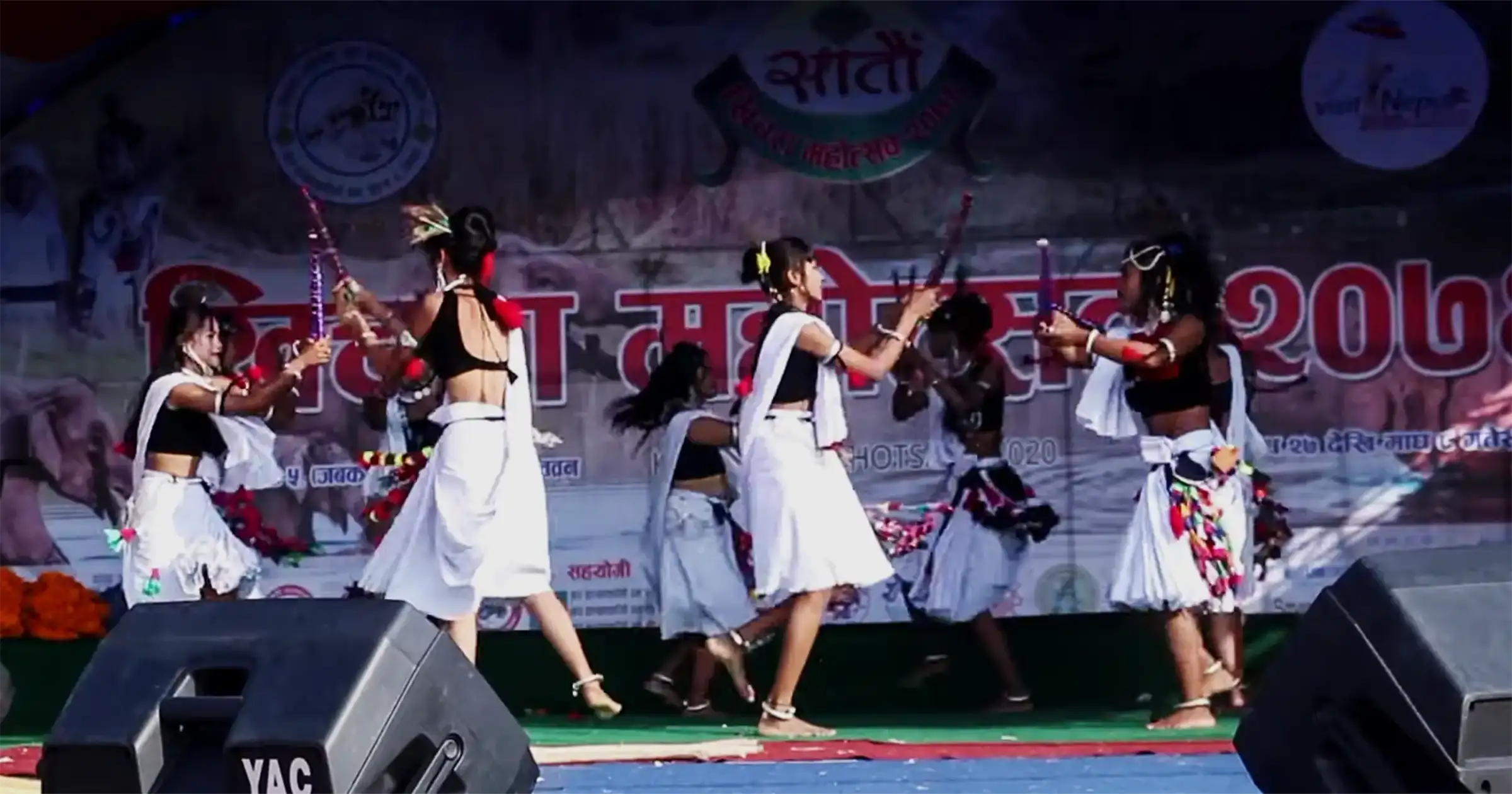
The Tharu Stick Dance also known as Lathi Nach is one of the best visible and memorable cultural experiences you will witness during your Chitwan or Bardiya visit. The performance involves groups of dancers holding wooden sticks and moving rhythmically to traditional music.
As the music builds, the dancers coordinate their steps and bring their long sticks together in carefully timed movements and patterns. It is a kind of choreographed combat dance where the sound of the wooden sticks creates a distinctive rhythm with traditional songs.
The energetic movements make the performance engaging for audiences and is mostly performed during harvest celebration and major festivals like Maghi, Tihar and Jitiya. The stick dances are not a simple dance performances but it reflects:
- community identity,
- artistic expression, and
- the continuation of local Tharu culture and traditions.
During your visit to Chitwan and Bardiya National park you will get to watch these performances in the evening and at the end of the performance most dancers invite visitors to join them. Dancing with them allows you to exchange some meaningful conversation with dancers and you will definitely enjoy it.
Maghi Festival
The Maghi Festival mainly falls in the mid-January and is one of the best ways to understand local Tharu culture. Maghi is a major festival celebrated in the Tharu communities across Nepal.
It is celebrated on the first day of Magh and is marked as the beginning of the new year. In some villages, Maghi festival lasts for five days and they celebrate it by visiting elder relatives, taking blessings and feasting together.
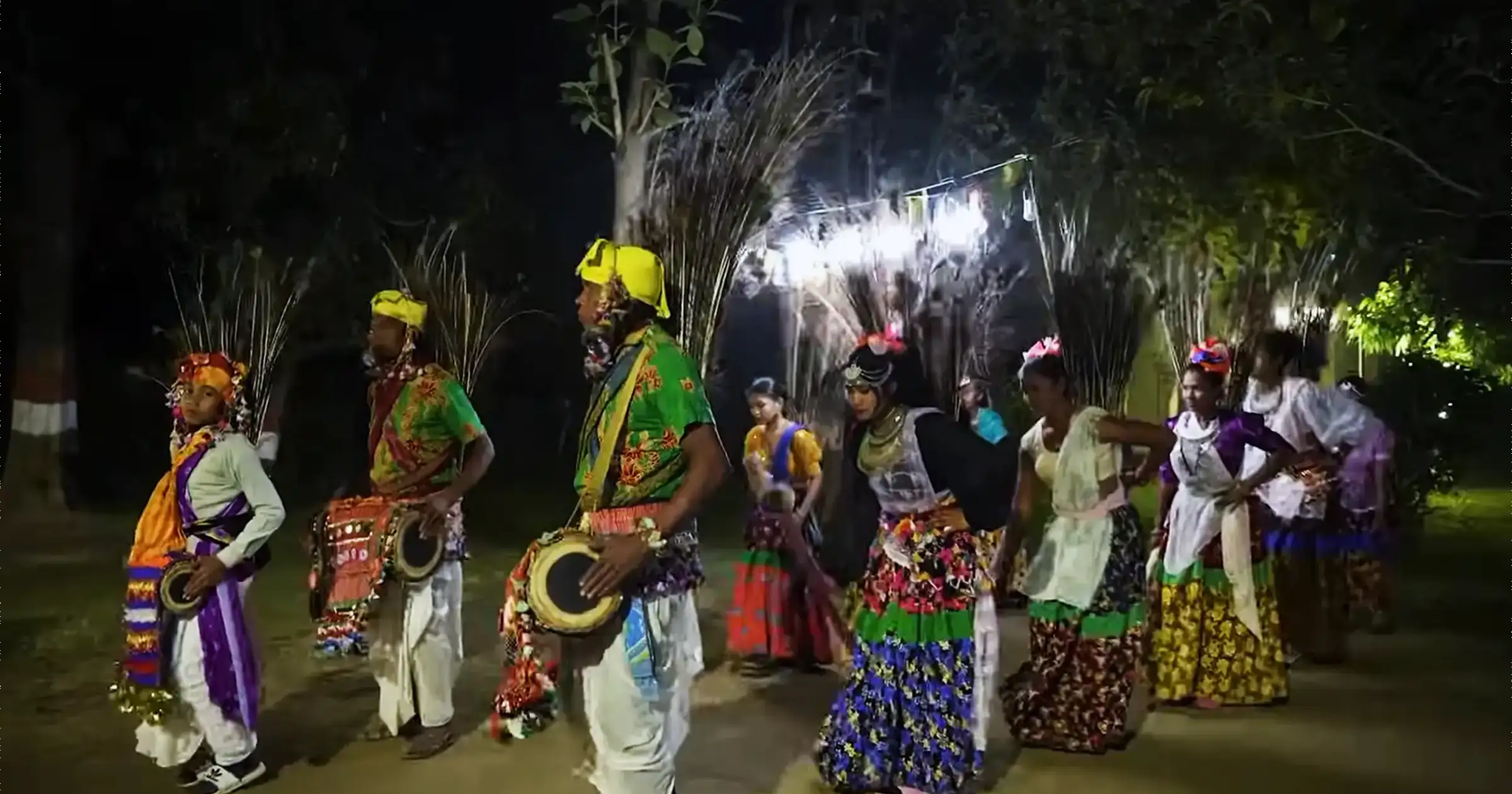
You will get to witness a community celebrating Maghi by preparing traditional food, and enjoying it by dancing to folk music in Chitwan. Similarly, you will get to encounter the Maghi Festival through village celebrations and community-based cultural programme in Bardiya.
The celebration style and scale differ from one village to another. Some begin their celebration ritual early in the morning, taking a ritual bath in sacred rivers, visiting canal irrigation and forests rights with village heads, or some hold gatherings and enjoy music, dances, foods, and other performances.
If you plan your trip during Maghi festival, you will get to taste dishes like:
- Dhikri, a dish prepared with steamed rice flour
- Bagiya, stuffed fumpling made from rice flour
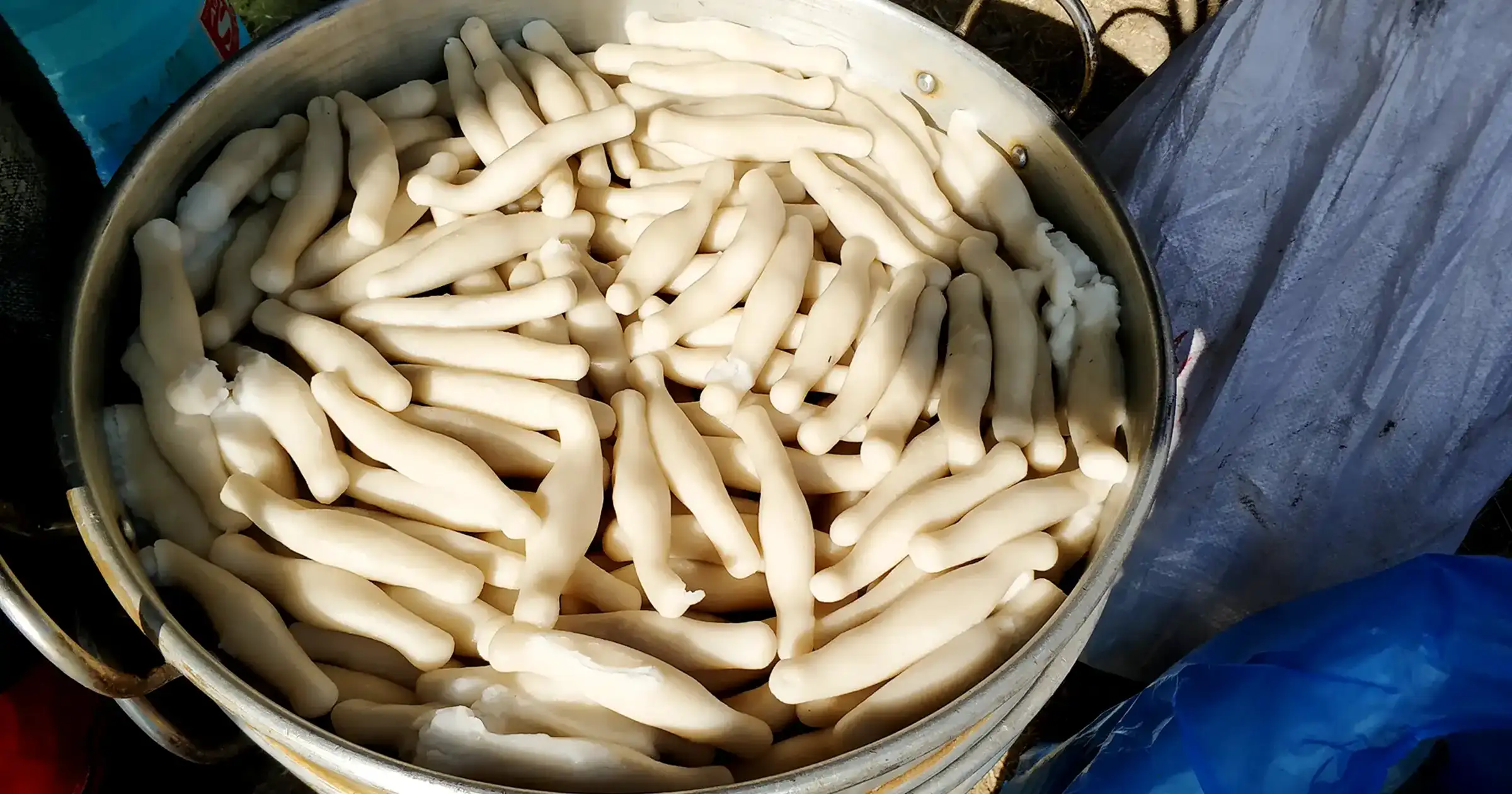
- Til ko Laddu, small sweet balls prepared from sesame seeds
- different traditional flatbreads
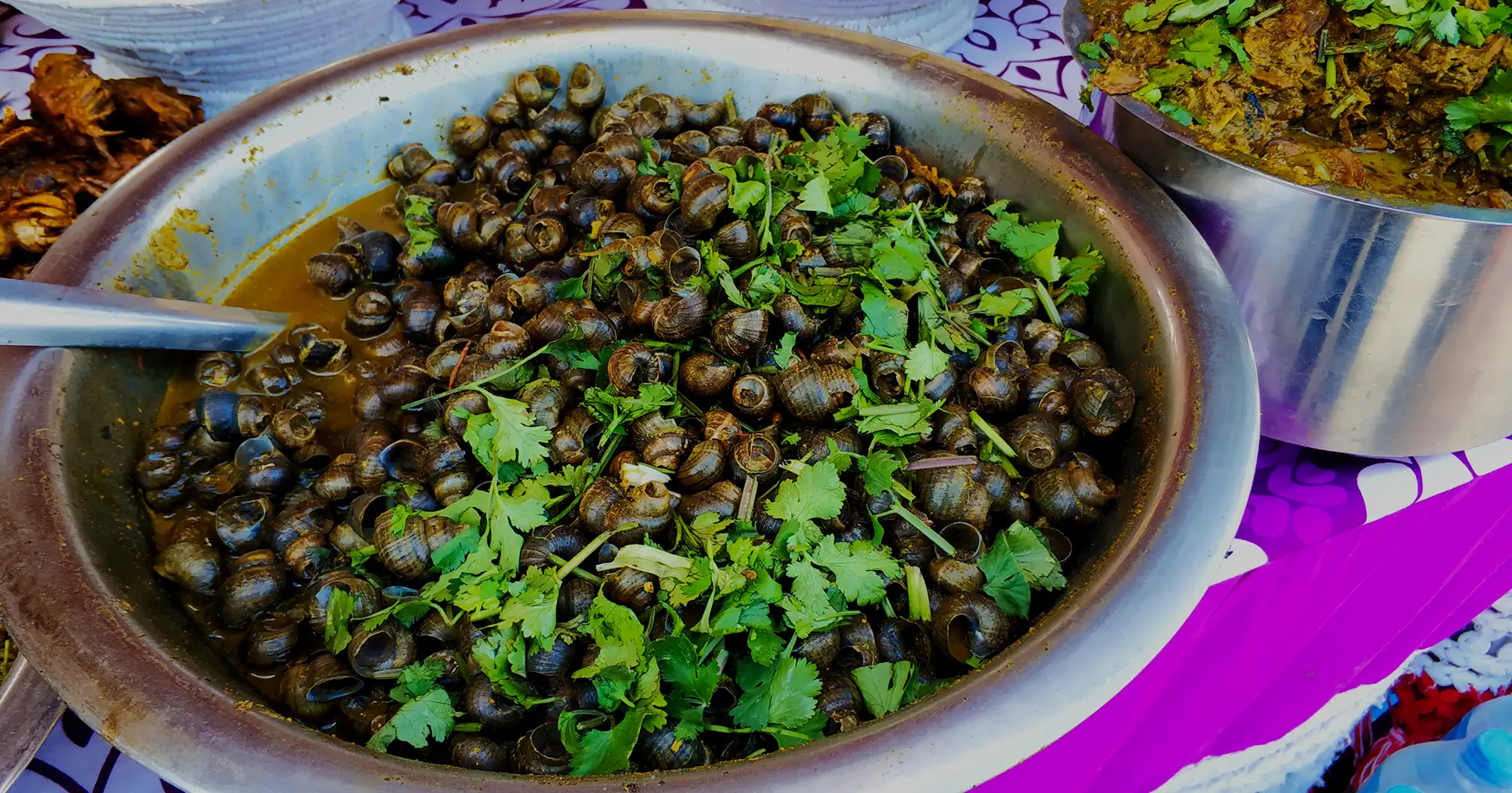
- non-veg items made from freshwater snails (Ghongi, crabs, and small fish)
- jand, a traditional fermented rice-based beverage
The Maghi Festival offers a rare opportunity to witness how Tharu culture remains closely connected to family, food, music, and community life.
Ashtimki
Astimki is a festival celebrated in the Tharu communities particularly in the Western lowlands of Terai. The festival is connected to Tharu women and they celebrate it by painting walls and floors with cosmos and creation themes.
This tradition is being passed from mother to daughter and is still being practiced continuously. This showcases how Tharu people value their culture and traditions.
Jitiya
Jitiya is another festival celebrated by Tharu people in Nepal. The Tharu women celebrate it by fasting for one or more than one day with a belief of longer life and well being of their children. Some who does not fast also preprae dishes like Ghongi.
Jur Sital
Jur Sital is a festival celebrated in the eastern Terai which marks the beginning of the solar new year. The celebration of the festival includes ritual sprinkling or water pouring as a blessing.
Beside these, Tharu people in Nepal also celebrate festivals like Dashain, Tihar, and Chhath with community gathering and stick dance performances.
Stay in a Tharu Community Homestay
For a deeper experience of Tharu culture, you should stay in a Tharu community homestay. Staying in a Tharu homestay allows you to directly interact with the Tharu family as you will be spending a night within the same roof.
Their warm hospitality will make you forget you are the guest and you will feel like a home. You will be sharing the meals with a local family and experience the local village life.
They will offer you meals such as rice, lentils, seasonal vegetable and fish items prepared in wooden stoves and everything that is grown in their farms. If you want you can also participate in cooking or picking some homegrown vegetables or fishing with the homestays owners.
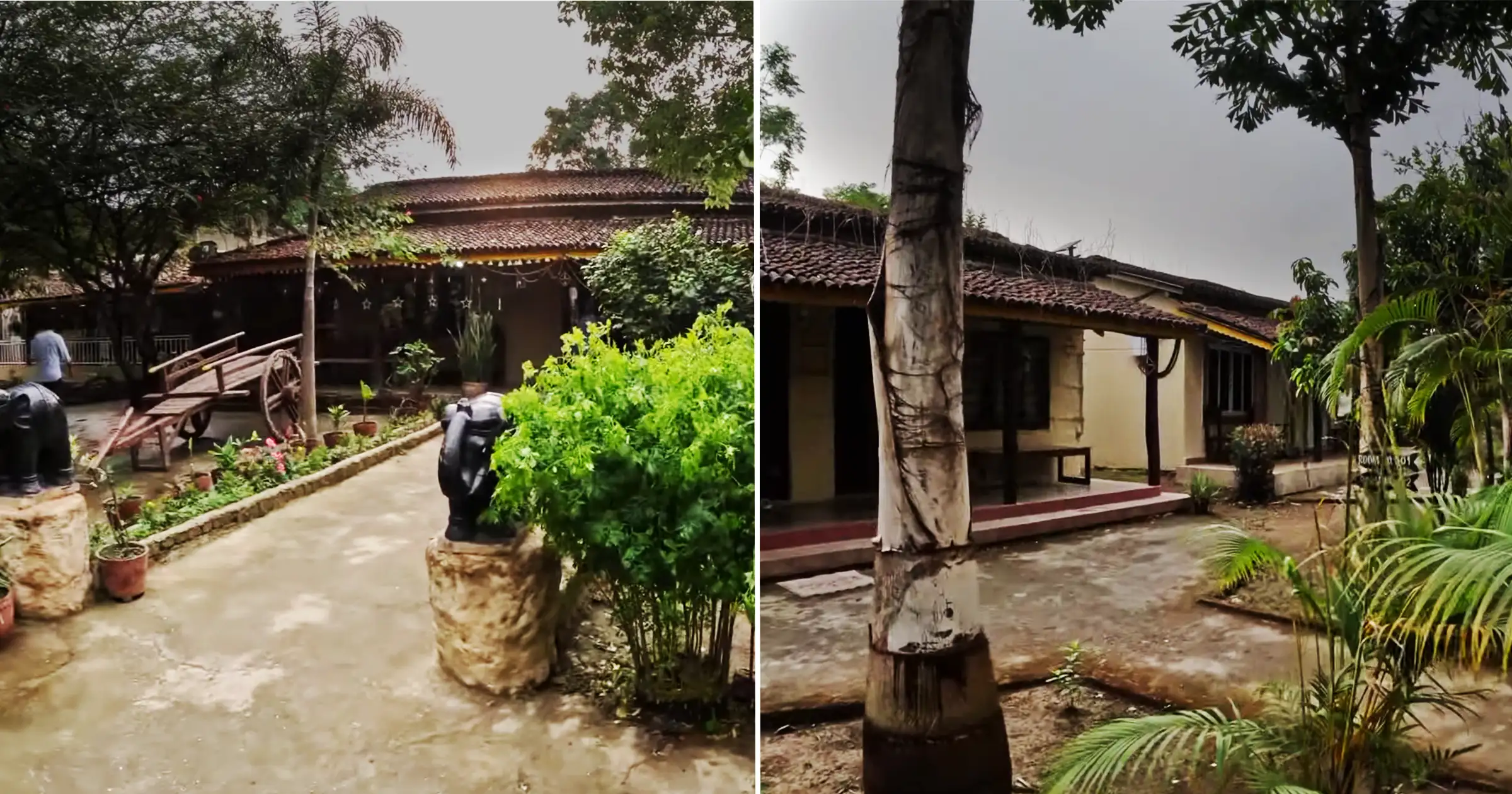
In the evening, you can even talk with family members, how they are farming, and can learn some Tharu dialect or click pictures in the sunset hours by dressing up in their traditional attire. Some homestays also offer workshops related to basket and mat weaving and wall painting.
Moreover, you will also learn about traditional practices, hear stories, and understand the importance of festivals and community relationships. For travelers interested in responsible tourism, a homestay offers a meaningful way to experience Tharu culture while respecting the people who keep these traditions alive.
Some of the popular homestays you should plan spending night on Chitwan and Bardiya stays are listed below:
- Tharu Community Homestay Meghauli
- Tharu Community Home Stay (Sauraha / Gothauli)
- Bardia Homestay
- Tharu & Sonaha Community Homestay
How to Experience Tharu Culture More Responsibly in Nepal?
When planning a cultural tourism, travelers are expected to approach local people and communities more respectfully. Curiosity should never be an excuse to intrude on people’s privacy, disregard their customs, or treat their cultural practices as mere entertainment.
As a travelers, following below listed practice will help you have one of the best experience in Nepal’s lowlands no matter you are visiting Chitwan or Bardiya:
- Always choose community-based homestays so that your spending will go back to the community.
- Respect household customs, religious practices, and do not enter private spaces without permission.
- Buy traditional handicrafts and products directly from local artisans instead of buying from markets.
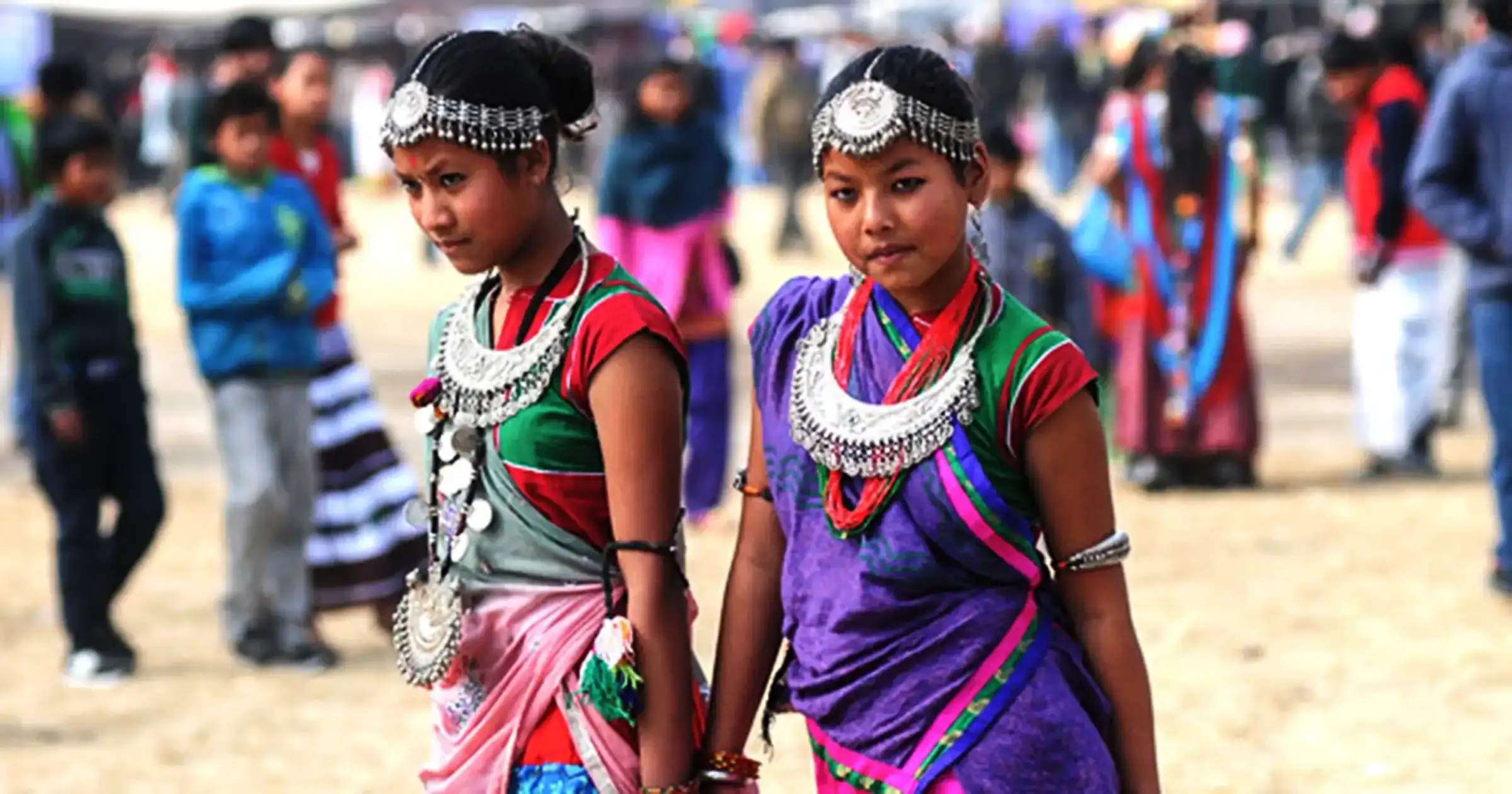
- Always ask for permission before taking photographs or recording videos of people celebrating rituals and festivals.
- Follow local guidance when attending festivals and cultural performances.
- Avoid treating traditional dances and ceremonies merely as tourist entertainment.
- Support local guides who can explain the history and meaning behind cultural practices.
Conclusion
The terai lowlands are not only popular for wildlife safari and natural landscapes of Chitwan and Bardiya but it is enriched with rich cultural heritage of Tharu people. From the warmer hospitality of community homestays to rhythmic movements of traditional stick dances, you will experience something raw and untouched in Tharu communities which are not found in high-profile hospitality of urban settlements.
The local food items like Ghongi, Dhikri, Bagiya, traditional architecture, folk music, and village life provide a deeper understanding of the cultural heritage of the Terai. Festivals like Maghi and tradition of stick dancing showcases the importance of culture and tradition in Tharu communities.
If you are in search of a rare immersive experience in Terai, make sure you choose Community Tharu homestays in either Chitwan or Bardiya enjoy a traditional meal, watch a stick dance, and, if your travel dates allow, celebrate the Maghi Festival in your next Nepal trip.
FAQs
Expand AllWhat is Tharu culture in Nepal?
The rich indigenous heritage of the Tharu people, reflected in their traditional dances, music, festivals, cuisine, art, clothing, and community lifestyle is called Tharu culture in Nepal.
What is the Tharu stick dance? (Lathi Nach)
Tharu stick dance is also known as Lathi Nach, is a traditional folk dance. here, multiple performers rhythmically strike wooden sticks to the beats of traditional music.
How do Tharu people celebrate the Maghi festival?
They celebrate Maghi by gathering with family and communities, preparing traditional foods, performing folk dances, singing songs, and welcoming the Tharu New Year.
Which is better for Tharu culture: Chitwan or Bardiya?
Both Chitwan and Bardiya offer authentic Tharu cultural experiences. Chitwan is more popular for cultural performances and homestays, while Bardiya offers a quieter and more immersive village experience.
What can you expect in a Tharu community homestay?
You can expect traditional hospitality, local cuisine, cultural performances, village walks, and opportunities to learn about everyday Tharu traditions in a Tharu community homestay.
When is the Maghi festival celebrated in Nepal?
The Maghi festival is celebrated on the first day of Magh in the Nepali calendar. It usually falls on January 14 or 15.
What is traditional Tharu food?
Dhikri, Ghonghi, rice, fish, crab, leafy vegetables, and other locally prepared dishes are items included in traditional Tharu food.
How to book a Tharu homestay in Chitwan?
You can book a Tharu homestay in Chitwan through community homestay associations or local tourism like Awesome Holidays Nepal offering cultural experiences.
Why do Tharu people perform the stick dance?
Tharu people perform the stick dance to preserve cultural traditions, celebrate festivals, express community identity, and bring people together through music and rhythmic movement.
Are Tharu homestays in Bardiya safe for tourists?
Yes, Tharu homestays in Bardiya generally provide welcoming and safe environments for tourists.
Can tourists participate in the Tharu stick dance?
Yes, tourists can often join basic Tharu stick dance steps with guidance from local performers.
What is Mandana art in Tharu culture?
A traditional decorative folk art made using natural materials and geometric patterns to adorn the walls and floors of Tharu homes during festivals and special occasions is called Mandana art in Tharu culture.
How to reach Bardiya National Park for a homestay?
You need to reach Nepalgunj first by flight or longer road journey. Then, taking a scenic drive to Thakurdawa brings you to Bardiya National park for a homestay.
Do Tharu homestays have modern facilities?
Tharu homestays offer basic modern facilities such as comfortable beds, bathrooms, electricity, and meals, although amenities vary between properties.
What animals can you see near Tharu villages?
Rhinos, deer, wild boars, elephants, monkeys, and various bird species are seen near Tharu villages.
What is the history of the Tharu people in Terai?
The Tharu people are among the indigenous communities of Nepal’s Terai region. They have a long history of living in the lowlands and maintaining distinct cultural traditions, languages, and livelihoods.
How long does the Maghi festival last?
Maghi festival lasts from one to several days in different Tharu communities.
What do the colors of the Tharu traditional dress mean?
The colors and patterns of Tharu traditional dress reflect cultural identity, regional traditions, craftsmanship, and festive significance rather than having one universal symbolic meaning.
How does staying in a Tharu homestay support the local community?
Staying in a Tharu homestay supports local families through accommodation income. It also promotes traditional crafts and cuisine which creates employment, and encourages the preservation of indigenous heritage.
What is Ghonghi and how is it prepared?
Ghonghi is a traditional Tharu delicacy made from freshwater snails. At first, the snails are cleaned thoroughly, then it is seasoned with local spices, and cooked into a flavorful curry.
Related blog posts
Discover a choice of tourist destinations loved by most of our visitors. Whether you're on a jungle safari to spot rare animals or walking through a world heritage site, these well-planned itineraries cover the major highlights of Nepal.

 call an expert at: