
Dhorpatan Hunting Reserve Guide 2026: Nepal’s Only Legal Hunting and Trekking Destination
 Sristi Adhikari
Hidden among the remote mountains of western Nepal, Dhorpatan Hunting Reserve offers a distinctive combination of Himalayan trekking, rich biodiversity, traditional village life, and regulated wildlife hunting. Established as Nepal’s only hunting reserve, Dhorpatan is especially known for its carefully regulated trophy-hunting program.
However, hunting is only one part of its identity. Unlike crowded trails of Nepal, this remarkable destination rewards travelers with expansive alpine meadows, forested hills ,diverse wildlife, rugged mountain scenery, and encounters with communities whose lifestyles remain closely connected to the natural environment.
No matter whether you are a trekker, photographer, birdwatcher, nature enthusiast, and cultural traveler, it allows you a unique chance to explore a less-visited side of the Himalayas. And, continue reading our guide for more details on wildlife, hunting regulations, trekking routes, and practical travel tips to follow in your next adventure in 2026.
What is Dhorpatan Hunting Reserve?
The Dhorpatan Hunting Reserve is a protected area where controlled hunting is legalised in Nepal. It expands from an elevation of 2,850 meters to 5500 meters and was established in 1987.
With an area of 1325 square km it spans over three districts like:
- Baglung,
- Myagdi, and
- Rukum.
The single hunting reserve in Nepal is regulated by the Department of National parks and wildlife conservation. Every year, only a limited number of permits are issued for hunting in Dhorpatan.
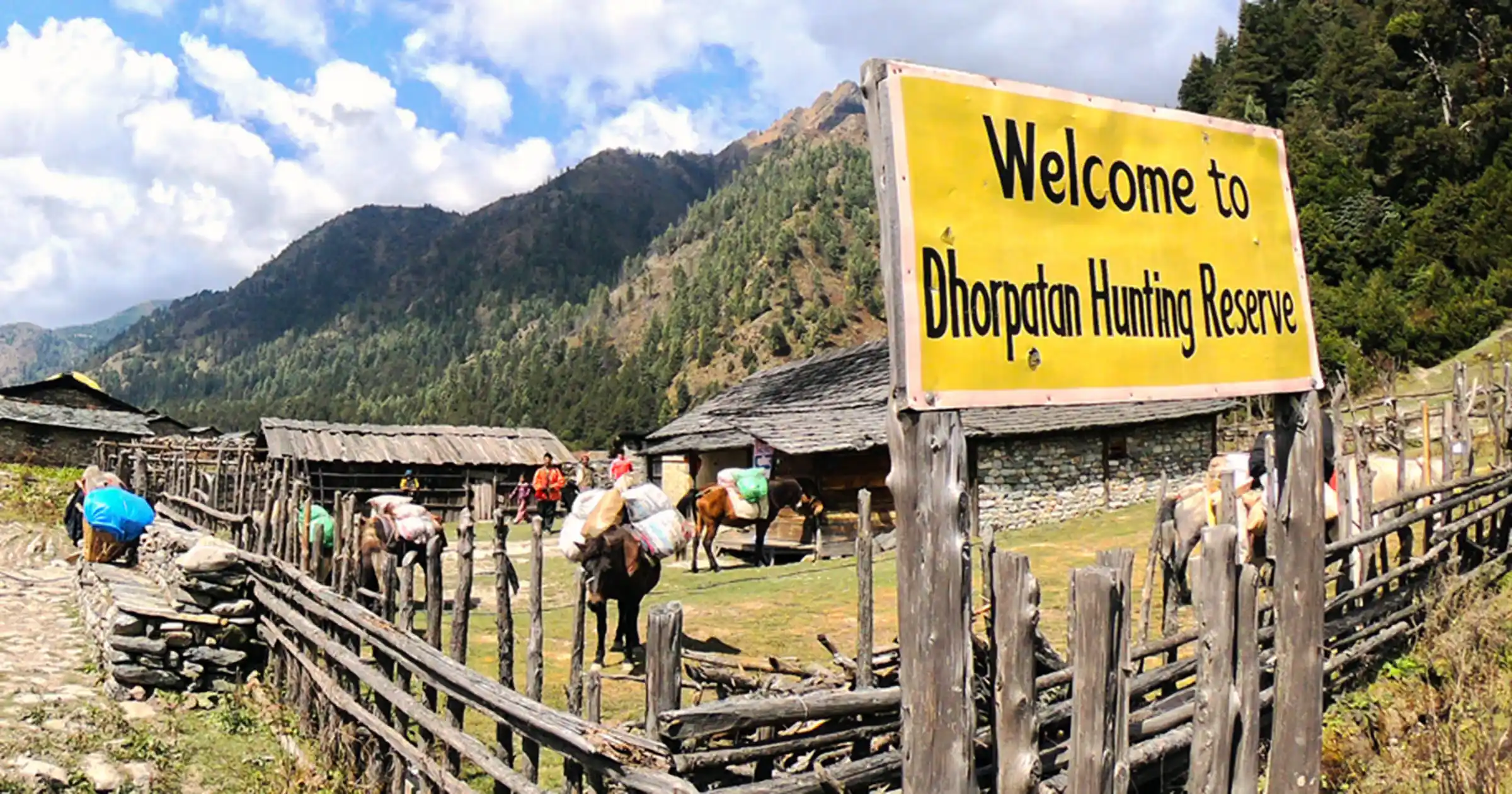
The Dhorpatan hunting reserve is surrounded by communities from all side except north and offer one of the best views of mountain ranges like:
- Dhaulagiri,
- Putha,
- Churen, and
- Gurja Himal
The less-crowded and peaceful nature has been attracting the heart of travelers who enjoy:
- Hiking
- Birdwatching,
- wildlife photography, and
- local culture.
Where is Dhorpatan Hunting Reserve?
Dhorpatan Hunting Reserve is located adjacent to the Dhaulagiri Mountain range in western Nepal. The only hunting reserve lies 350 km west of Kathmandu and 160 km to 190 km from Pokhara.
The protected area of Dhorpatan stretches from alpine, sub-alpine, and high temperate vegetation zones. This zone is home to around 137 species of birds and wildlife such as:
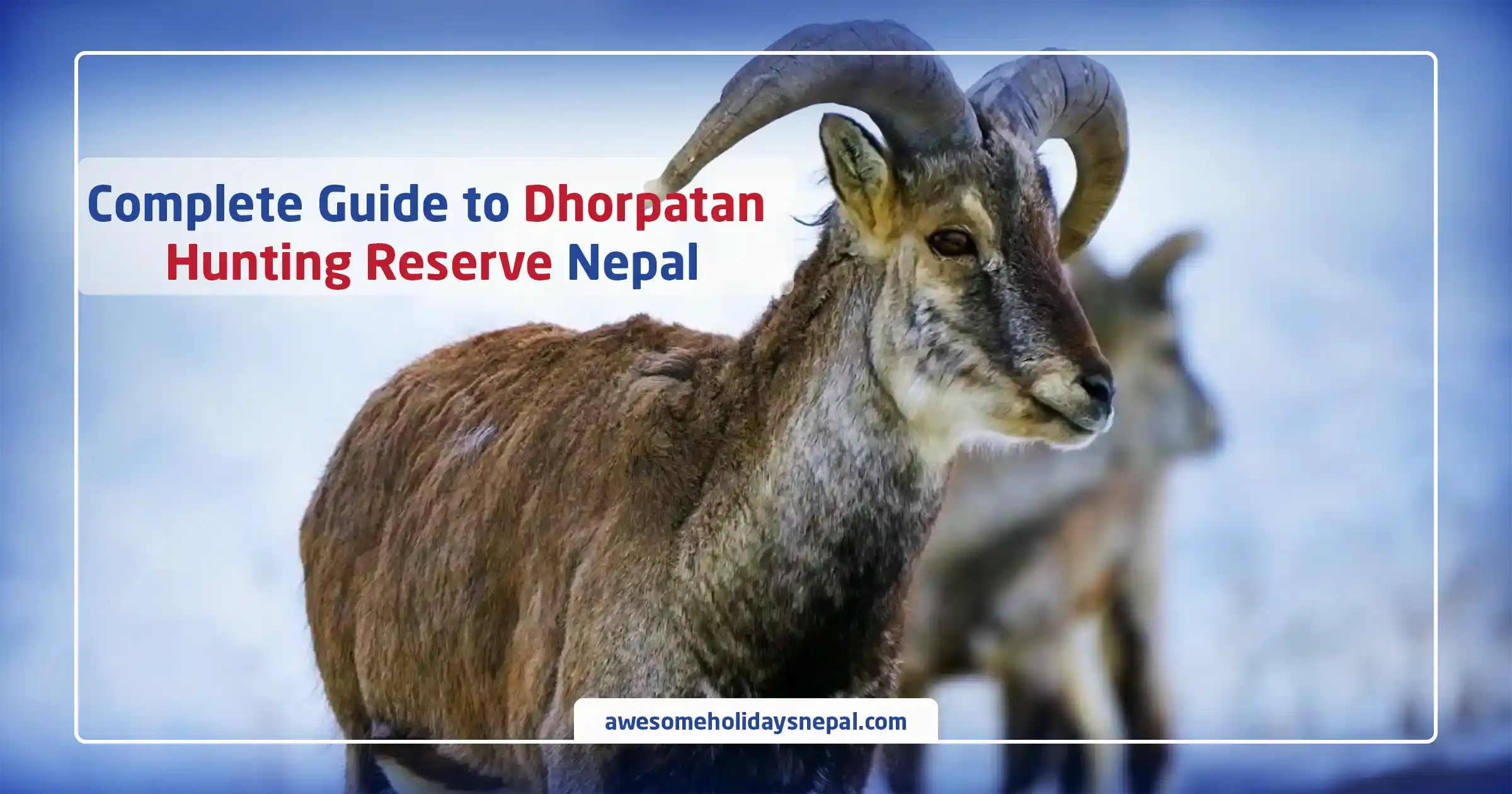
- Blue Sheep (Naur / Pseudois nayaur)
- Himalayan Tahr
- Snow leopard and red panda,
- Himalayan black bear and musk deer,
- Himalayan serow
- barking deer and wild boar,
- rhesus monkey, and langur.
Wildlife and Biodiversity
It stretches from an elevation range of 2,850 to 5,500 meters where alpine, sub-alpine, and temperate vegetation and wide ranges of mammals and birds species thrives. The reserved is supporting around 58 different types of vascular plants, 36 species of indigenous flowering plants and forest filled with trees of:
- Fir,
- Pine,
- Birch,
- Rhododendron,
- Oak,
- Juniper, and
- Spruce.
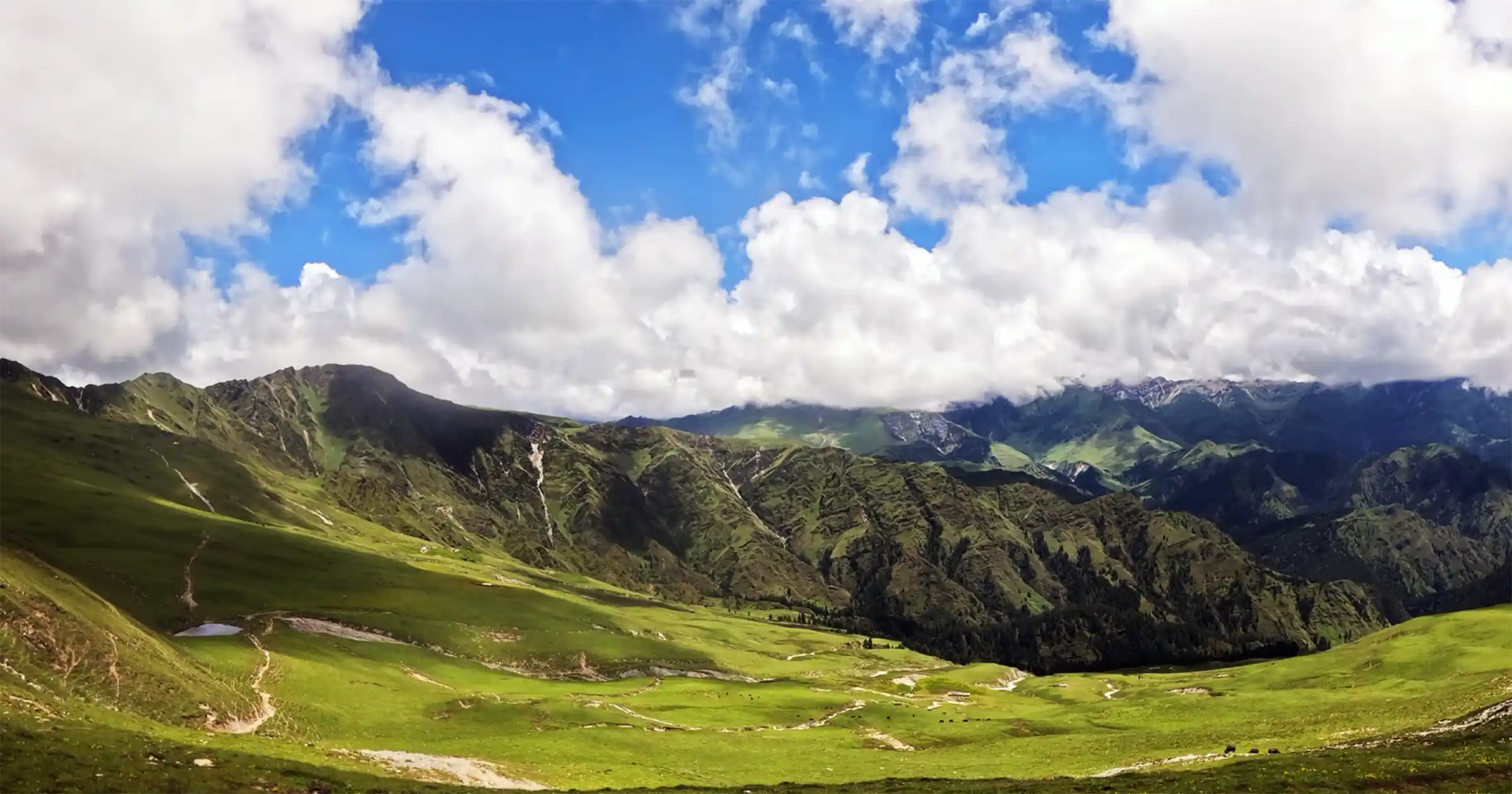
Half percent of the Dhorpatan hunting reserve is covered by pasture lands where every season vibrant wildflowers bloom. Furthermore, the protected area of Dhorpatan is a habitat of rare and endangered wild animals such as:
- Blue sheep (bharal),
- Himalayan tahr,
- Musk deer,
- Leopard and goral
- Red panda and serow
- Himalayan black bear
- Barking deer and wild boar
- Rhesus macaque and langur,
- Mouse hare etc.
The high altitude landscape and different ecological zone of Dhorpatan is paradise for bird watcher as it gives shelter to 137 Himalayan bird species. Some of them are listed below:
- Cheer pheasant,
- Partridges,
- Raptors,
- Himalayan monal, etc.
Though sightings of these rare and endangered animals and birds are never guaranteed. If you encounter them, then you are the luckiest person ever.
Understanding Legal Hunting in Dhorpatan
Dhorpatan reserve is the only protected area of Nepal where regulated trophy hunting is permitted. The department of National Parks and Wildlife Conservation are responsible for issuing hunting licenses and they only issue a limited number of hunting permits during spring and autumn season while ensuring the sustainable utilization of wildlife resources.
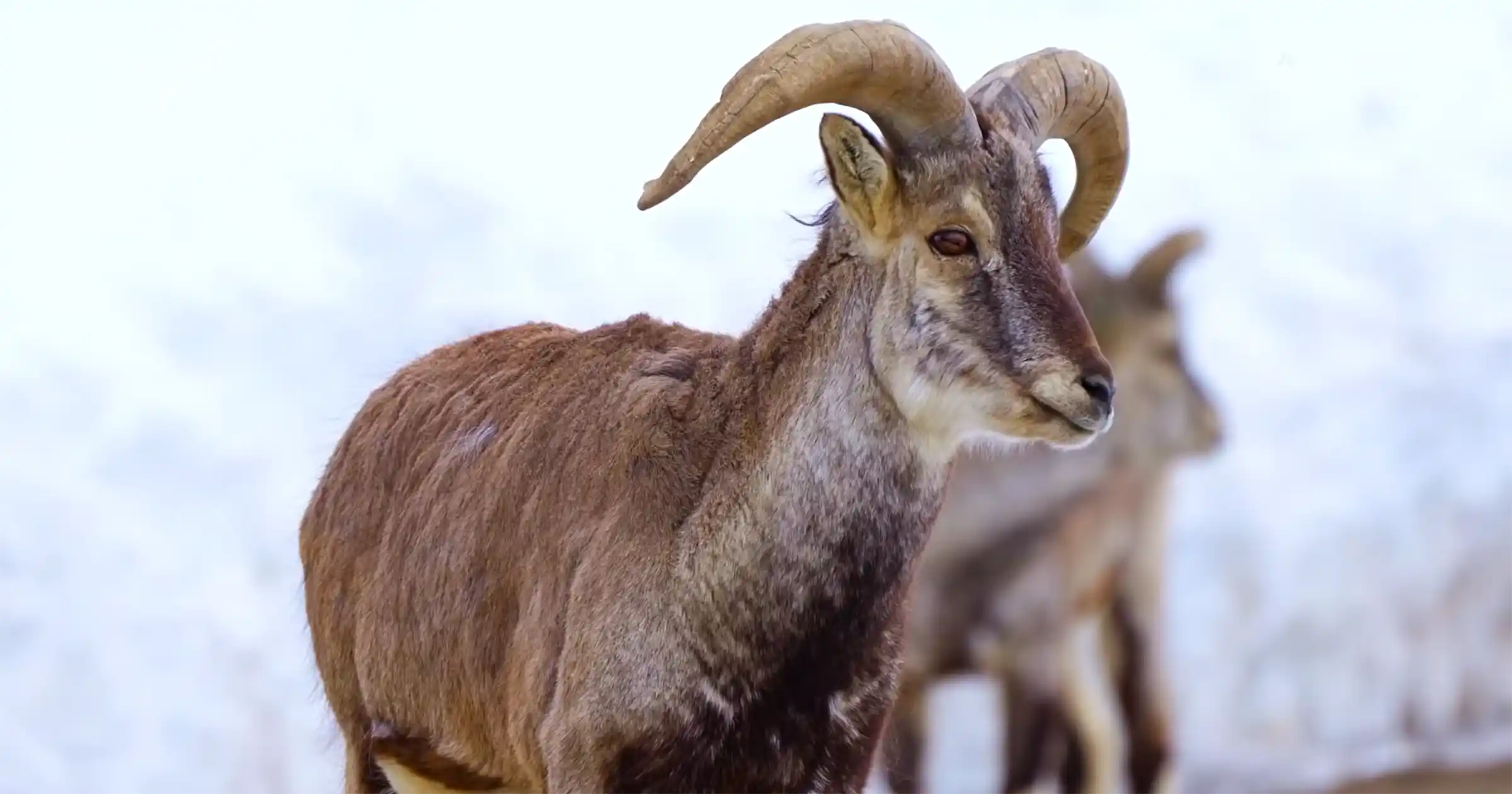
All the activities of permitted hunters are monitored by authorized personnel of the Dhorpatan reserved such as guides, reserve officials, support staffs, and hunter are only allowed to hunt wild animals such as:
- Blue Sheep (Naur),
- Himalayan Tahr (Jharal),
- Musk deer,
- Himalayan black bear,
- Wild boar (occasionally in lower temperate zones)
- Barking deer (occasionally permitted)
The hunting quotas are allocated after scientific population survey and recently it has allocated hunting quota of 10 to 14 Himalayan blue sheep and Himalayan Tahr, and 12 to 13 wild boar per season. The hunting process usually begins with an international online auction during spring and autumn season and to participate these auctions, individual need to book a licensed and government certified hunting operators.
Hunters need to follow strict guidelines and should only those animals, which are allowed. Randomly hunting of other wild animals except permitted is prohibited.
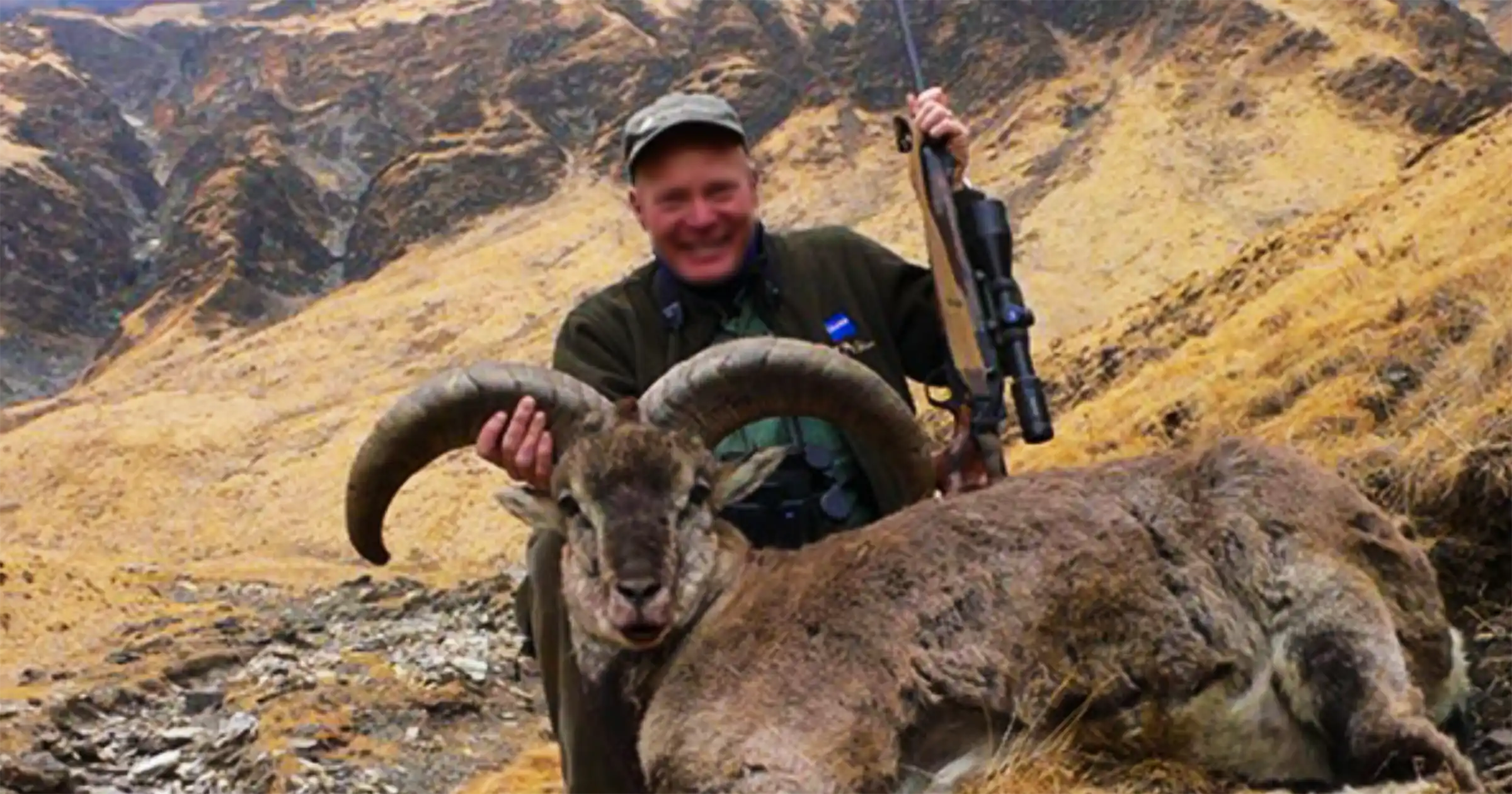
If found doing so will make you face several years of imprisonment, hefty sum of penalty and lifelong banned from the wildlife reserve.
Dhorpatan Hunting Reserve Blocks
There are seven hunting blocks inside the Dhorpatan reserve, three in the north and four in south. Every season, depending on the animal counts, each block is designated for the hunting process.
The list of hunting block with main species allowed for hunting are listed below:
| Sector | Block Name | Main Species |
|---|---|---|
| North | Seng | Blue sheep and Himalayan tahr |
| Dogadi | Blue sheep and Himalayan tahr | |
| Sundaha | Blue sheep and Himalayan tahr | |
| South | Fagune (Falguna) | Blue sheep and Himalayan tahr |
| Ghustung (Gustang) | Blue sheep and Himalayan tahr | |
| Barse | Blue sheep | |
| Surtibang | Himalayan tahr |
Required Permits for Hunting
The legal hunting inside Dhorpatan hunting reserve demands a trophy hunting permit and Dhorpatan hunting reserve entry permit along with competitive bidding and quota documents and TIMS card.
As you need to book your hunting expedition with Government certified hunting operators, all of the work is managed by the operators and you need to just pay the fee and provide your necessary details. The permit fees are non-refundable, non-transferable, and are for one time entry only.
So, you need to read all the policies before making the payment for booking.
How to Reach Dhorpatan Hunting Reserve
Dhorpatan can be reached by combining road travel or air links and trekking as there are no direct flights to the reserve. You will bypass rivers, valleys, hills, forest, and mountain villages until you reach the Dhorpatan valley.
The journey to Dhorpatan follows:
Kathmandu to Dhorpatan
Most of the travelers begin their Dhorpatan journey from Kathmandu. Dhorpatan is 350 km away from Kathmandu valley.
Depending upon the traffic, weather, and road condition it will take around 12 to 15 hours on road to reach Dhorpatan from Kathmandu. You can either take a public, private or shared jeep to reach Dhorpatan via road.
You will be following the common route:
- Kathmandu → Pokhara → Baglung → Burtibang → Dhorpatan
If you have enough budget, you can skip the road journey to Pokhara and book scenic flights. The flight from Kathmandu to Pokhara will only take half an hour.
Once you arrive in Pokhara you will continue the road journey to Burtibang until you reach Dhorpatan.
Pokhara to Dhorpatan
Dhorpatan is around 165 km away from Pokhara and it normally takes 6 to 8 hours of drive to reach. Pokhara is the only gateway to Dhorpatan where you can hire a private or shared jeep for the rest of the journey.
The road from Pokhara to Dhorpatan follows:
- Pokhara → Baglung → Burtibang → Dhorpatan
Best Time to Visit Dhorpatan Hunting Reserve
The best time to visit Dhorpatan is the spring and autumn season.
Spring (March to May)
It is one of the best times to visit Dhorpatan as it offers clear skies, pleasant weather conditions, comfortable trekking trails, and best mountain views. The daytime temperature is quite average which becomes favorable for longer hours of trekking inside the forested trails and open meadow areas.
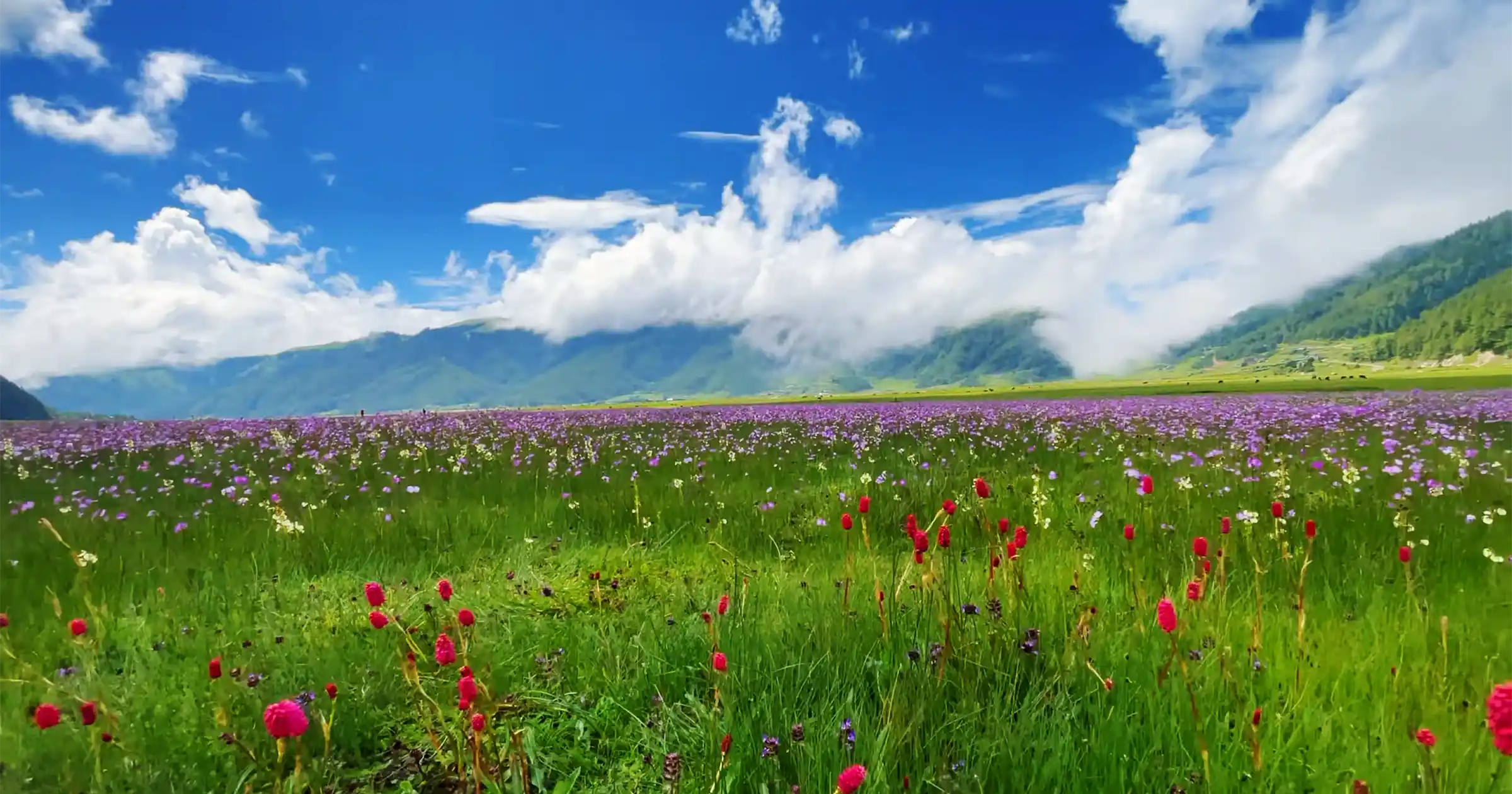
Also, the wildlife sighting chances are quite high as it is the breeding season and they become more active. You will also get to enjoy the vibrant blooming of Rhododendron throughout the forested trails.
Summer (June to August)
During summer or monsoon, the landscape becomes lush green but the heavy rainfall makes the trails and road conditions slippery and most of the road section gets disrupted due to landslides and erosion.
Also, leeches and mosquitoes attack are more common in the forested trails and the gloomy weather hides the snow-capped mountain ranges. The warmer temperature and dense vegetation decreases the chances of wildlife encounter.
Autumn (September to November)
Autumn is another the strongest season to visit Dhorpatan. The season starts right after the monsoon and brings fresh air, clear skies and mountain views.
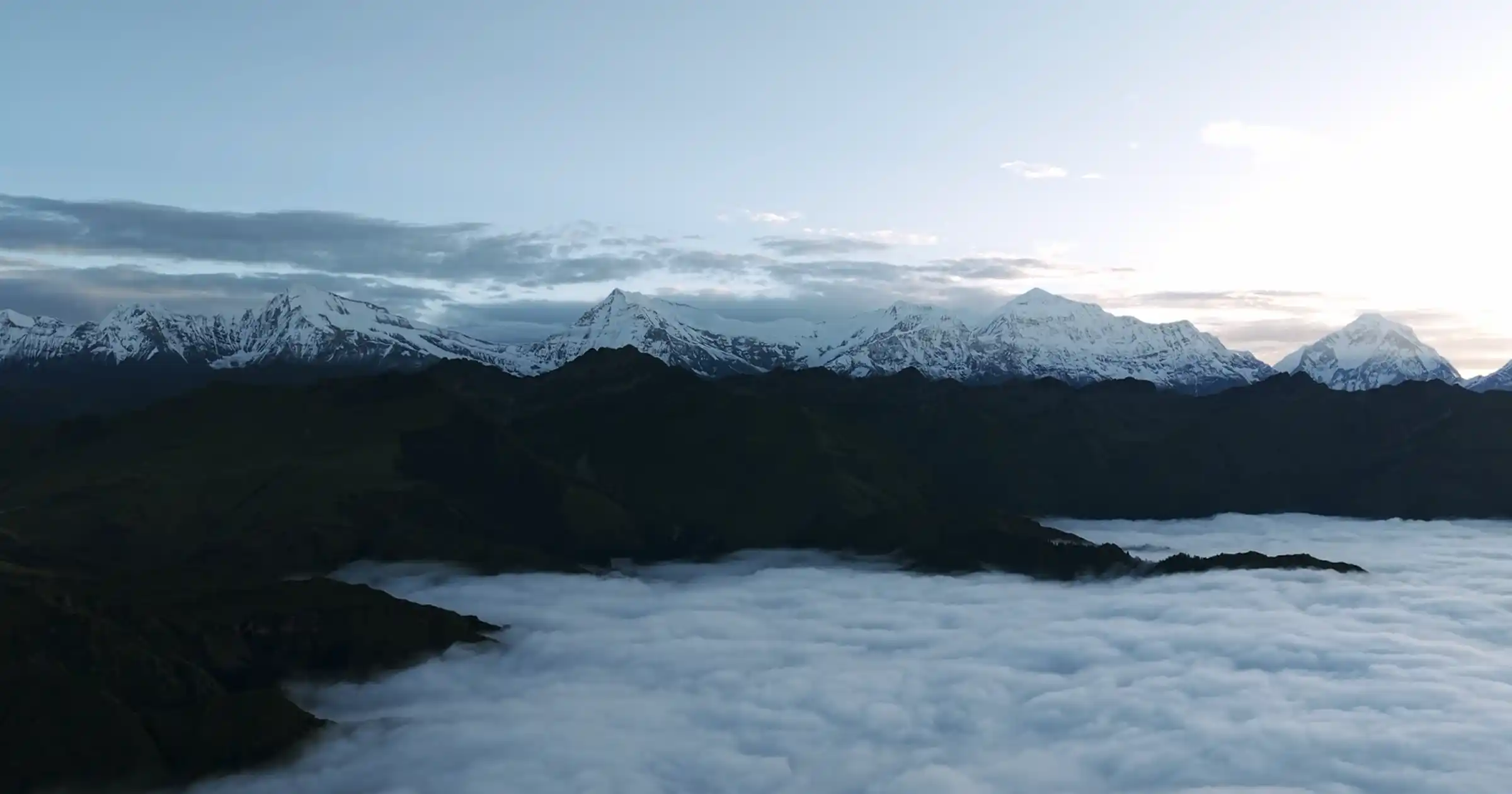
The daytime temperature is comfortable for longer hours of trek. In this season, you can get to witness Nepalese main festivals Dashain and Tihar in different ethnic settlements.
It is best time for wildlife sighting, as they descends towards lower elevation in search of food and water.
Winter (December to February)
Winter offers a quieter experience, but snow, freezing temperatures, and difficult road access can limit travel. Also, sighting of wildlife is very limited. We suggest you choose this season only with suitable equipment and current local advice.
Dhorpatan Trek Guide 2026
Dhorpatan trek is one of the least explored and off the beaten path trekking trails which takes to remote mountains of the Dhaulagiri region. The trekking trails make you cross suspension bridges, forest, meadows, mountain villages before ascending through mountain passes like Gurja Pass (3,250m) and Rugachaur Pass (3,850m), and explore one of the largest hunting reserves of Nepal.
Furthermore, the trekking trails not only rewards you with the peaceful and serene atmosphere but with one of the mesmerizing views of:
- Dhaulagiri,
- Gurja Himal,
- Churen Himal, etc.
During your Dhorpatan trek, you will be staying overnight in hotels and homestays operated by different ethnic communities such as Gurung, Magar, and Tamang. You will also get an opportunity to immerse in their culture and tradition.
Trekking Routes and Itinerary
The crown jewel of Nepalese tourism, Dhorpatan can be reached via different trekking routes. Different trekking operators use different routes depending upon the trekkers travel choice and time period.
Most of them start their trek journey from Kathmandu via following routes:
- Kathmandu →Pokhara → Baglung → Burtibang → Dhorpatan
Another routes involving Gurja Khani follows:
- Kathmandu →Pokhara →Darbang→ Takam Kot Mandir → Gurjakhani → Rughachaiur → Gurjaghat →Dhorpatan
The third route follows:
- Kathmandu →Pokhara → Beni/Darbang → Lamsung→ Jaljala Pass→ Phagune Phedi →Dhorpatan
Sample 15-day Itinerary for Dhorpatan Trek
Dhorpatan trek can be completed from 7 to 15 days depending upon your travel style, fitness, and experience you want to have during your journey. Here, we have listed a 15-day Dhorpatan trek itinerary so that you can enjoy every aspect of the trek in more details:
- Day 1: Kathmandu to Pokhara
- Day 2: Drive to Beni and then to Darbang
- Day 3: Trek from Darbang to Dharapani
- Day 4: Dharapani to Lamsung
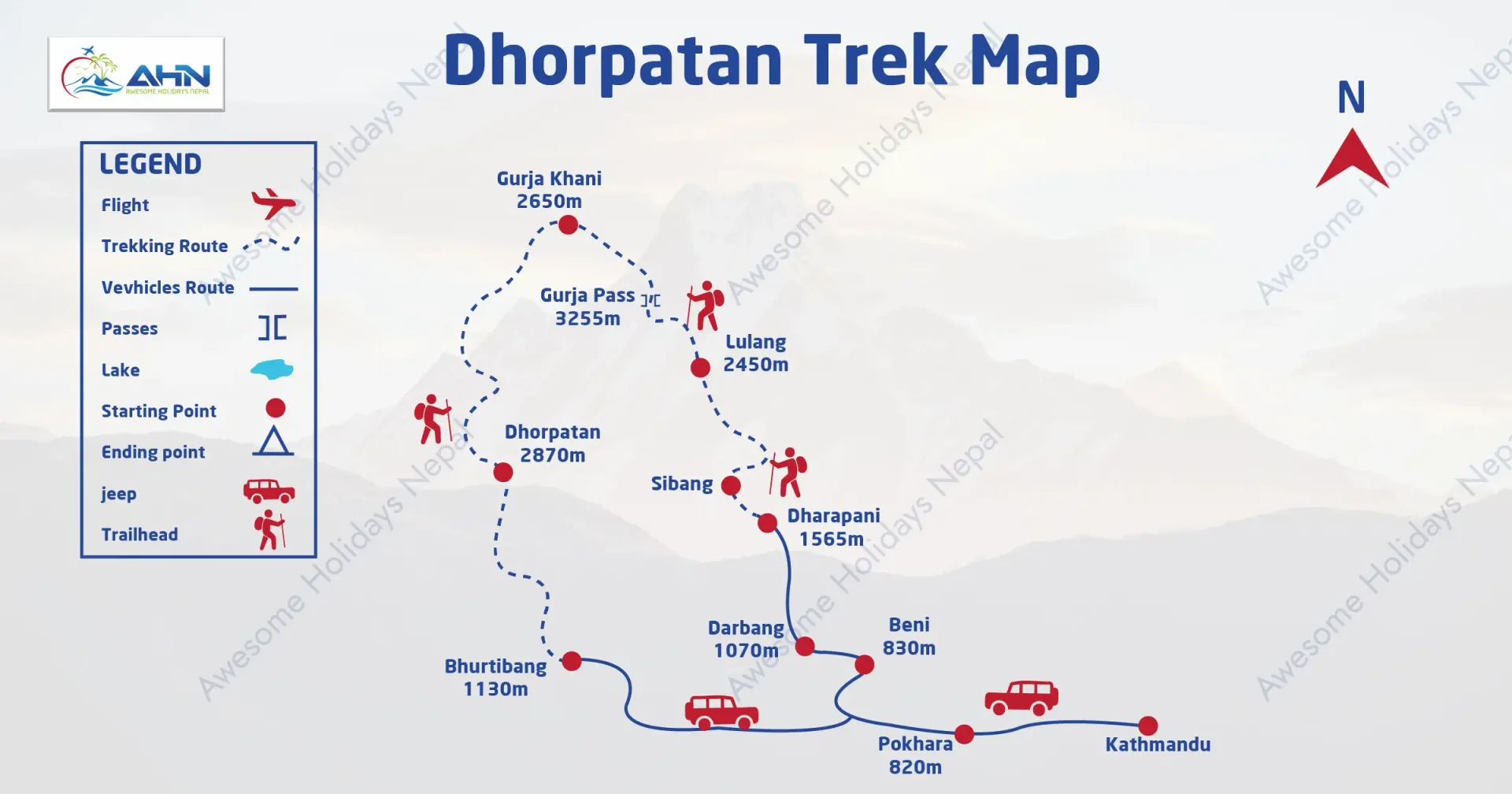
- Day 5: Lamsung to Jaljala
- Day 6: Jaljala to Dhorpatan
- Day 7: Explore Dhorpatan valley and hunting reserve
- Day 8: Trek to Phagune Phedi and then to Jungle camp
- Day 9: Camping in the Jungle camp
- Day 10: Trek from Jungle camp to Gurjaghat
- Day 11: Trek to Patichaur from Gurjaghat
- Day 12: Patichaur to Darbang and drive to Beni
- Day 13: Return to Pokhara
- Day 14: Drive back to Kathmandu
- Day 15: Final Departure
Difficulty Level
The Dhorpatan trek is an off-the-beaten-path adventure in western Nepal which is rated as moderate in terms of difficulty. The trek may last from 7 to 15 days and you need to walk for at least 6 to 7 hours daily in the remote and rugged landscape of the Dhaulagiri region.
This demands you to be physically fit and mentally strong so that you can have one of the best experiences in the trekking trails.
Altitude and Altitude Sickness Risk
The Dhorpatan trek takes you to a maximum elevation of 4,493 m at Phagune Phedi. To reach there, you need to trek for multiple days above 2,500 m elevation that is above altitude sickness zone.
This may make you more prone to altitude sickness but you can avoid the risk by:
- walking in a slow pace,
- eating a balanced diet,
- taking small break more often,
- drinking more than 3 litres of water daily, and
- taking care of your small body demands.
It will be better for you, if you avoid taking the adventure as a marathon and focus on enjoying every aspect from trails, wildlife, mountain beauty, to authentic mountain settlements.
Travel Insurance
Trekking to Dhorpatan hunting reserve demands travel insurance which covers medical costs, trip cancellations, and emergency helicopter evacuation. As you will be traversing above altitude sickness zone, you may anytime may suffer from health issues or injury and its remoteness lacks direct medical care so you need to be airlifted by helicopter.
Having a wide coverage of travel insurance saves you from last minute emergencies and unexpected hefty expenses.
Accommodation, Food and Drinking Water
The main form of accommodation options in Dhorpatan trek are teahouses and tented camps. Your teahouse accommodation is quite basic and you will be spending overnight in simple bedrooms with twin beds.
The rooms are often unheated and you will get pillows, and blankets. The toilets are often shared and for hot showers you will get a bucket of hot water and it definitely comes with extra cost.
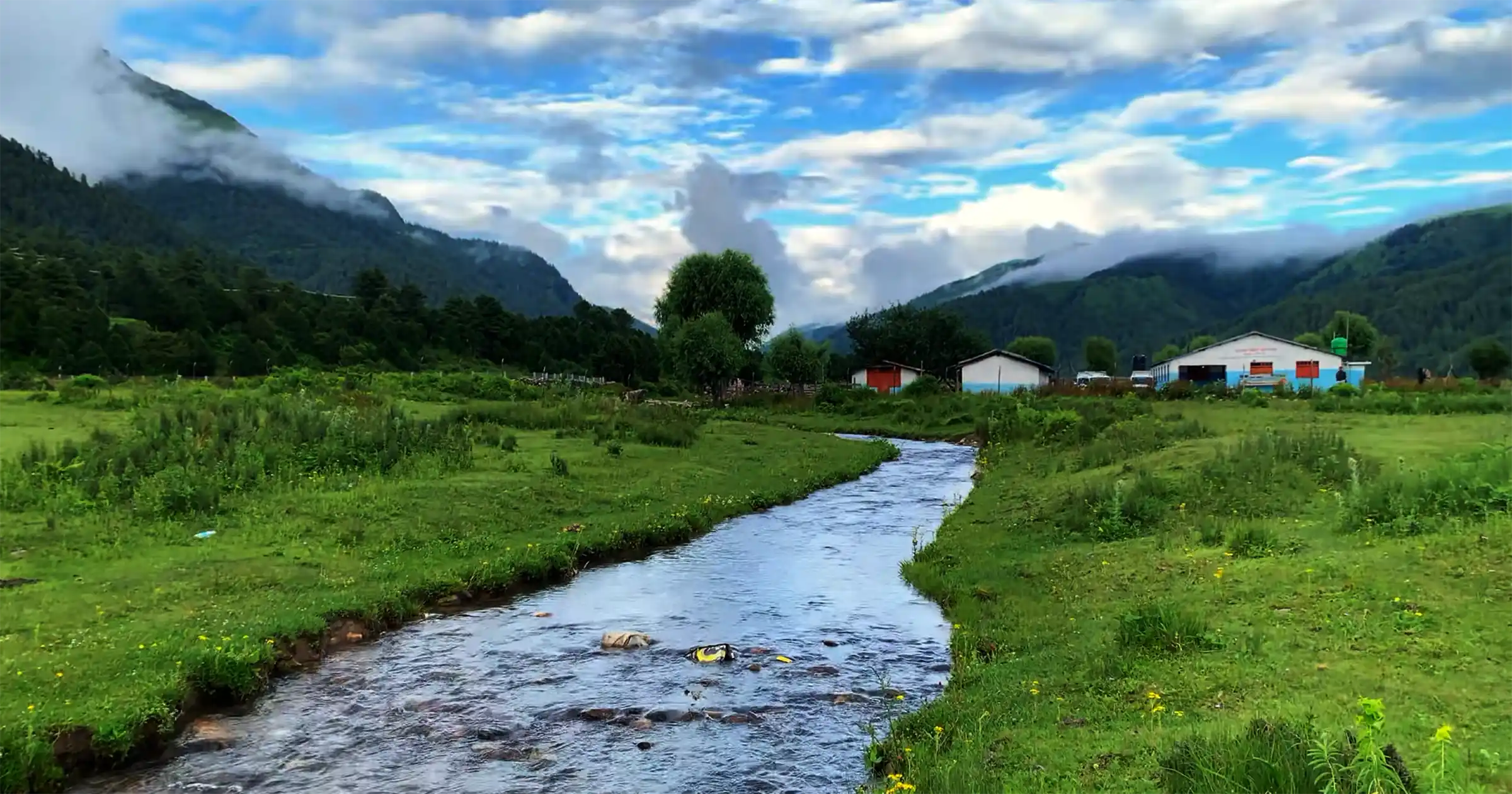
Foods
You will have your three meal meal at teahouses where they will serve you cereal, bread, and egg with tea or coffee for breakfast. For lunch and dinner you will have similar options such as Dalbhat with seasonal vegetables, curries, sandwiches, noodles, or soups.
Water During the Trek
When you are on trekking trails, you need to at least drink 2 to 3 liters of water daily. We suggest our trekkers bring a reusable water bottle and refill it with boiled or filtered water from teahouses instead of buying multiple plastic water bottles.
There are also numerous natural sources of water which you can drink after purification and treatment.
Wi-Fi Connectivity, Mobile Network and Safety
When you are trekking in Dhorpatan, only a few teahouses offer Wi-Fi service but due to its remoteness the connectivity is very limited. So, we suggest you buy a NTC or Ncell sim as soon as you arrive in Nepal and then purchase a data package for communication.
As you will be trekking in a remote and less crowded trail of Dhorpatan, anytime weather conditions may change and will obstruct your trek. So, you need to hire a licensed and experienced guide for your safety and navigation.
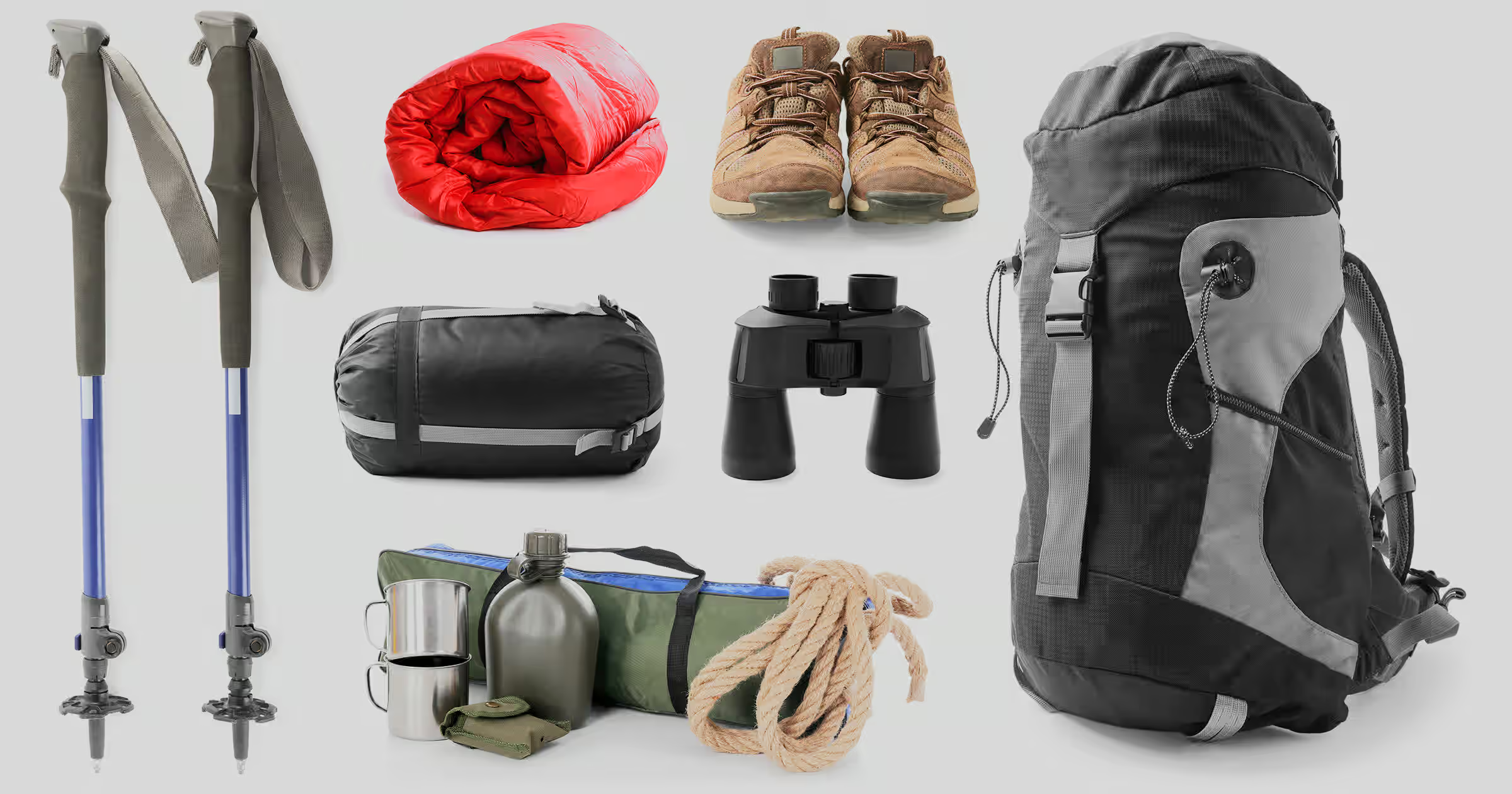
Packing List for Dhorpatan Trek
Clothing and Layering
- Moisture-wicking T-shirts
- Comfortable trekking trousers
- Thermal base layers
- Fleece jacket or warm mid-layer
- Insulated down or synthetic jacket
- Waterproof and wind-resistant outer jacket
- Waterproof trekking trousers
- Lightweight underwear and breathable socks
- Warm wool or thermal socks
- Gloves, Warm beanie or woollen hat
- Sun hat or cap, buff, scarf, or neck warmer
Trekking Footwear and Accessories
- trekking boots with good grip
- Lightweight camp shoes or sandals
- Trekking poles
- Gaiters
- Sleeping and Camping Equipment
- Warm sleeping bag
- Sleeping bag liner
- Inflatable or foam sleeping mat
- Compact camping pillow
- Lightweight headlamp or torch
Personal Hygiene and Toiletries
- Toothbrush and toothpaste
- Biodegradable soap or body wash
- Small shampoo and quick-drying towel
- Toilet paper, tissues, hand sanitiser, wet wipes
- Sunscreen, lip balm with sun protection
- Insect repellent
First Aid and Personal Medication
- Personal prescription medicines
- Basic first-aid kit with adhesive bandages,blister pads, medical tape, and sterile gauze
- Antiseptic wipes, oral rehydration salts
- Food and Hydration Supplies
- Reusable water bottles or a hydration bladder
- Water purification tablets or filter
- Energy bars, nuts and dried fruits
- Electrolyte sachets
Planning to Explore Dhorpatan Hunting Reserve in 2027?
Or Call/Message on WhatsApp +977 98434 13619
Optional Items and Navigation
- Camera or binoculars for wildlife observation
- Spare memory card
- Offline maps
- Emergency contact details saved offline
- Waterproof pouch for electronic device
- Binoculars
- Camera with a zoom lens
- Extra camera batteries
- Bird or wildlife identification guide
Practical Travel Tips for Dhorpatan Reserve
The fragile ecosystem of Dhorpatan demands a responsible travel so make sure you follow these trips during your next adventure:
- Do not attempt to trek without hiring a licensed guide.
- Drink at least 2 to 3 liters of water daily.
- Book your trip in the peak season like spring and autumn for comfortable weather conditions.
- Plan two to three days as buffer days.
- Make sure you book accommodation and international flights tickets in advance.
- Carry enough cash as ATMs are limited after you leave the trailhead.
- Always keep necessary documents like permits, travel insurance in your backpack.
- Take altitude seriously and walk at a slow pace.
- Do not disturb or poke wild animals when encountered in trekking trails.
- Do not pluck any vegetation and stay in designated trekking trails only.
- Maintain a low voice and follow your guide instructions seriously.
- Make sure you target only permitted animals inside the hunting reserve.
- Always respect local culture and wildlife during your visit.
Conclusion
Dhorpatan Hunting Reserve is an excellent choice for travelers who want to discover a quieter, raw, real, and untouched side of the Nepal Himalayas. From open meadows, forested trails, mountain scenery, wildlife, to traditional communities, it attracts all kinds of travelers and offers beyond ordinary sightseeing.
With proper planning, necessary physical and mental preparation along with the support of a responsible guide, one can have one of the more safer and memorable journey in Dhorpatan no matter whether you visit for trophy hunting or trekking in the remote landscape. At Awesome Holidays Nepal, we believe every adventure should be as unique as the traveler taking it.
And remember us for your next Himalayan adventure with an itinerary tailored to your interests, travel style, and schedule in 2026.
FAQs
Expand AllWhat is Dhorpatan Hunting Reserve?
The Dhorpatan Hunting Reserve is a protected area where controlled hunting is legalised in Nepal.
Where is Dhorpatan Hunting Reserve located in Nepal?
Dhorpatan Hunting Reserve is located adjacent to the Dhaulagiri Mountain range in western Nepal.
How to get to Dhorpatan Hunting Reserve from Kathmandu or Pokhara?
You can travel by road from Kathmandu or Pokhara toward Baglung and Burtibang before continuing your journey to Dhorpatan.
What is the best time to visit Dhorpatan Hunting Reserve?
The best time to visit Dhorpatan is the spring and autumn season.
Is hunting legal in Dhorpatan, Nepal?
Yes, regulated hunting is legal in Dhorpatan, Nepal.
What is the cost and process for Blue sheep hunting in Dhorpatan?
The Blue sheep hunting in Dhorpatan cost ranges from USD $30,000 to $35,000 per person. It also demands the license/bidding fee which reach from NPR 150,000 to over NPR 875,000 depending on the block and auction bids.
Is Himalayan tahr hunting in Nepal legal?
Yes, Himalayan tahr hunting in Nepal is strictly regulated in Dhorpatan only.
What animals / wildlife can you see in Dhorpatan Hunting Reserve?
Blue sheep, Himalayan tahr, musk deer, Himalayan goral, and various birds, species may get sighted in Dhorpatan Hunting Reserve.
How long does it take to trek to Dhorpatan?
Depending upon the route and travel style you choose, it take 7 to 10 days to trek to Dhorpatan.
When is the Hunting season in Dhorpatan Hunting Reserve?
Spring and autumn seasons are the best season for Hunting in Dhorpatan.
What species can be hunted in Dhorpatan?
Blue sheep and Himalayan tahr are the principal trophy-hunting species that can be hunted in Dhorpatan.
What kind of Accommodation / hotels / homestays available in Dhorpatan?
Basic lodges, guesthouses, homestays, and camping accommodation are available in Dhorpatan.
Is there snow leopard / red panda in Dhorpatan?
Yes, both snow leopard and red panda lives in Dhorpatan.
How long is Bukipatan trek from Dhorpatan ?
The Bukipatan trek generally takes around 2 to 4 days round-trip from Dhorpatan.
Safety tips for visiting Dhorpatan Hunting Reserve?
Hiring experienced local guides, checking weather and trail conditions, carrying appropriate clothing and emergency supplies, and following reserve regulations are some of the safety tips you need to follow when visiting Dhorpatan Hunting Reserve.
What is the Cost of visiting / trekking Dhorpatan Hunting Reserve?
Depending on the travel style and modes of transportation you use, it cost USD $70 to $1500 per person to visit Dhorpatan.
Can you do Birdwatching in Dhorpatan?
Yes, you can do Birdwatching in Dhorpatan.
What culture and festival to expect in Dhorpatan?
You should expect Magar, Gurung and other local communities’ traditions, mountain village lifestyles, traditional foods, and festivals such as Dashain and Tihar during Dhorpatan trip.
Packing list for Dhorpatan trek
Layered clothing, waterproof outerwear, sturdy trekking boots, a sleeping bag if needed, a first-aid kit, sun protection, water supplies, and essential documents are some of the list you need to pack for Dhorpatan trek.
Can Nepalis or foreigners hunt or visit freely?
Neither Nepalis nor foreigners can hunt or travel/trek completely “freely” without specific permits, regulations, or restrictions in Dhorpatan.
Related blog posts
Discover a choice of tourist destinations loved by most of our visitors. Whether you're on a jungle safari to spot rare animals or walking through a world heritage site, these well-planned itineraries cover the major highlights of Nepal.
 call an expert at: