
Red Panda Tracking in Nepal: Ilam, Langtang and Dhorpatan – Where, When and How to Do It Ethically
 Sristi Adhikari
Did you know that Nepal is home to more than a thousand red pandas? This remarkable population has placed Nepal on the radar of wildlife enthusiasts and international travelers who dream of seeing these rare Himalayan animals in their natural habitat.
As interest in this elusive species continues to grow, Red Panda Tracking in Nepal is attracting more foreign trekkers who are eager to explore the quiet forests, remote villages, and protected areas far beyond the usual trekking trails. Known for their striking reddish fur, ringed tails, and shy nature, red pandas are not easy to spot—but that is exactly what makes the experience so thrilling.
From quietly exploring lush hills of Ilam, bamboo-filled forests of Langtang and Dhorpatan, to following the clues of these elusive animals with experienced local guides, every moment brings the possibility of an unforgettable encounter with one of Nepal’s most treasured wildlife species.
Red Panda in Nepal
The red panda (Ailurus fulgens) is one of the rare, exclusively arboreal mammals found in temperate and sub-alpine forests of the Himalayas. This most elusive wildlife species inhabits from 2,200 to 3,800 meters elevations.
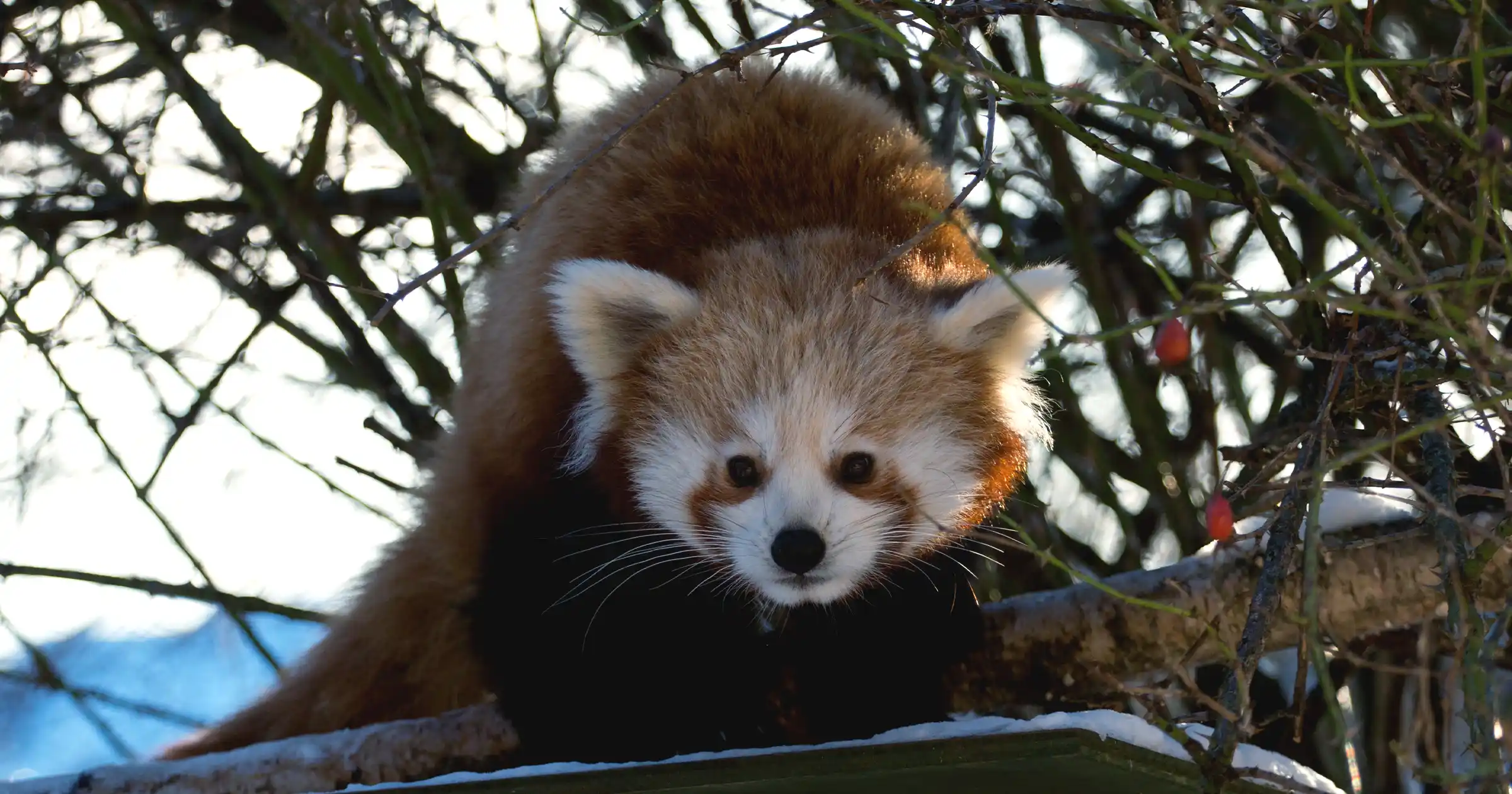
It is also known as red cat-bear, the red bear-cat, greater panda, lesser panda, and regular panda.
In Nepal, red pandas are referred to as “Habre” and “bhalu biralo (bear-cat). Local Limbu communities living in the Eastern part of Nepal called it “kaala” (dark) while Tibetan people called it “hoptongar.”
Physical Feature of Red Panda
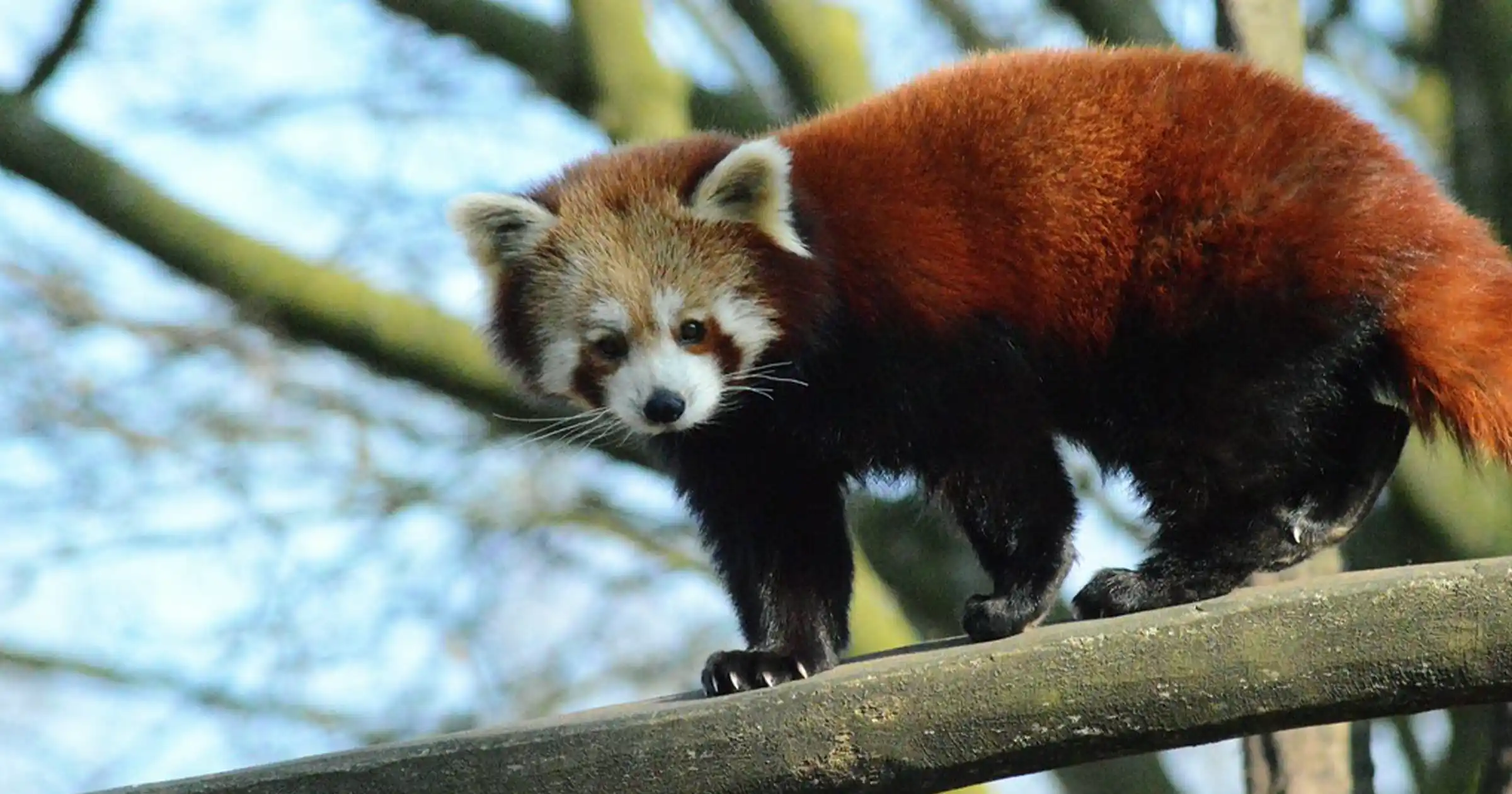
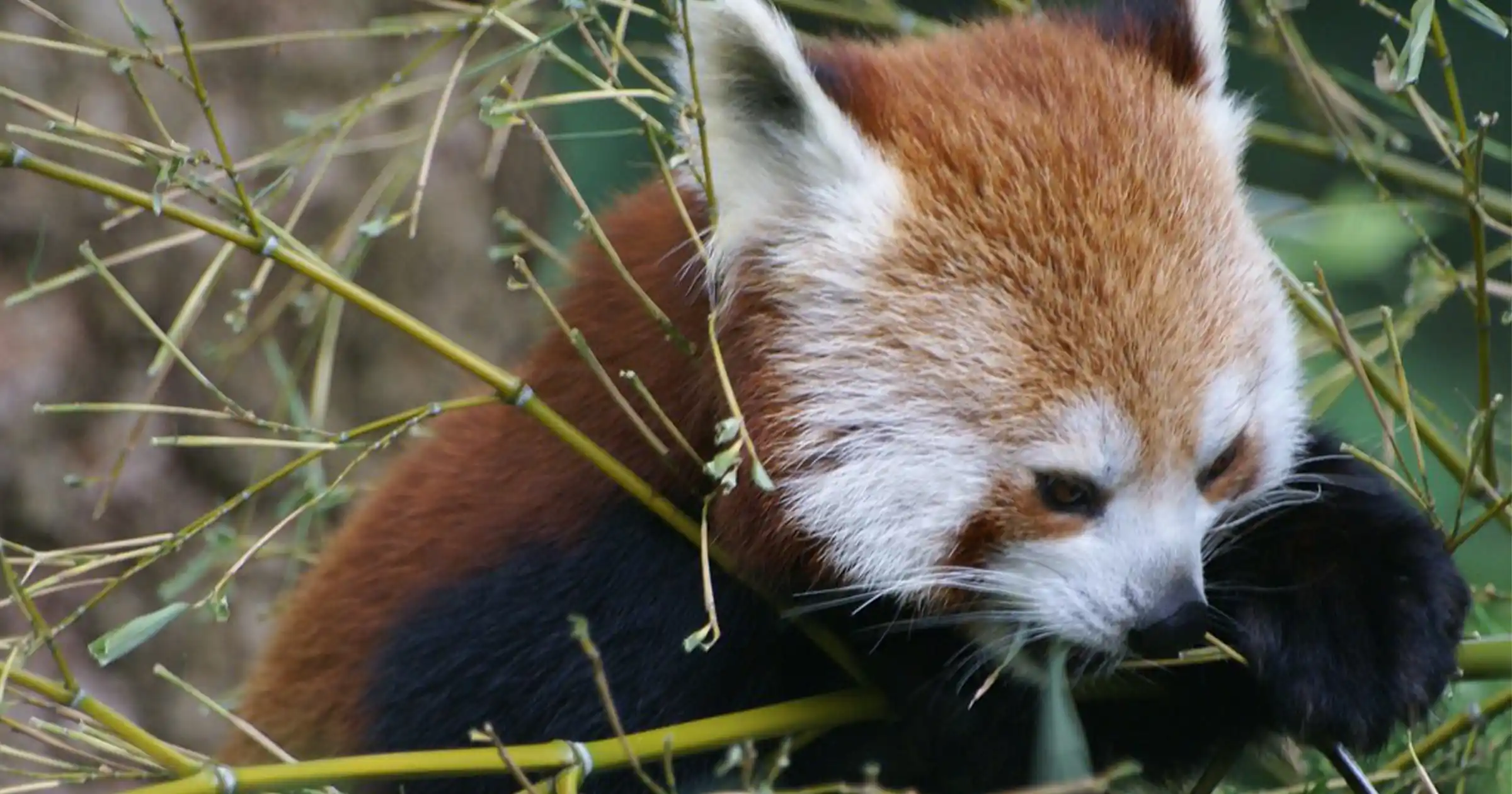
Red pandas have dark markings under its eyes, reddish-brown fur and a thick, long, bushy tail. They resemble house cats and raccoons in appearance.
This elusive group of animals are around 50 to 64 cm tall and its bushy tail has a length of 28 to 59 cm. An adult male weighs up to 6.2 kg while a female weighs up to 6 kg.
They have a lifespan of eight to ten years but zoologists claim they can survive up to 15 years. These animals mostly feed on bamboo and use their sharp claws to grab the food. Being an arboreal animal, they spend most of their time in trees and their fur protects them from strong winds and cold himalayan weather conditions.
Prime Habitat of Red Panda in Nepal
The endangered red panda inhabits the pristine landscape from an elevation of 2,200 to 3,800 meters in the Himalayas. Langtang National Park is one of the prime habitats of red pandas in Nepal. Some of the National park and conservation areas where red panda resides in Nepal are:
- Langtang National Park
- Annapurna Conservation Area
- Kanchenjunga Conservation Area
- Makalu Barun National Park
- Rara National Park
- Sagarmatha National Park
- Manaslu Conservation Area
- Dhorpatan Hunting Reserve
There are around 237 to 1,061 red pandas thriving in both protected and conservation areas of Nepal.
Best Places to See Red Pandas in Nepal
The elusive and secretive creature, Red pandas are mainly found in the bamboo and rhododendron forests of the eastern hills.
Ilam, Nepal
Located in eastern Nepal, Ilam is famous for its tea gardens, rolling hills and forested landscapes. Ilam, including areas toward Panchthar and Taplejung, is recognized as a global center for red pandas.
The Panchthar-Ilam-Taplejung (PIT) corridor is ranked as the best place to visit for red panda tracking in Nepal. The PIT corridor which stretches over 11,500 square kilometers is home to one-fourth of total red pandas found in Nepal.
These corridors are managed by the community and are one of the densest networks of trained forest guardians anywhere in the species range. Dobate village of Ilam works as the operational headquarter and has been continuously working to increase red panda ecotourism in Eastern Nepal.
Here, you don’t need to do a longer hour of walking just to reach a certain destination, but you will stay in a particular base of operation and continue searching for their encounter. Community forests around Dobate, Choyatar, Padma Sambhavam, and the Puwamajhuwa Community Red Panda Conservation Area are filled with Rhododendron, oak, and bamboo trees that offer suitable and favorable habitat for red pandas in Nepal.
A common approach from Kathmandu is to fly toward Bhadrapur and continue by road toward Ilam and the surrounding hills. If you have 9 to 11 days in total, you can have one of the best experiences of the red panda tour in Nepal in 2026.
A 10-day red panda tour itinerary including Dobate community forest of Ilam from Kathmandu is mentioned below:
- Day 01: Arrival in Kathmandu (1,300m /4,265 feet)
- Day 02: Kathmandu sightseeing
- Day 03: Fly to Bhadrapur (93 m/306 feet) and a scenic drive to Ilam Bazaar(2,328m/7,638 feet)
- Day 04: Drive from Ilam to Dobato(2,660 m/8,727feet)
- Day 5 to 7: Tracking Red Panda Trail, including Dobote, Sandakpur, Mai Pokhari.
- Day 08: Drive back to Ilam Bazaar
- Day 09: Drive to Bhadrapur and fly to Kathmandu
- Day 10: Final Departure
Langtang National Park – Red Panda Tracking Closer to Kathmandu
If you want to combine red panda tracking in Nepal with a traditional Himalayan trekking experience, then Langtang National Park is waiting for you. Langtang National Park lies relatively closer to Kathmandu and is best suited for those wildlife enthusiasts who have a limited amount of time.
It avoids domestic flight and you can complete your red panda tracking in Nepal within 10 to 12 days. The park is filled with silver fir, hemlock, rhododendron, bamboo trees and other vegetation and lucky ones can encounter red pandas in an elevation between 2,500 and 3,500 meters.
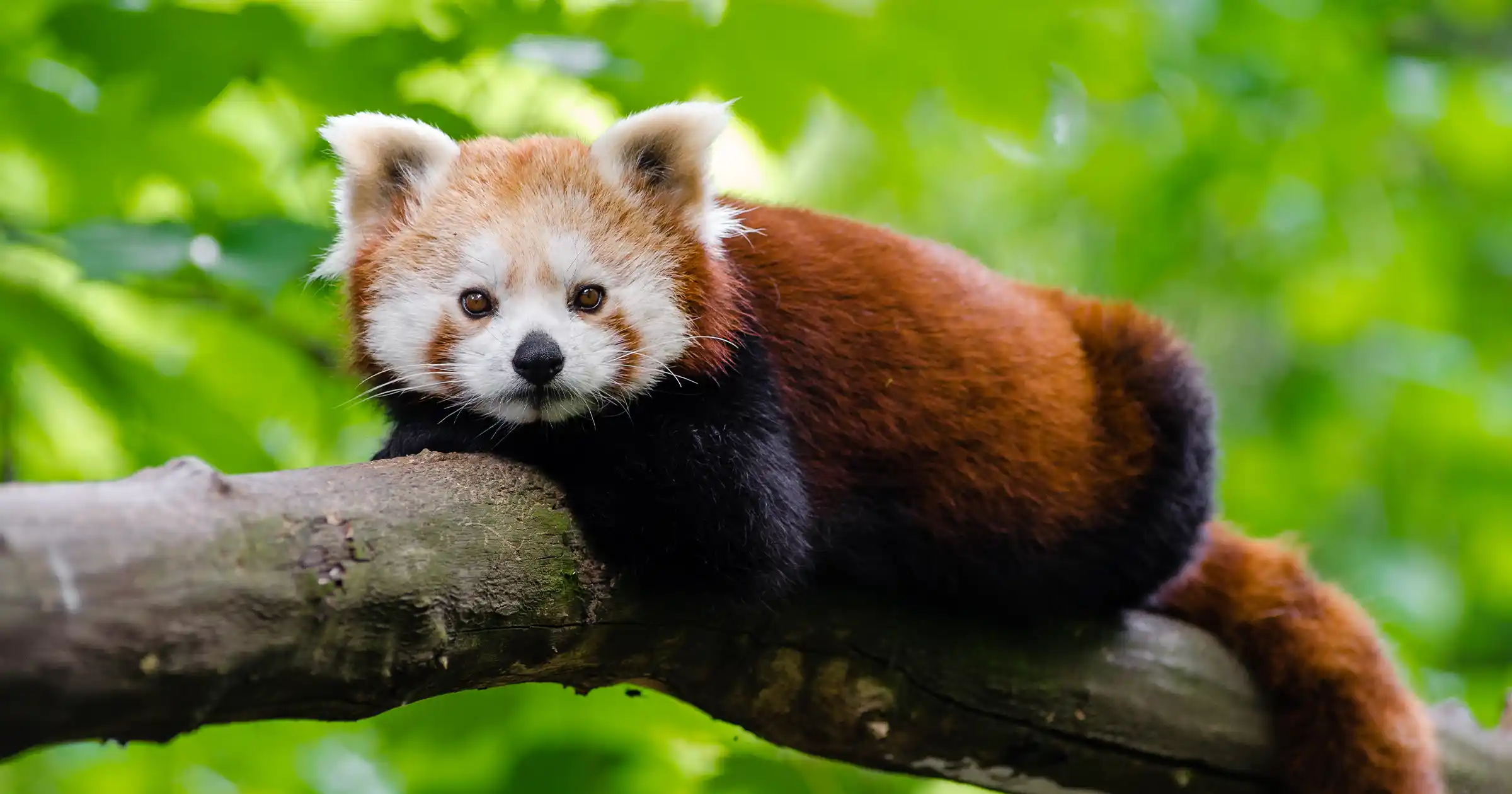
Upper villages of Langtang region support the red panda tracking in Nepal via a long-running WWF Hariyo Ban Program. The dramatically different landscape, forest experience, Himalayan valleys, high mountain scenery and Tamang cultural heritage are other attractions which you will get to witness when doing red panda tracking in Langtang.
A red panda sighting is never guaranteed. Even in excellent habitat, red pandas are naturally difficult to observe. Their low density, quiet behavior and ability to remain hidden in vegetation mean that luck and patience are always part of Red Panda Tracking in Nepal.
Here is sample 7-day red panda tour itinerary including Langtang National park is listed below:
- Day 1: Arrival in Kathmandu and transfer to the hotel
- Day 2: Scenic drive to Syabruebsi and trek to Langtang National Park
- Day 3: Trek to Lapchi and red panda tracking
- Day 4: Full-day red panda tracking
- Day 5: Full-day red panda tracking
- Day 6 :Trek back to Trailhead Village, and drive back to Kathmandu.
- Day 7: Final departure
Dhorpatan: A Less-Discussed Red Panda Destination
Dhorpatan Hunting Reserve provides an interesting western Nepal option for Red Panda tracking in Nepal. It is the only hunting reserve found in Nepal that extends across rugged landscapes below the Dhaulagiri range.
Red pandas are not restricted to the eastern forests but they are also found in Dhorpatan, western Nepal. If you are searching for less crowded and remote trails to track red panda you should definitely visit this reserve.
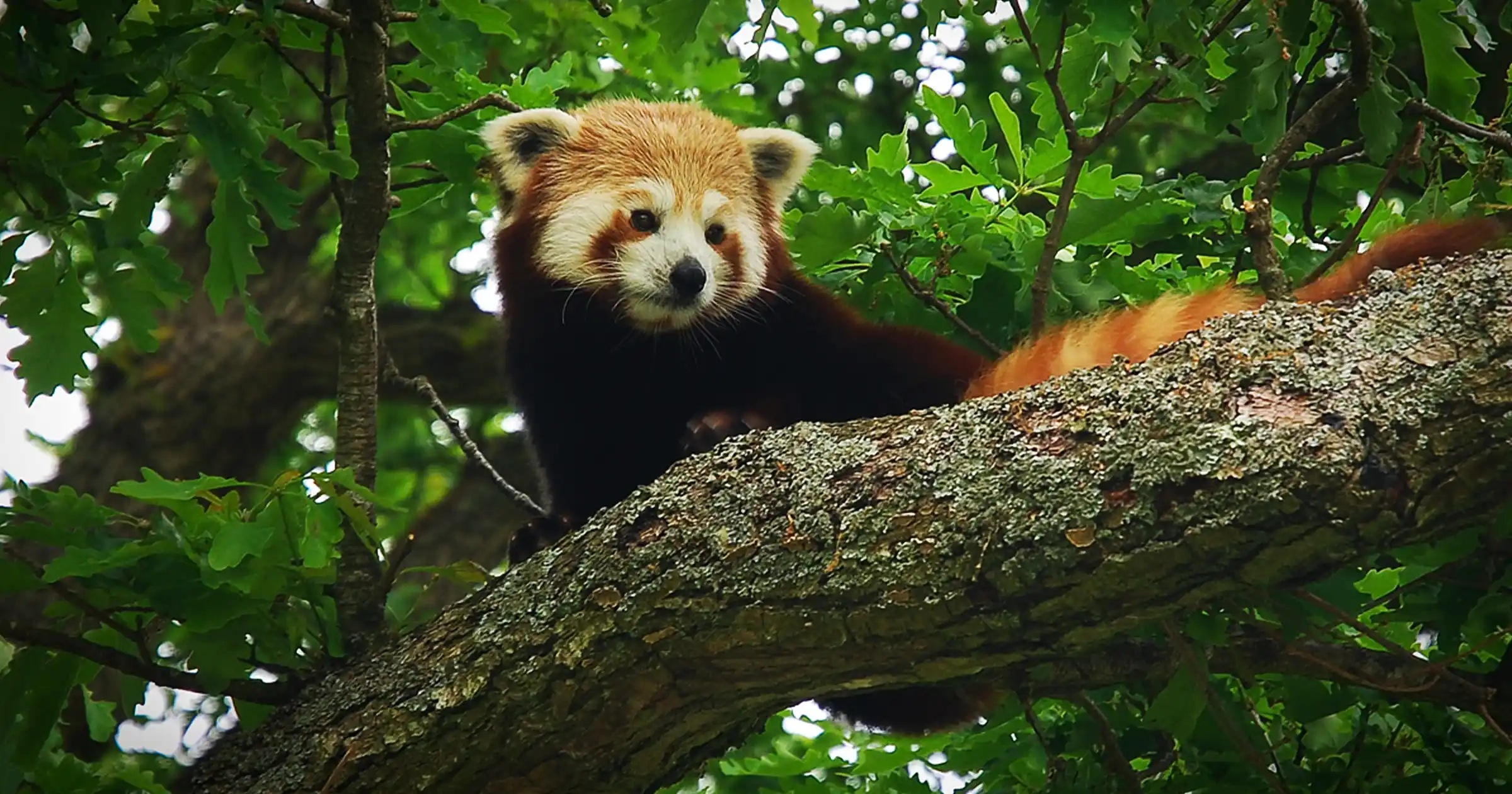
To explore diverse landscapes, mountain forests and high-altitude ecosystems of Dhorpatan, you need to first reach Pokhara and then to Baglung and further a multi-day walk until you reach the destination.
A sample itinerary for Red panda tracking in Dhorpatan includes:
- Day 1: Kathmandu to Pokhara
- Day 2: Pokhara to Dhorpatan Valley via Baglung and Burtibang
- Day 3:Exploration of Dhorpatan Valley and Hunting reserve
- Day 4: Full day red panda tracking
- Day 5: Full day red panda tracking
- Day 6: Dhorpatan to Pokhara
- Day 9: Pokhara to Kathmandu
If Ilam is ideal for a focused eastern Nepal wildlife journey and Langtang is ideal for combining wildlife with classic trekking, Dhorpatan is the choice for travelers who enjoy remoteness.
When is the Best Time to do Red Panda Tracking in Nepal ?
Spring and Autumn are the best seasons for red panda tracking in Nepal. These season offer the high chance of red panda sighting because of:
- Warm forest conditions,
- Moderate weather, and
- the animal’s own foraging behavior.
Spring (March to May)
Spring is the peak period for red panda tracking in Nepal. As the season begins after winter, temperatures begin to rise, forests become greener, new shoots of bamboo emerges which is the main food of the red panda and you can see them running here and there in search of new bamboo shoots.
Rhododendrons, magnolia, and orchids bloom in the Eastern, western, and central forest makes you forget all the hardship you have to go through when exploring these forests in search of these shy creatures.
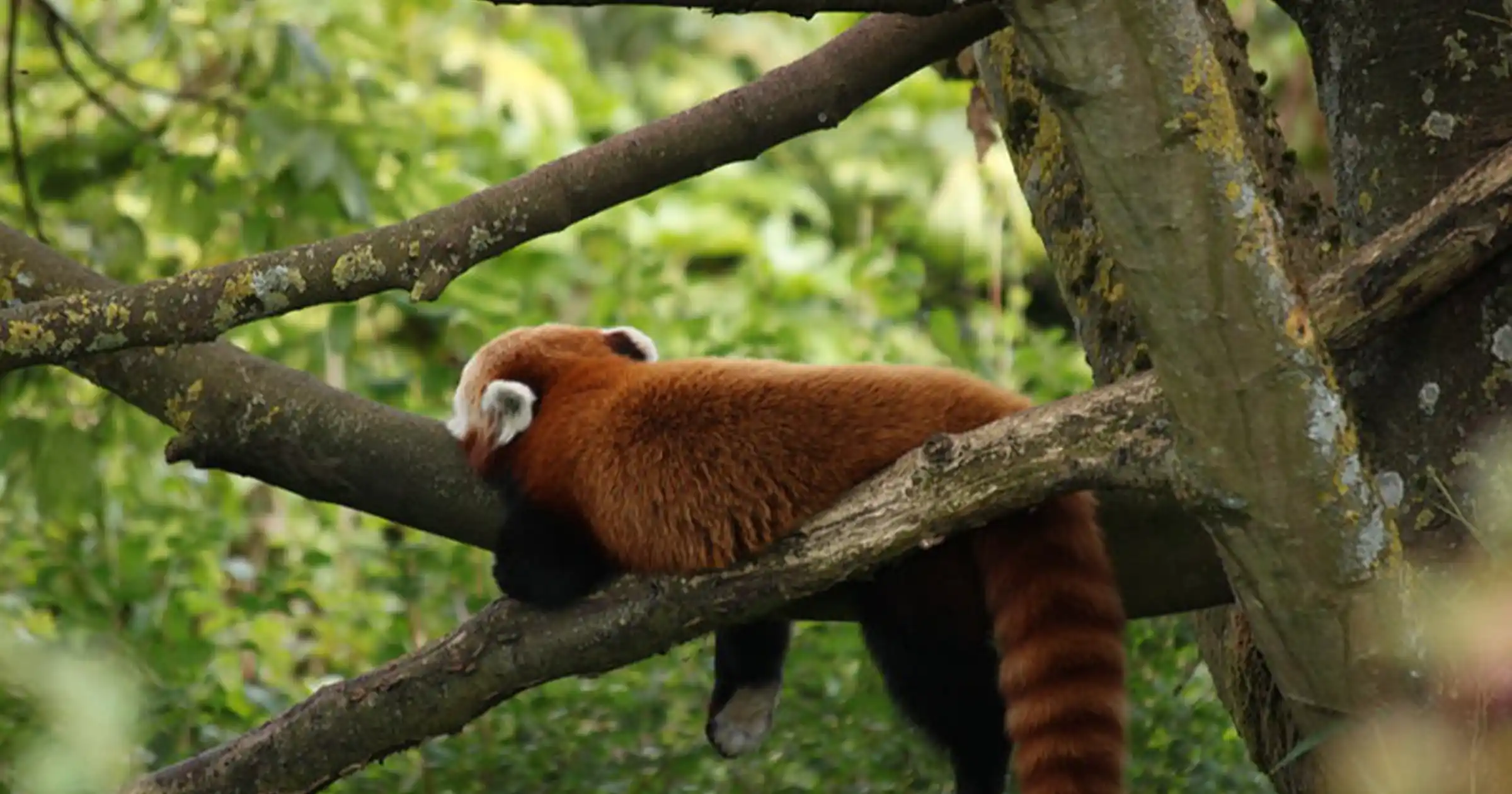
Also, the season offers further movement and visibility as late winter mating carries into early spring season. If this your first time, doing red panda tracking in Nepal, we suggest you to book your trip in this season as it offer:
- Pleasant day time temperature,
- Dry trail and clear skies,
- High chances of red panda sighting.
Autumn (September to November)
Autumn is another excellent season for red panda tracking in Nepal. It also offers some of the best opportunities for wildlife photography, as the beautiful autumn scenery and clear skies create ideal conditions for capturing red pandas in their natural habitat.
The monsoon has generally cleared the atmosphere and you will also get to see one of the best views of Kangchenjunga, Dhaulagiri, Lhotse, Makalu, and Everest. The season also offers high wildlife activity because animals focus on building calories reserved for winter and you will have a high chance of witnessing them eating wild berries, bamboo shoots, and fruit.
Winter (December to February)
Red panda tracking in Nepal in the winter season is possible. However, cold temperatures, snow and icy trail conditions offer difficulties on your trip.
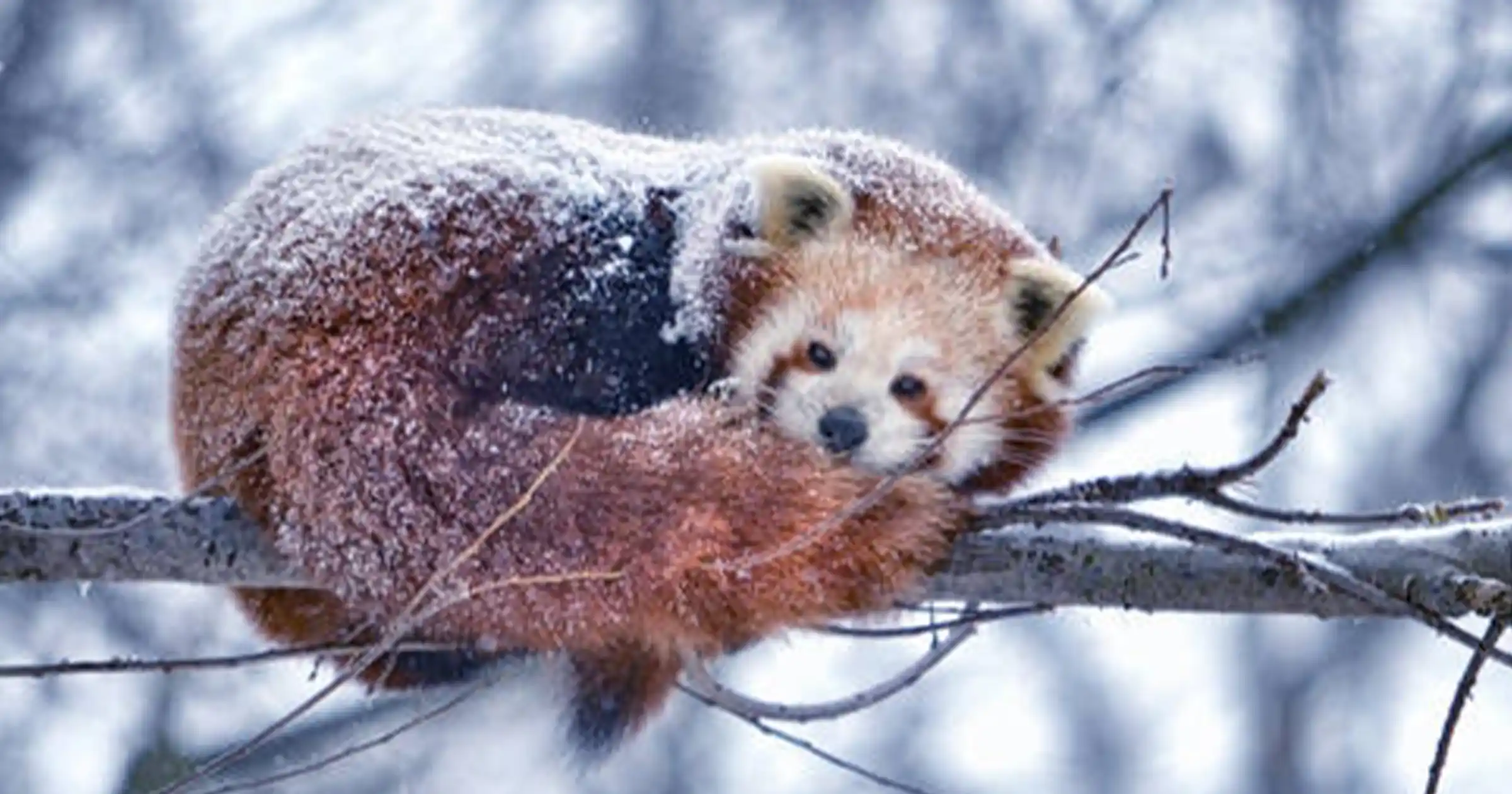
During this season, red pandas may descend to lower elevations to escape snowy conditions, and it is also their mating season. So, there is a high chance of witnessing a red panda in Nepal but fresh snow, sub-zero temperature, and accommodation unavailability adds hassle to your journey.
Monsoon (June to August)
The heavy rainfall offers high chances of landslide, flood, so we suggest our client avoid this season for red panda tracking in Nepal. As these shy creatures live in the dense forest, you need to suffer from mosquito and leech attacks inside the forest trails.
Red Panda Tracking Nepal: What to Expect
When tracking red pandas in Nepal, you need to walk inside the forested trail filled with bamboo and Rhododendron trees. As they are crepuscular animals, they show peak activity at dawn and dusk, so you should walk carefully around the forested trail.
Also booking a red panda tracking with an experienced guide is highly required as they know more details about the areas where red pandas are likely to get witnessed.
The daily rhythm:
- 05:00 AM – Wake up, have a quick breakfast, and leave the lodge where you stay with necessary gear.
- 05:45 AM – Depart for the tracking zone with headlamps.
- 06:15–10:30 AM – Track red pandas with Forest Guardians, looking for feeding signs and movement in the bamboo forest.
Planning a Red Panda Tracking in Nepal in 2027?
Or Call/Message on WhatsApp +977 98434 13619
- 10:30 AM–02:00 PM – Rest or enjoy birdwatching, botanical observation, and wildlife photography.
- 02:00–04:00 PM – Have lunch and relax at the homestay.
- 04:00–06:30 PM – Resume afternoon tracking during the dusk activity window.
- 06:30 PM onward – Return to the homestay for dinner, gear maintenance, and the next day’s briefing.
How to do Ethical Red Panda Tracking in Nepal?
Red pandas are one of the rare and endangered animals found in the Himalayas of Nepal. Red Panda tracking in Nepal should not harm the species, so trekkers should stay in the designed trail without disturbing or approaching them.
If trekkers do not follow these tips, this will disrupt their feeding as well as breeding cycles which will force them to leave the prime territories which will make them go extinct. An elusive wild animal, red panda living in a fragile ecosystem, and poor wildlife tourism can create exactly the disturbance that conservation efforts are trying to prevent.
Maintain Significant Distance
If you witness a red panda, you should follow the strict ethical standards and should maintain distance from them. You suggest you view and capture them using a long lens photography.
If it moves away, you should let them go and avoid following them.
Keep Noise to a Minimum
Red pandas have acute hearing so you should talk in a low voice and keep your phone in silence mode. Silence is not only respectful but it can improve your chances of red panda tracking in Nepal.
Never Use Flash
Trekkers and photographers should avoid using flash to capture them. Using flash can make red pandas blind, disorient or they may fall from branches of the high canopy.
Maintain Smaller Group Size
Ethical red panda tracking in Nepal demands smaller group size as larger ones cause more noise and disturbance to wild animals.
Avoid Feeding
When you see a red panda on your trek, you should not feed them. Also, you should not attract them with fruit, bamboo or other food because it can alter natural behavior and create long-term problems.
What to Pack for Tracking Red Panda in Nepal?
When tracking red panda in Nepal wildlife reserve and inside the National park, you need to bring following packing list:
- Comfortable trekking shoes
- Waterproof jacket
- Warm layers, neutral color clothing
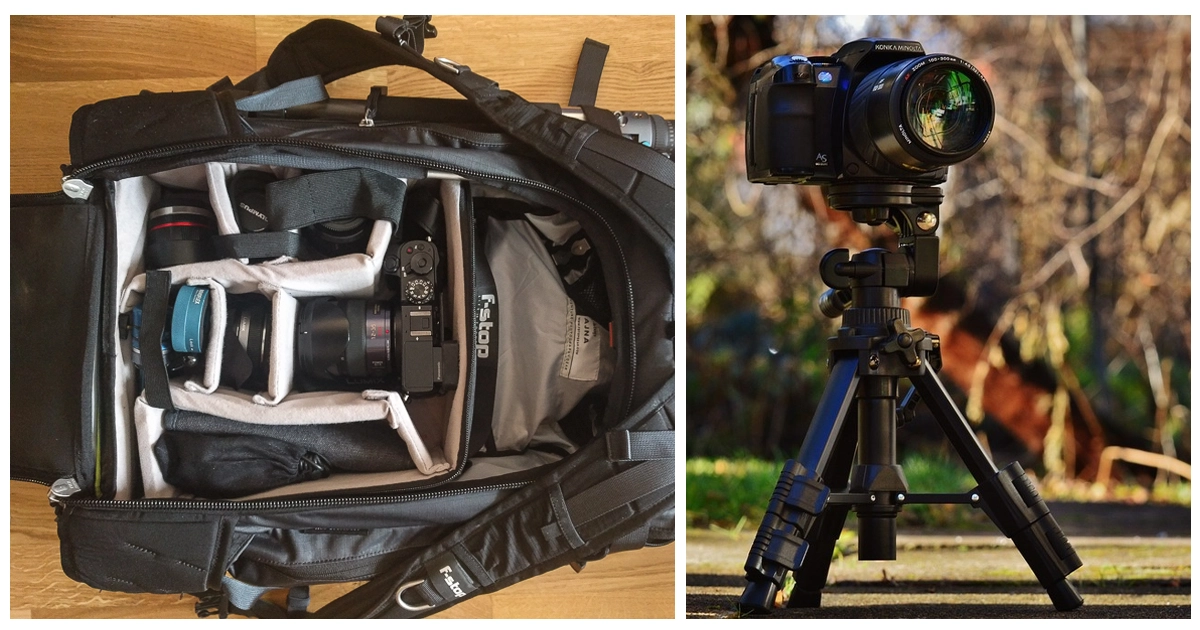
- Lightweight backpack
- Water bottle
- Binoculars
- Camera with a telephoto lens
- Extra batteries or power bank
- Sun protection
- Personal first-aid supplies
- Insect protection when appropriate
- Reusable snacks
- Headlamp
- Gloves and warm hat during colder months
Final Verdict on Ethical Red Panda Tracking in Nepal
The greatest lesson of Red Panda Tracking in Nepal is patience. Red panda sightings are not always guaranteed, only lucky ones can witness this elusive creature either resting in the branches or feeding on bamboo shoots and other wild foliage.
From exploring the community forests of Ilam, the Himalayan landscapes of Langtang National Park, or the remote wilderness of Dhorpatan, responsible travel should always come before the perfect photograph. Trekkers should maintain distance and walk softly when red pandas get spotted in the wild.
The future of Red Panda Tracking in Nepal also depends on keeping these forests healthy, supporting local communities and giving wildlife the space to remain wild. Red Panda Tracking in Nepal is not about the one where you get closest but is the one where the red panda never feels the need to move away.
Finally, don’t miss your chance to see the red panda in its natural habitat and book your journey today with Awesome Holidays Nepal for an unforgettable wildlife experience in 2027.
FAQs
Expand AllWhere can I see red pandas in Nepal?
You can spot red pandas in eastern and central high-altitude forests of:
- Ilam,
- Panchthar,
- Taplejung,
- Langtang National Park, and
- Dhorpatan.
How many red pandas are in Nepal?
Around 1,061 red pandas are found in Nepal.
When is the best time to see red pandas in Nepal?
Spring and autumn is the best time to see red pandas in Nepal.
Is red panda tracking legal in Nepal?
Yes. red panda tracking is legal in Nepal but it needs to get conducted responsibly with the required permits and without disturbing or harming the animals.
What is the best season for red panda trekking in Nepal?
Spring (March–May) and autumn (September–November) are considered the best seasons for red panda trekking in Nepal.
Can you see red pandas in Langtang National Park?
Yes. Red pandas inhabit bamboo-rich forests in Langtang National Park but their sightings in the wild are never guaranteed.
Is red panda tracking possible in Dhorpatan?
Yes, red panda tracking is possible in Dhorpatan Hunting Reserve.
How many days do you need for red panda tracking in Nepal?
You will need 5 to 10 days for red panda tracking in Nepal.
What is the cost of red panda tracking in Nepal?
The cost of red panda tracking ranges from $400 USD to $2,500+ USD per person in Nepal. This range depends on your travel style, where you want to track, and whether you want to do solo or in group.
Is Ilam good for red panda sightings?
Yes. Ilam is one of the important red panda habitats, particularly around forest areas such as Dobate Community Forest.
What is the Dobate Community Forest in Ilam?
A community-managed forest which serves as a critical habitat for endangered red pandas is known as the Dobate Community Forest in Ilam.
What altitude do red pandas live in Nepal?
Red pandas inhabits from 2,200 to 3,800 meters elevations in Nepal.
Are red pandas endangered in Nepal?
Yes, red pandas are endangered in Nepal.
What do red pandas eat in the wild Nepal?
Bamboo leaves and shoots, fruits, berries, roots, insects, and other available plant are the food of the red pandas in the wild Nepal.
What is the Red Panda Network Nepal?
A conservation organization working with local communities in Nepal to protect red pandas and their forest habitats is called Red Panda Network Nepal.
Is Langtang National Park safe for trekking in 2026?
Yes, trekking inside the Langtang National Park is safe but the main issue is the trailhead Syabrubesi and road to reach there is highly affected by recent Bhotekoshi flash flood.
What permit do I need for red panda tracking in Nepal?
You will need a National Park Entry Permit or a Conservation Area Permit along with a TIMS (Trekkers’ Information Management System) card for red panda tracking in Nepal.
What is the Red Panda and Tahr Festival in Nepal?
The Red Panda and Tahr Festival in Nepal is a two day event launched by Diktel Rupakot Majhuwagadhi Municipality to raise awareness for the conservation of endangered wildlife and to promotes local eco-tourism.
What is Forest Guardian program for red pandas in Nepal?
The forest Guardian program for red pandas in Nepal is designed to train and suupport local community member to monitor forests, protect red pandas, prevent wildlife threats, and promote conservation.
Can red pandas be seen in Kanchenjunga Conservation Area?
Yes. Red pandas can be seen in Kanchenjunga Conservation Area.
Related blog posts
Discover a choice of tourist destinations loved by most of our visitors. Whether you're on a jungle safari to spot rare animals or walking through a world heritage site, these well-planned itineraries cover the major highlights of Nepal.

 call an expert at: