
Tibetan Refugee Settlements in Pokhara: Carpets, Momo Kitchens and Respectful Visits
 Sristi Adhikari
What if your visit to Pokhara could take you beyond its famous lakes and mountain views into a world of rich Tibetan culture, traditional craftsmanship, and comforting home-cooked food? The Tibetan Refugee settlements in Pokhara offer a meaningful glimpse into Tibetan life in Nepal, where skilled artisans weave beautiful carpets and the aroma of freshly steamed Momos fills local kitchens.
Here, you can discover Tibetan traditions, appreciate local craftsmanship, and experience everyday community life with curiosity and respect. From watching intricate handicrafts being made to tasting authentic Tibetan flavors, every experience offers a chance to connect with the community beyond ordinary sightseeing.
Whether you are a curious traveler, culture lover, or foodie, visiting the Tibetan Refugee settlements in Pokhara offers a rewarding opportunity to explore Tibetan traditions, craftsmanship, and local cuisine while respecting the community. Let’s dive deeper into our blog to discover the unique experiences, cultural treasures, and respectful ways to explore the camp in 2026.
History Behind the Tibetan Refugee Camps
When the Chinese took control over Tibet, more than 3,00,000 Tibetans left their homeland and sought safety in neighboring countries, including Nepal. It is estimated that around 60,000 Tibetan refugees are living like a local in Nepal.
In Nepal, there are 12 official Tibetan settlement camps, four of them are in Pokhara and others are in Kathmandu valley. The four major Tibetan refugee settlements in Pokhara are:
- Tashi Palkhel
- Tashi Ling
- Paljorling
- Jampaling.
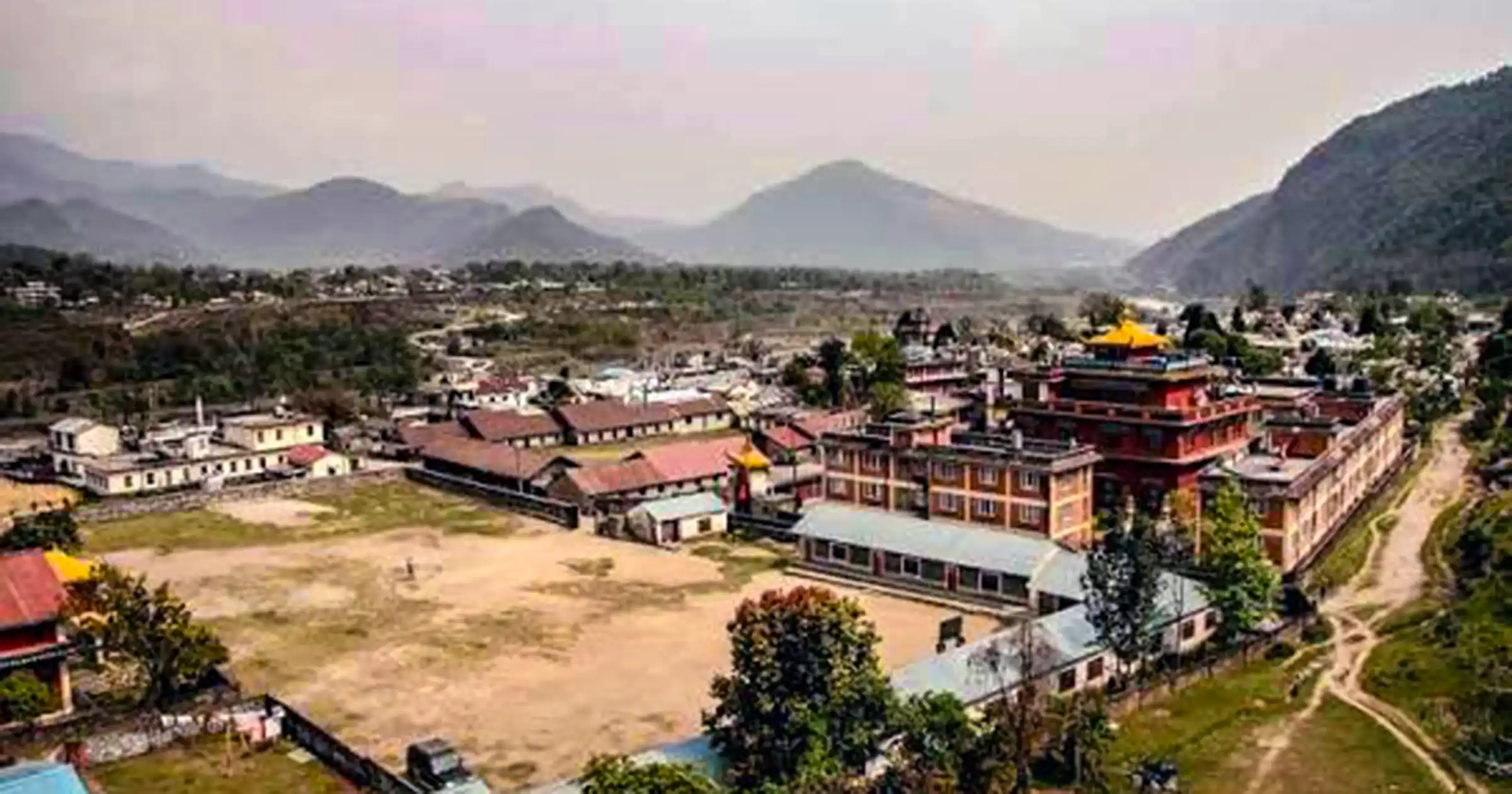
Apart from them, there are many other centers where Tibetan refugees are living on the surrounding hillside of the Pokhara valley. These camps are home to thousands of Tibetan refugees and they make money by selling:
- beautiful handmade Jewelry,
- trinkets,
- carvings, and
- carpets, etc.
Tibetan refugees use the money for their living and honor of the camps.
Inside the Four Tibetan Refugee Camp in Pokhara
The Tibetan Refugee Camps in Pokhara are living testaments of unwavering spirit and rich cultural heritage. It was established in the 1960s and since then Tibetan communities have transformed themself into vibrant hubs of tradition and resilience.
Tashi Palkhel
Tashi Palkhel was established in 1962 and is located about 5 km northwest of Hemja. It is one of the oldest and second largest Tibetan refugee settlements in Nepal.
More than five thousands Tibetan have been living in this camp, where residents run their day to day life via:
- Small restaurant,
- Shops,
- Handicraft workshop,
- Handmade Tibetan carpets.
Tashi Ling
Tashi Ling is situated near Davis fall and it was started as a temporary camp in 1964. As of now, it is a home to more than 400 Tibetan and it features:
- Carpet workshop and showroom,
- Schools,
- Photo gallery,
- Small businesses of souvenir
- Restaurant selling momos and Thenthuk,
- Modern dispensary, and
- Buddhist monastery.
Jampaling
Jampaling is one of the most remote Tibetan refugee settlements in Pokhara which is located around 25 km east towards Kathmandu. It is home to 350 Tibetan locals and they also have a small plot of agricultural land where they grow seasonal vegetables and crops.
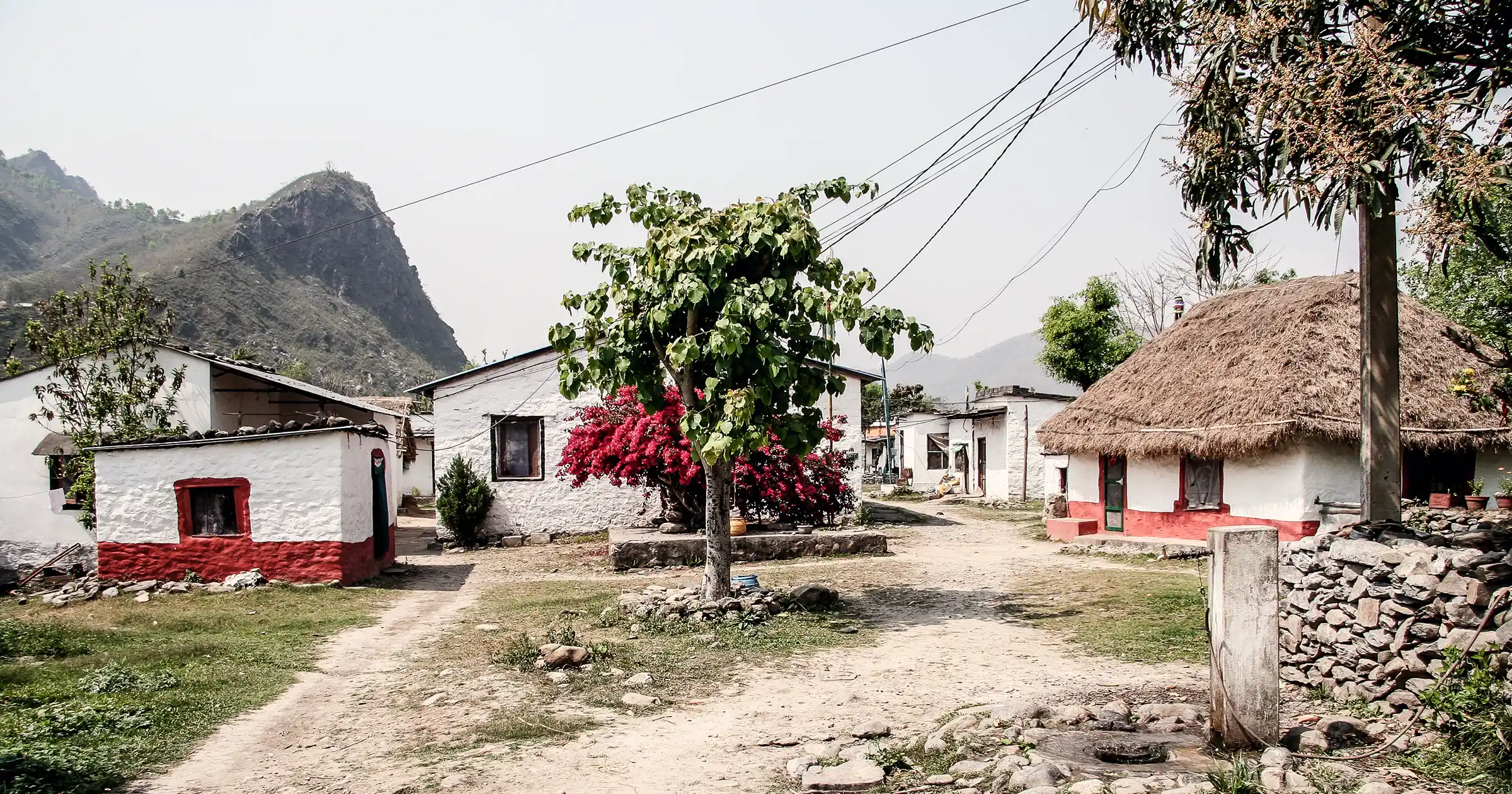
This remote settlement also features a Tibetan school, Buddhist monastery, and a health clinic. They earn money by running small Tibetan restaurant selling Momos and Thukpa.
Paljorling
Paljorling is one of the smallest Tibetan refugee settlements in Pokhara. It was established in 1972 for the rehabilitation of Tibetans from the Mustang guerrilla force and is located in the city centre.
Around 150 Tibetan lives in this camp and spend their day to day life by running:
- Tibetan school,
- Buddhist monastery,
- Tibetan medical clinic.
Things to do in Pokhara near Tibetan Refugee Settlements
When exploring Tibetan Refugee settlements in Pokhara, you can do following things:
Visit Momo Kitchens: A Taste Tibetan Food Culture
During your visit to the Tibetan refugee settlement in Pokhara, you can explore small eateries and local kitchens selling Tibetan Momo. There, you may also taste Tibetan style food such as:
- Momos,
- Thenthuk,
- Thukpa (noodle soup),
- Tibetan bread,
- Tsampa (roasted barley), and
- Butter tea.
Tibetan Momo in Pokhara are a natural place to start as it is popular across Nepal and the wider Himalayan region. Different kitchen and eateries sells Momo with different fillings, seasonings, shapes, but each has unique preparation methods.
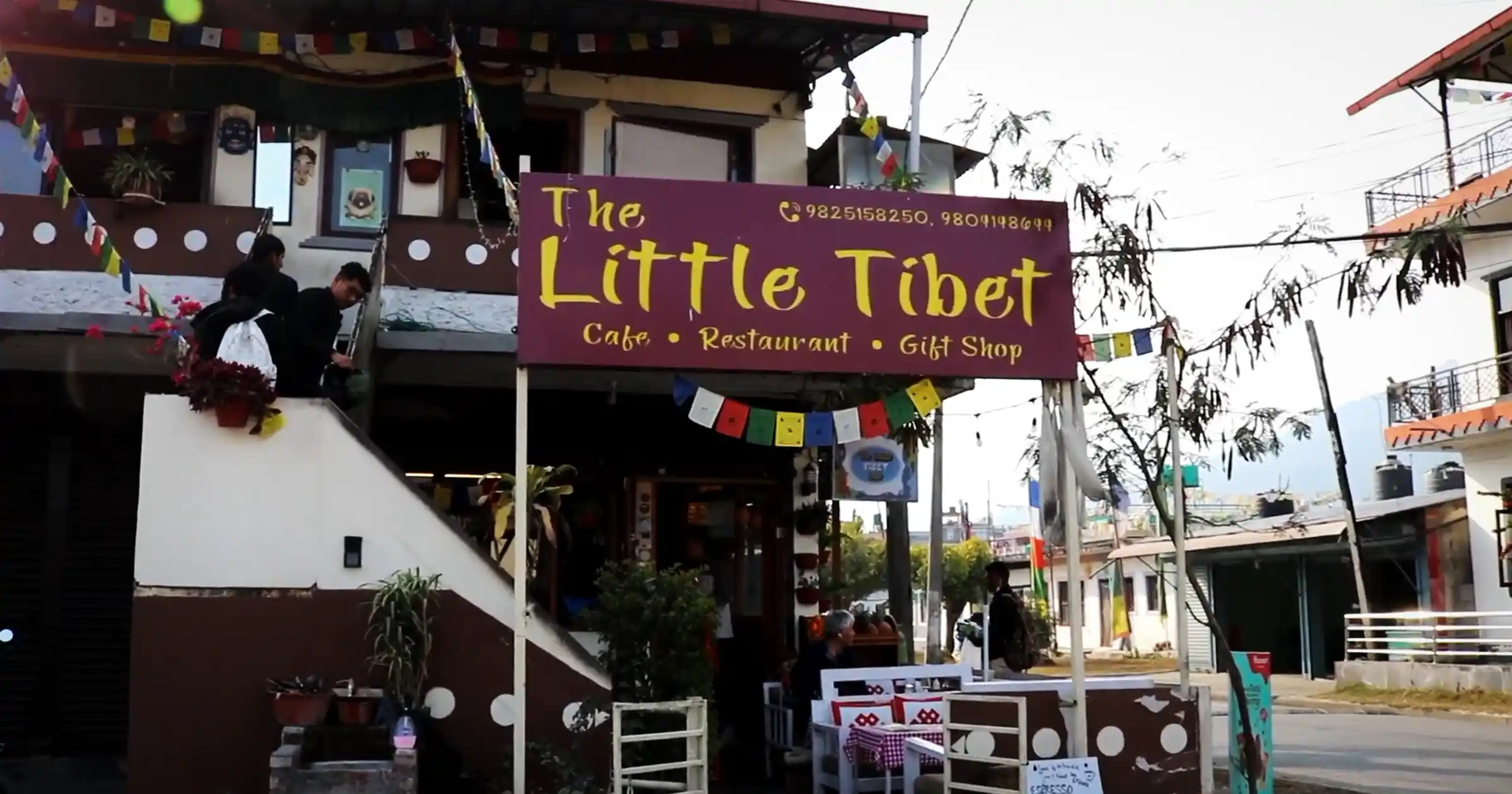
When you are exploring nearby areas of Tibetan settlement, make sure you satisfy your hunger by eating Tibetan Momo in Pokhara which comes in wide range of meat options and vegetable filling options. It is often served with flavorful dipping chili sauce which makes the Momo even more delicious.
Some eateries may allow you to watch how it is prepared and you can also join the cooking workshop. The food experience at the Tibetan Refugee settlements in Pokhara should be approached with curiosity rather than the expectation of a staged culinary performance.
Restaurants are businesses, and the people working in them are there to serve customers as well as manage their daily responsibilities. Make sure you visit following restaurant to taste one of the best Tibetan styles Momo in Pokhara.
- Potala Tibetan Restaurant
- Tibetan Pema Restaurant
Explore Traditional Tibetan Carpets: Craftsmanship Woven by Hand
As Tibetan refugees cannot work legally in Nepal, they made their living by selling traditional craft. Among them, Tibetan carpets are their best sellers.
The Tibetan carpets are woven by hand and its rich colors, geometric designs, floral details, and patterns showcase the glimpse of the Tibetan artistic traditions. It demands several production processes and everything is completed inside the Tibetan refugee settlements in Pokhara which they sell by going street to street.
When exploring the markets or the Tibetan refugee settlement in Pokhara, make sure you buy the carpets as they come in different sizes and styles, from decorative pieces to larger rugs intended for everyday use.
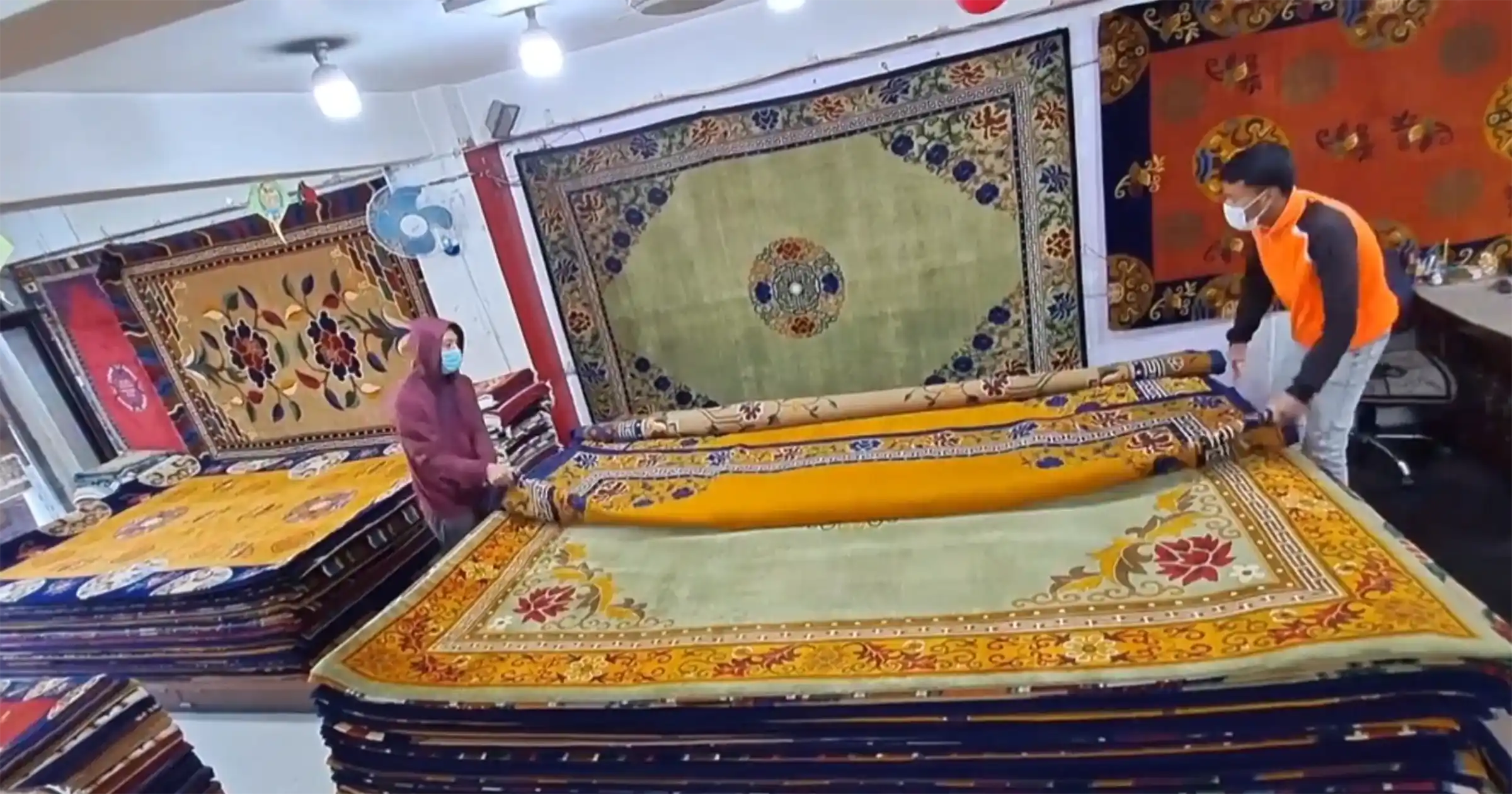
Camps like Tashi Palkhel Tibetan Settlement and Tashi Ling Tibetan Village (Tashiling) also offers Tibetan carpet making workshop where visitors can watch:
- Artisan preparing wool,
- Hand-spinning yarn, dyeing
- How yarn gets converted into design using loom,
- And showrooms where displays of finished rugs, wall hanging, and other craftsmanship are placed.
If you are willing to buy the Tibetan carpet in Nepal, these refugee camps are best to go for. Though you may find many carpet shops in lakeside areas, buying from Tibetan refugees makes them earn some money.
Also make sure you ask about material, whether it is hand knotted or handwoven or produced using other methods. These small inquiries will not only make you learn about the carpet but the artisan will also get inspiration and continue making their traditional handicrafts.
Explore Tibetan Culture
Tibetan refugee settlements in Pokhara offer deeper cultural value than traditional carpets and Momos.
Monasteries and Buddhist Traditions
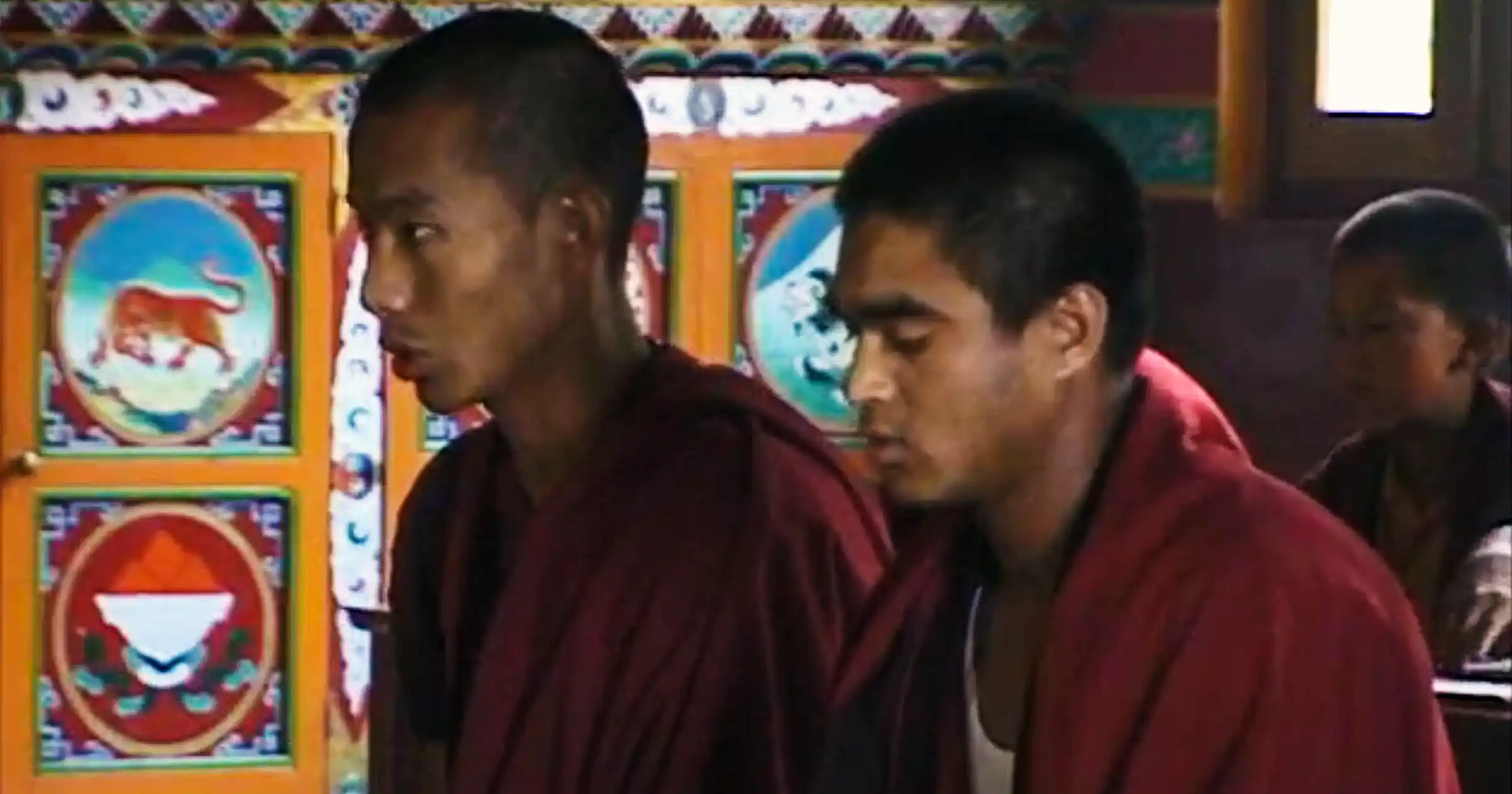
Tibetan culture shapes the daily life of Tibetan people and their communities. Almost every Tibetan refugee settlements have small monasteries where you will see:
- Prayer flags,
- Prayer wheels,
- Religious artwork, and
- Other features connected to Buddhist practices.
Planning to Explore Tibetan Refugee Settlement in Pokhara, Nepal in 2027?
Or Call/Message on WhatsApp +977 98434 13619
You may witness older residents performing daily rituals such as doing kora around stupas while mumbling or chanting prayers. Monasteries are not only a center of religious practice but they also act as an educational and community gathering center.
When visiting a monastery, you need to be mindful and should maintain peaceful behavior.
Local Handicrafts and Small Shops
The Tibetan Refugee Camp in Pokhara has small shops where they sell handicraft items, souvenirs, decorative items, and other products. You can have a small background conversation about the items, its production and how they are important to Tibetan people.
This small interaction among Tibetan refugees helps you understand what kind of things you are buying and what purpose it has.
Community Life and Cultural Continuity
Tibetan culture is not only limited to objects displayed in a shop or rituals performed at a monastery. But it also exists in language, family relationships, food preparation, education, celebrations, and everyday interactions.
How to Visit the Tibetan Refugee Camp in Pokhara Respectfully
Visiting Tibetan Refugee settlements in Pokhara demands a respectful approach as you are entering inside a community not a museum. Here are few tips you must follow to make your visit more responsible in 2026:
- Always ask for permission before capturing people, homes, private courtyards, workshops, or religious ceremonies.
- Do not force Tibetan refugees if they decline your request.
- When visiting monasteries or attending religious ceremonies, make sure you wear appropriate clothing which covers your shoulders and knees.
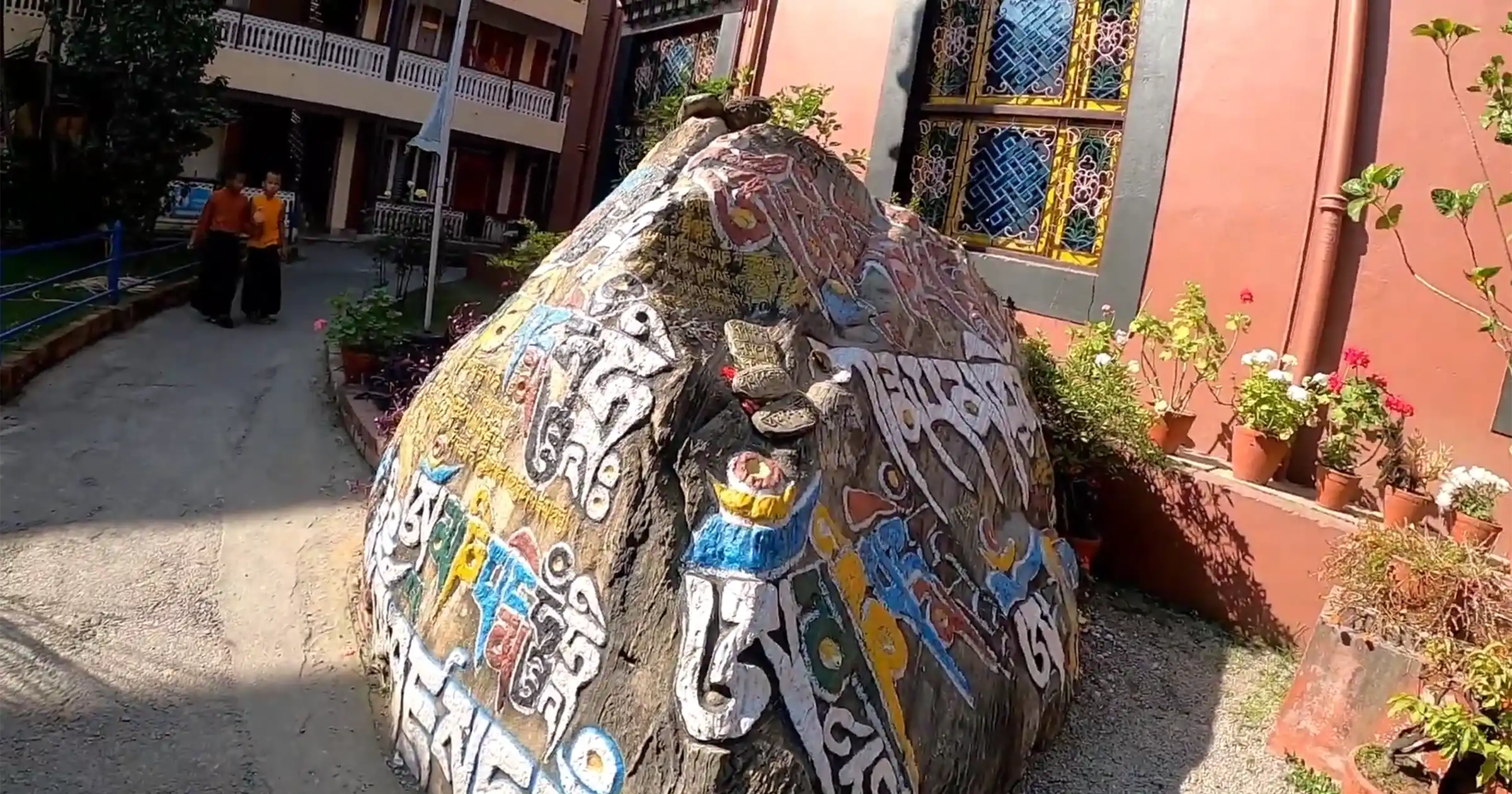
- Avoid touching religious objects inside monasteries.
- Do not expect they will sell you handicraft at a cheaper price and bargain fairly without humiliating them.
- Avoid littering unnecessarily and maintain small and low pitch voice when interacting with them.
Embracing the Spirit of Tibetan Refugee Settlements in Pokhara
Visiting Tibetan Refugee settlement in Pokhara is beyond cultural tour as it provides a closer insight of everyday life of a community which has a long-standing presence in Nepal. Your small purchase helps support local business, and you should treat residents respectfully during your visit.
From buying small handmade souvenirs, tasting a warm bowl of Momos, or visiting carpet weaving centers, your simple tour can become much more memorable when you show respectful approach.
The most meaningful souvenir may not be something you carry home. It may be a greater appreciation for the people, traditions, and stories that make this Himalayan city more than a destination for mountain views and lakeside relaxation.
So, next time you plan to visit the Tibetan Refugee Settlements in Pokhara, contact Awesome Holidays Nepal for an authentic cultural experience and guided tours in 2026.
FAQs
Expand AllWhat is the Tibetan refugee camp in Pokhara?
The Tibetan refugee camp in Pokhara is a settlement where Tibetan communities preserve their culture, traditions, handicrafts, and way of life.
How many Tibetan refugee settlements are there in Pokhara?
There are four Tibetan refugee settlements in Pokhara.
Where is Tashi Palkhel in Pokhara?
Tashi Palkhel Tibetan settlement is located in Hemja, in the northern part of Pokhara Valley.
Can tourists visit Tibetan refugee camps in Pokhara?
Yes, tourists can visit Tibetan settlements in Pokhara. They can explore handicraft shops, monasteries, and local culture respectfully.
What are Tibetan carpets made of in Nepal?
Tibetan carpets are often made of sheep’s wool while some carpets are also made from hemp, nettle, and linen, Silk, in Nepal.
Where to buy Tibetan carpets in Pokhara?
You can buy Tibetan carpets at handicraft shops and carpet workshops in refugee settlements such as Tashi Palkhel and Tashiling.
How to get to Tashiling refugee camp from Lakeside Pokhara?
You can reach Tashiling refugee camp by hiring a taxi or bus ride heading toward Chhorepatan from Lakeside Pokhara.
What is the best momo in Pokhara?
Some of the places where you will find one of the best momo in Pokhara are:
- Mo2’s Delights (MoM’s Cafe & Bar),
- Home Made Momo,
- Potala Tibetan Restaurant, etc.
Where to eat Tibetan food in Pokhara?
You can eat Tibetan food at local eateries around Tibetan settlements and at Tibetan and Himalayan restaurants in Pokhara.
Is it ethical to visit Tibetan refugee camps?
Yes. It is ethical to visit Tibetan refugee camps but you need to respect residents’ privacy, ask permission before taking photographs, and support local businesses.
What to buy at Tibetan refugee camp Pokhara?
You can buy Tibetan carpets, woolen items, traditional handicrafts, and locally made souvenirs such as bracelets, necklaces, rings, etc.
What is Tashiling Handicraft Centre Pokhara?
Tashiling Handicraft Centre in Pokhara is a local handicraft destination associated with Tibetan carpet weaving and traditional Tibetan crafts.
How much do Tibetan carpets cost in Pokhara?
Tibetan carpets cost ranges from in Pokhara NPR 15,000 to NPR 150,000+.
Are Tibetan refugee camps open to public?
Yes. Tibetan refugee camps are open to public.
Where is the Tibetan monastery in Pokhara?
Tibetan monastery is found in many places in Pokhara and they are:
- Jangchub Choeling Monastery
- Pema Ts’al Sakya Monastic Institute
- Shree Gaden Dargay-Ling Monastery, etc.
How old is the Tibetan refugee camp in Pokhara?
Tibetan refugee settlements in Pokhara began developing after refugees arrived in Nepal in the 1960s.
What is thukpa and where to eat it in Pokhara?
Thukpa is a traditional Tibetan noodle soup. You can enjoy it at Tibetan eateries and Himalayan restaurants throughout Pokhara.
Is Tashi Palkhel worth visiting?
Yes. Tashi Palkhel is worth visiting for its Tibetan Buddhist monastery, traditional handicrafts, carpet workshops, and cultural atmosphere.
What are the four Tibetan settlements in Pokhara?
The four major Tibetan refugee settlements in Pokhara are:
- Tashi Palkhel,
- Tashi Ling,
- Paljorling, and
- Jampaling.
Can you take photos in Tibetan refugee camp Pokhara?
Yes. You can take photograph in public areas and permitted attractions. But, visitors should always ask for permission before photographing residents, religious ceremonies, or private spaces.
Related blog posts
Discover a choice of tourist destinations loved by most of our visitors. Whether you're on a jungle safari to spot rare animals or walking through a world heritage site, these well-planned itineraries cover the major highlights of Nepal.

 call an expert at: