
Mundhum Trail Trek: Walking Through Kirat Rai Culture
 Sristi Adhikari
Nepal is a country where every trail has a story, and some journeys take you beyond mountains to discover the people, traditions, and beliefs that shape a place. The Mundhum trail trek is one such journey in eastern Nepal, which offers a wonderful combination of Himalayan landscapes and the cultural heritage of the indigenous Kirat Rai community.
The government of Nepal inaugurated it in January 2018, offering a rare insight into untouched, remote parts of the Everest Trekking Region. The pristine forests and vibrant villages showcasing the Himalayan skyline hold strong spiritual and ancestral significance for the Kirat people, especially Limbu and Rai.
If you are also searching for more isolated trekking trails with unspoiled cultural and natural richness, Mundhum trail trek deserves a place on your next Nepal trekking.
What is the Mundhum Trail Trek?
Mundhum Trail Trek is a unique off-the beaten path trekking experience which gives insight of social, spiritual, and ethical life Kirat community. Mundhum refers to the religious scripture which includes:
- stories of creation,
- religious practices,
- traditional knowledge
- ancestral wisdom,
- social customs
- worship of ancestors and animals
of Kirat especially Rai and Limbu ethnic groups. The Mundhum cultural trek, a perfect combination of culture and nature, stretches over a distance of 80km through eastern Nepal’s remote hills.
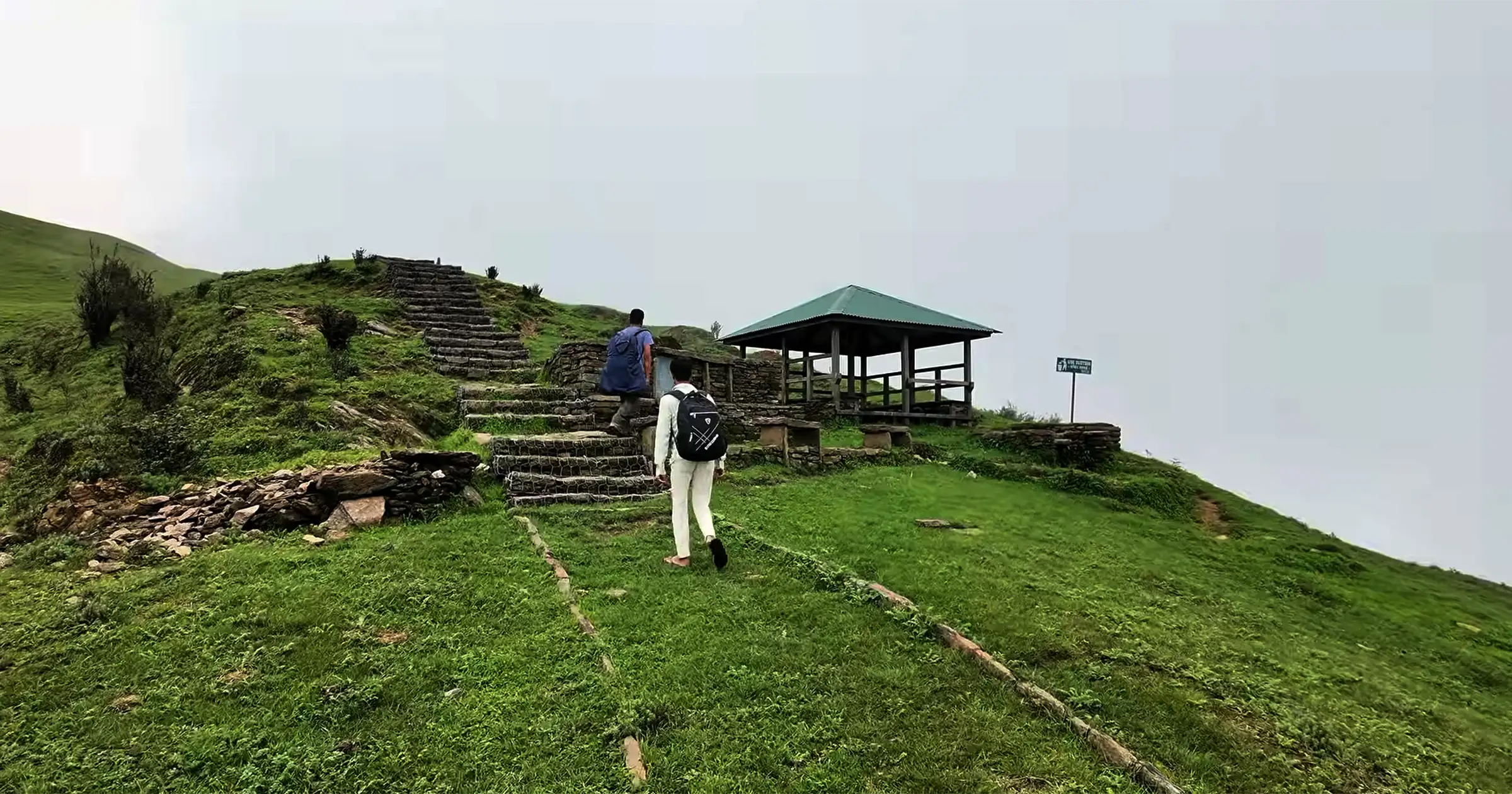
The trails of Mundhum trek make you traverse across the settlements where ethnic Kirati groups have been living since ages. You will be enjoying the untamed beauty of the hidden treks in Nepal and side by side you will stay in homestays and teahouses owned by indigenous Kirat groups.
Likewise, this Eastern Nepal trek blesses you with rare silence and stunning mountain views of Himalayas such as:
- Everest,
- Makalu,
- Kanchenjunga,
- Lhotse, and
- Cho Oyu from Silichung Peak.
Where is Mundhum Trail?
Mundhum trail is located in districts including Bhojpur, Khotang, Solukhumbu, and Sankhuwasabha of Eastern Nepal. It stretched over a distance of 80 km where sacred sites like Halesi Mahadev Cave, Salpa Pokhari, Temke Danda, forest and cave shrines are included inside the trail.
Halesi and Diktel Bazaar is the trailhead which makes you traverse forested sections, ridge walks, sacred sites and spiritual landmarks until you reach Silichung peak which is the summit of the hike.
Why Choose Mundhum Trail Trek in 2026/27?
The Mundhum trail trek in eastern Nepal is one of the hidden treks which blends mountain adventure with cultural immersion. It usually starts from Diktel Bazaar and follows the ancient route which is home to Kirat people.
The trail makes you traverse through ethnic Kirat villages, green valleys, dense forests, and diverse landscapes where you will be blessed by majestic views of 5 eight-thousanders, including Everest, Lhotse, Makalu, Cho Oyu, and Kanchenjunga.
Insight of the Mundhum Philosophy
Mundhum is central to the spiritual identity of many Kirati communities. It is traditionally transmitted orally, with knowledge preserved and shared through religious specialists, elders, stories, rituals, and community practices.
You will get to know how nature, ancestors, community responsibilities, and spiritual beliefs are intertwined with each other. Likewise, it allows you to learn how these beliefs influence the local understanding of the natural environment.
Here, sacred places are often treated with respect, and forests, hills, and water sources have cultural importance and walking from one village to another makes your journey more meaningful.
Unspoiled Beauty
Mundhum trek trailhead like Diktel or Bhojpur are situated in the eastern hill of Nepal which is yet to be touched by massive tourism. Each and every corner of this route offers an unspoiled insight of traditional lifestyle which has been maintained over generations.
Deeper Cultural Immersion
During Mundum trek, you will be staying in community based homestays and teahouses owned by local Rai and Limbu communities. Staying overnight in different places, you will get to encounter spiritual practice rooted in animism and ancestral worship in their day to day activities.
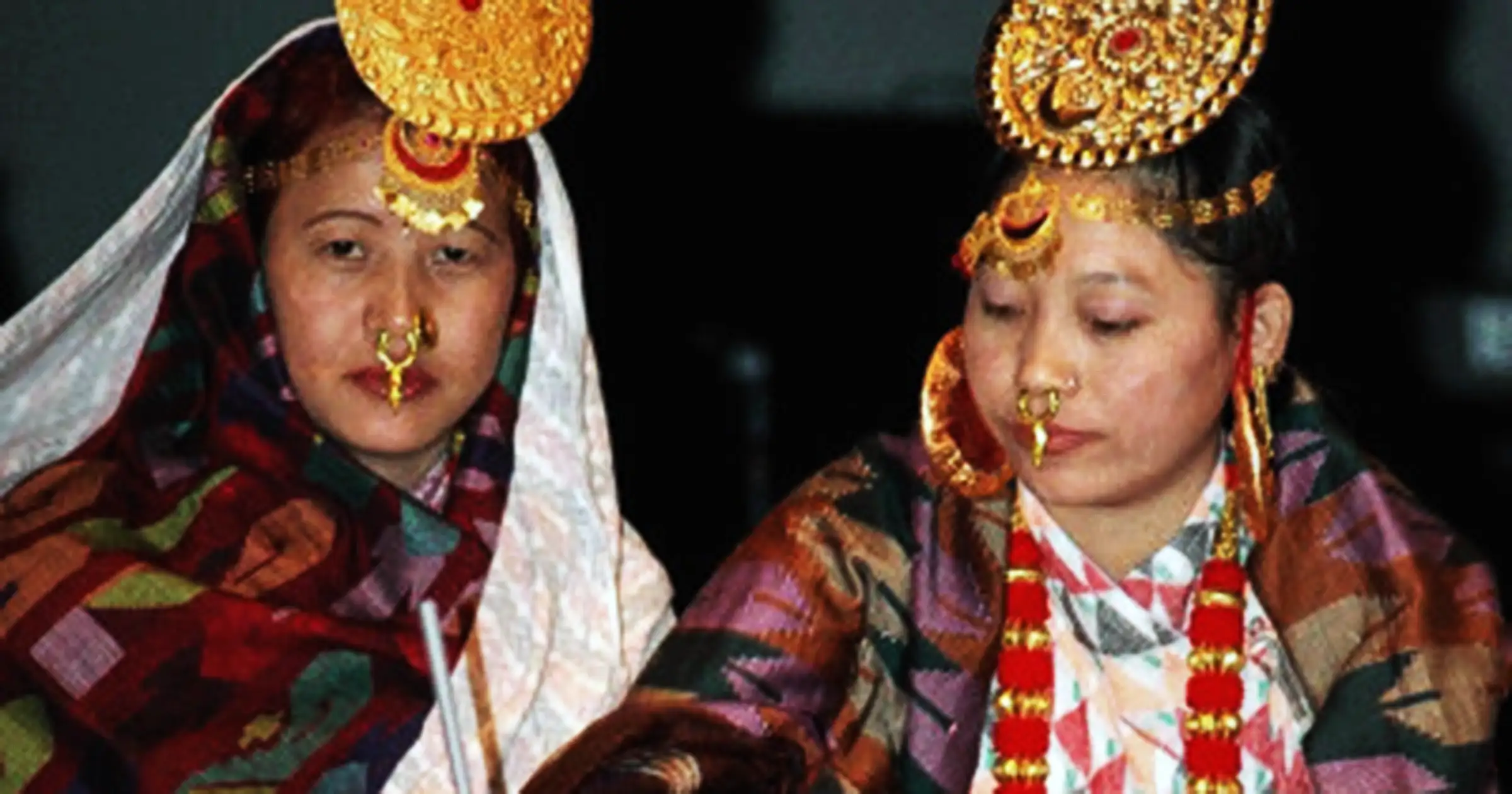
You can also participate in agricultural and animal husbandry practices by joining them in the field for harvesting or planning and participating in the milking process. If you plan your Mundhum culture Nepal trek in November, December, you will get to witness grand festivals and celebrations like:
- Udhauli Parva
- Chasok Tangnam,
- Dhan Naach (dance),etc.
Panoramic Mountain Views
When traversing inside the untouched and remote trails of Mundum trek, you will be rewarded with one of the best views of snow-capped mountain ranges like:
- Everest,
- Makalu,
- Kanchenjunga,
- Lhotse, and
- Cho Oyu
Silichuang peak located at an elevation of 4,200 m is the highest point of the Mundhum trail trek which offers one of the best sunrises and sunsets over the alpine landscape.
Rare Solitude and Silence
The dense rhododendron forests, lush hills, lakes, and alpine landscape is less visited and is best suited for those who want to escape crowded trails. You will barely see another group of trekkers bypassing you in the Mundhum trails.
This allows you a moment to reflect on your daily life, detox your mind and body from the chaos of modernization.
Sacred Sites and Spiritual Landmarks
There are different sites and landmarks in Mundhum Trek which holds religious and spiritual importance among local Kirat as well as Hindu and Buddhist people. Some of the popular ones are enlisted below:
Silichung Peak
Silichung peak stands at a height of 4,153 m above sea level. It is one of the major highlights of Mundhum trail, an indigenous culture trek Nepal and offer one of the panoramic views of Eastern Himalayas such as:
- Everest,
- Lhotse,
- Makalu,
- Cho Oyu, and
- Kanchenjunga, etc.
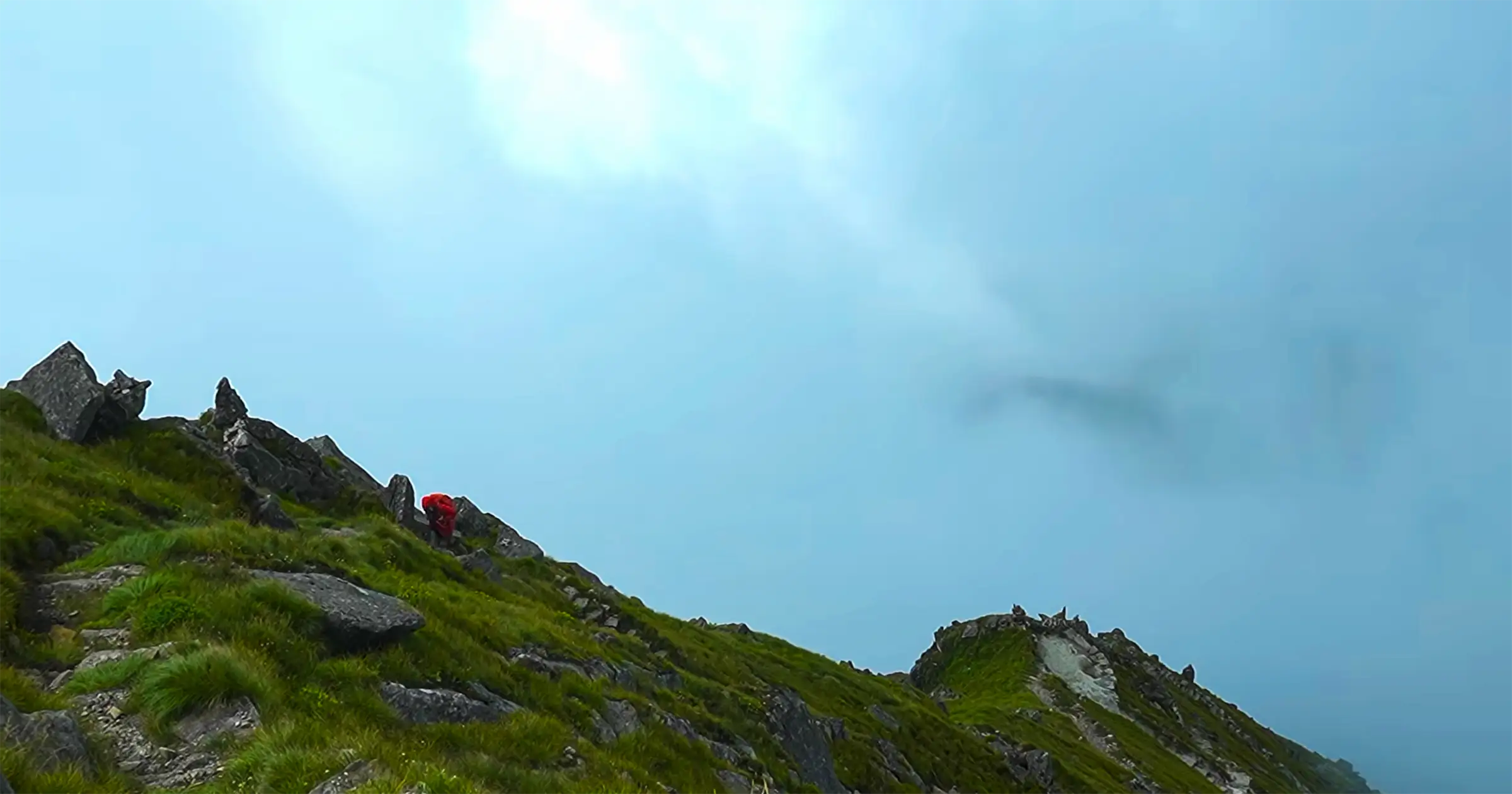
Silichung peak trek begins from Salpa Bhanjyang and within 5 to 6 hours, you will reach the highest and sacred sites in Kirat Mundhum tradition, Silchung peak. Reaching the peak is one of the most memorable mountain experiences and you will also get to witness changing colors of the mountains during sunrise and sunset hours.
Halesi Mahadev Cave
Halesi Mahadev Cave is located in Khotang and is revered by HIndus, Buddhist, and Kirati people. The cave is dedicated to Lord Shiva and features a wide range of rock formations.
It is believed that Gautam Buddha visited Halesi Mahadev cave for his penance. Every year thousands of pilgrims from all around Nepal pay a visit to Halesi to take a dip in the Dudhkoshi River in Jayaram Ghat.
When doing Mundhum trek, make sure you explore these holy sites and get a chance to witness festivals like Shivaratri and Balachaturdashi.
Salpa Pokhari
Salpa Pokhari, another spiritual landmark of the Kirat Rai culture trek, is equally important to Hindu communities. It is an alpine lake which lies at an elevation of 3,672 meters above sea level and the lake is believed to be the abode of holy goddess Sumina.
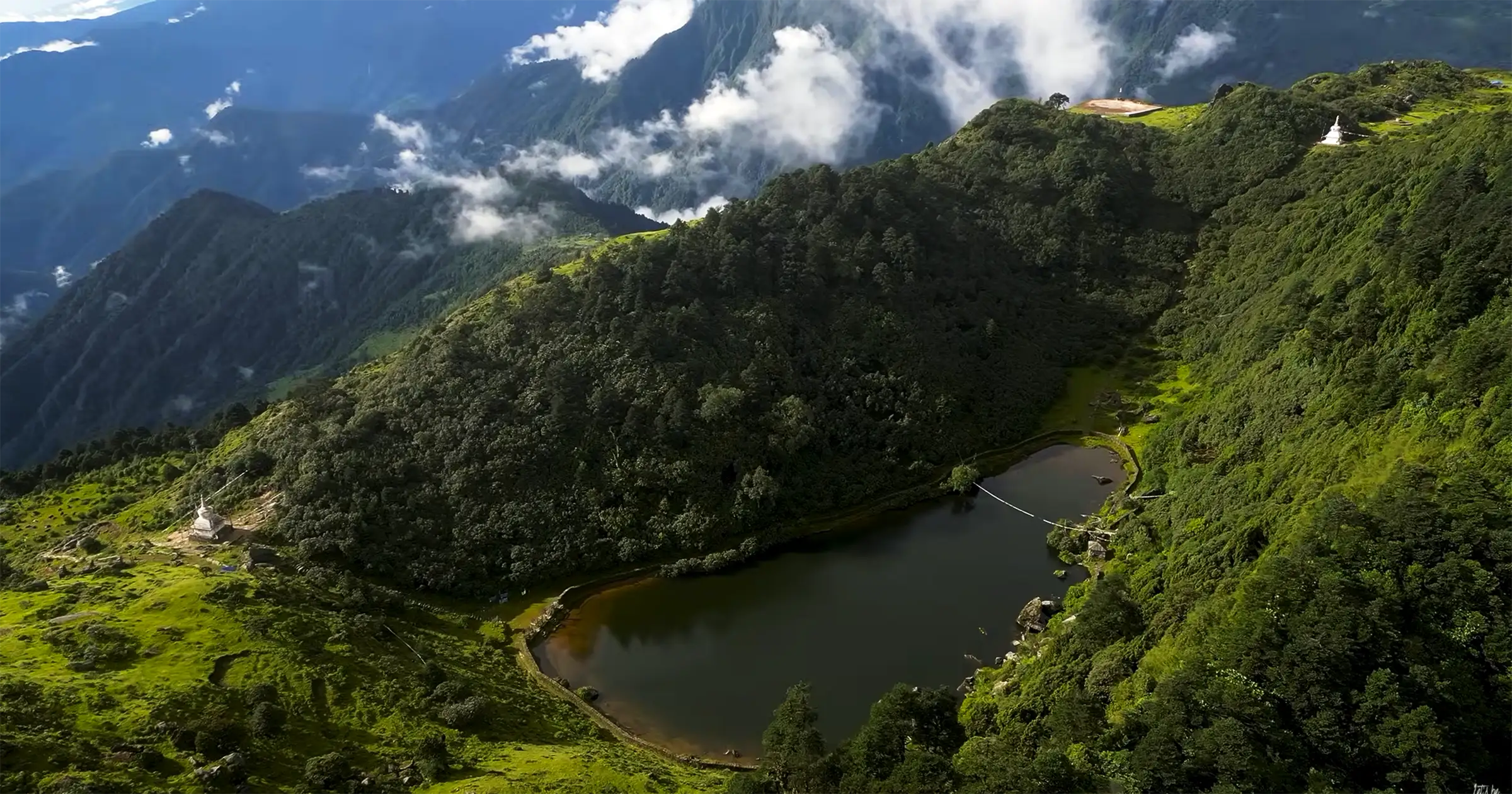
Every year, hundreds of local devotees visit a holy bath as it is believed to remove all life sins. The lake offers a rare sense of tranquility and is best for those who are in search of deeper reflection.
The clear water of Salpa Pokhari also offers a reflection of Silchung peak on a clear morning.
Maiyung Danda
Maiyung Danda is known for its open ridges, beautiful grasslands, and wide-ranging views of the surrounding hills.
The walking route around this area offers opportunities to experience the natural environment of eastern Nepal. During spring, blooming rhododendrons add color to the landscape, while autumn often brings clearer skies and distant mountain views.
Temke Danda
Temke Danda is situated at an elevation of 3010 m and it offers one of the best views of Everest, Makalu, Chamlang, and Numbur. It is less crowded than other popular viewpoints and is best for self reflection.
Patal Bhanjyang
It is another sacred site which is associated with local myth and legends of the Mundhum trail trek. The beautiful village of Patal Bhanjyang is inhabited by Limbu communities which allow you to witness spiritual, cultural, and peaceful atmosphere.
Mundhum Trek Guide: What to Expect
Trekking Route and Scenery
The route to Mundhum trek follows a series of rural settlements of Kirati people and mountain rides. The trail features different sacred sites mentioned above where one can witness daily ritual, ceremonies, and festivals.
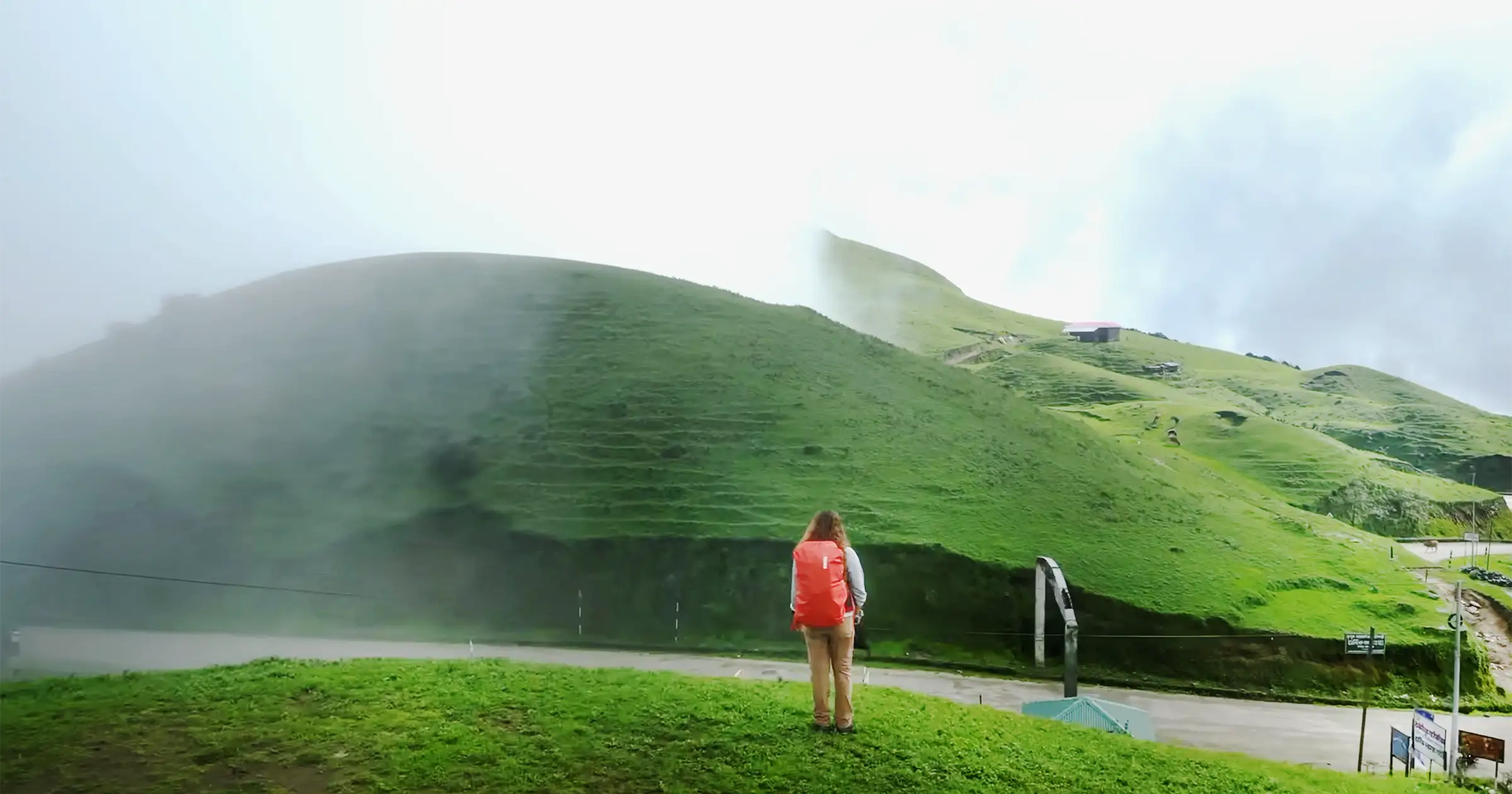
The typical journey to Mundhum trail begins in Diktel Bazaar, Khotang where you will bypasses mountain villages like:
- Chakhewa,
- Dhotre,
- Maiyung,
- Rawa Dhap,
- Salpa Bhanjyang,
- Silichung,
- Hakule,
- Hanspokhari, and
- Bhojpur.
The locals spend their daily lifestyle depending on animal husbandry and traditional agriculture. You will also get to witness how shepherds lead their lives by raising yak herding in wide meadows.
Most of your trek makes you walk in the ridges which give you one of the spectacular views of surrounding Himalayas above the rolling hills.
Mundhum Trek Itinerary
The Mundhum trekking can be completed within 9 to 14 days. Depending upon the traveler’s travel style, budget, and physical fitness, Mundhum Trek Itinerary can be customized.
Here is a suggested Mundhum Trek Itinerary for 14 days:
- Day 01: Arrival in Kathmandu
- Day 02: Sightseeing in Kathmandu
- Day 03: Drive from Kathmandu to Diktel Bazaar (1,530 m)
- Day 04: Diktel Bazaar to Chakhewa Village (2,300 m)
- Day 05:Trek from Chakhewa Village to Dhotre(2,752 m)
- Day 06:Trek to Maiyung (3,122 m)
- Day 07: Maiyung to Rawadhap (3426 m)
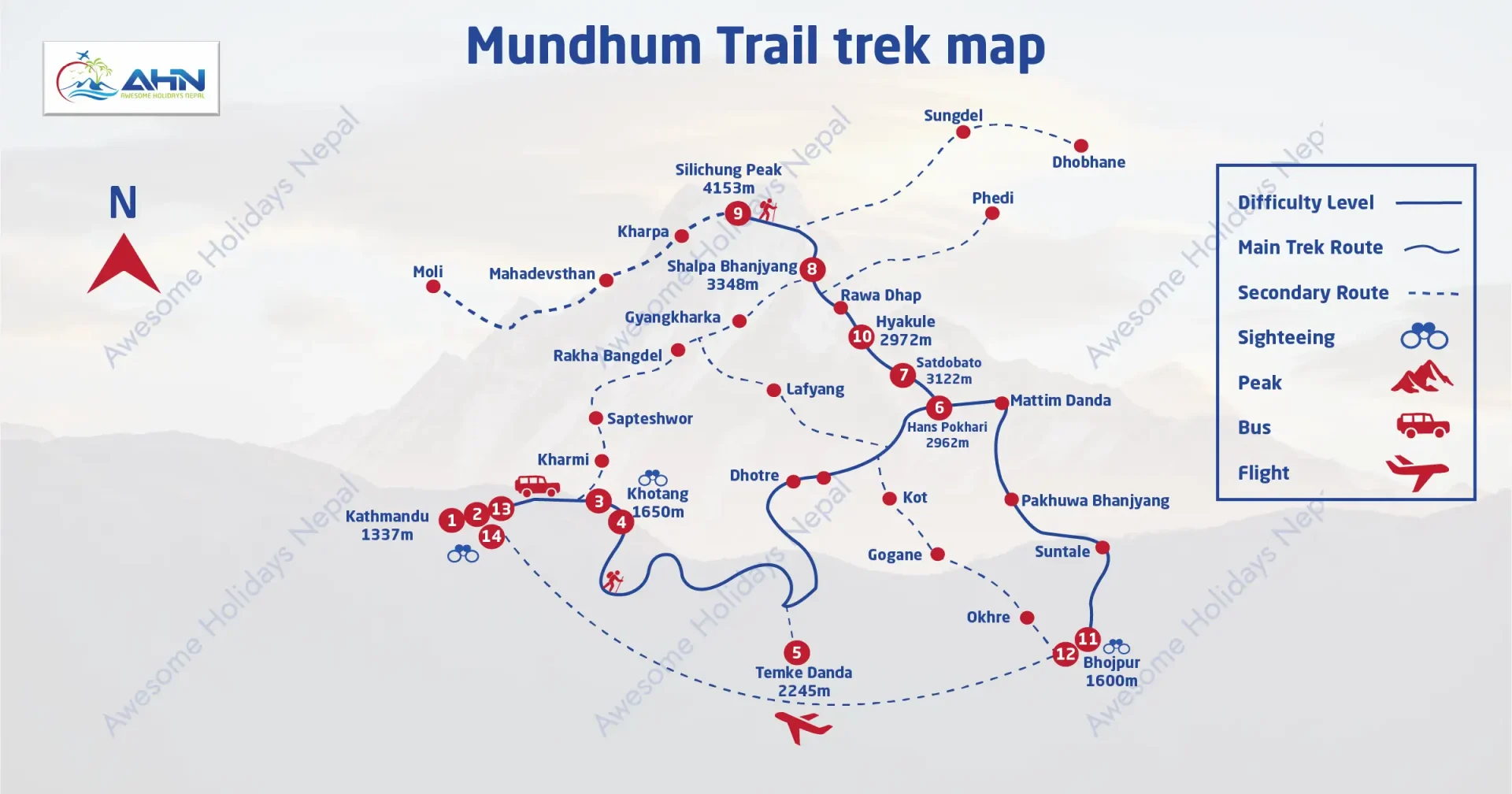
- Day 08: Trek to Salpa Bhanjyang (3,348 m)
- Day 09: Silchung peak exploration day (4,153 m)
- Day 10: Trek to Hyakule (2,972 m)
- Day 11: Trek to Hanspokhari( 2,962 m) from Hyakule
- Day 12:Trek from Haanspokari to Bhojpur (1,600 m)
- Day 13: Drive or Flight back to Kathmandu(1,440 m)
- Day 14: Final departure
Suggested Mundhum Trek Itinerary for 9 days:
- Day 01: Arrive in Kathmandu, Nepal
- Day 02: Flight to Biratnagar and then drive to Bhojpur
- Day 03: Scenic drive to Baghkhor and trek to Ekrate(2800 m)
- Day 04: Trek to Maiyung Phedi
- Day 05: Trek from Maiyung Phedi to Dotre
- Day 06: Trek to Chakhewa Bhanjyang
- Day 07: Drive to Hile/Dhankuta via Bhojpur
- Day 08: Drive or fly back to Kathmandu
- Day 09: Final Departure
Difficulty Level
The Mundhum Trek has a moderate level of difficulty. You need to spend 5 to 7 hours walking for multiple days in the remote terrain of Eastern Nepal.
The trail involves steep climbs, uneven paths, exposed ridges, and high-altitude walking up to 4135 m at Silichung peak. Some days, you will be walking continuously without having to pass any settlements and need to spend overnight via camping also.
This demands a strong mental as well as physical fitness and hiring a licensed guide helps you traverse safely in poorly marked terrain. If this is your first trek, you should prepare yourself by:
- Walking or hiking regularly 3 to 6 months before the actual trek
- Practicing uphill and downhill walks
- Building cardiovascular fitness through cycling, jogging, or swimming
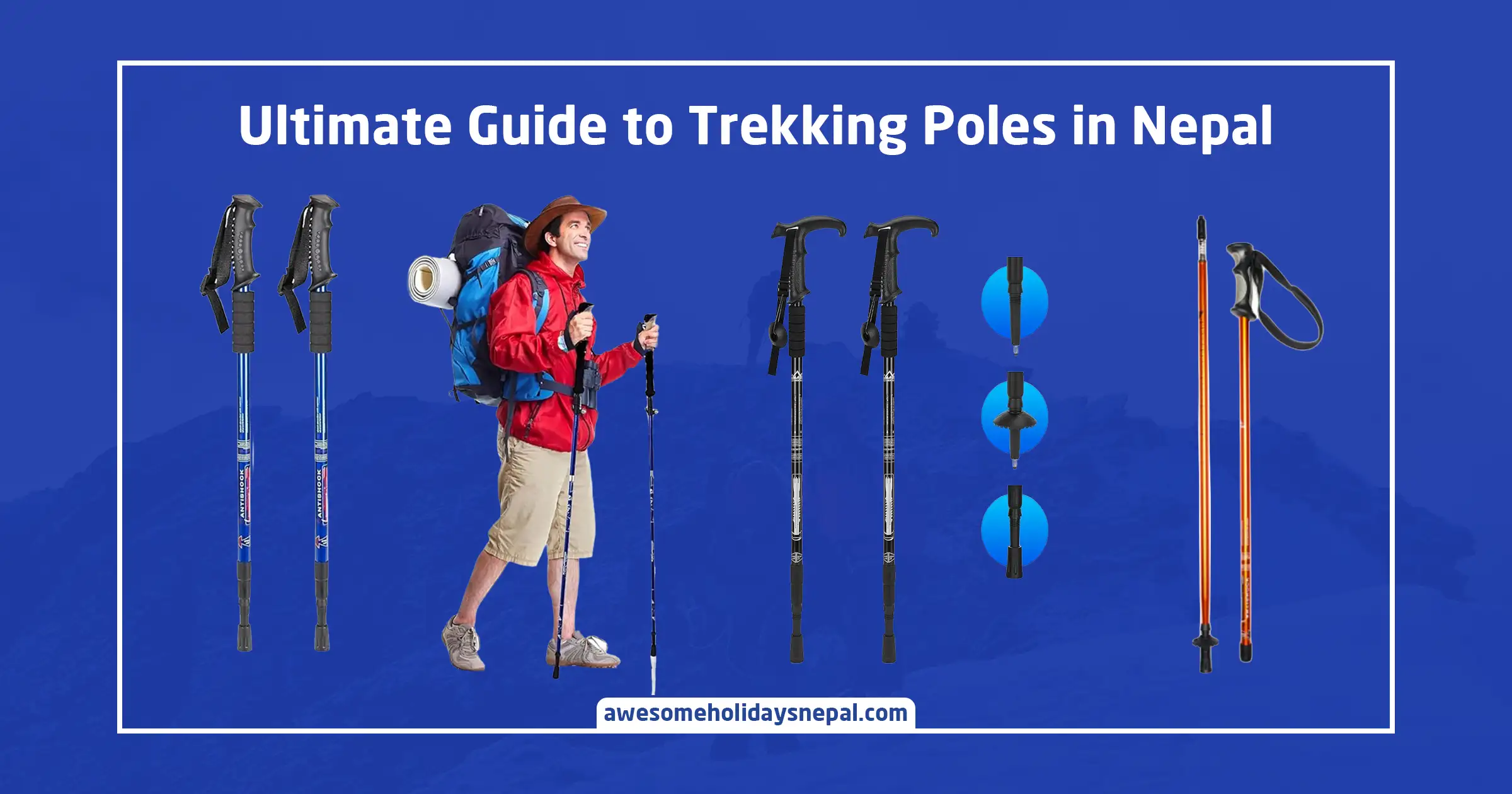
- Using trekking poles on steep and uneven sections
- Allowing sufficient time for acclimatization
- Carrying appropriate warm clothing and rain protection
The trails take you above the zone where altitude sickness is quite common, so you need to focus on acclimatization, taking small breaks and fueling up with balanced diet meals.
Accommodation
The accommodation in Mundhum trails are mostly homestays like local teahouses, community lodges and guesthouses run by local Kirat families once you head from Diktel. They offer authentic hospitality though rooms may be basic, usually twin-sharing with limited facilities in villages like Chakewa, Dhotre, Maiyung, and so on.
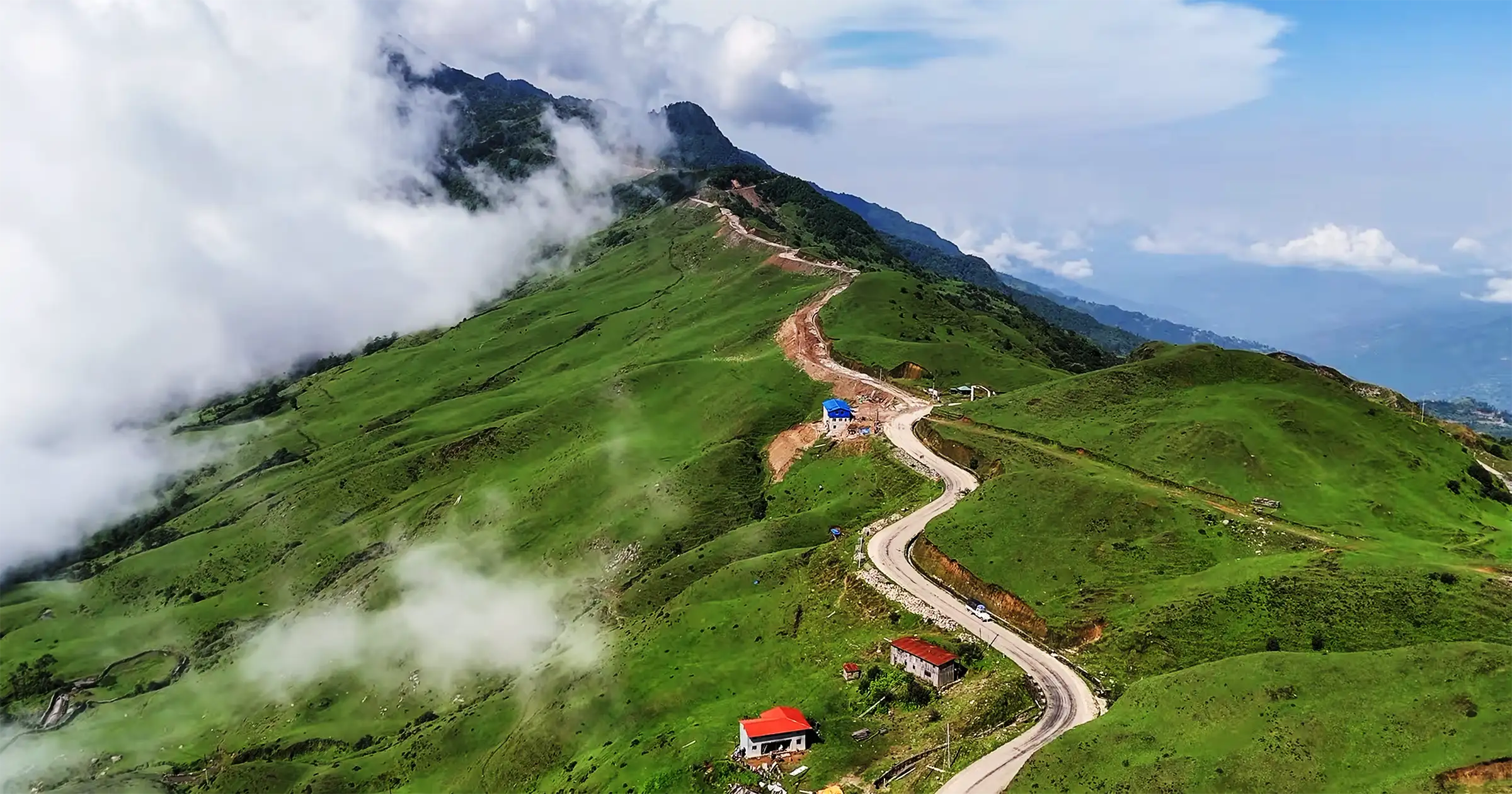
There will be simple bedding and you have to share a bathroom, sometimes which can be in the teahouse’s courtyard. Homestays offers limited services for charging as rural mountain villages Ekrate, Maiyung Phedi, and Rawadhap are out of electricity.
Bring your own power bank and charge your mobile and camera gear along with reliable headlamp. Mobile network is barely available except Bhojpur and Diktel, so inform your loved ones back home about this situation and focus on enjoying the offline aspect of trek.
If you choose a camping-based itinerary, you will be staying in a high quality tented camp in alpine meadow of the Mundhum trails. All of the food and tenting material will be arranged by trained crew members.
Foods and Drinking Water
Trekkers will be served with a fresh, nutritious, and high-energy balanced diet throughout the trek. Most of the time, you will be eating in the locally owned homestay whereas sometimes you will get to enjoy food prepared from a fully equipped kitchen tent.
There will be no luxury items on the menu, every meal listed on the food menu is prepared from locally produced grains and organic vegetables. For breakfast, you will get to eat porridge or cereal, toast or chapatis, eggs, and drinks such as tea or coffee while lunch and the menu are of similar types.
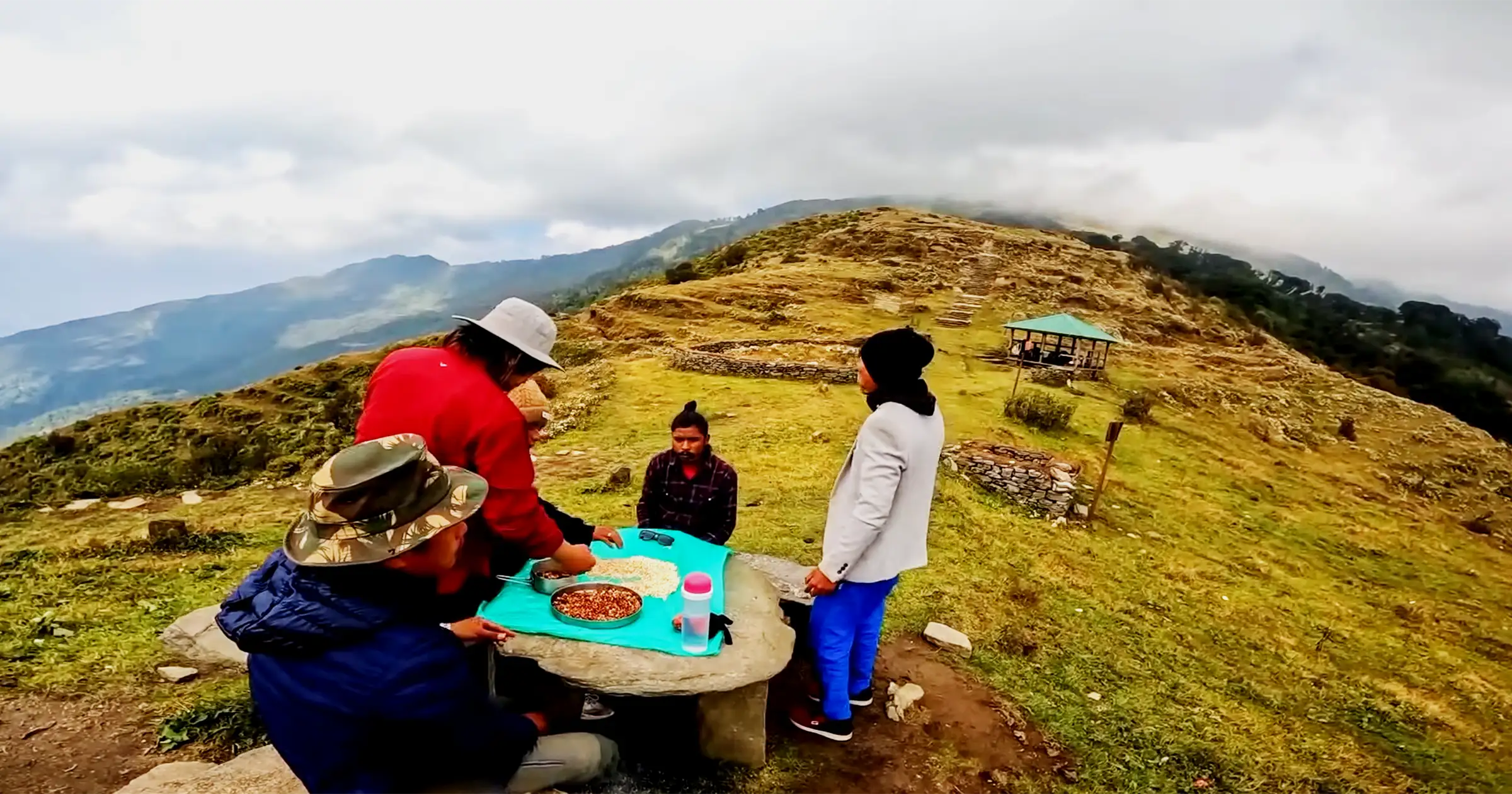
You will be served traditional staple dish Dalbhat served with vegetable curries and seasonal pickles. We suggest our trekkers stick in Dalbhat for lunch and for dinner you can switch to some light items like vegetable soup, noodles, chapati, etc.
For drinking water, we suggest you bring a reusable water bottle and refill it with boiled or filtered water in teahouses and homestays. You will encounter multiple sources of water on the way, we suggest you bring a water purification tablet to make the water drinkable.
Required Permit
For Mundhum trail trek, foreigners need a local Khotang and Bhojpur trekking permit along with a TIMS card. Both of them cost NPR 2,000 per person.
The permit is managed by our team leader and you can save yourself from visiting offices in Kathmandu.
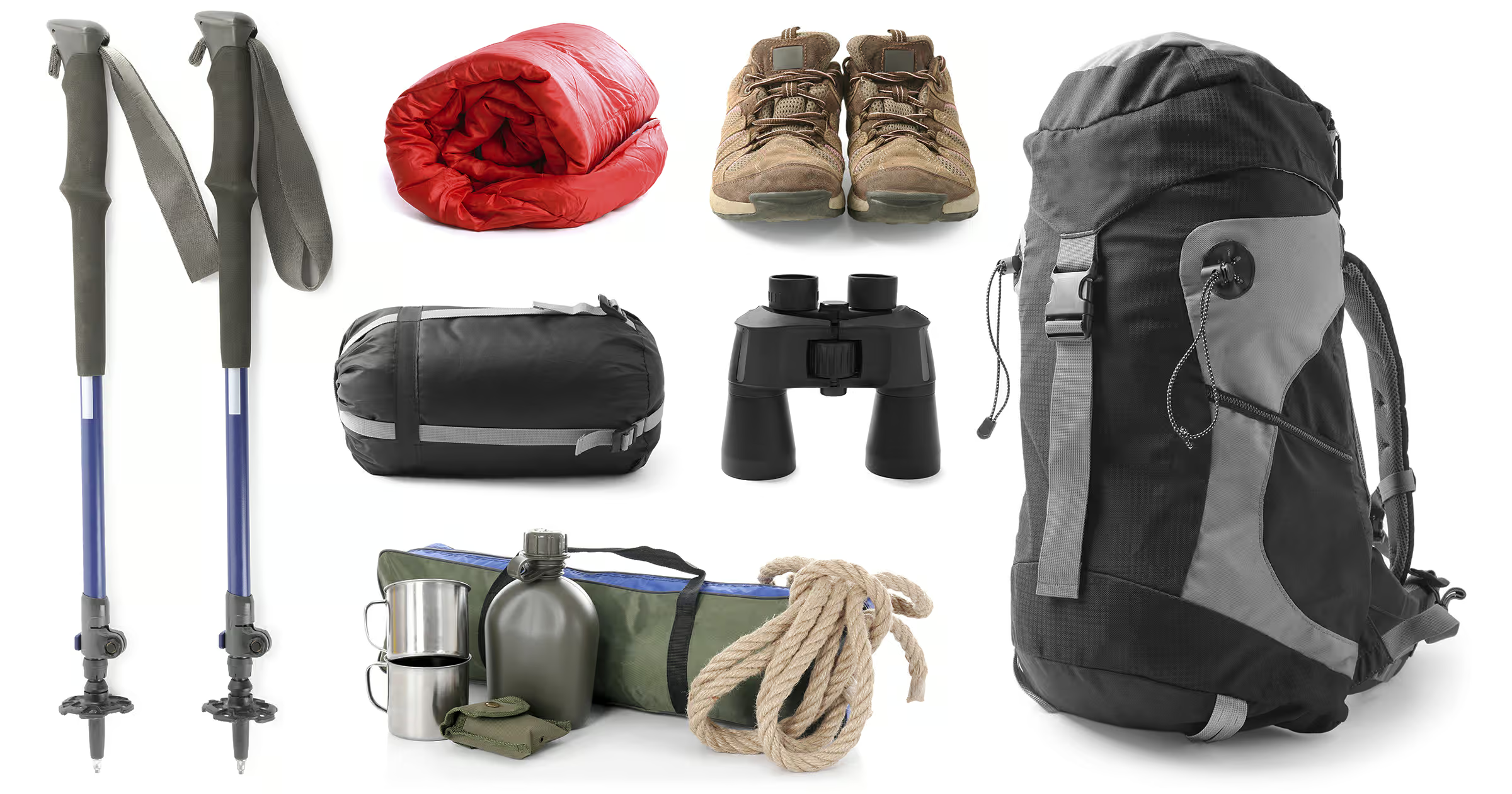
Essential Packing List
Reaching the remote village of Mundhum trails demands a proper packing list, so that you can enjoy every aspect of the eastern Nepal’s trekking trails.
Footwear
- Comfortable well-broken in trekking boots,
- Warm socks,
- Camp footwear
Clothing
- Thermal layers,
- Trekking trousers,
- Fleece, down jacket,
- Waterproof jacket and pants
- Full sleeve shirts and fleece pants
Handwear
- Fleece glove
- Liner gloves
- and warm mittens
Head and Neck Wear
- Wool or fleece hat
- Sun hat
- Bandana
- Balaclava
- Scarf
- sunglasses
Other Items
- Backpack,
- Headlamp,
- Power bank,
- Reusable water bottle
- Headlamp
- snacks like energy bars, chocolate, fry nuts etc.
- Water purification tablets like Aqua Tab, Chlorine dioxide etc.
- personal first aid kit
- Insurance details and passport etc.
Responsible Travel Tips: Respecting Kirat Rai Culture
Mundhum trail makes you explore the indigenous Rai and Limbu communities and trekkers should be responsible towards both culture as well as nature of the eastern Himalayas by following ways:
- Always ask permission before photographing locals and their ceremonies
- Respect sacred sites and do not litter haphazardly
- Avoid touching or disturbing religious objects
- Purchase locally made products
Planning A Mundhum Trail Trek in 2027?
Or Call/Message on WhatsApp +977 98434 13619
- Support community homestays and local businesses by eating and sleeping a same place
- Avoid plastic waste and carry your rubbish until you find appropriate disposal facilities
- Learn a few basic local greetings and show appreciation for hospitality.
Conclusion
Mundum trail trek combines high-altitude Himalayan ridge walking, indigenous Kirat Rai and Limbu culture, sacred sites, and diverse mountain ecosystems across eastern Nepal. It offers trekkers a deeper insight of ancient Kirat tradition of Mundhum, how locals are living a simple and traditional lifestyle without any means of modern infrastructure.
The trek is moderate and one can complete it with basic physical fitness, mental readiness, and proper guidance. It doesn’t require mandatory guide hiring rule but hiring a local one ensure safety in remote trails of Mundhum trek and first hand information of the region.
Mundhum trail trek takes you to an elevation above 4,000 m where you are risked to altitude sickness, so one should focus on taking small breaks, munching snacks for instant energy, drinking at least 3 to 4 liters of water daily along with eating a proper balanced diet meals and sleeping properly. If you are planning a trek to Mundhum trail which is promoted as Tapobhumi, then remember Awesome Holidays Nepal for customized trip planning in 2026/2027.
FAQs
Expand AllWhat is the Mundhum Trail Trek?
Mundhum Trail Trek is a unique off-the beaten path trekking experience which gives insight of social, spiritual, and ethical life Kirat community.
Where is the Mundhum Trail located in Nepal?
The Mundhum Trail is located in Koshi Province of eastern Nepal. It consist of four districts like Khotang, Bhojpur, Solukhumbu, and Sankhuwasabha.
How long is the Mundhum Trail Trek ?
Mundhum Trail Trek can be completed within 9 to 14 days.
What is the maximum altitude of Mundhum Trail?
Silichung peak which stands at a height of 4,153 m above sea level is the maximum altitude of Mundhum Trail.
How difficult is the Mundhum Trail Trek?
The Mundhum Trail is rated as moderate trek in terms of difficulty.
Is the Mundhum Trek suitable for beginners?
Beginner with good physical fitness and basic hiking preparation is perfect for Mundhum Trek.
What is the best time / season for Mundhum Trail Trek?
The pleasant weather, clear mountain views, and beautiful rhododendron blooms makes Spring (March to May) and autumn (September to November) best time for Mundum Trek.
What is the cost of Mundhum Trail Trek package price?
A full guided Mundum Trail Trek costs ranges from USD $1,100 to $1,700+ per person for a standard 10 to 14 day.
What permits are required for Mundhum Trail Trek?
TIMS permit is required for Mundhum Trail Trek.
Do I need a guide for the Mundhum Trail?
Yes. Hiring a guide is highly recommended for the Mundhum Trail.
What is Mundhum / Mundhum scripture / Kirat Mundhum?
The sacred oral scripture and traditional knowledge system of the Kirat people which preserve the history, mythology, beliefs, rituals, ancestral stories, and cultural practices is called Mundhum scripture / Kirat Mundhum.
What is Kirat Rai culture / Rai Limbu villages on Mundhum Trail?
Kirat Rai culture or Rai Limbu villages on Mundum Trail are indigenous group who have been living since centuries. Staying in locally run teahouses and accommodation and exploring the trail give you insight of traditional villages, local hospitality, ancestral rituals, traditional food, music, dances, and community lifestyles.
What mountains can you see from Silichung Peak / Mundhum Trail views?
Mount Everest, Lhotse, Makalu, Kanchenjunga, are some of the mountains which can be seen from Silichung Peak.
What is Salpa Pokhari / Salpa Lake significance?
Salpa Pokhari is a natural lake located in Dobhane village, Bhojpur District, Nepal. It is also known as Salpa Pond is deeply associated with Kirat religious beliefs. Every year it attracts pilgrims and visitors during important full-moon festivals.
Rhododendron season on Mundhum Trail / Tinjure Milke Jaljale.
The best Rhododendron viewing season along the Mundhum Trail and surrounding Tinjure-Milke-Jaljale region is March to May. The season brings colorful blooms of Rhododendron while making hillsides and forests alive.
Is Mundhum Trail a restricted area?
No. Mundhum Trail is not a restricted area.
Which Festivals can you participate during Mundhum Trail?
You can participate in festivals like Sakela Ubhauli and Udhauli, Salpa Pokhari full moons in Mundhum Trail.
Can you do Mundhum Trail independently or solo?
Yes. You can trek the Mundum Trail independently or solo.
Biodiversity / flora fauna on Mundhum Trail.
The Mundum Trail features diverse ecosystems with rhododendron forests, medicinal plants, alpine vegetation. It is home to wildlife species such as red pandas, Himalayan tahrs, musk deer, and numerous bird species.
Distance of Mundhum Trail (km) and total ascent.
The average distance of Mundhum Trail is 80 km. You will ascent a maximum height of 4,153 m at Silichung peak.
Related blog posts
Discover a choice of tourist destinations loved by most of our visitors. Whether you're on a jungle safari to spot rare animals or walking through a world heritage site, these well-planned itineraries cover the major highlights of Nepal.
 call an expert at: