
Pisang Peak vs Chulu Far East: Cost, Difficulty and Permits Compared (2027)
 Sristi Adhikari
Among the many peak climbing destinations of Annapurna region, Pisang Peak vs Chulu Far East is a debate: which is to do first? Honestly speaking, which peak to climb first is a very tough question to answer, as it depends on your caliber, fitness, and, obviously, the season’s favorability.
Both are spectacular Himalayan climbing destinations offering breathtaking mountain views, thrilling high-altitude experiences, and unforgettable adventures. However, choosing the right peak can make a big difference to your climbing experience.
While Pisang Peak is known for its stunning pyramid-shaped summit and relatively straightforward climbing route, Chulu Far East offers a more remote and challenging Himalayan adventure. Whether you are a first-time Himalayan climber or an experienced trekker seeking a greater challenge, continue reading our guide for more details on Pisang Peak and Chulu Far East so that you can decide which Annapurna peak climbing adventure is right for you in 2027.
Overview of Pisang Peak
Pisang peak is located in the middle of Annapurna I and Manaslu. With an altitude of 6,091 meters, Pisang peak rises over Pisang village of Manang district inside Annapurna region.
The snow-capped Pisang peak is pyramid in shape and features steeper snow and ice sections which in a clear days offer one of the best views of:
- Annapurna II,
- Annapurna III,
- Annapurna IV,
- Gangapurna,
- Tilicho Peak, etc.
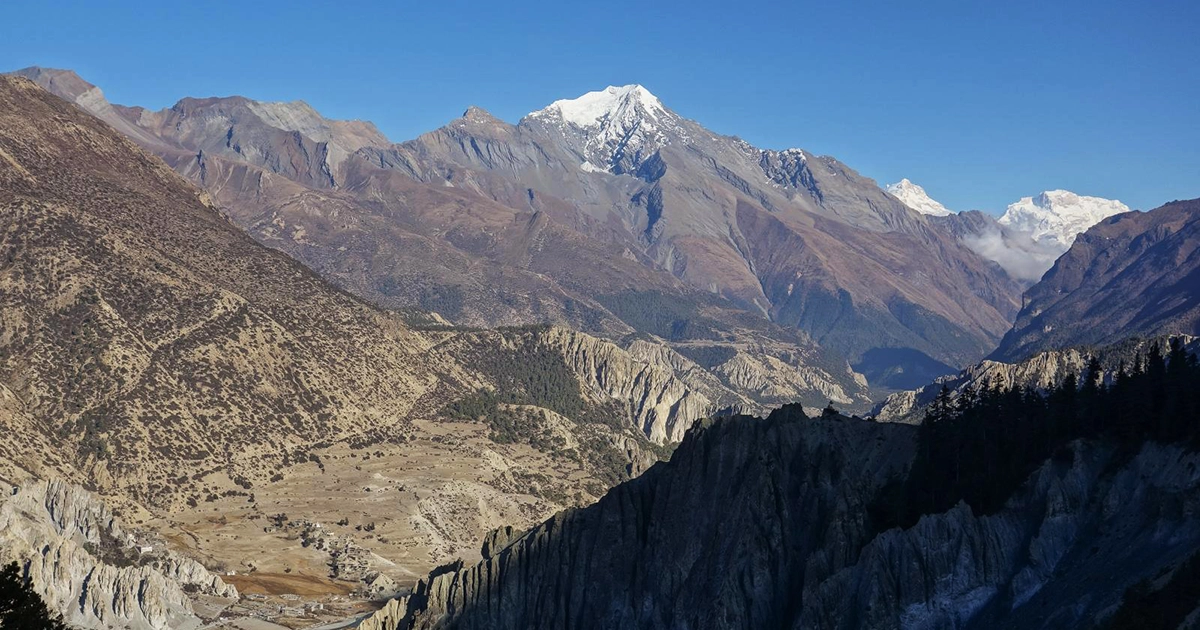
You will be walking along trails of classic Annapurna circuit until you reach Upper Pisang and then you will head towards Pisang base camp followed by the impressive summit panorama.
This popular peak is a non-expedition peak which rises opposite of the Annapurna II (7,937). It was first climbed by German expeditors in 1955.
Since then, every year, multiple number of trekkers with climbing skills choose to combine it with classic Annapurna Circuit trek.
Overview of Chulu Far East
Chulu Far East is a classic and rewarding trekking peak among three summits in the Chulu ranges (Chulu East, Chulu West, and Chulu Far East). It offers a rare sense of remoteness and a quiet climbing experience.
It lies in the north of Annapurna massif and the peak has a height of 6,059 meters. Chulu Far East peak location right above the Manang valley offer breathtaking views of:
- Annapurna II, III, and IV,
- Gangapurna,
- Glacier Dome,
- Tilicho Peak, and
- Manaslu.
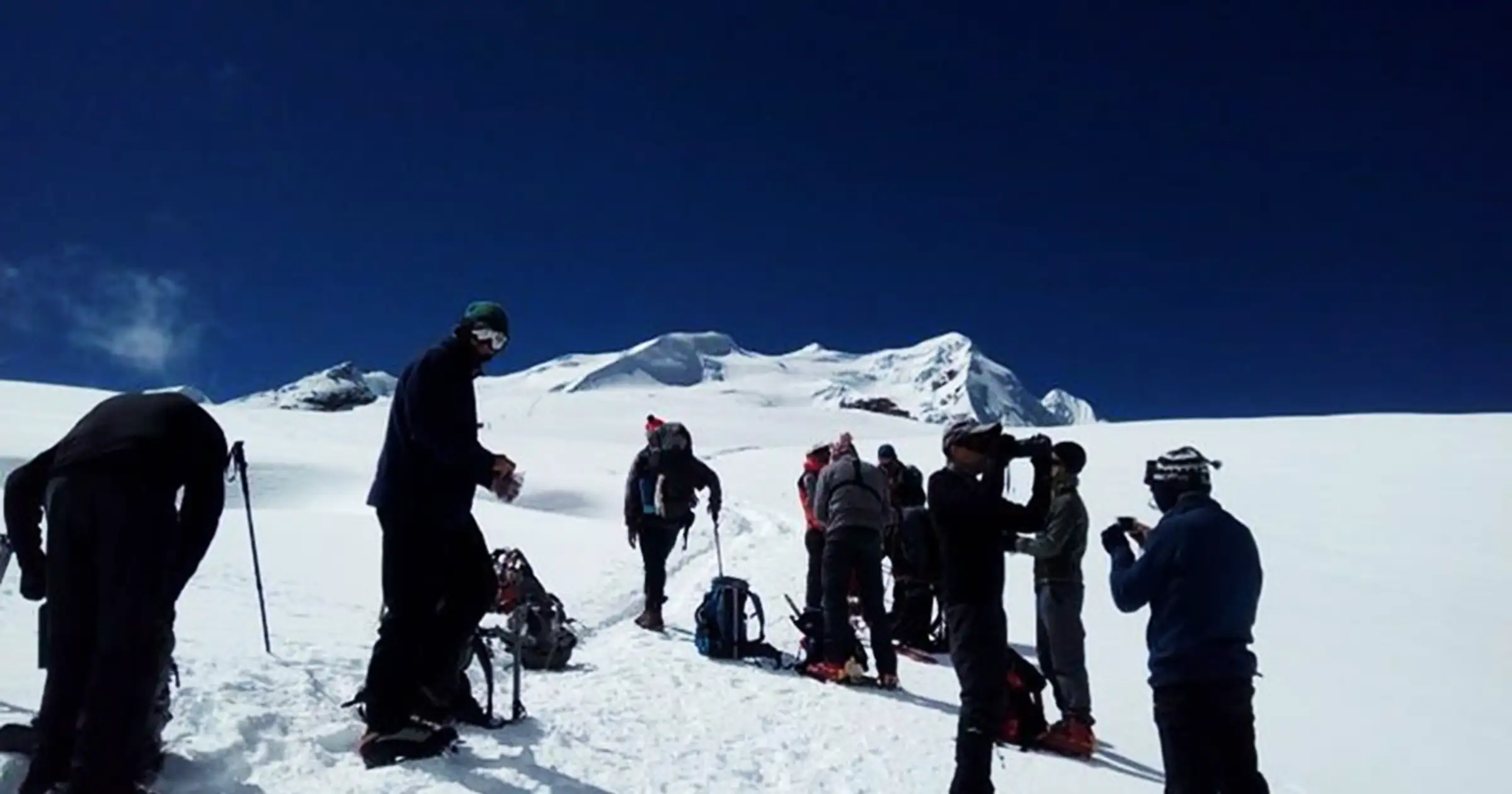
Chulu Far East is classified as a less technical peak by Nepal Mountaineering Association(NMA). It requires careful planning to overcome the negotiating sections of rocky and icy ridges (Kharpas) with basic mountaineering skills.
Quick Comparison of Pisang Peak Climbing vs Chulu Far East Peak Climbing
| Comparison | Pisang Peak | Chulu Far East |
| Elevation | 6,091 m | 6,059 m |
| Location | Above Pisang village, Manang | Chulu mountain group, Manang |
| Climbing style | Snow, ice and mixed alpine terrain | Alpine snow and glacier climbing approach |
| Difficulty | Moderate technical climb | Moderate or strenuous |
| Base camp | Around 4,380 to 4,573 m | Around 4,500 m |
| High camp | Around 5,00 to 5,400 m | Route-dependent |
| Crowds | More popular and crowded | Fewer climbing groups |
| Experience | Popular trekking peak | Quieter alpine climbing experience |
| Best suited for | Fit trekkers developing climbing experience | Trekkers with basic mountaineering preparation |
Pisang Peak vs Chulu Far East
Difficulty
When comparing Pisang Peak vs Chulu Far East, one factor you should definitely consider is difficulty level.
Pisang Peak Difficulty
Pisang peak is one of the easier trekking peaks in Nepal. It stands at a height of 6,091 m which makes it a serious high-altitude climbing expedition.
Your peak climbing day begins when you climb from lower Pisang village which makes you traverse on the steep hill before you reach the base camp of Pisang Peak (4400m). Then, you will be welcomed by alpine pastures until you reach High camp situated at an altitude of 5100 m.
Then, the summit day begins which is mostly filled with snow and is quite long and may last 8 to 12 hours. The climb is not simply a matter of walking uphill.
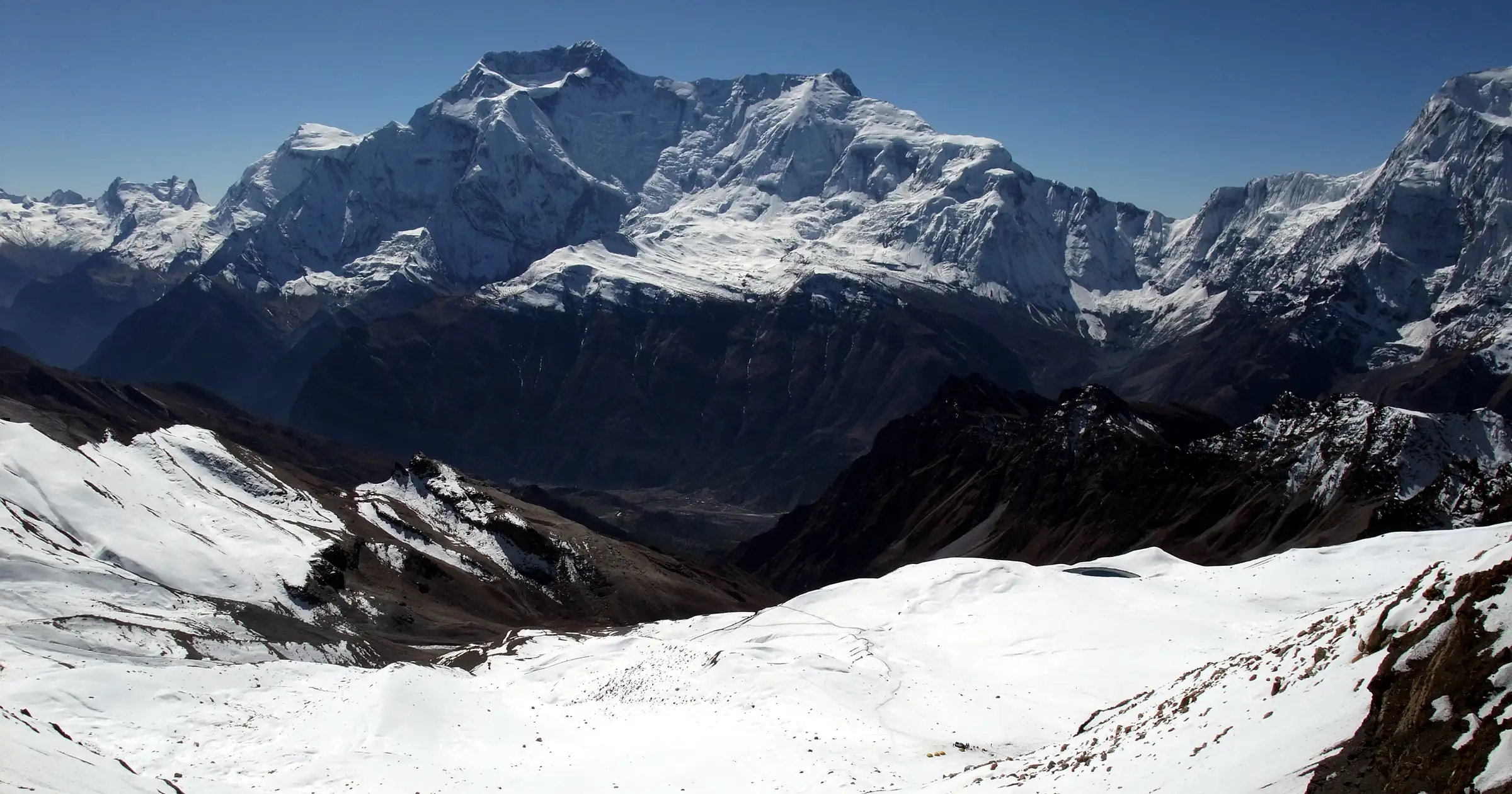
Spending several hours at high altitude, carrying climbing equipment, and maintaining energy throughout the summit push can make the experience challenging. This makes it quite physically demanding so one must have:
- enough physical fitness
- mental fitness
- proper acclimatization.
With basic mountaineering skills and support of expert guidance on how to use crampons, ice axes, fixed ropes, and harnesses one can endure:
- icy slopes,
- cold temperature,
- steep snow,
- and fluctuating weather conditions of Pisang Peak.
Chulu Far East Difficulty
Chulu far east difficulty is rated as a more technical climb as it is filled with:
- steep icy sections,
- icy slopes,
- snowfields,
- steep scree,
- glacial bumps.
The peak demands a high level of technical skills near the summit as you will be exploring the demanding high altitude terrain. Chulu far east peak stands at a height of 6,059 m which is lower than Pisang peak but one should not assume that it is necessarily easier.
Your climbing is full of risk of crevasses and serac fall, so you should prepare your mind and body accordingly. Additionally, having a knowledge of how to use following things helps you have one of the best experience:
- crampons,
- descender,
- snowbar,
- ascender,
- harness,
- ice axes,
- and ropes.
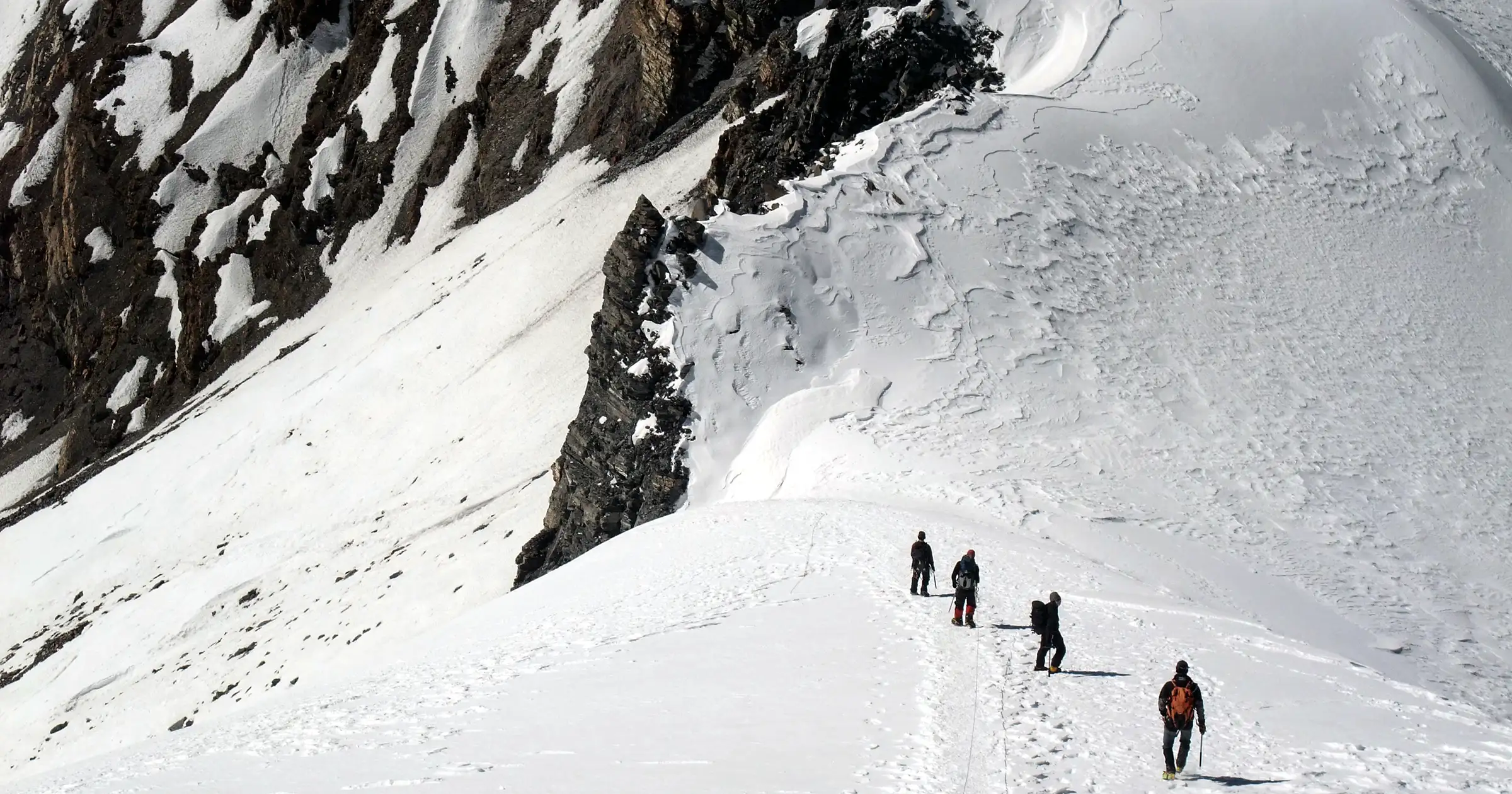
During the summit day, you have to face freezing temperatures, strong wind, and thin air with reduced oxygen levels which potentially leads to altitude sickness. Chulu Far East is a good option for adventurers who want to develop their alpine climbing abilities while exploring a quieter part of the Annapurna region.
Route and Scenery
The pisang peak climbing makes you traverse across the Annapurna circuit route which begins from Besisahar, Dharapani, Chame, and Pisang before reaching the climbing area. During the trekking days, you will be blessed by the beautiful views of:
- traditional mountain villages,
- suspension bridges, and
- Annapurna ranges.
Once you reach at the peak of Pisang, you will get the impressive and close up views of snow capped mountain such as:
- Annapurna II,
- Annapurna III,
- Annapurna IV,
- Gangapurna,
- Mt. Manasalu range,
- Chulu peaks,
- Tilicho Peak,
- and beautiful Manang valley.
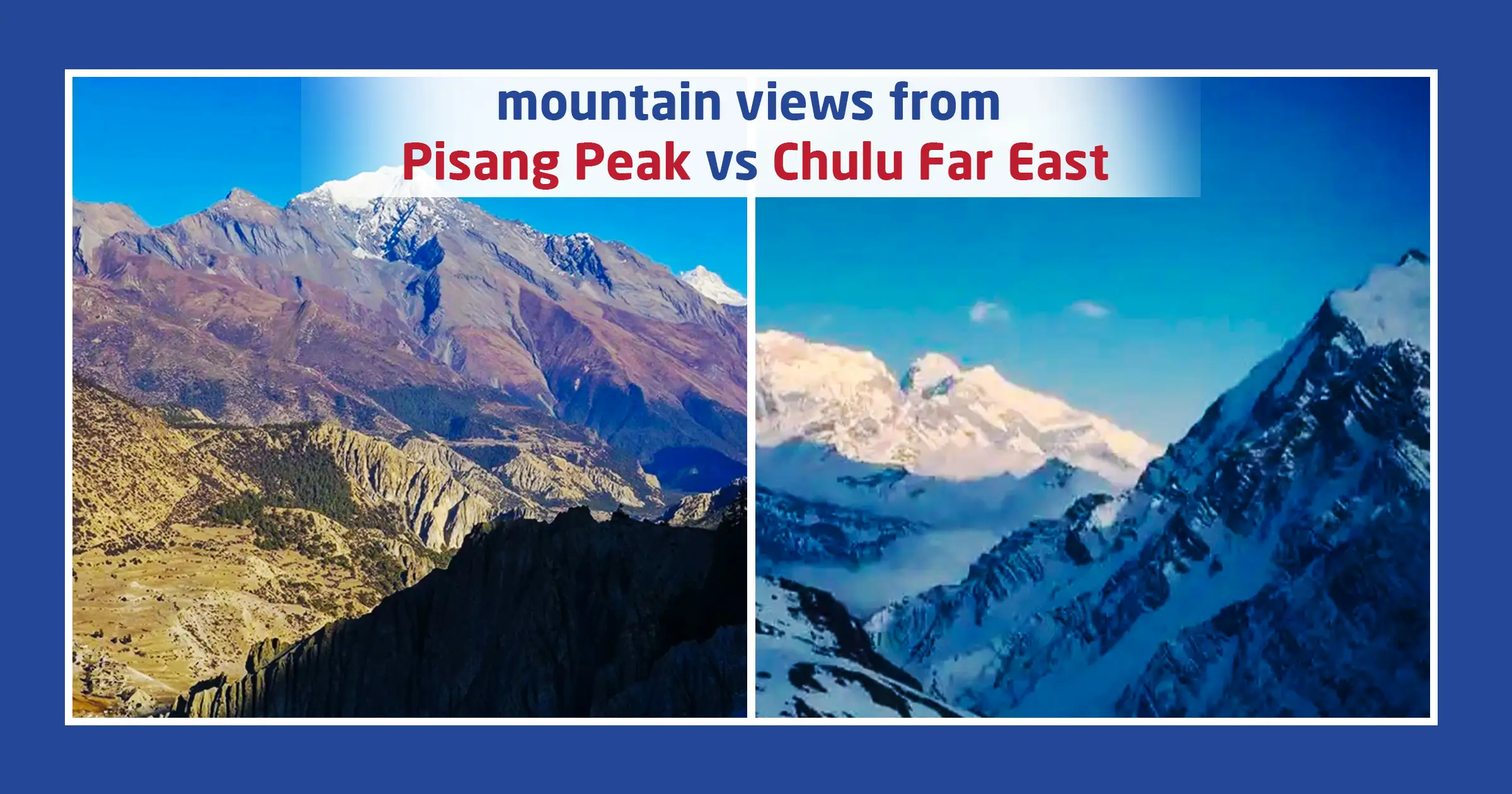
In contrast, the Chulu far east peak climbing route is more remote and challenging. It splits off from the Manang valley of Annapurna circuit trails and heads towards Chulu far east base camp which lies at an elevation of 4900 meters. It offers you a beautiful scenery of :
- alpine meadows,
- rocky mountain slopes,
- glaciers, and
- impressive views of the Annapurna ranges.
When you reach the peak of Chulu Far East, you will be blessed with the mesmerizing views of:
- Annapurna II, III, IV,
- Gangapurna,
- Tilicho Peak,
- Manaslu, and
- Dhaulagiri.
It makes you a part of a quieter alpine atmosphere and allows you to have a greater sense of being away from the busier trekking trail of the Annapurna region.
Altitude
Pisang Peak takes you to an elevation of 6,091 meters which is 32 meters higher than the Chulu far east peak. Whereas Chulu far east peak is more isolated and takes you to an elevation of 6,059 meters.
It is technically challenging walking in the diverse terrain and steep sections. When trekking in cold and high-altitude, exposed climbing terrain, you are more likely to be susceptible to Acute mountain sickness(AMS).
So, you should properly acclimatize and focus on eating a balanced diet and drinking enough water in both peak climbing.
Cost and Permits
Pisang Peak Climbing Cost
The average Pisang peak climbing costs range from USD $1500 to $3500 + depending on the group size, itinerary, choice of transportation and accommodation and permit fees. You can complete the climb within 12 to 15 days.
The climbing permit is very important and it is authorized by Nepal Mountaineering Association. It fluctuates as per season and nations you belong to:
- Climbing permit in spring cost: USD $250 per person
- Climbing permit in autumn cost: USD $125 per person
- Climbing permit in winter and summer cost: USD $70 per person
In addition to this, you need to pay USD $500 as garbage deposit fee which you will get back after conquering the summit. You will also need Annapurna Conservation Area Permit (ACAP) and TIMS Card as you will be traversing inside the Annapurna region.
- ACAP permit cost: NPR 3000 per person
- TIMS Card: NPR 2000 per person
Chulu Far East Climbing Cost
The cost of Chulu far east climbing ranges from USD $2800 to $5000 per person. This cost ranges depending on the level of service and inclusion on the package which mostly covers the climbing permits, guides, porters, transportation, meals, and accommodation.
Planning A Peak Climbing in Nepal in 2027?
Or Call/Message on WhatsApp +977 98434 13619
It takes 16 to 18 days for the complete Chulu Far east expedition where you will be acclimatizing for two to three days depending upon your physical and mental fitness. The climbing permit for Chulu Far east is authorized by Nepal Mountaineering Association (NMA) and its cost ranges vary as per the season.
- Spring (March–May): USD 500 per person
- Autumn (September–November): USD 250 per person
- Winter (December–February) and Summer (June–August): USD 200 per person
In addition to the permit fees, you will also be paying for ACAP, TIMS Card, and garbage deposit fees (refundable) which cost:
- Garbage Deposit: USD 500 per team
- Annapurna Conservation Area Permit (ACAP): NPR 3000 per person
- TIMS Card : NPR 2,000 per person.
Crowds
Pisang Peak is closer to the Annapurna Circuit trail which is why it is quite popular among trekkers. You will encounter many backpackers in the trekking trails but as you reach the nearby climbing section, you will be welcomed by a rare sense of tranquility and remoteness.
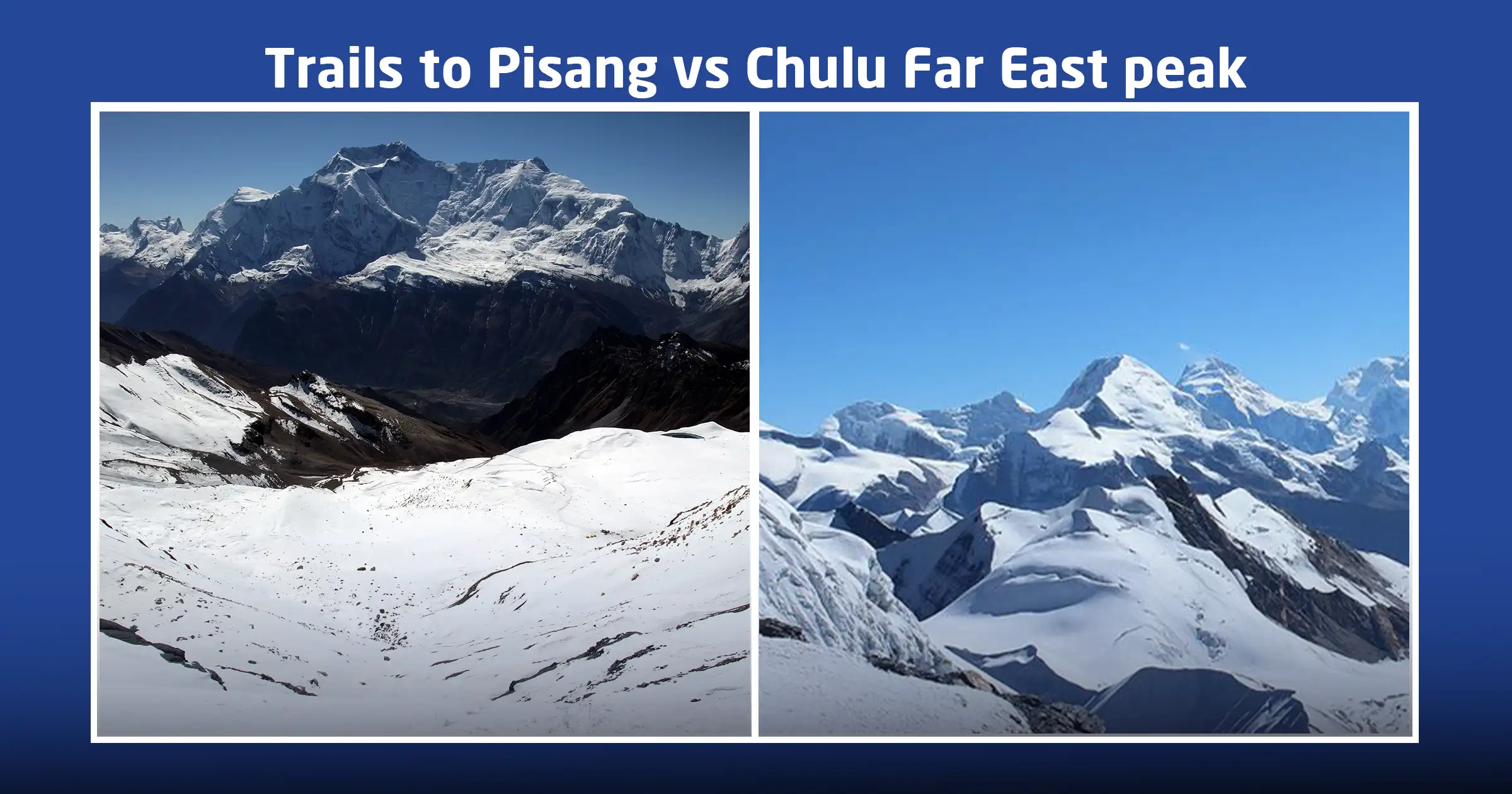
In contrast, Chulu Far east offers a more quiet and secluded experience than Pisang peak. During peak season, Chulu far east receives less number of crowds than Pisang due to its technical and challenging terrain. Also, those with previous climbing experience who know how to deal with rough terrain book this adventure.
Conclusion: Which Annapurna Peak Should You Climb First?
Annapurna peak climbing definitely demands physical and mental preparation and having a prior climbing experience is beneficial but not mandatory. Both Chulu far east and Pisang peak offer you one of the lifetime opportunities to experience high-altitude mountaineering and each peak has its own appeal.
If this is your first time himalayan climbing expedition, want to enjoy the busy trails of Annapurna circuit, and search for a destination where you can develop your basic mountaineering skills with less budget and duration, we suggest you choose Pisang peak climbing in 2027. But, if you are in search of quiet, remote and serene trails, have experience of peak climbing, and ready to explore the rugged alpine landscape without compromising on budget and duration, you should choose Chulu far east peak climbing for your next adventure in Nepal.
One thing you should always remember is that reaching the summit is a part of adventure and you should prioritize the overall experience.
The Annapurna mountains are waiting.
The question is not just which summit you will reach, but which adventure you are ready to experience first!
For the best and successful Himalayan expedition, you should have enough planning and preparation, so contact Awesome Holidays Nepal customized and tailored itinerary.
FAQs
Expand AllWhich is easier, Pisang Peak or Chulu Far East?
Pisang Peak is easier than Chulu Far East although both require:
- good physical fitness,
- proper acclimatization, and
- basic mountaineering skills.
How high is Pisang Peak?
Pisang Peak stands at 6,091 meters (19,984 feet) above sea level in Nepal.
How high is Chulu Far East Peak?
Chulu Far East Peak is elevated at 6,059 meters (19,879 feet) above sea level.
Is Pisang Peak good for beginners?
Yes. With proper preparation, basic climbing training, an experienced guide, and adequate acclimatization Pisang Peak can be suitable for fit beginners.
Is Chulu Far East beginner friendly?
Yes, Chulu Far East is friendly for fit beginners.
How much does Pisang Peak climbing cost?
The average Pisang peak climbing costs range from USD $1500 to $3500 + depending on the group size, itinerary, choice of transportation and accommodation and permit fees.
How much does Chulu Far East climbing cost?
The cost of Chulu far east climbing ranges from USD $2800 to $5000 per person.
What permits do I need for Pisang Peak?
Nepal Mountaineering Association (NMA) climbing permit, an Annapurna Conservation Area Permit (ACAP), and a TIMS card, with garbage disposal fees are needed for Pisang Peak.
What is the Chulu Far East permit fee?
The climbing permit for Chulu Far east is vary as per the season.
- Spring (March–May): USD 500 per person
- Autumn (September–November): USD 250 per person
- Winter (December–February) and Summer (June–August): USD 200 per person.
You have to p[ay NPR 3000 for ACAP and NPR 2,000 for TIMS card.
Do I need climbing experience for Pisang Peak?
Pisang Peak do not demand mandatory climbing experience but having its beneficial for a safe summit attempt.
How many days to climb Pisang Peak?
You can complete the Pisang Peak climb within 12 to 15 days.
How many days is the Chulu Far East itinerary?
It takes 16 to 18 days for the complete Chulu Far east expedition.
What is the best season to climb Pisang Peak?
The stable weather conditions of spring (March–May) and autumn (September–November) is considered as best season to climb Pisang Peak.
What is the summit success rate on Chulu Far East?
The summit success rate on Chulu Far East ranges from 85% to 95%.
Is Pisang Peak harder than Island Peak?
No. Island Peak is more technical and harder than Pisang Peak.
Is Chulu Far East harder than Island Peak?
Chulu Far East is generally considered less technically demanding than Island Peak.
What alpine grade is Pisang Peak?
Pisang Peak is PD to PD+ alpine grade and NMA classify it as a Group ‘B’ trekking peak in Nepal.
Can you combine Pisang Peak with the Annapurna Circuit?
Yes, you can combine Pisang Peak with the Annapurna Circuit.
Do you cross Thorong La on a Chulu Far East climb?
Yes. Some itineraries include Thorong La after descending from a Chulu Far East peak.
Is a guide mandatory for trekking peaks in Nepal?
Yes. Climbing a trekking peak in Nepal demands an approved climbing permit and an authorized expedition arrangement with qualified climbing guide support.
Related blog posts
Discover a choice of tourist destinations loved by most of our visitors. Whether you're on a jungle safari to spot rare animals or walking through a world heritage site, these well-planned itineraries cover the major highlights of Nepal.

 call an expert at: