
Trekking in Nepal After Monsoon: Best Routes, Best Seasons and Essential Tips 2026
 Sristi Adhikari
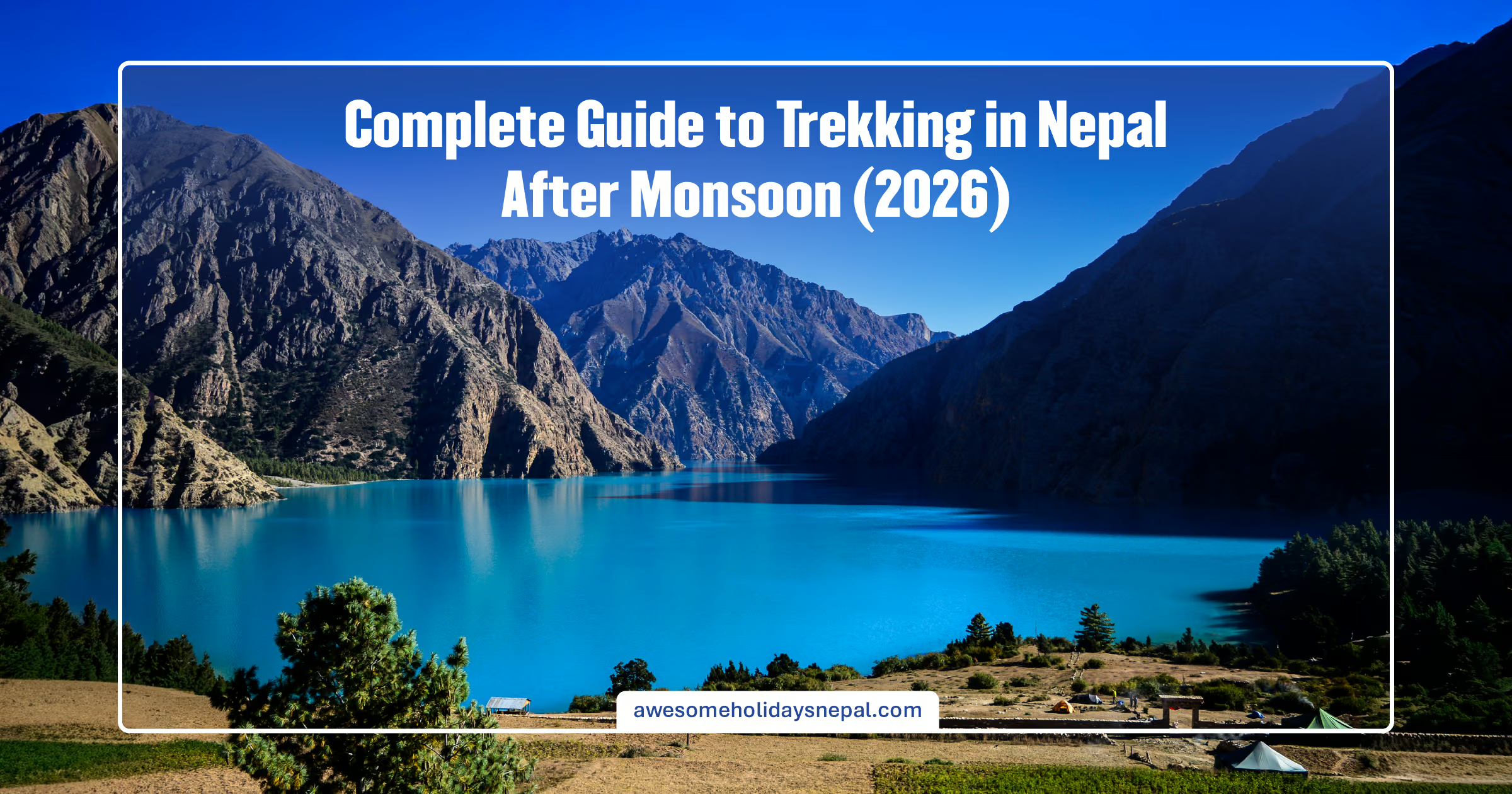
Nepal transforms dramatically when the monsoon clouds begin to disappear. Trekking in Nepal After Monsoon offers a journey which blends culture and beautiful views of clear skies, green valleys, freshly washed landscapes, and magnificent Himalayan panoramas.
From the legendary Everest region to the diverse Annapurna trails and well kept secrets of the mountains such as Tsum Valley and Kanchenjunga, Nepal offers an extraordinary experience to trekkers during Autumn season which transitions right after the rainy season. The prime Autumn trekking period begins in September and lasts throughout the month of October in Nepal.
However, September, October, and November each have their own character, so choosing the right month is very much important to get the most out of your trekking journey to the remote village of mountains. If you are also planning to do Trekking in Nepal After Monsoon in 2026, then continue reading our blog in details:
Why Trekking in Nepal After Monsoon So Special
In Nepal, monsoon/Summer (June to August) brings heavy rainfall and makes the trail slippery which makes your journey more difficult. Once the monsoon season ends, the mountain landscape begins to change.
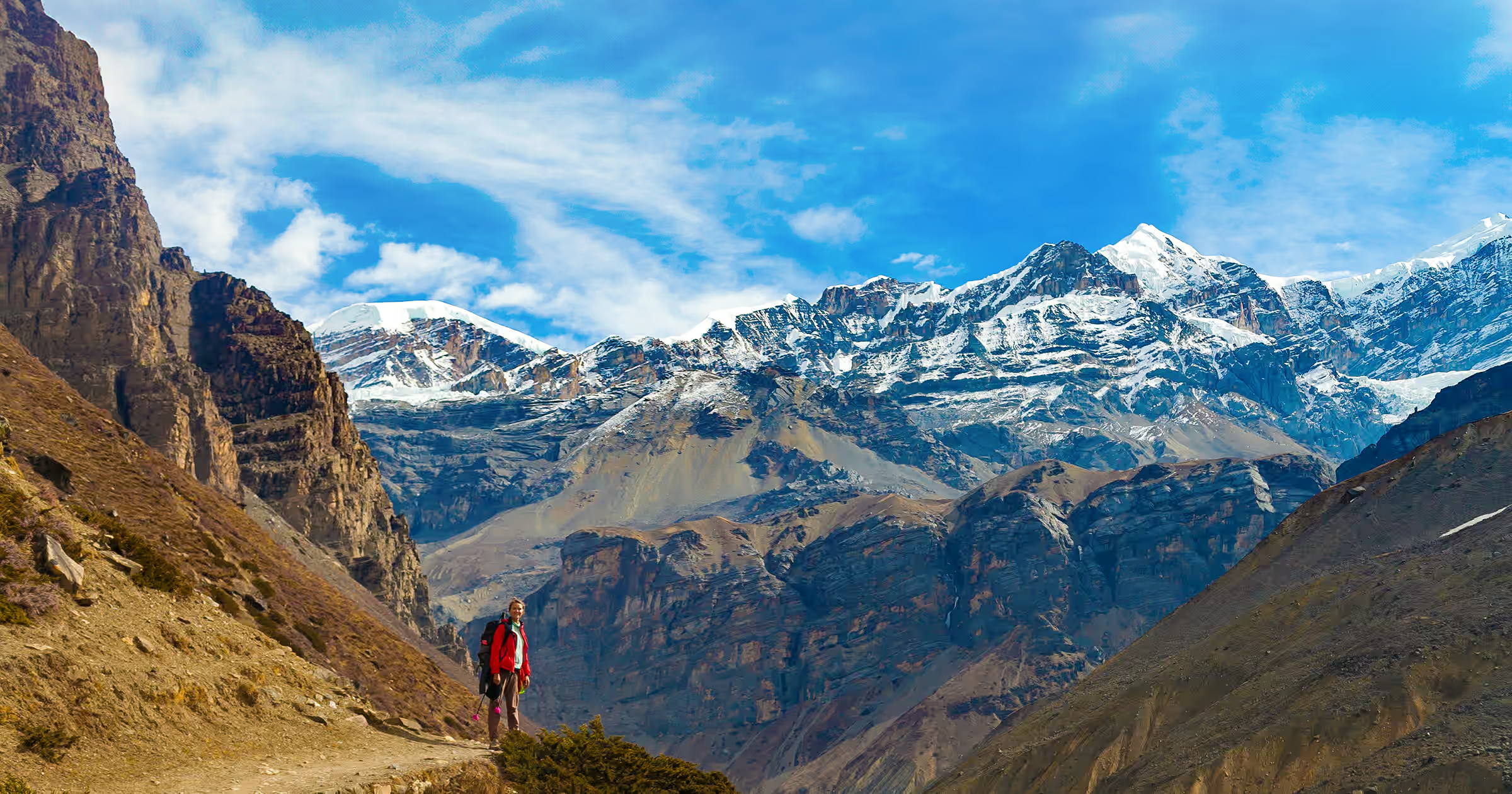
The muddy and slippery trails transform into dry and walkable terrain, mountain peaks which were covered by heavy clouds become more visible and clearer as soon as Autumn starts. Autumn also welcomes trekkers with:
- Clearer mountain views
- Lush green forests,
- Cascading waterfalls beside the trail,
- Prayer flags moving gently in the breeze,
- Fresh countryside looks
- Small villages begin preparing for the busy trekking season
- Excellent opportunities for photography
- Comfortable daytime temperatures at moderate elevations
- Chance to witness colorful festivals like Dashain, Tihar, and Mani Rimdu of Everest region.
The post-monsoon period is not simply about avoiding rain but it is all about experiencing the the freshness of the rainy season with the clearer conditions of autumn.
Best Time to Trek in Nepal After Monsoon
When preparing to explore Nepal’s mountain village, almost every single traveler wonders, When is the best time to trek in Nepal after Monsoon? The strongest choices for exploring the classic Himalayan routes like The Everest Base Camp Trek and the Annapurna Circuit Trek are in the months of October and November.
Though trekking is feasible in September, it may bring occasional rainfall which brings other possible problems on your way.
September: The Transition Month
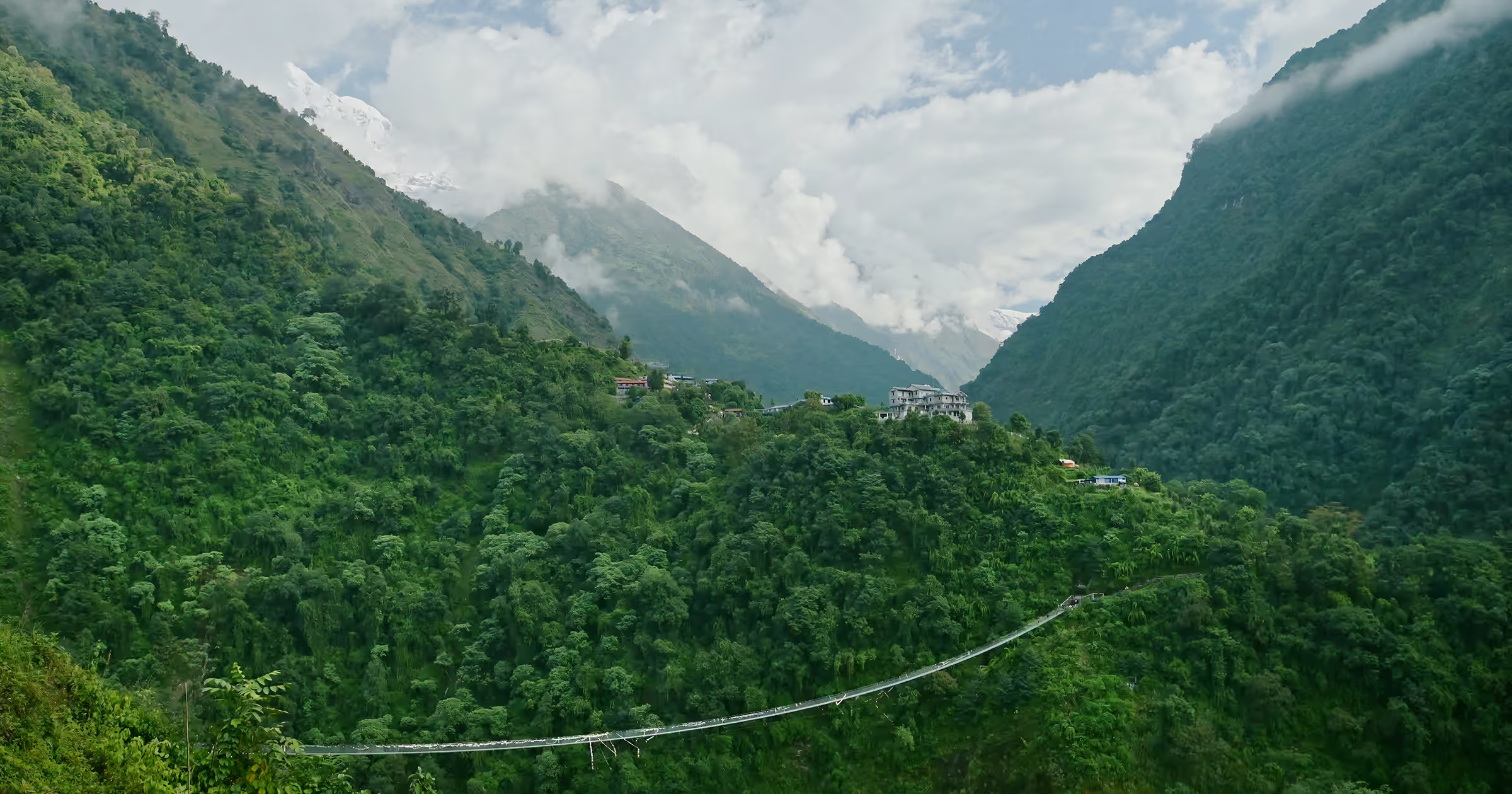
The post monsoon trekking period in Nepal begins in the month of September. The rains start to pull back though occasional rainfall is highly expected.
As the months progress, the vegetation turns rich, green which makes the landscape look lush green even from far away. September offers:
- Moderate crowds
- Fresh air and cool weather
- Green valley and clear mountain views
If you want to enjoy the beauty of Autumn but avoid the crowded trail and teahouses, September is perfect for you. We suggest you to book following trek in September:
- Langtang Valley
- Gosaikunda Lake
October: The Classic Autumn Month
October is one the best time to trek in Nepal and it blesses you with:
- Clear blue skies
- Exceptional mountain visibility
- Comfortable trekking temperature
- Accessible teahouses and trekking trails
- Chance to celebrate Nepal’s main festivals Dashain.
The popular trekking trails become lively and are filled with trekkers from all around the world. If you are an extrovert and enjoy other companies then, October is best for you. We suggest you to choose following trails when planning to do Trekking in Nepal After Monsoon:
- Everest Base Camp trek
- Annapurna Base Camp trek
- Annapurna Circuit
- Langtang Valley Trek
- Poon Hill trek, etc.
As it is the most popular Nepal trekking season, we suggest you to do early booking in flights, permits, and accommodation.
November: Clear Skies and Cooler Conditions
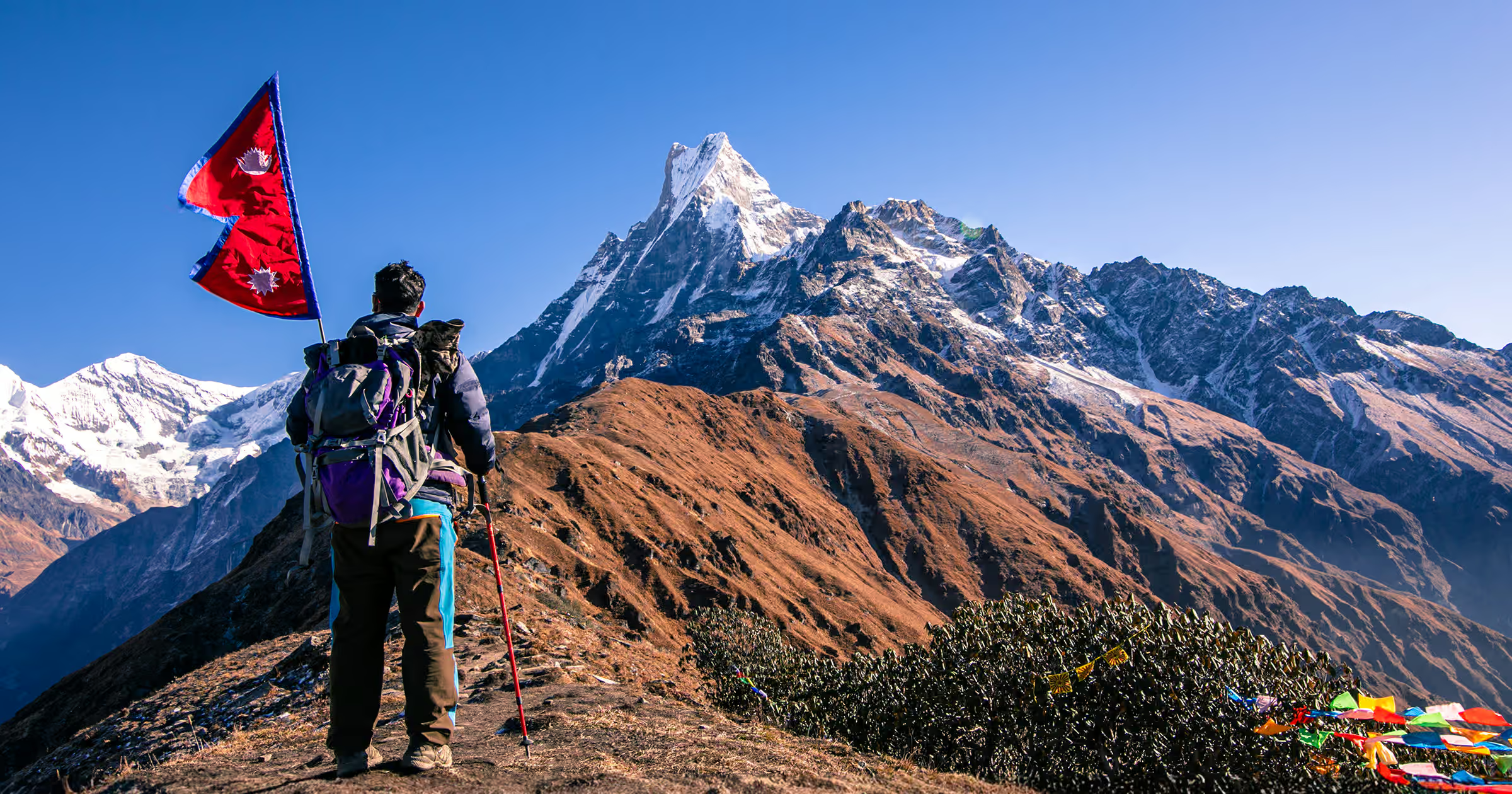
November is also another best month for trekking in Nepal but is sometimes overlooked. Though the months brings gradual drop in temperatures especially at higher elevations, it offer you with:
- Clear skies and excellent mountain visibility
- Accessible high passes like Thorong La, Kongma La Pass, Renjo La Pass, etc.
- Less Crowd and cool temperature
- Festival of Lights, Tihar which falls mostly in early November or late October.
- Mani Rimdu festival celebration in Tengboche monastery.
We suggest you to following trails when trekking in Nepal after monsoon in the month of November:
- Everest Base Camp Trek
- Annapurna Circuit,
- Manaslu Circuit,
- and Kanchenjunga Base Camp etc.
Understanding the Nepal Trekking Season
Trekking in Nepal is highly suitable in two seasons and they are Spring and Autumn. The best time to trek in Nepal is in autumn (September to November) and spring (March to May).
The pleasant and moderate temperature and climatic conditions also make trekking feasible in mid-September to mid-December. Those who are beginners or in search of short and easy treks can do trekking even in winter with necessary preparation and caution.
Spring (March, April, and May)
The most suitable season for trekking and mountain expeditions is Spring. Spring season is considered as one of the best time to trek in Nepal and welcomes trekkers with:
- Blooming of wild flora and Rhododendrons
- Mild warm temperature
- Spectacular and best mountain views
- Colorful landscapes
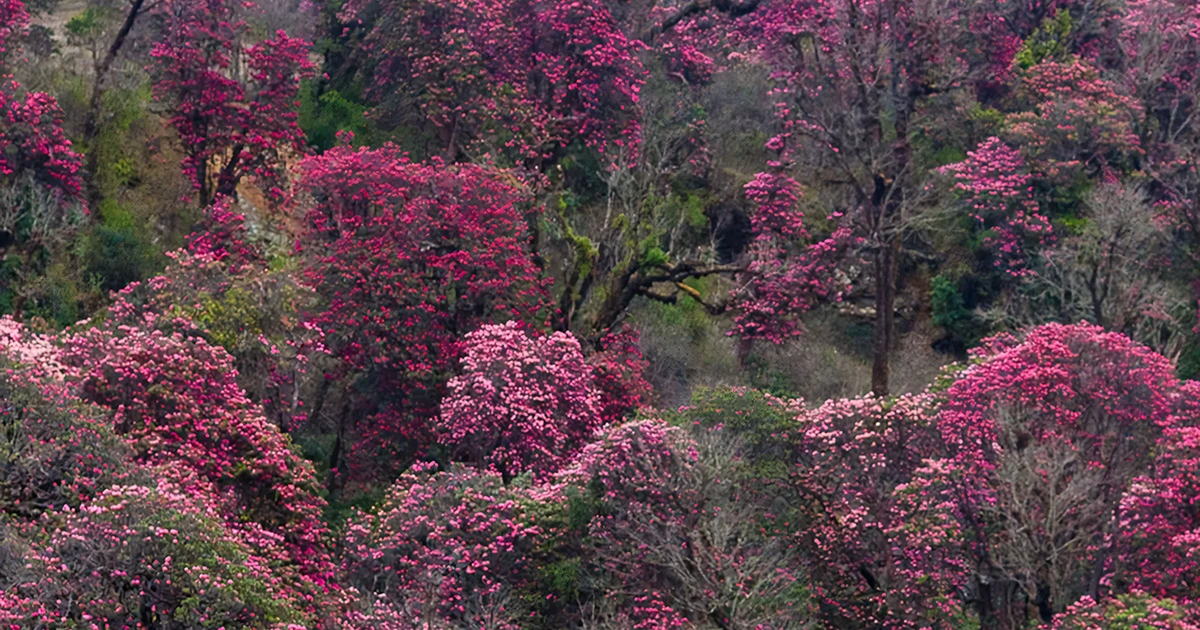
If you are planning to do trekking in Nepal in Spring, we suggest you to book one of the following trekking routes:
- Everest Base Camp Trekking
- Manaslu Circuit Trek
- Annapurna Base Camp Trekking
- Annapurna Circuit Trek
Monsoon/ Summer (June, July, and August)
Heavy rainfall is the perk of the Monsoon/summer season which begins from the end of May and extends until the end of August. Trekking trails gets muddy and slippery but rain shadow areas trek is which you should book when you want to do monsoon trek in Nepal.
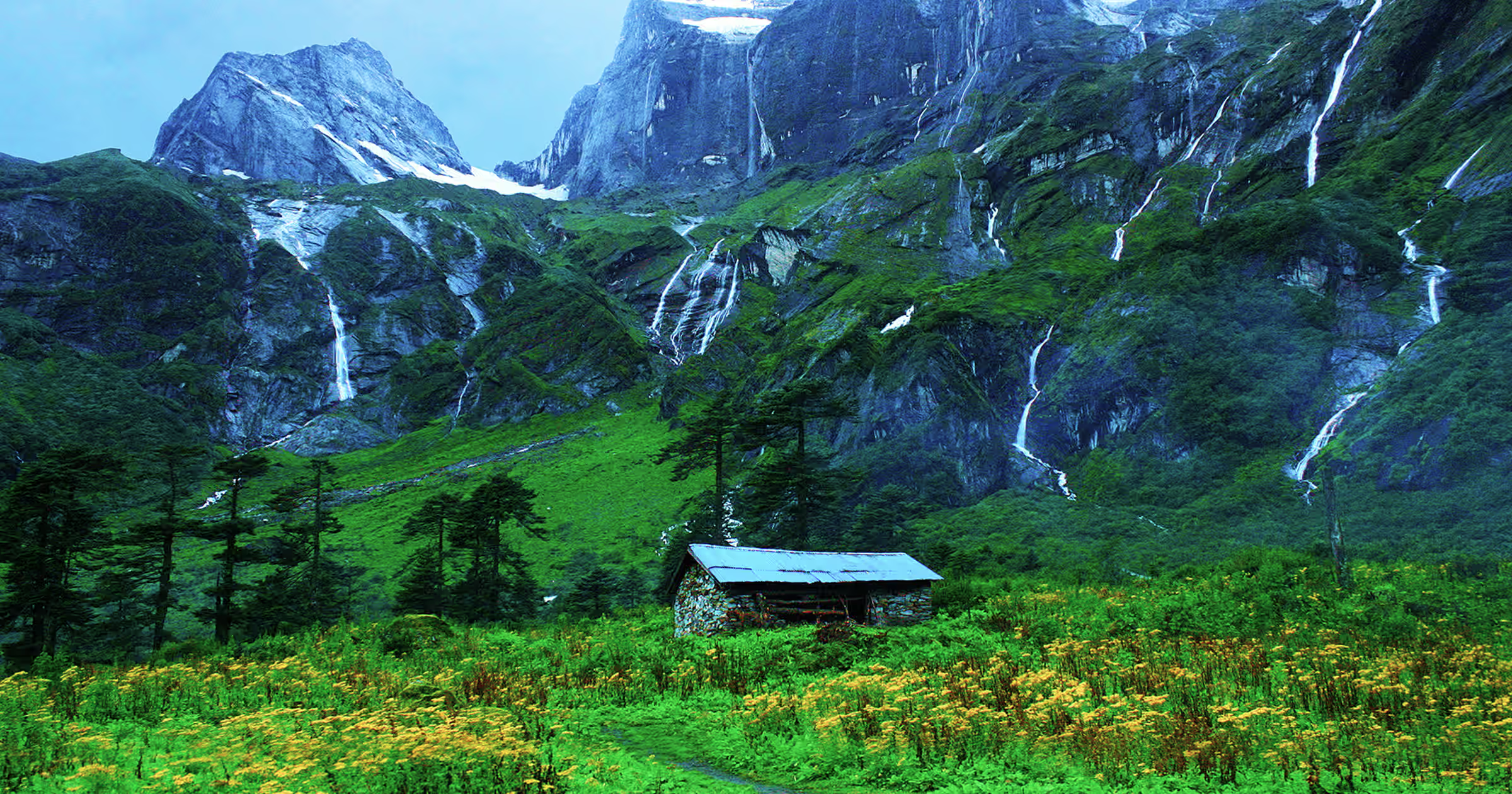
Some of the recommended trails for monsoon trekking in Nepal are:
- Upper Mustang Trek
- Nar Phu Valley Trek
- Lower Dolpo Trek
- Upper Dolpo Trek
Autumn (September, October, and November)
This is the classic post-monsoon trekking period and is generally considered one of the best Nepal Trekking seasons. If you are Trekking in Nepal After Monsoon, Autumn offer you:
- Excellent weather
- Moderate Temperature
- Clear skies
- Exciting mountain views.
We recommend you following trails when Trekking in Nepal After Monsoon, Autumn:

- Everest Region
- Annapurna Region
- Langtang Region
- Manaslu Region
Winter Season (December, January, and February)
Winter brings foggy and cloudy mornings, colder temperatures and snowfall at higher elevations. Lower-altitude treks can still be enjoyable, while some high passes become more challenging or inaccessible as there is a high risk of strong winds and sudden drop of temperature.
Winter trek is recommended to do only in lower region with necessary precaution and choose short and easy trek like:
- Mardi Himal Trek
- Ghoreapni Poon Hill Trek
- Khopra Ridge Trek
- Pikey Peak Trek
Best Routes for Trekking in Nepal
Nepal has hundreds of trekking routes, but some stand out particularly well during the post-monsoon season.
| Region | Best Trekking Routes | Best For | Difficulty | Autumn Experience |
|---|---|---|---|---|
| Everest Region |
|
|
Moderate to Very Challenging | Clear views of Everest, Lhotse, Ama Dablam and other Himalayan giants |
| Annapurna Region |
|
|
Easy to Challenging | Excellent mountain visibility, colorful villages and diverse landscapes |
| Langtang Region |
|
|
Easy to Challenging | Crisp mountain views, forests, alpine lakes and Tamang heritage |
| Manaslu Region |
|
|
Challenging | Remote Himalayan scenery, Tibetan-influenced villages and Larkya La |
| Mustang Region |
|
|
Moderate to Challenging | Dry Himalayan landscapes, ancient monasteries and distinctive Tibetan culture |
| Kanchenjunga Region |
|
|
Challenging to Very Challenging | Remote trails, rich biodiversity and spectacular Kanchenjunga views |
| Dolpo Region |
|
|
Challenging to Very Challenging | Remote valleys, turquoise lakes, barren landscapes and traditional villages |
| Makalu Region | Makalu Base Camp Trek |
|
Very Challenging | Dramatic landscapes, Makalu views and fewer trekkers |
| Rara Region |
|
|
Moderate to Challenging | Clear skies, peaceful trails and the striking blue waters of Rara Lake |
| Eastern Nepal |
|
|
Moderate to Very Challenging | Remote trails, rhododendron forests and exceptional biodiversity |
| Far-Western Nepal |
|
|
Challenging to Very Challenging | Extremely remote landscapes and an off-the-beaten-path Himalayan experience |
Packing List for Trekking in Nepal After Monsoon
When planning to do Trekking in Nepal after Monsoon, Autumn demands you to opt for a good packing strategy. As you will be trekking to remote Himalaya, where there are not many human settlements, lacking even a small item on your backpack makes your journey more difficult. So, having a proper packing list is highly important to enjoy your Nepal trekking journey fully in 2026.
Clothing Layers
- Base Layers
- Moisture-wicking thermal tops (2–3)
- Thermal bottoms (1–2)
Mid Layers
- Fleece jacket or pullover (1)
- Insulated down jacket or synthetic jacket (1)
- Trekking trousers
- Thermal underwear
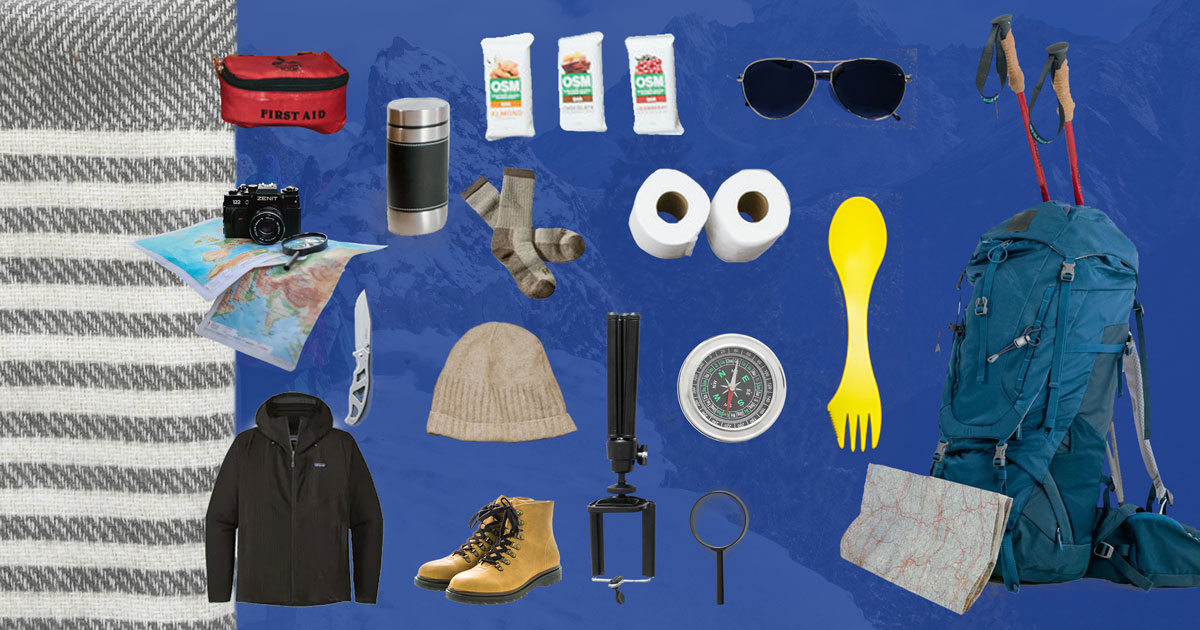
Outer Shell
- waterproof jacket
- waterproof pant (Optional but recommended)
Head and Neck Gear
- Warm beanie, sun hat, and hat
- Buff or neck gaiter
Handwear
- light weight trekking gloves
- Insulated gloves (1)
- Lightweight inner gloves (1)
Socks and Foot Wears
- Broken-in trekking boots
- Lightweight camp shoes or sandals
- Extra trekking socks
- Gaiters (Winter)
Trekking Gear and Equipment
- Backpack of 5 to 8 kg
- Duffel bag of 10 to 15 kg
- Trekking poles,
- Headlamp with spare batteries, and
- Reusable water bottles or hydration system
- Rain cover and raincoat
Personal Items and Toiletries
- Small sized toothbrush and toothpaste,
- Wet wipes and hand sanitizer,
- sunscreen (SPF 40+), lip balm,
- quick-dry towel,
- toilet paper, and biodegradable soap.
First-aid and Medications
- Personal medication,
- Altitude sickness medication
- Pain relievers,
- Rehydration salts,
- Blister kit
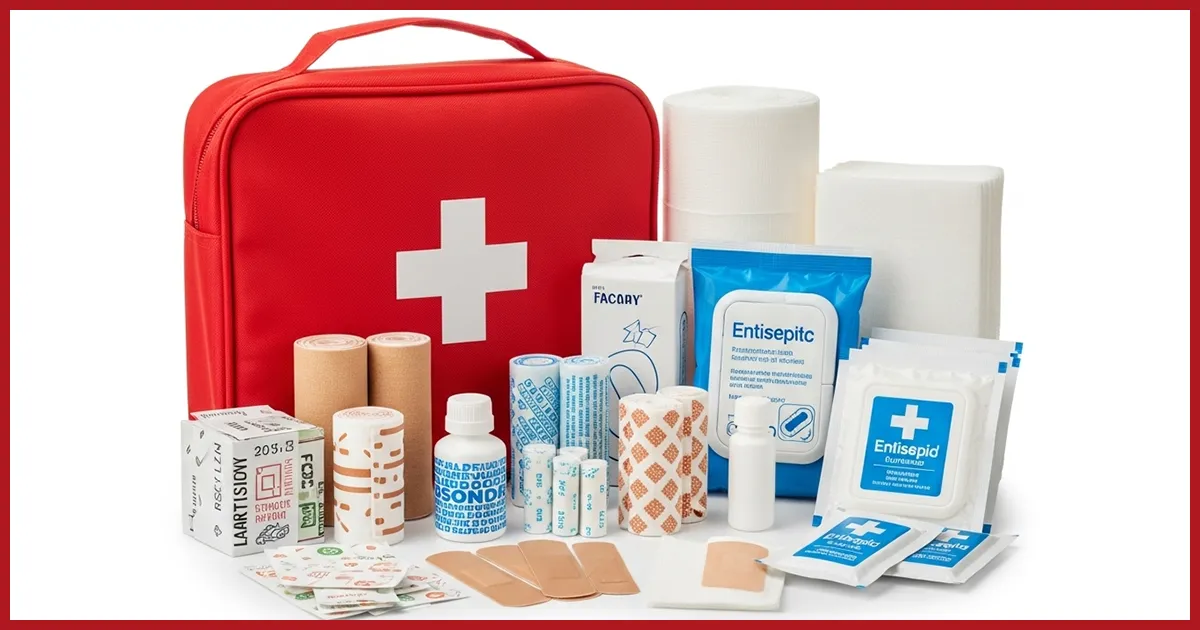
Gadgets and Extras
- Power bank,
- Charging cables for Phone or camera with spare batteries
- Waterproof protection for electronics
- Identification and travel documents
- Water purification method
- Comfortable sleepwear
Trekking to remote destination of Nepal demands packing light but this does not mean you need to remove essential equipment for the trek just to reduce the weight.
Essential Tips for Trekking in Nepal After Monsoon
The most important aspects of Trekking in Nepal After Monsoon is following below mentioned tips:
- Do not rush and focus on smooth pace on the trails.
- Prioritize resting and eating well during acclimatization days.
- Always listen to your body demands such as persistent headache, dizziness, nausea, unusual fatigue, etc.
- Drink at least 3 to 4 liters of water daily.
- Avoid any kind of intoxication as it will interfere with hydration.
- Make sure you have a standard travel policy with a coverage of Helicopter evacuation and emergency medical treatment.
- Always plan your trek by hiring a licensed guide from certified trekking agencies like Awesome Holidays Nepal.
- Carrying reusable water bottles instead of buying multiple plastic ones.
- Avoid plastic use and throw wastes only in designated waste bins.
- Respect local communities, their culture, tradition, and religious belief.
- Avoid plucking any vegetation just for clicking pictures and walk only in designed trails.
- Supporting locally owned tea houses by eating in the same place where you are planning to stay.
Planning for Trekking in Nepal After Monsoon in 2026?
Or Call/Message on WhatsApp +977 98434 13619
- Do not disturb wildlife by poking or feeding when spotted and enjoy them from far away.
- Research thoroughly when trekking in higher Himalayas as different trekking regions have different weather and infrastructure.
- Book October if you are friendly and enjoy other company and choose early September for less crowded trails.
Final Thoughts: Experience Nepal Beyond the Monsoon
As soon as the monsoon ends the unfolding of something beautiful begins in the mountains. The trails become more attractive and greener whereas mountain villages also begin their preparation to welcome global trekkers.
Trekking in Nepal after monsoon allows you to witness the perfect blend of adventure with nature no matter which route you choose. From busy classic routes of Everest and Annapurna to silent routes of Manaslu or Kanchenjunga, every journey allows you to be a part of Himalayan communities and immerse in their centuries old ancient traditions.
Every month of Autumn that is September, October, and November has its own perks and you can choose trekking routes according to your fitness and preference in Nepal. So, if you are waiting for the rain clouds to disappear, start planning your journey Beyond the Monsoon with Awesome Holidays Nepal in 2026. The Himalayas are waiting !
FAQs
Expand AllIs it safe to trek in Nepal in September?
Yes, it is safe to trek in Nepal in September.
What is the condition of Internet and Wi-Fi availability on treks?
Most of the high altitude trekking trails offer Internet and Wi-Fi facility but it may gets unreliable and slow with the increase in elevation and during peak trekking season.
When does the monsoon end in Nepal?
Monsoon begins to retreat in September and generally ends by late September in Nepal.
Do I need a guide for trekking in Nepal now?
Yes. According to latest TIMS latest update, you cannot enter national park and conservation area of Nepal without a government-licensed guide.
What is the weather like in Nepal in October?
October in Nepal is one of the best trekking months which offer:
- dry weather,
- clear mountain views,
- comfortable daytime temperatures, and
- cool mornings and nights.
What is the temperature of Everest Base Camp trek in November?
Temperature of Everest Base Camp trek in November falls below freezing point at night while daytime temperatures are also cold but you can manage it with proper layers.
How to avoid altitude sickness in Nepal?
You should ascend gradually, stay hydrated, avoid overexertion, acclimatize properly, and descend immediately if severe symptoms develop in order to avoid suffering from altitude sickness in Nepal.
Which are Cheapest trekking packages in Nepal?
Ghorepani Poon Hill, Langtang Valley, and Mardi Himal are some of the Cheapest trekking packages in Nepal.
Are tea houses open after the monsoon?
Yes. Most teahouses on established trekking routes reopen or remain operational after the monsoon.
Is Flight available to Lukla in October?
Yes. Flight to Lukla is available in October but it may get delayed or cancelled due to weather conditions.
What are the Best short treks near Kathmandu?
Shivapuri–Nagarjun, Champadevi, Nagarkot–Dhulikhel, and the Helambu area are some of the best short treks near Kathmandu.
How difficult is the Annapurna Base Camp trek?
The Annapurna Base Camp trek’s difficult is rated moderate to challenging.
Is Pokhara safe after the rainy season?
Yes, Pokhara is safe after the rainy season.
Which are the Best luxury treks in Nepal?
The best luxury treks in Nepal includes:
- Luxury Annapurna Base Camp Heli Trek,
- Everest Luxury Trekking,
- Manaslu Luxury Trek.
How safe is Solo female trekking in Nepal?
Solo female trekking in Nepal is quite safe but make sure you hire an experienced trekking guide from reputable trekking agency like Awesome Holidays Nepal for a hassle free journey.
How much does a Nepal trek cost per day?
A Nepal trek may cost USD 25 to 100+ per day which highly depends on your trekking route, accommodation, meals, permits, transportation, guide, porter, and level of comfort.
What is the requirements of Nepal visa on arrival 2026?
The requirements of Nepal visa on arrival includes:
- Valid Passport
- Nepal Visa Application Form
- Essential Documents like accommodation booking and financial details
- two clear passport-sized photos.
Which is the Best trekking insurance for Nepal?
The best trekking insurance for Nepal should cover:
- High Altitude Coverage up to 6000 m
- Helicopter Rescue and Emergency Evacuation
- Medical Expenses and Hospital Care
- Trip Cancellation or Interruption
- Lukla Flight Delays or Cancellations
- Lost, Stolen, or Damaged Baggage
- COVID-19 and Illness Coverage.
Can you trek in Nepal without a guide in 2026?
No. You cannot trek in Nepal without a guide in 2026.
What are the Essential gear for Nepal trekking?
The Essential gear for Nepal trekking includes well broken in hiking boots, layered clothing, waterproof protection, a warm sleeping bag, backpack, water bottle or purification system. Also, trekking poles, headlamp, first-aid supplies, sunscreen, and other route-specific equipment.
Related blog posts
Discover a choice of tourist destinations loved by most of our visitors. Whether you're on a jungle safari to spot rare animals or walking through a world heritage site, these well-planned itineraries cover the major highlights of Nepal.
 call an expert at: