
The Return of the Snow Leopard in Nepal: Wildlife Story in Upper Dolpo Region
 Sristi Adhikari
Deep in the remote valleys of the Dolpo region, a silent predator is reclaiming its mountain kingdom in Nepal. For decades, the elusive Snow Leopard in Nepal disappeared quietly into the rugged cliffs of western region, rarely seen and almost forgotten by outsiders.
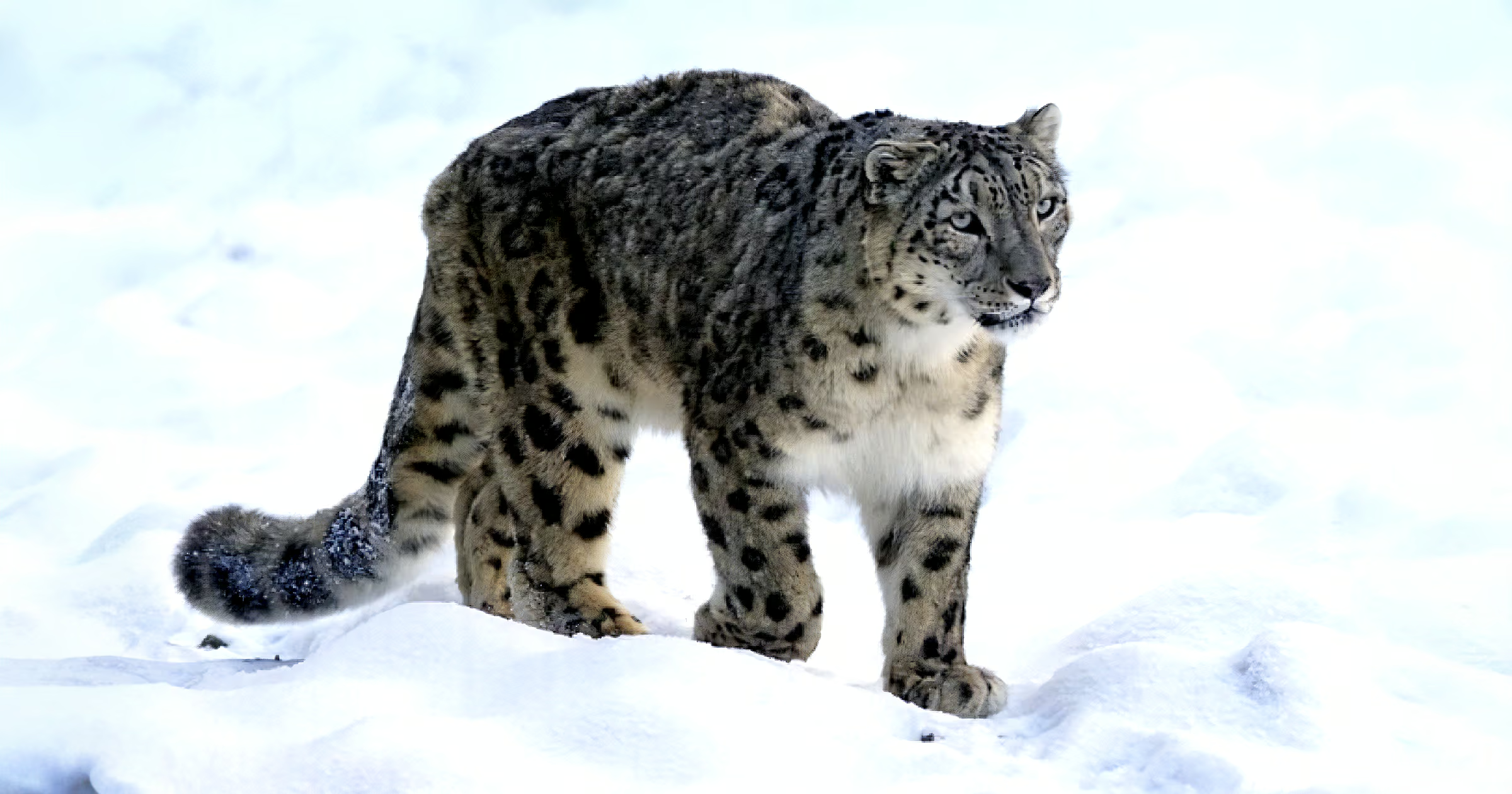
Snow leopard which is also known as the “ghost of the mountains” has long fascinated explorers as it is rarely seen and gets perfectly adapted to icy cliffs acting as a symbol of the untamed beauty of the Himalayas. Conservation of a mystical animal in one of the most isolated regions, Upper Dolpo with a dramatic landscape of barren valleys, turquoise lakes, yak pastures, and windswept mountain trails is becoming a symbol of resilience.
Every year a huge number of travelers explore the upper Dolpo region hoping they can witness the sign of the mysterious Himalayan cat, Snow Leopard in Nepal. If you are also planning to track the snow leopard in the fragile ecosystems of the Upper Dolpo regions, continue reading the blog in details:
Upper Dolpo: A Hidden Himalayan Wilderness
Upper Dolpo, located in Northwestern part of Nepal, near the Tibetan border is one of the least explored trekking trails in the Country. The remote Upper Dolpo area is protected within Shey-Phoksundo National Park which makes it one of the most demanding tracking destinations for snow leopard in Nepal.
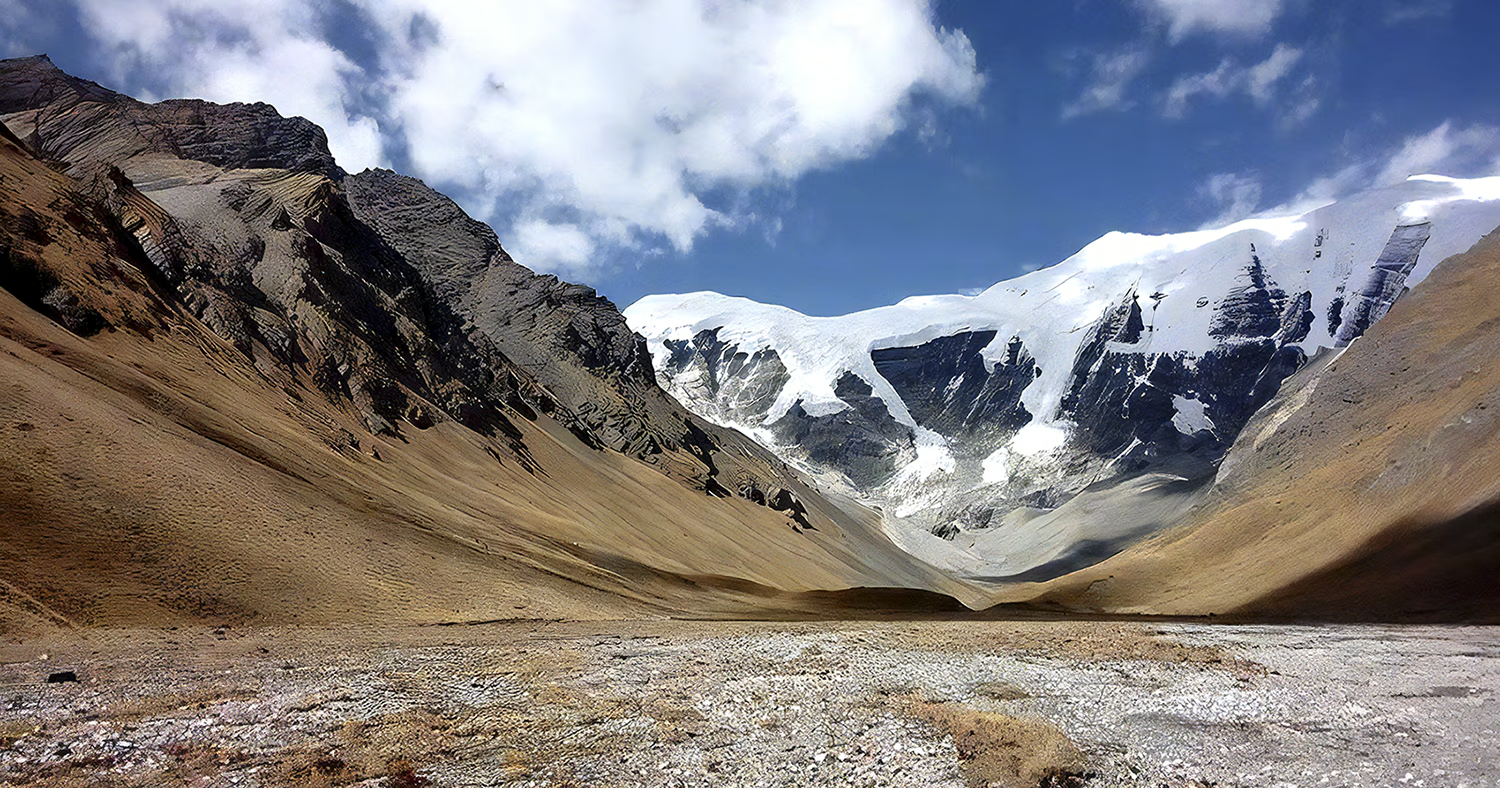
It provides an important habitat for endangered wildlife like:
- Blue sheep,
- Himalayan wolves,
- Musk deer,
- Golden eagles, and
- The snow leopard: the true icon of the region.
Upper Dolpo region offers harsh climate and isolated trekking trails which makes the monitoring program of the Snow leopard Nepal quite difficult, but conservationists and locals are continuously making multi-tiered research strategies to track them. The continuous threats to elusive predators like habitat loss, climate change, and illegal hunting but after years of education, eco-tourism projects, and conservation partnerships, the number of snow leopards is increasing in Nepal.
When trekking in the trails of the Upper Dolpo, you will surely hear the yak herders stories about snow leopard spotting across rocky ridges at dawn. If you are lucky, you may also encounter these rare predators when trekking in Upper Dolpo, one of the best places to witness Himalayan conservation in action.
Why Snow Leopard Matters
First, let’s answer the common question every wildlife enthusiast asks: Where do Snow Leopards live?
Snow Leopards live in high altitude mountainous regions of Central and South Asia. They live in remote Himalayan regions of Upper Dolpo, Mustang, Manang, and Kanchenjunga in Nepal.
The sighting of Snow leopards is extremely low because they can perfectly camouflage in the harsh, rocky, and snowy alpine environments of Himalayas. The smoky-gray and white fur, dark, broken rings and patterns (rosettes) on the body and their powerful legs allow them to survive in the harsh climatic conditions above 3000 meters.
The snow leopard in Nepal matters because of:
- Their presence itself represents a healthy Himalayan ecosystem.
- Snow leopard help in maintaining wildlife balance by controlling the rate of herbivores like blue sheep and Himalayan ibex.
- It will also protect glaciers, alpine forest, and fragile high-altitude habitats.
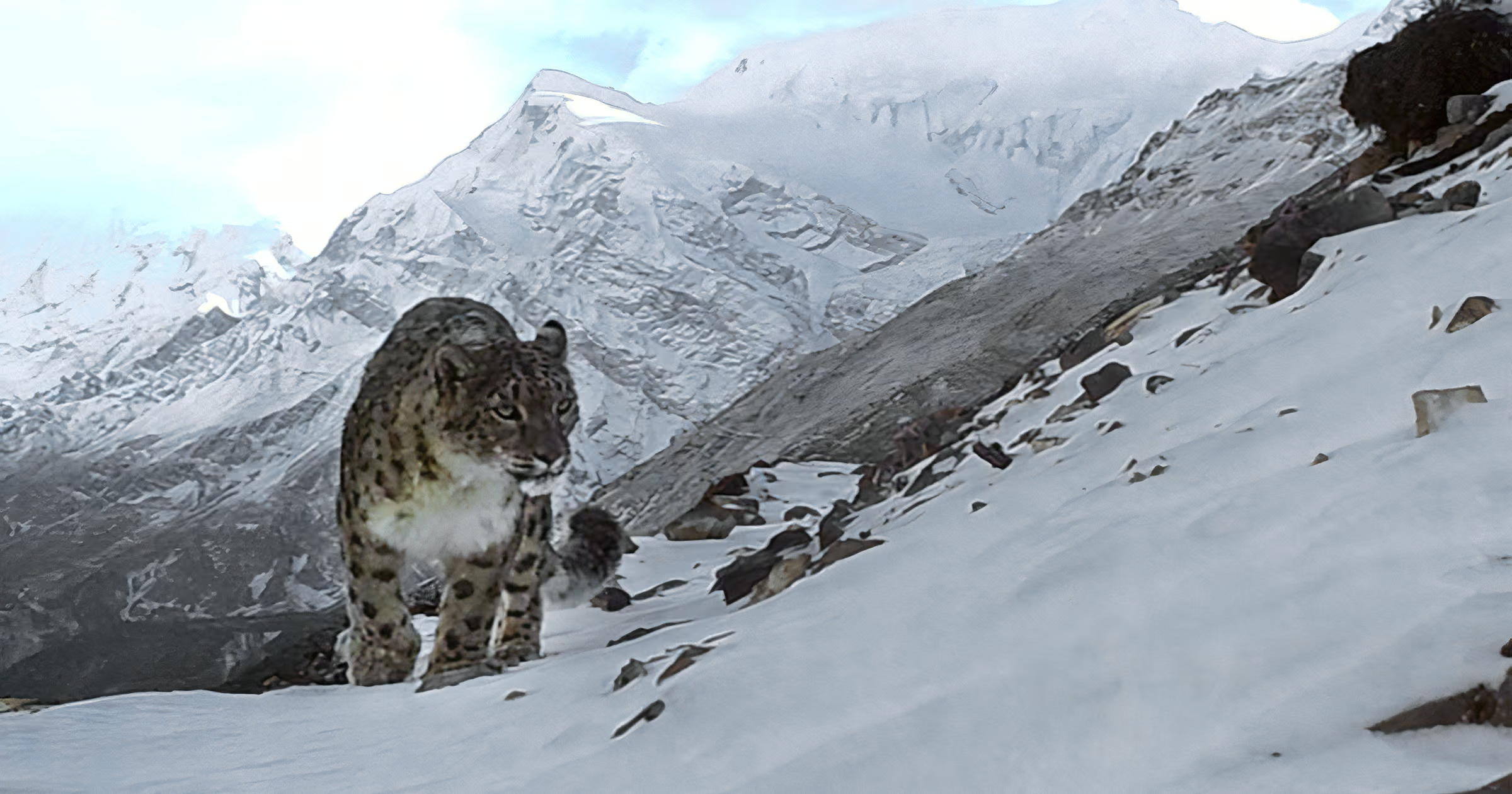
- Their survival also supports the bio-diversity of high altitude regions like Upper Dolpo.
- Snow leopards are considered an umbrella species because every effort done to preserve them will also benefit in the protection of the other endangered animals.
- Conservation of Snow leopard in Nepal also encourages sustainable tourism in other trekking trails of the Upper Dolpo regions.
- It creates employment opportunities for local and guides with the increase of wildlife tourism.
- There will be reduction of human wildlife conflict to promote peaceful coexistence between herders and predators.
Community Conservation in Upper Dolpo
The return of snow leopards in Nepal is mainly due to involvement of the local communities. Locals of Upper Dolpo who depended on animal husbandry were suffering due to the attack of snow leopard.
With the introduction of several conservation programs, like livestock insurance, promotion of eco-tourism, snow leopard tracking initiatives, youth engagement in conservation, and community forest management locals are becoming aware of importance of the Snow leopards in Nepal and they have been focusing on their preservation and protection instead of taking them as a threat.
Organizations working in Upper Dolpo collaborate with villagers by encouraging them to:
- Control Overgrazing.
- Assist authorities in prevention of illegal wildlife trading and hunting.
- Protect fragile ecosystem of Himalayas by reducing deforestation.
- Take part in training in handicrafts, tourism services, and sustainable farming.
- Involving women in awareness campaign, eco-tourism management, and sustainable resource use in Upper Dolpo.
The success of the Snow Leopard Nepal conservation story in Upper Dolpo shows if local communities are given the right amount of support they can become guardians of wildlife.
Trekking in the Territory of the Snow Leopard
The trekking trails of Upper Dolpo consist of high altitude mountain passes, ancient Buddhist settlements, and remote valleys which are very far from modernization. When trekking inside the protected areas of the Upper Dolpo region, you will feel something that is very new from our world.
Many trekking enthusiasts are combining cultural exploration of Upper Dolpo regions with wildlife tracking expeditions mainly of Snow leopard in Nepal.
Best Season For Tracking Snow Leopard in Upper Dolpo
Snow leopard tracking is becoming one of the most extraordinary travel experiences for adventure lovers in Nepal. Those who have enough patience, endurance, and respect for the pristine nature are advised to explore the Upper Dolpo trekking trails in 2026.
The sighting of Snow leopard in Upper Dolpo region requires hiking for multiple days in the snowy landscapes, camping in isolated valleys, and spending hours scanning via binoculars in the rocky cliffs. There is no guarantee on getting sight of the snow leopard but the experience you will get when exploring this pristine wilderness far from crowds is quite unforgettable.
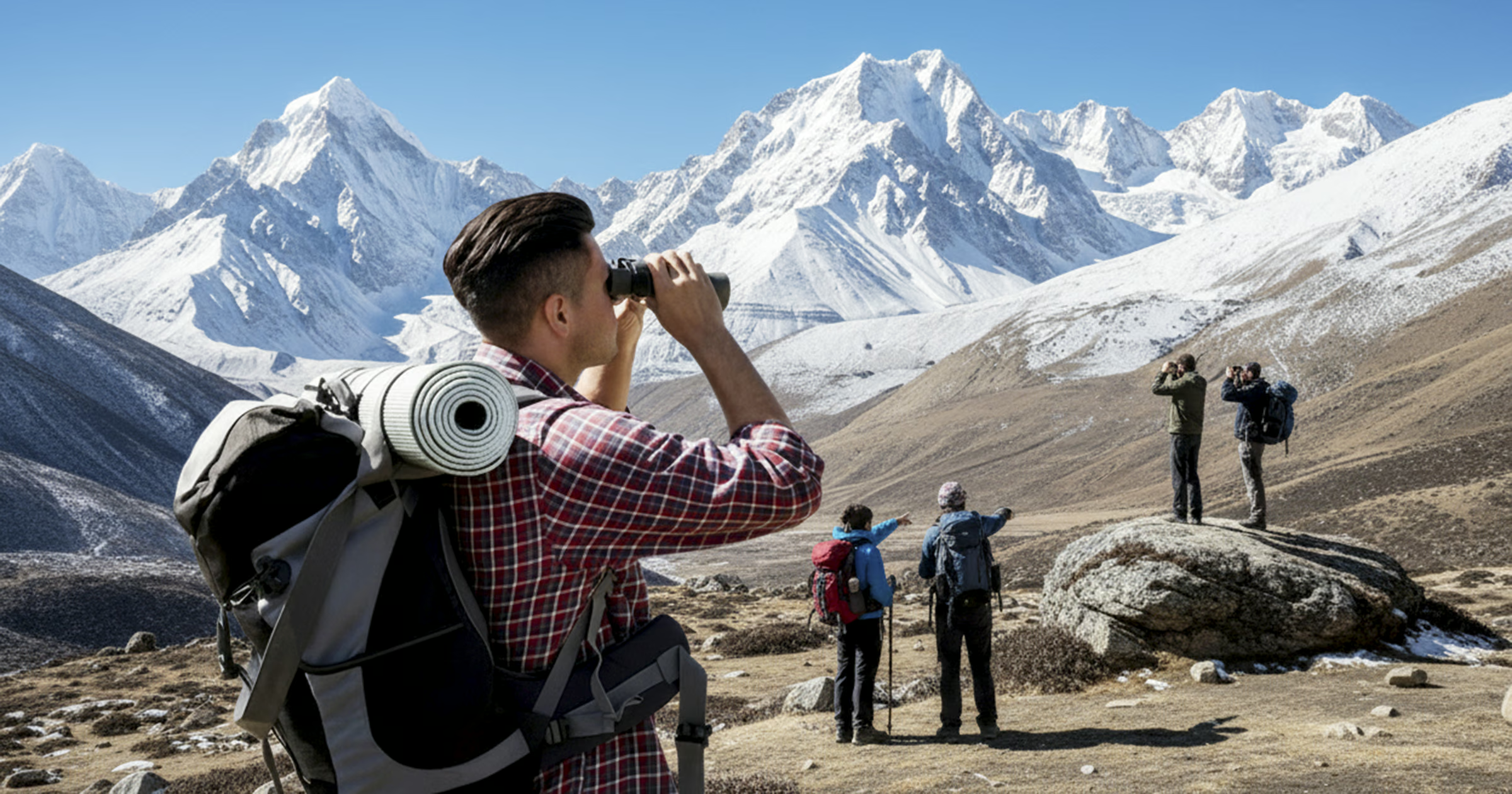
During winter months, the chances of tracking snow-leopard is very high because:
- Due to heavy snowfall snow-leopard prey like blue sheep (bharal) and Himalayan tahr migrate to lower regions. So, snow leopards also follow closely behind these prey which make them near to established trekking routes of the Upper Dolpo regions.
- Trekkers can also witness the pug marks on the fresh snow fall which makes easier tracking.
- During winter months from December to March, there is less foliage and vegetation which makes them observe clearly from far distance.
- Also the extreme nighttime temperature of -15 to -20 makes snow leopard in Nepal more active during the day.
This is the reason why trekking companies are highlighting the growing interest in tracking snow leopards in Nepal while focusing on responsible wildlife observation. The dramatic landscapes and remote wilderness create unforgettable opportunities for wildlife photography in Upper Dolpo with the sighting of a rare Himalayan predator, Snow leopard.
Challenges of Snow Leopard Conservation
Despite the progressive awareness, the future of the Snow Leopard Nepal population remains uncertain. The following factors are directly or indirectly threatening Himalayan ecosystem which results in the snow leopard conservation challenges:
- The natural habitat of snow leopards in Nepal are decreasing day by day with the expansion of roads, settlements, and grazing areas.
- With the increase of global warming, alpine ecosystems of Himalayas are disrupting which decreases the number of prey availability for snow leopards in Nepal.
- When snow leopards attack livestock, some villages of the Upper Dolpo region are still attacking these “ghosts of the mountains”.
- Snow leopards are being haunted for their fur, bones, and body parts illegally.
- The difficult terrain of high Himalayas causes challenges in their tracking and makes them more prone to poaching and increased wildlife crime.
- Villagers are overgrazing their domestic animals in the alpine vegetation which is affecting the food chain of wild prey species.
- Protection of wildlife while supporting the economic needs of locals is the biggest obstacle.
- Weak enforcement laws in remote areas and being more prone to natural disaster are threatening both snow leopards and the communities living near their habitat.
A New Hope for the Himalayas
The return of the snow leopard Nepal is not only a story of successful wildlife conservation but it is a sign that if communities, conservationists, and travelers work together there will be balance in the fragile Himalayan ecosystem. The growing rate of snow leopards in Nepal is a rare beam of hope for conservation in 2026.
Visiting Dolpo region is not only about the exploration of the remote Himalayan landscapes but it is about witnessing one of the most inspiring conservation journeys of the Himalayas. Every footprint of the Snow leopard, a “Ghost of the mountains”, in the snow, every distant sighting on a rocky ridge, and every local story shared around a fire reminds visitors that coexistence is possible.
The growing rate of snow leopards in Nepal is inspiring everyone from conservationists to nature lovers from all around the world. So, if you want to join a inspiring journey of tracking Snow leopard in Upper Dolpo region of Nepal, then do not hesitate to contact us as our certified and experienced team leaders and trekking guide will make sure you have a lifetime memory in the land of the “ghost of the mountains” in 2026.
FAQs
Expand AllAre there snow leopards in Upper Dolpo?
Yes, there are 120 snow leopard counted as of now in Upper Dolpo.
How many snow leopards are left in Nepal?
Nepal estimates 397 snow leopards according to the status of Snow Leopard Population in 2025.
Where is the best place to see a snow leopard in Nepal?
Upper Dolpo, Mustang, and the Kanchenjunga region is the best place to see a snow leopard in Nepal.
Why is the snow leopard called the "Ghost of the Mountains"?
Their rare sightings, silent movement, and excellent camouflage makes snow leopard called the “Ghost of the Mountains”.
What do snow leopards eat in the Dolpo region?
Blue sheep/bharal, Himalayan ibex, marmots, and occasionally livestock are the prey of the Snow leopard in the Dolpo region.
Have snow leopard numbers increased in Nepal recently?
Yes. Recent conservation efforts and community-based program increased the population of the snow leopard in Nepal recently.
What is the best time of year to track snow leopards in Nepal?
Winter, especially from December to March is the best time of year to track snow leopards in Nepal.
How difficult is the Upper Dolpo trek?
The Upper Dolpo trek is challenging because you will be exploring the remote trekking trails of the high altitude, for long days.
Do you need a special permit to trek in Upper Dolpo?
Yes, trekkers need a restricted area permit along with Shey Phoksundo National Park entry.
How much does a snow leopard tracking expedition cost?
A snow leopard tracking expedition can cost between USD 3,000 and USD 7,000 in Nepal.
What gear do I need for a snow leopard trek in the Himalayas?
Warm layered clothing, trekking boots, sleeping bags, binoculars, and cold-weather gear are needed for a snow leopard trek in the Himalayas.
Can you do the Upper Dolpo trek without a guide?
No, foreign trekkers must travel with a licensed guide for the Upper Dolpo trek.
What is the altitude of the Upper Dolpo region?
Upper Dolpo trekking trails is elevated in between 3,500 meters to 5,000 meters above sea level.
How long does it take to track a snow leopard?
It take several days to track a snow leopard depending on weather conditions, wildlife movement, and trekking routes.
Why did the snow leopard disappear from some parts of the Himalayas?
Habitat loss, poaching, climate change, and human-wildlife conflict caused are the reason behind the disappearance of snow leopards from some parts of the Himalayas.
What are the biggest threats to snow leopards in 2024?
Climate change, illegal hunting, shrinking habitats, and declining prey populations are the biggest threats to snow leopards.
What is a snow leopard's camouflage like?
A snow leopard’s thick smoky-gray fur with black rosettes helps it blend perfectly into rocky mountain landscapes making it camouflage.
Do snow leopards attack humans?
No. There are no verified records of a wild snow leopard attacking a human.
How are snow leopards protected in Shey Phoksundo National Park?
Snow leopards are protected in Shey Phoksundo National Park via anti-poaching patrols, community conservation programs, and habitat preservation efforts.
Where is the Crystal Mountain located in Dolpo?
Crystal Mountain is located near Shey Gompa in the Upper Dolpo region of Nepal. Crystal Mountain is also known as Shelri Sumdho.
Related blog posts
Discover a choice of tourist destinations loved by most of our visitors. Whether you're on a jungle safari to spot rare animals or walking through a world heritage site, these well-planned itineraries cover the major highlights of Nepal.

 call an expert at: