
Shuklaphanta National Park: Swamp Deer, Tigers and Far-West Safari (2026 Guide)
 Sristi Adhikari
Have you ever dreamed of spotting Bengal tigers and herds of swamp deer in the wild? If so, Shuklaphanta National Park, nestled in Nepal’s beautiful Far-Western region, is an ideal destination for you.
Renowned as Nepal’s youngest and rarely visited National park is home to the world’s largest swamp deer populations, important habitat for the majestic Bengal tiger and other wildlife. This hidden wildlife paradise is a dream destination for nature and wildlife enthusiasts as it inhibits the varieties of wildlife such as Mammalia, reptilia, aves and amphibian families.
Shuklaphanta was once a kingdom of Tharu King Singpal which later on transformed into a quieter National park and is attracting the hearts of wildlife and nature enthusiasts with its less-crowded jungle experience. It boasts vast grasslands, dense forests, exotic birdlife, and exciting wildlife encounters.
Shuklaphanta, a pristine wildlife gem, is waiting for you to explore Nepal’s untamed wilderness through thrilling jeep safari, breathtaking grassland landscapes, and unforgettable encounters with Bengal tigers, swamp deer, and diverse birdlife in 2026.
Facts of Shuklaphanta
- Park Name: Shuklaphanta National Park
- Location: Kanchanpur, Far-Western Nepal
- Area: 305 square km
- Established: 1976 as wildlife reserved and 2017 as National Park
- Elevation: 174 meters to 1385 meters
- Major activities: Jungle safari, hiking, walking, birding, sightseeing etc.
Where is Shuklaphanta National Park Located?
Suklaphanta National Park is located in Kanchanpur District of Sudurpashchim Province, far-western Nepal. It stands as the second largest wildlife reserve and it lies in the western Terai lowlands.
The park borders Uttar Pradesh, India in the south and Mahakali river in the west. It spans over an area of 305 square km from an elevation of 174 meters to 1386 m.
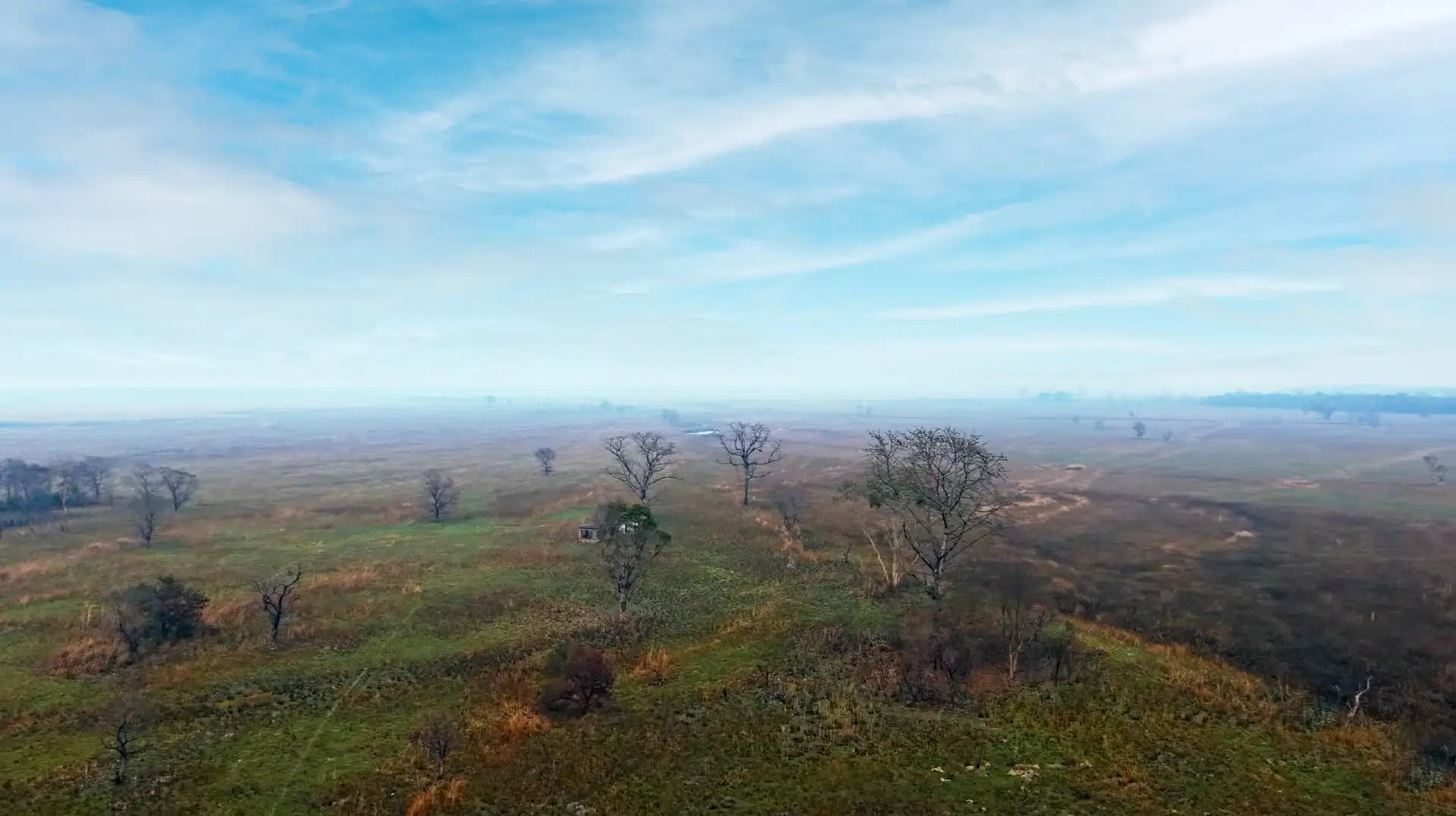
Shuklaphanta wildlife reserve consists of open grasslands, forests, riverbeds and tropical wetlands which lies inside the Terai-Duar Savanna and grasslands.
History
At first, Shuklaphanta areas were mostly used by Nepal’s ruling class as a hunting ground which they later on declared as a Royal hunting reserve in 1969.
Then it was later named as “Royal Shukla Phanta Wildlife Reserve” in 1973 which comprises 155 square km areas that got stretched to its prevalent size in 1980s. The reserve was transformed as a Shuklaphanta National park in 2017 and became the youngest National park in Nepal.
Weather and Climatic Conditions
Suklaphanta National Park experiences four different seasonal variations, spring, summer, winter, and autumn. Spring which starts from March to June offers moderate humidity and temperature which is best for visiting.
The lush green forest, greener hills, clear skies makes it the peak season to visit the Terai lowlands. Summer / monsoon season which starts in mid-june and lasts till September is not favorable to visit because the terai region receives annual rainfall of 1,579 mm which makes it too slippery, humid and hot during daytime.
Another best season to visit Suklaphanta wildlife reserve is Autumn which falls in the months of September to November. The clear weather and comfortable daytime temperature is favorable for daytime safari, jungle walk or hiking inside the reserve.
Suklaphanta National park during winter(November to February) favors the wildlife visit but you need to deal with colder climatic conditions of 7 °C to 12 °C in daytime and sightings are also rare.
Wildlife and Biodiversity
The vast grasslands, sal savanna, sub-tropical forest filled with sal forest, rivers like Chaudhar, Syali, and Mahakali, and wetlands such as Rani tal and Sikari tal inside the park inhibit a wide range of wildlife and vegetation. The water resource is home to:
- 28 species of fish,
- 12 species of reptiles and amphibians
Whereas in the climax forest and grassland, it is sheltering:
- 46 species of mammals,
- 423 species of birds.
The youngest national park is sheltering different wild mammals like:
- Swamp deer,
- wild elephants,
- Royal bengal tigers,
- Indian leopards,
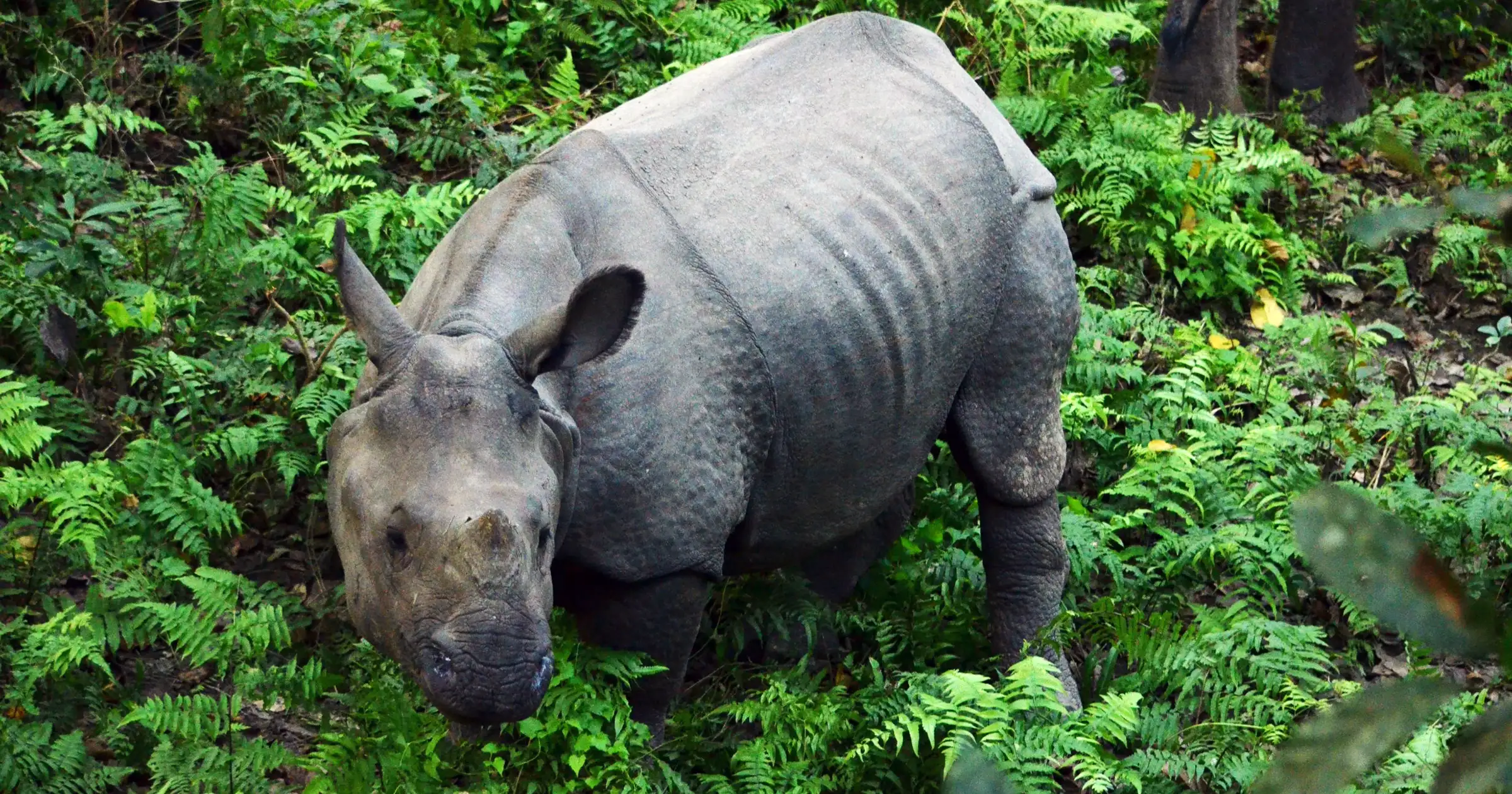
- One-horned rhino
- spotted deer,
- Black bucks,
- Rusty-spotted cat
- blue bull,
- barking deer,
- hog deer,
- hispid hare
- wild boar,
- leopard,
- jackal,
- langur and rhesus monkey
Beside this, reptiles species including marsh mugger crocodile, cobra, python also thrive here. The forest, water resources, and open grassland is also habitat of resident aerial and water birds species such as:
- great slaty woodpeckers
- white-naped woodpeckers
- white-rumped vulture,
- slender-billed vulture,
- lesser adjutant,
- Swamp francolin,
- grass owl,
- warblers,
- Flycatchers,
- Bengal florican
- grey-headed fish eagle,
- darter, and
- rufous rumped grassbird.
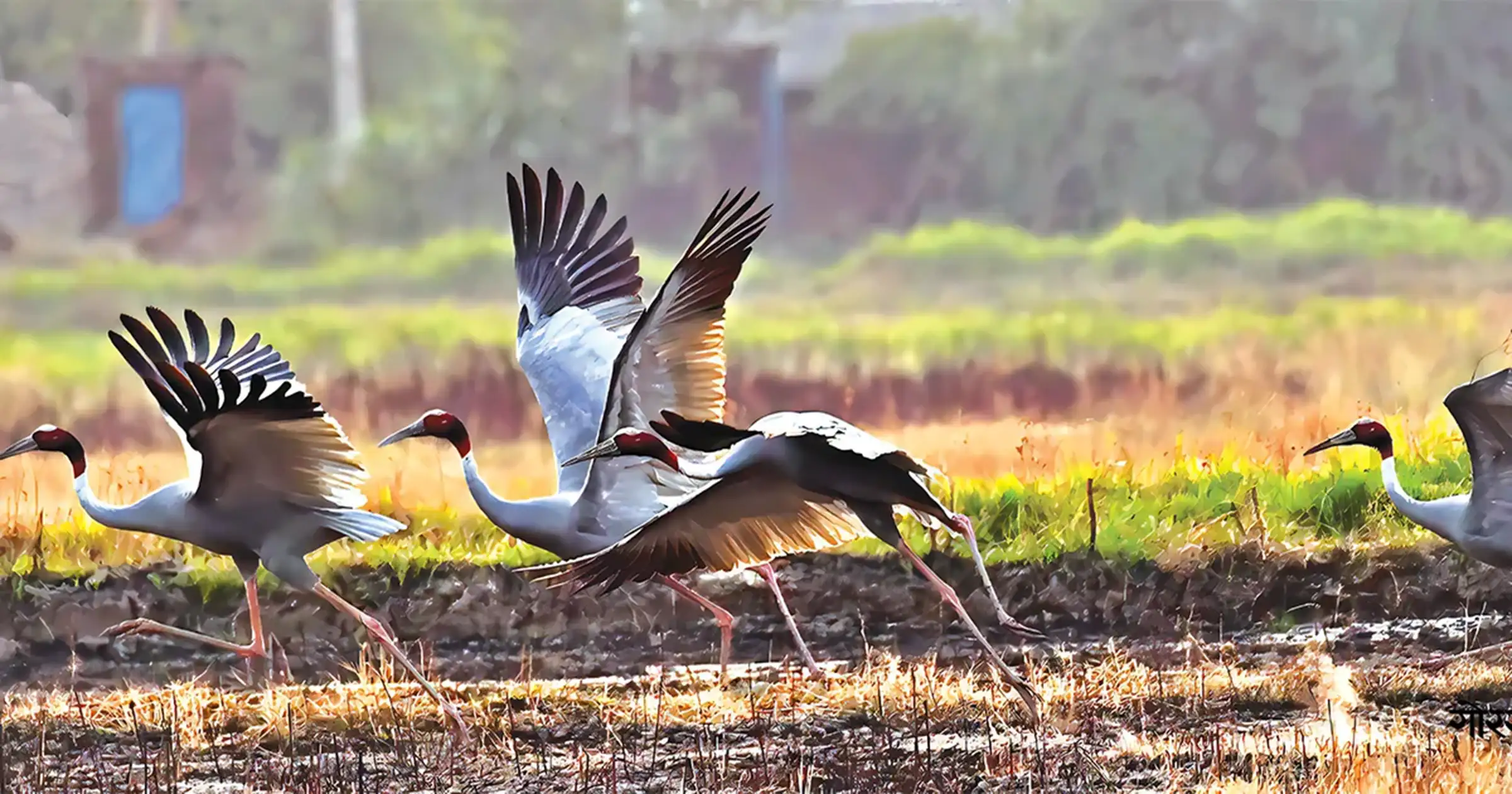
During summer and winter season, many birds from International lands visit Suklaphanta wildlife reserve to escape extreme hot and cold weather conditions. Some of the popular summer visitors are:
- Sarus crane
- painted stork and
- bristled grassbird
Likewise, it also attracts following bird species during winter:
- Greater racquet tailed drongo,
- white-capped water redstart,
- rusty tailed flycatcher and
- a rufous gorget flycatcher.
Prime Habitat of Royal Bengal Tiger
The Shuklaphanta National Park is a key habitat for Royal Bengal tigers, one of the most important wild predators that dwells in grassland and forested areas of the park.
According to the tiger census conducted on July 29, 2026, 429 Royal Bengal tigers were recorded all over Nepal. Out of 429 Royal Bengal tigers, 50 are recorded living inside the Laljhadi–Mohana Conservation Area near the park and Jogbudha in Dadeldhura.
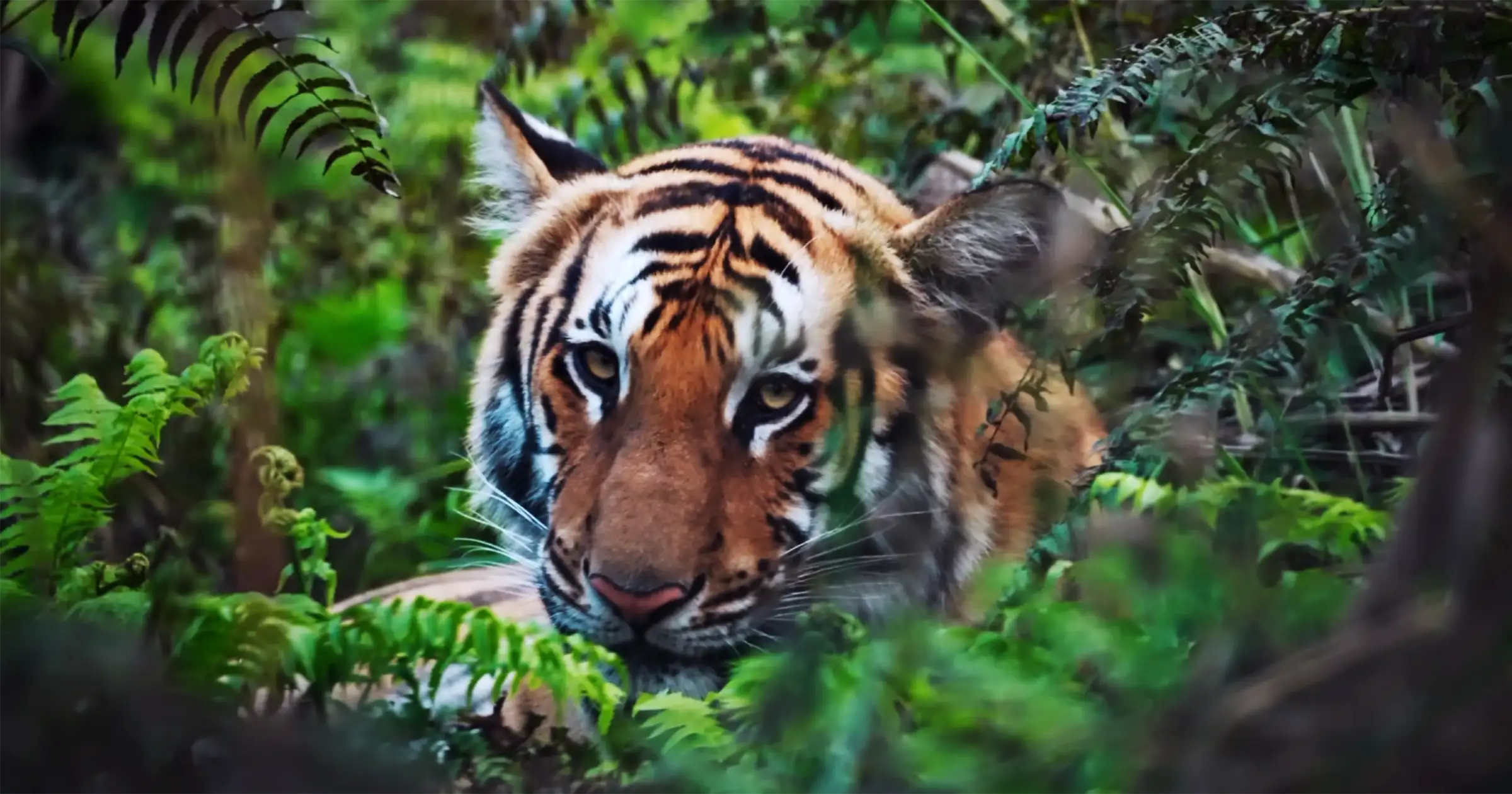
Last year, 43 Royal Bengal tigers were recorded in the park which increased to 50 this year and is due to park’s grasslands, wetlands, forests, and healthy prey populations. The park which is relatively small in size, boasts one of the densest tiger populations in Nepal.
The sighting of these rare and endangered animal is never guaranteed as they are naturally elusive and it’s movement depend on habitat conditions, prey availability, and other environmental factors.
Highest Population of Swamp Deer (Barasingha deer)
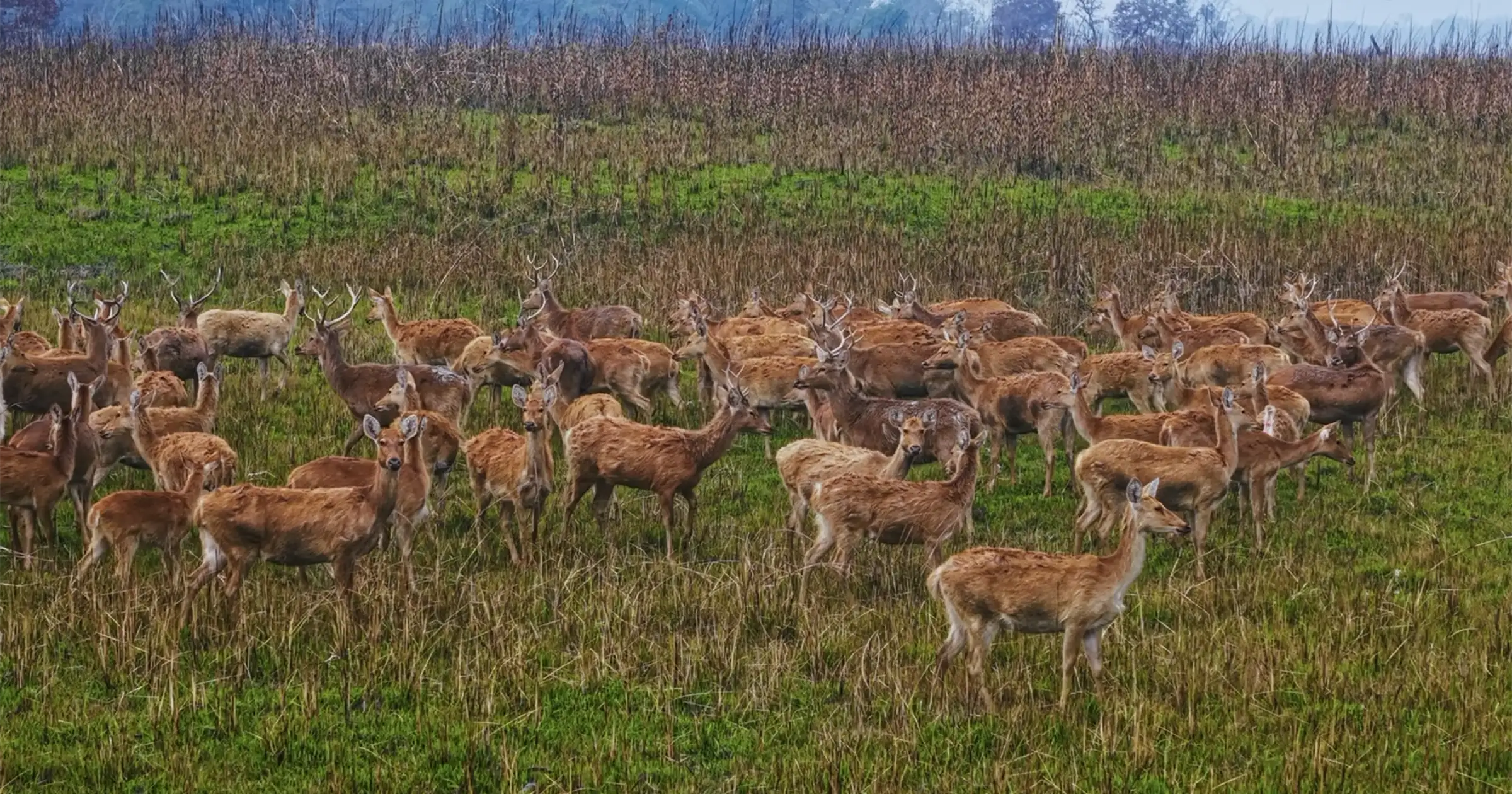
Swamp Deer also known as Barasingha is another most iconic animal that dwells in Suklaphanta wildlife reserve. They are spotted grazing in vast grassland and wetland environments in groups.
For wildlife photographers, watching a herd move through the morning mist can be one of the most memorable experiences of a visit. As of 2026, the youngest wildlife reserve, Shuklaphanta is sheltering more than 2,323 endangered swamp deer.
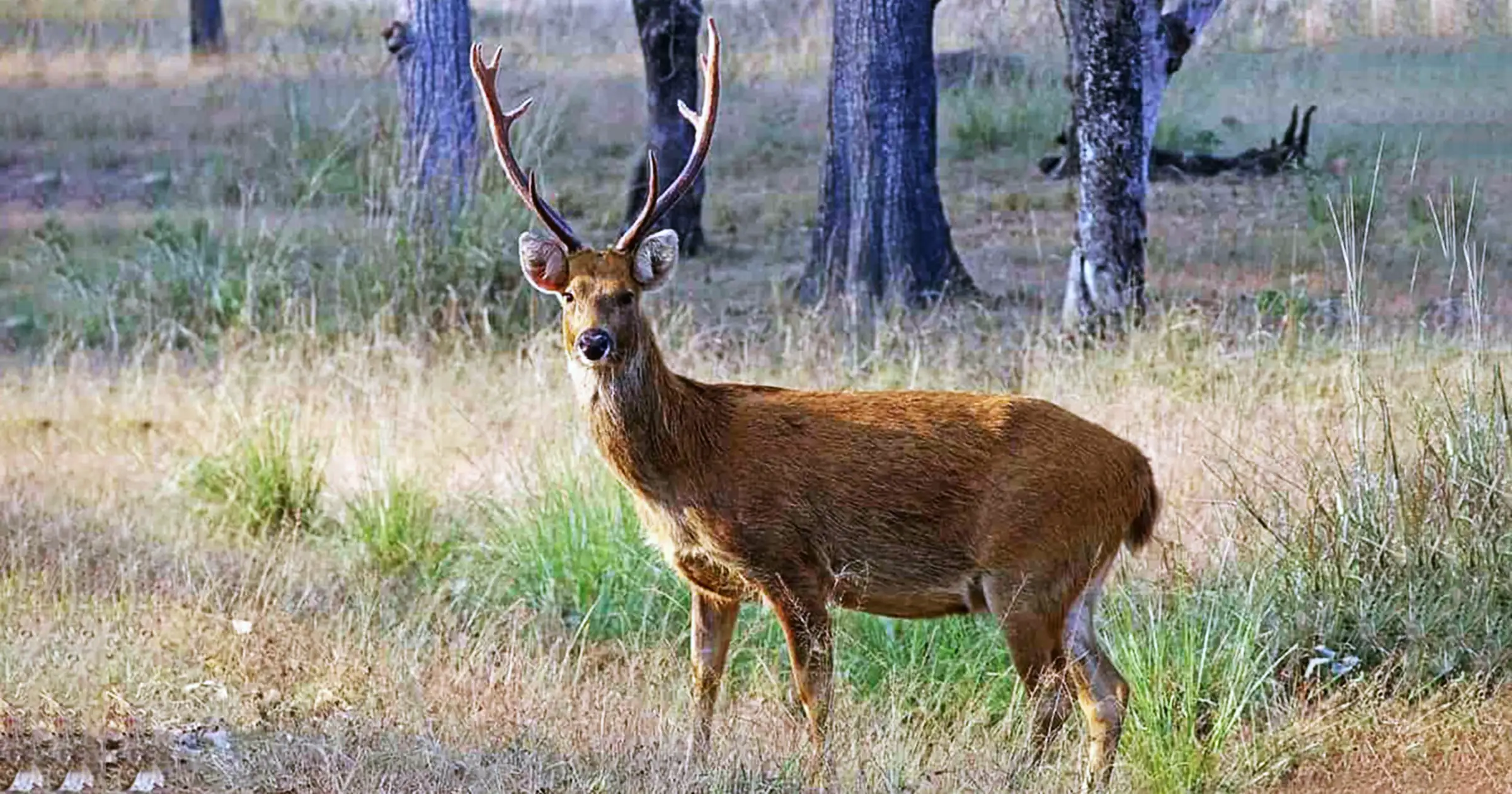
The diverse ecosystem, open grassland, unique ecological zone, and successful conservation strategies contributes to the growing population of rare and IUCN listed Swamp deer species.
How to Reach Suklaphanta National Park in 2026
Suklaphanta National Park can be reached easily via roadways and airways. Whichever routes you choose, you need to first reach Mahendranagar.
By Air
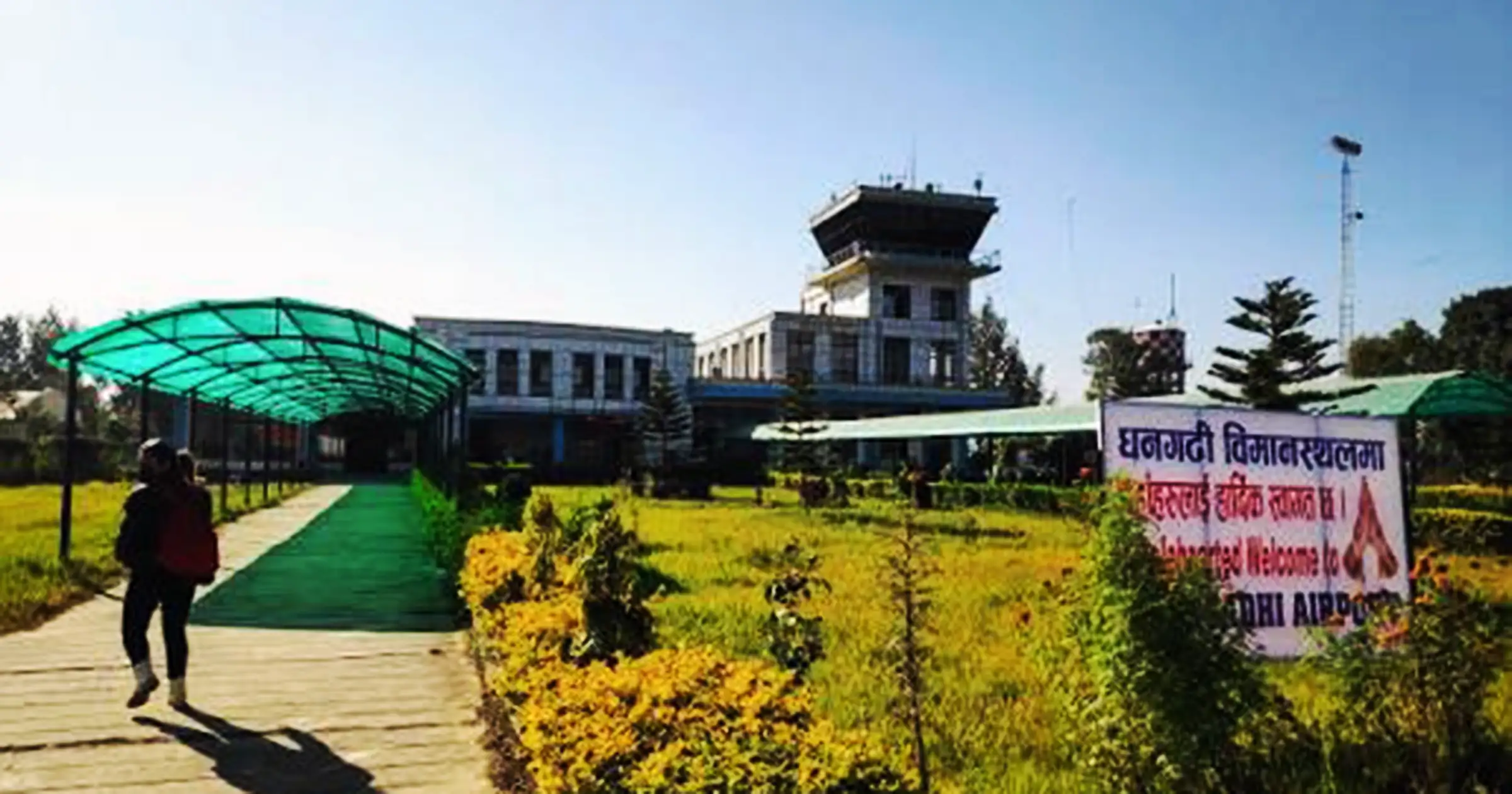
If you choose a domestic flight you need to reach Dhangadi airport. Flights to Dhangadi airport operate daily from Kathmandu airport.
Within 1 hour and 10 minutes you will land in Dhangadi airport. Then, you will need to take a scenic drive of around one and half towards Shuklaphanta National park via Mahendranagar.
By Road
Public buses and private vehicles also make you connect to the western Terai. The road distance from Kathmandu to Mahendranagar is around 695 to 710 km, and from Mahendranagar to Shuklaphanta National Park (Majhgaon headquarters) is an extra 5 to 8 km.
Depending upon the vehicle and the season, you will arrive at Suklaphanta within 18 to 22 hours.
Shuklaphanta National Park Entry Fees and Permits (2026)
Visitors must obtain an official entry permit before entering Shuklaphanta National Park. The park-entry fee lists are mentioned below:
| Visitor Category | Entry Fee |
| Nepali citizens | NPR 100 per person |
| SAARC nationals | NPR 750 per person |
| Other foreign nationals | NPR 1,500 per person |
| Children below 10 years | Free |
Things to do in Suklaphanta National Park
Suklaphanta National Park offers a wide range of activities for travelers. It’s serene jungle, diverse wildlife, nearby local communities culture and traditions are beautiful attraction of the National park
Jungle Safari
Jungle safari is one of the best and underrated activities you can do at the Suklaphanta national park. You can either book a jeep safari to explore its wilderness, untouched natural beauty, and the diverse topography.
If you enjoy minimal human interaction, and are searching a wilderness experience beyond the popular Nepal Safari spots such as Chitwan, Bardia, Shuklaphanta Jungle Safari stands out as the perfect option for experiencing serenity and less-disturbed natural beauty.
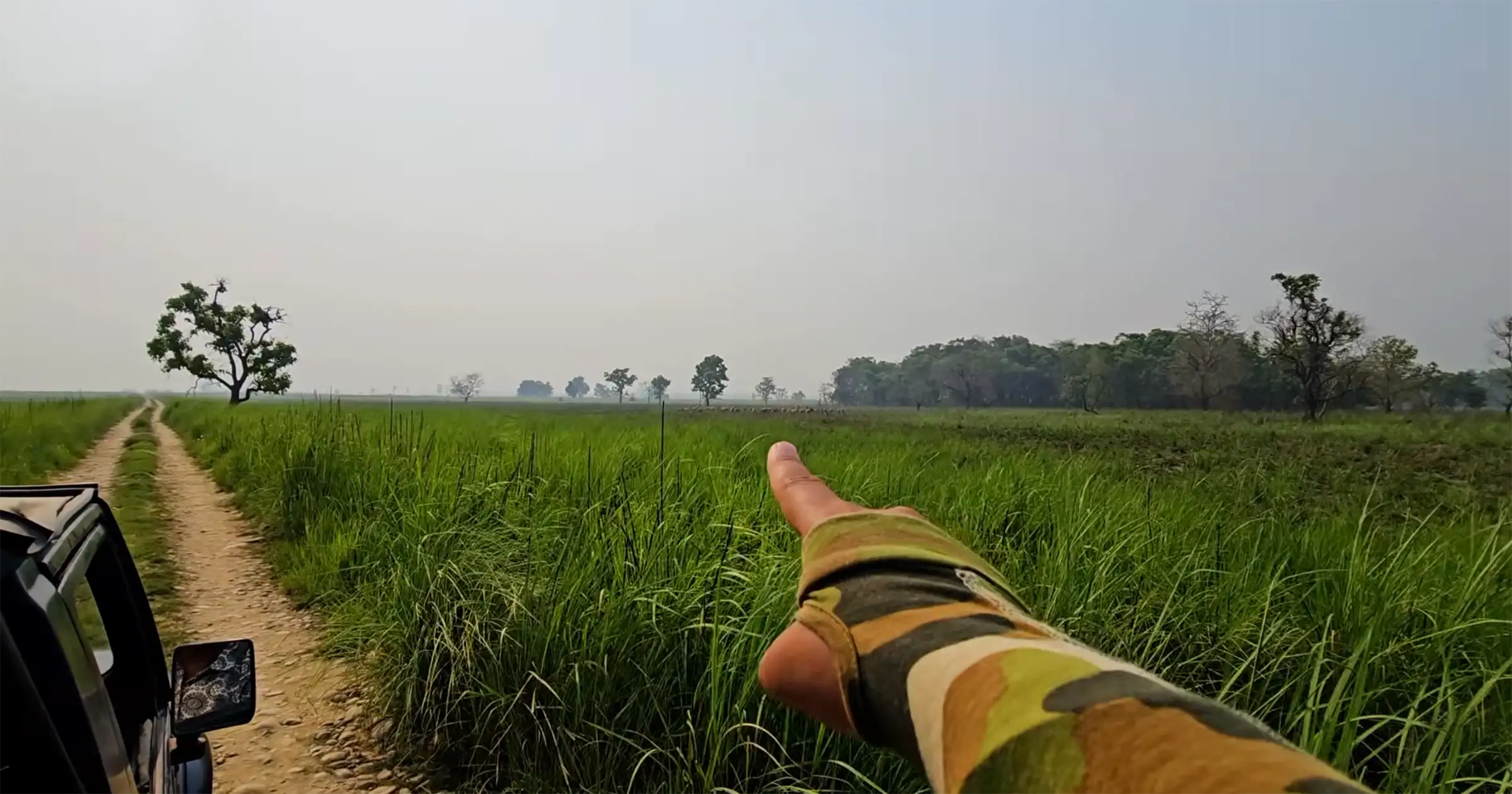
During your safari you will get a chance to witness wide range of wildlife including:
- Bengal Tiger,
- swamp deer,
- rhinoceros,
- elephants,
- otters, and more.
Bird Watching
Shuklaphanta is a rewarding destination for birdwatching as its wetlands, open grasslands attract a wide range of bird species. If you enjoy capturing birds inside your camera lens and want to spend hours and hours learning about different aerial as well as aquatic birds, then you should also allocate an extra day in your tour itinerary.
You may get to witness wide range of migratory as well as residents birds in this national park and they are listed below:
- Bengal florican
- Sarus crane
- Swamp francolin
- Grass owl
- Various eagles and other raptors
- Kingfishers
- Herons
- Egrets
- Migratory waterbirds
We suggest carrying binoculars, a bird identification guide, and a camera with a suitable zoom lens during your birdwatching day. Also, hiring a knowledgeable local naturalist can also help you identify species and understand their behavior.
Visiting Rani Tal
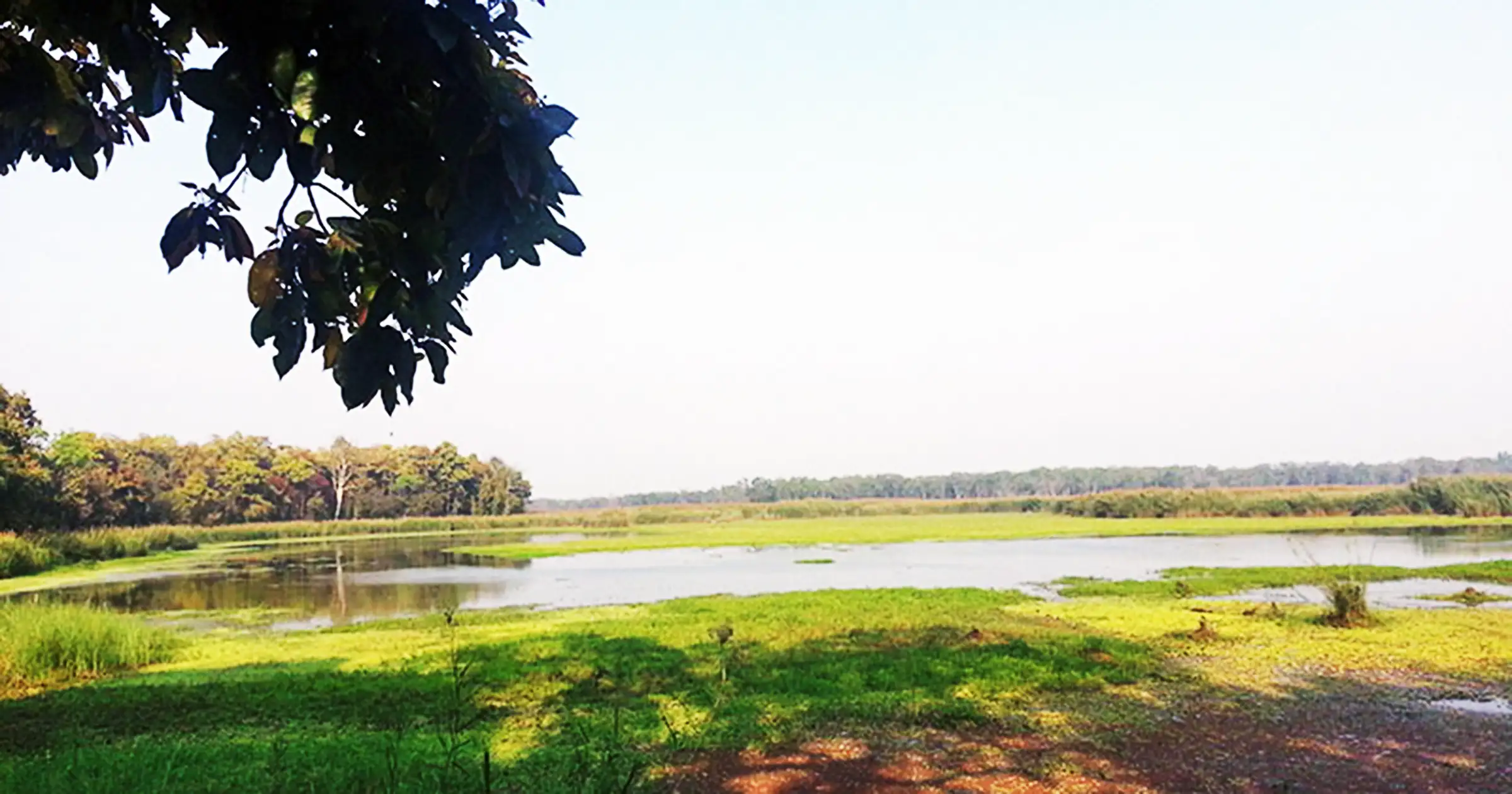
Rani tal is a wetland lake which is located deep inside the southern or central sector of the Shuklaphanta national park. This wetland is home to:
- 24 species of vertebrate,
- 350 types of winged creatures including 180 rearing species,
- 14 fish types,
- 10 different types of ectoparasites and gnawing flies.
When doing a jeep safari, you will stop at its shore and spend some time waiting for wild creatures to encounter.
Sightseeing
Shuklaphanta national park is surrounded by many attractions like Rani tal, Ghodaghodi tal, Dhodhara chadani bridge, Siddhanath temple, Brahmadev temple, and Mahakali river. During your national park visit you can also spend extra days by enjoying the beauty of Far-western Nepal.
How to Visit Shuklaphanta Sustainably in 2026
Shuklaphanta national park demands a responsible approach as it is a protected ecosystem which is home to rare and endangered wildlife and plant species. So, every visitors should explore this national park without hampering the wildlife and surrounding environment.
Your travel can be responsible if you follow:
- Never feed or poke if you encounter wild animals.
- Always maintain a safe distance from wildlife.
- Avoid loud noises during safari.
- Follow necessary parks protocols and respect the instructions of park officials and guides.
- Do not litter here and there and avoid use of plastic inside the park.
Planning to Explore Shuklaphanta National Park in 2027?
Or Call/Message on WhatsApp +977 98434 13619
- Avoid disturbing birds during nesting or feeding.
- Never attempt to attract animals for photographs.
- Choose authorized safari operators and experienced local guides from us.
- Respect local communities and their cultural traditions.
Final Verdict on Natural Beauty of Far-West Nepal
Shuklaphanta National Park is one of remarkable wildlife destinations which offers a unique opportunity to explore the natural beauty of the Far-West. From witnessing impressive herds of swamp deer across open grasslands to discovering the habitat of the Royal Bengal tiger, every visit offers a chance to appreciate the extraordinary biodiversity of the Terai.
Whether you are planning a short safari, a photography expedition, or a broader journey through Sudurpashchim Province, Shuklaphanta promises a refreshing experience away from the usual tourist routes. So, if you are looking for an authentic wildlife adventure in Nepal, consider booking a Shuklaphanta National Park with Awesome Holidays Nepal in 2026.
FAQs
Expand AllWhat is a barasingha / swamp deer?
Barasingha, also known as swamp deer, is a large deer species which is popular for its impressive multi-tined antlers.
What is Shuklaphanta National Park famous for?
Shuklaphanta National Park is famous for its large population of swamp deer, Royal Bengal tigers, extensive grasslands, wetlands, and rich birdlife.
What animals live in Shuklaphanta National Park?
Swamp deer, Bengal tigers, one-horned rhinoceros, elephants, leopards, spotted deer, wild boars, are some of the animal that live in Shuklaphanta National Park.
Where is Shuklaphanta National Park located?
Shuklaphanta National Park is located in Kanchanpur District of Sudurpashchim Province in southwestern Nepal.
How many tigers are in Shuklaphanta National Park?
As of 2026, 50 tigers are recorded in Shuklaphanta National Park.
What is the best time to visit Shuklaphanta?
The best time to visit Shuklaphanta National Park is from September-December and February to the end of May.
What is the entry fee for Shuklaphanta National Park?
The entry fee for Shuklaphanta National Park is listed:
- Nepali citizens: NPR 100 per person
- SAARC nationals: NPR 750 per person
- Other foreign nationals: NPR 1,500 per person
- Children below 10 years: Free.
What is the largest herd of swamp deer in the world?
The largest herd of swamp deer in the world is Shuklaphanta National Park.
Where to stay near Shuklaphanta National Park?
Shuklaphanta Jungle Cottage is the best place to stay near Shuklaphanta National Park.
Can you see tigers in Shuklaphanta National Park?
Yes. Visitors have rare chance to spot Bengal tigers during guided jeep safaris in Shuklaphanta.
Are there elephants in Shuklaphanta National Park?
Yes, there are elephants in Shuklaphanta National Park.
Is Shuklaphanta a national park or wildlife reserve?
Shuklaphanta was wildlife reserve until 2017 and then it got upgraded to national park.
How many bird species are in Shuklaphanta?
Around 450 bird species inhibits in Shuklaphanta.
When was Shuklaphanta declared a national park?
Shuklaphanta was declared as a national park in 2017.
Is jeep safari allowed in Shuklaphanta National Park?
Yes, jeep safari are allowed in Shuklaphanta National Park.
Is there an airport near Shuklaphanta National Park?
Yes, Dhangadhi Airport is the nearest major airport near Shuklaphanta National Park.
Do I need a guide to enter Shuklaphanta National Park?
Yes, a certified nature or jungle guide is required to enter and explore Shuklaphanta reserve.
How many days do you need in Shuklaphanta?
2 to 3 days in average is needed to explore Shuklaphanta.
What permits are required for Shuklaphanta?
Shuklaphanta national park entry permit is required for Shuklaphanta.
Is Shuklaphanta open during monsoon?
No. Shuklaphanta National Park is closed to visitors during the monsoon season
Related blog posts
Discover a choice of tourist destinations loved by most of our visitors. Whether you're on a jungle safari to spot rare animals or walking through a world heritage site, these well-planned itineraries cover the major highlights of Nepal.


 call an expert at: