
Getting Sick in Manang Nepal: Medical Help, Evacuation and Survival Tips

 Sristi Adhikari
When doing a multiple-week Annapurna circuit trek, it is more common to experience pounding headache, nausea, fever, dizziness, loss of appetite, or crushing exhaustion which lead to falling Sick in Manang Nepal.
Situated at an elevation of 3,540 meters, Manang is a remote Himalayan village of the Annapurna region which is surrounded by rugged snow-capped mountains, cold winds, and limited medical facilities. When preparing for challenging Thorong La Pass, the high altitude also makes Manang, one of the most common places for travelers to develop Acute Mountain Sickness (AMS).
So, if you are there or planning trip to Manang and are still asking question to yourself. Then, Continue reading this blog, so that we can help you understand where to seek medical help, when to descend immediately, and how emergency helicopter evacuation works, along with practical survival tips for trekkers in 2026.
Why Manang is such a Critical Stop on the Annapurna Circuit?
Manang is not just a village but it is a critical stop on the Annapurna circuit because of its high altitude. If you are wondering What altitude is Manang Nepal, then the answer is 3,540 meters (11,614 feet) above sea level.
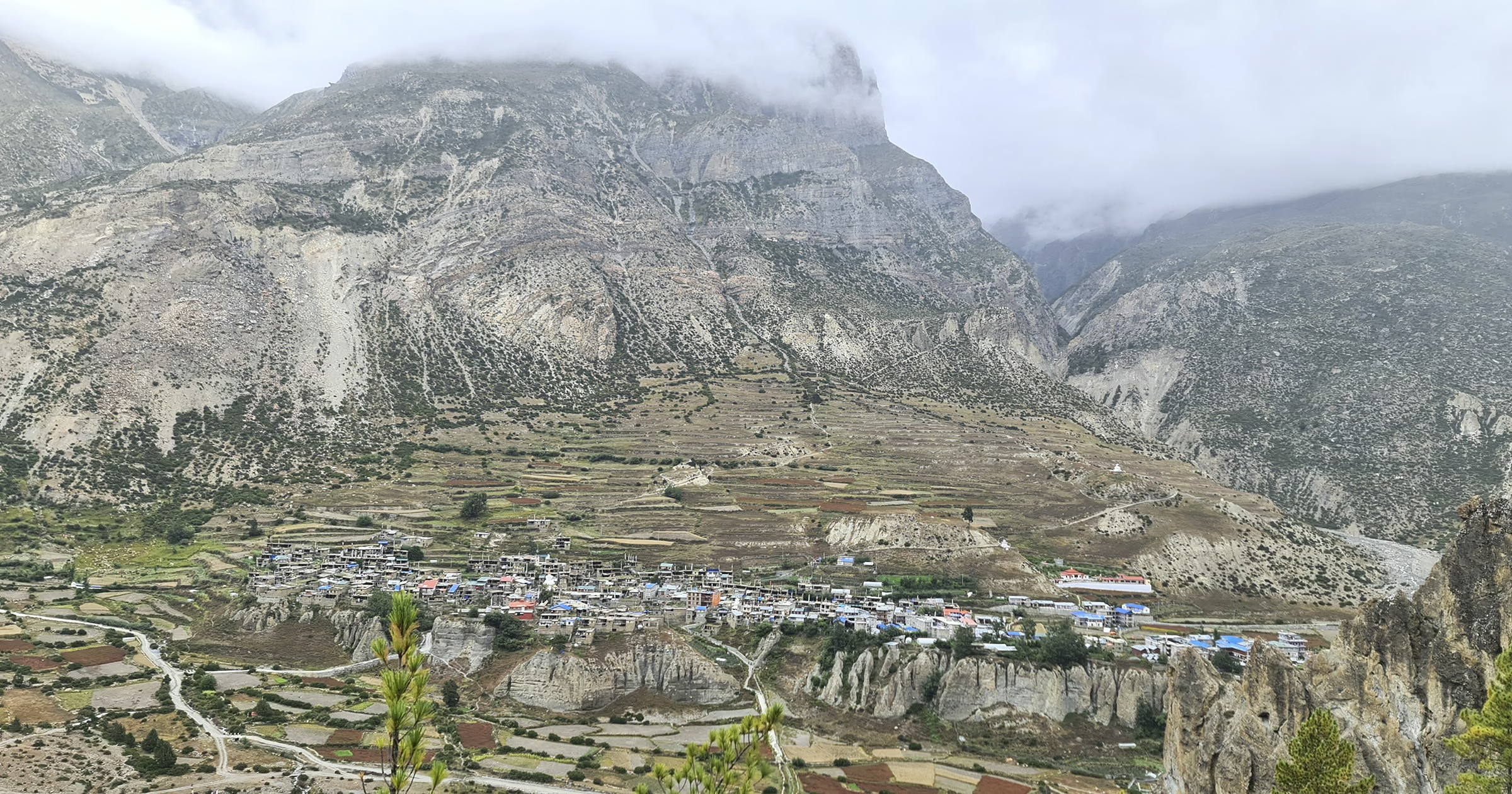
When doing the classic Annapurna Circuit trek, you have to walk higher continuously for at least 6 days from Besishahar to reach Manang. Your body will start taking stress due to significant decrease of oxygen levels by 30 to 35 percent at this elevation.
So, resting in Manang is very important and everyone should follow the trekkers safety guides in order to complete the journey without stress.
Manang Altitude Sickness: Why it Happens
There is high risk of suffering from altitude sickness after reaching the elevation of 3,000 meters from sea level. As Manang surpasses this elevation, you are more likely to suffer from common health issues if you neglect minor symptoms and prioritizing on ascending too quickly.
Subsequently, most trekkers body start to give up due to oxygen deficiency which result in condition called Acute Mountain Sickness (AMS) or altitude sickness. Other cases which increase the chances of suffering from altitude sickness are:
- Drinking alcohol and smoking.
- Ignoring minor headache and body discomfort.
- Dehydration and not eating proper meal.
- Speeding in the trekking trails, etc.
Symptoms of AMS at 3,500m Altitude
Trekking to Manang demands you to address the minor symptoms because ignoring it can result in life and death situation. You will start noticing symptoms of AMS at 3500m altitude like:
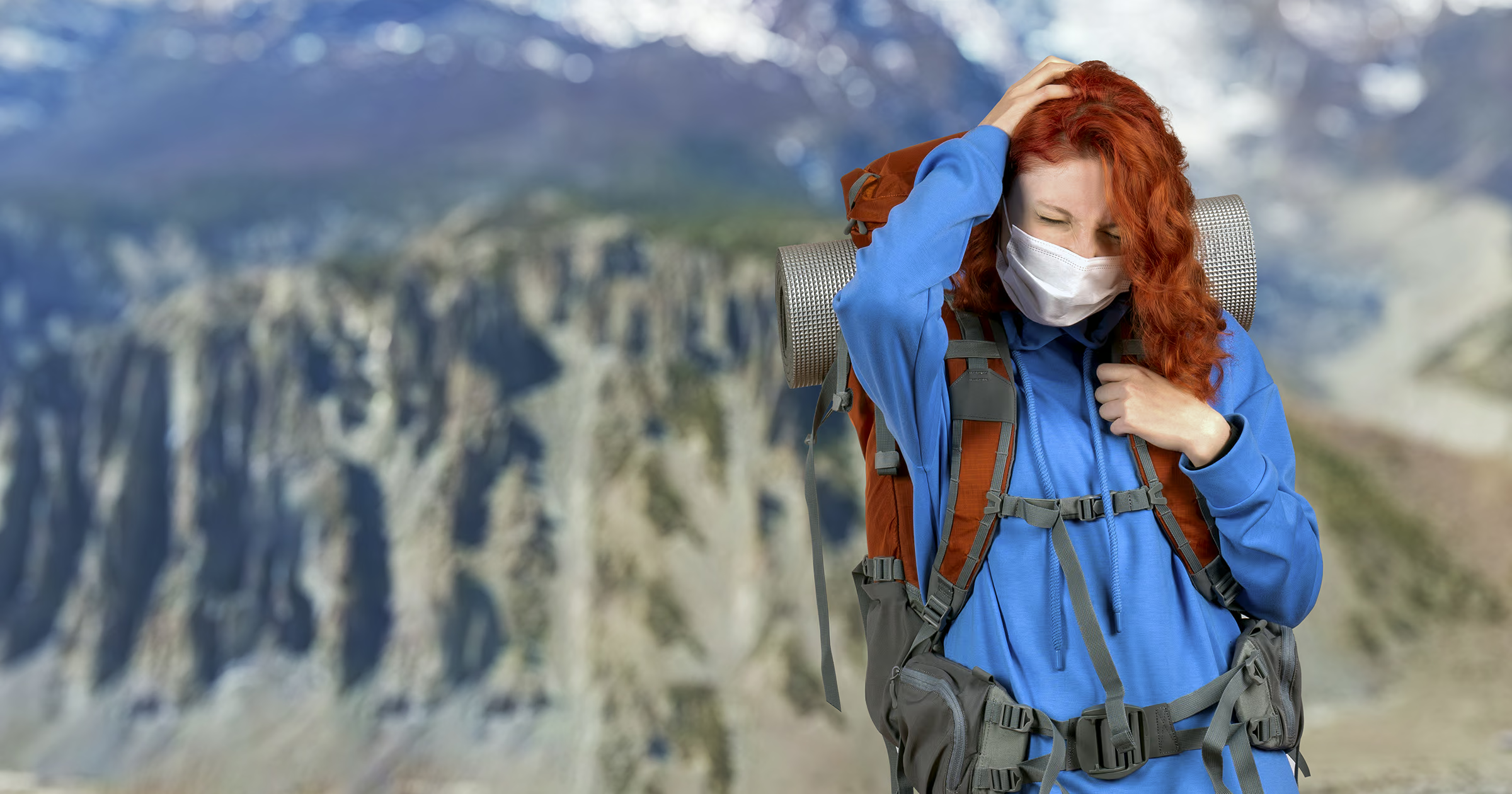
- Difficulty in breathing,
- Feeling tired,
- Problem getting sleep,
- Loss of appetite, nausea,
- Headache, and dizziness.
If you ignore above symptoms and continue walking, then you will become confused, you will feel difficulty in coordinating, there will be feeling of heavy chest, along with blue lips or fingertips. This will lead trekkers become Sick in Manang Nepal and anytime this conditions will change into life threatening situations like develop HAPE (High Altitude Pulmonary Edema) or HACE (High Altitude Cerebral Edema).
Medical Facilities Manang
Although remote, there are still some essential medical facilities Manang available for trekkers which are limited to health post and clinic.
Manang Health Post Nepal
The Manang Health Post is providing diagnosis for basic altitude sickness by monitoring health conditions with the facility of oxygen support. This government run health post offer facilities like:
- Checking oxygen saturation level.
- First aid for minor sprain and injuries
- Medication for symptoms like headache, diarrhea, nausea, and other infection.
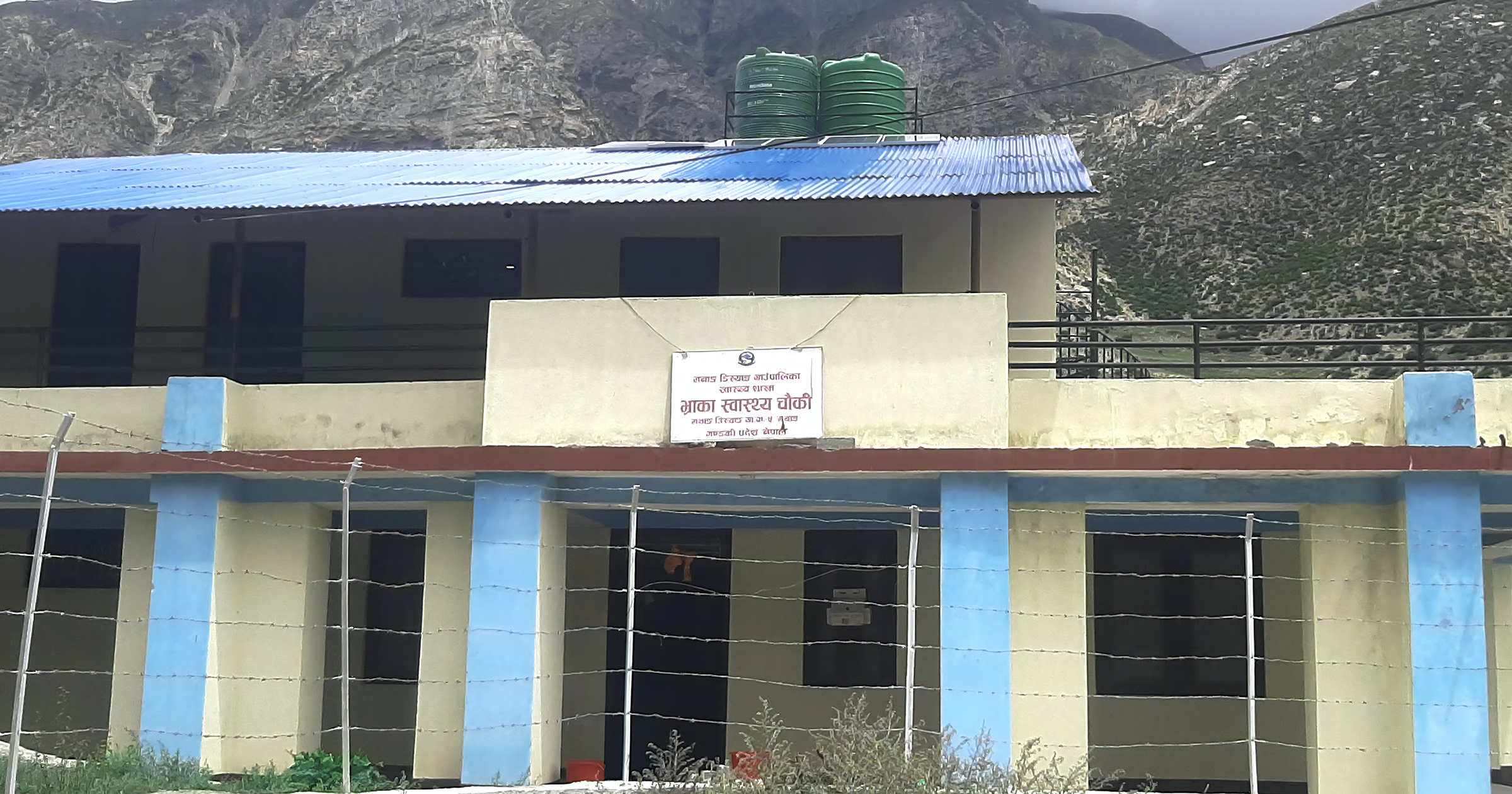
Even though, you can get minor medication for Altitude sickness from the health post but if you becomes critically Sick in Manang Nepal, you have to get emergency evacuation to either Pokhara or Kathmandu as there are no advanced hospital near Manang.
Manang Aid Post Himalayan Rescue Association
The Himalayan rescue association is a clinic which is continuously working for mountain safety and providing knowledge regarding the high-altitude sickness in Manang Nepal. If you are in trouble then do not hesitate to consult with clinic’s expert.
How to Treat Altitude Sickness on Annapurna Circuit?
It’s normal to fall sick in Manang Nepal when doing the Annapurna circuit trek but this does not mean, you should ignore the symptoms or continue pushing toward higher altitude without proper rest, acclimatization, and medical attention. You should treat yourself without panicking and do things mentioned below:
- Stop the hike as soon as you notice normal or mild symptoms of altitude sickness.
- Do not panic and rest by facing downhill.
- You should take plenty of rest in teahouses and focus on hydrating by drinking enough water and hot soups, teas and electrolyte drinks.
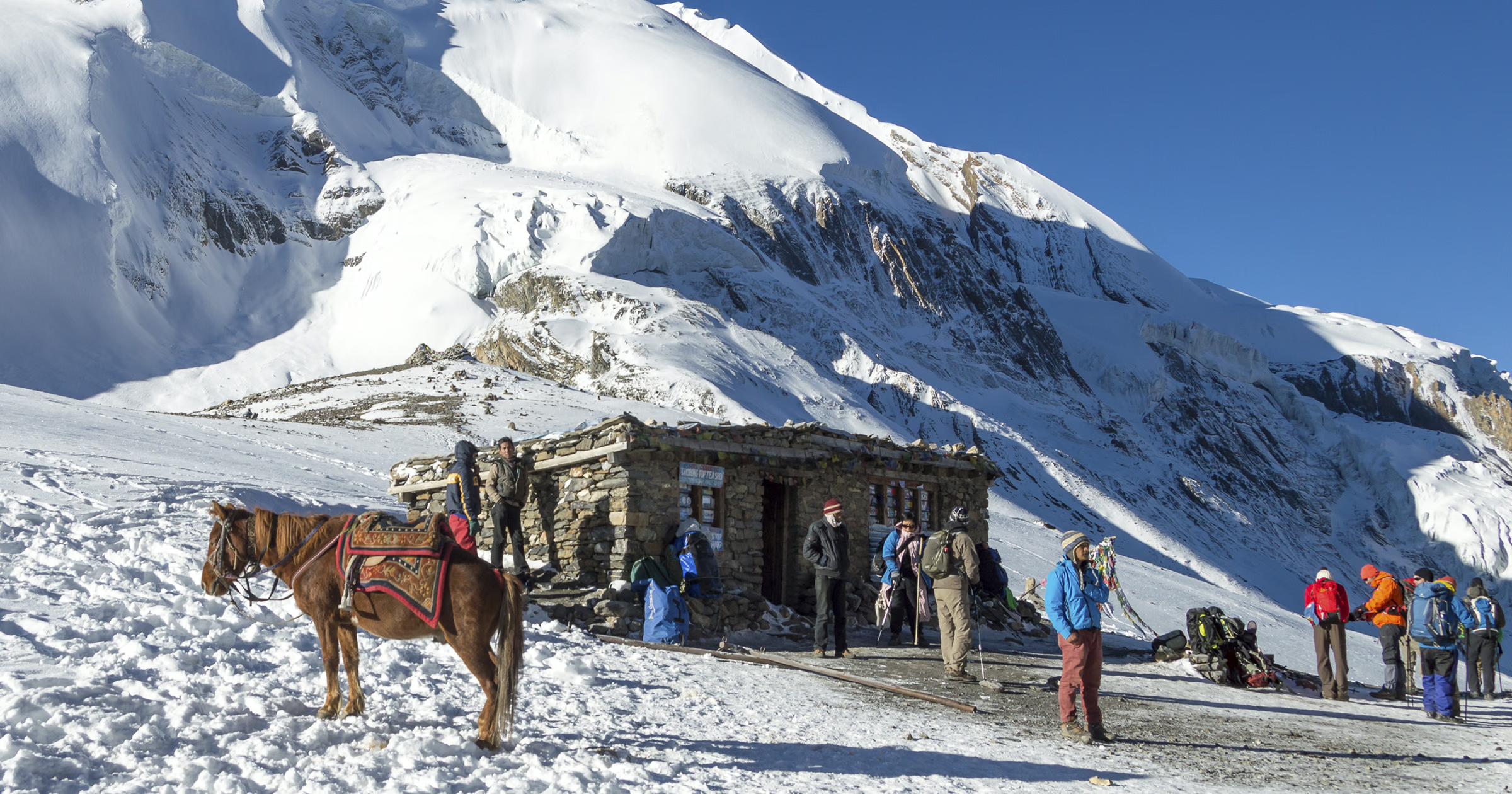
- If resting for couple of days does not improve the condition, you should descend down and seek professional help.
- If you find trouble balancing and your voice become slurred, you should inform your guide and ask for emergency evacuation.
Manang Emergency Nepal: Rescue and Evacuation
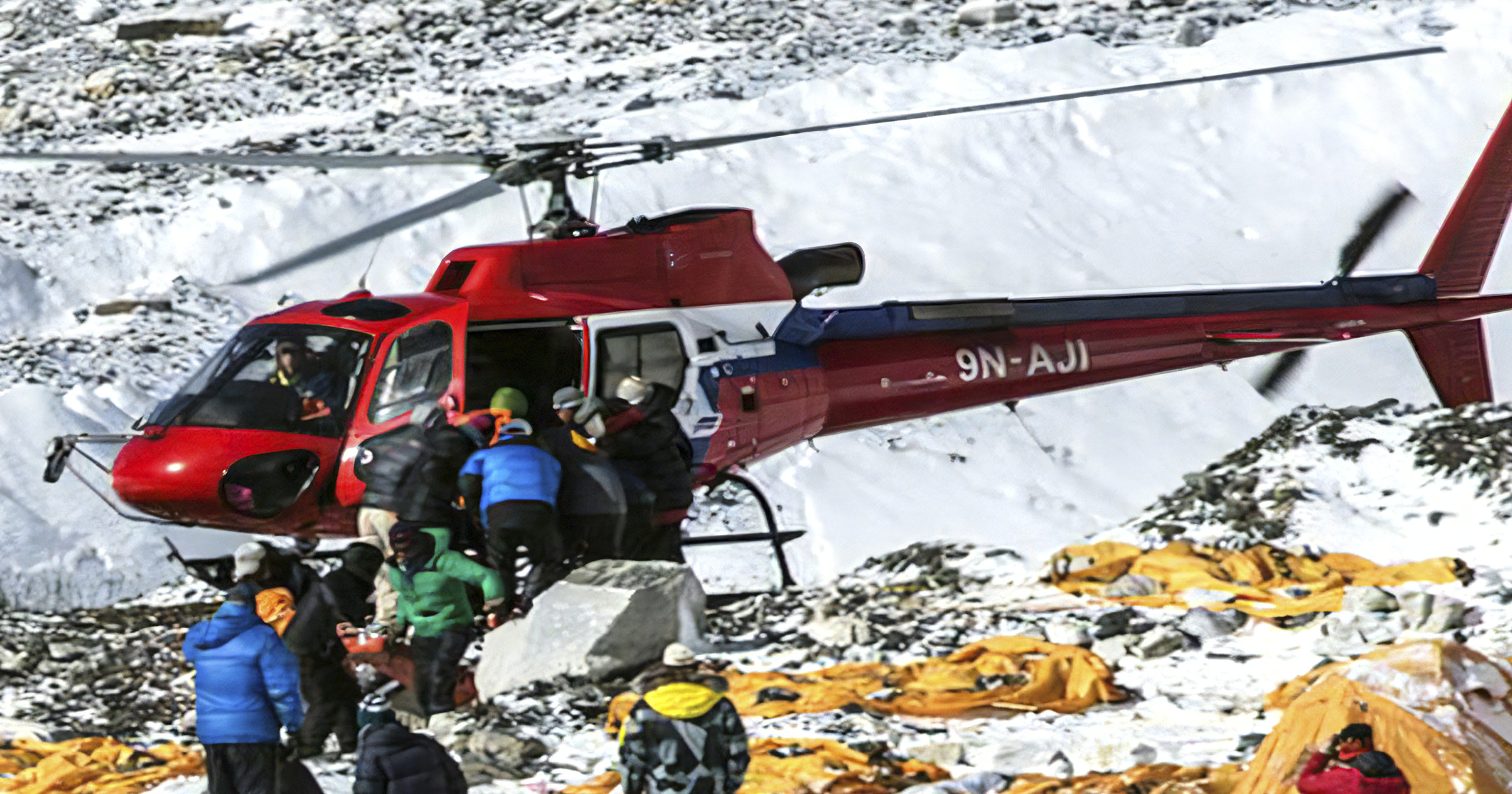
A serious Manang emergency Nepal situation often involves helicopter evacuation. Due to remote location and off-road terrain of Manang Nepal, it takes more than 12 to 13 hours to reach nearby hospital of Pokhara or Kathmandu byroad so when trekkers become dangerously Sick in Manang Nepal, helicopter evacuation is the only safe option.
The emergency evacuation options become mandatory in case of severe AMS, HAPE, HACE, injury or trauma, and respiratory complications. So, every trekkers should purchase proper trekking insurance helicopter rescue Nepal coverage if your trek takes you above an elevation of 3,000 meters.
If you do not want to spend thousand of dollar on emergency evacuation, then focus on adding following points when buying travel insurance in Nepal:
- High-altitude trekking coverage above 6,000 meters
- Helicopter evacuation
- Emergency hospitalization
- Medical repatriation
Survival Tips to Avoid Getting Sick in Manang Nepal
Every trekkers or nature enthusiasts who are planning their trek either up to Manang or Annapurna circuit should focus on following tips to complete their journey with only good memories in 2026:
- Trekkers should always take Acclimatization days seriously instead of completing the trek early.
- Always focus on walk in a slower pace without any rush.
- Stay hydrated by drinking around 3 to 4 liter of water daily and avoid intoxication drink like alcohol.
- Have full meals and focus on adding enough carbohydrates on your plates.
- Always listen to your body minor signs like headache, dizziness or craving.
- Pack plenty of dried nuts, yoga bars, and chocolate to munch in the view points.
- Pack proper clothing and trekking gear so you won’t feel discomfort in the trails.
- Do not hike alone without guide or porters even though you are on solo journey.
- Make your guide a companion and share minor details regarding discomfort to him.
Final Thoughts
The biggest challenges trekkers face on the Annapurna Circuit is becoming sick in Manang Nepal. The combination of high altitude, cold weather, exhaustion, and rapid ascent makes Manang a critical point for acclimatization and health monitoring in the Annapurna region.
However, most altitude-related illnesses can be prevented or managed safely if trekkers pay attention to early symptoms, acclimatize properly, and avoid pushing beyond their physical limits no matter whether you are doing a short trek or multiple week trek in the remote Himalayas of Nepal.
If every trekker focus on patience instead of reaching highest elevation and completing trek early, mountain air will surely bless you with a memories that last till lifetime. Also make sure to contact Awesome Holidays Nepal as our experienced trekking guide will help you have a smooth and safe mountain journey in 2026.
FAQs
Expand AllWhat happens if you get sick in Manang Nepal?
If you get sick in Manang, you should stop ascending, rest properly, monitor symptoms, and seek medical help immediately.
Is there a hospital or clinic in Manang?
No. Manang only has basic health posts and small medical clinics.
How do you treat altitude sickness in Manang?
Proper rest, hydration, proper acclimatization, medication, oxygen support, and immediate descent help you treat altitude sickness in Manang.
What are the symptoms of AMS in Manang?
Headache, nausea, dizziness, fatigue, loss of appetite, and difficulty sleeping at high altitude are the symptoms of AMS in Manang.
Is there a doctor available in Manang Nepal?
Yes, medical workers and sometimes doctors are available in Manang during trekking seasons.
Can you get helicopter rescue from Manang?
Yes, emergency helicopter evacuation services are available from Manang.
How much does medical evacuation cost from Manang?
It cost several thousand dollars depending on weather, distance, and rescue requirements if you do not have high altitude trekking insurance.
Are there pharmacies in Manang?
Yes, there are small pharmacies in Manang.
What medicines are available in Manang?
Painkillers, altitude sickness medication, antibiotics, oral rehydration salts, and cold or stomach remedies are available in Manang.
How common is altitude sickness in Manang?
Altitude sickness is very common in Manang if you ascend too quickly without proper acclimatization.
What to do for diarrhea or food poisoning in Manang?
You should focus on proper rest, hydration, eat light meals, and seek medical help if symptoms become severe due to diarrhea or food poisoning.
Is travel insurance mandatory for Manang trekking?
Travel insurance is highly recommended for trekking to Manang.
What is the nearest major hospital to Manang Nepal?
Hospital of Kathmandu and Pokhara are nearest major hospital to Manang Nepal.
Does Manang have oxygen for altitude sickness?
Yes, some clinics and rescue centers in Manang have oxygen for altitude sickness.
How long should you acclimatize in Manang?
At least one or two nights is recommended for acclimatization in Manang.
Should you continue the trek if you feel sick in Manang?
No. You should not continue the trek if you feel sick in Manang.
Where is the Himalayan Rescue Association (HRA) post in Manang?
The Himalayan Rescue Association aid post in Manang provides altitude sickness information and emergency assistance to trekkers.
What are common illnesses in Manang besides altitude sickness?
Dehydration, diarrhea, food poisoning, cold, flu, cough, and exhaustion are common illnesses in Manang besides altitude sickness.
How to prevent getting sick while trekking to Manang?
You can prevent getting sick while trekking to Manang by acclimatizing slowly, drinking enough water, eating nutritious meals, avoiding alcohol, and listening to your body.
Is Manang safe for people with pre-existing health conditions?
People with pre-existing health conditions can trek to Manang safely if they consult a doctor beforehand and doing accordingly.
Related blog posts
Discover a choice of tourist destinations loved by most of our visitors. Whether you're on a jungle safari to spot rare animals or walking through a world heritage site, these well-planned itineraries cover the major highlights of Nepal.

 call an expert at: