
Barun Valley: Nepal’s Hidden Himalayan Wilderness – Complete 2026 Guide
 Sristi Adhikari
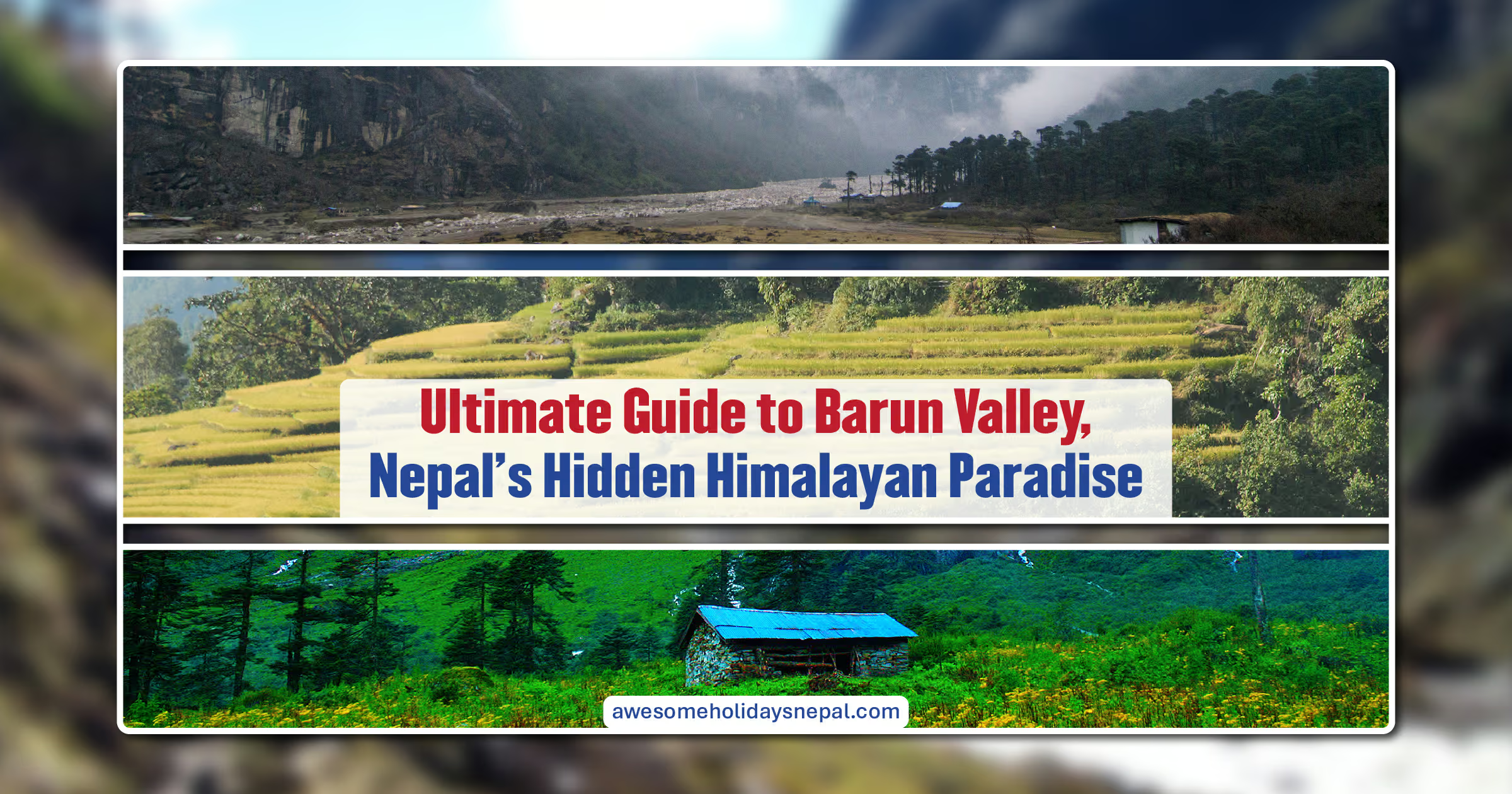
Are you planning to explore one of the hidden valleys in Nepal? Barun valley is waiting for you with its extreme wilderness and natural beauty.
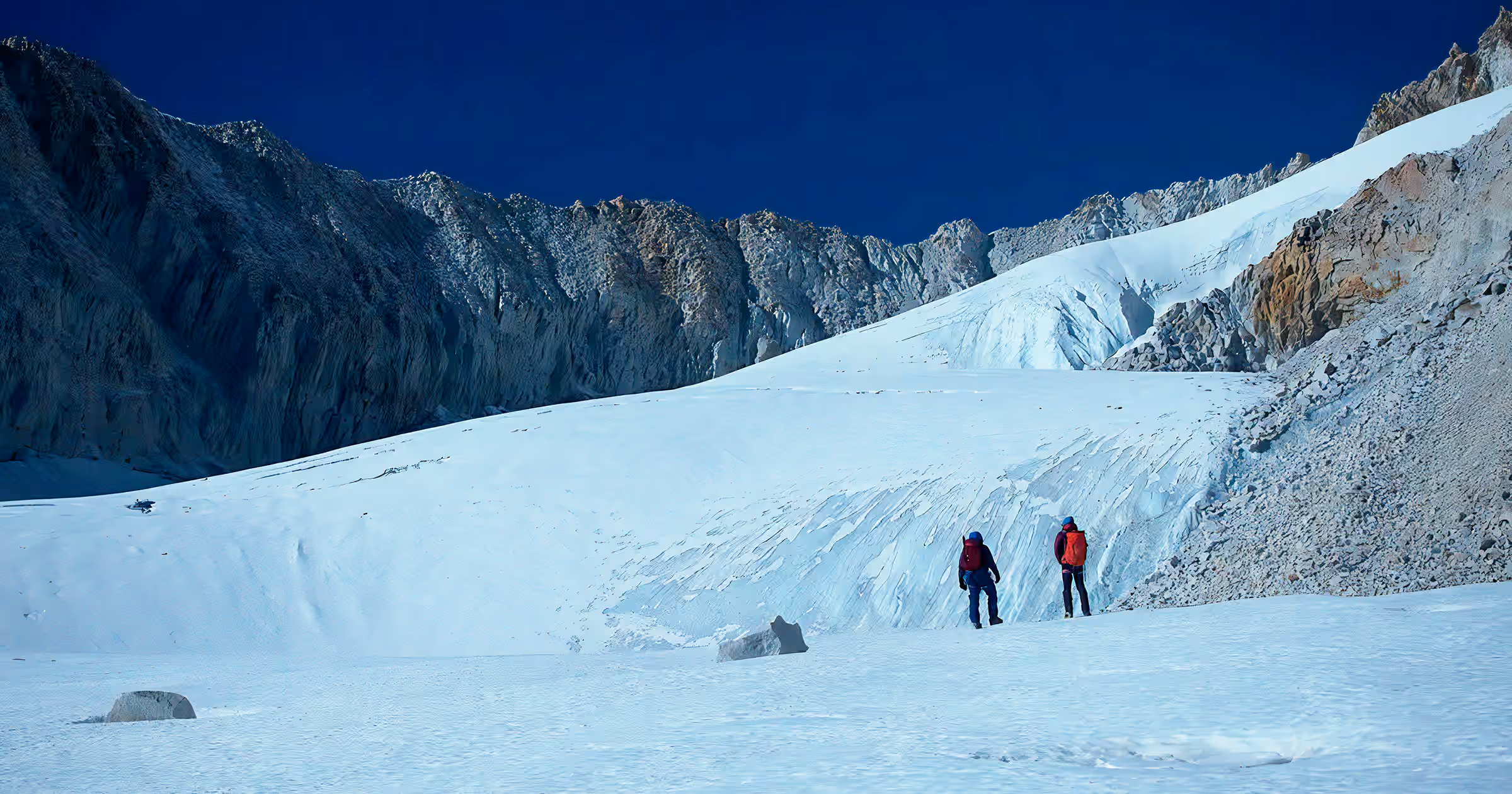
Hidden within the Makalu Barun National Park, this remote valley offers dramatic mountain scenery, dense rhododendron forests at bottom, cascading waterfalls, alpine meadows, icy blue glaciers at top, and pristine wilderness that remains largely untouched by mass tourism.
The region combines breathtaking natural beauty with rich biodiversity, traditional mountain culture, and challenging trekking routes that reward every step with unforgettable scenery.
If you are wondering how to reach this valley, the best time to visit is along with popular attractions which you should not miss during your travels in 2026. Then, continue reading our guide in more details:
Facts of Barun Valley
- Location: Sankhuwasava district, Koshi Province, Nepal
- Elevation: Ranges from 108 meters to Base of Mount Makalu
- Closest Airport: Tenzing Hillary Airport, Lukla
- Latitude: 87° 08′ 60.00″ E
- Longitude: 27° 45′ 59.99″ N
- National Park: Makalu Barun National Park
- Annual Rainfall: 1039 mm in average
- Mountain Ranges: Makalu, Chamalang, Baruntse, Mera Peak.
- Best Time to Visit: Spring (March to May), Autumn (September to November)
Where is Barun Valley Located in Nepal?
Barun Valley is situated in the Sankhuwasabha District of Far-Eastern Nepal. The Valley is shaped by the Barun River which is also known as Barun Khola in local language. Barun River originated from the melting of the ice below Mount Makalu which later meets the Arun River.
The Valley sits perfectly beneath the South face of the world’s fifth-highest mountain, Mount Makalu (8,485 meters). Mount Makalu is situated only 19km Southeast of the tallest mountain, Everest.
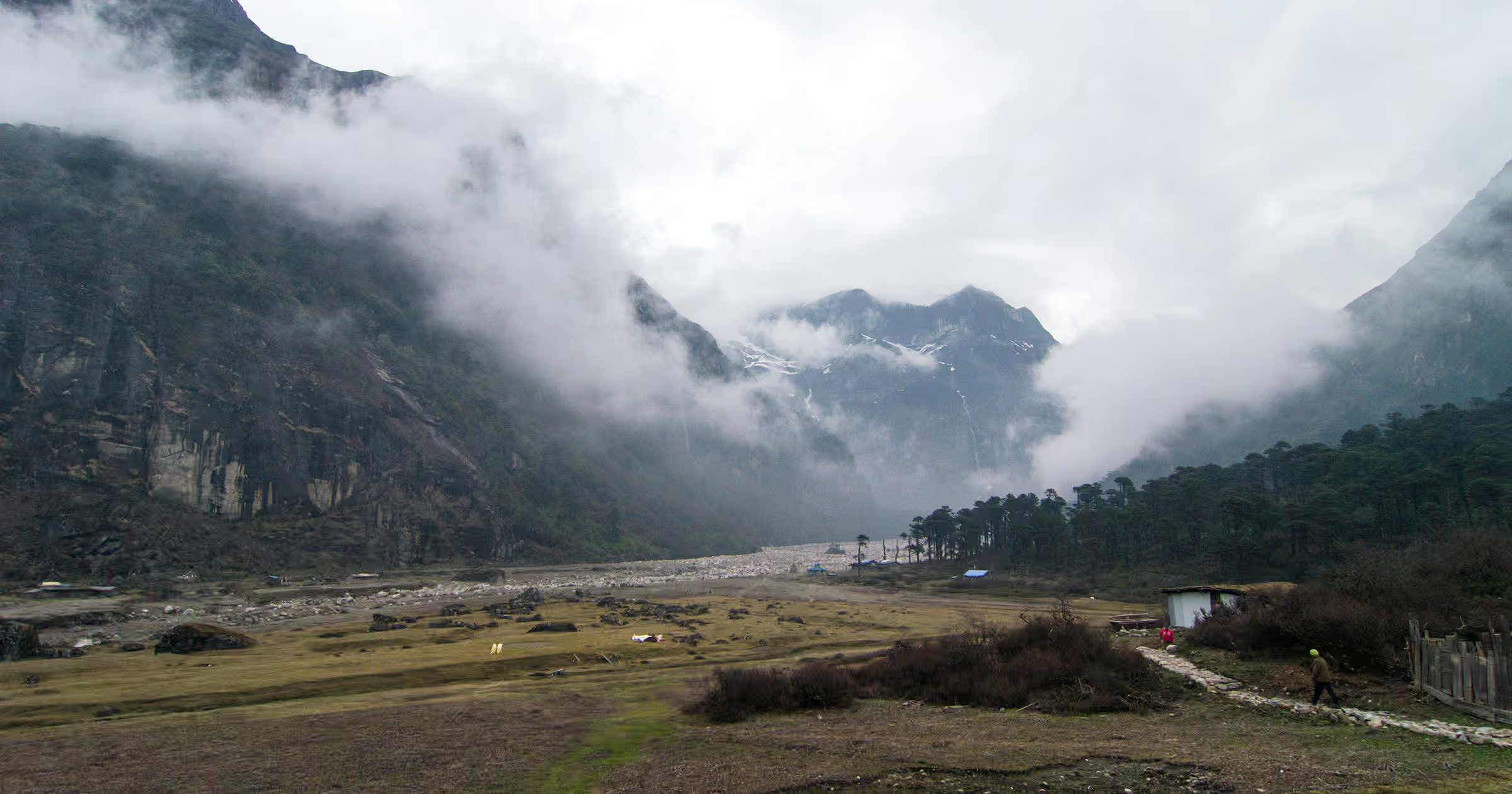
The least explored trekking trails of Barun Valley are located within the protected boundaries of Makalu Barun National Park which stretches over an area of 1,500 square kilometers. Makalu Barun National Park is an extended Eastern side of Sagarmatha National Park which was established in 1992.
This National park shares borders with Qomolangma National Nature Preserve of Tibet in the North while in the south side, it touches Kanchenjunga Conservation Area and Saune Ridge.
Why Barun Valley is Special?
Barun Valley holds a special place due to its history and untouched beauty. It is believed that this serene landscape belongs to Kirat, Limbu Yakkha, Kulung, Yamfu, Mewahang, and Rai Communities.
When you read the ancient revered Buddhist book, Seven Shangri-la (Nghe-Beyul Khimpalung), you will find Valley of Barun mentioned as one of the most magical places where no one gets old. It is described that everything, no matter from flowers and other life forms, won’t die which makes it one of the most beautiful places in the world.
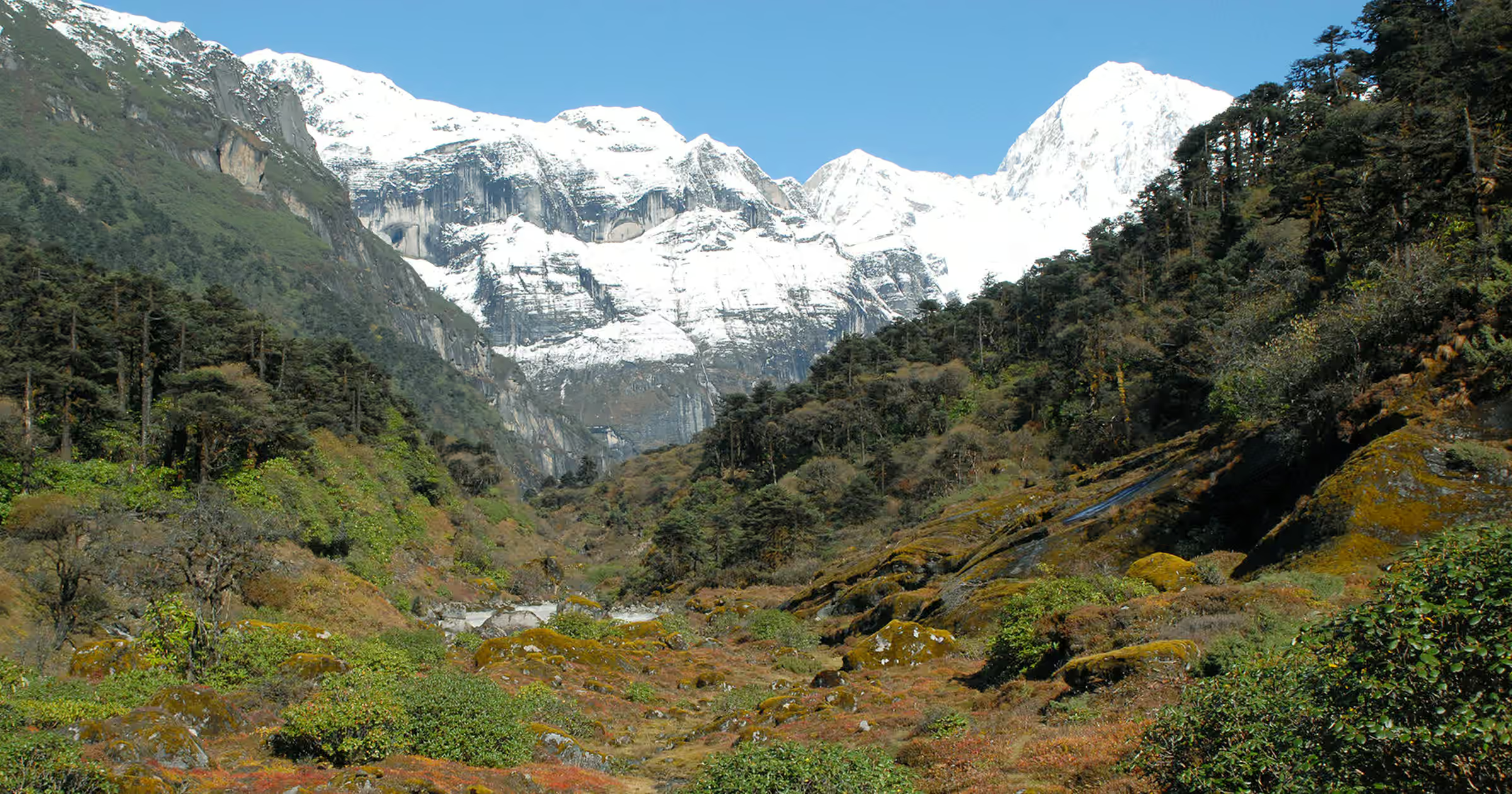
As you read further, Makalu-Barun region is also referred to as Beyul and when you trek in this area, you will barely see dense settlements. You will only see small settlements but more green grassland also known as Kharka.
Valley of Barun offers one of the best opportunities to explore Himalayan wilderness which is only possible by either booking Makalu Base Camp Trek or Barun Valley Trek in 2026.
Attraction of Barun Valley
Barun Valley offers a perfect adventure for those who are in search of isolation and natural beauty as trekking trails pass through dense ancient Himalayan forest, massive cliffs made up of granite while allowing you to witness rare himalayan wildlife and waterfalls. Finally, the beauty of snow-capped mountain peaks cannot be overlooked.
Valley of Barun has also attracted researchers from foreign lands in search of the big foot, Yeti. Though researchers like Daniel Taylor have only found the footprints of Yeti but have not seen Yeti yet.
Mount Makalu
Makalu mountain is 8,545 meters tall which makes it the fifth highest mountain in the world. Mount Makalu is connected to Hindu God Shiva and its name “Makalu” is derived from the Sanskrit word “Maha and Kala” which means “Big Black,” another name for Shiva. It is also one of the sacred high-altitude pilgrimage sites of Shiva Dhara.
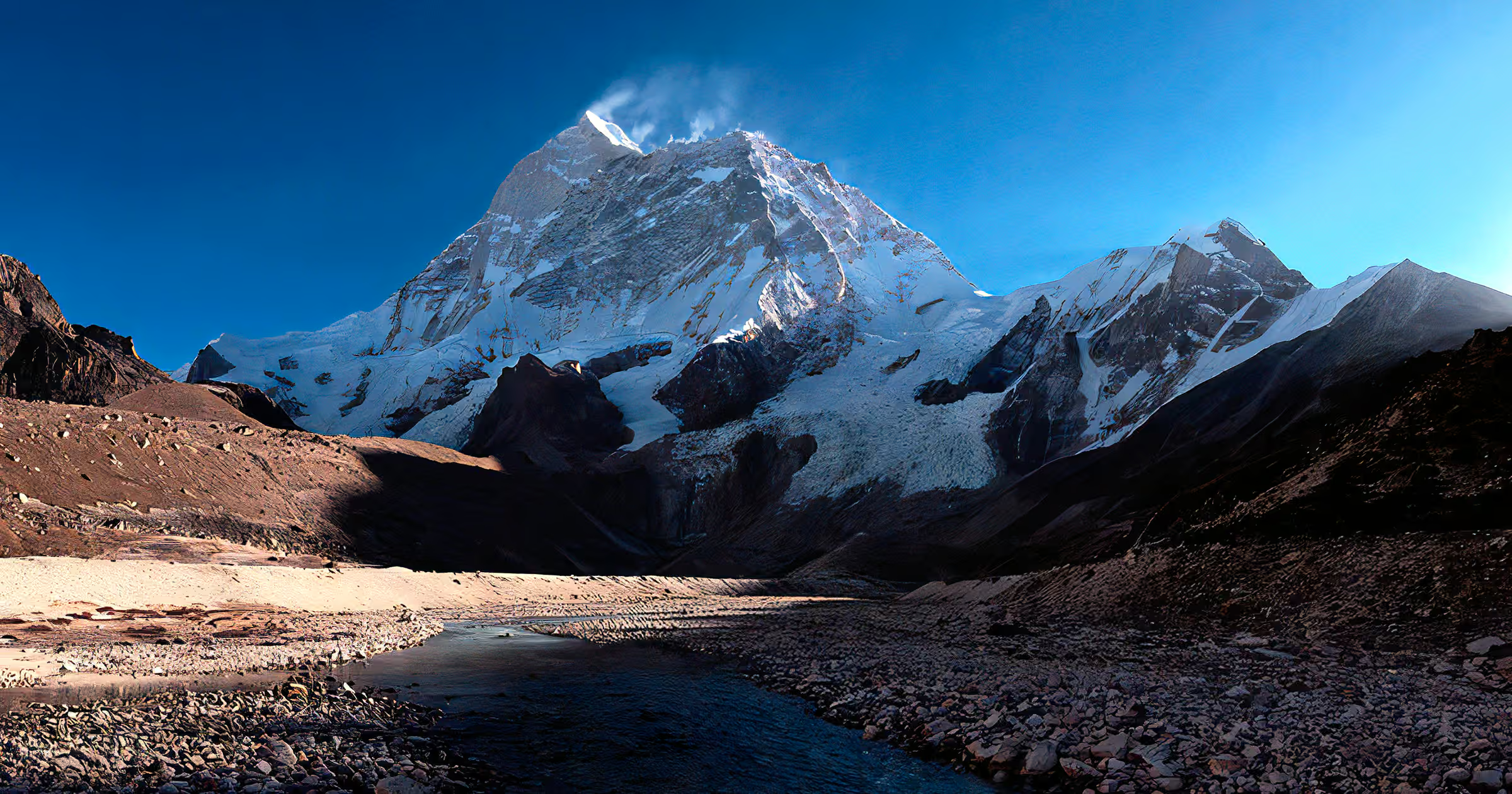
Mount Makalu is situated in between Everest and Kanchenjunga and ranks as the fourth highest mountain located in the Mahalangur Himalayas of Nepal.
Being the least explored of eight thousanders, it rewards the trekkers and mountaineers with remote and wild Himalayan experience.
Makalu Barun National Park
Makalu Barun National Park has an area of 1,500 square kilometers and was constructed in 1992. It is designed to protect an ecosystem ranging from around 435 meters to over 8,000 meters above sea level.
This national park has been protecting and conserving an exceptional variety of flora and fauna which is rarely found in the world. Makalu Barun National Park is home to following wildlife like:
- 315 species of butterflies,
- 43 species of reptiles,
- 16 species of amphibians, and
- 78 species of fish
- 400 species of birds
- 88 species of mammals
- 3,128 species of flowering plants
- 67 economically valuable aromatic and medicinal plants
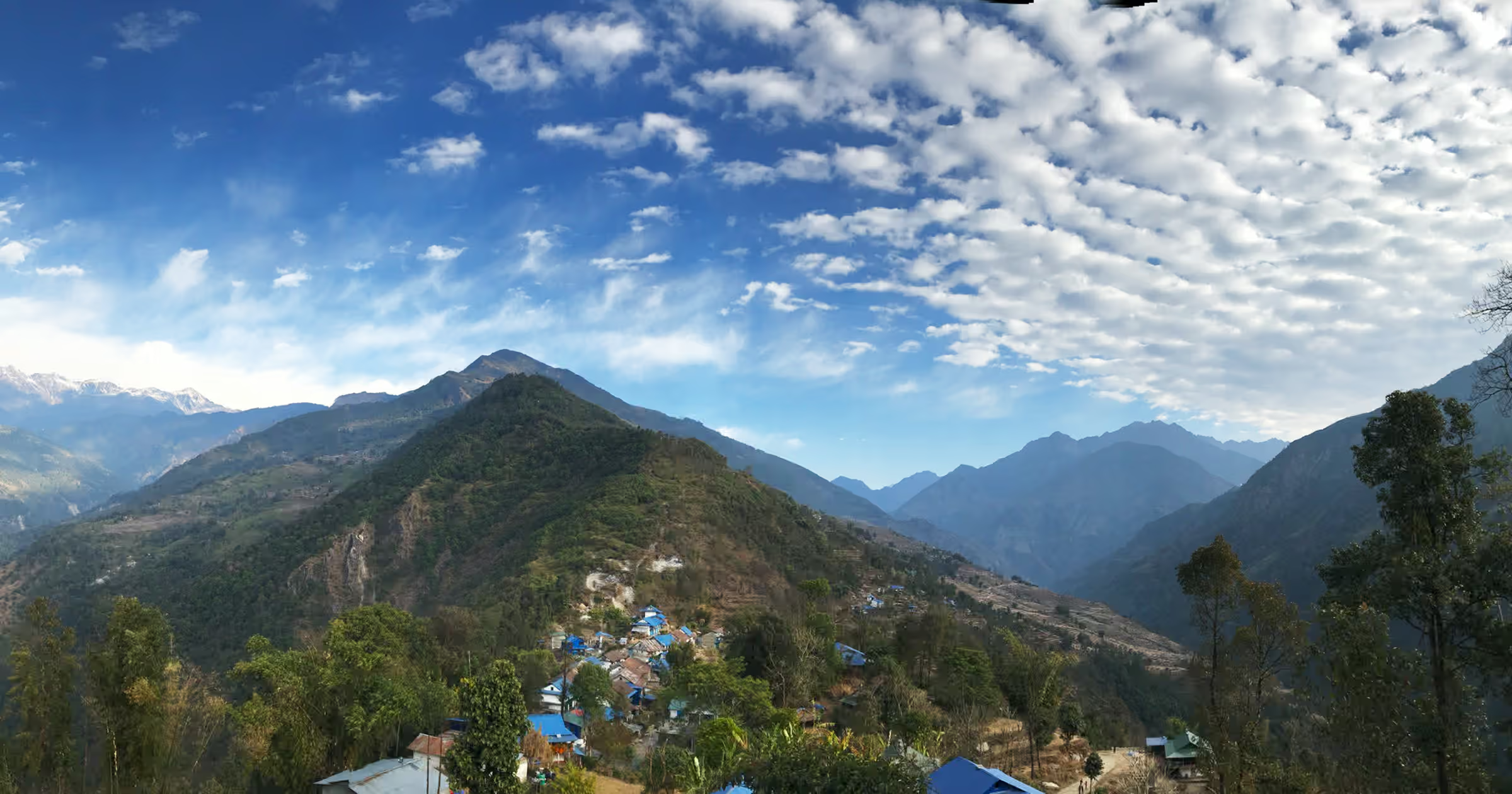
If you are an wildlife enthusiasts, Makalu Barun National Park offer you an unique chance to witness wild animals like:
- Red panda
- Snow leopard (extremely rare)
- Himalayan black bear
- Musk deer
- Himalayan tahr
- Clouded leopard
- Barking deer
- Langur monkeys
Makalu Barun National Park also serves as a paradise for birdwatchers as they can find the valley particularly rewarding when spotting birds like
- Colorful pheasants,
- Eagles,
- Laughing thrushes,
- and Himalayan monals.
Barun River
Barun River is a river which is formed by the melting of Barun glacier from the slopes of Mount Makalu, the fifth highest mountain in the world. Indigenous Kirat also call Barun river, Chukchuwa in their local language.
The river is a major tributary of the Arun River and its flow through this valley of Eastern Nepal before meeting Arun River.
Barun river is a part of the Koshi (Sapta Koshi) river basin system which passes through deep gorges, alpine meadows, forests, and remote Himalayan wilderness. Both Barun Valley and Barun River are popular among trekkers on the Makalu Base Camp Trek.
The Locals and High Passes
When exploring this untouhed Valley you will encounter few permanent settlements of several ethnic communities like Sherpa, Bhote, Limbu, Rai, Yakkha, Gurung, and Tamang. In the lower region, you will see the settlement of locals Rai, Sherpa, and Limbu doing terraced farming and animal husbandry.
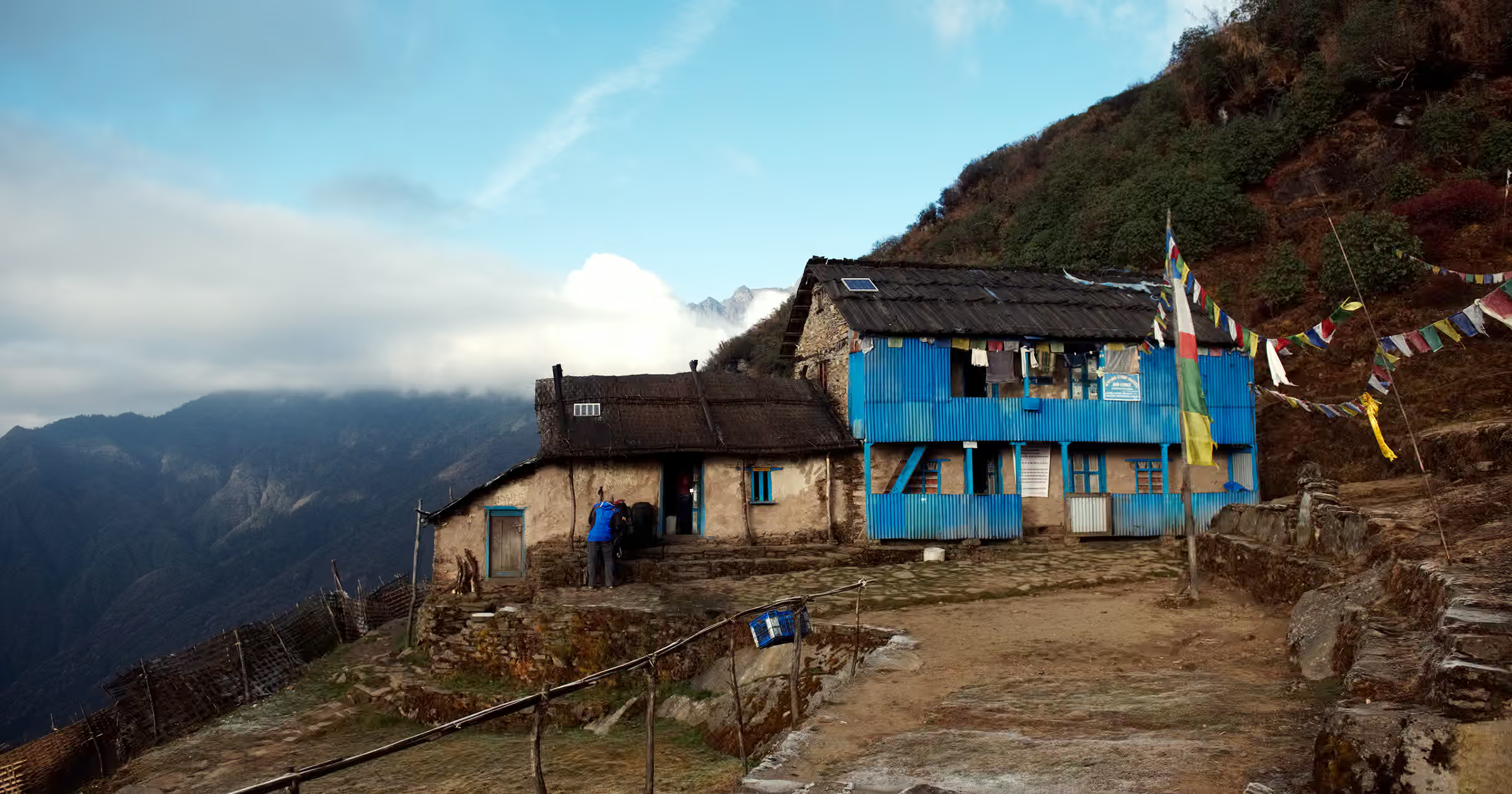
As you move higher, you will see less communities and Tashi gaon is the last permanent settlement inhabited by Sherpa people at around 2,100 meters. Besides this, Barun Valley is possessed by several high passes and they are:
Shipton La (4,216 m)
This high pass is the main trekking pass which connects the last permanent settlement of Tashigaon with the Barun Valley on the Makalu Base Camp Trek.
Keke La (4,170 m)
You need to cross Keke La pass to reach Shipton La.
Tutu La (4,075 m)
It is another high pass on the approach to the Barun Valley.
Sherpani Col (about 6,135 m)
This is a technical high-altitude mountaineering pass which connects the Makalu region with the Everest region. Sherpani Col along with West Col (about 6,143 m) and Amphu Lapcha Pass (about 5,845 m) is only crossed by mountaineers.
How to Reach Barun Valley in 2026?
Reaching Barun Valley demands more effort and preparation than the classic trails of Annapurna and Everest. This makes the trekking trails of Barun Valley less crowded and peaceful. You can take a flight or overland route to reach Barun Valley from Kathmandu.
By Flight
If you are in Kathmandu Valley, you need to take a flight to Tumlingtar airport from Tribhuvan International Airport. You will get to enjoy the scenic views of Mt. Everest, Ganesh Himal, Makalu and Mt. Kanchenjunga and within 30 minutes you will reach Tumlingtar.
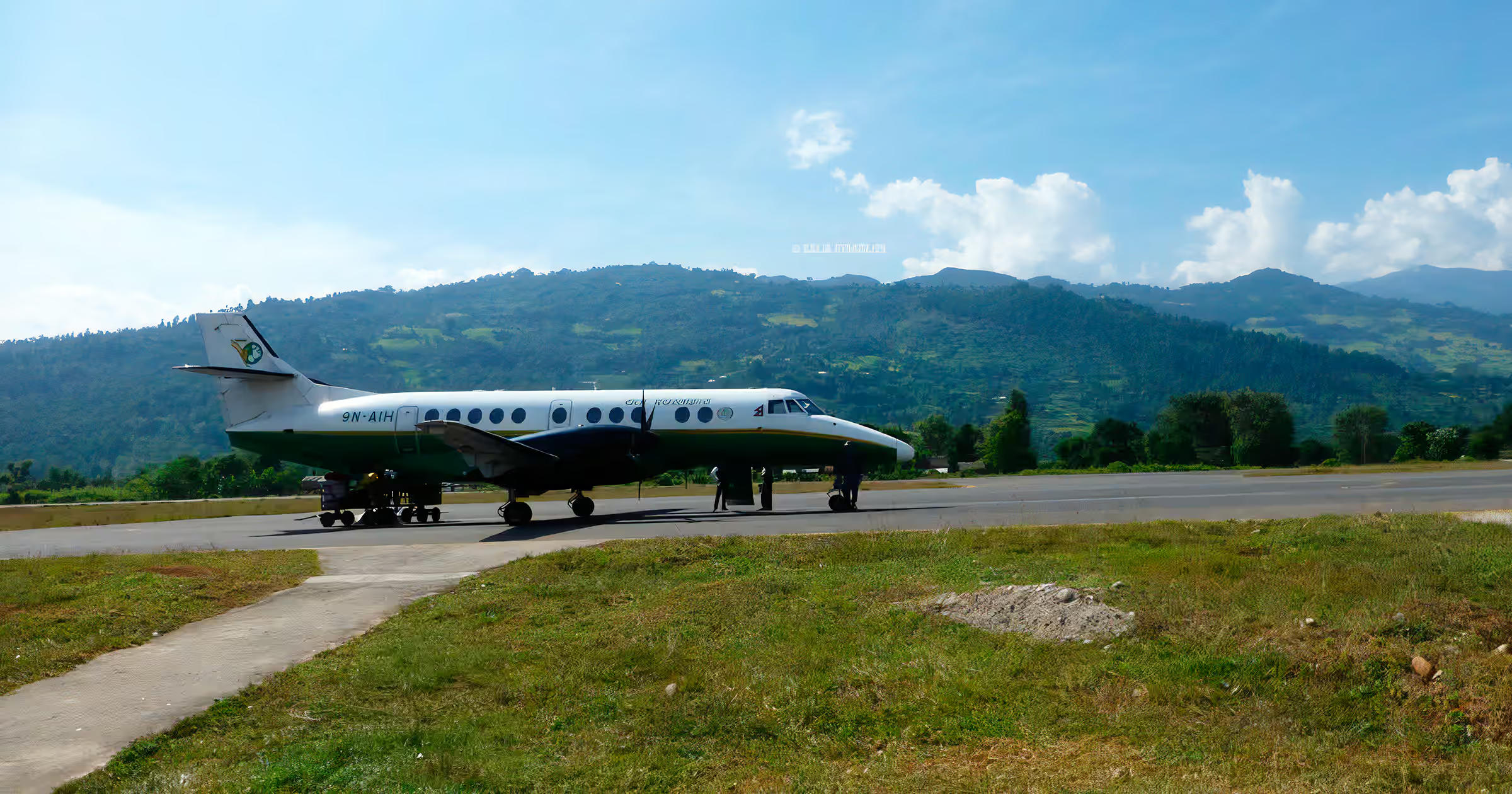
Then, you need to take a road trip to reach Num village, which is the starting point of your trek. Those who have limited time should choose the airway to reach Tumlingtar.
By Overland Route
Kathmandu is 500 km far from Tumlingtar. It takes around 14 hours on overland jeep/private vehicle drive to reach. Then, you will again have to travel via road until you reach Num village.
Barun Valley Trek
Barun valley trek is a strenuous trek which demands continuous hiking for more than 10 days for longer hours of time. You need to walk around 5 to 7 hours daily over steep and rugged terrain during Barun Valley Trek.
The trekking trails of Barun valley take you to the base of Mount Makalu, the fifth highest mountain in the world. Throughout the trails, you will be blessed by contrasting landscapes, high waterfalls, lush green forest, to alpine bloom of flowering plants.
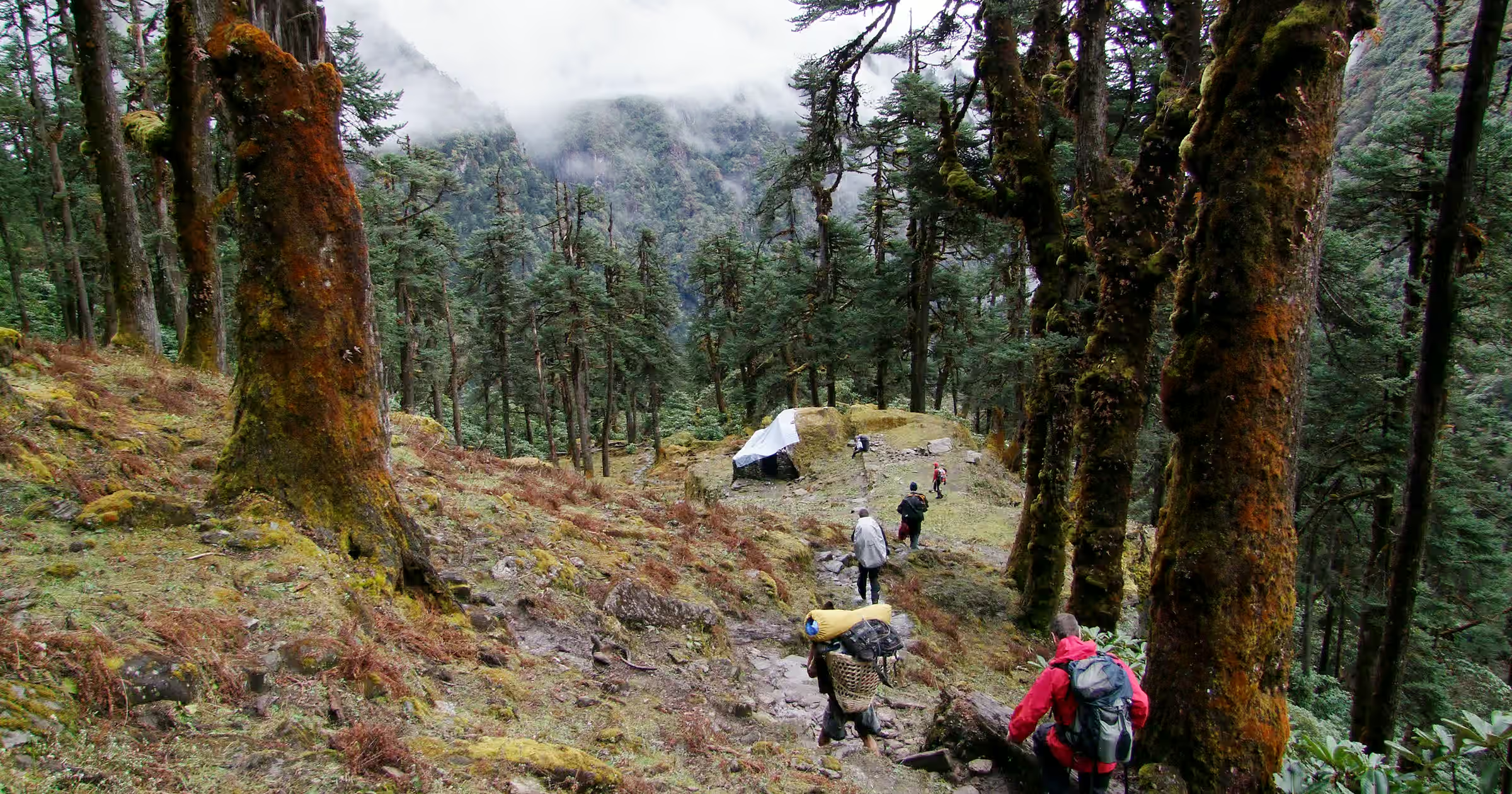
If you enjoy camping, Barun Valley trek is perfect for you as the trekking trails are mostly uninhabited, you can set up your tent amidst the green meadows and can even do stargazing. Barun Valley trek makes you explore Makalu Barun National park where you will get to witness rare and endangered wild animals, birds, and rich diverse vegetation.
Barun Valley Trek Itinerary and Route
When doing Barun Valley trek you will be exploring following rooute which even follows the Makalu Base Camp trail:
- Kathmandu → Tumlingtar → Khandbari
- Khandbari → Num → Seduwa → Tashigaon
- Tashigaon → Khongma Danda → Shipton La
- Shipton La → Dobate (Mumbuk) → Yangle Kharka
- Yangle Kharka → Langmale Kharka → Shershong →Makalu Base Camp
- Makalu Base Camp → return via the same route.
Barun valley trekking demands you to spend more than two weeks. Here is the sample Barun Valley trek itinerary:
| Day | Route | Trekking Hours |
|---|---|---|
| 1 | Kathmandu → Fly to Tumlingtar → Drive to Num or Seduwa | Flight + 5–6 hours drive |
| 2 | Seduwa → Tashigaon (2,100 m) | 4 to 5 hours |
| 3 | Tashigaon → Khongma Danda (3,500 m) | 6 to 7 hours |
| 4 | Acclimatization at Khongma Danda | Short hikes |
| 5 | Cross Keke La & Shipton La (4,170–4,230 m) → Dobate (3,650 m) | 6 to 7 hours |
| 6 | Dobate → Yangle Kharka (3,600 m) | 6 to 7 hours |
| 7 | Explore Shiva Dhara (optional) or acclimatize | 4 to 6 hours |
| 8 | Yangle Kharka → Langmale Kharka (4,410 m) | 5 to 6 hours |
| 9 | Langmale Kharka → Shershong → Makalu Base Camp (4,870 m) | 5 to 6 hours |
| 10 | Explore Makalu Base Camp, Barun Glacier & nearby lakes | 3 to 5 hours |
| 11 | Makalu Base Camp → Yangle Kharka | 7 to 8 hours |
| 12 | Yangle Kharka → Dobate | 6 to 7 hours |
| 13 | Dobate → Khongma Danda | 6 to 7 hours |
| 14 | Khongma → Tashigaon | 5 to 6 hours |
| 15 | Tashigaon → Seduwa → Drive to Tumlingtar | 6 to 7 hours |
| 16 | Fly Tumlingtar → Kathmandu | 35 to 45 min flight |
What to Expect in Barun Valley Trek
Permits Required
Foreigner cannot enter or do Barun Valley trek without permits. So, you need to at least have following permits:
- Makalu Barun National Park Entry Permit.
- Trekker’s Information Management System (TIMS) card (depending on current regulations and trekking arrangements).

In 2026, it cost NPR 3000 per person for foreigners for Makalu Barun National Park Entry Permit while TIMS card cost NPR 2000 per person for foreigners.
If you booked Barun valley trek with licensed trekking operators like us, you don’t need to hassle about the paperwork’s as it will be managed by us on your behalf.
Best Time to Visit Barun Valley
If you are planning to visit Nepal in 2026 for trekking to Barun valley, two seasons stand out for it.
Spring
Spring starts from March and lasts until May is considered as the best time to do eastern Nepal Trekking in Barun Valley. The trekking trails bless you with the fresh bloom of Rhododendron in the lower region, where you can also see some remaining snow on the trails in the higher region. Also, you will get excellent visibility and active wildlife during this time of the year.
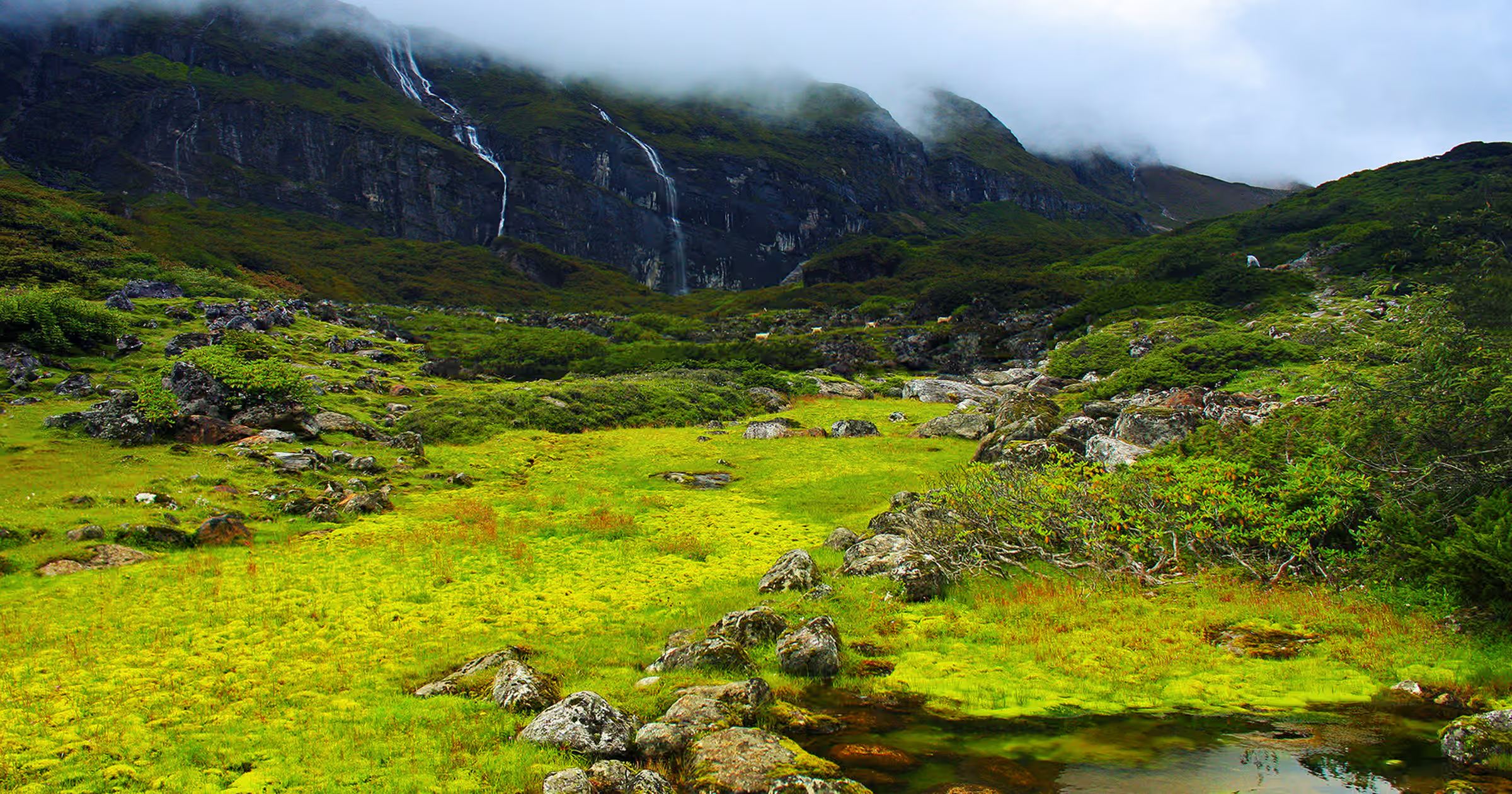
The season offers a day time temperature of around 10 to 20 degrees Celsius in the lower region, and as you go on higher, it feels cold. So, you need to bring layered clothing and a fleece upper and lower wear for high altitude.
Autumn
Autumn is another trekking season for Nepal which starts in September and lasts till November. You will get to see stable skies, trekking trails dry and firm and has less chances of landslides. The blue skies offer the best view of snow capped mountain peaks and you will get to experience how locals celebrate major festivals like Dashain and Tihar in remote Eastern villages.
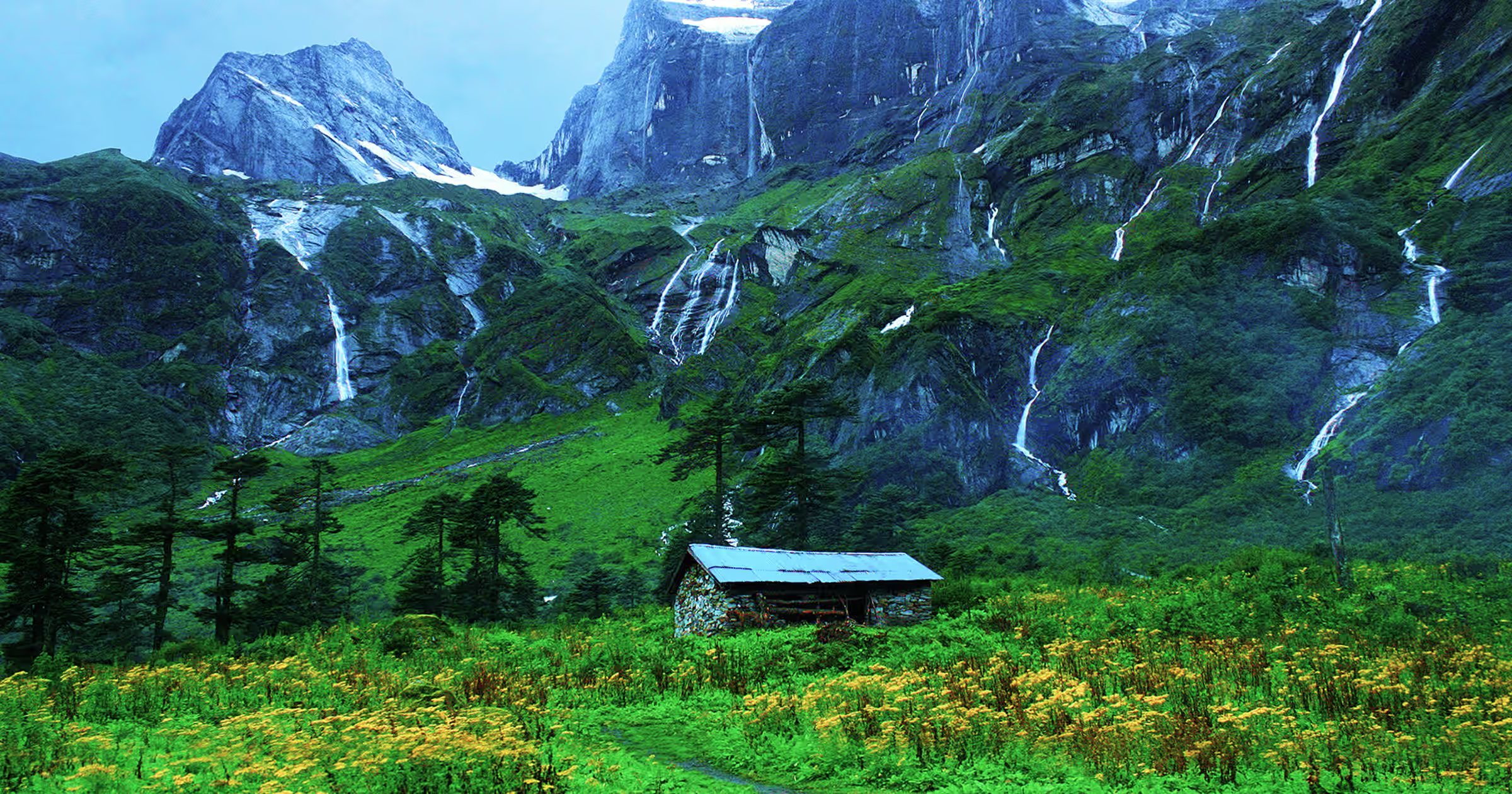
Barun Valley is also feasible in winter and monsoon season. However, winter makes the trails quite snowy and slippery whereas in monsoon season you have to suffer from muddy trails, blocked trails due to soil erosion and landslides, and flights often get delayed and cancelled to Tumlingtar airport.
Preparation and Safety
Barun valley trek takes you to an elevation of 3,600 meters at Yangle Kharka and reaching there demands enough preparation and planning. You need to trek continuously for more than 6 hours daily and it demands enough cardiovascular and leg strength.
You need to also focus on drinking enough water, eating balanced meals, and taking rest days seriously. Also, trekkers in the trails of Barun Valley should be more positive and extra cautious towards minor body signs like headache, fatigue, nausea, dizziness, as they may be early signs of altitude sickness. These small symptoms may anytime change into life threatening HAPE or HACE.
Planning a Barun Valley Trek in 2026?
Or Call/Message on WhatsApp +977 98434 13619
In addition to this, you need to prepare yourself by buying travel insurance with a coverage above 5000 meters elevation with medical repatriation and helicopter evacuation.
Packing List
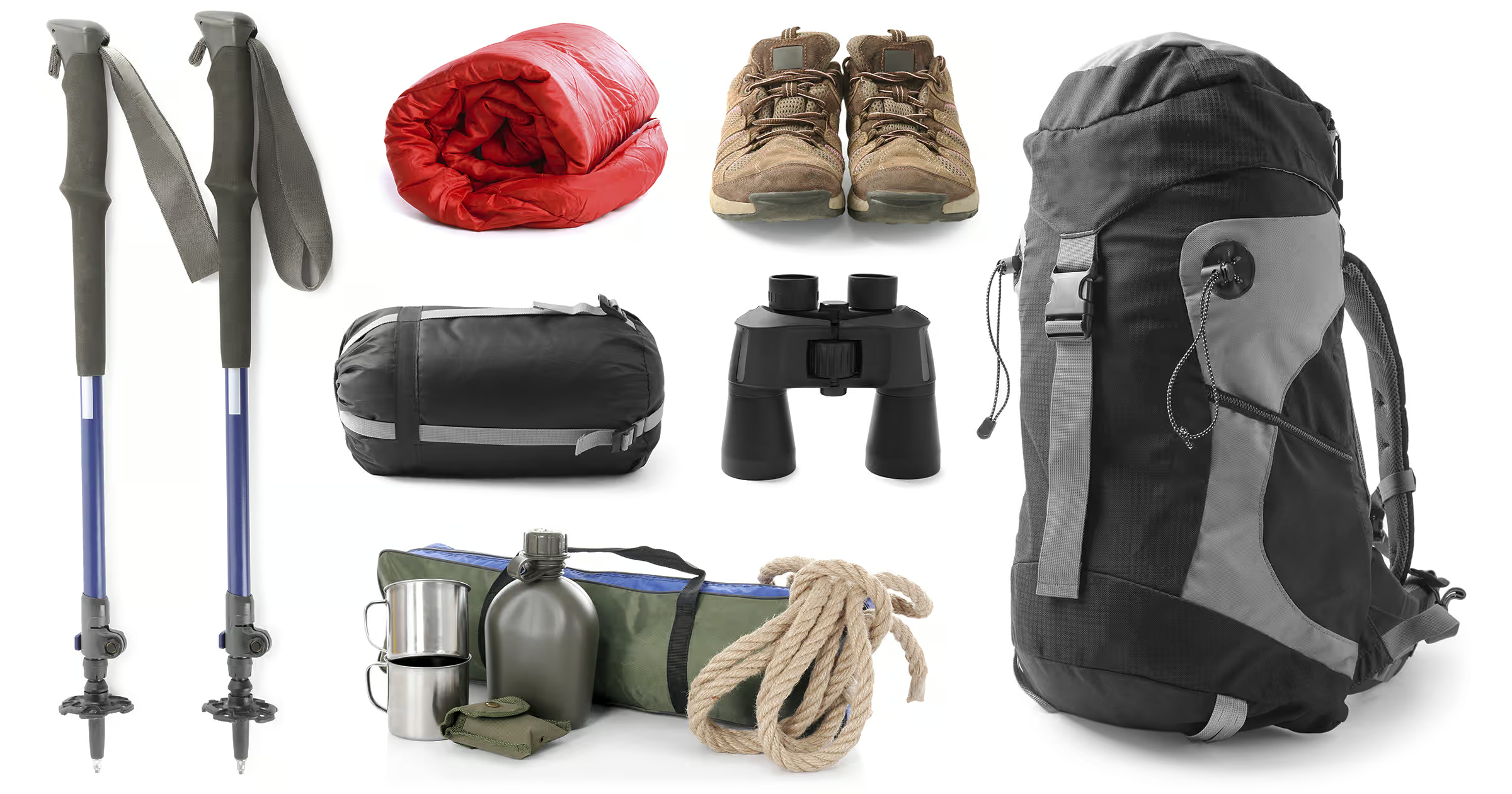
Barun Valley trekking demands you to pack following items like:
- Waterproof well-broken in trekking boots
- Down jacket
- Rain jacket
- Thermal layers
- Trekking poles
- Sleeping bag
- Headlamp
- Water purification tablets
- Sunscreen
- Sunglasses
- First-aid kit
- Power bank
- Snacks
Most trekkers stuff their bags with unnecessary trekking items, make sure you focus on packing light for a more comfortable and memorable journey in 2026.
Practical Travel Tips for Barun Valley in 2026
Barun Valley demands careful preparation and planning because it takes you to the remote valley of Eastern Nepal where there is no imprint of modern life infrastructure and communication. Here are some practical tips you should follow to make most out of your journey to Barun Valley in 2026:
- Book domestic flights to Tumlingtar early during peak trekking seasons.
- Focus on hiring an experienced local guide like ours who are familiar with remote mountainous trails of Eastern Nepal.
- Allow extra days for weather-related delays and cancellation of flights.
- Make sure you acclimatize gradually otherwise you will be at more risk of altitude sickness.
- Always carry sufficient cash, as ATMs are unavailable and remote trails do not accept digital transactions.
- Priorities buying a comprehensive travel insurance that covers high-altitude trekking above 5000 meters with emergency evacuation.
- Always download offline maps on your phone before starting the trek.
- Focus on training and strengthening your body by doing regular cardio and endurance training 3 to 6 months before the actual trek.
- Always be polite to your guide, porters, and homestays and teahouses staff members.
- Avoid littering inside the National park region and throw the waste only in designated bins.
Final Verdict on the Ultimate Himalayan Wilderness Experience
Barun Valley is not only a trekking destination but it is a rare sanctuary where the Himalayas remain wild, untouched, and deeply connected to nature. Every aspect of this valley show the glimpse of raw Himalayan beauty no matter whether you take a moment to listen roaring sound of Barun river, experiencing the dark sky thrill by tenting over the pristine alpine meadow, or when trekking inside the Barun National park for multiple days.
Barun Valley trek is a demanding trek which requires you to prepare both mentally and physically. You will be traversing in the remote Eastern lands without using modern life infrastructure so make sure you pack every essential which you will need from the starting point to the end of trek in your bag.
So, are you ready to experience the untouched beauty of Barun Valley in 2026? Let Awesome Holidays Nepal craft your perfect Himalayan adventure with expert local guides by contacting us today.
FAQs
Expand AllWhat is Barun Valley?
Barun Valley is a remote Himalayan valley located in the Eastern Nepal. It’s pristine wilderness, dramatic landscapes, and exceptional biodiversity within Makalu Barun National Park is popular among nature lover and solitude seeker.
Where is Barun Valley located in Nepal?
Barun Valley is located in Sankhuwasabha District of Eastern Nepal. It is inside Makalu Barun National Park which lies near the world’s fifth-highest mountain, Mount Makalu.
Is Barun Valley open year-round?
Yes. Barun Valley is open all year-round.
Do I need permits for Barun Valley Trek?
Yes, you will need a permits for Barun Valley Trek and they are:
- Makalu Barun National Park Entry Permit and
- TIMS Card.
How long does the Barun Valley Trek take?
The Barun Valley Trek typically takes 10 to 18 days. The days can be shorten and lengthen as per chosen itinerary and additional destinations inclusions.
What to pack for Barun Valley Trekking?
You should pack warm layered clothing, waterproof gear, sturdy trekking boots, a sleeping bag, trekking poles, personal medications, and essential trekking equipment for Barun Valley Trekking.
Is there accommodation in Barun Valley?
Yes, you will find teahouses and camping options in accommodation in Barun Valley.
What wildlife can I see in Barun Valley?
You will encounter animals like red pandas, musk deer, Himalayan black bears, langurs, Himalayan tahr whereas, you will also witness birdspecies like Himalayan Monal, Blood Pheasant, and Satyr Tragopan etc.
Why is Barun Valley called the Amazon of the Himalayas?
Its remarkable biodiversity, dense forests, and rich variety of plants and wildlife is the reason why Barun Valley is called the Amazon of the Himalayas.
What are the highlights of Makalu Barun National Park?
Untouched dense forests, alpine meadows, waterfalls, glaciers, rare wildlife, Mount Makalu, and diverse Himalayan ecosystems are the main highlights of Makalu Barun National Park.
Are there waterfalls in Barun Valley?
Yes, there are many waterfalls in Barun Valley notably Shiva Dhara and Tadasho.
How to get to Tumlingtar for Barun Valley?
You can reach Tumlingtar by taking a domestic flight from Kathmandu before beginning the overland journey to the trekking trailhead.
Is Barun Valley suitable for beginners?
No. Barun Valley is not suitable for beginners. It is best suited for experienced trekkers as it consist of long distances, challenging terrain, and remote mountain conditions.
What are the risks of trekking Barun Valley (altitude, remoteness)?
Altitude sickness, unpredictable weather, limited medical facilities, and the challenges of trekking in a remote wilderness are the main risk you will be exposed when trekking Barun Valley.
Can I combine Barun Valley with Makalu Base Camp?
Yes, you can combine Barun Valley with Makalu Base Camp.
What is the history of Makalu Barun National Park?
In 1992, Makalu Barun National Park was established to protect one of richest and most diverse mountain ecosystems of Nepal.
Are there guided tours for Barun Valley?
Yes, Trekking and tour company like Awesome Holiday a Nepal offer guided tours in Barun Valley.
Are there any restrictions or rules in Barun Valley?
Yes, every visitors need to respectful towards the nature and locals of the Barun valley.
What are the best viewpoints in Barun Valley?
Makalu Base Camp, Shipton La, Barun Glacier, and scenic ridges overlooking the valley are best viewpoints in Barun Valley.
Is Barun Valley good for photography or nature lovers?
Yes. Barun Valley is a paradise for photographers and nature enthusiasts.
Related blog posts
Discover a choice of tourist destinations loved by most of our visitors. Whether you're on a jungle safari to spot rare animals or walking through a world heritage site, these well-planned itineraries cover the major highlights of Nepal.


 call an expert at: