
Discover Khaptad National Park Trek 2026: Remote Far West Nepal Adventure
 Sristi Adhikari
Are you planning to explore the remote Far Western Region of Nepal? Then, Khaptad National Park trek is waiting for you with its true wilderness, spiritual serenity, and trails free from crowds in 2026.
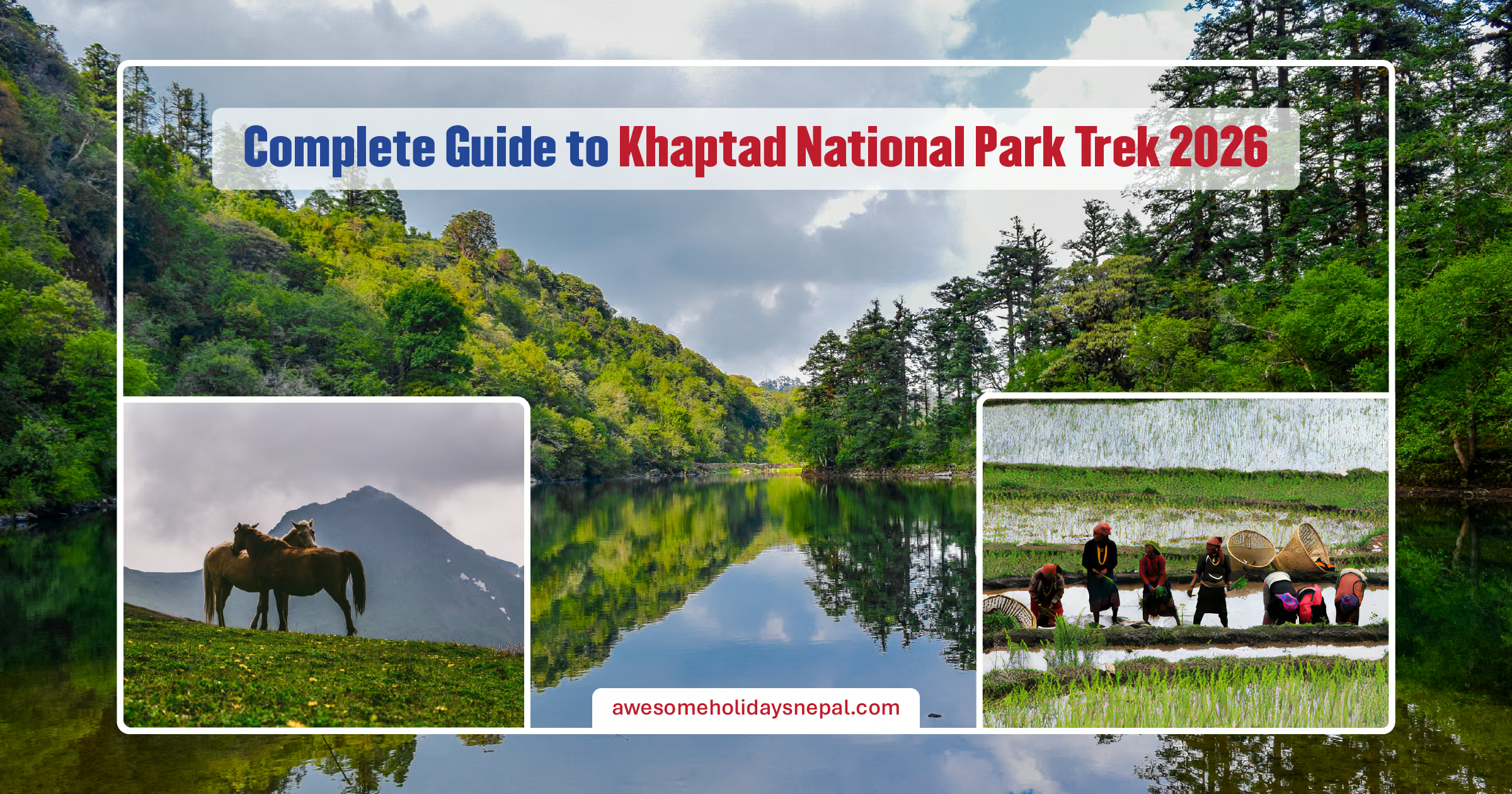
Khaptad National park is a mystical wonder of Nepal’s Far-Western region. The Khaptad Trek is one of Nepal‘s most underrated adventures. Covering lush forests, rolling grasslands, pristine rivers, medicinal herb fields, and panoramic Himalayan viewpoints, this trek introduces visitors to an entirely different side of Nepal.
Unlike packed tea houses and large trekking groups of Everest and Annapurna, Khaptad remains peaceful and authentic. Here, you can spend longer hours of trek without meeting another traveler while listening to distant chirping of birds, flowing streams, and the wind through ancient pine forests.
Where is Khaptad National Park?
Khaptad National Park is a protected area located in the Far-Western Province of Nepal. It stretches over four districts of:
- Bajhang,
- Bajura,
- Doti, and
- Achham.
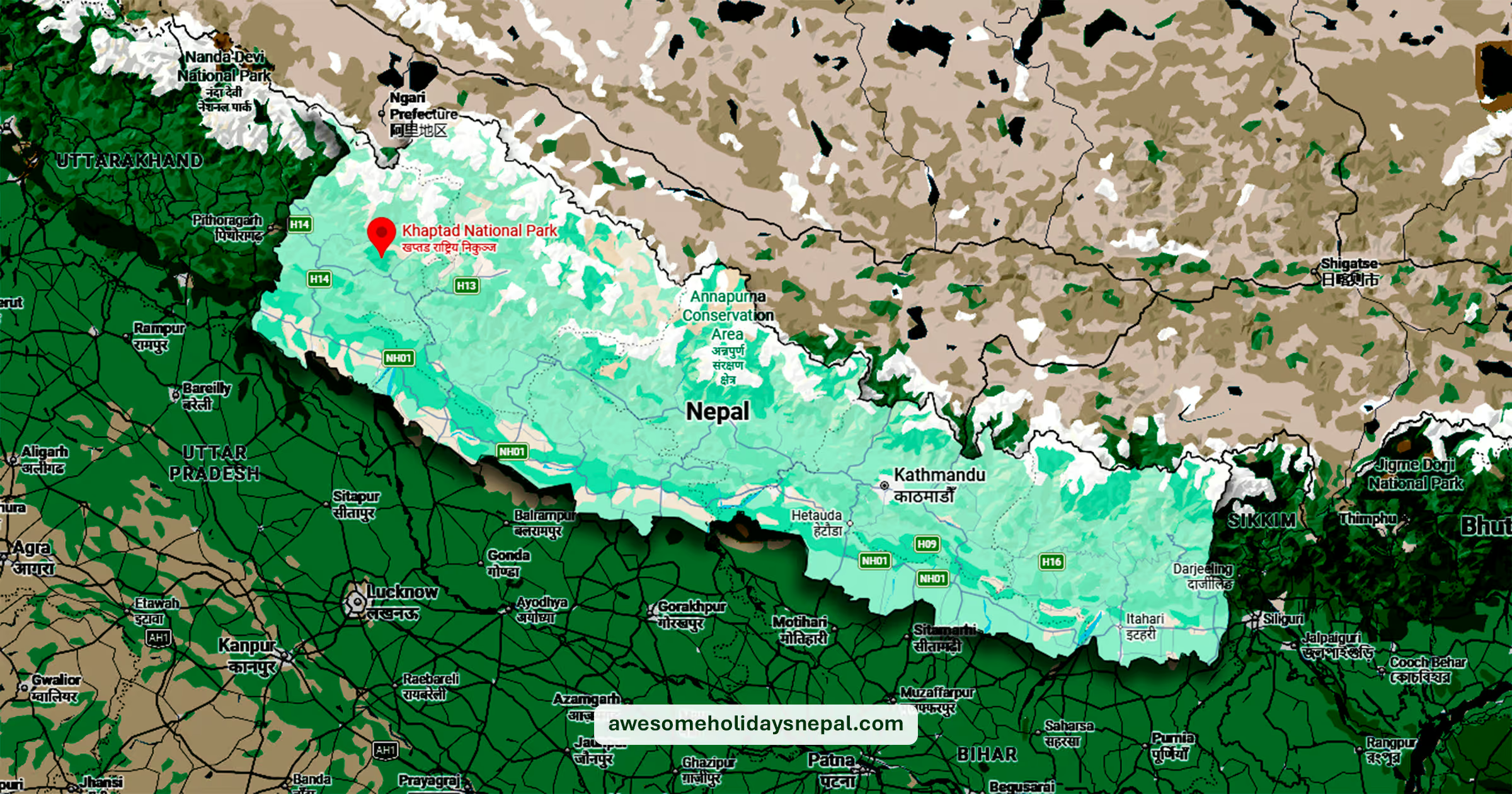
Khaptad National was established with the advice of holy priest, Khaptad Baba in 1984 and spans over an area of 225 square km. This hidden treasure expands from a lower elevation of 1,400 m to a higher elevation of 3,300 meters.
In 2006, a buffer zone of 216 square km and the park is home to 20 species of mammals, 175 species of birds, and vegetation ranging from grasslands and forest of subtropical to temperate and sub alpine eco-systems. It’s diverse biodiversity and remote location is perfect for those adventurers and nature enthusiasts who are in search of real wilderness experience in 2026.
Khaptad National Park Trek Route and Itinerary
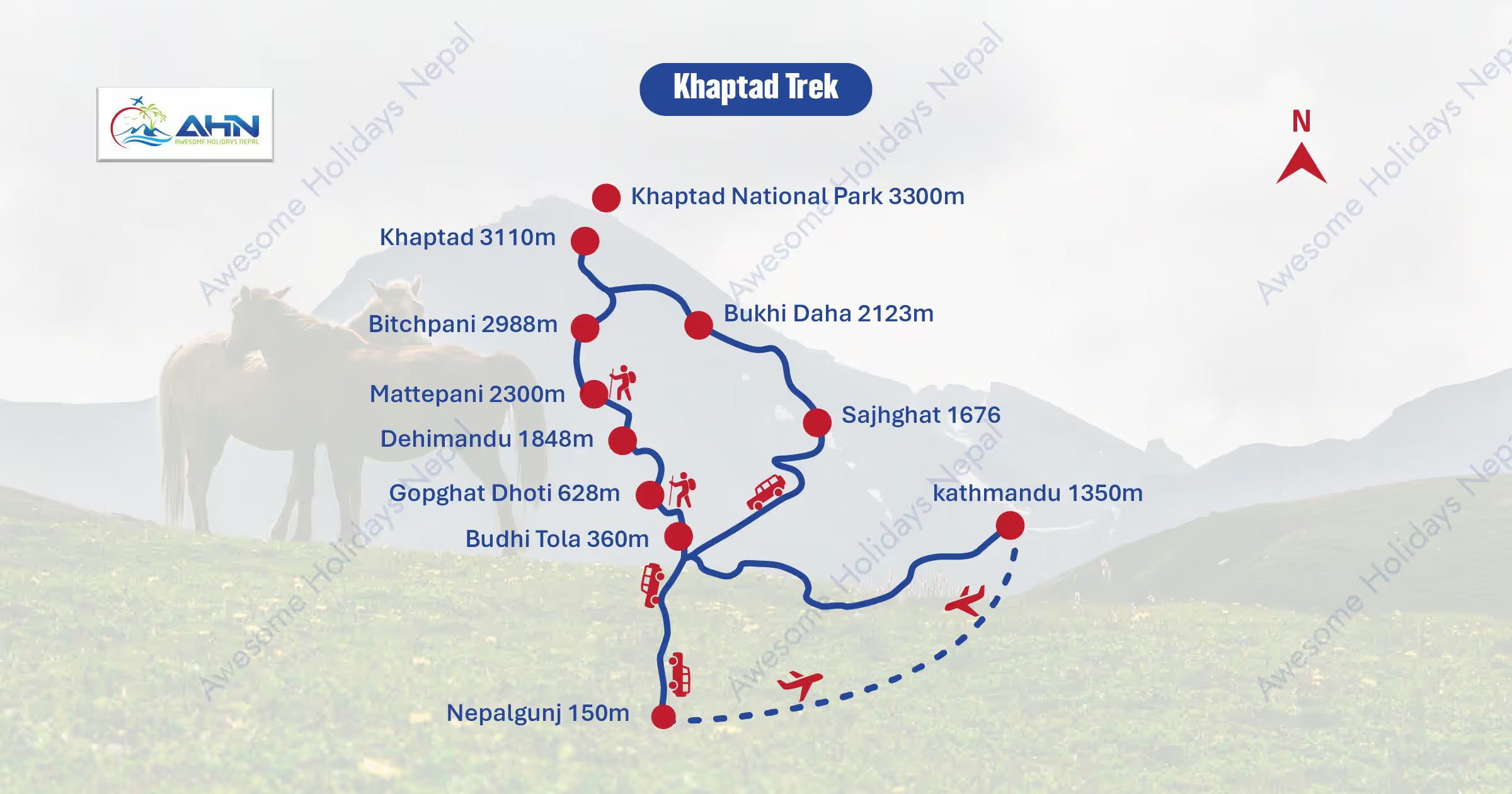
Your trekking journey to Khaptad National Park can be completed through several routes depending on your vacation time, preferred level of difficulty, and mode of transportation. The most common Khaptad trek route is:
- Kathmandu → Dhangadhi → Silgadhi → Jhigrana
- Jhigrana→ Bichpani → Khaptad National Park Headquarters
- Khaptad National Park Headquarters → Khaptad Baba Ashram
- Khaptad Baba Ashram→ Tribeni → Jhigrana → Silgadhi
- Silgadhi→ Dhangadhi → Kathmandu
The suggested 12-days sample itinerary for Khaptad National Park trek in 2026 is:
- Day 01: Fly from Kathmandu to Nepalgunj (198m) and drive to Buditola.
- Day 02: Scenic Drive from Buditola to Silgadhi (1,330m)
- Day 03: Trek to Jhigrana (2,300m)
- Day 04: Trek to Bukipani (3,080m)
- Day 05: Trek to Khaptad (3,010m)
- Day 06: Explore Khaptad National Park and stay for a Night
- Day 07: Trek back to Jhigrana
- Day 08: Trek from Jhigrana to Silgadi via Uditola (1,790m)
- Day 09: Drive to Dhangadhi (109 m)and stay for a Night
- Day 10: Drive or fly back to Kathmandu (1,300 m)
- Day 11: Rest day or exploration of Kathmandu valley
- Day 12: Final Departure
Why Visit Khaptad National Park?
Khaptad National Park has a lot to offer visitors. It is popular for its breathtaking landscapes, dense forest, rich biodiversity, and sacred ashram of Khaptad Baba while offering experiences rarely found together in one trekking destination.
You should visit Khaptad National Park in 2026 because of:
Untouched Alpine Meadows (Patans)
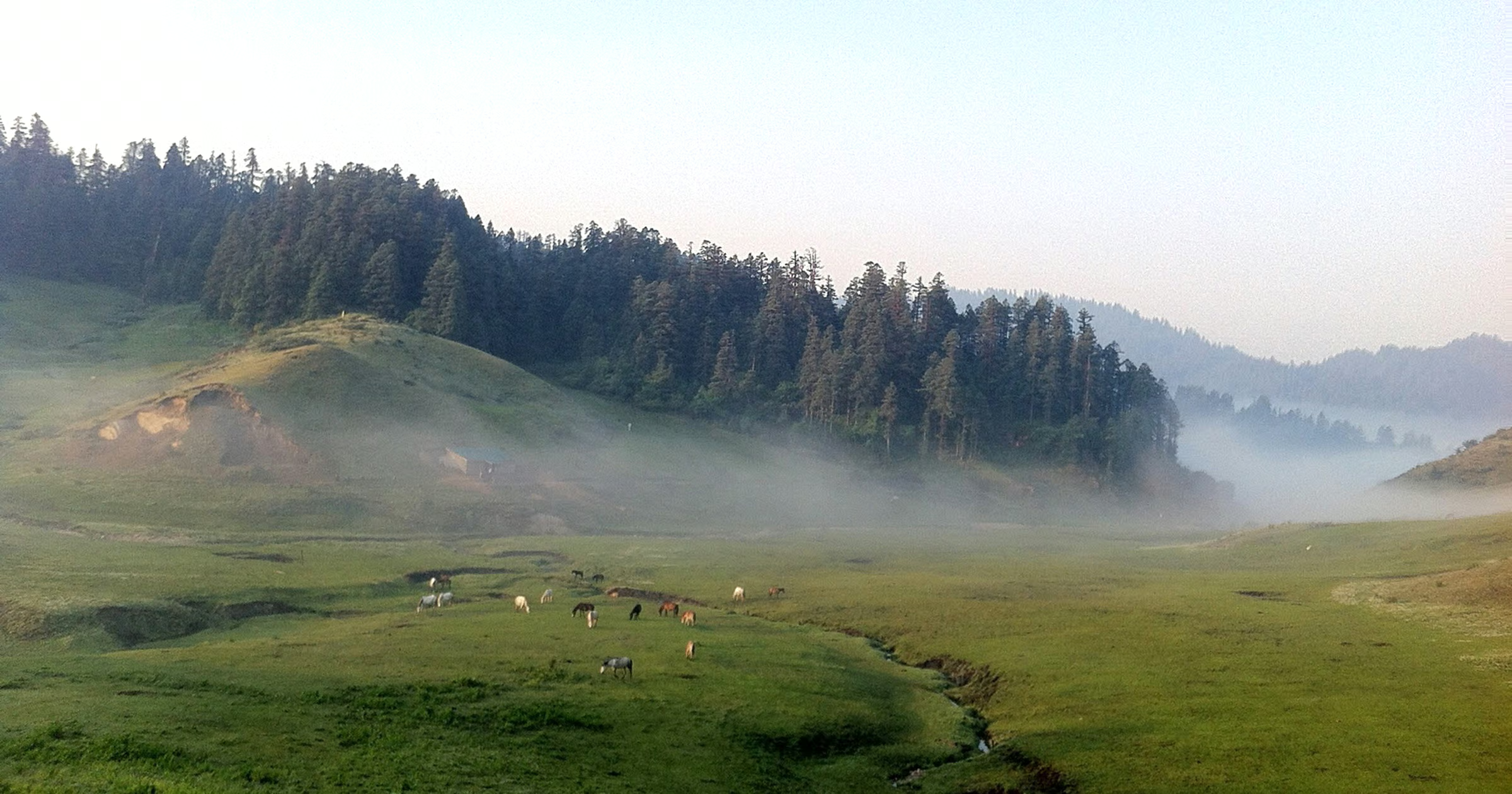
Khaptad trek offers you a chance to explore the vast rolling grasslands known as Patan. During the flowering season, these green rolling hills get dolled up with the vibrant colour of wildflowers.
There are around 22 grasslands and some of the popular grasslands are:
- Khaptadi Patan,
- Ghodauni Patan,
- Tribeni Patan,
- Buki Dahi,
- Nachanthali, etc
Walking in the green grasslands of Khaptad makes you feel like you are climbing a mountain filled with alpine gardens.
Hundreds of Medicinal Herbs
Khaptad National Park is home to around 224 species of medicinal herbs.
Rich Wildlife
When traversing inside the trails of Khaptad trek, you may get to spot wildlife such as:
- Leopard,
- Himalayan black bear,
- Wild dog,
- Musk deer,
- Barking deer,
- Langur monkey, etc.
Khaptad Park is a birdwatcher paradise as it is home to unique species of birds like:
- Impheyan pheasant,
- Partridges,
- Flycatchers,
- Bulbuls,
- Cuckoos,
- Eagles,
- Peregrin,
- Falcon,
- The white-rumped vultures, etc.
Dense Forests
Khaptad trek takes you inside the dense pine, oak, fir, rhododendron, and bamboo forests. Walking inside these make you forget you are hiking and slowly soothes your tired leg muscle and refreshes your tired soul with crisp and refreshing air.
Tranquil Lakes and Streams
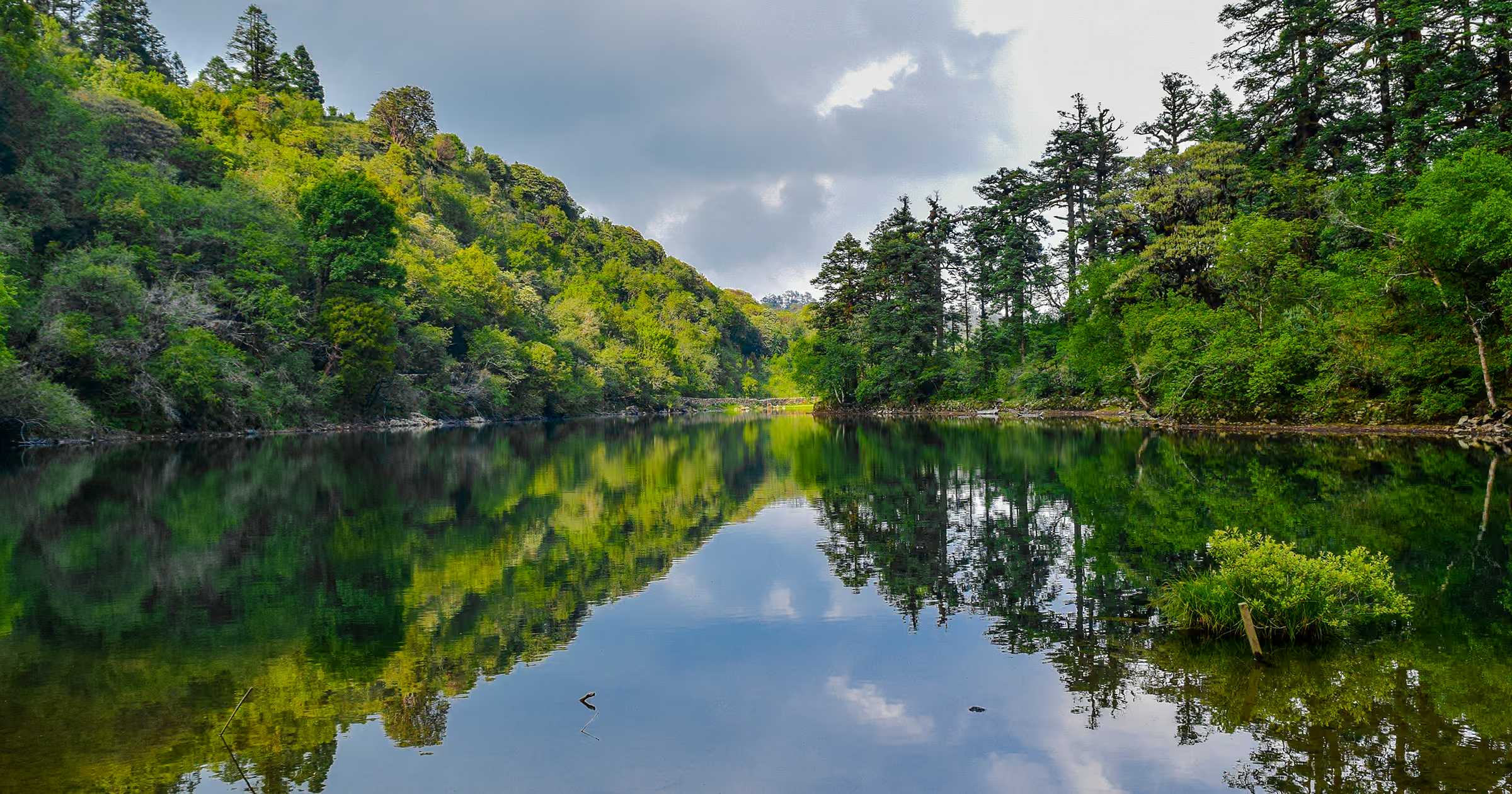
There are many crystal-clear streams which you can encounter on your way to Khaptad National Park. Among them, Khaptad lake is the charm of the national park. Its pure and crystal clear water reflects the sky like a natural mirror.
Himalayan Viewpoints
Khaptad national park trek offers a best view of majestic snowcapped mountain ranges like Api and Saipal.
Authentic Far Western Nepali culture
As Khaptad trek is least explored trekking trails, you will barely see another tourist in teahouses and trekking trails. This offers you more time to spend with local homestay owners and learn more about their culture, custom, and traditions.
Minimal Tourist Traffic
Due to less crowds, you can enjoy the serene beauty of these least explored national parks on your own. You won’t have to rush in scenic view points and can get involved with homestays and teahouses owners as much as you can.
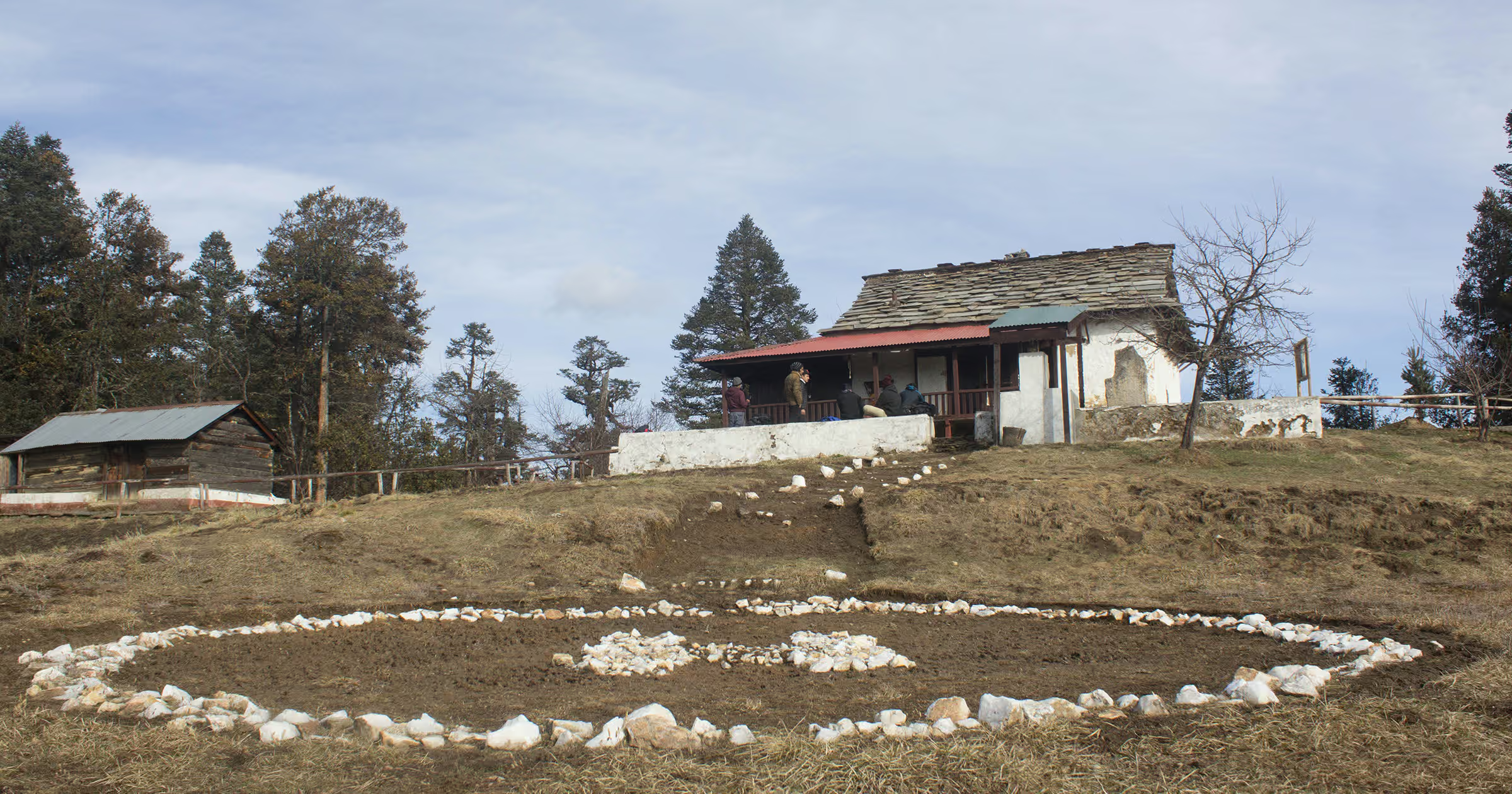
Sacred Khaptad Baba Ashram
The spiritual heart of Khaptad national park is Khaptad Baba Ashram. Here, you can meditate and learn more about the simple living philosophy of the revered sage, Swami Khaptad Baba.
Best Time for the Khaptad National Park Trek
Your trekking experience in Nepal’s trekking destination hugely depends on the right season. Spring and Autumn are considered the peak trekking season in Nepal as it offers favorable daytime temperatures for longer hours trekking to the high altitude region.
Spring (March to May)
The spring season is one of the most colorful seasons and is considered the best time for trekking to Khaptad. The alpine meadows become alive with blooming rhododendrons and vibrant wildflowers.
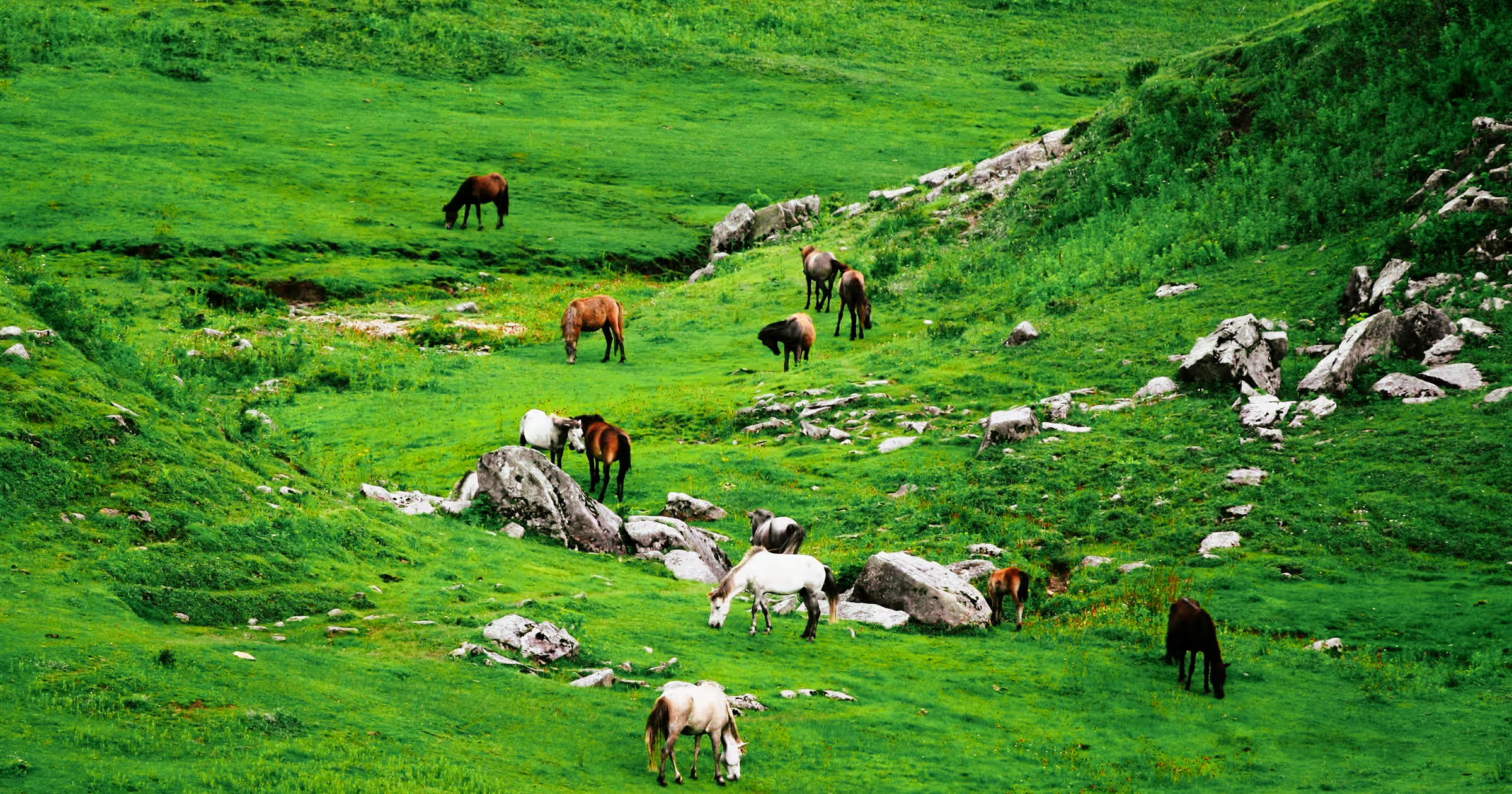
The weather is warm and clear and day time temperature ranges from 2°C and 20°C. Beside this, it is also a good time to spot endangered wildlife and migratory birds.
You won’t feel like trekking as you will be immersed so deeply in the vibrant natural colors of the spring blooms. All of your tiredness and pain will be gone within a second.
Autumn (September to November)
This season offers crisp air, crystal clear skies, and unobstructed views of the snow-capped mountains. This festival season in Nepal adds cultural vibrancy, and the trekking trails are dry and pleasant which is why it is called peak trekking season. The temperature of Khaptad fluctuate in between 11° C to 14 °C.
Winter (December to February)
The winter season is known as the off-season for trekking to remote Himalayas. But, if you are an experienced trekker and want to traverse along the snowy trekking trails especially around Khaptad Camp and Sahasra Linga.
Even though some areas may be inaccessible, the stunning landscapes make your heart beat faster. The early morning and late evening temperature may become intense and nighttime temperature may fall below freezing points and trekkers have to prepare with layered clothing. Also, you have to book teahouses and homestays in advance as most of them closed their business during off-seasons.
Monsoon (June to August)
Monsoon brings life to the alpine meadows with lush greenery. Trekking in monsoon is not recommended due to heavy rains, leeches, and slippery trails.
In addition to this, remote regions are highly prone to landslides and erosion and anytime trails become blocked. The mist and cloud makes the visibility of the trekking trails and snow-capped mountain ranges poor but with necessary preparation and planning, one can enjoy the lush and vibrant with thick greenery in 2026.
Trek Difficulty
Khaptad National Park trek is a moderate rated trek and without any technical skills one can complete this trek easily with necessary preparation. Khaptad trek takes you to a highest elevation of 3,200 meters at Saharasa Linga.
The trekking trails of Khaptad national park consist of verdant steep valleys, gentle ascents, and occasional steep climbs. It requires you to trek 5 to 6 hours a day so, if you have average fitness and previous hiking experience, you can complete this trek while enjoying the beauty of forested and meadow trails.
Required Permits
Khaptad trek, is one of the most rewarding adventures one can get when doing the Far West Nepal trek in 2026. Trekking inside the Khaptad National Park demands the Khaptad National Park Entry Permit, required for all foreign visitors. In addition to this, you will also need a TIMS card. However, rules regarding the need for a TIMS Card get changed from time to time.
TIMS Card Cost
- USD $20 USD for most foreign nationals
- NPR 2,000 for independent trekkers
- NPR 1,000 for group trekkers
- and NPR 1,000 for SAARC nationals.
Khaptad National Park Permit Cost
- NPR 3,000 for foreign nationals,
- NPR 1,500 for SAARC nationals,
- and NPR 100 for Nepali citizens.
- Children under 10 years old enter for free.
Everything to Know About Khaptad Trek
Accommodation
You will get a simpler accommodation option throughout the trekking trails of Khaptad trek. Trekkers will spend their night with locals in their community lodges, guesthouses, and homestays.
Camping options are also available but you have to bring your own camping essential for the trek in 2026. Places like Silgadhi and Dhangadhi offer guesthouses and lodges with basic rooms with attached bathrooms as you move ahead you will get limited facilities in the trail houses.
Food
Almost every day we suggest you eat traditional Dalbhat on the Khaptad Trek. The dish comes with lentil soup, rice, seasonal vegetable curry and pickles, and you can have refills until your hunger becomes satisfied.
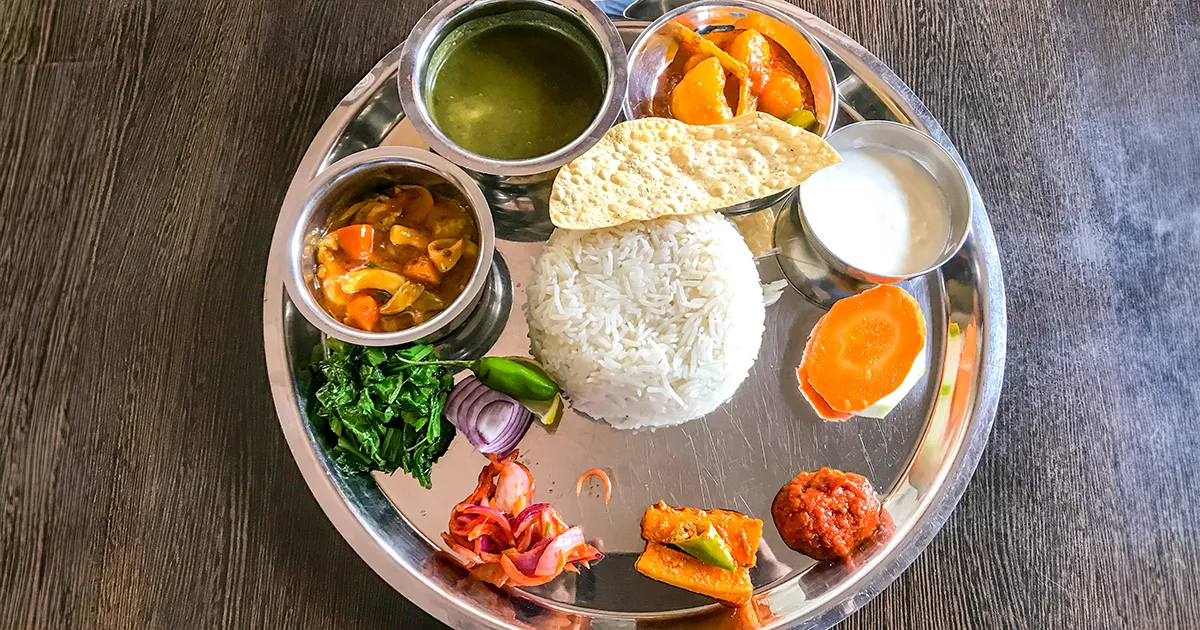
Dal Bhat is a staple dish of Nepal and an essential source of energy for trekkers. When hiking for long hours through the trails of Khaptad National Park, this wholesome meal provides the fuel your body needs to keep going.
Drinking Water
As for drinking water, we suggest you bring your own reusable water bottle and re-fill it in teahouses. You can also drink water from streams and rivers but only after purification.
Drinking water directly from natural resources may make you suffer from waterborne illnesses like diarrhea, dysentery, so bring a water purification tablet or a filter to purify it.
How to Reach Khaptad National Park
You can simply book a domestic flight or travel via road to reach Khaptad National Park in 2026.
Domestic Flight
At first you will fly from Kathmandu to Nepalgunj and within an hour you will land there. Then, from there you will again take a scenic flight to Chainpur, Bajhang. It will land you within 20 minutes. From there, 3-days of trekking make you reach Khaptad National Park.
If you want to trek longer, you will be flying to Dhangadi airport from Kathmandu. Within an hour and 10 minutes you will reach Dhangadi, after that you will board on a scenic drive to Silgadi via private or hired jeep.
Planning to do Khaptad National Park Trek in 2026?
Or Call/Message on WhatsApp +977 98434 13619
You will reach the trekking trail head of Silgadi around 10 to 11 hours, and your trekking journey for Khaptad continues until you reach there.
Overland Route
Local bus runs from Kathmandu, New buspark to Attariya Chowk of Kailali. It makes you travel mostly at night and takes around 20 to 22 hours to reach there.
Once you reach Attariya Chowk, you will again head on a 9 hour road journey to reach Silgarhi Bazaar. Silgarhi Bazaar is only 50 km away from the headquarter of National Park.
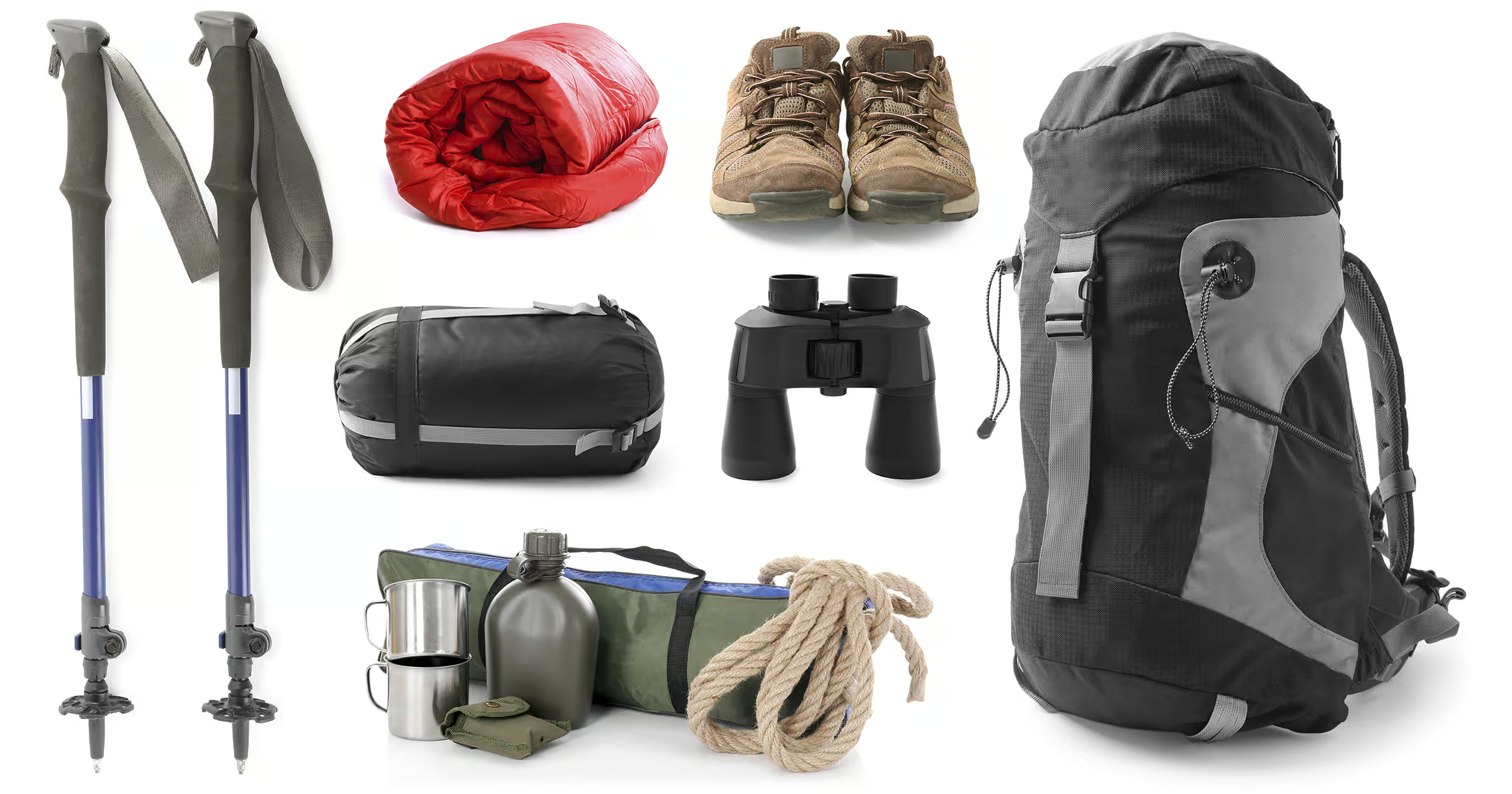
Packing List
Trekking to Khaptad National Park demands proper packing otherwise, you have to suffer in the middle of the remote trekking trails. Make sure you have following packing list before you step in the Sudurpaschim province trekking trails in 2026.
Clothing
- Waterproof jacket
- Down jacket
- Trekking pants
- Thermal layers
- Fleece Gloves
- Warm hat
- Sun hat
- Moisture-wicking shirts
Footwear
- Waterproof trekking boots
- Camp shoes
- Trekking socks
Equipment
- Backpack (40–60L)
- Daypack
- Trekking poles
- Sleeping bag (comfort rating around -10°C for colder seasons)
- Headlamp
- Power bank
- Water bottles or hydration bladder
- Water purification tablets or filter
Personal Items
- Sunscreen (SPF 50+)
- Sunglasses (UV protection)
- Lip balm
- Toiletries
- Wet wipes
- Hand sanitizer
- Personal medications
- Basic first-aid kit
- Insect repellent (especially during warmer months)
Responsible Trekking and Safety Tips in 2026
Every trekkers who enters ironside the pristine and serene landscape of Far-Western region should help preserve Khaptad’s fragile environment by following Leave No Trace principles:
- Make sure you carry out all non-biodegradable waste in the pocket of your backpack.
- Dispose them only in designated bins of teahouses and homestays.
- Stay on marked trails and avoid plucking of vegetation on the trails.
- Respect wildlife and avoid feeding and poking wild animals.
- Enjoy them grazing or flying from far distances.
- Buy one reusable water bottle instead of buying multiple plastic water bottles.
- Dress modestly by covering your knees and shoulders when visiting religious sites.
- Always ask for permission before photographing local people and their sacred prayer rooms.
- Always support local people by hiring local guides, staying in homestays.
- Make sure you trek with a licensed guide and hire them via registered trekking agency like Awesome Holidays Nepal.
- Inform someone of your itinerary and keep them updated regarding your steps.
- Carry a detailed map or GPS-enabled device.
- Monitor weather forecasts before setting out and stop trekking when it shows heavy rainfall or snowfall. Otherwise you get stranded in the middle of the forested region.
- Pack adequate warm clothing and focus on layering, even in spring and autumn.
- Keep emergency contact numbers accessible in your daypack.
- Purchase travel insurance that covers trekking activities and emergency evacuation above 5,000m elevation.
Final Thoughts on the Khaptad National Park Trek 2026
The Khaptad National Park Trek is not only a hiking route but it is an unique opportunity to experience a side of Nepal that remains largely untouched by mass tourism. From vast meadows and ancient forests to sacred landmarks, diverse wildlife, and the warm hospitality of local communities, a journey to Khaptad National Park offers an unforgettable blend of natural beauty, cultural heritage, and peaceful adventure.
As you are traveling to the remote trekking trails where you will be walking for longer hours for multiple days, you need to prepare yourself both mentally and physically. You should also have respect for the local environment, and an open mind in order to discover a destination where nature and spirituality coexist in remarkable harmony.
Ready to explore Nepal’s hidden paradise?
Then, contact Awesome Holidays Nepal to plan a trip filled with unforgettable memories in 2026.
FAQs
Expand AllWhat is the best time to trek Khaptad National Park?
Spring (March–May) and autumn (September–November) is the best time to trek Khaptad National Park.
How to reach Khaptad National Park from Kathmandu?
You can fly or drive from Kathmandu to Dhangadhi or Dipayal. Then continue by road to Silgadhi before trekking into Khaptad National Park.
How difficult is the Khaptad trek?
The Khaptad trek is rated as a moderate trek.
Do I need a permit for Khaptad National Park?
Yes, you will need Khaptad National Park entry permit along with TIMS Card. The regulation regarding TIMS card requirement goes on changing.
What is the highest altitude in Khaptad National Park?
The highest point in Khaptad National Park is 3,300 meters (10,827 feet) above sea level.
Where is Khaptad Baba ashram located?
Khaptad Baba ashram is located on the Khaptad Plateau of Khaptad National Park. It is a revered spiritual site for pilgrims.
Is Khaptad National Park open in monsoon / winter?
Yes, Khaptad National Park is open in monsoon / winter.
Is solo trekking possible in Khaptad National Park?
Yes, but you need to hire a licensed guide from Government registered trekking agency.
What is the Khaptad National Park entry fee for foreigners?
The Khaptad National Park entry fee for foreigners is:
- NPR 3,000 for foreign nationals,
- NPR 1,500 for SAARC nationals,
- and NPR 100 for Nepali citizens.
Children under 10 years old enter for free.
How to get Khaptad trek permit?
You can get a Khaptad National Park permit from the Department of National Parks and Wildlife Conservation or at the park entrance in 2026.
What is Sahasra Linga in Khaptad?
Sahasra Linga in Khaptad is a sacred Hindu pilgrimage site which is located in the hilltop of Khaptad Plateau. It consist of many small stone Shiva lingas.
What Flora and fauna are found of Khaptad National Park?
Khaptad National Park is home to diverse forests, alpine meadows, over 270 bird species. You will encounter wildlife including barking deer, Himalayan black bears, and leopards.
Is Khaptad safe for trekking?
Yes, Khaptad is safe for trekking in 2026.
What is the Distance from Silgadhi to Khaptad National Park?
The total distance from Silgadhi to Khaptad National Park is around 18 to 20 km.
Can I combine Khaptad with other Far West treks?
Yes, you can combine Khaptad with other Far West treks in 2026.
How much doe a Khaptad National Park trekking guide cost?
Khaptad National Park trekking guide cost around USD 25 to 40 per day. This range fluctuate as per the trekking season and services included in your trek.
What are the Sacred sites in Khaptad National Park?
Khaptad Baba Ashram, Tribeni, Sahasra Linga, and several temples and meditation areas are the Sacred sites you must visit in Khaptad National Park.
What is the Khaptad National Park biodiversity?
Khaptad National Park is rich in biodiversity, with hundreds of plant species, medicinal herbs, diverse wildlife, and more than 270 recorded bird species.
What is the Driving time Dhangadhi to Silgadhi for trek?
The driving time from Dhangadhi to Silgadhi is around 8 to 10 hours.
How many days for Khaptad trek?
You should allocate atleast 9 to 11 days for Khaptad trek in 2026.
Related blog posts
Discover a choice of tourist destinations loved by most of our visitors. Whether you're on a jungle safari to spot rare animals or walking through a world heritage site, these well-planned itineraries cover the major highlights of Nepal.
 call an expert at: