
Annapurna Base Camp Helicopter Return Weather: How Reliable is Luxury Base Camp Heli Trek in 2026?
 Sujata Pokhrel
Are you worried about the Annapurna Base Camp helicopter return weather? Well, don’t get worried about it yet!
The idea of trekking deep into the Himalayas and then flying back by helicopter sounds almost too perfect until the question of weather comes in. It’s one of the most common concerns among trekkers planning a luxury Himalayan experience. Will the flight actually happen? What if it gets canceled? Is it truly reliable?
Let’s get through the blog to find more about how reliable the Annapurna Base Camp helicopter return weather is.
What is the Annapurna Base Camp Helicopter Return Trek?
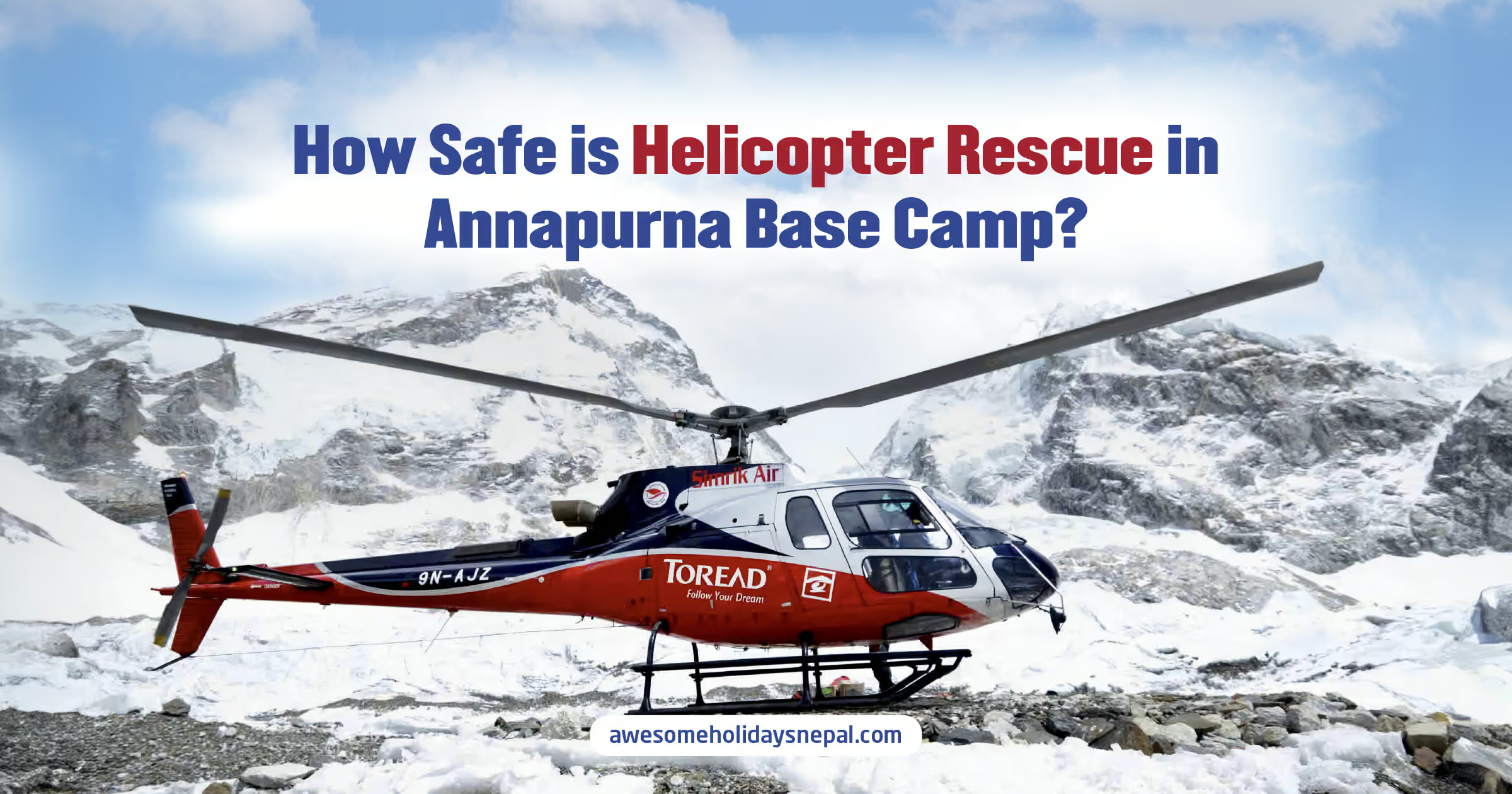
The Annapurna Base Camp Helicopter Return Trek is a hybrid trekking experience where you hike up through traditional villages, forests, and alpine landscapes to reach Annapurna Base Camp, and instead of trekking all the way back down, you return by helicopter.
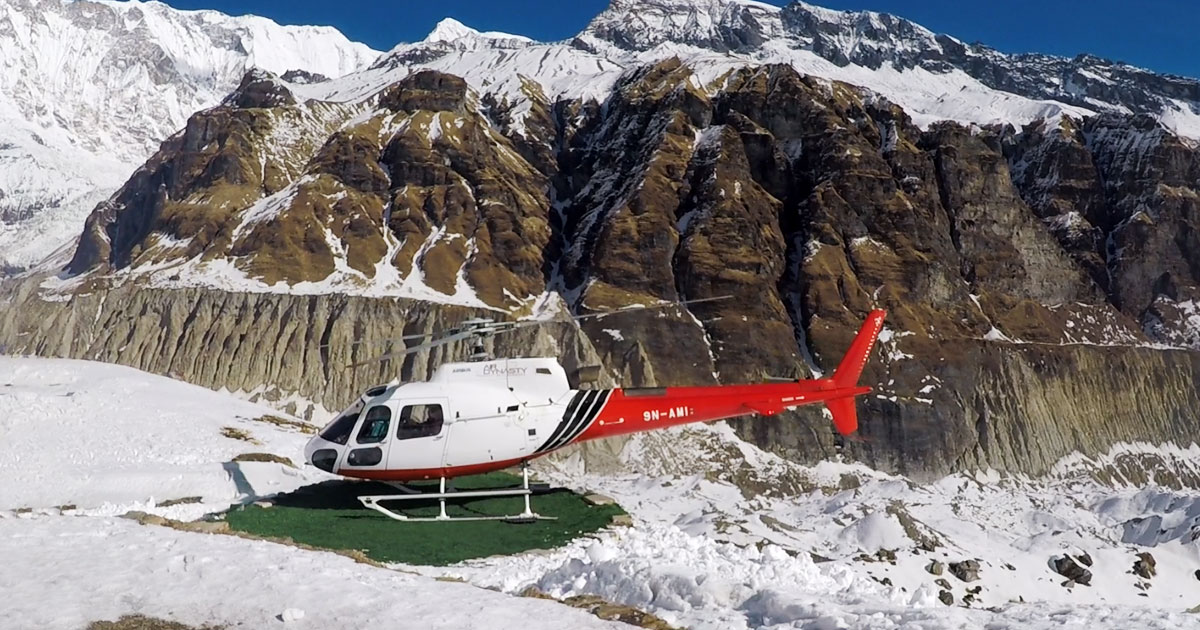
This option has become increasingly popular for travelers who want to enjoy the full journey upward but avoid the long descent. It saves time, reduces physical strain, and adds a dramatic aerial perspective of the Annapurna range. You essentially combine adventure with comfort, making it ideal for those on a tighter schedule or looking for a more premium experience.
Why Weather Matters More for Helicopter Returns
When you trek, weather influences your experience, but rarely stops your journey entirely. Helicopter flights, however, operate under much stricter conditions.
Unlike commercial airplanes, helicopters in the mountains rely heavily on clear visibility. Pilots must be able to navigate visually, especially in complex terrain. That means clouds, fog, wind, and sudden weather shifts can all affect whether a flight can take off.
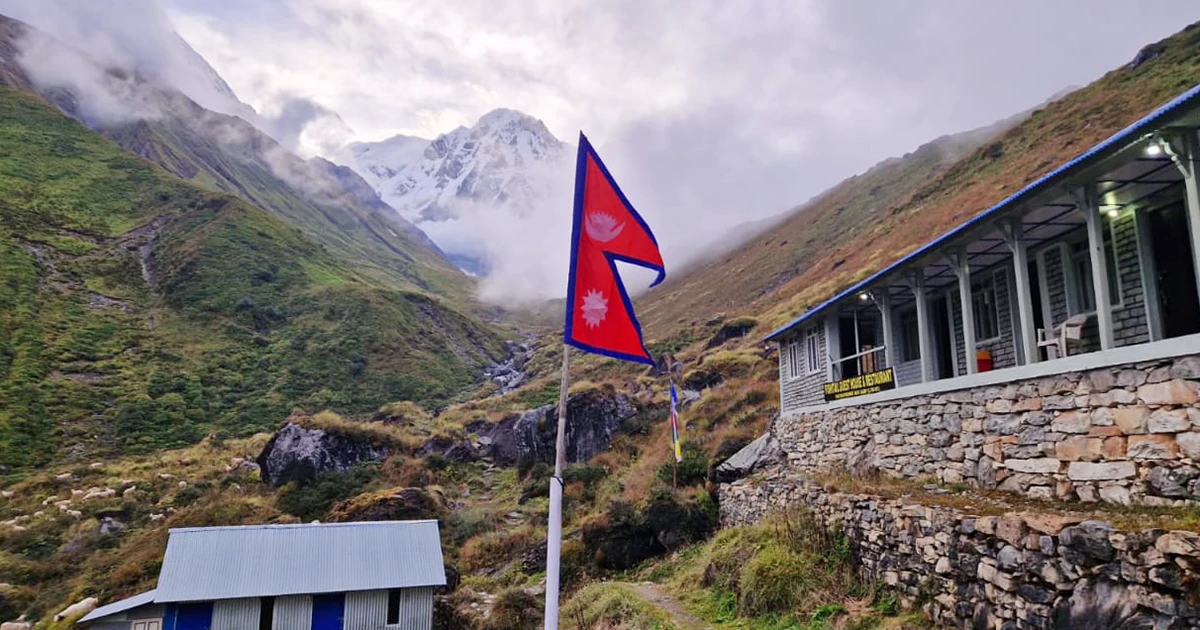
In cities like Kathmandu, weather patterns are relatively stable and predictable. In the mountains, it’s a different story. Conditions can change within hours, sometimes even minutes. This is why weather plays such a crucial role in determining the reliability of your helicopter return.
Understanding Annapurna Region Weather Patterns
To understand how reliable helicopter flights are, it helps to first understand how the weather behaves in the Annapurna region.
Microclimates in the Annapurna Region
The Annapurna region is known for its dramatic terrain, and with that comes a variety of microclimates. Within a short distance, you can move from warm, humid forest zones to cold alpine conditions.
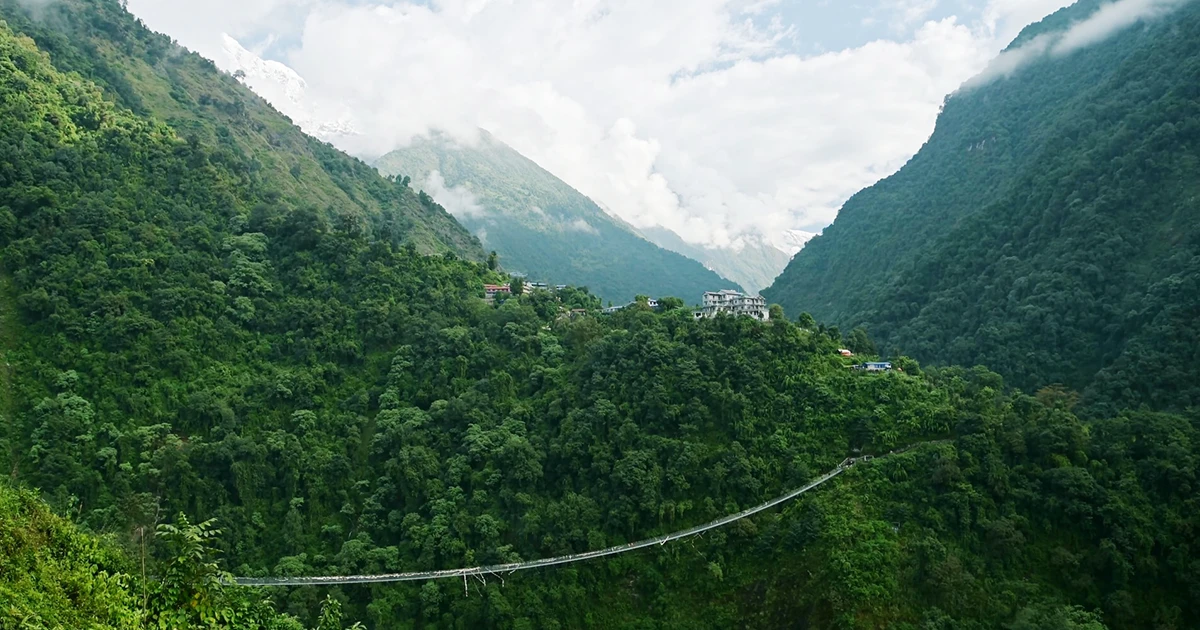
This variation means that even if the weather seems fine in one area, conditions at base camp or along the flight path might be completely different. A clear morning in one valley doesn’t guarantee visibility a few kilometers away.
Typical Daily Weather Cycle
Mountain weather tends to follow a fairly predictable daily rhythm.
Mornings are usually the clearest part of the day. Skies tend to be calm, visibility is high, and winds are lighter. As the day progresses, clouds often build up due to rising temperatures and moisture, especially in spring and summer.
By afternoon, visibility can drop significantly, which is why most helicopter flights are scheduled as early as possible. Timing, in this case, is not just a preference, it’s a necessity.
Key Factors Affecting Flights
Several weather-related factors directly influence whether a helicopter flight can operate.
Low cloud cover and fog are among the most common issues, as they reduce visibility. Wind is another major factor; strong or unpredictable gusts in narrow valleys can make flying unsafe. In winter, snowfall can delay or ground flights, while in monsoon season, persistent rain and thick cloud layers create long periods of no-fly conditions.
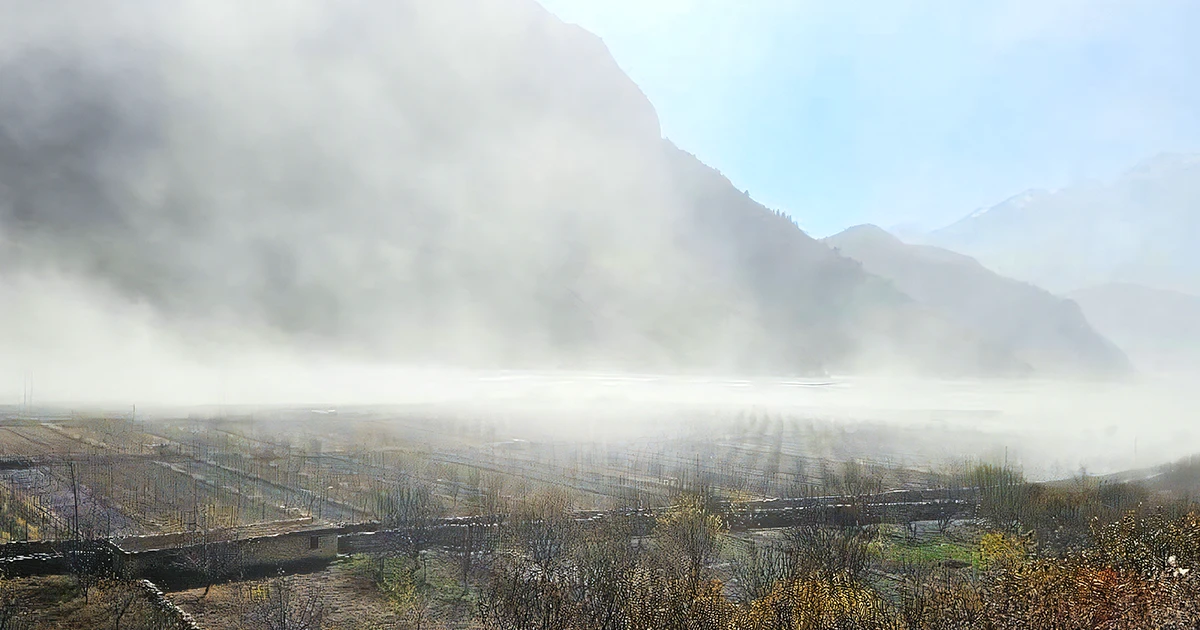
These factors don’t necessarily mean cancellations every time, but they do introduce uncertainty that travelers need to be aware of.
Seasonal Reliability of Helicopter Flights
The reliability of your helicopter return largely depends on when you travel. Each season brings its own advantages and challenges.
Spring Season-The Highly Reliable One
Spring, from March to May, is one of the best times to plan a helicopter return from Annapurna Base Camp.

The weather is generally stable, with clear mornings and good visibility. Temperatures are comfortable, and although clouds can build in the afternoon, flights scheduled early in the day usually operate without major issues.
In 2026, spring continues to be a highly reliable window for helicopter returns, with only occasional short delays rather than cancellations.
Autumn Season-Moderately Reliable
Autumn, from September to November, is often considered the peak trekking season in Nepal.
The skies are usually clear after the monsoon, and visibility is excellent. However, with increased trekking traffic, scheduling and logistics can sometimes be tighter. Weather-wise, it is still very reliable, though occasional haze or late-season cloud buildup can cause minor disruptions.
Overall, autumn offers a strong balance of good weather and high flight success rates.
Winter Season- Conditional Reliability
Winter, from December to February, presents a mixed picture.
On one hand, skies are often crystal clear, offering stunning mountain views. On the other hand, colder temperatures and snowfall can interfere with flight operations. Frost and icy conditions in the early morning can also delay departures.
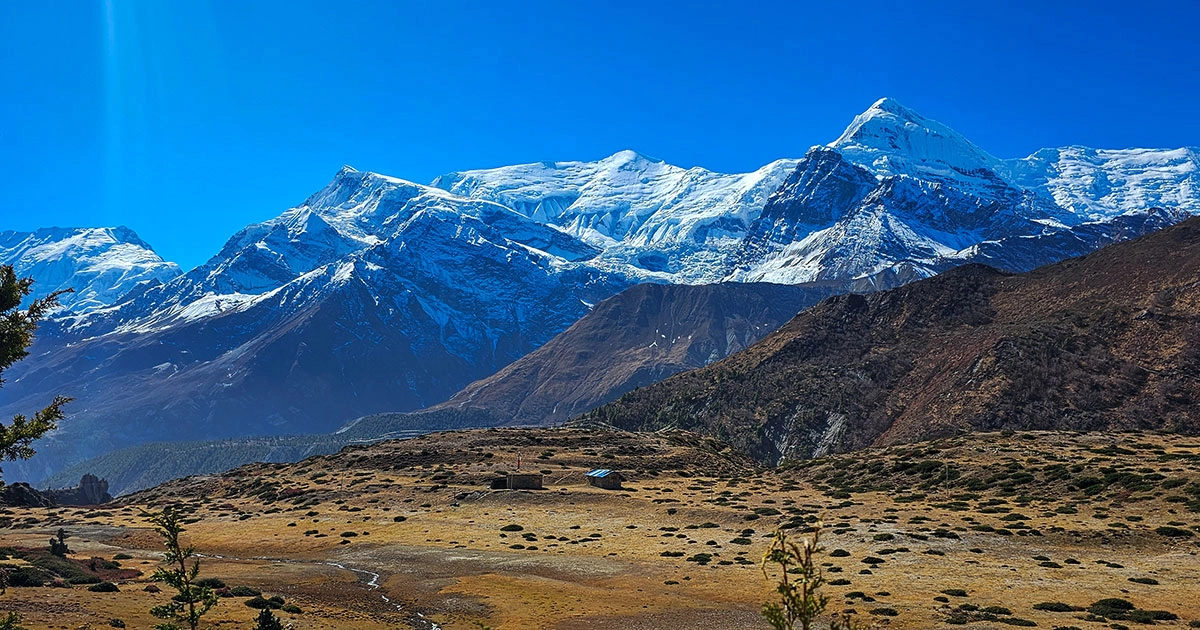
Flights do operate in winter, but reliability depends heavily on daily conditions rather than seasonal consistency.
Monsoon Season- Low Reliability
Monsoon, from June to August, is the least reliable time for helicopter returns.
Persistent rain, thick cloud cover, and reduced visibility make flying extremely challenging. Flights are frequently delayed or cancelled, and clear weather windows are unpredictable.
If a helicopter return is important to your plan, monsoon is generally not the right season to rely on it.
What Causes Helicopter Flights Get Delayed or Cancelled?
Flight disruptions are usually not random; they are almost always tied to safety conditions.
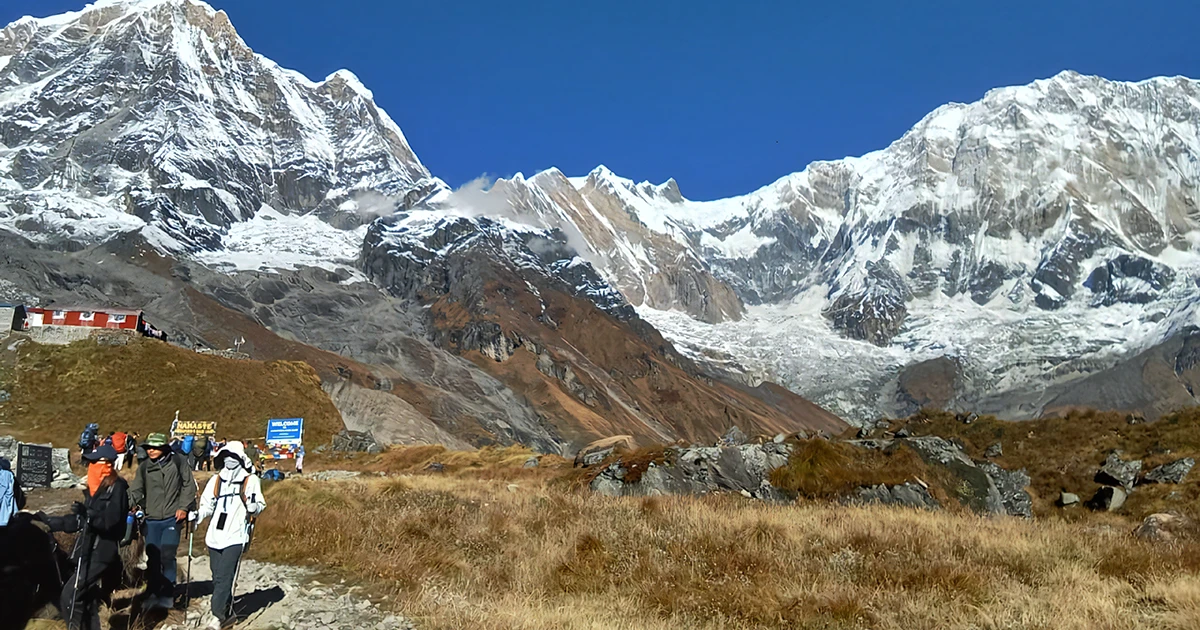
Low visibility is the leading cause, followed by strong winds and sudden weather changes along the flight path. Sometimes, even if conditions at Annapurna Base Camp appear clear, poor visibility closer to landing zones or en route can prevent the flight.
It’s also worth noting that delays are more common than outright cancellations. Many flights are simply postponed by a few hours until conditions improve.
Backup Plans in Case of Bad Weather
Even with careful planning, flexibility is essential when trekking in the Himalayas.
If the helicopter cannot fly, trekkers usually have two main options. One is to wait for the next available weather window, which often opens within a day. The other is to descend on foot via the standard trekking route.
Most itineraries that include a helicopter return are designed with some flexibility, allowing for minor delays without disrupting the entire trip. Having an extra buffer day can make a significant difference in managing unexpected changes.
How Trekking Companies Manage Weather Risks
Experienced trekking companies closely monitor weather forecasts and coordinate directly with helicopter operators.
Flights are scheduled early in the morning to maximize the chances of clear conditions. Guides stay in constant communication with pilots and ground teams, adjusting plans as needed.
In many cases, decisions are made in real time based on updated weather reports. This level of coordination helps reduce uncertainty, even though it cannot eliminate weather-related risks entirely.
Is the Heli Return in Annapurna Worthy Despite the Weather Risks?
Despite the uncertainties, the helicopter return from Annapurna Base Camp remains one of the most rewarding trekking experiences in Nepal.
The ability to walk into the heart of the Himalayas and then fly out over towering peaks like Annapurna I offers a perspective that few other journeys can match. It saves time, reduces physical strain, and adds a memorable highlight to the trek.
Yes, weather can affect plans, but in the right season, especially spring and autumn, the chances of a successful flight are high. The key is to approach the experience with realistic expectations and a bit of flexibility.
In the end, the Annapurna Base Camp helicopter return is not just reliable, it’s reliable enough to be worth it.
FAQs
Expand AllIs the Annapurna Base Camp heli fly-back guaranteed on the planned day?
No, it’s never 100% guaranteed. Helicopter flights in the Himalayas depend entirely on safe flying conditions. In peak seasons, the success rate is high, but flexibility is still essential.
What weather usually cancels an ABC helicopter return?
Low cloud cover, fog, strong winds, snowfall, and heavy rain are the main reasons. Poor visibility is the most common factor that prevents flights.
Which months give the highest chance of a same-day fly-back from ABC?
March to May (spring) and late September to November (autumn) offer the best chances of a successful same-day return from Annapurna Base Camp.
Are early morning helicopter returns more reliable than afternoon departures?
Yes, significantly more reliable. Mornings usually have clearer skies and calmer winds, while clouds tend to build up later in the day.
What happens if the helicopter cannot land at Annapurna Base Camp?
If landing at ABC is not possible, the pilot may attempt landing at a lower altitude or delay the flight. Safety decisions are always made in real time.
Can the pickup shift from ABC to Machhapuchhre Base Camp or lower down?
Yes, pickups can shift to Machhapuchhre Base Camp or even lower villages if weather conditions are better there.
Will I need to trek down if the weather does not clear?
If delays extend beyond a reasonable time, trekking down becomes the backup option. Most itineraries are designed with this possibility in mind.
Who pays for extra teahouse nights if the fly-back is delayed?
This depends on your package. In many cases, extra accommodation and meals during delays are paid by the traveler, unless explicitly included.
Do operators refund the helicopter portion if the return cannot happen at all?
Some operators offer partial refunds, while others may adjust the cost based on services used. Policies vary, so it’s important to confirm before booking.
Is a private helicopter more reliable than a shared return flight?
A private helicopter offers more flexibility in timing, but weather limitations remain the same. It doesn’t bypass safety restrictions.
How much extra buffer time should I keep after a luxury ABC heli trek?
Keeping at least 1–2 buffer days after your trek is strongly recommended, especially before international flights.
Is spring or autumn better for helicopter reliability?
Both are excellent, but autumn often has slightly clearer skies overall, while spring offers stable conditions with occasional afternoon clouds.
How risky is monsoon season for an ABC helicopter return?
Monsoon season is highly unreliable. Persistent cloud cover and rain make helicopter flights difficult and often impossible.
Can winter snow still allow a safe helicopter fly-back from ABC?
Yes, if skies are clear. Winter can offer excellent visibility, but snowfall and freezing conditions can sometimes delay flights.
How long is the helicopter flight from ABC to Pokhara?
The flight typically takes around 20 to 30 minutes, offering spectacular aerial views of the Annapurna range.
Does bad weather affect visibility even when the trail below looks clear?
Yes. Conditions along the flight path may differ from what you see on the ground. Clear trails don’t always mean safe flying conditions.
What altitude-related issues can affect a same-day helicopter return?
High altitude reduces air density, affecting helicopter performance. Payload limits and weather conditions become more critical at higher elevations like ABC.
Is the luxury version worth it if the helicopter part is weather-dependent?
For most travelers, yes. Even with some uncertainty, the time saved and experience gained make it a valuable upgrade.
What should I pack in my day bag in case the fly-back is delayed overnight?
Carry essentials like warm layers, basic toiletries, medications, a power bank, and some cash for extra nights if needed.
Does travel insurance need to cover helicopter evacuation and trip interruption?
Yes, it’s highly recommended. Good insurance should cover helicopter evacuation and delays or interruptions.
How do pilots decide whether conditions are safe to fly?
Pilots rely on visibility, wind conditions, cloud levels, and real-time weather updates. Safety regulations strictly guide their decisions.
Can the helicopter return be rescheduled for the next clear weather window?
Yes, flights are often rescheduled as soon as conditions improve, sometimes later the same day or the following morning.
What happens to my Pokhara or Kathmandu bookings if the heli return is delayed?
You may need to adjust or postpone bookings in Pokhara or Kathmandu. Flexible reservations are highly recommended.
Are there weight limits or luggage restrictions on the fly-back?
Yes, helicopters have strict weight limits. You may need to leave excess luggage behind or arrange separate transport.
Is the ABC heli return suitable for older travellers?
Yes, it’s a great option as it reduces physical strain, especially on the descent.
Can families with children rely on the helicopter return?
Generally yes in peak seasons, but families should still plan buffer days for safety.
What are the clearest warning signs that I should plan an extra buffer day?
Traveling in shoulder seasons, seeing frequent afternoon clouds, or having a tight onward schedule are clear signs to add buffer time.
Is a Pokhara-based itinerary easier to manage than a Kathmandu-based one if weather changes?
Yes, starting and ending in Pokhara offers more flexibility and quicker adjustments compared to routing everything through Kathmandu.
Can I still watch sunrise at ABC and fly back the same morning?
Yes, this is common. Most flights are scheduled after sunrise when visibility is at its best
What questions should I ask an operator before booking a luxury ABC heli trek?
Ask about cancellation policies, refund terms, backup plans, weight limits, insurance requirements, and how they handle delays. Clear answers to these will help you plan with confidence.
Related blog posts
Discover a choice of tourist destinations loved by most of our visitors. Whether you're on a jungle safari to spot rare animals or walking through a world heritage site, these well-planned itineraries cover the major highlights of Nepal.


 call an expert at: