
What to Wear in Nepal as a Foreigner (Cities, Temples, Treks)
 Sristi Adhikari
Wondering about what to wear in Nepal when planning for visit in 2026? A mixture of comfort, modesty, and flexibility, along with the knowledge of climatic conditions, helps you wear suitable clothing in Nepal.
When exploring popular cities like Kathmandu Valley, Pokhara, Chitwan, and Lumbini, foreigners should wear breathable tops with sleeves, light jeans or loose tracksuits, a skirt, and comfortable walking shoes. Similarly, when you are visiting famous temples and religious sites, you must show extra respect to the local culture and wear a long-sleeved, fully covered dress or pants with a scarf on your forehead.
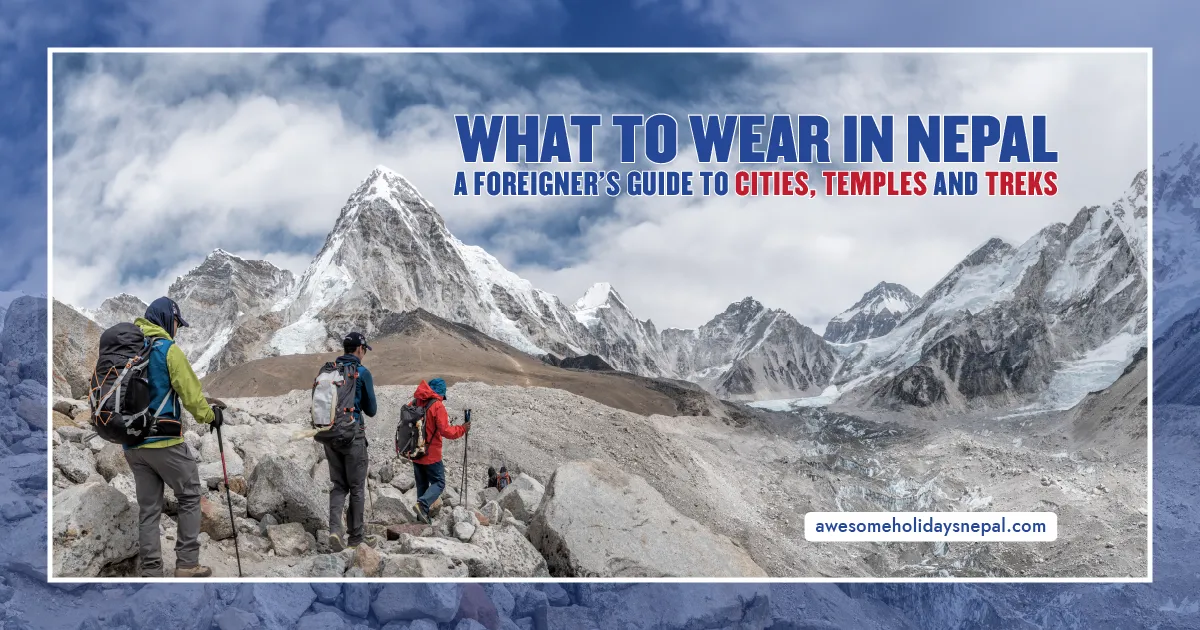
Trekking to the Himalayas and the remote region of Nepal requires extra attention and proper packing. A foreigner should pack the layered clothing gear with a warm fleece jacket and leggings or trousers, whether you are planning for the Everest Base Camp trek or the Annapurna circuit. Click here for the Everest Base Camp packing list clothing.
Nepal Temples Dress Code
Nepal is a Secular Republic Country, and there are thousands of temples, stupas, shrines, and monasteries all around the nation. The foreigners should follow strict dress codes around these holy and sacred places, as it represents respect for local traditions and beliefs.

What to Wear in Temples and in Other Religious Places
- Both men and women should wear a dress that covers the shoulders and knees.
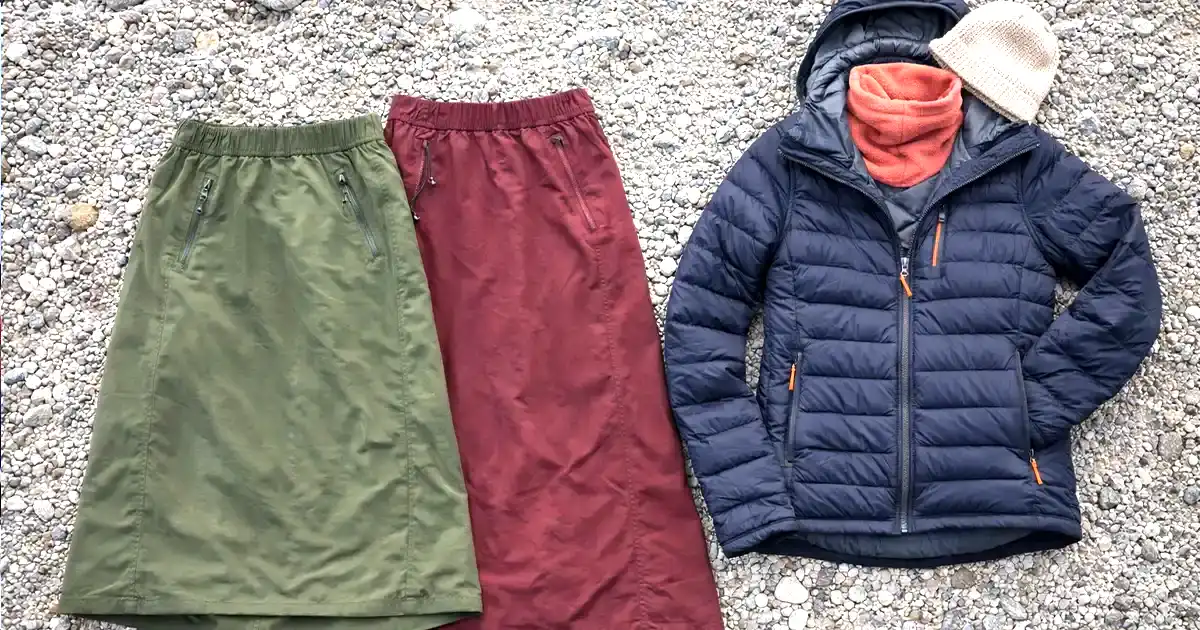
- Long pants, midi or maxi skirt, and tops with full sleeves.
- Cover your head with a shawl or scarf when entering.
- Wear Kurtha or Saree if you have any; if not, wear long clothing.
What to Avoid
- Sleeveless top, shorts or skirts, low cut shirt, tank tops, tube tops,
- Shoes before entering shrines, temples, or monasteries.
- Hats and sunglasses
- Tight or see-through clothing
- Leather items like bags, jackets, or wallets inside the temple.
What to Wear in Nepal for a City Tour?
Foreigners should wear casual, relaxing, and comfortable clothing when exploring the popular cities of Nepal. You should always keep in mind that there are certain customs and traditions that need extra respect and attention in Nepal.
Places like Kathmandu, Pokhara, Chitwan, Lumbini, Sarangkot, and other cities, you can wear whatever you want want unless it is too revealing. Pack a warm dress with longer sleeves and full pants with a windcheater or a light jacket when exploring Kathmandu, the hilly region, or in the Sarangkot areas, while exploring the Terai regions like Lumbini, Chitwan, pack light clothes as it is too warm.
Suitable to Wear
- T-shirts, half or full-sleeved tops
- Midi/maxi skirts
- Comfortable walking, light long pants or trousers
- Shoes or sandals, as per your comfort
- Light windcheater during mornings and evenings
- Insulated jacket, thermal wear, and gloves when visiting in Winter(December to February).
- Umbrella or raincoat when visiting in the Monsoon season(June to August).
- Bring dark colored clothes if planning to do a jungle safari.

What to Avoid
- Very short shorts
- T-shirt or tops with very low cut or see-through/ flashy
- Tube tops only
- With offensive graphics or political or religious slogans.
- Heavy Jewelry or luxury items (due to robbery or theft).
What to Wear for Trekking in Nepal
Nepal offers hundreds of trekking destinations for global adventure enthusiasts. There are many places where you can go for a short hike, a multiple-week trek, or a month-long expedition. The most popular trekking regions of Nepal are the Everest, Annapurna, Manaslu, Dolpo, and Mustang regions.
The best seasons for trekking in Nepal are spring and Autumn, while off-season trekking is also feasible with expert guidance from a reputable trekking agency like Awesome Holidays Nepal. Packing list for trekking in Nepal varies according to the season, and you should pack the following things to make your vacation more memorable and without any hassle.
What to Wear
Base Layer
- Moisture-wicking T-shirts
- Thermal tops and bottoms
Mid Layer
- Fleece or insulated jacket
- Light down jacket
Outer Layer
- Waterproof and windproof jacket
- Waterproof pants
Bottoms
- Convertible trekking pants
- Comfortable evening pants
Extras
- Warm hat (beanie), sun hat, or cap
- Buff/neck gaiter, underwear (quick-dry)
- Warm trekking socks, thermal socks, liner gloves, and insulated gloves (for cold weather)
Footwear
- Trekking boots-well broken in
- Lightweight sandals or flip-flops for teahouses
- trail shoes for lower altitudes
Packing Extras for Women
- Long-line trekking tops, trekking leggings, sports bras
- Underwear suitable during menstruation
- Lightweight scarf or shawl for religious places and warmth
- Hair ties and dry shampoo
Packing Extras for Kids
- Extra warm layers, fleece, and a down jacket
- Waterproof jacket and pants
- Comfortable trekking shoes, warm gloves, and a wool hat
- Sun hat and an extra pair of socks per day, small toy/comfort item
- Snacks they already like and child-sized sunglasses
What to Avoid
- Jeans, too expensive jewelry
- Heavy cotton clothes and unnecessary shoes
Useful Tips for Wearing in Nepal
Comfortable Clothes and Shoes
If you are exploring different regions of Nepal, whether it is for hiking, trekking, touring, climbing, or as a pilgrim, you should be comfortable. Comfort is key to the success of the journey as it allows you to walk or travel easily.
You should wear clothes and shoes according to the weather demands. Foreigners should pack everything that will protect their bodies, whether it’s from rain, pollution, sun exposure, or muddy and rocky trails. Packing enough clothing and well-worn-in shoes is highly recommended.
Layering is Highly Recommended
If you are doing a full-day excursion or trekking, you should focus on packing a layered clothing system. You should wear with the change in temperature during longer treks to the Himalayas, like the EBC trek, ABC trek, or Manaslu Trek, etc.
The daytime temperature is quite warm due to the sun, so wear shorts or a long, long-sleeved shirt. In the evening and morning, the temperature drops, so you should wear a jacket or a sweater with a layer.
Removing Footwear
There are numerous cultural and religious sites in Nepal. When visiting the temple, shrines, monastery, or Gompa, do not forget to remove footwear before entering.
If you have any leather items, like a bag, jacket, or belt, you can not take them inside.
Rain Protection
Nepal’s weather is highly unpredictable if you are exploring the remote regions or near the Himalayas. You should carry waterproof jackets or shoes along with rain gear if you want to reach the destination successfully.

Packing a raincoat, umbrella, waterproof boots, and jacket is highly advised so that you don’t have to suffer from cold-related issues.
Wear Respectable Clothing at Cultural Events
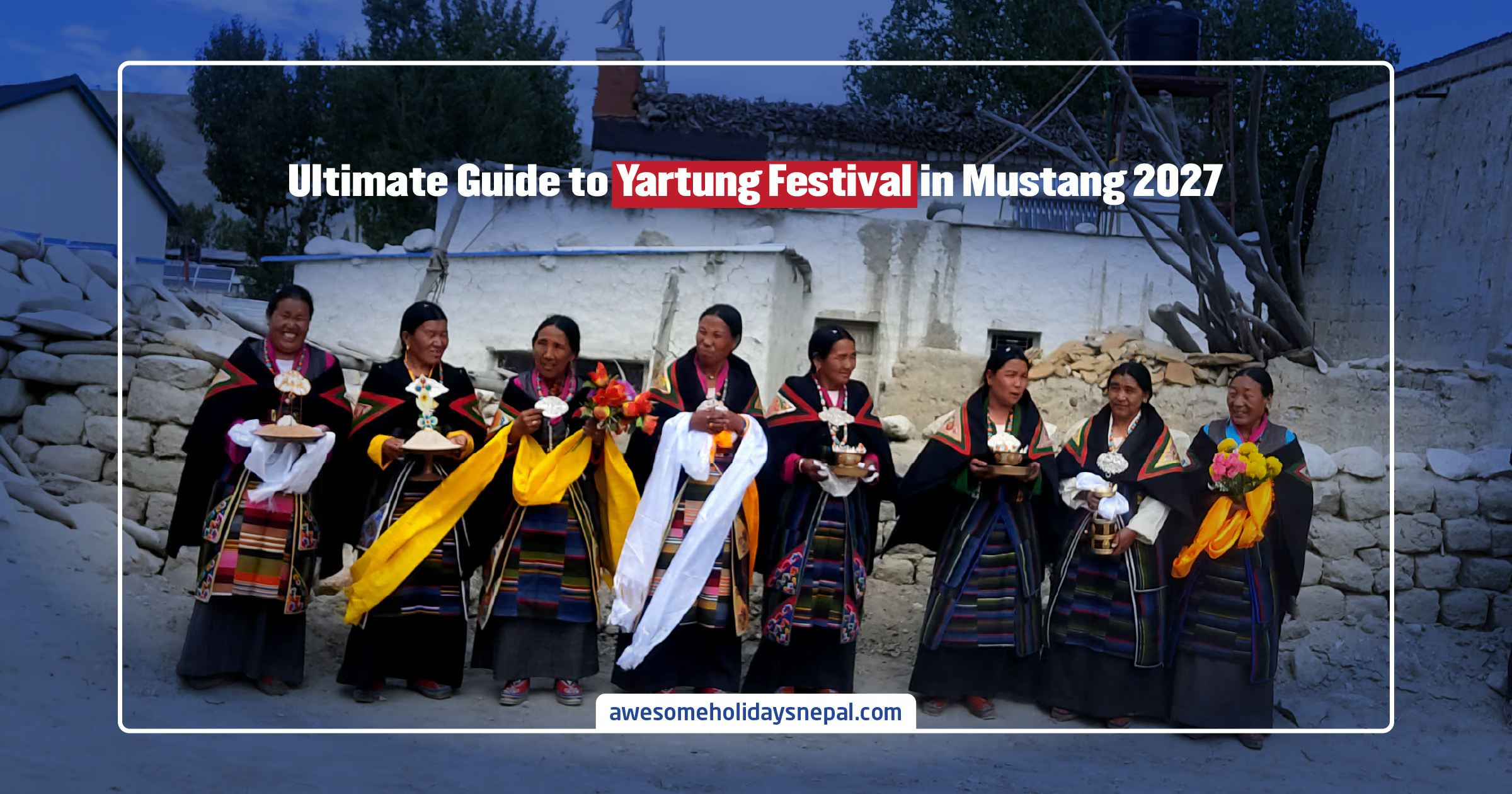
If you are planning to participate in cultural events in the city areas like Kathmandu, Pokhara, or in the Himalayas like Mustang, Muktinath, or in the Khumbu region, you should wear modest and decent outfits. Local wear cultural and traditional dress during the events, and foreigners can join them with a simple t-shirt or pants.
If you are interested, you can wear a rented traditional Nepali dress when participating in events or at festivals.
Travel Nepal Comfortably—Without Cultural Missteps
In conclusion, what to wear in Nepal answers a combination of comfort, practicality, and cultural respect for foreigners who are planning to explore the different regions of Nepal in 2026. Dressing according to the places while respecting the local culture and traditions makes your travel or trek more mindful. If you are planning the trek in the wonders of the Himalaya, make sure to pack layered clothing along with sturdy footgear that can handle the rocky, steep terrain with the unpredictable weather demands.
Similarly, exploring popular cities like Kathmandu, Pokhara, and Birgunj requires modest and casual dressing without any flashiness. Wearing traditional attire or long clothing that can cover the shoulder region and knee length is highly recommended when doing the cultural tour to the temples, monasteries, and shrines of Nepal. Are you ready to explore the hidden beauties and wonders of Nepal? Then don’t forget to contact us, Awesome Holidays Nepal.
FAQs
Expand AllCan tourists wear shorts in Nepal?
Yes, tourists can wear shorts in Nepal. They are not recommended to wear during visit of religious places.
Are leggings acceptable in Nepal?
Yes. Leggings are acceptable in Nepal.
Can women wear tank tops in Kathmandu?
Yes, women can wear tank tops in Kathmandu.
Is it OK to wear shorts in Pokhara?
Yes, it is ok to wear shorts in Pokhara.
What should female tourists wear in Nepal?
Female tourists should wear modest, loose-fitting clothing and avoid wearing too revealing clothes in Nepal.
Do I need to cover my head in Nepali temples?
Covering the head in Nepali is not mandatory, but doing so shows respect to the culture and tradition of local people.
Can I wear jeans in Nepal temples?
Yes. You can wear jeans in Nepal temples.
Are crop tops allowed in Nepal?
Yes, crop tops are allowed in Nepal, but make sure to avoid weaing in remote areas and in religious and cultural sites.
What to wear when visiting Swayambhunath (Monkey Temple)?
You should wear modest clothing taht covers your shoulders and knees, when visiting Swayambhunath (Monkey Temple).
Is a bikini allowed in Nepal lakes (Phewa, Rara)?
No, bikini is not allowed in Nepal lakes (Phewa, Rara).
What shoes to wear trekking in Nepal?
You should wear well-worn-in shoes when trekking in Nepal.
Do I need down jacket for Everest Base Camp?
Yes, you will need a down jacket for the Everest Base Camp.
Can I wear revealing clothes in Thamel?
You can wear more relaxed clothes, wearing reveling clothes is not safe in Thamel.
Dress code for Lumbini Buddhist temples
Dress code for Lumbini Buddhist temples includes covering their shoulders and knees and removing shoes before entering the temples.
What to wear in Nepal in December / January?
You should wear a warm beanie, woolen socks, and gloves with fleece upper and lower wear in Nepal during December / January.
What to wear in Nepal in April / May (spring)?
You should wear lightweight, breathable fabrics like linen/cotton during spring.
Is it safe to wear shorts while trekking in Nepal?
No, it is not safe to wear shorts while trekking in Nepal.
Dress code for Muktinath temple
Dress code for Muktinath temple includes wearing modest clothing which covers knees and shoulders, wearing traditional attire if you have any.
Can foreigners wear Nepali traditional dress?
Yes, foreigners can wear Nepali traditional dress.
What to pack for Annapurna Base Camp trek clothing?
When packing for the Annapurna Base Camp trek, clothing you should include layered clothing with moisture-wicking synthetics/merino wool for base layers, insulating fleece/down mid-layers, and waterproof/windproof shells, along with warm hats, gloves, sun protection, sturdy trekking boots, and camp shoes.
Are ripped jeans acceptable in Nepal?
Yes, ripped jeans are acceptable in Nepal.
Nepal visa on arrival dress code myths
Nepal visa on arrival dress code myths include being denied if wearing shorts/sleeveless tops, and White clothes are banned.
Best fabrics to wear in Nepal humidity
Best fabrics to wear in Nepal’s humidity include linen, lightweight cotton (poplin, gauze, seersucker), rayon/viscose, bamboo, or moisture-wicking synthetics.
Quick-dry clothing Nepal monsoon recommendations
The quick-dry clothing Nepal monsoon recommendations include Synthetic/merino base layers, quick-dry shirts (polyester/nylon), convertible pants, and waterproof outer shells (jacket & trousers) to manage rain and sweat.
Layering system for Nepal trekking 2026
The layering system for Nepal trekking 2026 includes, three-layer system:
- Base Layer: moisture-wicking (merino/synthetic)
- Mid Layer: insulating (fleece/down),
- Outer Layer: waterproof/windproof shell.
Related blog posts
Discover a choice of tourist destinations loved by most of our visitors. Whether you're on a jungle safari to spot rare animals or walking through a world heritage site, these well-planned itineraries cover the major highlights of Nepal.
 call an expert at: