
Renjo La Pass Trek 2026: The Most Beautiful of the Three Passes
 Sristi Adhikari
The Everest region has long been known for its high peaks and dramatic landscapes, but the high mountain passes are the best way to witness this grandeur. And the Renjo La pass trek is one of the most interesting ways to witness the beauty of Everest.
Those three high passes of the Everest region connect some of the most remote valleys in the Khumbu, guiding trekkers into high-altitude worlds shaped by glaciers, turquoise lakes, and towering Himalayan peaks. Among these, the Renjo La Pass has built a reputation as the most visually striking.
Let’s get through the blog to find out more about the high mountain Renjo La Pass trek.
Three High Passes of the Everest Region
The high passes form a natural loop that connects various valleys in the Khumbu. Each pass offers a different taste of the Himalayas:
-
Kongma La (5,535m) – The highest and most remote pass. Rugged, wild, and physically demanding.
-
Cho La (5,420m) – The icy technical pass connecting Everest Base Camp with Gokyo.
-
Renjo La (5,360m) – Wide, scenic, and considered the most beautiful pass thanks to its sweeping panoramas.
Renjo La is often taken either as part of the Three Passes circuit or as a standalone trek through the Gokyo Valley, making it a flexible choice for both experienced and moderately fit trekkers.
Quick Overview of Renjo La Pass
- Altitude: 5,360 meters (17,585 ft)
- Location: Between Gokyo Valley (east) and Thame Valley (west)
- Trek Duration: 10–14 days (longer if combined with EBC)
- Best Season: Spring (March–May) and Autumn (September–November)
- Difficulty: Moderately challenging due to steep ascents, cold winds, and altitude
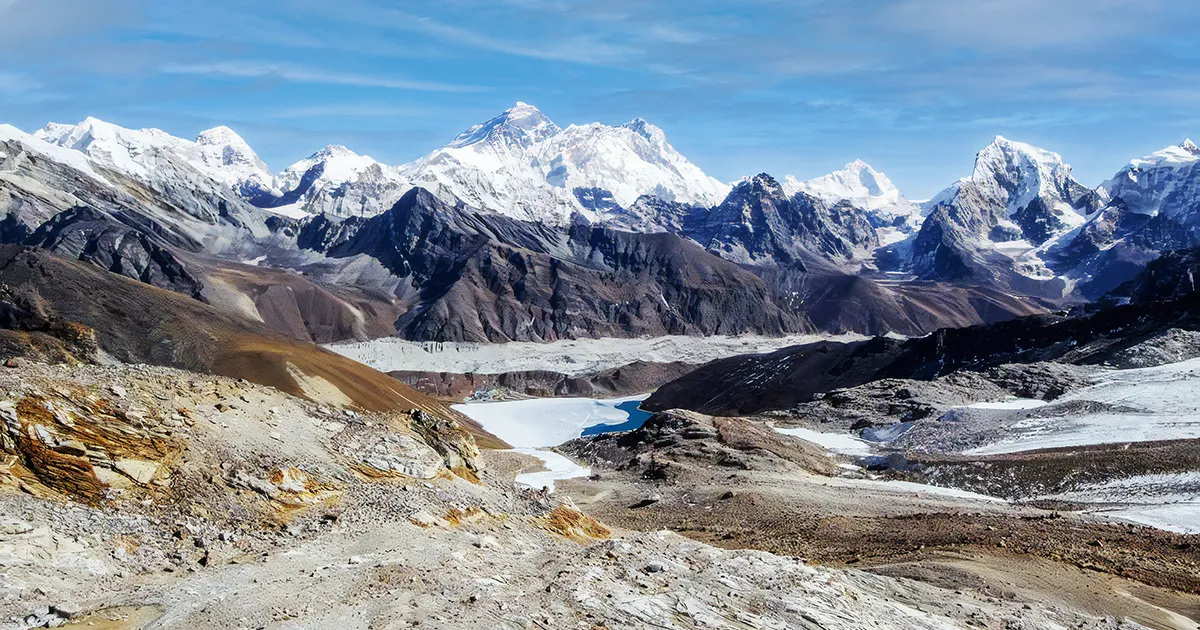
- Famous Viewpoint: Renjo La top—offering one of the best panoramic views of Everest
Renjo La is unique because it doesn’t require technical climbing skills. The trail is steep but well-defined, making it accessible to trekkers who are prepared for altitude but don’t wish to cross dangerous icy sections.
Renjo La Pass Trek
The Renjo La Trek typically begins in Lukla, leading trekkers through Namche Bazaar before branching toward the quiet, magical Gokyo Valley. This route gradually introduces higher elevations, sparkling lakes, and glacier landscapes.
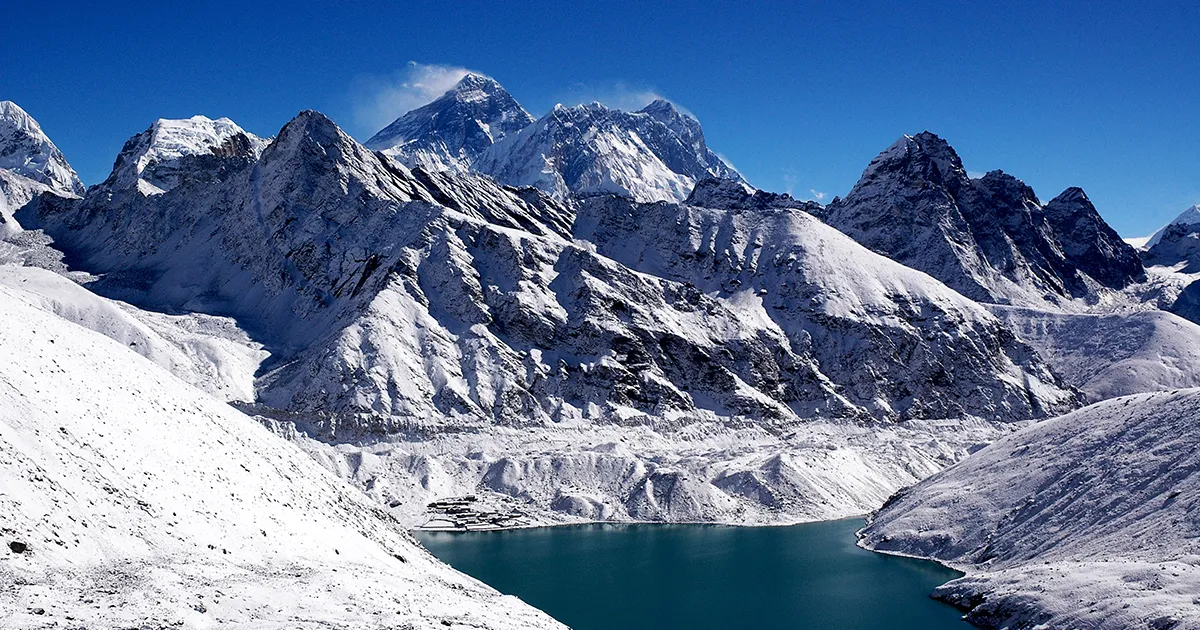
The climb toward Renjo La is the most demanding section, with a series of stone steps and switchbacks leading to the summit. At the top, prayer flags dance in the wind while trekkers are rewarded with views of:
- Mount Everest (8,848.86m)
- Lhotse and Makalu
- Cholatse and Taboche
- Gokyo Lake system
- Ngozumpa Glacier—Nepal’s longest glacier
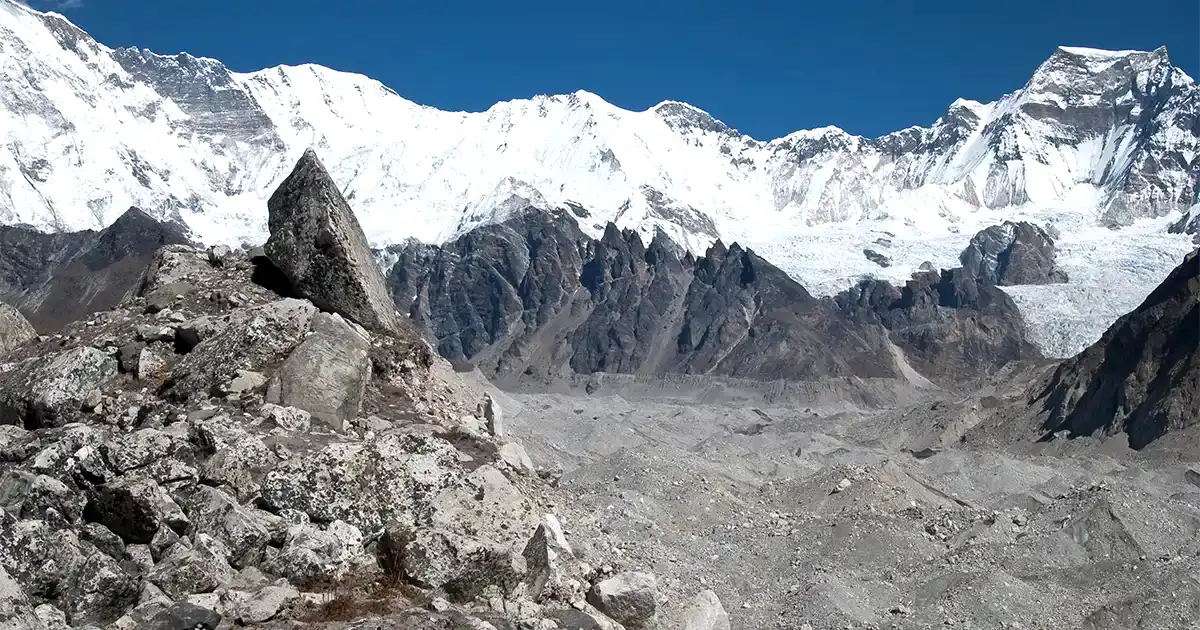
Descending into the Thame Valley introduces trekkers to the quieter, more traditional Sherpa settlements where monasteries, mani walls, and yak caravans paint a different side of Khumbu life.
Highlights of Renjo La Pass Trek
Some of the fascinating highlights of the Renjo la pass trek are:
- Finest viewpoints of the entire Everest region
- Trek through Turquoise Himalayan lakes set against snow-white peaks
- Walking alongside the massive Ngozumpa glacier
- Renjo La attracts fewer trekkers, offering more solitude and authentic cultural encounters.
- Chance to experience the ancient monasteries and rich Sherpa culture
Typical Renjo La Pas Trek Outline
- Day 1: Arrival in Kathmandu (1,400 m)
- Day 2: Fly Kathmandu → Lukla (2,860 m), trek to Phakding
- Day 3: Phakding → Namche Bazaar (3,440 m)
- Day 4: Acclimatisation Day
- Day 5: Namche → Thame (3,800 m)
- Day 6: Thame → Lungden / Marlung (4,200–4,380 m)
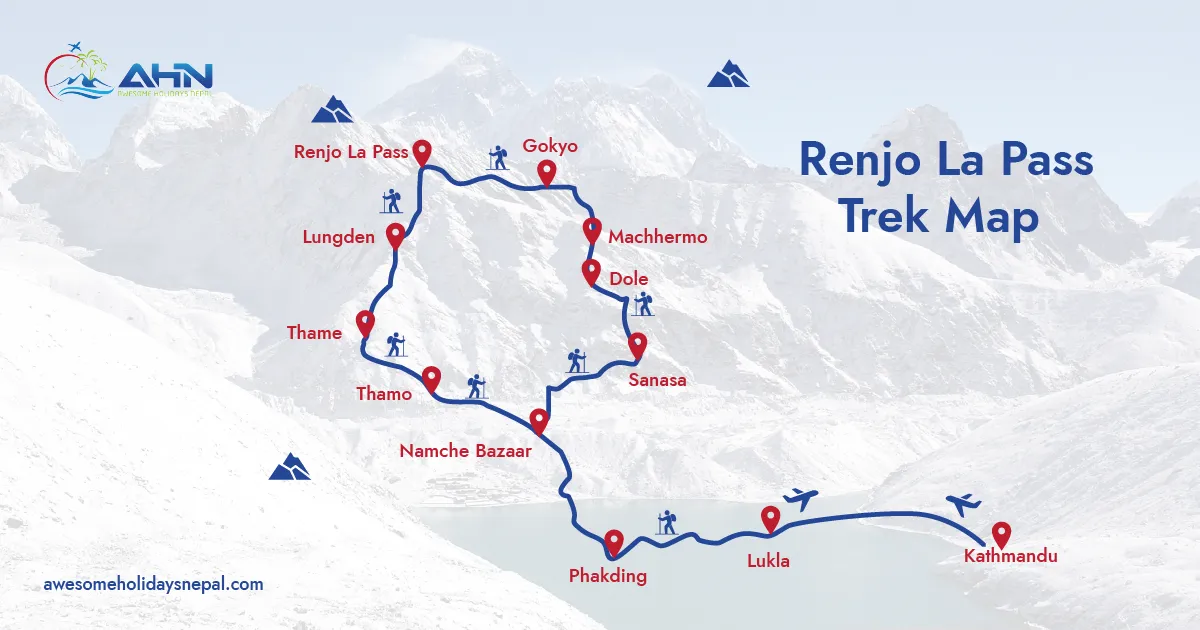
- Day 7: Cross Renjo La Pass (5,360 m) → Gokyo (4,790 m)
- Day 8: Acclimatisation
- Day 9: Gokyo → Dole (4,110 m)
- Day 10: Dole → Namche Bazaar
- Day 11: Namche → Lukla
- Day 12: Fly Lukla → Kathmandu
Things to Know About Renjo La Pass Trek 2026
Permits
If you are planning for the Renjo La Pass Trek in 2026, you must have permits like the Sagarmatha National Park Permit, Khumbu Pasang Lhamu Rural Municipality Permit, and the Trekkers Information Management System card.
Sagarmatha National Park Permit and Khumbu Pasang Lhamu Rural Municipality Permit costs NPR 3,000 per person for foreigners, while the TIMS card costs NPR 2000 per person. Everything will be taken care of regarding the permits if you book your trek with us.
Packing List
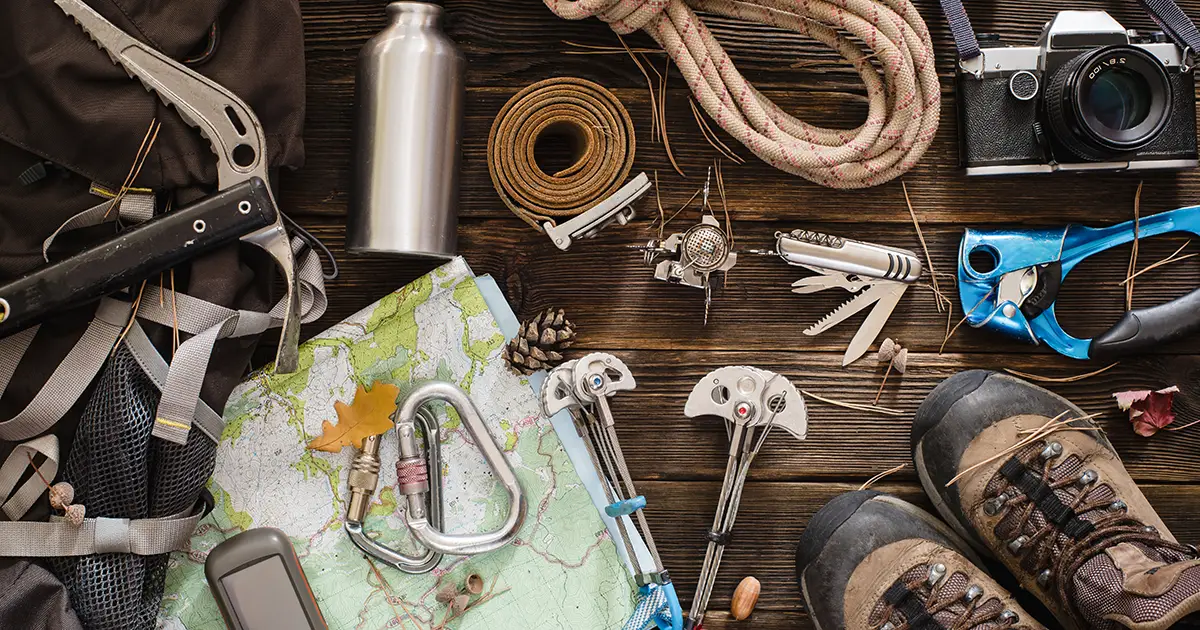
The Renjo La Pass Trek requires a comprehensive packing list, as it significantly impacts the success of the trek. You should have the following packing list:
Essential Documents and Money
- A passport with its 2 or 3 photocopies
- All Trekking permits
- Travel insurance
- Nepali Cash
- Passport-size photos
Clothing
- Moisture-wicking t-shirts(2-3)
- Thermal base layer (1-2)
- Fleece or light down jacket
- Heavy sown jacket
- Insulated pants, waterproof trekking pants
- Waterproof and windproof jacket with three trekking pants
- 2 long-sleeve shirts with a warm sleep base layer
Trekking Gear
- Backpack (40–50 L)
- Daypack (20–30 L)
- Trekking poles
- Sleeping bag rated –10 °C to –15 °C
- Sleeping bag liner
- Rain cover for backpack
- Dry bags or zip-locks (electronics & documents)
- Trekking boots with well-worn in
- Gaiters for the winter season
- Lightweight shoes/sandals, liner socks, wool/thermal socks
- Warm beanie, sun hat, buff, thermal gloves,
Safety and Health
- Personal medications
- Diamox, Pain relievers (paracetamol/ibuprofen)
- Blister treatment (Compeed/moleskin)
- Band-aids and antiseptic cream
- Electrolyte powder
- Water purification tablets or a filter
- Small first-aid kit
Foods and Extras
- Energy bars, trail mix, and chocolate
- Electrolytes or hydration tablets
- Reusable water bottles, a Thermos flask
- Toiletries and quick-dry towel, sunscreen, etc.
- Phone, power banks, charging cables, camera, headlamp or flashlight
Local Cuisines and Hospitality
Most of the teahouses and lodges of the trekking trail in the Everest region offer unique Sherpa cuisines. You will be offered a hearty and energy-rich food, which will fuel your high-altitude trekking to the Renjo La Pass.
The teahouses and lodges run by the local Sherpa family offer a traditional Dal bhat, Thukpa, tsampa, momos, porridge/oatmeal, tea and butter tea in their food menu. The friendly Sherpa hospitality makes your trek in the Himalayas more memorable.
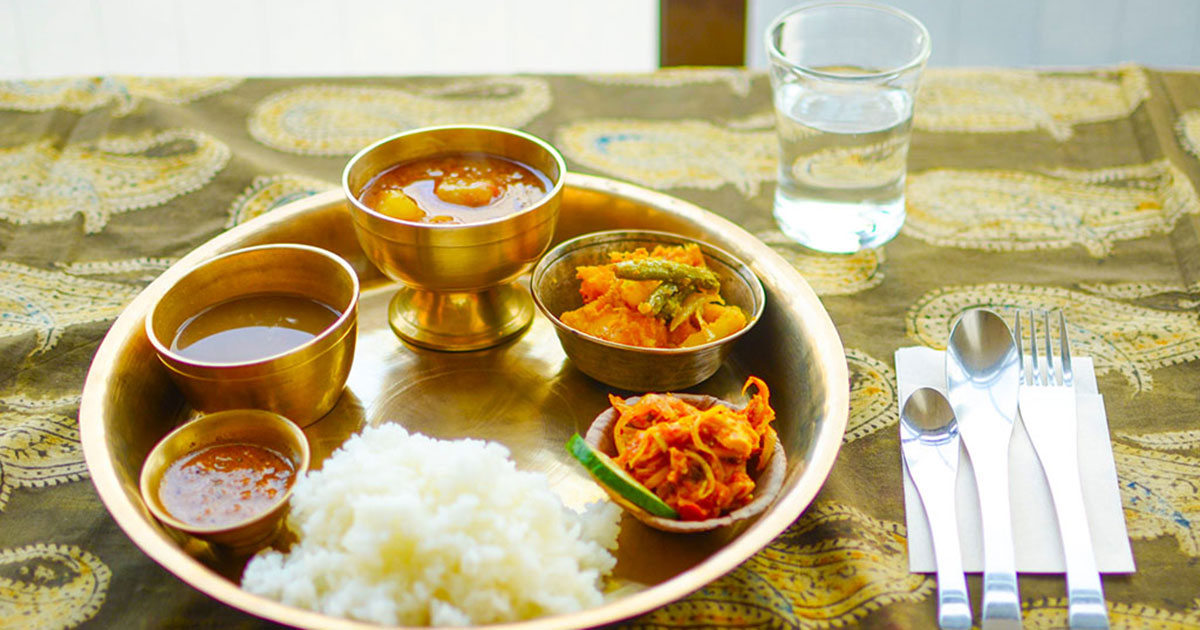
Everyone should appreciate the meals being offered and hospitality as the teahouses and lodge owners bring food from lower altitude regions like Namche Bazaar in either yak or via porters.
Trekker should always respect the Sherpa culture and tradition, along with removing shoes before entering the room or in prayer places of monasteries or gompas.
Trek Operators
Trekking companies like ours offer a standard package for the Renjo La Pass trek. If you are planning for this trek in the upcoming season, we also offer customized itineraries with planned accommodation, guide and porter arrangements, and on budget.
Our trekking cost includes guide and porters, permits, domestic flights, trekking period lodging and meals, along with deposit and refunds terms.
Best Seasons
Trekking in the Everest region is recommended in the Spring and Autumn seasons. The stable weather, blooming Rhododendron, warm, and clear views are perfect for trekking to the Renjo La Pass trek.
Similarly, autumn also offers dry weather with clear visibility with cooler nights, which favors the trekking conditions. Trekking in the Winter and monsoon seasons is not much favored due to very cold nights, and your hike will be disturbed by unexpected snowfall and rainfall.
Challenges and Risks
High Altitude and Acclimatization
The Renjo La Pass trek takes you to an altitude of 5,360 meters above sea level. When you start trekking above 3500 meters, there is a high chance of suffering from altitude sickness.
Your body needs proper time to adapt to high altitude, so you should add two acclimatisation days, like in Namche Bazaar and Gokyo. If you start feeling any mild headache, fatigue, or dizziness, you should ascend downward as soon as possible while informing your guide.
Physical Demand
Trekking above 3,500 meters requires proper fitness, high cardiovascular endurance, proper training, and experience of hiking with a heavy backpack for multiple days. Even though it is not technical climbing but it requires proper preparation and stamina.
Weather and Remote Trail
The Renjo La Pass trek is an exploration of a mountainous trail. The Himalayas’ weather is very unpredictable; at any time, a clear and dry climate can change to snowy, windy, and rainy.
The remote trails tend to be more challenging when you are hiking in the off-season. You may get lost, or the trails may get disrupted anytime, so you should have a map of the trail and should never go alone.
Navigation and Safety
The signposts of the Renjo La Trek are very few; you may get lost anytime, so always walk in a group. Don’t dare to go alone as it is very risky. You should hire an experienced guide when trekking in the high-altitude region of Everest.
Also, make sure to have travel insurance covering a high altitude trek with emergency helicopter evacuation services for your safety.
Tips for Renjo La Pass Trek
Before the Trek
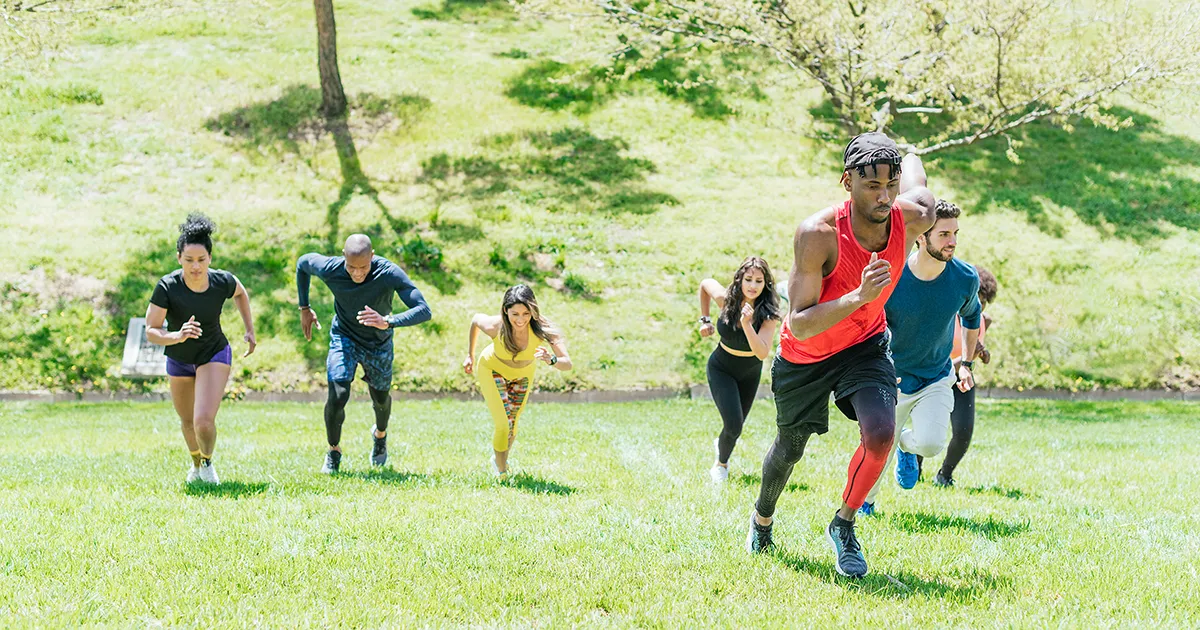
Trekker should start preparing 2 to 3 months before the actual trek starts. One should start cardio training, such as hiking, stair climbing, cycling, and running, followed by strengthening of legs, knees, ankles, and core.
Trekker should practice hiking at weekends for longer hours with a loaded backpack. Also, trekkers should do thorough research on the trekking routes, maximum elevation, and acclimatisation days.
Similarly, having knowledge about altitude sickness and how to tackle it helps trekkers not to panic at higher altitudes. Mental preparation, such as weather demands and emergency protocols, payment medium, health and safety preparation, helps the trekkers complete their Renjo La pass trek successfully.
In Trekking Trails
Trekking to the Renjo La Pass requires trekkers to follow a slow and steady pace. You should always take a short break after walking for an hour, and do not forget to drink small sips of water regularly.
Trekkers should eat high-carb meals like traditional Dal Bhat Tarkari and avoid skipping meals. While walking in the trails, do not walk except on the marked trails and always pay attention to your body’s demands and needs.
When entering the monasteries and gompas, trekkers should respect the prayer flags, mani walls, and the corridors. Everyone should remove shoes before entering the room, and tipping the porters and guides is also highly recommended.
In Teahouses and Logistics
Make yourself mentally prepare, as you have to share a night with other fellow trekkers when the trek starts. Also, rooms get filled quickly, make sure to bring a thin mattress and a sleeping bag rated with –10°C to –15°C. Do not take your shoes inside the room.
Make sure to separate a duffel bag for porter and do not make the load more than 25 kg. When packing a daypack, make it light so that you don’t have to carry a heavy load when walking in the Himalayas.
While Booking the Trek
When booking a trek, trekkers should always look for a certified trekking agency like Awesome Holidays Nepal. Trekkers should also know all about their fitness and make an itinerary according to their holiday.
You should include acclimatisation as per your body’s needs and should know what is included and excluded in your trekking package. Make sure to watch all the booking terms and payment means. You should also prepare travel insurance which covers high-altitude trekking and helicopter evacuation with medical coverage.
A Breathtaking Journey to Renjo La Pass
The Everest region offers many enchanting journeys, and one of them is trekking to the Renjo La Pass. The Renjo La Pass trek is a beautiful mixture of natural beauty, cultural immersion, and high-altitude adventures in the Himalayas.
The views of snow-capped mountains like Everest, Makalu, Cho Oyu, and the entire Gokyo valley, unique local cuisine and hospitality, along with the rich Sherpa culture, are attracting the hearts of adventure enthusiasts all over the world. If you want to explore the rich cultural trail with the unlimited natural beauty, make sure to get ready mentally and physically, and then only book the Renjo La Pass trek with us in 2026.
FAQs
Expand AllIs Renjo La Pass the most beautiful of the three passes?
Yes. Renjo La Pass is the most beautiful of the three passes.
Which is harder: Renjo La or Kongma La Pass 2026?
Kongma La Pass is harder than Renjo La Pass in 2026.
How long does it take to cross Renjo La Pass?
It takes 3 to 4 hours from Gokyo Valley to cross Renjo La Pass.
Can beginners do Renjo La Pass trek in 2026?
No. It is not recommended that beginners do the Renjo La Pass trek in 2026.
What is the altitude of Renjo La Pass?
The altitude of Renjo La Pass is 5,360 meters.
Which is the best month for Renjo La Pass trek 2026?
Spring (March to May) and Autumn(September to November) are the best months for the Renjo La Pass trek 2026.
Do you need a guide for Renjo La Pass trek 2026?
Yes. You will need a guide for the Renjo La Pass trek 2026.
What is the Renjo La Pass trek distance and elevation gain?
The Renjo La Pass trek distance is 12-13 km, and you will reach an elevation gain of 5,360 meters.
Is Renjo La Pass open in November 2026?
Yes. The Renjo La Pass opens in November 2026.
What is cost of Renjo La Pass trek package 2026?
The cost of the Renjo La Pass trek package in 2026 is approximately USD $1,390 to $2,000 per person.
How to reach Gokyo from Renjo La Pass side?
You have to walk down the rocky moraines and glacial slabs before reaching the Gokyo lakes. You have to walk for 7 to 8 hours to reach the Gokyo.
What is Renjo La Pass vs Cho La Pass difficulty?
The icy glacier traverse requires the use of potential crampons, which makes Cho La Pass more difficult than Renjo La Pass.
What permits required for Renjo La Pass 2026?
You must have the Sagarmatha National Park Entry Permit and the Khumbu Pasang Lhamu Rural Municipality Permit for Renjo La Pass 2026.
Can you see Everest from Renjo La Pass?
Yes. You can see Everest from Renjo La Pass.
Is Renjo La Pass worth it in 2026?
Yes. The Renjo La Pass is worth it in 2026.
Related blog posts
Discover a choice of tourist destinations loved by most of our visitors. Whether you're on a jungle safari to spot rare animals or walking through a world heritage site, these well-planned itineraries cover the major highlights of Nepal.

 call an expert at: