
Gharial Crocodiles of Chitwan: Breeding Centre, River Safaris and a Conservation Comeback
 Sristi Adhikari
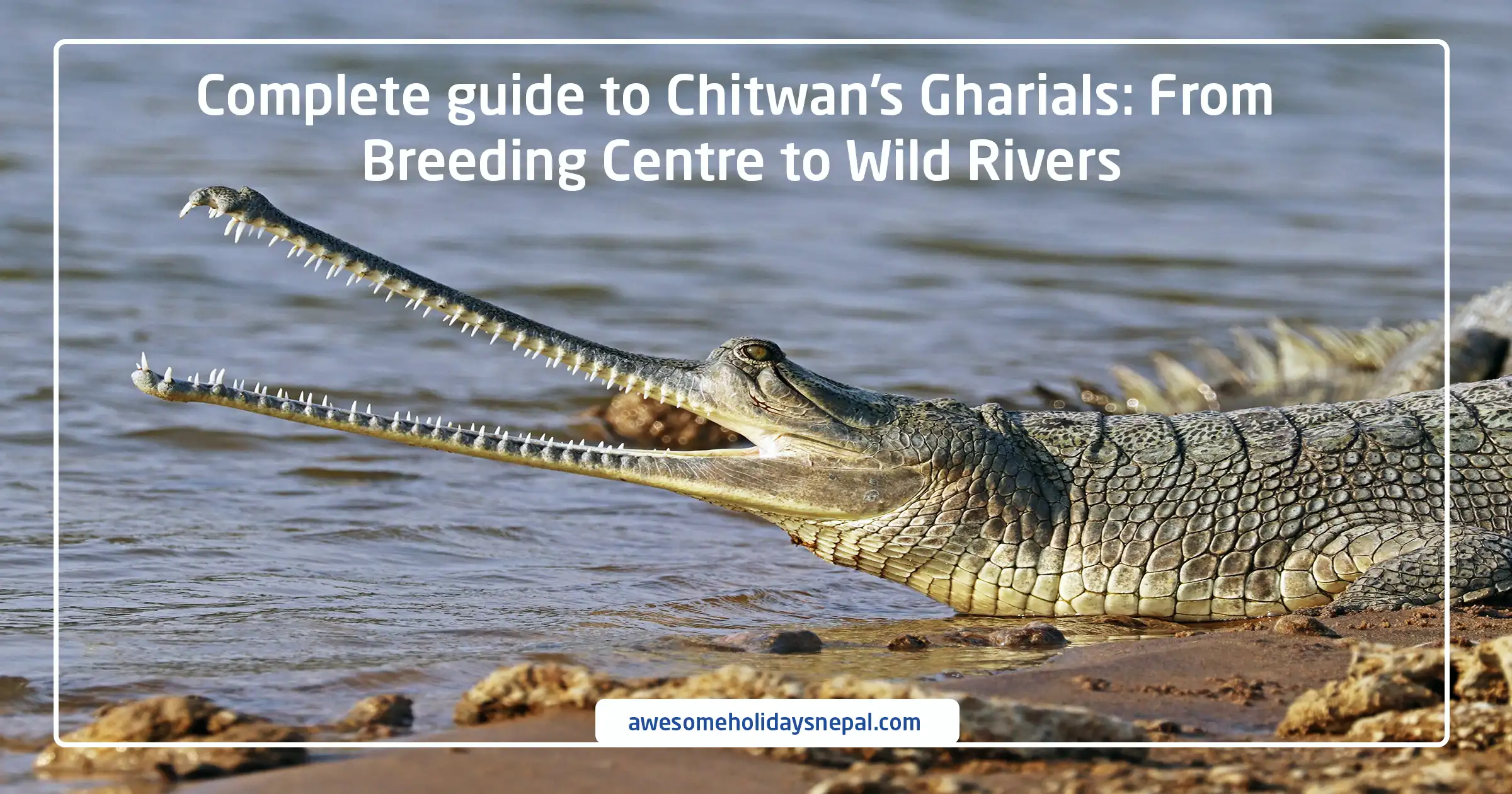
Did you know that one of the world’s most endangered crocodilian species can be found right here in Nepal? Meet the Gharial Crocodiles of Chitwan, a remarkable river reptile with long, slender snouts, and powerful swimming ability that make it look almost prehistoric.
Yet seeing one basking beside the Rapti or Narayani River is more than a memorable wildlife encounter but it is a glimpse into a conservation programme that has been running for decades. Today, you can see Gharial Crocodiles resting in Narayani riverbanks or floating in the river via canoes rides or jungle safari.
This can be all possible due to the Gharial Conservation and Breeding Centre at Kasara though these species are still facing a crisis to survive once they leave the sanctuary towards the wild. If you’re planning a wildlife adventure in Chitwan, discovering the Gharial Crocodiles of Chitwan is a unique way to get insight into most important conservation efforts in Nepal.
About Gharial Crocodile
The gharial, scientifically known as Gavialis gangeticus, is a rare species of the family Crocodylidae which lives in big tropical lakes, rivers and dams. One of the easiest ways to distinguish a gharial from a marsh mugger is its snout.
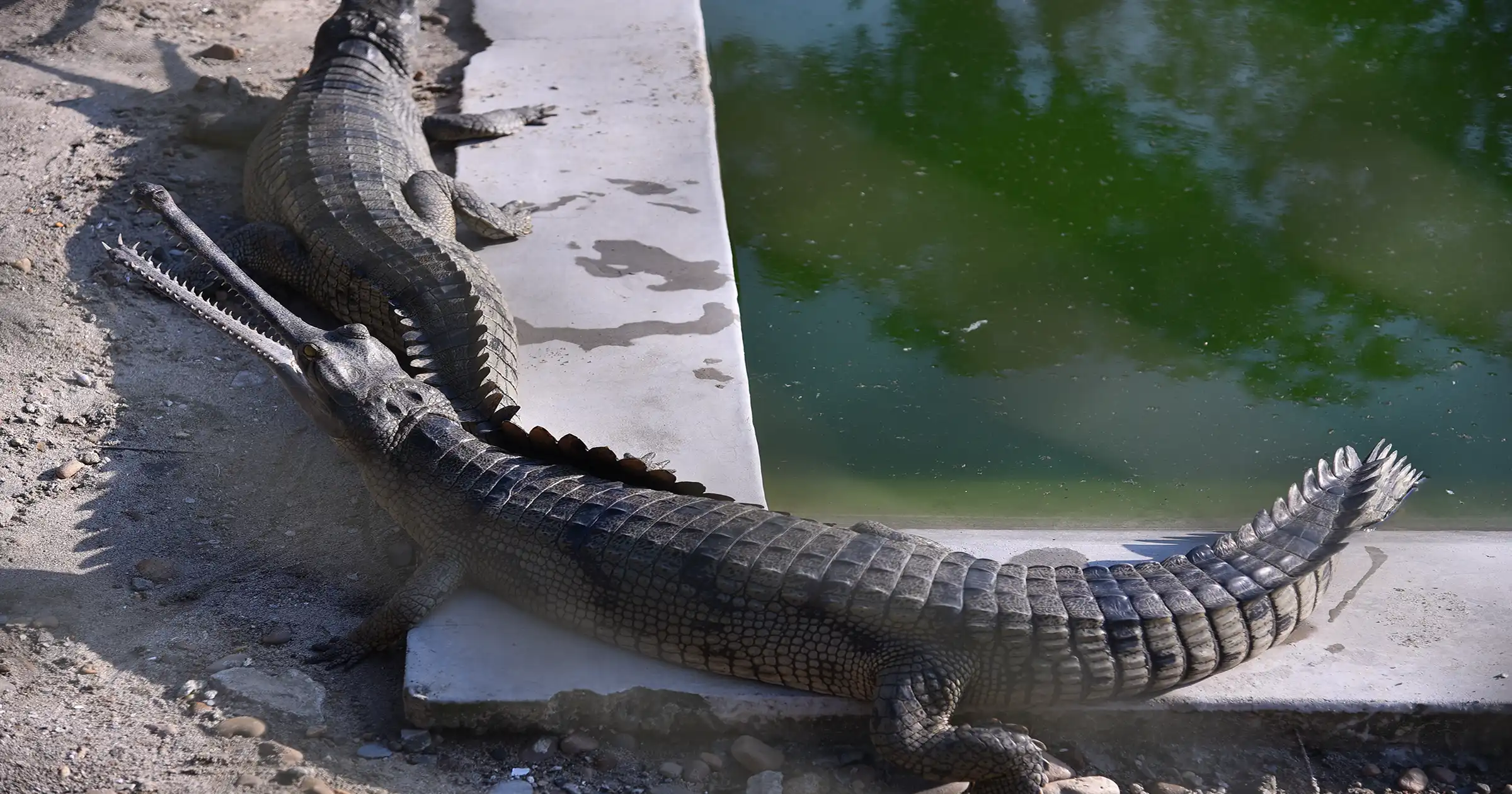
It has a remarkably long and slender snout, while the marsh mugger has a much broader, more robust jaw. Gharials have streamlined bodies and laterally flattened tails which help them to move through flowing water.
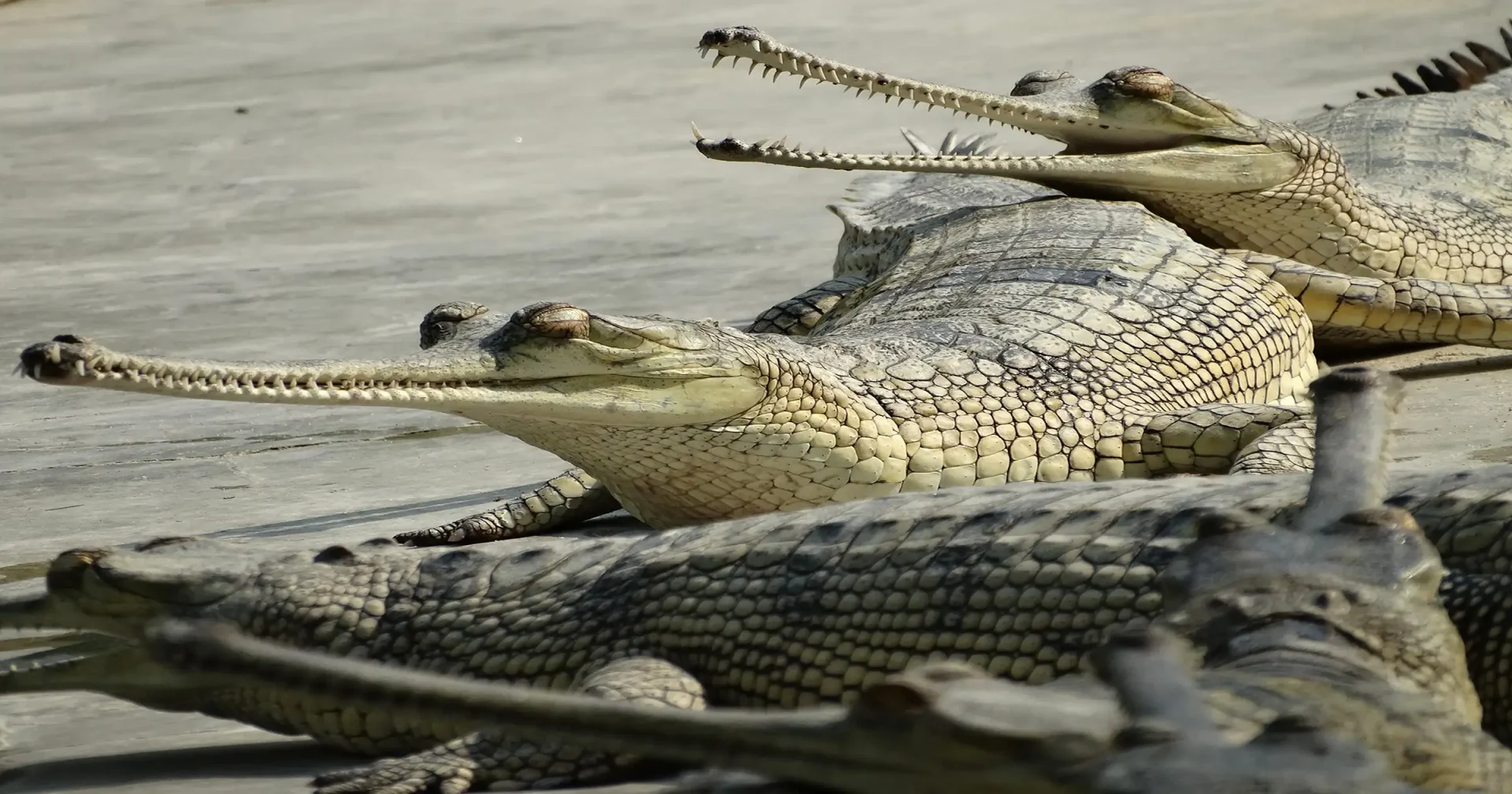
They are primarily fish eaters, shows shy behavior, and are found living in healthy freshwater ecosystems. Gharial Crocodiles also have the ability to remain dormant in dry climates.
Male vs Female
Adult male gharial crocodile has a rounded hollow growth on the tip of its snout which is called “Ghara” which resembles a traditional South Asian clay pot whereas females have slender, flat snout without Ghara. Males use Ghara to produce a loud buzzing sound to attract females.
Male Gharial crocodiles are much larger with a body growth up to 6 meters while females are smaller with a length of around 3.5 to 4.5 meters. Male Gharial are polygamous by nature and their main role is to defend their territories while females travel to sandy riverbanks to dig nests, lay eggs, and then protect the hatchling.
Gharial crocodile in Nepal are found in freshwater rivers like:
- Narayani,
- Rapti,
- Koshi,
- Karnali, and
- Mahakali rivers.
Why Gharial Crocodiles are So Special
Visitors can witness the endangered Gharial crocodiles of Chitwan via river safari. Gharial crocodiles unique features stands out amongst other crocodiles and they are listed below:
Primarily Fish-Eaters
Unlike marsh or alligator, gharial are primarily fish eaters. The long, narrow snouts help them to catch small fishes.
Likewise, their slender streamlined body and laterally flattened tails which help them to move through flowing water. Their main source of food is fish which helps in maintaining balance in the ecosystem in the river.
Critically Endangered List
Gharial are critically endangered reptiles and are mainly found in India and Nepal. Their numbers have plummeted drastically over a few decades due to habitat destruction, pollution, and illegal fishing practices.
The Gharial crocodile of Chitwan has been preserved via the Gharial breeding center in Nepal.
Maintaining Aquatic Ecosystem
Gharial crocodiles of Chitwan help control the fish population in the river. This makes the river ecosystem balanced. Their presence in rivers demonstrates a balanced water ecosystem while their absence represents the disturbed ecosystem.
Gharial Crocodiles of Chitwan
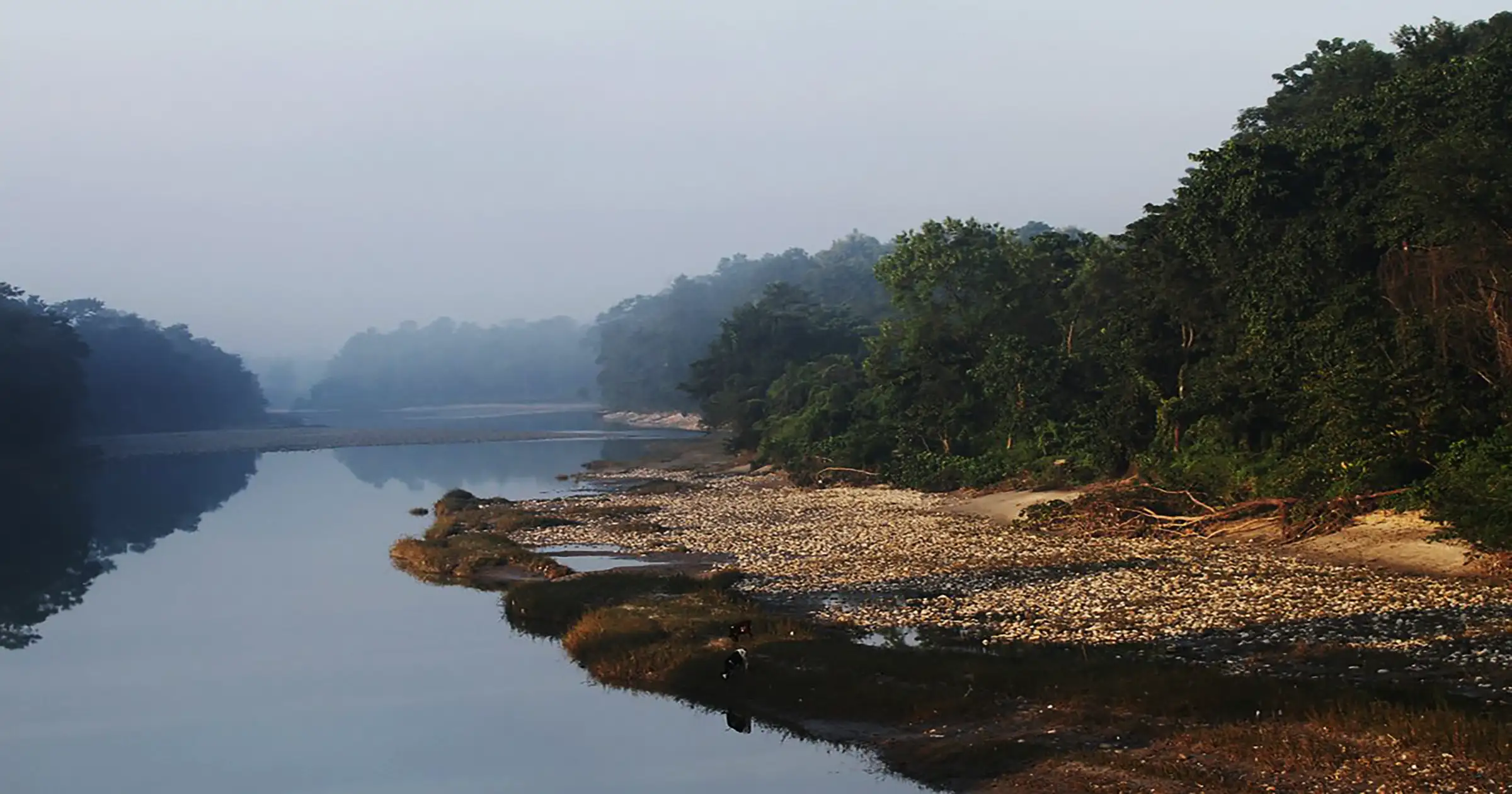
Out of 24 crocodile species, two of them mugger (Crocodylus palustris) and gharial (Gavialis gangeticus) crocodile are found in Nepal. Gharial Crocodiles of Chitwan National Park are found in Rapti and Narayani river.
Likewise, these vulnerable reptile species are also found in Karnali and Babai River systems that flow alongside Bardia National Park and its buffer zone. By the mid of 1970s, gharial population remarkably decline in river system of Nepal due to following threats:
- Egg collection for food and medicinal purpose,
- Hunting for skins used to fulfill their superstitious belief,
- Over harvesting of fish,
- Industrial Pollution and direct sewage disposal,
- Death as a result of entanglement in fishing net
- Habitat destruction and encroachment,
- and changes to the river.
As a result, conservation efforts have been initiated to captive breeding and the releasing young gharials into suitable river habitats.
Where is the Gharial Breeding Centre Located in Nepal?
Gharial Breeding Centre is located in Kasara, near the headquarter of Chitwan National Park. It was established as a part of an effort to rebuild the declining gharial population due to various threats in 1978.
The center has been focusing to increase population of Gharial crocodile of Chitwan via:
- Collect and protect eggs from wild → hatch young gharials in a controlled environment→ raise them safely → release them into rivers → monitor them in the wild.
How Kasara Gharial Breeding Centre Works
The Kasara breeding center has been working effortlessly to preserve the Gharial crocodile of Chitwan in the Narayani and Rapti river.
Egg Collection
At first park authorities monitor the daily habits of Gharial and locate where they lay eggs. As gharials lay eggs in spring and global warming has been causing heavy rainfall in this season, which causes flash floods in the river system of Narayani and Rapti.
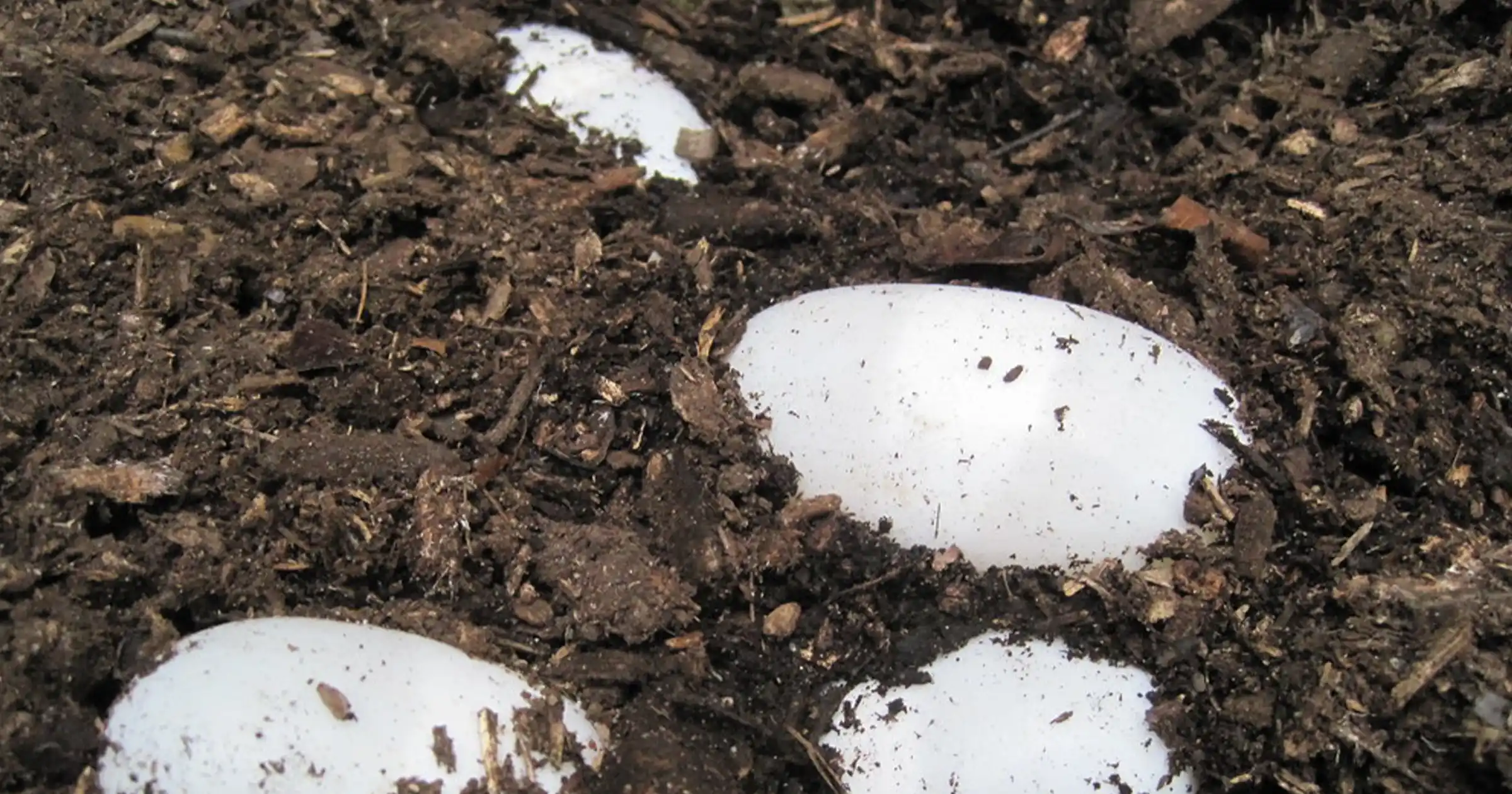
To preserve Gharial eggs are collected from the wild nesting side and are kept at Kasara breeding side.
Safe Hatching
The safely collected eggs from gharial crocodiles of Chitwan are kept in a controlled environment. The Kasara Gharial Breeding Centre makes sure that almost every egg goes through a safe hatching process.
Raising Young Hatchling in a Controlled Environment
Once they get hatched into young ones, also known as juveniles or hatchling. They are raised in a safe environment which is quite similar to their natural river habitat.
The juvenile grow up and adapt themself in semi-wild conditions of Gharial breeding centre Chitwan until they become fully grown up.
Release and Post Monitoring Program
Then, hundreds of grown up gharial are released into the Narayani and Rapti river system. After that, authorities regularly monitor the gharial and what factors are affecting them or how to minimize the problem.
This approach helps in protection of young hatchlings from illegal hunting from the wild. The Gharial Breeding Centre at Kasara has been supported by the National Trust for Nature Conservation’s Biodiversity Conservation Centre.
Why Released Gharial Crocodile of Chitwan Don’t Always Survive?
Though Kasara Gharial Breeding Centre release hundred of gharial crocodile in river of Narayani and Rapti, the population count is still declining. The main reason behind it is high mortality among released juveniles and most of them gets swept downstream due to flood into India, where they become difficult to track or unable to return upstream.
Likewise, construction of dams and barrages have stopped free movement of Gharial whereas removal of critical riverside substrate which gharial used for nesting due to increase of illegal sand mining. Juvenile also gets trapped inside the fishing nets and get drowned in a fishing net.
Gharial Breeding Center Excursion: What to Expect
When booking a Chitwan National Park wildlife safari with a gharial breeding center, you will encounter every kind of behavior shown by them. We suggest you book a river safari or canoe trip for more rewarding than simply driving through the jungle.
Here, you will be scanning the riverbanks and sandbars for a long snout emerging quietly in the river.
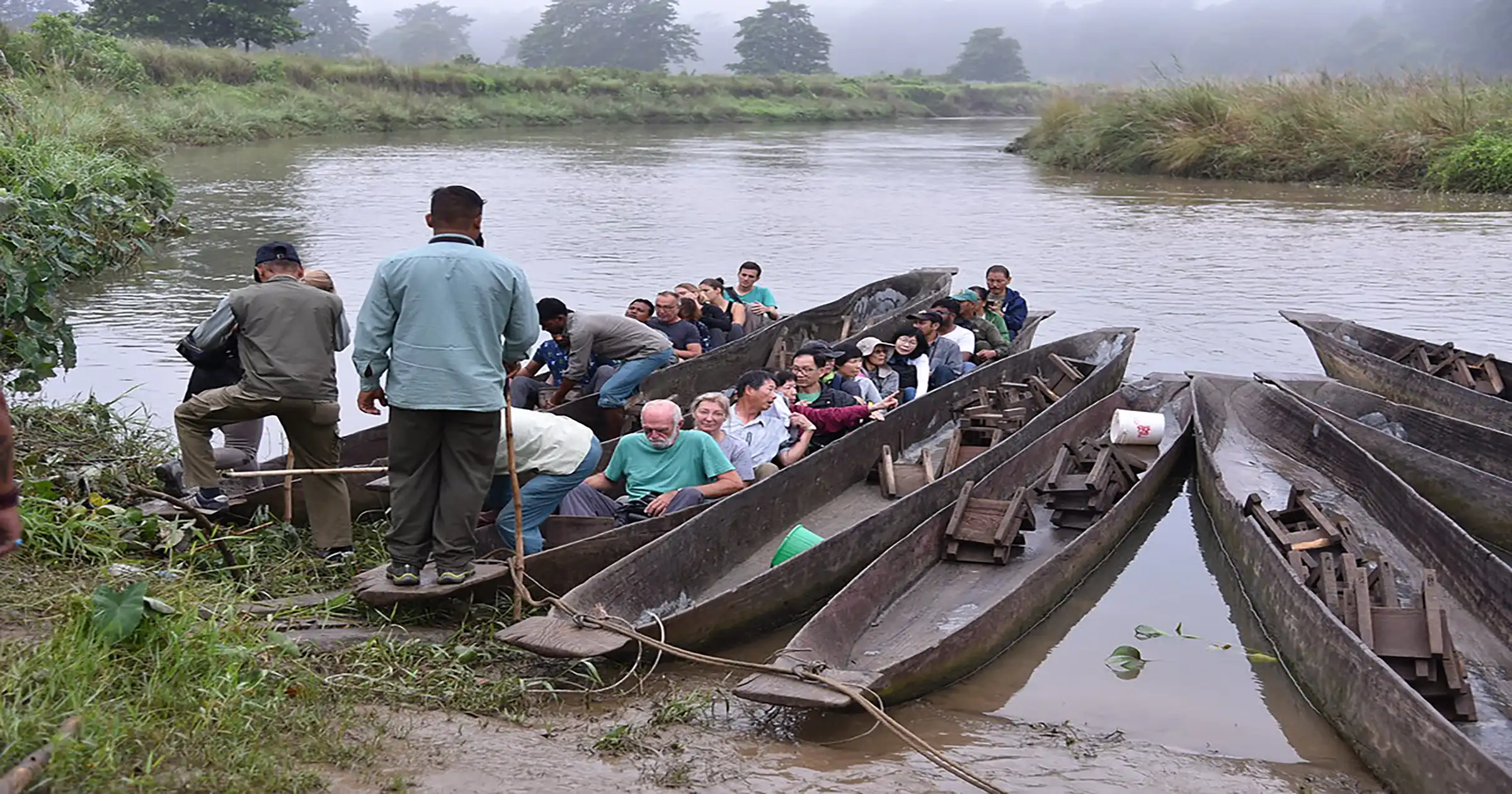
Different Range of Gharials
Kasara Gharial breeding center, Chitwan is taking care of different age groups of gharial. You will see eggs, freshly hatched juveniles and young adults.
Authorities make sure they are kept in best controlled places which resemble their natural environment.
Feeding
You can also witness gharial feeding on fish if you arrive in feeding hours. Here, you will watch how they will use their jaws to catch and eat fish.
Educational Display
If you want to learn more about the life cycle of the Gharial crocodile of Chitwan, you can also join the gharial biology, life cycle, and challenges faced at the time of conservation.
Four Decades of Gharial Conservation
When gharial populations were declining dramatically globally, Nepal also faced the same problem with less than 100 gharials estimated to remain in the mid-1970s.
This conservation crisis resulted in the establishment of the Gharial Conservation and Breeding Centre at Kasara in Chitwan National Park in 1978. The scale of Nepal’s breeding effort is impressive.
According to Radio Nepal’s June 2026 report, the Chitwan breeding center has released 2,315 gharials over approximately 45 years. The Rapti River has received the largest share, with 1,560 individuals, while releases have also been made in rivers including the Narayani, Saptakoshi and Karnali.
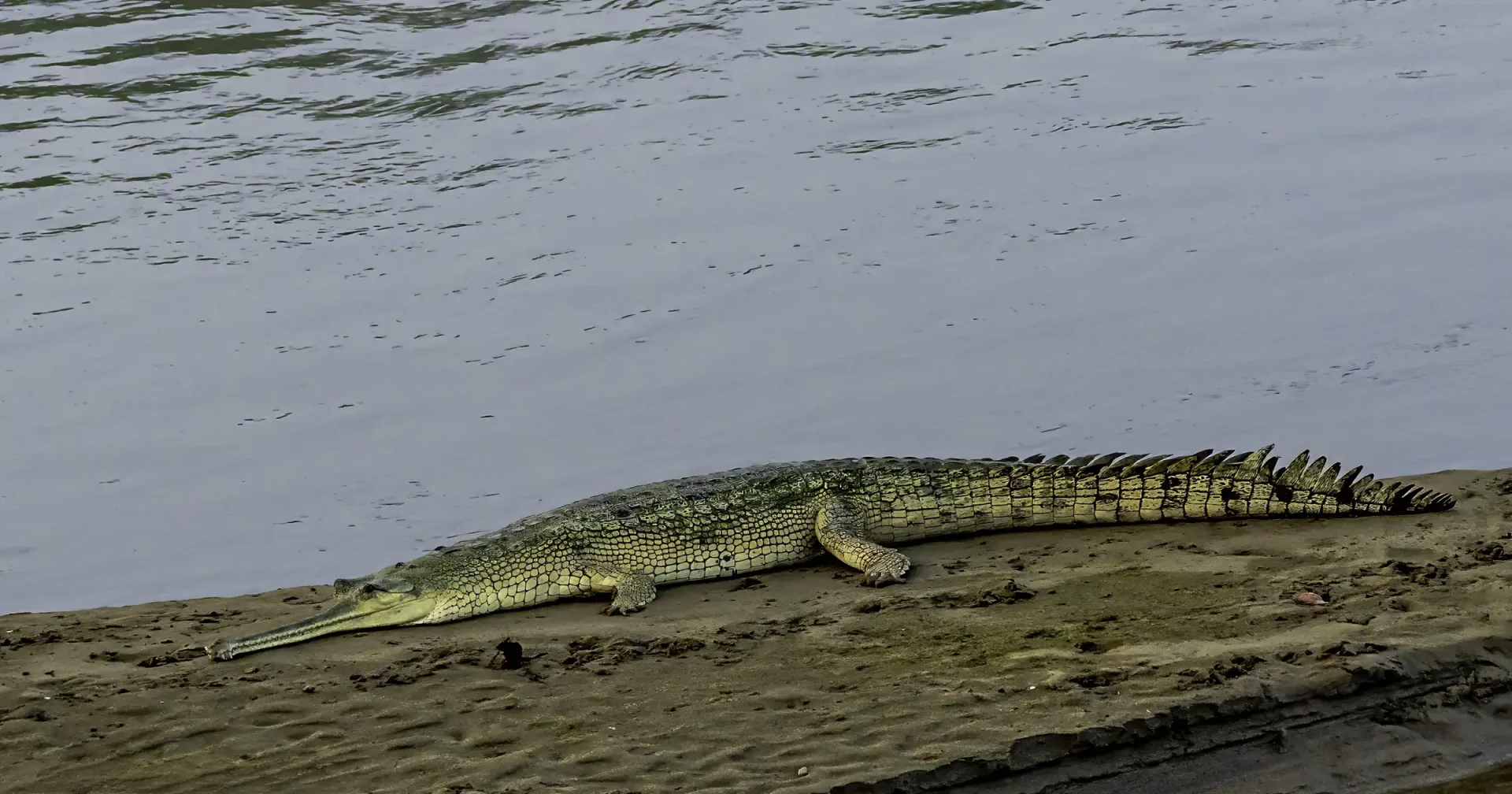
Out of them 14 were males and 211 were female gharials. According to the Gharial census of 2025, only 366 individuals were recorded in both Rapti and Narayani rivers which reminds that once it leaves the sanctuary it faces many challenges which results in their decline.
It was also reported that the center was housing around 500 gharials in 2026 as part of its continuing breeding programme. These numbers help explain why the Gharial Crocodiles of Chitwan are considered a conservation comeback story.
Without the breeding and release programme, Nepal’s wild population would likely have faced an even more uncertain future. But there is an important qualification.
Planning to Visit Kasara’s Gharial Breeding Center in 2027?
Or Call/Message on WhatsApp +977 98434 13619
Releasing gharials is only the beginning. Keeping them alive in the wild is the harder part as illegal hunting, habitat destruction, industrial pollution, illegal human activities like extraction of excessive river source has been increasing day by day.
A Prehistoric Survivor With a Modern Story
The Gharial Crocodiles of Chitwan are the few remains of the world’s most endangered crocodilian species. For the conservation of Gharial crocodiles in Nepal, the Gharial Conservation and Breeding Center at Kasara was established in 178 inside the Chitwan National Park.
The breeding centre has demonstrated what long-term conservation can achieve. Thousands of gharials have been raised and released into the rivers of Narayani, Rapti, Babai, Karnali, every year.
But the future of the Gharial Crocodiles of Chitwan ultimately depends on the health of the Rapti, Narayani and other river systems. So, local communities and authorities should focus on protecting the gharial by protecting the river system so that foreigners from all around the world visit Nepal to get sightings of fish eating extinct creatures.
So, the next time you sit quietly in a canoe on the Rapti and notice a long, narrow snout breaking the surface, remember that you are not simply looking at a crocodile but you are looking at one of Nepal’s most remarkable conservation stories. If you want to witness gharial crocodiles in Narayani and Rapti river of Chitwan, make sure you contact Awesome Holidays Nepal for a memorable journey in 2027.
FAQs
Expand AllIs Nepal safe for tourists in 2026?
Yes, Nepal is for tourists in 2026.
How much does a Nepal trip cost?
A typical trip to Nepal costs between $30 and $150+ per day depending on your travel style.
What currency is used in Nepal?
Nepalese currency (NPR) is used in Nepal.
Do I need travel insurance for Nepal?
Yes. Travel insurance is recommended for Nepal, especially if you planning a trek, go on safari, or other adventure activitiesone-horned rhinoceros, Bengal tigers, wild elephants, sloth bears, leopards, crocodiles, gharials, deer, and many bird species.
What animals can you see in Chitwan National Park?
One-horned rhinoceros, Bengal tigers, wild elephants, sloth bears, leopards, crocodiles, gharials, deer, and many bird species can be seen in Chitwan National Park.
Is Chitwan safari worth it?
Yes. Chitwan safari offer wildlife viewing, jungle experiences, birdwatching, and the chance to see rare species in their natural habitat so you should definitely book the trip in 2027.
How many days are enough for Chitwan?
3 to 4 days are enough for exploring Chitwan more deeply.
What is the best safari in Chitwan National Park?
Jeep safari offer more coverage of the park with increasing opportunities for wildlife sightings which is why it is the best option in Chitwan National Park.
How much does a Chitwan jeep safari cost?
A full day jeep safari cost USD $280 for private while sharing will cost you USD 55 per person.
Is Chitwan safe for solo travelers?
Yes. Chitwan is safe for solo travelers when using licensed guides and established safari operators.
What is the Gharial Breeding Centre in Chitwan?
The Kasara Gharial Breeding Centre is a conservation facility that breeds gharials and releases young crocodiles into Nepal’s rivers to support wild populations.
Can you see gharial crocodiles on a canoe safari?
Yes. Rapti River and Narayani River allows you to witness gharial crocodiles on a canoe safari.
Is Chitwan National Park open in monsoon season?
Chitwan National Park is open during the monsoon but heavy rainfall and high water levels can affect river safari activities.
What is the park entry fee for Chitwan National Park 2026?
The park entry fee for Chitwan National Park 2026 is:
- Nepalese: NPR 115
- Indian nationals: NPR 1000
- Foreigners: NPR 2000.
Are gharial crocodiles dangerous to humans?
Gharials are not considered dangerous to humans.
What does a gharial crocodile eat?
Gharials are a specialized carnivorous reptile and are primarily fish-eater.
How many gharials are left in Nepal in 2026?
About 366 wild gharials are left in Nepal in 2026.
Where is the Kasara Gharial Breeding Centre located?
The Kasara Gharial Breeding Centre is located inside Chitwan National Park near Kasara in Chitwan, Nepal.
What river in Nepal has gharial crocodiles?
Rapti, Narayani, Karnali and Babai river has gharial crocodiles in Nepal.
What conservation efforts protect gharials in Nepal?
Gharials are protected through captive breeding and release programs, habitat protection, river monitoring, anti-poaching measures, and community-based conservation.
Related blog posts
Discover a choice of tourist destinations loved by most of our visitors. Whether you're on a jungle safari to spot rare animals or walking through a world heritage site, these well-planned itineraries cover the major highlights of Nepal.


 call an expert at: