
Plus-Size Trekking in Nepal: Comfort, Gear and Questions to Ask Before You Go (2026 Guide)
 Sristi Adhikari
Plus-Size Trekking in Nepal is not about fitting into a particular body type but it is all about how to enjoy the trails fully with the right itinerary, preparation, and selecting comfortable gear.
Nepal’s legendary Himalayan routes offer breathtaking scenery, welcoming mountain communities, and adventures for a wide range of trekkers, including plus-size hikers. The key is to find gear that fits your body properly, supports movement and keeps you comfortable throughout long days on uneven mountain trails.
Before stepping in the trails to the mountains, knowing what gear to bring, which trekking routes may suit your comfort level, and what questions to ask your trekking company can help you enjoy Nepal’s Himalayas with greater confidence and comfort in 2026. Continue reading our guide for more details on plus-size trekking in Nepal.
Is Nepal Trekking Suitable for Plus-Size Trekkers?
Yes, trekking in Nepal is suitable for all kinds of trekkers either you are plus-size, over 60s or teenager above 15. Trekking in Nepal demands you to have:
- Proper Fitness,
- Previous hiking experience,
- Pace,
- Medical considerations,
- Altitude tolerance,
- and preparation.
Depending upon your fitness and preparation, you can choose short and easy treks to longer and most demanding ones. If you are a plus-size trekker, you need to focus on your comfort throughout the trekking journey which demands you to select equipment designed according to body shapes as normal:
- Hiking backpack hip belts may not close comfortably,
- Hiking pants may restrict movement,
- A sleeping bag may feel too tight around the hips and shoulders.
This gear-fitting problem does not mean Plus-size trekkers should avoid the mountain but you should choose the hiking gear properly and should test it before buying in Nepal.
What Makes Trekking Different for Plus-Size Hikers?
Unlike fit-trekkers, Plus-size hikers have different body needs and should focus on that via specific trekking equipment.
Chafing and Friction
When trekking in mountain trails, you need to spend multiple days hiking for longer hours, this will cause repeated rubbing of clothing around thighs, waist and underarms. So, plus size trekkers should strictly look for:
- Smooth or flat seams
- Moisture-wicking fabrics
- Stretch materials
- Longer shirts
- Anti-chafing underwear
- Properly fitted hiking pants
- Breathable fabrics
Restricted Movement
When traveling across rocks, walking uphill and downhill for longer hours demands you to wear comfortable gear which will allow you to:
- Raise your knees,
- Bend down and
- Take long or short steps without pulling tightly.
It may fit your body when you are still in store but once you wear it and do the movement for multiple days, it may feel completely different.
Heat Management
As a plus size trekker feels extra warmth than fit ones. This demands breathable layers and enough ventilation.
Weight Distribution
You will be carrying your own backpack on the trekking days, your backpack fitness is as important as its capacity. So, plus-size trekkers should have a fitted hip belt that can distribute some of the load away from your shoulders, while adjustable shoulder and sternum straps help stabilize the pack.
How to Choose Plus-Size Trekking Clothes for Nepal
You should focus on the base, mid, and outer layer clothing system when selecting plus-size hiking gear for Nepal. The base layer should manage moisture, control odor, and provide enough warmth. So, you should choose fabric like:
- Merino wool
- Nylon blends
- Synthetic moisture-wicking fabrics
- Merino-synthetic blends.
When selecting materials quality, you should also think of how it will work on you and is it suitable for your journey not. here is the recommended materials for plus size hiking gear in Nepal:
| Gear | Recommended Materials | Reasons |
|---|---|---|
| Base layer | Merino wool, polyester, nylon blend | Moisture management and comfort |
| Hiking pants | Nylon/polyester with elastane | Stretch and abrasion resistance |
| T-shirts | Merino or synthetic | Breathability and quick drying |
| Fleece | Polyester fleece | Lightweight insulation |
| Down jacket | Down or quality synthetic insulation | Warmth without excessive bulk |
| Rain jacket | Waterproof breathable membrane | Rain and wind protection |
| Hiking socks | Merino or synthetic blend | Moisture control and reduced friction |
Plus-Size Hiking Gear: What Should You Look For?
Plus-Size Hiking Pants
As an overweight person, you should focus on hiking pants that fit you perfectly while providing you comfort during multiple hours of trekking in the remote Himalayas of Nepal. So, plus-size hiking pants should have following criteria:
- A comfortable waistband
- Stretch fabric
- Gusseted crotch
- Articulated knees
- Reinforced high-friction areas
- Adjustable waist
- Quick-drying material
- Extra space near thighs and hips
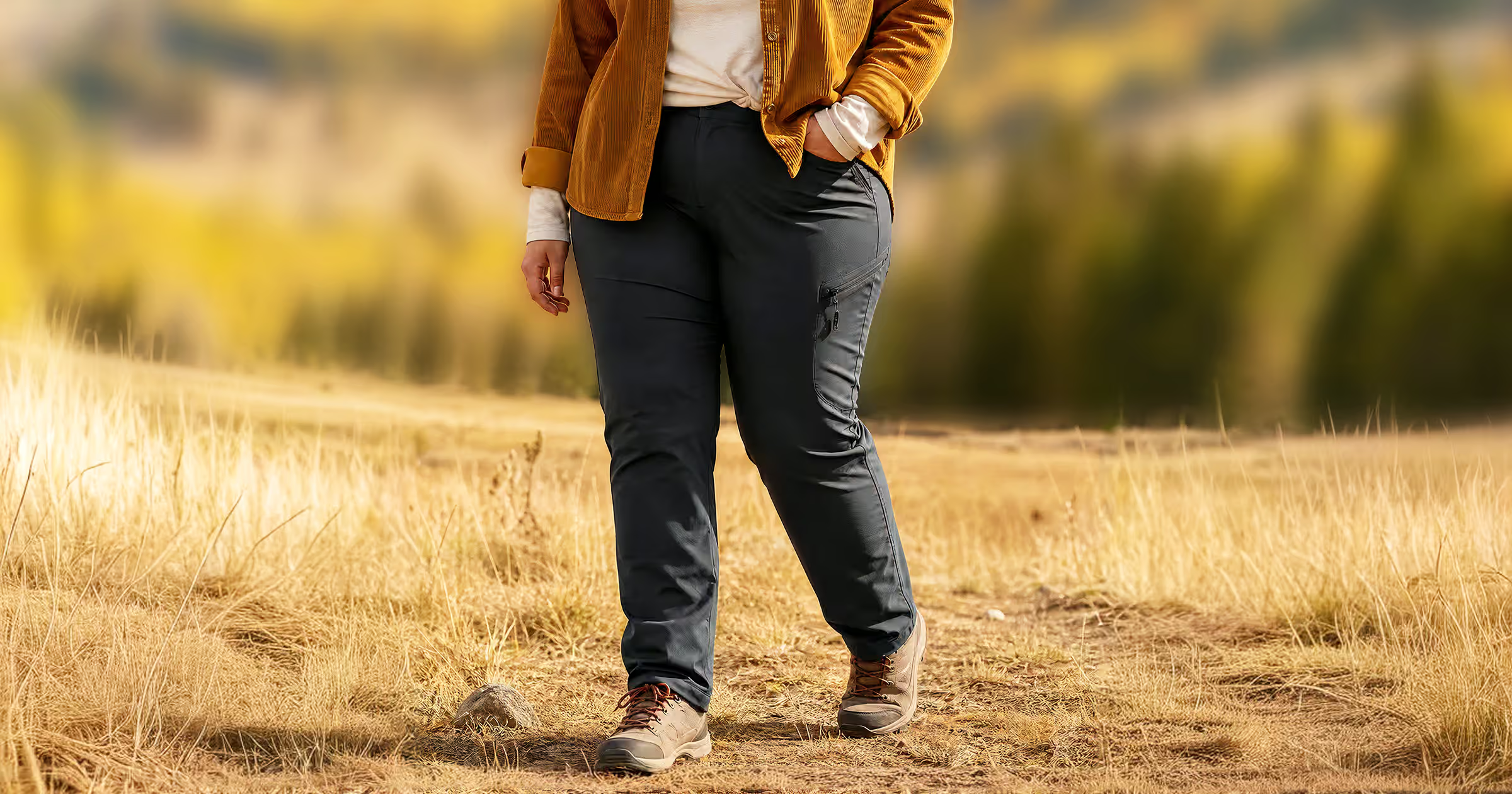
You will get to move your legs freely with a Gusseted crotch while the stretchable fabric quality allows your body to move according to your movement. Plus-size trekkers should not buy pants which do not offer comfort when you squat, climb stairs, or lift knees.
You should also test the hiking pants by wearing them underneath your base layer:
- walking up stairs,
- squatting down
- lifting your knees towards your chest
- Sitting in the floor
At the time of testing, if you find rolls on waistbands or crotch pulls go for another size.
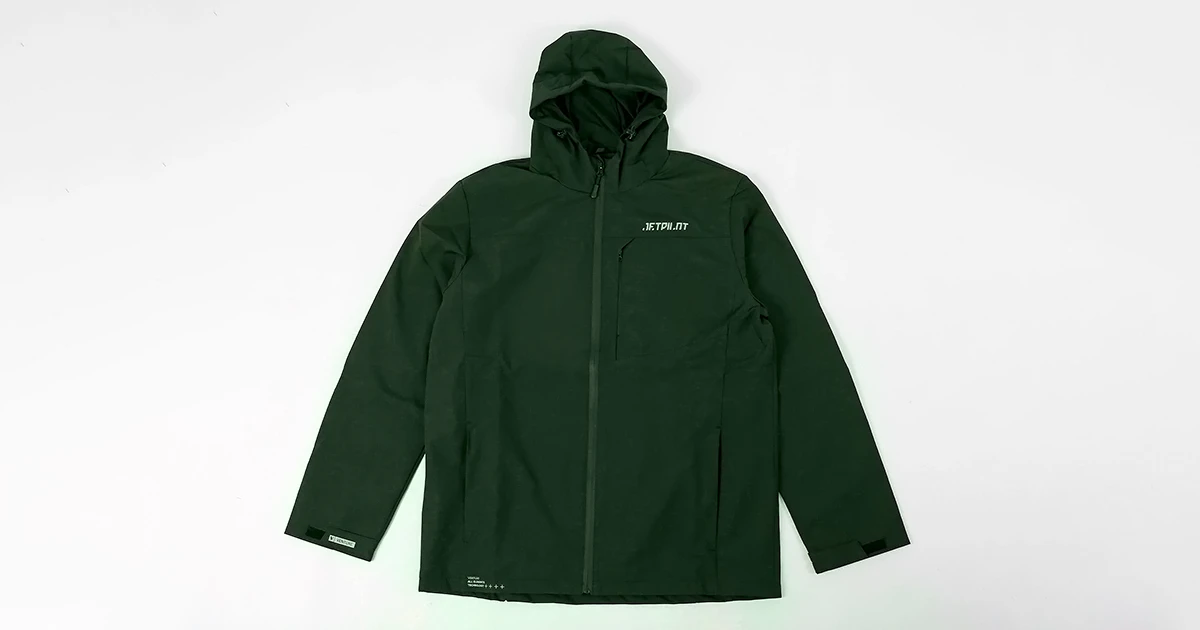
Choosing a Plus-Size Hiking Jacket
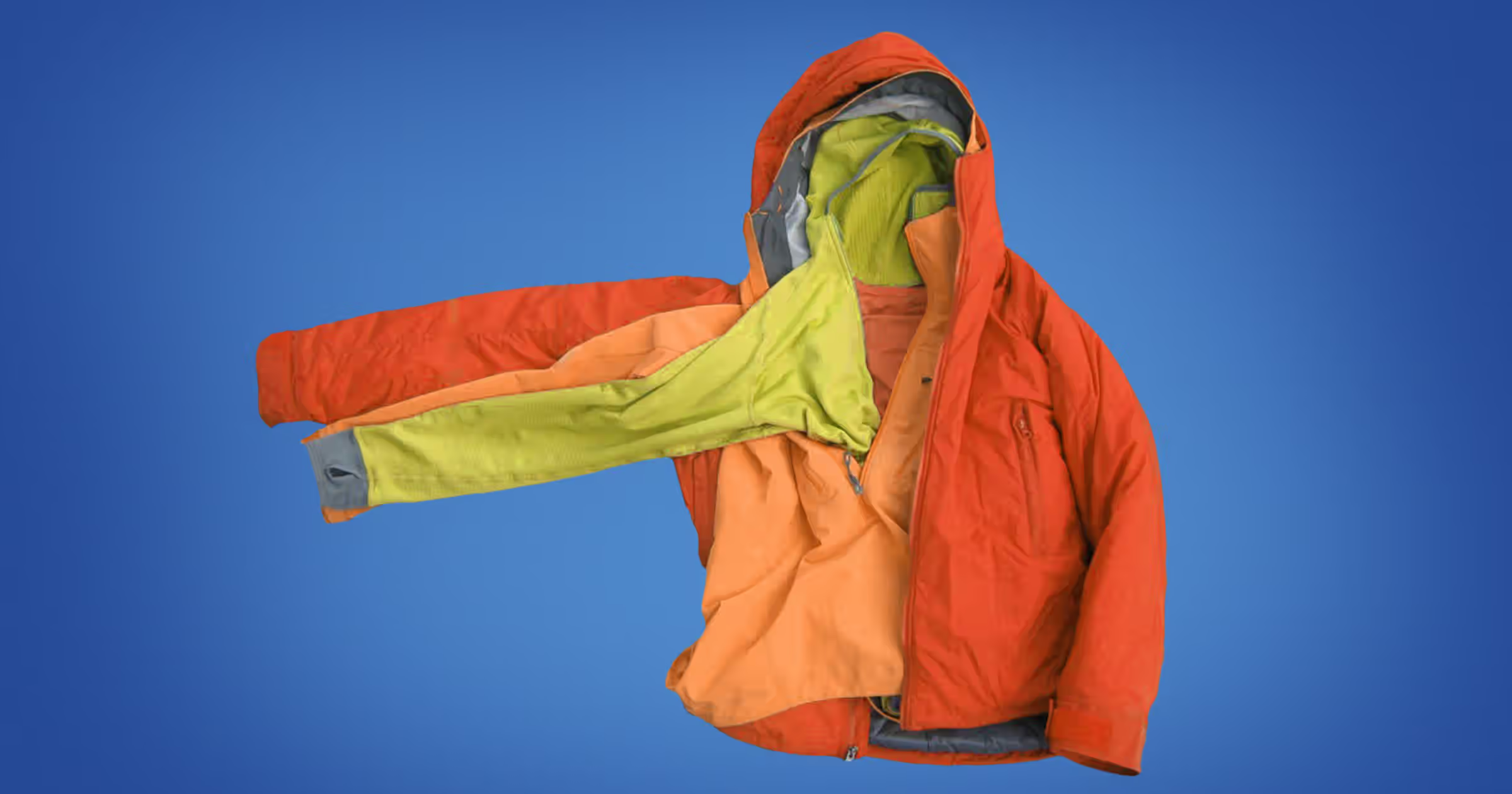
Your outer jacket needs to accommodate your other layers. This is especially important for plus-size trekkers because a jacket that fits over a T-shirt may feel tight when worn over a fleece and insulated jacket. So, go for those hiking jackets which have:
- Adjustable hem
- Adjustable cuffs
- Hood adjustment
- Longer cut
- Underarm ventilation
- Two-way or generous front zipper
- Waterproof and breathable construction
- Enough room for layering
The adjustable features and ventilation of hiking jackets such as pit zips helps in temperature regulation while allowing room for movement. Do not buy a rain jacket based only on your chest measurement. Try it over the layers you expect to wear in Nepal.
Plus-Size Hiking Backpacks: Important Gear Choices
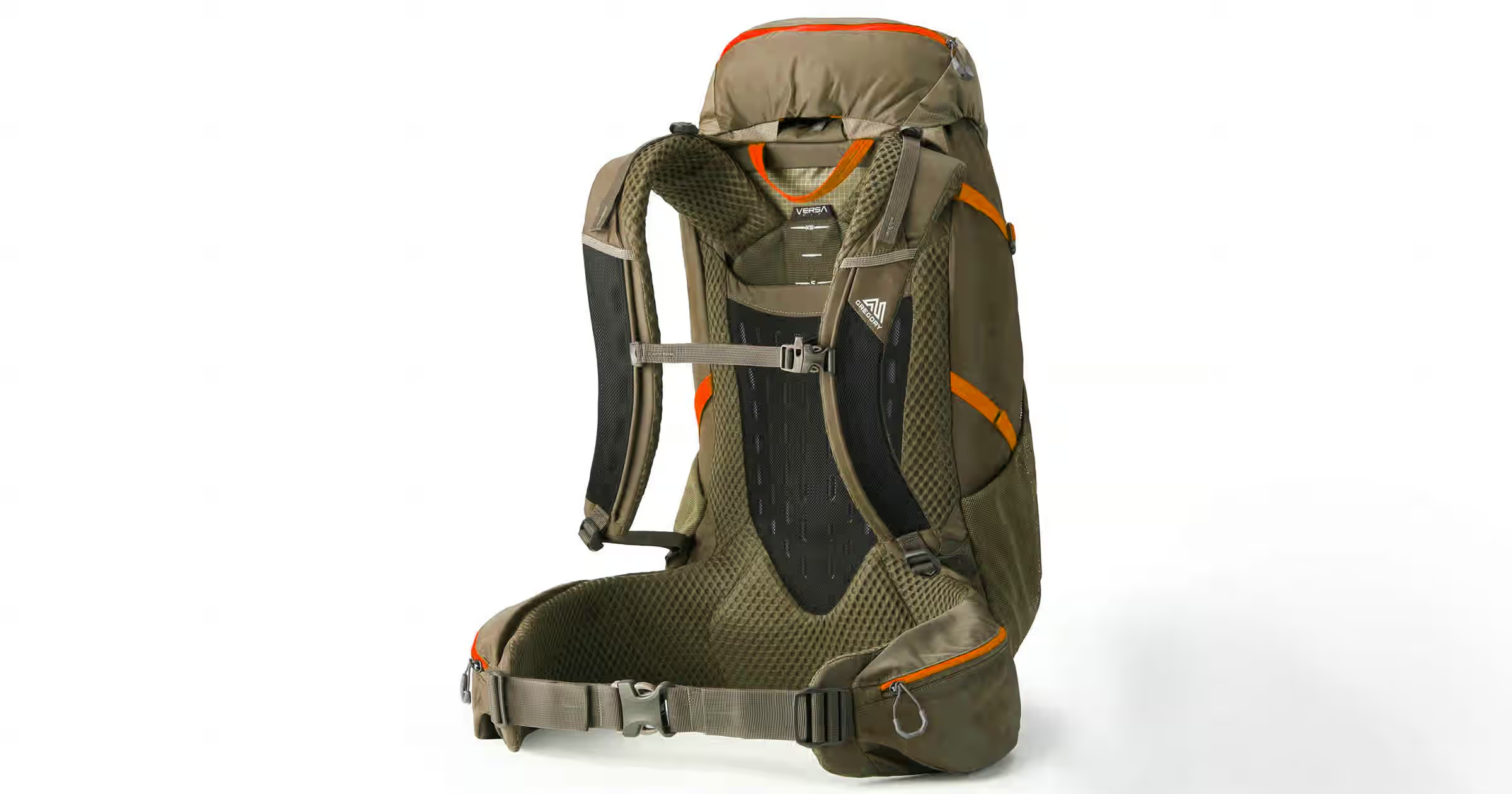
A backpack should not simply be large enough but it should actually fit your body. So, it demands you to be extra cautious on:
- Hip-belt length
- Shoulder-strap adjustment
- Sternum-strap position
- Back length
- Padding
- Load distribution
- Weight capacity
As standard backpack hip belts may not accommodate many larger bodies and notes extended-fit options reaching substantially larger waist/hip measurements.
Always Test the Backpack with Weight Inside it
Put approximately the amount of weight you expect to carry into the pack and walk around for 15–30 minutes and check:
- Does the hip belt sit comfortably?
- Does it slide upward?
- Do the shoulder straps dig into your body?
- Does the sternum strap sit in the right position?
- Can you breathe comfortably?
- Does the pack rub your hips?
If the answer to any of these is no, do not assume you will simply “get used to it.” You can buy Osprey’s Extended Fit (EF) Collection features backpacks designed for plus-size and larger bodies for your next Nepal trek.
Plus-Size Sleeping Bags
When buying a sleeping bag you should not only focus on the warmth it gives. The narrow and less space on sleeping bags may make you difficult to switch side, so you should check:
- Shoulder circumference
- Hip circumference
- Footbox width
- Zipper design
- Temperature rating
- Length
- Whether you can move comfortably inside it
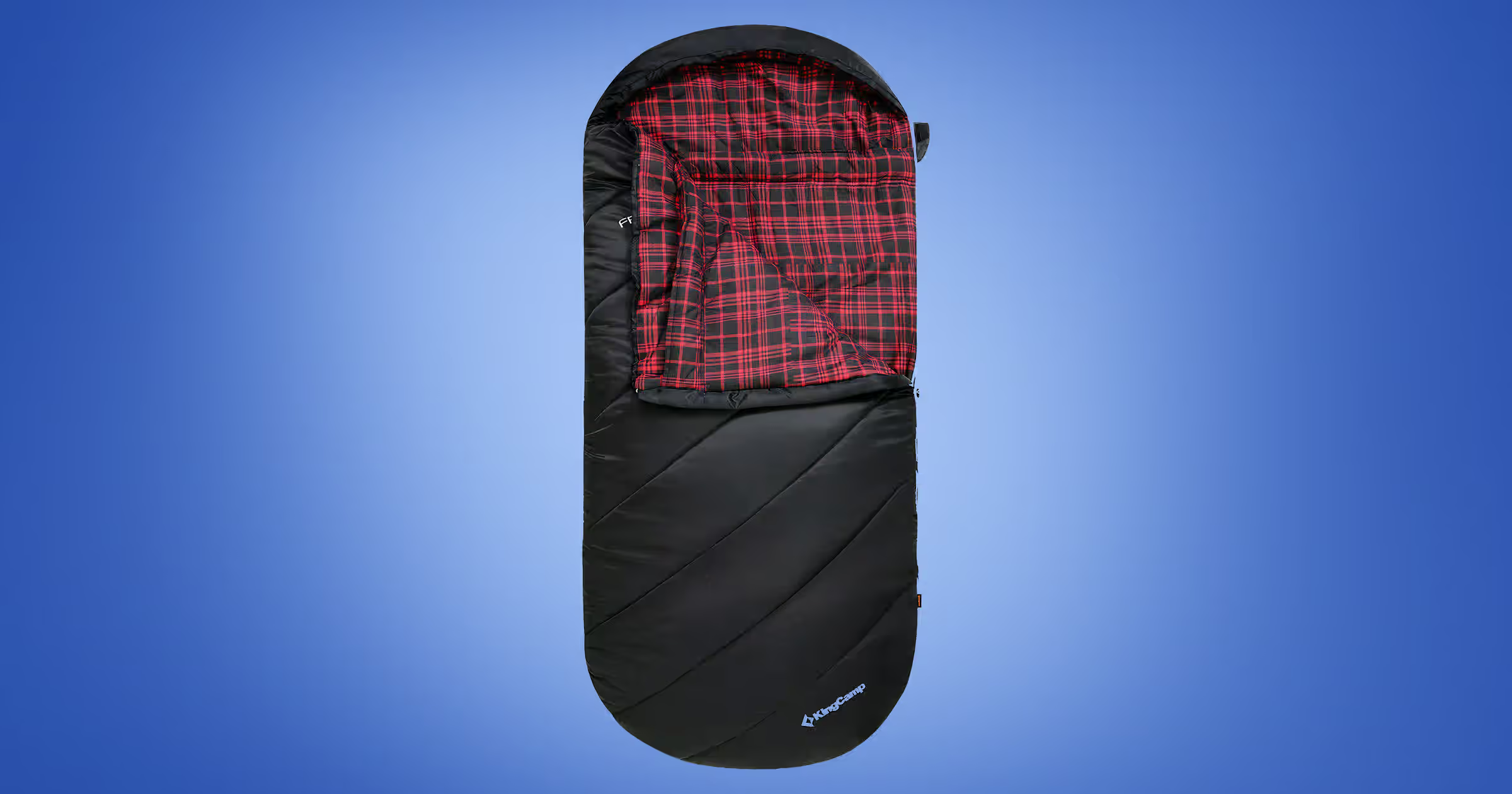
You should buy those who offer several inches of clearance around the hips and shoulders rather than choosing a sleeping bag that fits tightly around the body. If you want extra freedom of movement or have a habit of switching sides during sleeping, you should bring a sleeping quilt.
Sleeping Pads: Don’t Forget Width
Sleeping-pad width is often overlooked. A narrow sleeping pad can leave your shoulders, hips or legs hanging partly off the mattress, particularly if you move around during sleep.
So, look for:
- Wide or large sizes
- Adequate length
- Suitable insulation rating
- Durable construction
- Comfortable thickness
Getting a comfortable sleep is the main thing you will require during your multiple days trekking journey, so bring comfortable sleeping pads.
Wide Hiking Boots for Plus-Size Trekkers
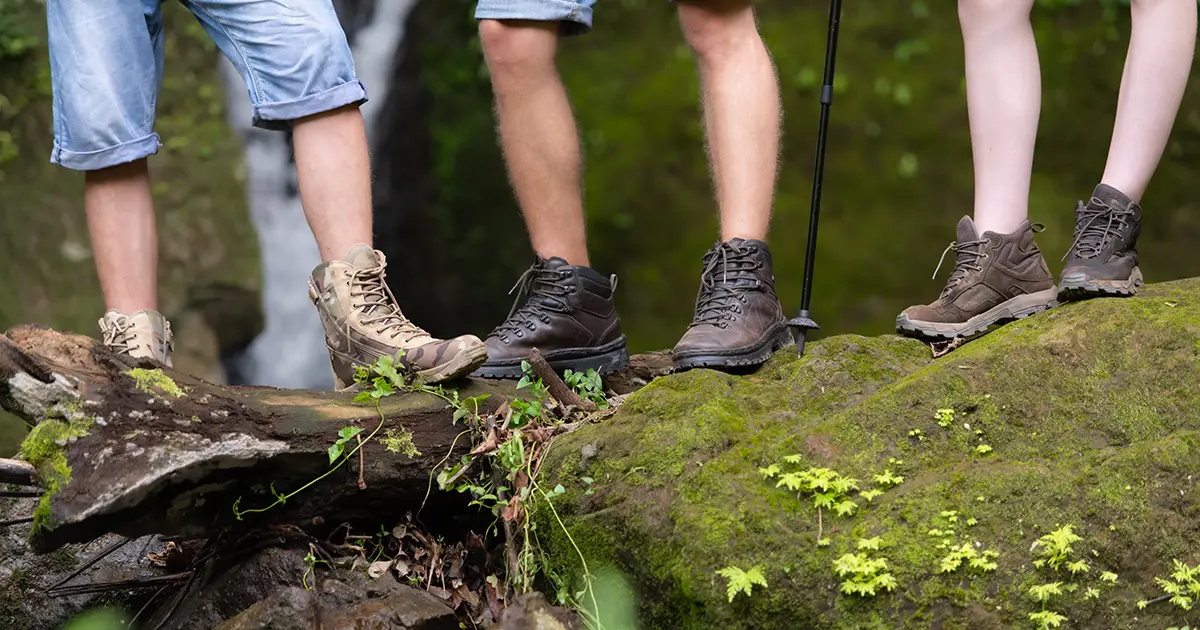
Your feet receive all of your bodyweight pressure. So, wide hiking boots deserve more attention than almost anything else when trekking in a rocky and ever changing landscape of remote Himalayas.
Plus size hiker should look for following things when buying a hiking boots:
- Wide toe box
- Appropriate width
- Good heel hold
- Strong outsole
- Reliable grip
- Adequate cushioning
- Ankle support if appropriate for your walking style
- Enough space for trekking socks
A wide-width footwear for people who find standard shoes restrictive and emphasizes stable soles and supportive construction on uneven terrain is highly recommended. Every trekker, no matter whether you are a plus size or fit, never bring brand-new boots straight to the Himalayas.
Break them in before your trip by walking on:
- Pavement
- Stairs
- Trails
- Uphill terrain
- Downhill terrain
If your feet develop hot spots during training, address them before departure.
Plus-Size Trekking Packing List for Nepal
A practical packing list for Nepal is listed below:
Clothing
- 2 moisture-wicking base-layer tops
- 2–3 trekking T-shirts
- 2 pairs hiking pants
- 1 thermal bottom
- 1 fleece or softshell
- 1 insulated jacket
- 1 waterproof shell
- 1 pair waterproof trousers for appropriate seasons/routes
- 3–5 pairs trekking socks
- 3–4 pairs moisture-wicking underwear
- Warm hat
- Sun hat
- Lightweight gloves
- Warm gloves or mittens
- Buff
Click here for Everest Base Camp gear list.
Footwear
- Broken-in hiking boots
- Camp shoes or sandals
- Gaiters if required for your route/season
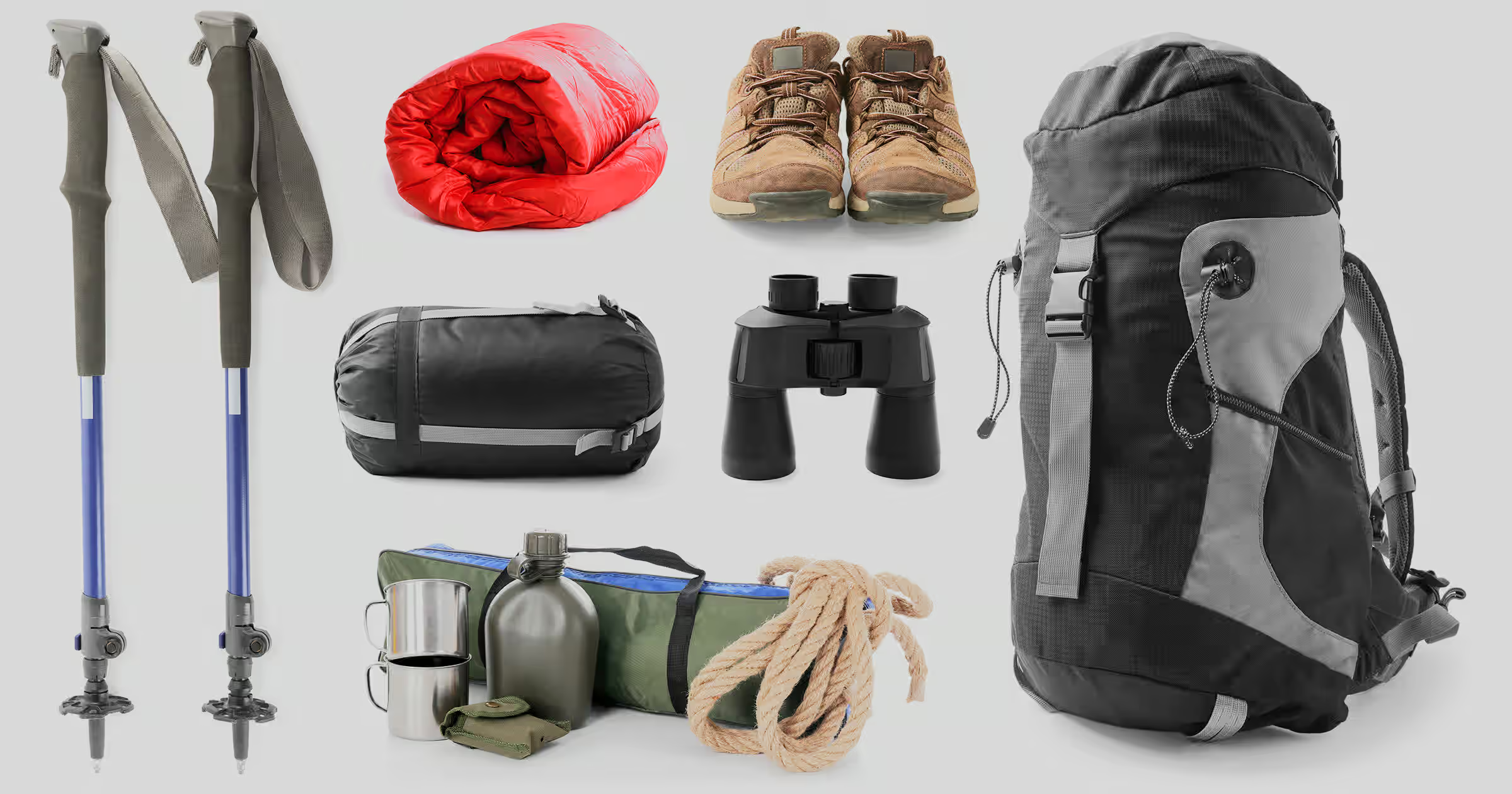
Gear
- Well-fitting daypack
- Porter duffel if not provided
- Trekking poles
- Sleeping bag
- Sleeping liner
- Sleeping pad if required
- Headlamp
- Water bottles
- Backpack rain cover
- Dry bags
Personal and Safety Items
- Sunscreen
- Sunglasses
- Personal medication
- Basic first-aid kit
- Blister treatment
- Water purification
- Hand sanitizer
- Toiletries
- Power bank
- Passport and permits/documents
Your final list should always be adapted to the trek, altitude, season and accommodation style rather than treating one packing list as suitable for every Nepal route.
Plus-Size Hiking Gear: What to Buy or Rent in Nepal?
When planning your Nepal trek, you should learn about what to buy or rent, this will help save some of your money. We suggest you to buy plus size hiking gear like:
- Trekking Boots
- Base Layers and Mid-Layers
- Down Jacket or Synthetic Insulated Jacket
- Trekking Backpack
- Sleeping Bag (Rated for Cold Temperature)
- Trekking Socks
- Gaiters
- Hydration Gear
If you are buying gear from your home country buy from brands like:
- KinsaActive – Women’s plus-size
- REI Co-op – Outdoor gear for all bodies
- SuperFit Hero – Women’s activewear
Your next Nepal trips can be more memorable and budget friendly if you rent you plus-size gear like:
- Hard Shell / Rain Jacket & Rain Pants
- Tent (Camping-Style Trek)
- Sleeping Pad / Foam Mat (Camping)
- Duffel Bag (Porters)
- Headlamp
- High-Altitude Mittens
- Camera Gear (Optional)
You can rent these gears in Thamel shops like:
- Shona’s Alpine off Thamel Chowk,
- Himalayan Trekking Gear on Mandala Street,
- Himal Outdoor Store on JP Road, etc.
Questions to Ask Before You Go
Plus-size trekkers should not hesitate to ask questions to your trekking agency. You should ask everything related to:
- What is the Walking hours?
- What is the highest altitude?
- Howe many days are for acclimatization?
- What’s chances of getting altitude sickness and how to prevent?
- What is Guide and porter weight limit and fare policy?
- Whether you offer plus-size or extended-fit trekking gear?
- What type of place and teahouse, you will be staying and what types of food to expect?
- What will happen if anything bad happens on trails?
- How does the emergency evacuation procedure work?
- Does my insurance cover the medical fees or not?
Common Gear Mistakes Plus-Size Trekkers Should Avoid
Buying Gear According to the Label
A 3XL from one brand may fit either become small or extra large from a 3XL from another.
Solution: Measure your body size and buy accordingly.
Choosing Oversized Clothing Instead of Properly Fitted Clothing
Going several sizes larger does not necessarily create a better fit.
Solution: Look for garments intentionally designed with appropriate proportions and adjustment features.
Ignoring Chafing
You should not wait until you’re halfway through your trek only to discover that your pants are causing friction.
Solution: Test your clothing during long training walks.
Taking an Untested Backpack
A backpack can feel comfortable for five minutes and painful after five hours.
Solution: Load it and walk with it before your actual trek.
Planning to do Nepal Treks in 2026?
Or Call/Message on WhatsApp +977 98434 13619
Buying Narrow Sleeping Equipment
A restrictive sleeping bag can make cold nights much harder.
Solution: Check actual hip and shoulder dimensions.
Wearing New Boots
This is one of the easiest mistakes to avoid.
Solution: Break in your boots well before flying to Nepal by hiking on weekends for longer times.
Packing Too Much
Extra equipment increases the weight you have to carry or someone else has to transport.
Solution: Build a route-specific packing list.
A More Comfortable Approach to Plus-Size Trekking in Nepal
A plus-size trekker’s main aim is not to make yourself fit the gear but the gear should fit you. According to your desire and fitness level choose the trekking trails and buy or rent everything that will make your hiking days more comfortable.
For a successful Himalayan journey, you should do everything before arriving in Nepal. If this is your first trek, choose shorter mountain treks like Poon Hill, Mardi Himal but if you want to test your limit and have already prepared your body and mind for greater challenge, demanding trails like Everest Base Camp or Manaslu region will be best for you.
You should not avoid your dream to explore remote mountainous regions of Nepal just because you are plus-size or overweight. Nepal’s trails can be an incredible experience at any body size and to make your journey more memorable make sure you plan your next adventure with Awesome Holidays Nepal, as we offer both customized and fixed departure itinerary.
FAQs
Expand AllCan plus-size people trek in Nepal?
Yes. Plus-size people can trek in Nepal if you have enough preparation, properly fitting gear, and an itinerary matched to their fitness level.
Is there a weight limit for trekking in Nepal?
There is generally no specific body-weight limit for trekking in Nepal.
Can I do Everest Base Camp if I'm overweight?
Yes, you can trek to Everest Base Camp if you are overweight with gradual acclimatization.
What is the easiest trek in Nepal for beginners?
Ghorepani Poon Hill, Dhampus, and short lower-altitude treks are some of the easiest trek in Nepal for beginners.
Do trekking companies in Nepal accommodate plus-size trekkers?
Yes, many trekking companies like Awesome Holidays Nepal offer accommodate plus-size trekkers. They assist by arranging suitable transportation, rooms, equipment, guides, and customized itineraries.
Where can I buy plus-size trekking gear in Kathmandu?
You can buy plus-size trekking gear in Thamel, Kathmandu stores like:
- Sports Wear International on Thamel Marg
- The North Face on Tridevi Sadak
- Sherpa Adventure Gear.
Do gear rental shops in Nepal carry plus-size clothing?
It’s available but it become more challenging to find rental gear shops with plus-size clothing.
What size sleeping bags are available for rent in Nepal?
Sleeping bags in Nepal are available in Small (S), Medium (M), and Large (L) sizes.
Is there a weight limit for porters in Nepal?
Yes. Responsible trekking agencies limit porters to carry a weight limit of 25 to 30 kg (55 to 66 lbs) in total.
Is there a weight limit on the Lukla flight?
Yes. The total weight limit for a flight to Lukla is 15 kg (33 lbs) per person.
What are the best plus-size hiking pants for trekking?
The best plus-size hiking pants for trekking should have a comfortable fit, stretch fabric, moisture-wicking properties, and enough space for unrestricted movement.
What are the best wide-fit hiking boots for Nepal?
Strong ankle support, good cushioning, waterproofing, and adequate toe room are the best wide-fit hiking boots for Nepal.
How do I prevent chafing while trekking?
Wearing moisture-wicking clothing, well-fitting underwear, and applying an anti-chafing balm to areas prone to friction helps prevents chafing while trekking.
Do teahouses in Nepal have larger beds?
No. For plus-size trekkers, they will join two beds for you, but you need to inform them early.
How many hours a day do you walk on a Nepal trek?
Nepal treks usually involve around 4 to 7 hours of walking per day. This hugely depends on the route, altitude, terrain, and itinerary.
Can I customize a slower trekking itinerary in Nepal?
Yes, you can customize a slower trekking itinerary in Nepal.
Does body weight affect altitude sickness risk?
Body weight as a whole does not determine altitude sickness risk, as it depends on factors such as ascent rate, altitude, acclimatization, and individual response.
Are there private guides for plus-size trekkers in Nepal?
Yes, private guides can be arranged to provide a more flexible pace for plus-size trekkers.
What backpack brands fit plus-size bodies?
Gregory brands backpack is currently the leading brand offering a dedicated plus-size line. It offers extended hip belts, longer shoulder straps, and wider angles designed for apparel sizes 2X–6X.
Are trekking poles necessary in Nepal?
Trekking poles are not mandatory. They can provide valuable balance, stability, and support on steep and uneven trails of Nepal.
Related blog posts
Discover a choice of tourist destinations loved by most of our visitors. Whether you're on a jungle safari to spot rare animals or walking through a world heritage site, these well-planned itineraries cover the major highlights of Nepal.
 call an expert at: