
Overtourism in Pokhara 2026: Impact on Phewa Lake and How to Travel Responsibly
 Sristi Adhikari
Pokhara has been celebrated as Nepal’s most beautiful lakeside destination. From sunrise views over the Annapurna range, vibrant cafe, adventure sports to peaceful boat rides across Phewa Lake, Nepal’s tourism capital, Pokhara has long attracted travelers seeking both adventure and tranquility.
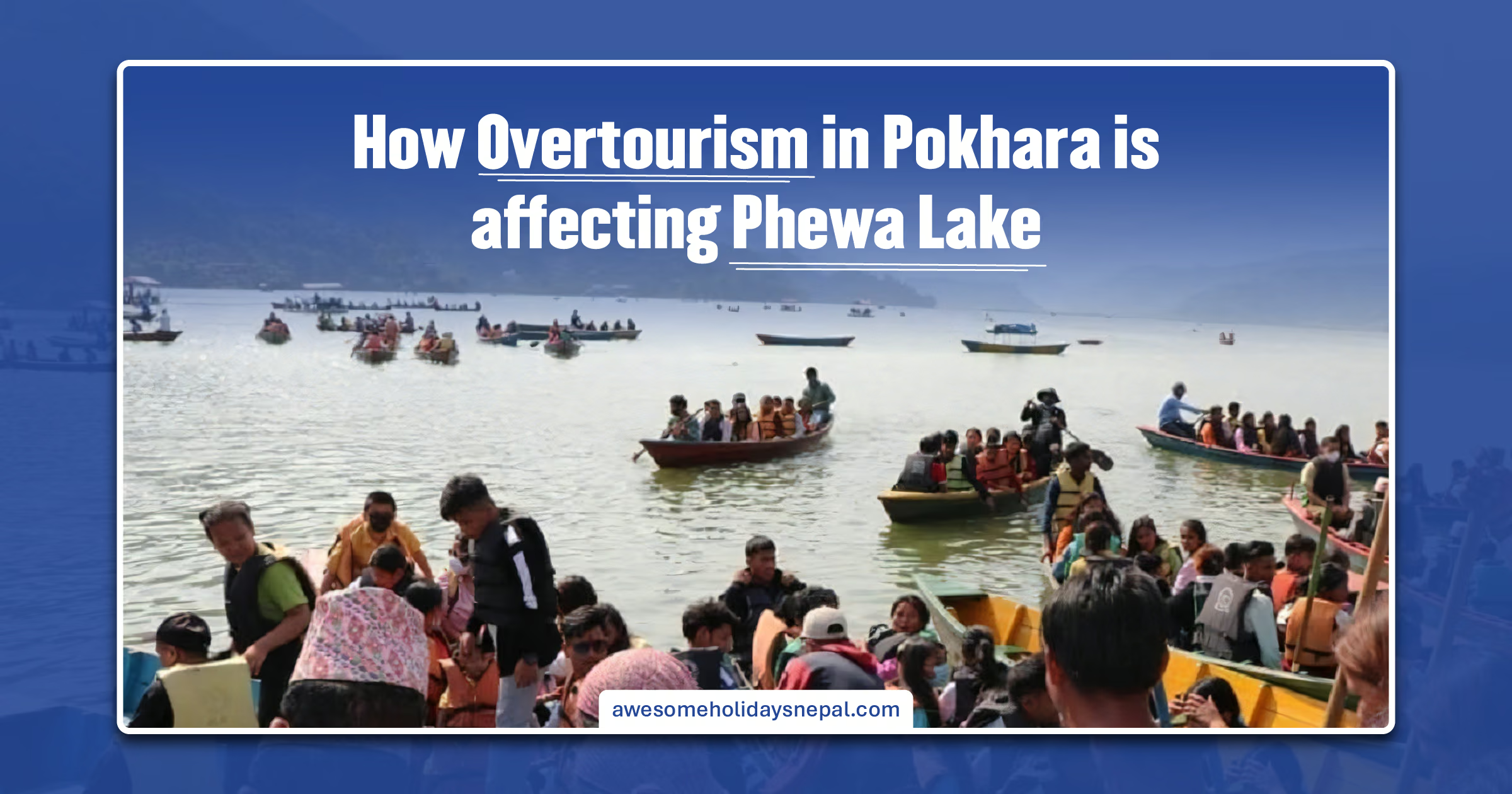
However, Overtourism in Pokhara has become one of the biggest challenges facing Nepal’s tourism industry in 2026. While tourism remains one of the city’s greatest economic strengths, uncontrolled growth is beginning to place enormous pressure on its natural environment, particularly the iconic Phewa Lake.
Increasing visitor numbers, expanding illegal construction, traffic congestion, and environmental degradation are raising serious concerns about the future of Phewa Lake. Understanding Overtourism in Pokhara is no longer just an environmental concern but it has become essential for every traveler who wants to experience Nepal responsibly in the upcoming years.
What is Overtourism?
When a particular destination receives more visitors than the carrying capacity of its environment, infrastructure, or local community is called overtourism. Overtourism causes long-term degradation of the environment, overcrowding, challenges in the waste management, traffic problems resulting in the overall decline of visitors’ experience in that particular area. Nepal’s tourism capital, Pokhara is also struggling with overtourism as of 2026.
Why is Pokhara Facing Overtourism in 2026?
Pokhara is suffering from a tourism crisis due to change in travel pattern and limited capacity of tourism management in 2026. The Overtourism in Pokhara has increased the source of the economy but side by side it is creating pressure on the beautiful nature, atmosphere, infrastructure and local communities. The reason behind the Pokhara lakeside pollution are listed below:
Surge in Indian Tourist
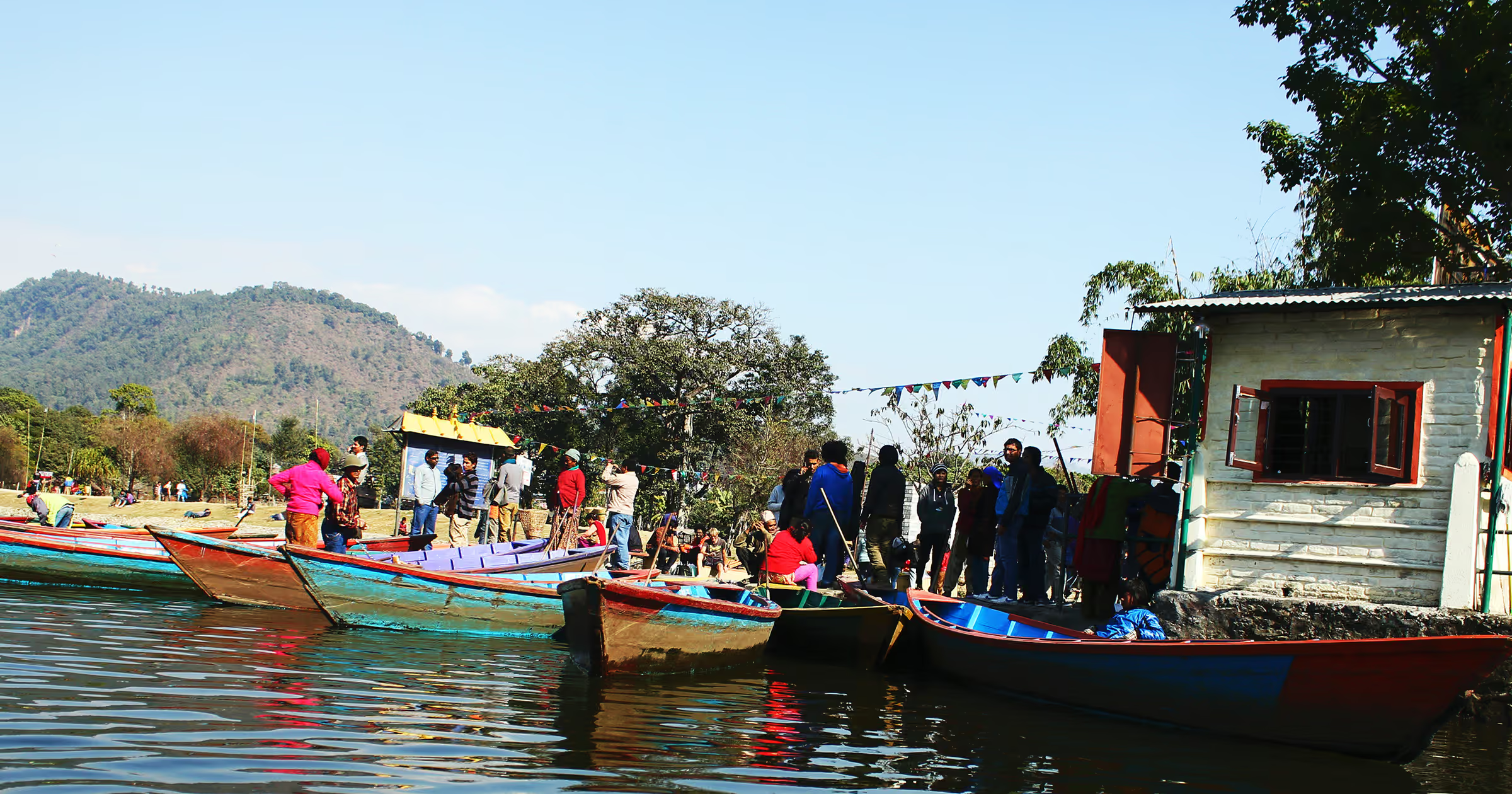
Pokhara experiences more than one and half lakh of Indian visitors in the summer season which is also known as off-season for tourism in Nepal. Summer lasts from June to August but Indian tourism surge started from Mid-May in Pokhara.
The main credit goes to the rise of temperature in India and as Indian citizens do not need a visa to visit Nepal, they are spending their vacation enjoying the calming and cool environment of Pokhara. Also, improved road connectivity is making their travel easier.
Influence of Social Media
Due to digital exposure popular attractions such as Phewa Lake, Sarangkot, Tal Barahi Temple, and nearby trekking routes are receiving both spontaneous travelers and concentrated tourists than in previous years.
Rising Popularity of Water Sports
In recent year, Pokhara is focusing on water sports adventures like boating, kayaking, and paddle boarding. This adventure sports has been attracting the heart of younger generation and modern travel enthusiasts. According to the report of Fewa boat entrepreneurs organization, at least 4 to 5 thousand Indian tourist took a boat ride on Fewa lake on past one and half month.
Growth of Religious and Road Tourism
Pokhara serves as the gateway to Muktinath, one of the most popular pilgrimage destinations of Nepal. Due to improved road connectivity to India, many are arriving with their private vehicle or tour bus. This resulted in the traffic congestion, filled parking, and crowd in major highways.
Tourism Concentrated in a Few Hotspots
Tourists are only concentrated in Lake side, Phewa lake, Sarangkot even though there are multiple attractions in Pokhara valley like:
- World Peace Pagoda (Shanti Stupa),
- Pumdikot Viewpoint,
- Bindhyabasini Temple, etc.
These destinations remain under-visited as tourists are concentrated on the centre of Pokhara.
Insufficient Tourism Infrastructure
With the increase of tourists only on major destinations, Phewa Lake and Lakeside roads, parking facilities, public toilets, waste management systems, and crowd-control measures are under increasing strain.
Fewa Lake: The Heart of Pokhara is Under Pressure
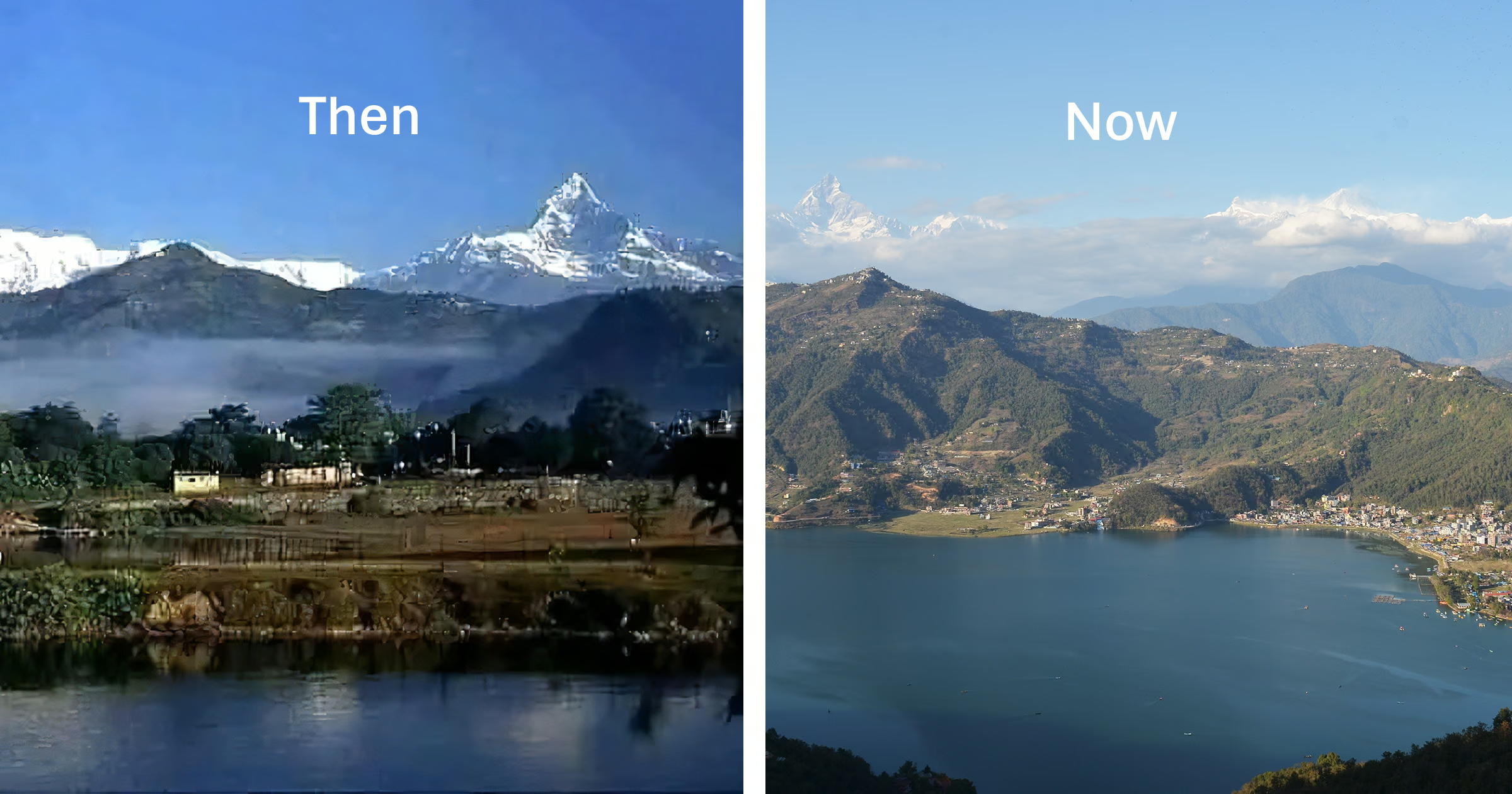
Phewa lake is situated at an altitude of 742 meters and is the second-largest lake in Nepal. The serene lake expands over an area of 4.43 square kilometers and it beautifully reflects the majestic Machhapuchhre and Annapurna mountain ranges, making it one of Pokhara’s most iconic attractions.
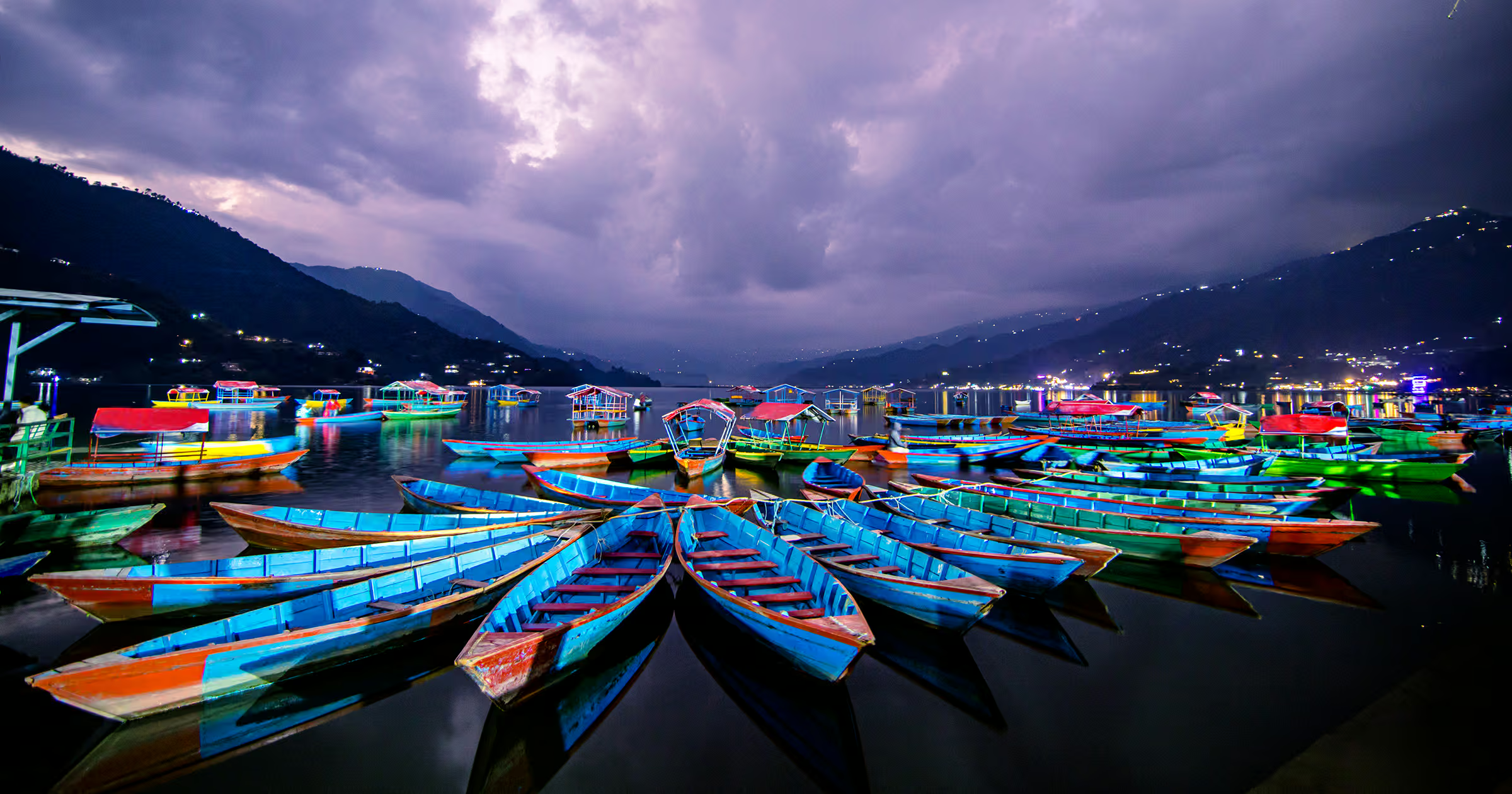
There is a sacred temple in the middle of the lake which is known as Tal Barahi temple where every Hindu pilgrim pays their visit to receive blessings. Phewa lake also supports biodiversity, local livelihoods via fishing, boating, recreation, business on lakeside, and the city’s identity.
Phewa lake has both cultural, religious, and economical significance, but Overtourism in Pokhara has increased pressure on the lake in several ways:
Higher Boat traffic
With the increased flow of tourists, Phewa lake is experiencing higher boat congestion which has been negatively affecting aquatic habitat. The once peaceful Lake is transforming into a busy and crowded lake.
Increased Plastic Waste
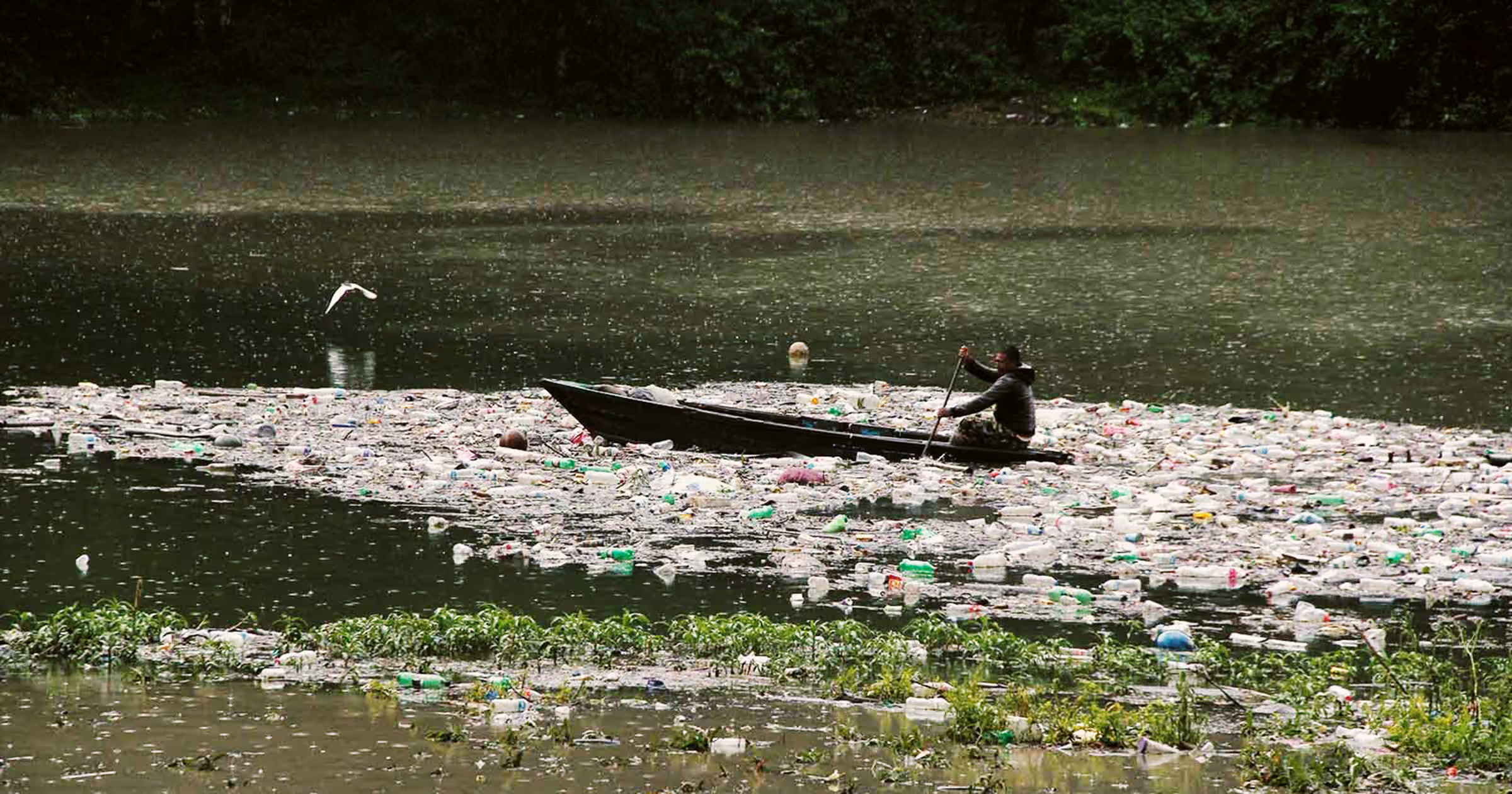
The tourists are also throwing more plastic waste like bottles, food wrappers, and other litter haphazardly around the shoreline of the lake and in it.
Growing Wastewater Discharge
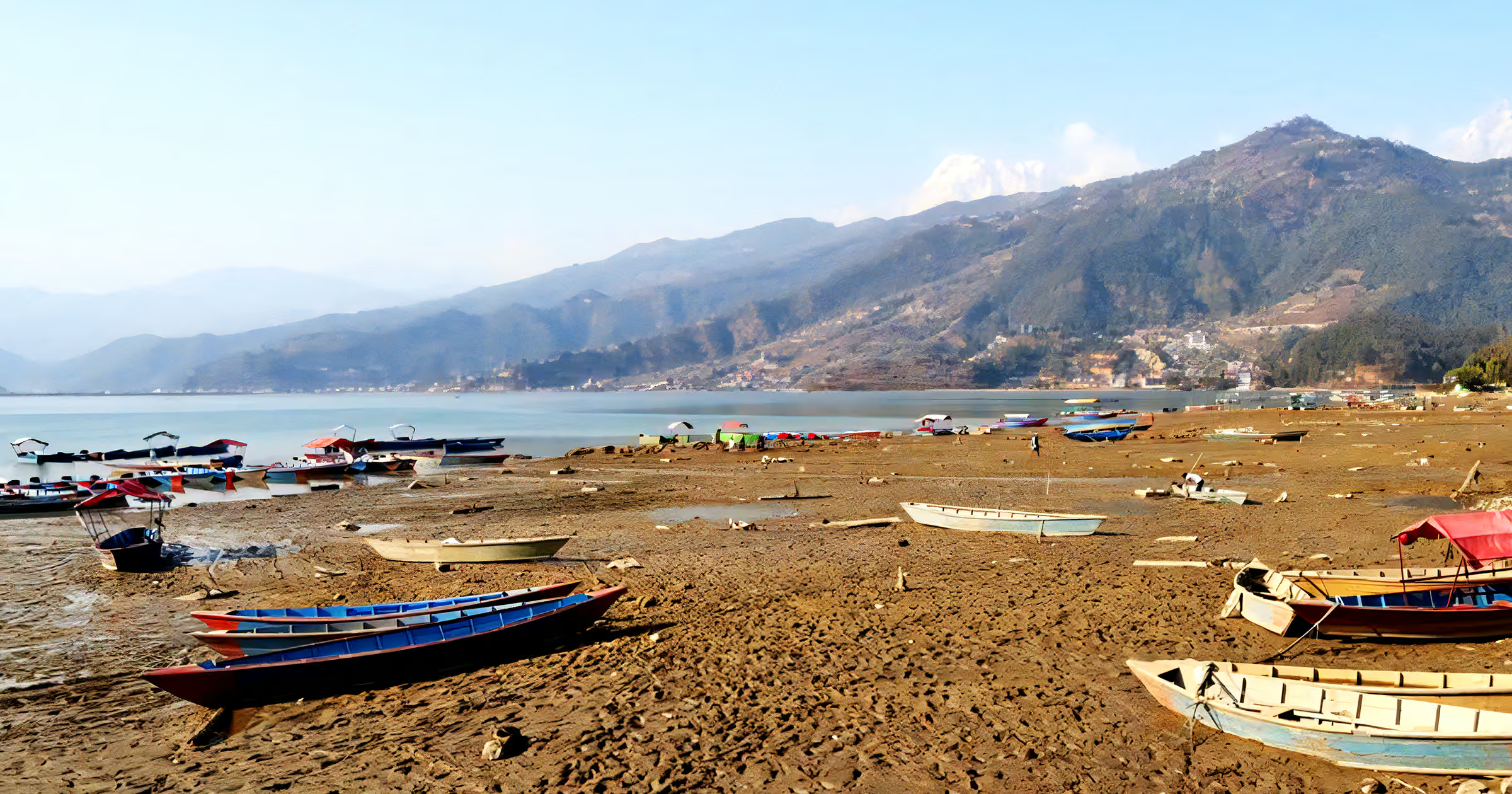
Phewa lake is turning green day by day due to discharge of untreated sewage and wastewater from nearby settlements, hotels, restaurants directly into the lake.
Shoreline Commercialization
The rapid expansion of cafés, hotels, and shops along the lakeshore is reducing natural green spaces which is directly affecting the lake’s beauty and peace.
More Vehicle Emissions around Lakeside
With the increase of tourists, vehicle use has been increasing side by side which results in polluted air, unnecessary honking in the lakeside area.
Rising demand for lakeside construction
The fragile environment and biodiversity of Phewa lake is degrading day by day due to construction of new hotels, resorts, and cafes.
These combined pressures contribute to increasing concerns about Phewa Lake pollution, sediment accumulation, and declining ecological health.
Environmental Impact Beyond Lake
Overtourism in Pokhara is not only affecting the Phewa lake it is also impacting environment of Pokhara and they are:
Pressure on Water Quality
Overtourism in Pokhara, is also increasing boating activities, nearby businesses, plastic waste, sewage discharge which is running off to the lake. This results in eutrophication and is threatening the aquatic ecosystem.
Illegal Encroachment Around Phewa Lake
Illegal structures built around Phewa Lake are one of the biggest environmental debates in 2026. Government authorities have intensified efforts to remove buildings constructed within the protected lake boundary after years of legal disputes and Supreme Court directives.
The objective is to restore the ecological buffer zone surrounding the Phewa lake. These actions highlight that Overtourism in Pokhara is closely linked with unplanned urban development.
Habitat Loss
More lands have been converted into commercial buildings, cafes, resorts, and restaurants which is directly affecting the ecosystem of Pokhara. As it is reducing natural vegetation, habitat of aerial life, wetlands, and wildlife corridors. After some years, it will damage the beauty of Pokhara and will impact on tourism business.
Increased Waste Generation
During peak season, you will see a high volume of waste thrown on the streets of Pokhara. You may see food cans, food packaging, cups, plastic bottles thrown by tourists in the street haphazardly.
Government Conservation Efforts
Phewa lake conservation is listed on the 100-point of administrative agenda by new PM Balendra Shah. Authorities of Pokhara metropolitan city have launched demolition of illegal buildings under the direction of Prime Minister Shah in April 2026.
Planning to Visit Pokhara in 2026?
Or Call/Message on WhatsApp +977 98434 13619
Structures like swimming pool, gate, walls of 500 illegal properties have been commanded for demolition as they are built on the land of Phewa lake. In addition to this, other initiations are taken for Phewa lake conservation and they are:
- Encroachment removal,
- Watershed restoration,
- Landslide management,
- Spring protection, and
- Climate adaptation
Officials argue that restoring the lake’s natural shoreline with enforcement of the 65-meters rule of the buffer zone will improve Pokhara’s sustainability and strengthen its reputation as an eco-friendly destination.
How Travelers Can Help Reduce Tourism Crisis in Pokhara
Every traveler who step in this beautiful and peaceful city of Nepal can make a positive difference by their simple action. Here are some responsible travel tips for visiting Nepal in 2026:
- Carrying reusable water bottles instead of buying plastic ones.
- Avoid single-use plastics and follow the principle of “Leave No Trace”.
- Respect designated walking paths by managing their waste responsibly in bins.
- Choose locally owned accommodations who hire locals .
- Support businesses that follow sustainable practices by buying their handmade craft as souvenirs.
- Avoid littering around lakeside areas and never feed wildlife.
- Conserve water and electricity during your stay.
- Make sure you respect wildlife and local culture.
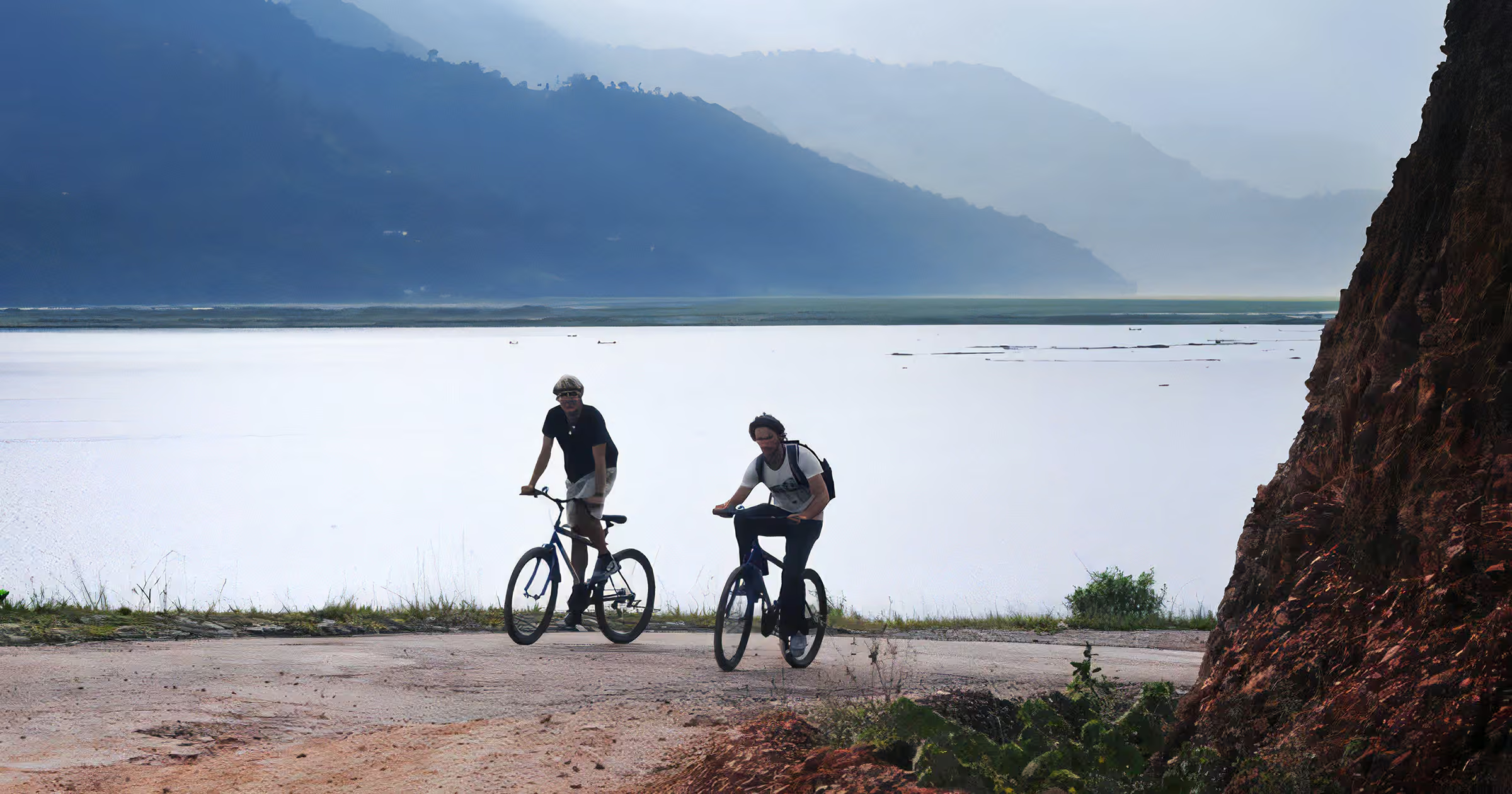
- Explore lakeside on foot or by cycling instead of hiring a vehicle.
- Hire a licensed guide and also explore nearby villages instead of focusing on Lakeside.
- Support sustainable tourism by visiting lesser-known viewpoints.
Likewise, choosing eco-friendly travel Nepal experiences helps reduce environmental pressure without sacrificing meaningful adventures.
Conclusion
The beautiful Phewa lake, snowcapped mountain views, water adventure, and the warmth of local communities are continuing to attract the hearts of global travelers to visit Pokhara. However, Overtourism in Pokhara is increasing concerns surrounding Phewa Lake demonstrate that success brings responsibility.
Every traveler plays an important role in protecting the nature of a particular place no matter whether it is reducing waste, respecting conservation rules, supporting local communities, or choosing sustainable travel practices, responsible tourism begins with individual actions. So, the beauty of Phewa lake can only be sustained with responsible travel and helping the policy makers by following their rules and regulations.
So, if you’re planning to visit this serene and beautiful city, make sure to contact Awesome Holiday Nepal in 2026. Our team leader, and tour guide believes that protecting this remarkable destination today is the best way to preserve its natural beauty, culture, and magic for future generations.
FAQs
Expand AllWhat is overtourism in Pokhara?
The increased number of visitors exceeded the city’s environmental, social, and infrastructure capacity, resulting to issues such as congestion, pollution, and pressure on natural attractions like Phewa Lake is termed as overtourism in Pokhara.
What are the effects of overtourism in Nepal?
The effects of overtourism in Pokhara, Nepal are:
- Environmental degradation,
- Increased waste,
- Overcrowded destinations,
- Strain on local infrastructure,
- Higher living costs, and
- Loss of cultural authenticity.
Is Phewa Lake polluted?
Yes. Phewa Lake is filled with pollution. Plastic waste, untreated wastewater, sedimentation, and increasing urban development, are factors which is polluting Phewa lake.
How much has Phewa Lake shrunk over the years?
Phewa Lake has shrunk to 572 hectares from 1,119 hectares.
Why are hotels in Pokhara being demolished in 2026?
Hotels in Pokhara are being demolished in 2026 because they are built illegally in Government lands of Phewa lake.
Is Pokhara safe to visit in 2026?
Yes. Pokhara remains as a safe destination for most travelers in 2026.
How can tourists reduce their environmental impact in Nepal?
Tourists can reduce their environmental impact in Nepal by:
- Carrying reusable bottles,
- Avoiding single-use plastics,
- Respecting wildlife,
- Supporting local businesses, and
- Following Leave No Trace principles.
How to travel responsibly in Pokhara?
Choosing eco-friendly accommodations, minimizing waste, using refill stations, respecting local culture, and supporting community-based tourism experiences are some of the approach that can be done to travel responsibly in Pokhara.
What are the best eco-friendly activities in Pokhara?
Hiking, birdwatching, cycling, kayaking, guided nature walks, community homestays, and responsible boating on Phewa Lake are the best eco-friendly activities in Pokhara.
Are there eco-lodges near Pokhara?
Yes. There are many eco-lodges and sustainable homestays around Pokhara like The Pavilions Himalayas The Farm and Kalsee Eco-Lodge Nepal.
What are the rules for trekking responsibly in Annapurna?
Staying on marked trails, carrying out your waste, avoiding single-use plastics, respecting local customs, and following conservation area regulations are some of the rule which you should definitely follow when trekking in Annapurna.
What is community-based tourism in Nepal?
A sustainable travel model where local villagers own, manage, and directly profit from tourism is termed as community-based tourism in Nepal.
What is the Sustainable Tourism Action Plan for Pokhara?
Balance of tourism growth with environmental conservation through better waste management, responsible destination planning, community participation, and ecosystem protection are some of the Sustainable Tourism Action Plan for Pokhara.
How many tourists visit Pokhara every year?
Pokhara receives hundreds of thousands of domestic and international visitors every year.
What happened to Lakeside Pokhara?
Lakeside Pokhara is suffering from the impact of rapid commercial growth, increased tourism, and traffic congestion.
Why is Phewa Lake water turning green?
The excessive algae growth caused by nutrient runoff, warmer temperatures, sediment accumulation, and declining water quality is the reason behind green water of Phewa Lake.
Is Pokhara International Airport causing overtourism?
Pokhara International Airport is one factor which causes overtourism.
What is the best time to visit Pokhara to avoid crowds?
The best time to visit Pokhara to avoid crowds is Monsoon and winter. But, increase flow of Indian tourism is also causing overtourism in the summer of 2026.
What are alternatives to overtouristed places in Pokhara?
Begnas Lake, Rupa Lake, Panchase, Dhampus, Astam, and community villages are alternatives to overtouristed places in Pokhara.
Are there volunteer tourism opportunities in Pokhara?
Yes. Visitors can participate in ethical volunteer programs related to:
- Environmental conservation,
- Community development,
- Education, and
- Sustainable tourism through reputable local organizations.
Related blog posts
Discover a choice of tourist destinations loved by most of our visitors. Whether you're on a jungle safari to spot rare animals or walking through a world heritage site, these well-planned itineraries cover the major highlights of Nepal.

 call an expert at: