
Non-Religious Kailash Yatra: Worth It If You Are Not Deeply Religious
 Amrit K. Aryal
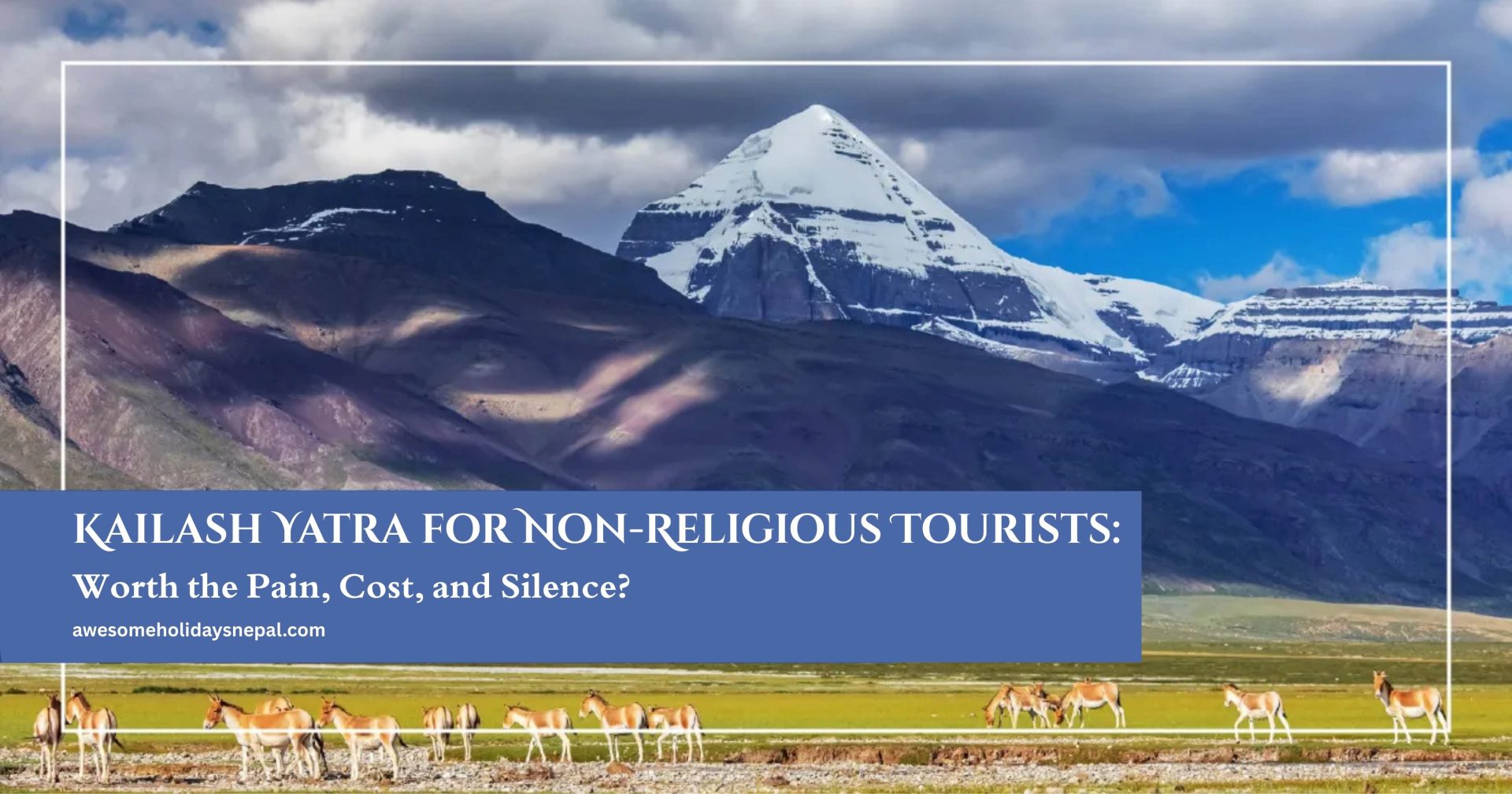
Is the Kailash Mansarovar Yatra worth visiting by those who do not believe in the Almighty? This is a question often asked by people from different communities. Mount Kailash is usually associated with various religions, including Buddhism, Jainism, Hinduism, and Bon. Does it mean a non-religious Kailash Yatra is completely forbidden for those who do not believe in the Almighty?
Is the non-religious Kailash Mansarovar Yatra even possible? The thought seems contradictory to the nature of such a spiritual and religious place.
In this blog post, we will explore the route to the Kailash Mansarovar Yatra and the reasons why non-religious people are drawn to this pilgrimage.
Mount Kailash and Faith
Every year, thousands of travelers go to Mount Kailash. They climbed the high passes of Dolma La and completed the kora despite physical stress and pain. Is it true that everyone who completes the kora is not there to chant the mantra? Is not everyone who reaches Dolma La pass religious?
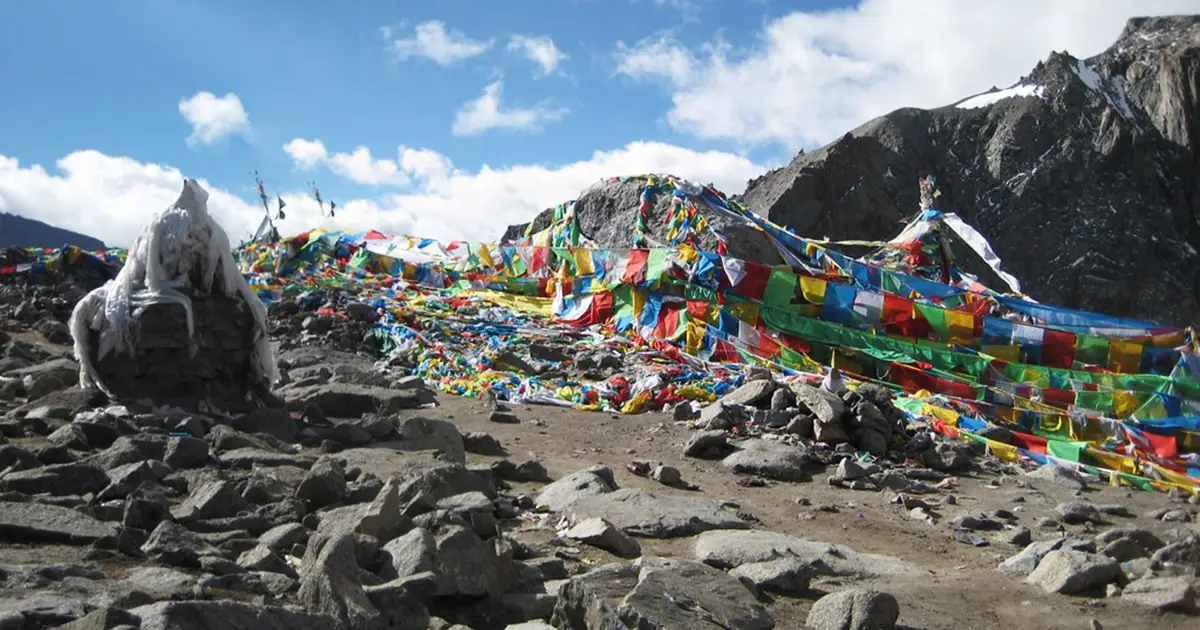
Then why do they prepare, pack medicines and down jackets, buy gear, pay a hefty amount, and go for the trek, which is even more difficult than the trek to Everest Base Camp?
Humans are not only guided by religion and faith. People are always fascinated by adventure, curiosity, and thrills. Some people are attracted to scenic beauty and landscape. There are many more things to observe in Kailash without being a religious devotee.
Who Really Goes to Kailash Yatra?
Kailash was once a pilgrimage for religious people. But now it is a hub for atheists as well. It is not necessary to have a complete religious motive to travel to Kailash. Beyond Priests and Pilgrims, you can observe photographers chasing every face of Mount Kailash.
The scenic beauty of the landscape is what they want to capture in their camera. You can see writers sitting with their pens and notebooks, and doctors testing their own physical limits. Most of them whisper and chant mantras, but not everyone knows them. Some prey, and some just enjoy breathing in the high altitude.
The traveling trend has slowly shifted in Kailash. Though the central attraction of Kailash is for pilgrims and devotees, it remains a favorite spot for the non-religious too. Mount Kailash adventure travel is a popular trend now. For the Chinese government, they issue the visa and permit in the category of Tourist, not as a pilgrim on paper. This makes a difference.
The security and army personnel check your papers, documents, and visa to allow you to enter the country, not your faith in any religion or god.
A Common Journey of Different Perspectives
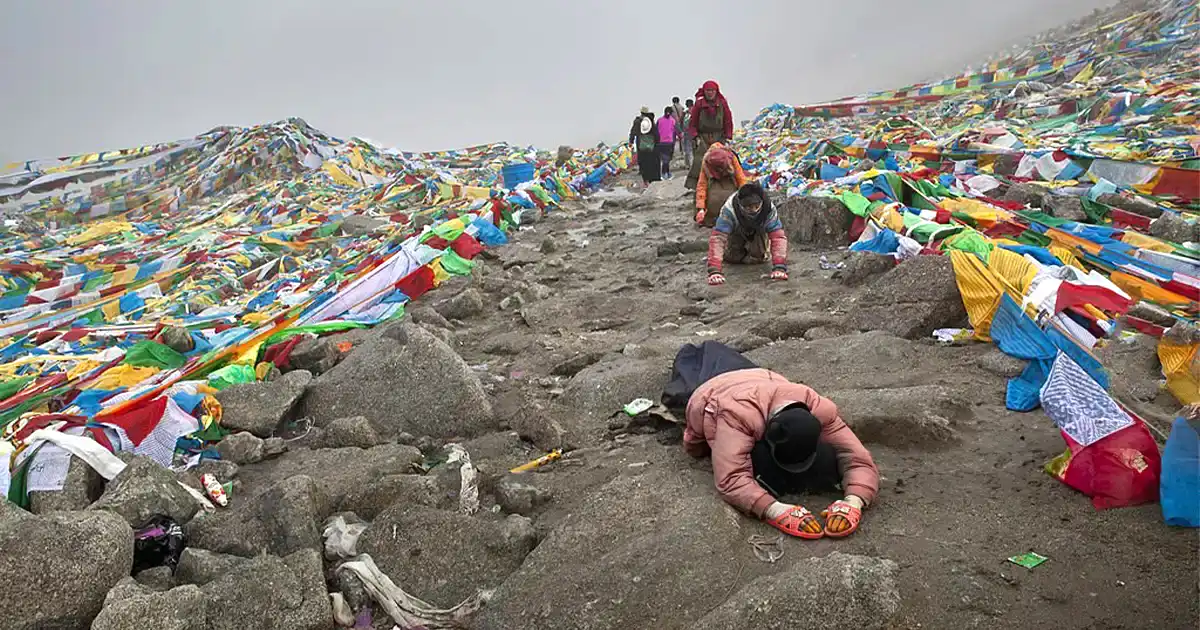
In deference to your religion and faith, you need to walk the same dusty road to Dhiraphuk, climb the same steep rocky trail to Dolma La Pass, and descend to Zuthulphuk. All of them must suffer the thin air at the high pass of Dolma La. Both of them must when the cold wind hits their face, and snow blocks the path.
Pilgrims chant and take the name of their lords and atheists; they are driven by themselves. Though not religious, it was a kind of spiritual awakening. Here, on the path to the Kailash Kora, they do not battle or quarrel to prove their feelings; it is a journey of coexistence and humanity.
What Makes Non-Religious Kailash Yatra Special
Mount Kailash remains neutral to every human. It does no discrimination between male and female; it does not care whether you are Hindu, Buddhist, Muslim, Christian, Sikh, or Bon. The mountain does not care what you think or what you believe in. All it cares about is whether you have acclimatized and prepared well to cross the pass. It cares about your physical fitness and endurance to walk the trails for three days.
Kailash Geography
Rather than focusing on the mountain’s religious aspects and its region, it is better to focus on the place’s geography. It is good if you know about the height of every place you will visit. The landscape of Mount Kailash is arid, sharp, and isolated. The four rivers originating from them fill the thirst of half of the Asian people. Do you know their names?
You do not need to know their mythology of origin. Do you? What difference does it make?
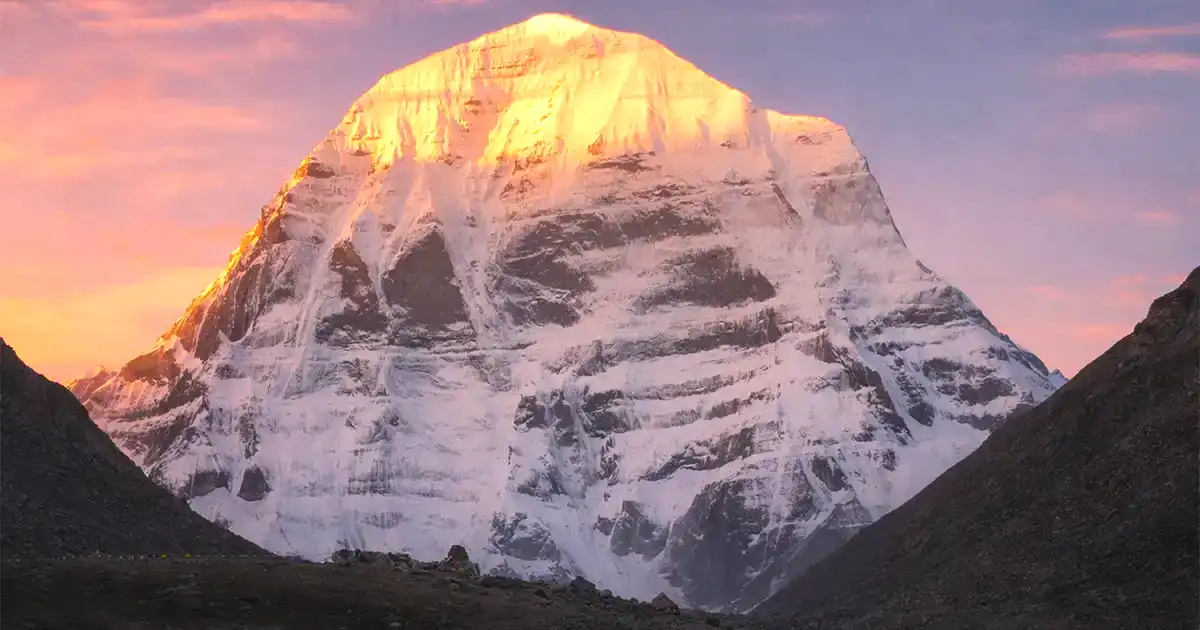
The satellite images from NASA show a perfect symmetry of the faces. There are various conspiracy theories about its formation. And you stand there thinking, does it matter to the mountain what religion you follow? The mountain existed long before people even developed opinions.
Silence as an Experience
The Silence in the Kailash Mansarovar Yatra is often broken by the wind and the sound of boots. For believers and non-believers, this silence becomes the path shower. No rituals needed, no belief needed, it’s just the mountain and its cold air and exposure.
Mount Kailash Trekking Difficulty
The Mount Kailash Trekking difficulty is often undermined in the religious narratives. Crossing over a height of 5,600 meters while crossing the Dolma La Pass is not only a symbolic suffering but also a physiological stress. Pilgrims, too, struggle alongside tourists during Kailash Kora. You might be physically fit and still struggle to cross the high pass. You can change the name of god, feel enlightened and spiritual, but still vomit with altitude sickness.
Is Kailash Yatra Only for Religious People
Is Mount Kailash Mansarovar Yatra only for Hindus? Or is it limited to followers of Buddhism, Bon, and Jainism? Is there any rule for being religious to get entry to Tibet? There is no official religious requirement to enter Kailash Mansarovar. There may be changes to the rule due to geopolitical tensions, but religion has no role in it. Your visa request form does not ask what you believe.
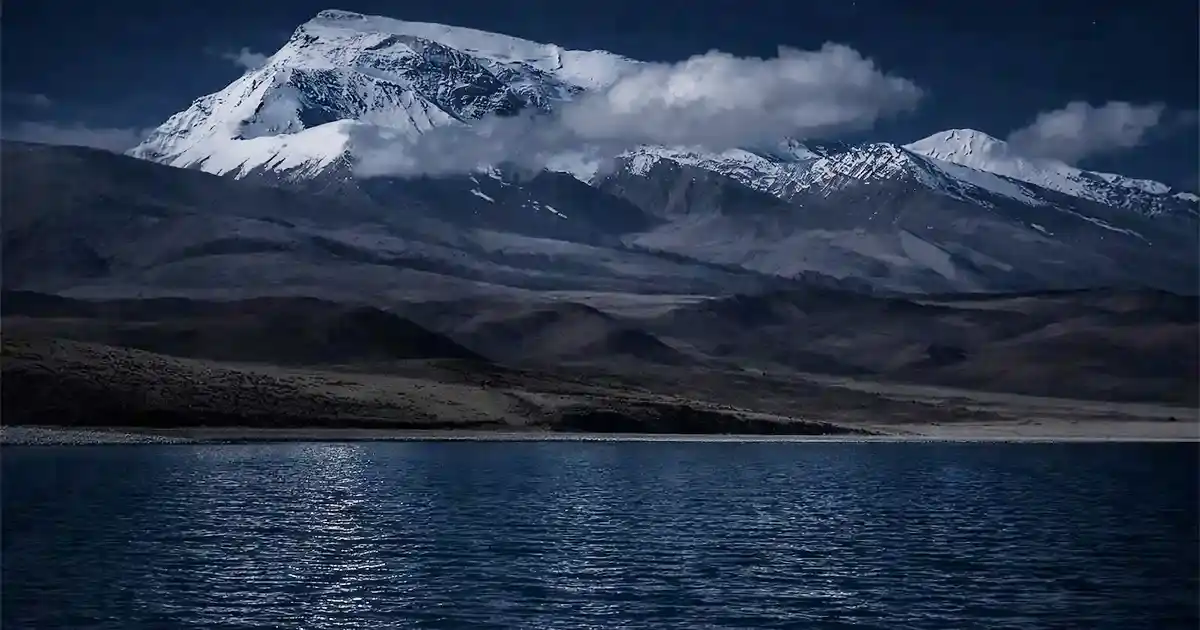
So, do not worry if you are a Christian or belong to any other religious sect in the world. You can visit Kailash even if you are from a different religious background. All you need to do is show respect for the local religion, tradition, and people. You must treat everyone you meet on your journey equally, respect the monks, and respect the geography. Be aware when you take photographs inside and around monasteries.
Kailash Yatra: A Photography Destination
The Kailash Mansarovar photography tour is gaining popularity as a non-religious alternative to the traditional Kailash Yatra. There are the Mansarovar Lake, the Chiu Monastery, the four faces of Kailash, the Yamadwar, and other sights around Kailash that are not to be missed.
Pictures of Kailash in the golden hour look astonishing. The reflection of the mountain in the Mansarovar looks like a polished mirror over the clouds. Photographers often choose May to September for the most dramatic shots of Kailash.
In conclusion, Kailash is one of the preferred tours for Kailash trekking. It involves a challenging trek above 5600m, the highest altitude for trekking. Kailash Yatra often changes people who resist, meaning more than those who expect it. Adventure seekers travel without expectation more than pilgrims.
Mountains have surprises for everyone in unexpected ways!
FAQs
Expand AllIs Mount Kailash worth visiting for non-religious people?
Yes, the Non religious Kailash Yatra is valuable for rare landscapes, studying human history, and exploring the mountainous life outside religion. It is worth it for photographers, too.
Can atheists go to Kailash Mansarovar?
Yes. Kailash Mansarovar Yatra is for all. The yatra is not specified for religious people or atheists if the visa and permission are granted. It is about your determination to cross the high passes, not the religious belief.
What is special about Mount Kailash besides religion?
Non religious Kailash Yatra is popular for a spiritual and photography tours with extreme adventure.
Is the Kailash Mansarovar Yatra only for Hindus?
No. People following different religions, as well as people without religion, can enjoy the scenic beauty of Kailash and the surrounding locality.
Why do people visit Mount Kailash?
Mount Kailash is popular as the abode of Lord Shiva and Demchok. Some visit Kailash for adventure and photography.
Is the Mount Kailash trek difficult for beginners?
Yes, the altitude above 5600m in the Dolma LA pass with rocky and slippery terrain makes the journey to Kailash difficult for new trekkers
What are the natural attractions of Mount Kailash?
There are various natural and scenic places to visit in the Kailash region, including Lake Mansarovar, vast plateaus, glacial valleys, monasteries, iconic rocks, and teahouses.
Can you climb Mount Kailash as a tourist?
No. Climbing Kailash is strictly prohibited for cultural and safety reasons.
Is Kailash Mansarovar worth the cost?
Yes. The spiritual experience is worth the cost, but those who seek comfort and luxury may not like the cost.
How is Lake Mansarovar for non-pilgrims?
Lake Mansarovar is a quiet, expansive, and reflective spot for non-religious people. It could be spiritual for meditative people. It is one of the best spots for photography.
Is Kailash Yatra safe for solo travelers?
First, you are not allowed to travel alone. One must obtain a visa and permits through a registered travel agency in Tibet, which can be applied for in a group.
May to early September is the best time to travel to Kailash Mansarovar Yatra.
Is it necessary to be religious to undertake the Kailash Parikrama?
No. Your opinion and belief towards a religious principle have nothing to do with your Kailash Parikrama. Respect for the mountain matters more than belief.
Is Mount Kailash good for adventure seekers.
Yes, Mount Kailash is equally important for those who value endurance over adrenaline, as well as for photographers and religious pilgrims.
What makes Kailash unique geographically?
Geographically, it is important because it is the source of the four rivers in Asia.
Is the Kailash Mansarovar Yatra physically demanding?
Yes, the Kailash Mansarovar Yatra is reportedly more challenging than the Everest Base Camp Trek.
Related blog posts
Discover a choice of tourist destinations loved by most of our visitors. Whether you're on a jungle safari to spot rare animals or walking through a world heritage site, these well-planned itineraries cover the major highlights of Nepal.

 call an expert at: