
Muktinath Cable Car 2026: World’s Longest Ropeway and Your New Pilgrimage Route Explained
 Sristi Adhikari
Do you know Nepal is planning to build one of the world’s longest ropeways? The Muktinath Cable Car is an ambitious mega-project that aims to connect the foothills of the Annapurna region directly to the sacred temple of Muktinath in Mustang.
For decades, pilgrims and trekkers have to spend several days trekking or driving along rugged mountain roads just to reach Muktinath Temple. With the proposed Muktinath Cable Car, the same journey could be completed in just a few hours.
While the Muktinath Cable Car promises faster access, breathtaking aerial and mountain views from bird eyes, and a major boost to tourism and the local economy, it has also sparked intense debate over its potential impact on the fragile Annapurna Conservation Area, biodiversity, and Indigenous communities. So, is the Muktinath Cable Car a revolutionary step toward sustainable mountain tourism, or does it pose a serious threat to one of most treasured natural and cultural landscapes in Nepal?
Let’s dive deeper into everything you need to know.
Muktinath Temple and Its Significance
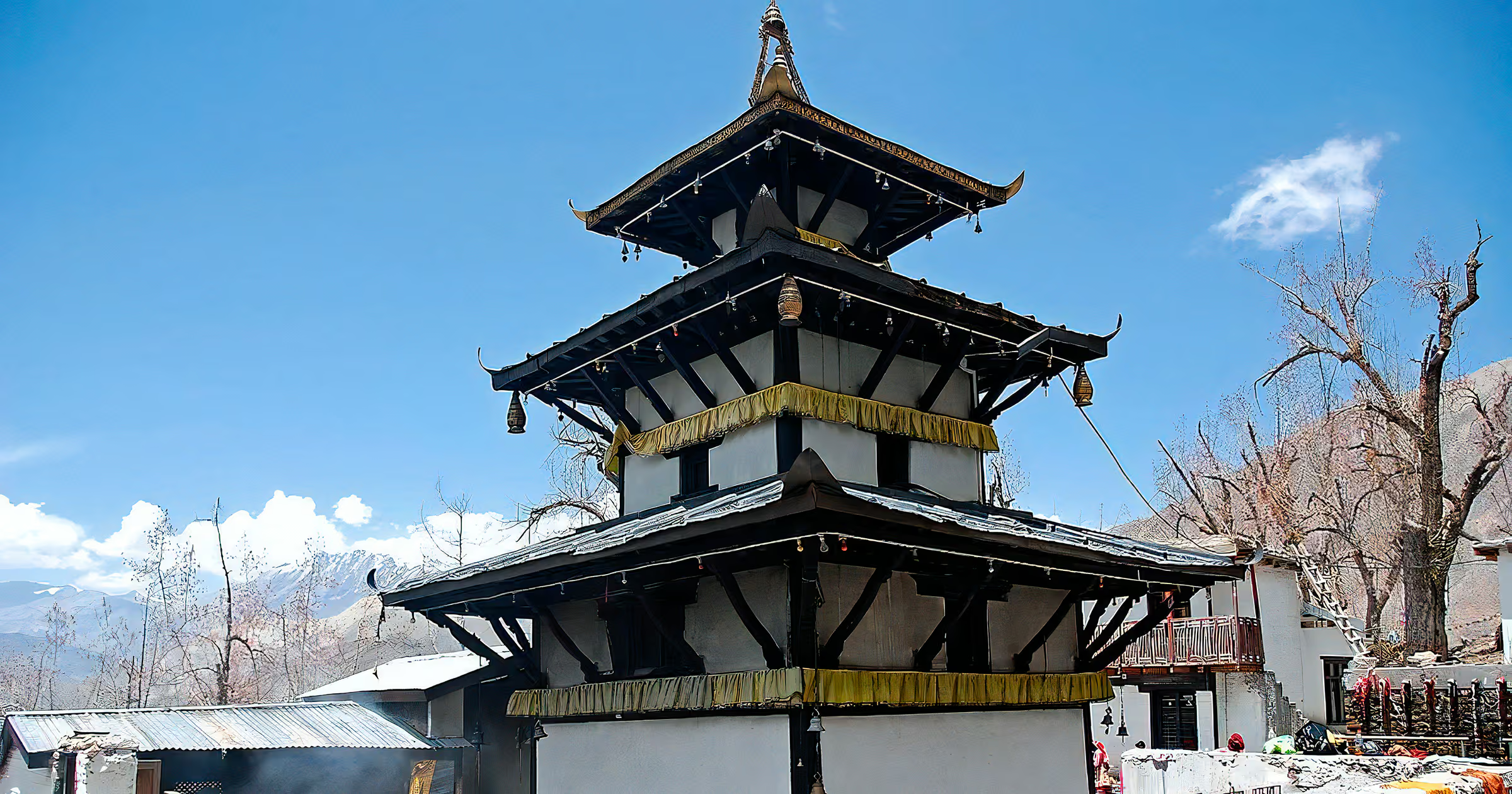
Muktinath temple is one of the most revered pilgrimage sites situated at an altitude of 3,710 meters (12,172 feet) above sea level in Mustang District of Nepal. Muktinath also known as the Muktidham Nepal stands as a powerful symbol of harmony between both Hindu and Buddhist pilgrimage.
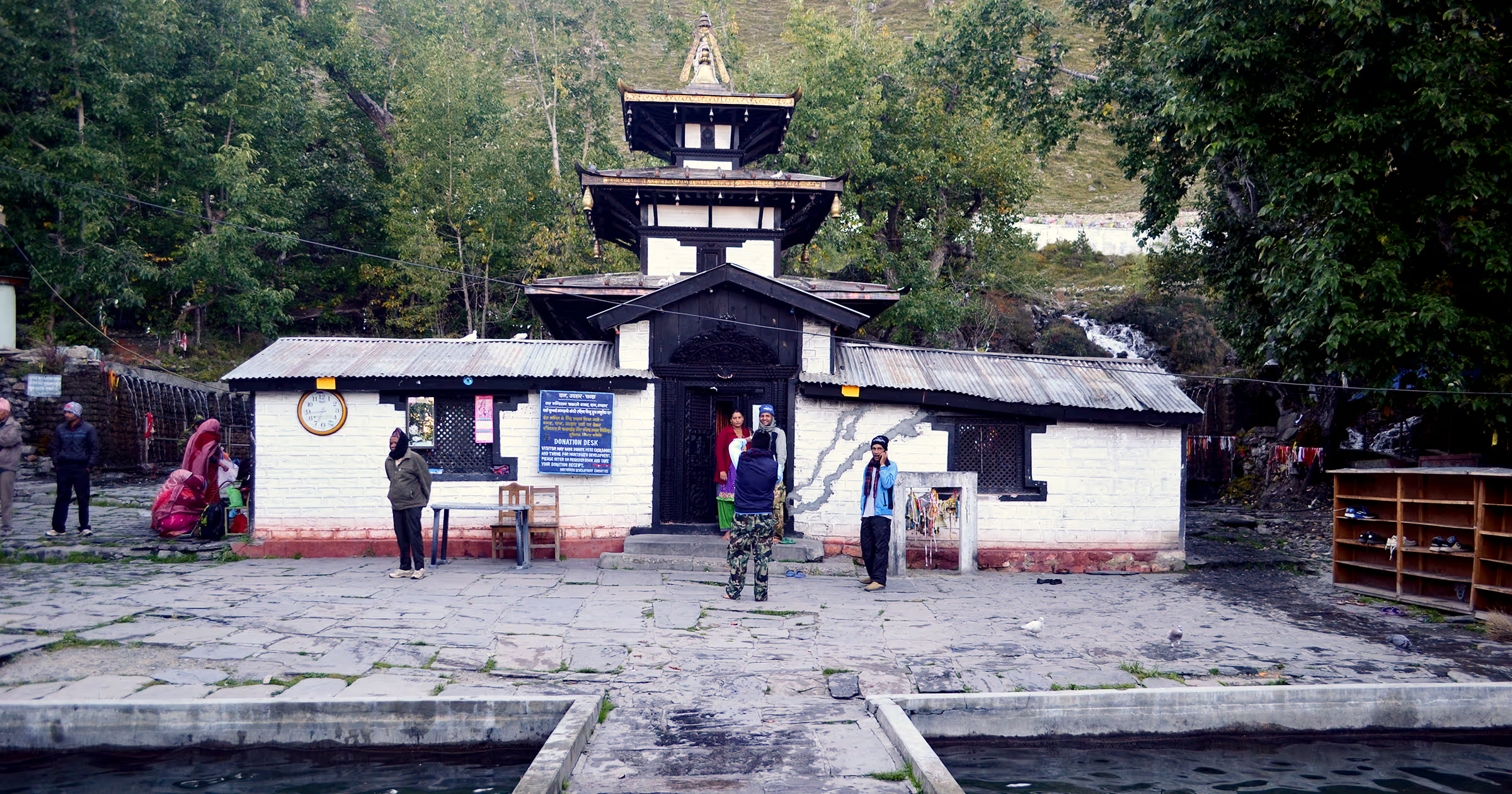
The temple is dedicated to Lord Vishnu and every year, thousands of Hindu pilgrims pay a visit to worship and take a holy bath in 108 Mukti Dharas. Hindus pilgrims also believe worshipping Lord Vishnu in Muktinath will remove all the life obstacles and will open their path to salvation.
Whereas, Buddhist pilgrims believe, Muktinath temple is associated with Guru Padmasambhava (Guru Rinpoche) and it aligns with the teaching of Lord Buddha.
What is the Muktinath Cable Car Project?
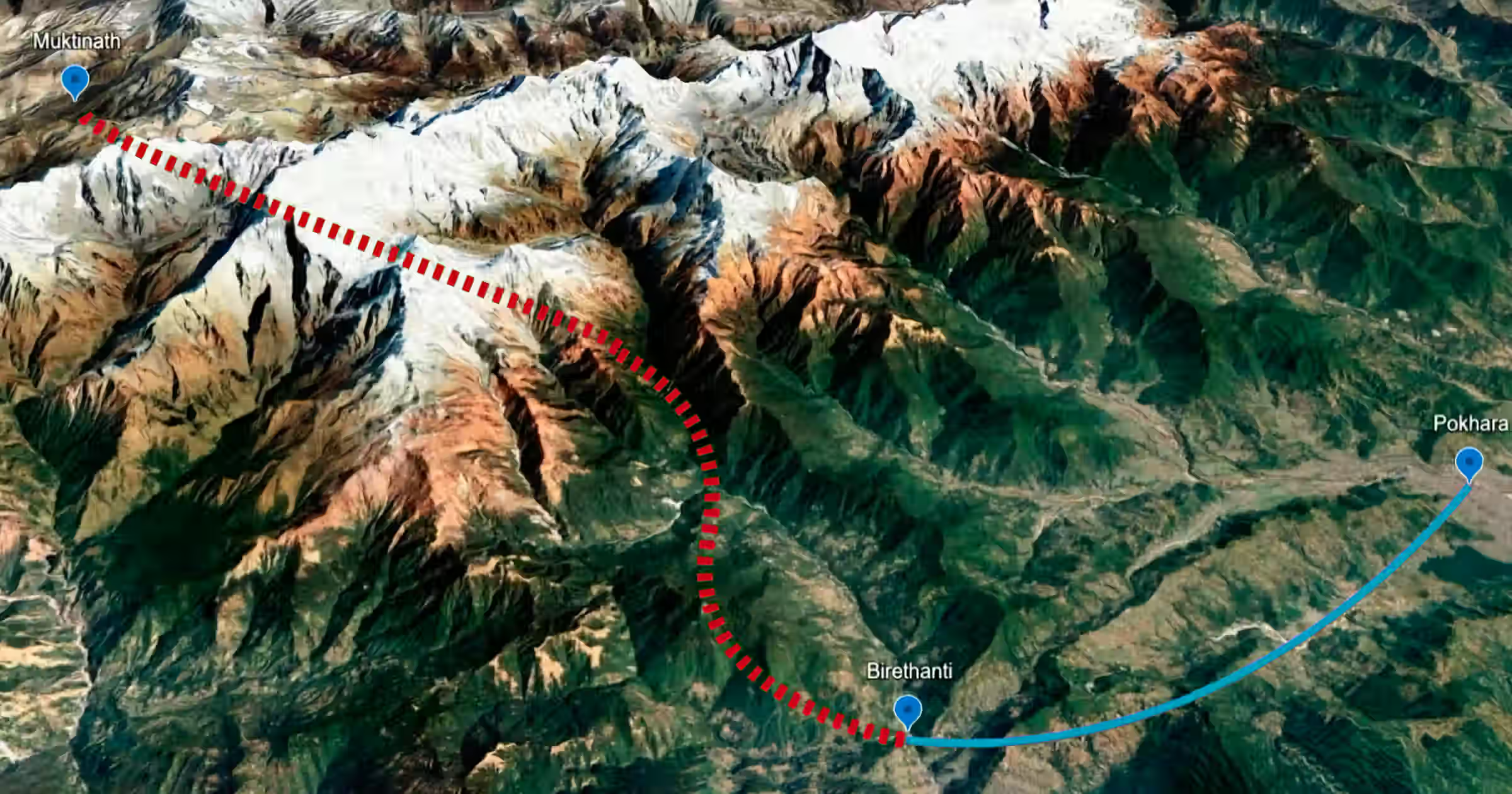
It is a proposed ropeway project which will stretch from Parbat District through Myagdi and Mustang to the sacred Muktinath Divya Desam. The proposed cable car project is expected to become one of the world’s longest cable cars as it will stretch 81.041 km.
The project is designed in such a way that it will make one of the most challenging religious journeys significantly safer and quicker alternatives to Muktinath Pilgrimage 2026.
Proposed Route of the Muktinath Cable Car
According to the report submitted by Muktinath Darshan Pvt Ltd to the Environmental Impact Assessment (EIA), Muktinath Cable car route will pass through three major districts like:
- Parbat,
- Myagdi,
- Mustang.
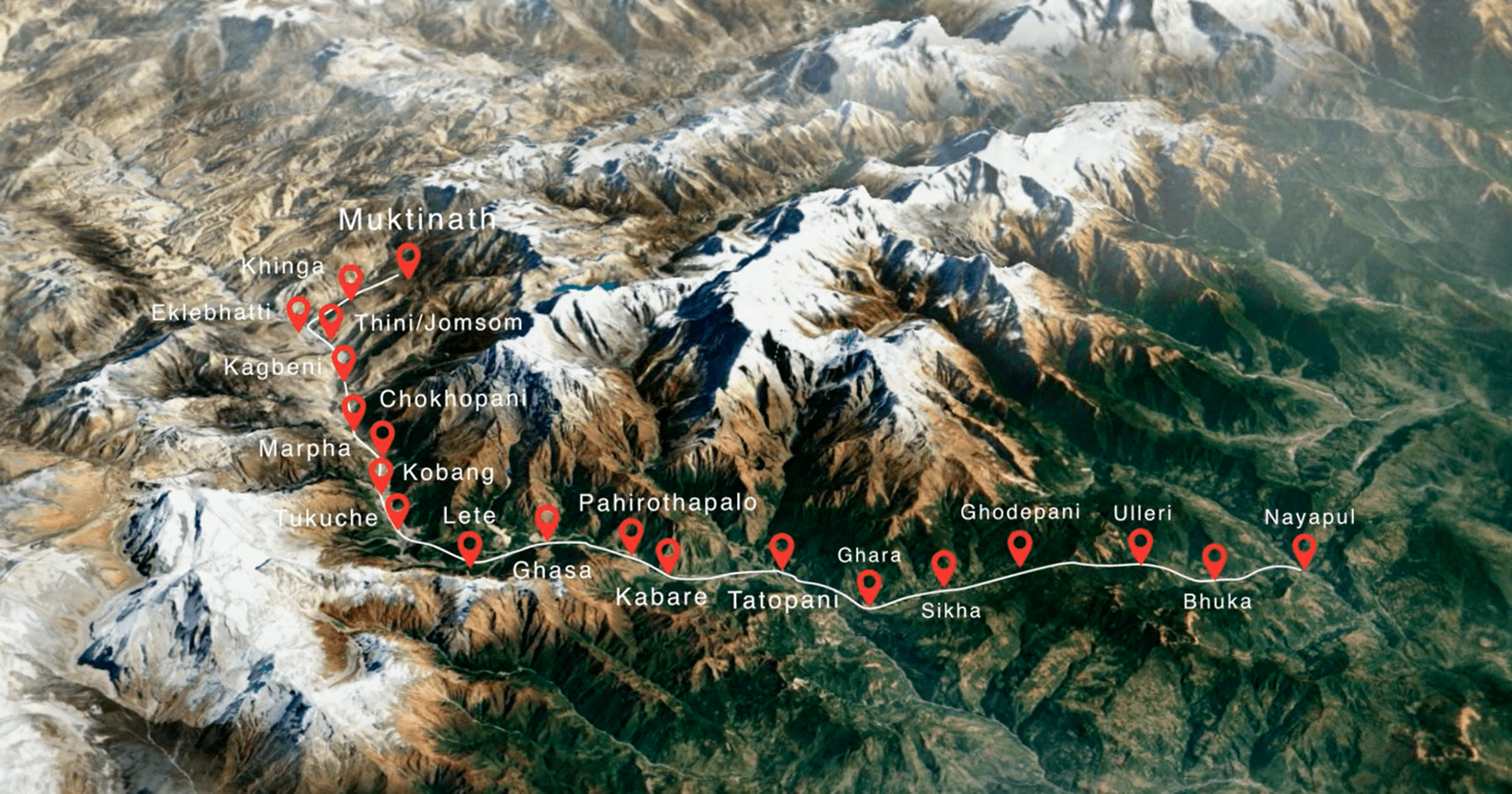
It begins near Sheraphant in Modi Rural Municipality–1 of Parbat and gradually climbs toward Ranipauwa, Muktinath. The World longest cable car project will traverse via Kali Gandaki and Modi rivers while passing through major stop points of the Annapurna circuit such as:
- Sheraphant,
- Bhukbensi,
- Ulleri,
- Ghorepani,
- Sikha,
- Ghar,
- Narchyang,
- Kabre,
- Ghassa,
- Lete,
- Kobang,
- Tukuche,
- Chokhopani,
- Marpha,
- Jomsom/Thini,
- Kagbeni and Khinga.
The project of Muktinath cable car will begin from an elevation of 1,009 meters above sea level and taking passengers to an elevation of 3,710 meters with its system that include:
- 20 gas stations throughout the route,
- 871 passenger gondolas,
- 442 towers,
- Multiple boarding and transfer stations.
The EIA states that each gondola will be spaced roughly 234 meters apart and has the capacity to carry 10 passengers at once. Likewise, the gondolas will operate at a speed of 7 meters per seconds while expecting to consume up to 13 megawatts of electricity at the time of operations.
Muktinath Cable Car Project and Budget
The Muktinath cable car project was constructed by KE and R Engineering Limited, a Hyderabad-based Indian company. The contract was signed by Shridhar Sapkota, a Manager of Muktinath Development and Guru Pravir Kallal, chairman of KE.
The 81 Km Muktinath cable car project will be the first venture of Nepal using the EPC model. According to the Muktinath EIA report 2026, the total budget is expected to cost NPR 55 billion where:
- 80 % investment will be done by KE and R engineering
- 2 % for people affected by the construction,
- 7% for the general public and
- Rest of 11 % for the founders.
The project is estimated to be completed within 4 years, and after the completion, Muktinath yatra can be completed within 3 hours and 36 minutes from Sheraphant, Parbat.
Muktinath Cable Car Stations
The proposed distance between the different station of the World longest cable cars to Muktinath temple is:
| Section | From Station | To Station | Distance |
|---|---|---|---|
| 1 | Nayapul (Sheraphant) | Bhuka | 4.03 km |
| 2 | Bhuka | Ulleri | 3.00 km |
| 3 | Ulleri | Ghorepani | 5.37 km |
| 4 | Ghorepani | Sikha | 5.96 km |
| 5 | Sikha | Ghara | 3.89 km |
| 6 | Ghara | Narchyang | 5.15 km |
| 7 | Narchyang | Kabre | 6.18 km |
| 8 | Kabre | Pahirothaplo | 1.61 km |
| 9 | Pahirothaplo | Ghasa | 3.49 km |
| 10 | Ghasa | Lete | 5.54 km |
| 11 | Lete | Kobang | 5.87 km |
| 12 | Kobang | Tukuche | 3.51 km |
| 13 | Tukuche | Chokhopani | 1.98 km |
| 14 | Chokhopani | Marpha | 4.15 km |
| 15 | Marpha | Jomsom (Thini) | 5.05 km |
| 16 | Jomsom (Thini) | Eklebhatti | 5.73 km |
| 17 | Eklebhatti | Kagbeni | ≈3.2 km |
| 18 | Kagbeni | Khinga | ≈4.1 km |
| 19 | Khinga | Muktinath (Ranipauwa) | ≈3.2 km |
Why is the Muktinath Cable Car so Important?
The Muktinath cable car project is very important as it promotes the Dhaulagiri-Annapurna region and is designated as a major tourism infrastructure investment.
Easier Pilgrimage
The Mustang Valley pilgrimage attracts thousands of Hindu and Buddhist devotees seeking blessings at Muktinath. Every year thousands of elderly pilgrims struggle with:
- Long jeep rides
- High altitude
- Dusty roads
- Unpredictable weather
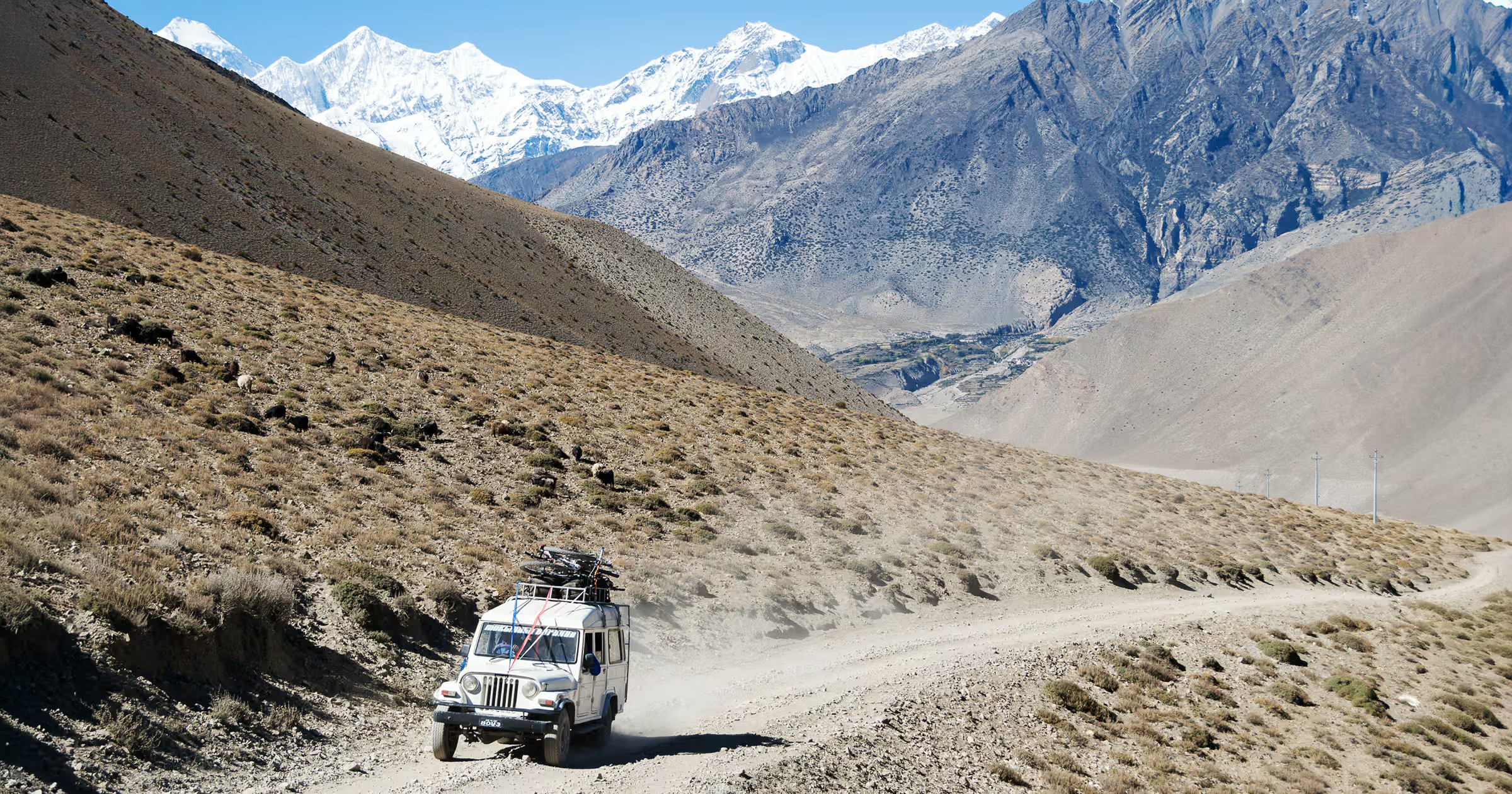
With the establishment of Muktinath Cable Car it will become more accessible for senior citizens, children, and visitors who cannot hike for multiple days. Every aged pilgrim from all around the world can have Muktinath Darshan without suffering from longer hours of bumpy road travel or traversing along difficult terrain of the Annapurna region.
Tourism Growth
With the establishment of Muktinath Cable Car, it will help boost tourism in Nepal. Muktinath Pilgrimage in 2026 has to travel a hectic road journey for multiple days just to reach the temple. With cable cars, it will not only increase domestic tourism but will attract every aged group of travelers from all around the world.
Instead of trekking for multiple days, travelers can even enjoy the beauty of Annapurna region with less effort and can invest longer stays in homestays and teahouses instead of spending in traversing routes. Also, one person can visit Muktinath more than twice a year as it shortens the visit days in near future.
The project will surely generate higher tourism revenue as those who previously avoided difficult road conditions may also find the destination more appealing.
Economic Benefits for Local Communities
The construction of Annapurna cable car in Nepal will create thousands of job opportunities for locals from construction works to flourishment of hospitality businesses like restaurants, hotels. The project will offer:
- 1,769 jobs at the time of the construction
- 439 permanent jobs during operation
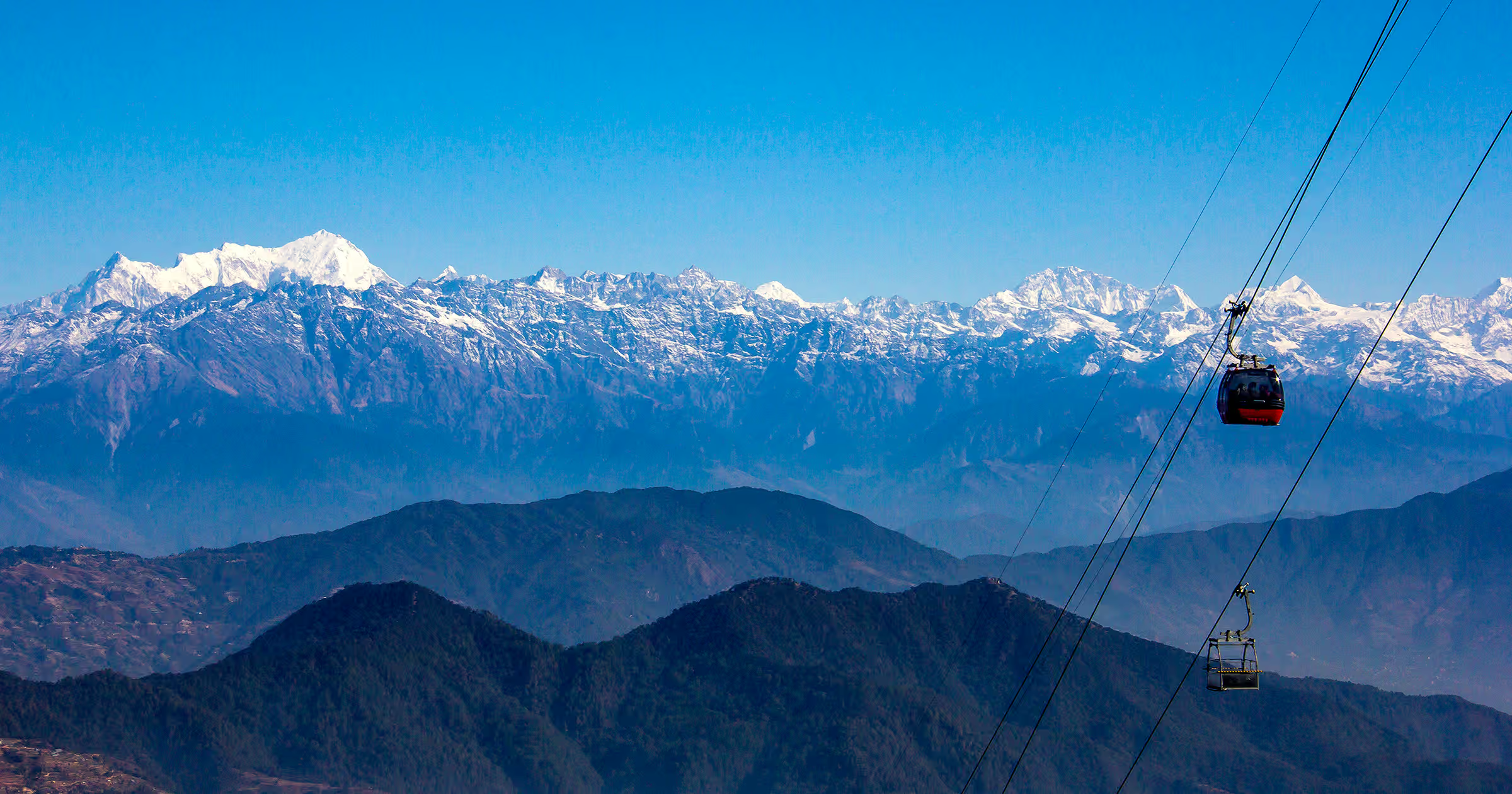
Also, locals can sell their handicraft items to foreigners in their own village instead of traveling to lower urban areas.
Agriculture and farming outcome will get market in their own land and they can earn money by selling it to other business owners. They don’t have to rely on seasonal tourism as cable cars will improve transportation.
Reliable Year Round Connectivity
As Muktinath temple is located in the Himalayan region of the Annapurna region, the only way to reach there is via roadways and trekking for multiple days. With Muktinath cable car, trekkers and travelers now can visit Muktinath without having to suffer from disrupted roadway conditions due to landslides, snowfall or heavy rainfall.
A Greener Way to Travel
By transporting hundreds of Muktinath pilgrimage in a single system, the Muktinath Cable Car has the potential to reduce road traffic, lower vehicle emissions. It also promotes more sustainable tourism in Nepal’s Himalayan region.
Impact of Muktinath Cable Car
On Environment
The Muktinath Cable Car project has also raised serious environmental concerns. As the construction will be done inside one of the most biodiverse protected regions, Annapurna Conservation Area, it will surely impact the wildlife and vegetation.
The project from Birethanti to Muktinath ropeway demands around 271.75 hectares of land which include:
- 34.314 hectares for stations
- 3.8 hectares for towers
- 233 hectares for the right-of-way corridor.
Out of this portion, around 218 hectares of Annapurna conservation area will be used and 220 hectares of land is a part of community forest zones while 72.66 hectares of barren land, and 41.34 hectares of river areas will be used.
During the construction of Birethanti to Muktinath ropeway, at least 24,500 trees will be removed which will affect the diverse wildlife and fragile mountain ecosystems of the Annapurna region.
Annapurna Conservation Area
The Annapurna Conservation Area is internationally recognized for its ecological richness and sustainable tourism model. The establishment of Muktinath cable car demands deforestation and forest clearing which causes the chances of soil erosion, landslides in the trekking trails of Annapurna conservation area.
The cable car corridor could also impact habitats used by species such as:
- Himalayan black bears,
- Musk deer,
- Pheasants,
- and numerous bird species.
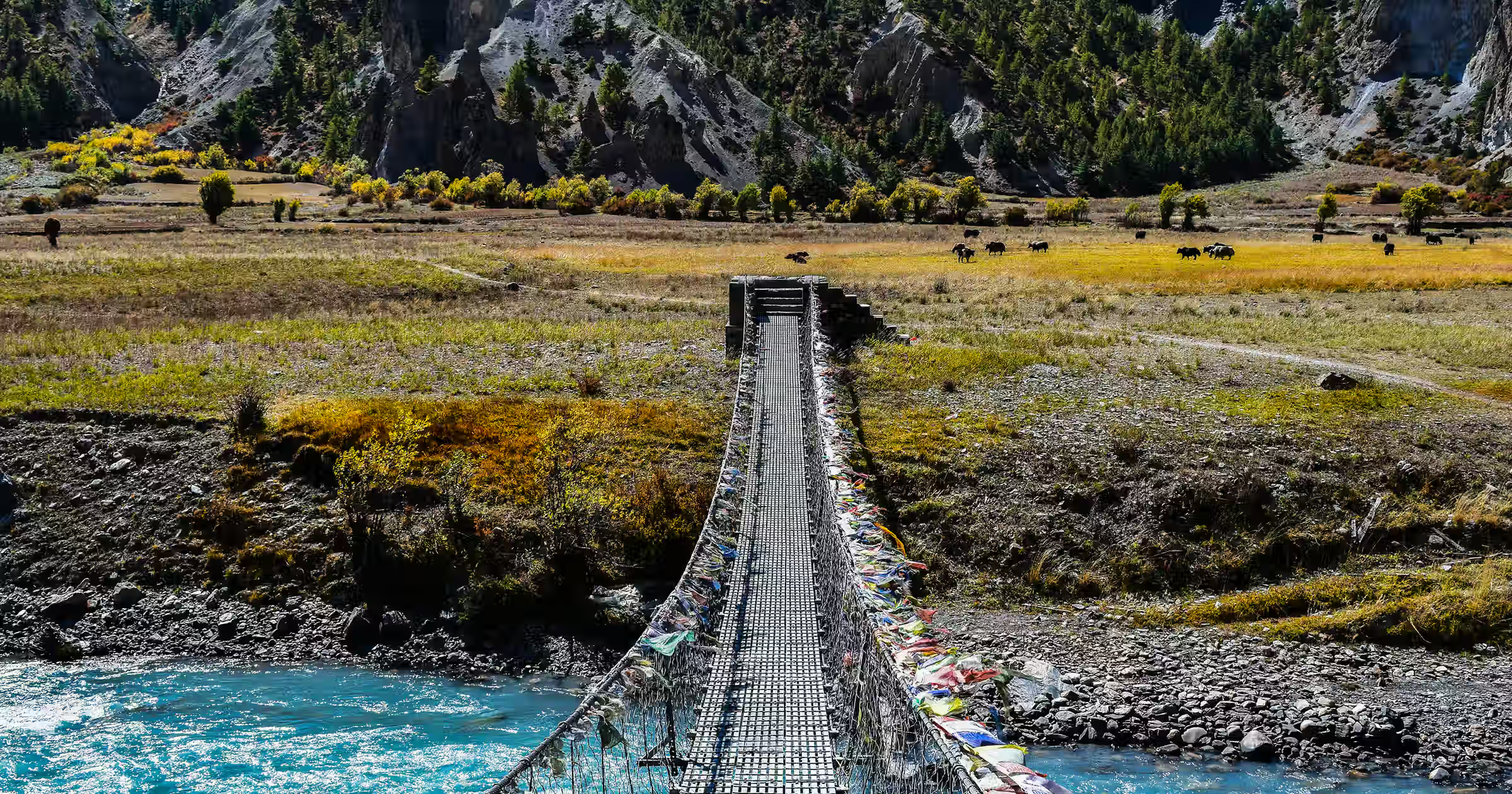
The construction of the Muktinath Cable Car could also lead to habitat loss, fragmentation of ecosystems, and increased human disturbance, posing significant threats to several endangered and vulnerable wildlife species that inhabit the Annapurna Conservation Area.
The project should also prioritize preservation of this important landscapes by:
- Proper mitigation measures,
- Continuous monitoring,
- and strict environmental regulations.
Trekking Tourism
The Annapurna Circuit and Annapurna Base Camp trails are one of most famous trekking destinations in Nepal. With the use of Muktinath Cable Car, it may reduce the number of trekkers choosing traditional hiking routes which affects the remote hospitality business such as:
- Tea houses,
- Lodges,
- Guides,
- Porters,
- Local farmers.
If many visitors bypass these trails by choosing cable cars, some mountain communities may experience reduced tourism income and local guides and porters will become jobless. Some also believe that the cable car could introduce new visitors who later choose to explore trekking routes, creating fresh tourism opportunities.
Can Sustainable Development Be Achieved?
Large infrastructure projects like establishment of Muktinath cable car in remote mountains of Annapurna regions require careful planning. If experts who are focusing on Birethanti to Muktinath ropeway focuses on initiatives like:
- Reforestation programs,
- Wildlife monitoring,
- Eco-friendly station design,
- Waste management systems,
- Renewable energy where possible,
- Community consultation,
- Fair compensation for affected households,
- Sustainable tourism policies.
If implemented responsibly, the project could become an example of balancing development with conservation.
Current Status of the Muktinath Cable Car
The establishment of Muktinath cable car, formal negotiations for the Project Development Agreement (PDA) are underway. It is also in the process of getting approval from environmentalists.
Planning to Visit Muktinath Temple in 2026?
Or Call/Message on WhatsApp +977 98434 13619
In addition to this, there has been ongoing discussion among government agencies, conservation experts, local communities, tourism stakeholders, and project developers while preparation of assessment on Environment impact has completed. The exact timeline of construction of Muktinath cable car may fluctuate which changes as per regulatory approvals, financing, environmental compliance, and public consultation outcomes.
Final Thoughts
The Muktinath cable car is one of the projects many travelers and pilgrims have been eagerly waiting for. This project is aiming to increase tourism in Annapurna region as it will shorten the multiple days of trekking and travel journey feasible within 3 hours and 36 minutes from Birethanti, Parbat.
But, the construction of this million worth project definitely impacts the wildlife, biodiversity, and overall ecosystem of the pristine landscapes. If ever, travelers chose the cable car route, locals who are depending on trekking tourism with hospitality business, and employed as porters and guides will lose their only source of income.
The project is claiming to provide job opportunities of 1,769 at the time of the construction and 439 permanent jobs during operation, this won’t even compare the level of income earned through trekking business.
Let’s hope it will not overshadow trekking tourism and attract many tourists into the Annapurna region in the upcoming years. Finally, when planning for Muktinath tour package in 2026, make sure you contact Awesome Holidays Nepal. So, that our expert team leader will help you have one of the most memorable adventure that will last till lifetime in 2026.
FAQs
Expand AllWhat is the world's longest cable car?
The Hon Thom cable car is the world’s longest cable car as of now. Completion of construction of Muktinath cable car will be the world’s longest cable car as it extends over 81.041 km.
Where is the world's longest cable car being built?
The world’s longest cable car is being built in Nepal. It will run from Seraphant of Parbat to Muktinath of Mustang.
How long is the Muktinath cable car?
Muktinath cable car extends over 81.041 km.
When will the Muktinath cable car be completed?
Once the construction of Muktinath cable car begins it will be completed within 4 and half years.
How much does the Muktinath cable car project cost?
The Muktinath cable car project is estimated to cost NPR 55 billion.
Who is building the Muktinath cable car?
Muktinath Darshan Pvt. Ltd. is building the Muktinath cable car.
How many stations will the Muktinath cable car have?
Muktinath cable car will have 20 stations.
How long will the Muktinath cable car ride take?
The Muktinath cable car ride can be completed within 3 hours and 36 minutes from Sheraphant, Parbat.
Where does the Muktinath cable car start from?
Muktinath cable car start from Sheraphant, Parbat.
How many gondolas will the Muktinath cable car have?
Muktinath cable car will have 871 passengers gondolas.
How many passengers can the Muktinath cable car carry daily?
Muktinath cable car can carry 6,000 passengers daily.
What is the speed of the Muktinath cable car?
Muktinath cable car will run with the speed of 7 meters per seconds.
Is the Muktinath cable car approved?
Yes. The Investment Board Nepal has approved the Muktinath Cable Car Project.
Will the cable car harm the Annapurna Conservation Area?
The cable car project will harm the ecosystem and wildlife of the Annapurna conservation area. Authorities should prioritize on minimization of environmental impact by using modern ropeway technology.
What is the altitude of the Muktinath cable car route?
The altitude of the Muktinath cable car route starts from an elevation of 1,009 meters and end at the altitude of 3,710 meters.
How to reach Muktinath temple in 2026?
In 2026, Muktinath pilgrimage can reach the temple by road via Pokhara and Jomsom. Or, one can also take the domestic flight to Jomsom followed by road travel, or by helicopter charter.
How far is Muktinath from Pokhara?
The distance of Muktinath from Pokhara is 170 km by road.
Is there a helicopter service to Muktinath?
Yes, helicopter service is also available to Muktinath.
Do Indians need a visa/permit for Muktinath?
No. Indian nationals do not need a visa to enter Nepal but they must have Annapurna Conservation Area Project (ACAP) permit and a Trekkers’ Information Management System (TIMS) card.
What is the altitude of Muktinath temple?
Muktinath temple is situated at an altitude of 3,710 meters (12,172 feet) above sea level.
How much does a Muktinath tour package cost from India?
Muktinath tour package cost from India depends on the type of route one choose. the cost ranges from INR 31,000 to INR 1,25,000 in 2026.
Related blog posts
Discover a choice of tourist destinations loved by most of our visitors. Whether you're on a jungle safari to spot rare animals or walking through a world heritage site, these well-planned itineraries cover the major highlights of Nepal.



 call an expert at: