
Lumbini Pilgrimage Tour 2026: Maya Devi Temple, Monasteries and Itinerary
 Sristi Adhikari
Are you in search of a transformative travel experience that combines spirituality, history, culture? Then, a Lumbini Pilgrimage Tour might be the perfect journey for you.
Lumbini, the Birthplace of Buddha Siddhartha Gautama, was also listed in the UNESCO world heritage sites in 1997. Lumbini stands as a powerful symbol of peace and spiritual awakening and a well planned Lumbini Pilgrimage tour offer you more than just one temple visit.
This sacred destination offers you a wider insight of Maya Devi Temple, Ashoka Pillar, Sacred Pond, ancient archaeological remains, while it also provides you an opportunity for quiet reflection and spiritual connection amid its peaceful and serene atmosphere.
This guide explains what to see, how to reach Lumbini, the best time to visit, what to expect from the monasteries, and how to create a practical Lumbini pilgrimage tour itinerary for 2026/2027.
Spiritual Significance of Birthplace of Buddha
Lumbini is not only a historic site but it is a spiritual experience. It is believed that Queen Maya Devi, the wife of King Suddhodana gave birth to Siddhartha Gautama more than 2500 years ago in the heart of the sacred Garden.
When Queen was heading to her father palace and on her way she bathed in the pond near garden of Lumbini, then she took a rest under a Sal tree. At that time, she got her labor and gave birth to a child who later on became a Shakyamuni Buddha, the enlightened one.
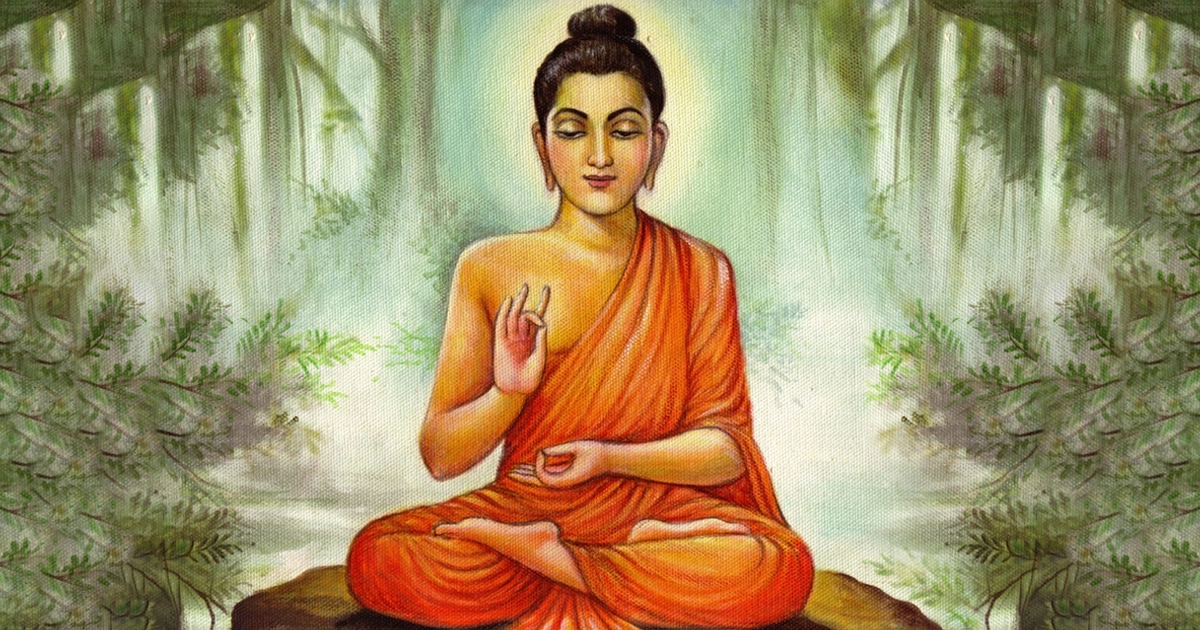
To mark the birthplace of Gautama Buddha, her helper placed a stone. At that location, Indian emperor, Ashoka erected a pillar with inscription written in Brahmi script helped to identify and authenticate Lumbini as the Buddha’s birthplace in the 3rd century BCE. The pillar is known as Ashoka pillar.
Siddhartha Gautama, founded Buddhism which is now followed by more than 500 million people. Lumbini, the birthplace of Buddha allows travelers to connect with the teachings which he shared throughout his life:
- Compassion,
- Peace,
- Mindfulness, and
- Liberation.
There are many places which provides you an serene atmosphere where you can do meditation, prayers and personal reflection such as:
- Sacred Garden,
- Maya Devi Temple,
- Sacred Pond, and
- Ashoka Pillar.
As you walk through the sacred landscape of Lumbini, you will get insight of how a prince of the Shakya clan pursued his enlightenment and now became a revered Lord, Buddha from Siddhartha Gautama. You can sit there, meditate beneath the tress, listen the chanting of monks and do circumambulate in the sacred area. These meaningful experience you will get when doing Lumbini pilgrimage tour will last with you long after your journey ends.
Must Include Attraction in Lumbini Pilgrimage Tour
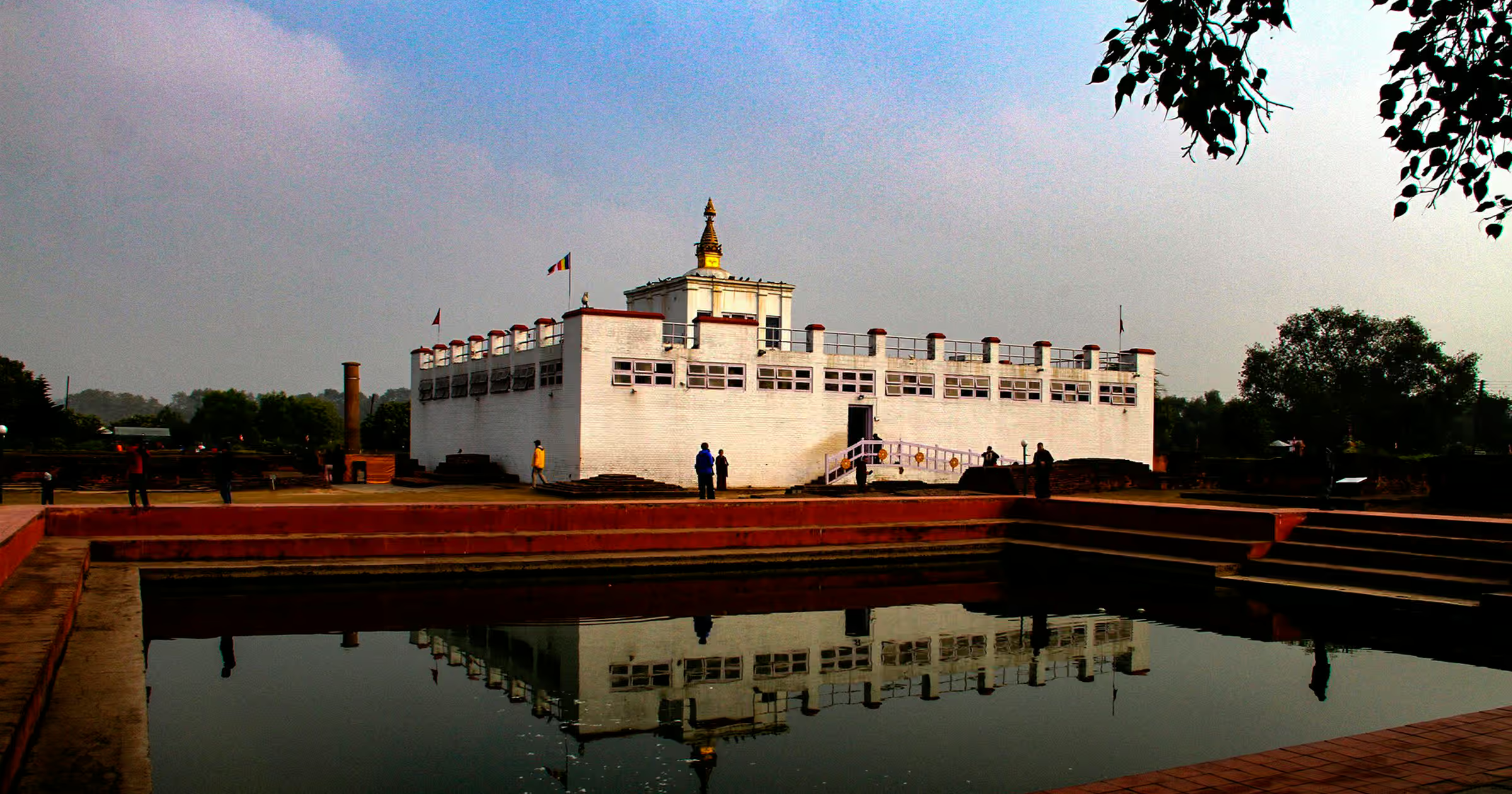
Maya Devi Temple, Lumbini: The Spiritual Center
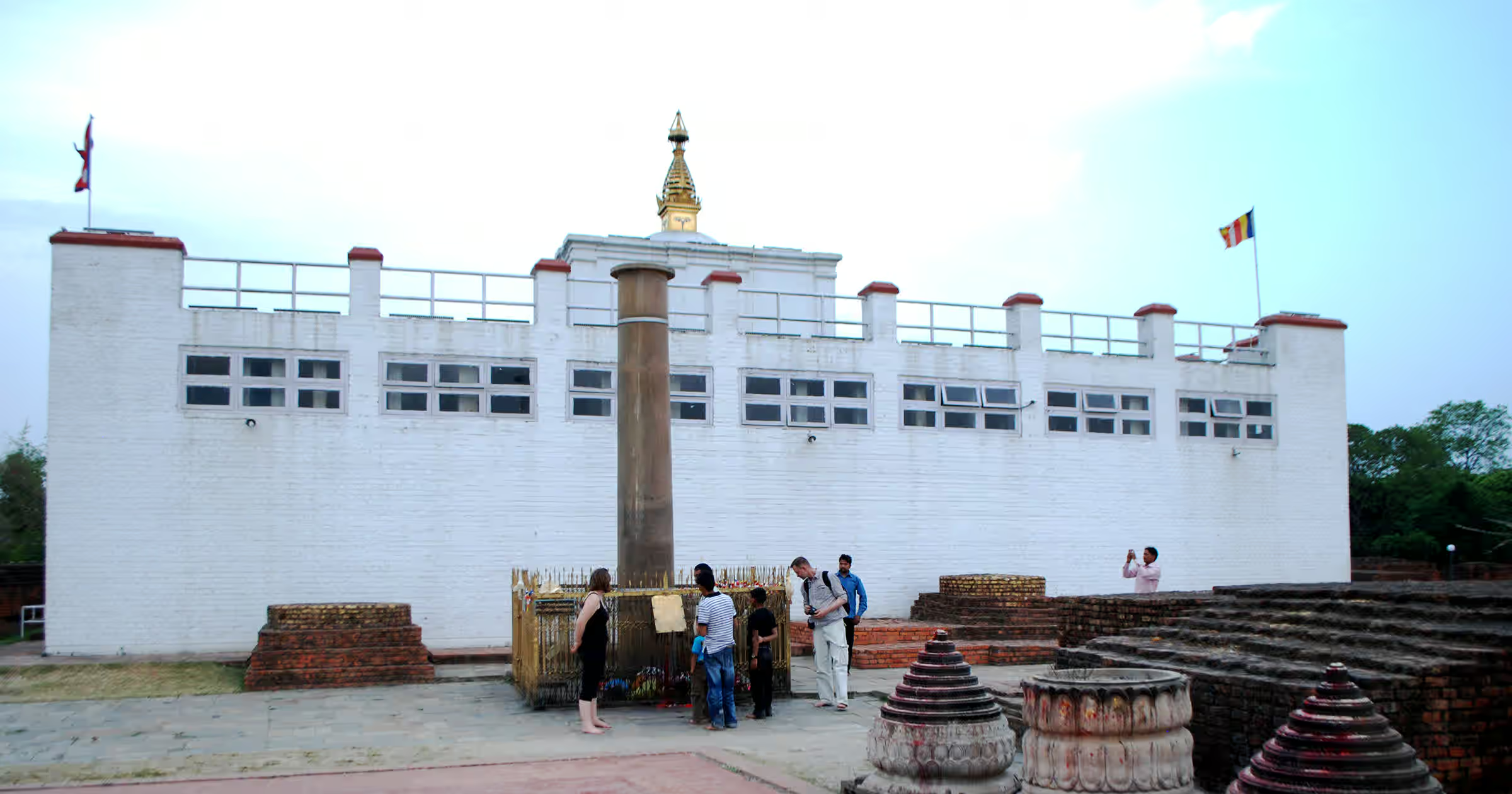
Your Lumbini pilgrimage tour is incomplete without visiting the centerpiece Maya Devi Temple, Lumbini. The temple protects the archaeological area which is marked as the exact birthplace of Buddha.
Inside, you can witness the sacred marker stone which Queen Maya Devi’s helper placed to mark Buddha’s birth along with archaeological remains which dates back to historical periods of Buddhist worship. We suggest you visit this sacred Maya Devi Temple, Lumbini early in the morning as it offers a quiet and comfortable atmosphere.
Sacred Pond and Bodhi Tree
The Mayadevi temple is surrounded by a beautiful sacred garden which is where the sacred pond is located. This sacred pond is also known as Puskarini, where Queen Mayadevi bathed before giving birth to Gautama Buddha and bathing of the infant Siddhartha was also done.
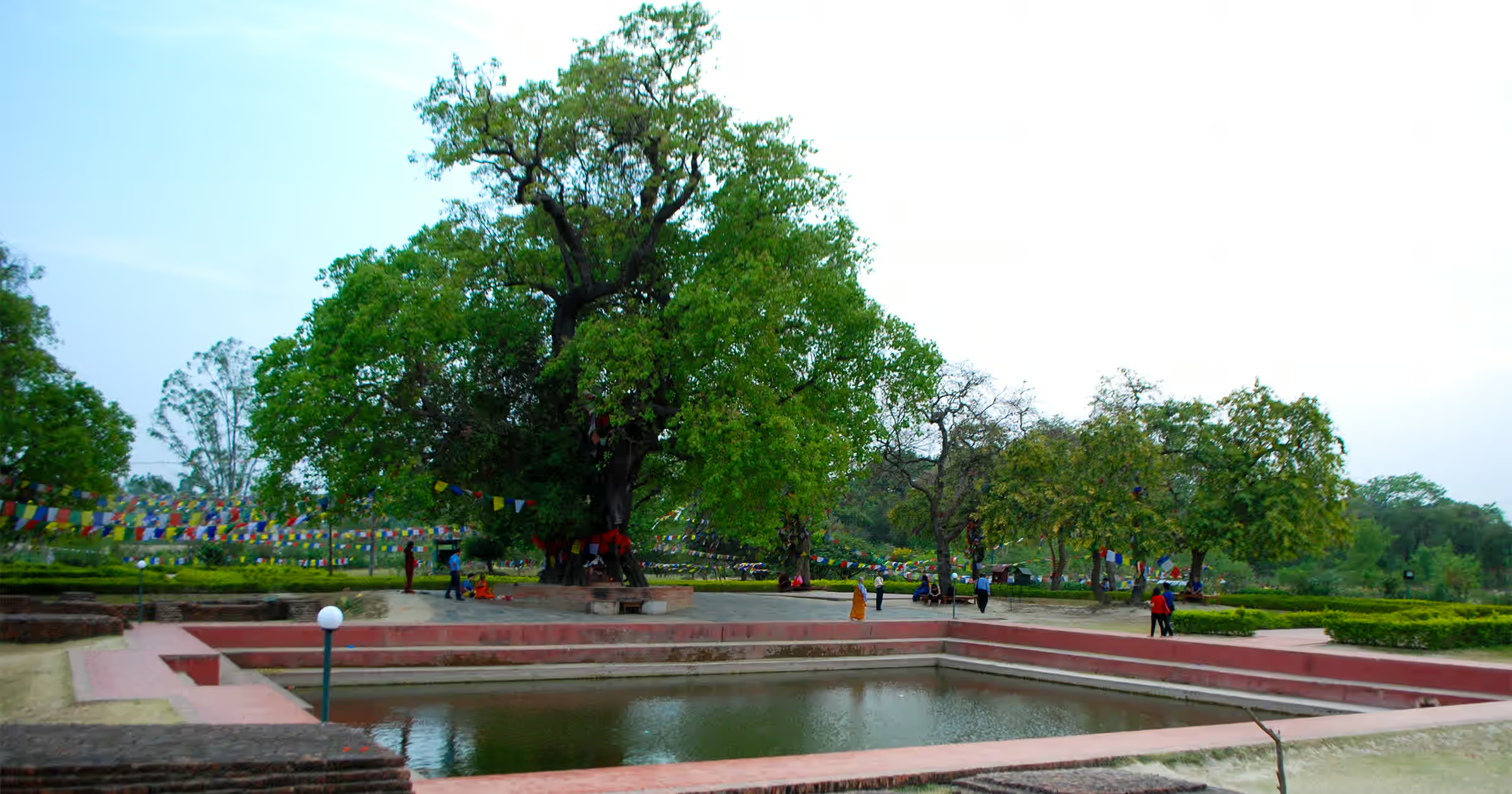
When doing the Lumbini Pilgrimage tour, we suggest you circumambulate in this brick-lined sacred pond. The holy pond filled with lotus flowers and the fluttering of prayer flags will make you witness a serene atmosphere which you will barely see in other destinations.
Bodhi tree is an impressive tree which is located just beside the scared pond. It is covered with prayer flags and is best for doing meditation in early in the morning.
Ashoka Pillar
The Ashoka Pillar stands tall at a height of 7.2 meters and is close to the Maya Devi Temple. This significant historical monument is associated with Emperor Ashoka of India. Emperor Ashoka built this pillar inscribing Brahmi text which translates as:
“Here the Exalted One was born,”
Its presence is one reason Lumbini has such importance not only for Buddhist pilgrims but also for historians and archaeologists all around Asia.
The Eternal Peace Flame
You should definitely visit the Eternal Peace Flame when doing the Lumbini pilgrimage tour in 2026. This non-stop burning flame has been flickering since 1986 and symbolizes global harmony and non violence.
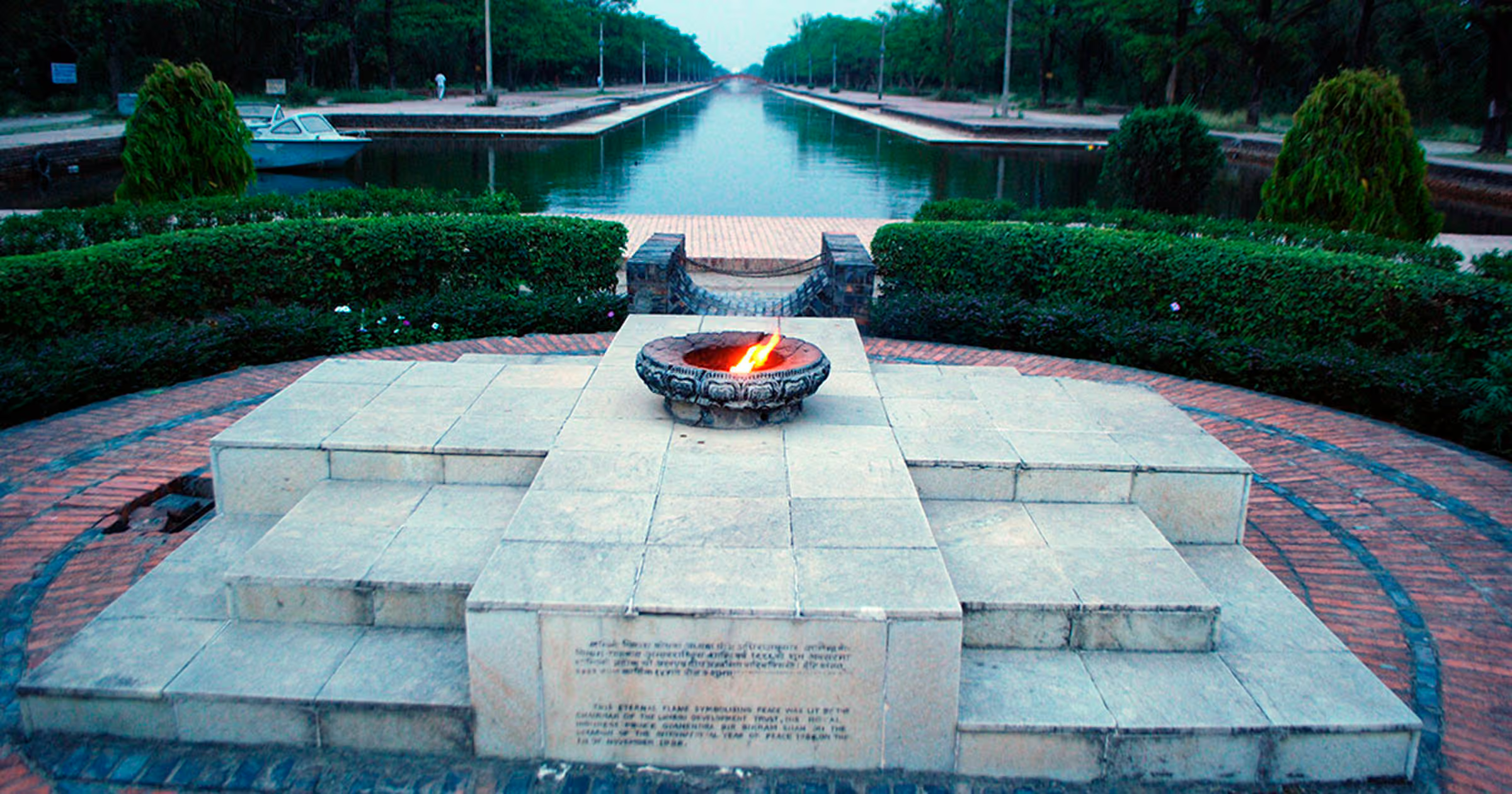
Located in the central plaza of the sacred garden, this eternal fame also reminds visitors how Gautam Buddha was devoted towards world peace, compassion, and mindfulness.
Lumbini Museum and Archaeological Heritage
If you want to learn more about the history and culture of Buddhism, make sure you include the Lumbini Museum during your Nepal visit in 2026. Here, you can get additional context about Buddhism, archaeology, historical objects, and the development of Lumbini in detailed display of key sites and pictorial presentation of Siddhartha Gautam transformation into Gautam Buddha.
World Peace Pagoda
Located in the northern hillside of Sacred Garden, World Peace Pagoda is another popular attraction of a Lumbini Pilgrimage tour. This white stupa symbolizes unity and harmony and was established by Japanese Buddhists. It offers a quiet place to pause after exploring the Garden.
Monastic Zone
The Lumbini pilgrimage tour is incomplete without exploring the monastic zone. The master planned monastic zone is differentiated into:
- Eastern (Theravāda),
- Western (Mahāyāna and Vajrayāna) sections.
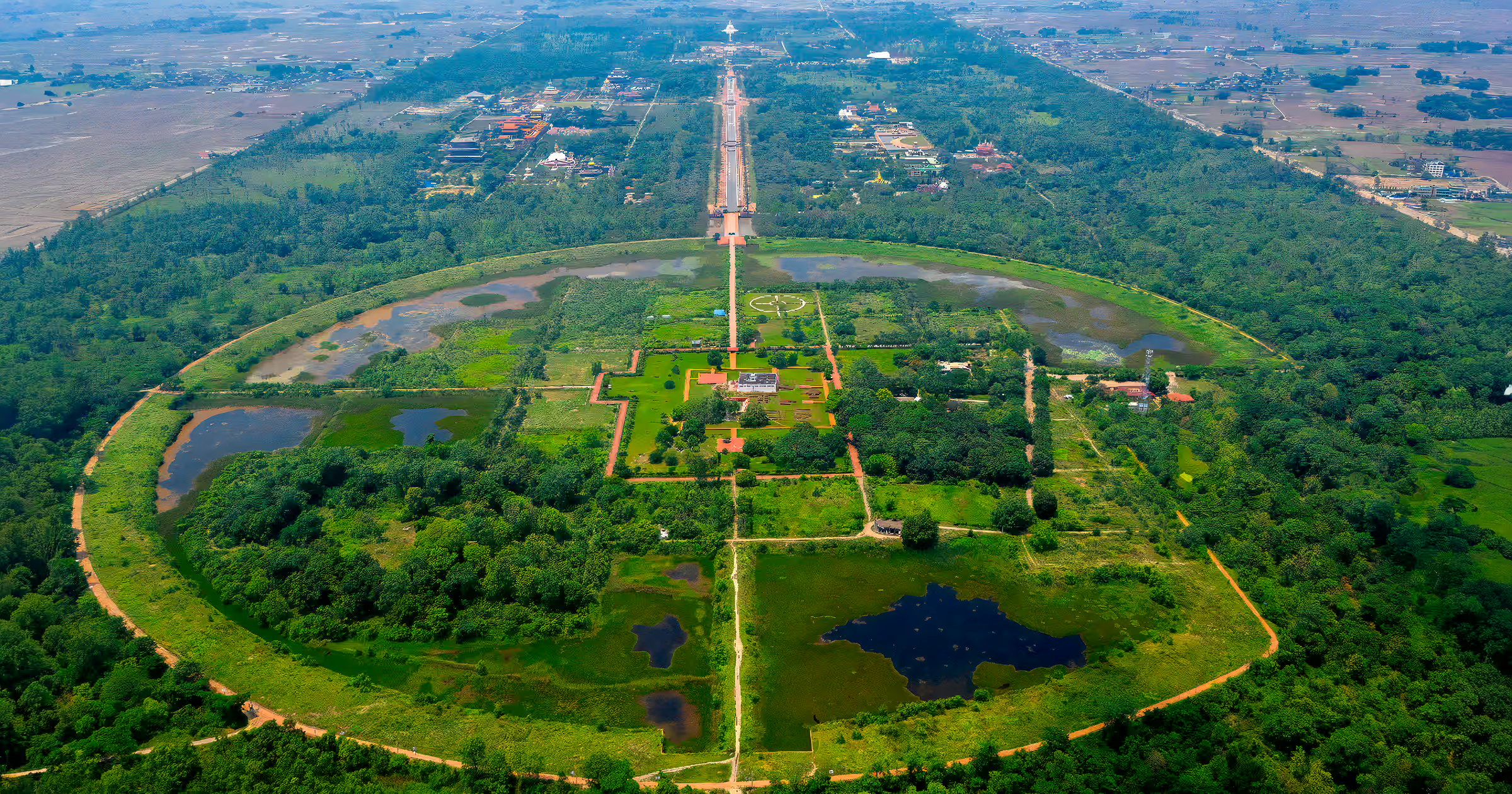
There are more than 30 monasteries which showcase the architectural styles, artistic traditions, and religious practices of Buddhist communities from different parts of worlds such as:
- Royal Thai Monastery,
- Myanmar Temple,
- Chinese Monastery,
- Korean Monastery,
- Sri Lankan Monastery,
- German Dhamma Bodhi, etc.
How to Reach Lumbini in 2026
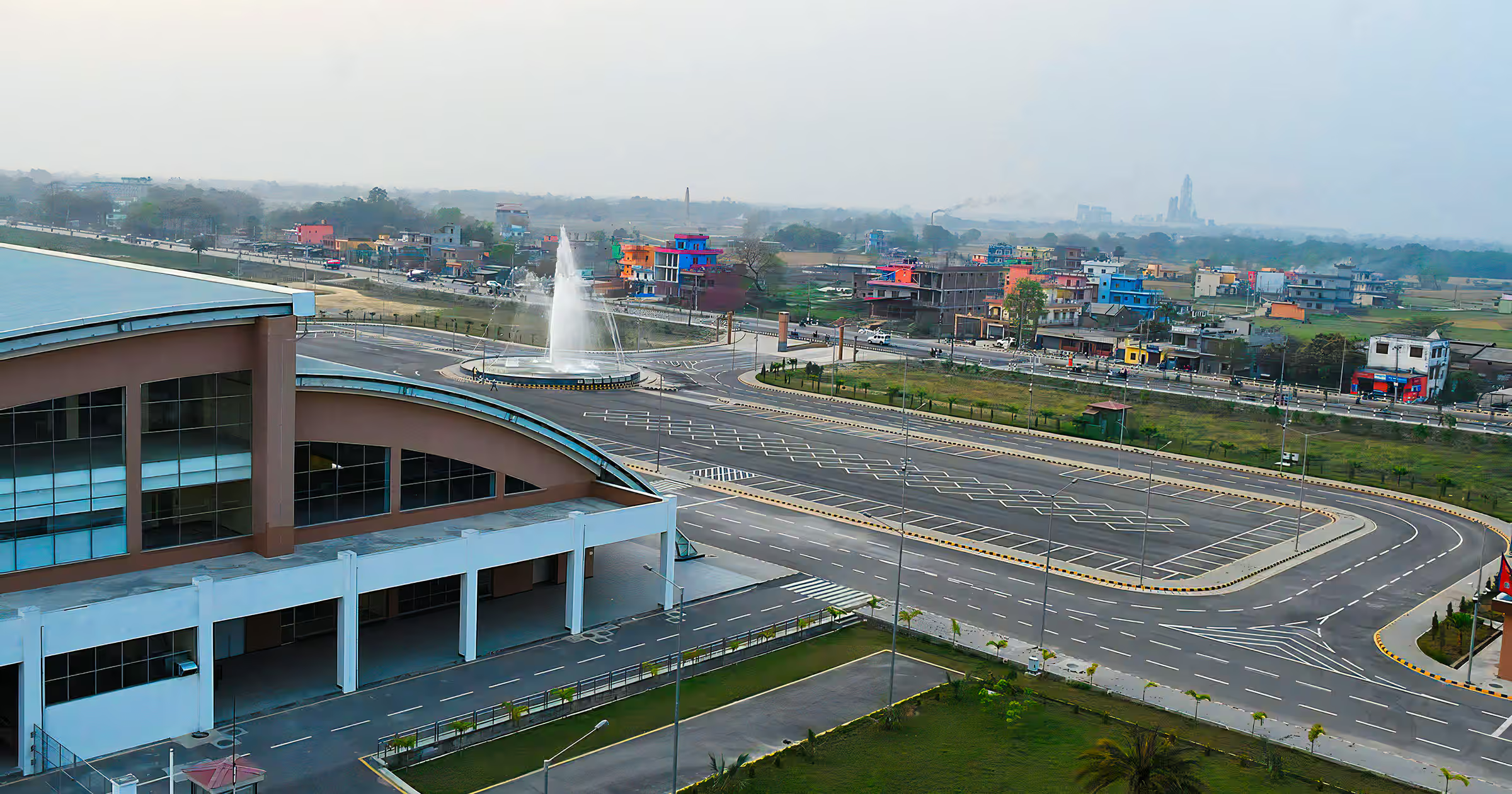
If you are planning a Lumbini Pilgrimage tour, reaching Lumbini is quite accessible in 2026. The well developed road and Gautam Buddha International Airport makes your journey to Lumbini, the birthplace of Buddha most convenient.
By Air
If you are in Kathmandu or Pokhara, you can reach Lumbini by booking a flight to Gautam Buddha International Airport (BWA). As this is an International airport, you can book a direct flight to Bhairahawa from the Middle East and neighbouring Countries.
Domestic flights from Kathmandu to Gautam Buddha International Airport in Bhairahawa usually run on a daily basis. Within 35 minutes, you will arrive at Bhairahawa from Kathmandu whereas a direct flight from Pokhara (PKR) to Bhairahawa (BWA) takes about 20 minutes.
After you land in Bhairahawa (BWA), you need to take a scenic drive to Lumbini and it is only 22 km away from the airport. If you want to feel local, make sure you use local buses or tempo services which can be found near the airport gate.
By Road
If you enjoy scenic long drives, the byroad will be best for you. You can book a private vehicle or public micro and bus from major cities like Kathmandu, Pokhara, Chitwan etc.
| Starting City | Distance to Lumbini by Road | Private Vehicle | Public Vehicle |
|---|---|---|---|
| Kathmandu | 300 to 310 km | 7 to 9 hours | 8 to 10 hours |
| Pokhara | 170 to 210 km | 5 to 7 hours | 6 to 8 hours |
| Chitwan (Bharatpur) | 130 to 150 km | 4 to 6 hours | 5 to 7 hours |
| Bhairahawa | 22 | 30 to 45 minutes | 45 to 60 minutes |
| Butwal | 35 to 40 km | 1 to 1.5 hours | 1.5 to 2 hours |
Cross-Border From India
If you live near Gorakhpur, India, you can directly visit Lumbini by crossing Sunauli Border. After crossing border, you may find both private and public bus, rickshaw, tempo options to reach Lumbini. Within an hour, you will reach Lumbini, the birthplace of Buddha. Most of the travelers use this border when they combine a Lumbini Pilgrimage tour with Bodh Gaya or Kushinagar.
Best Time to Visit Lumbini
When doing a Buddhist circuit tour in Nepal to Lumbini, make sure you plan your visit in the best season so that you can get the most out of your journey. From October to March, the weather is quite cool and dry and daytime temperature ranges from 18°C to 28°C which is best for sightseeing.
Though mornings may be foggy or filled with mist, nighttime temperature is quite pleasant and manageable. As it is a peak pilgrimage season, these sacred heritage sites are filled with high number of pilgrimage from all around the world.
From April to early June, the daytime temperature rises higher than 38° C. If you cannot tolerate heat, we suggest you avoid this season. Even though sacred garden sites have trees which offer refreshing air, you have to deal with dusty and scorching heat.
As the monsoon enters from Late June and lasts throughout September, it brings heavy rainfall. Most monastic zones close the entry to protect interior galleries.
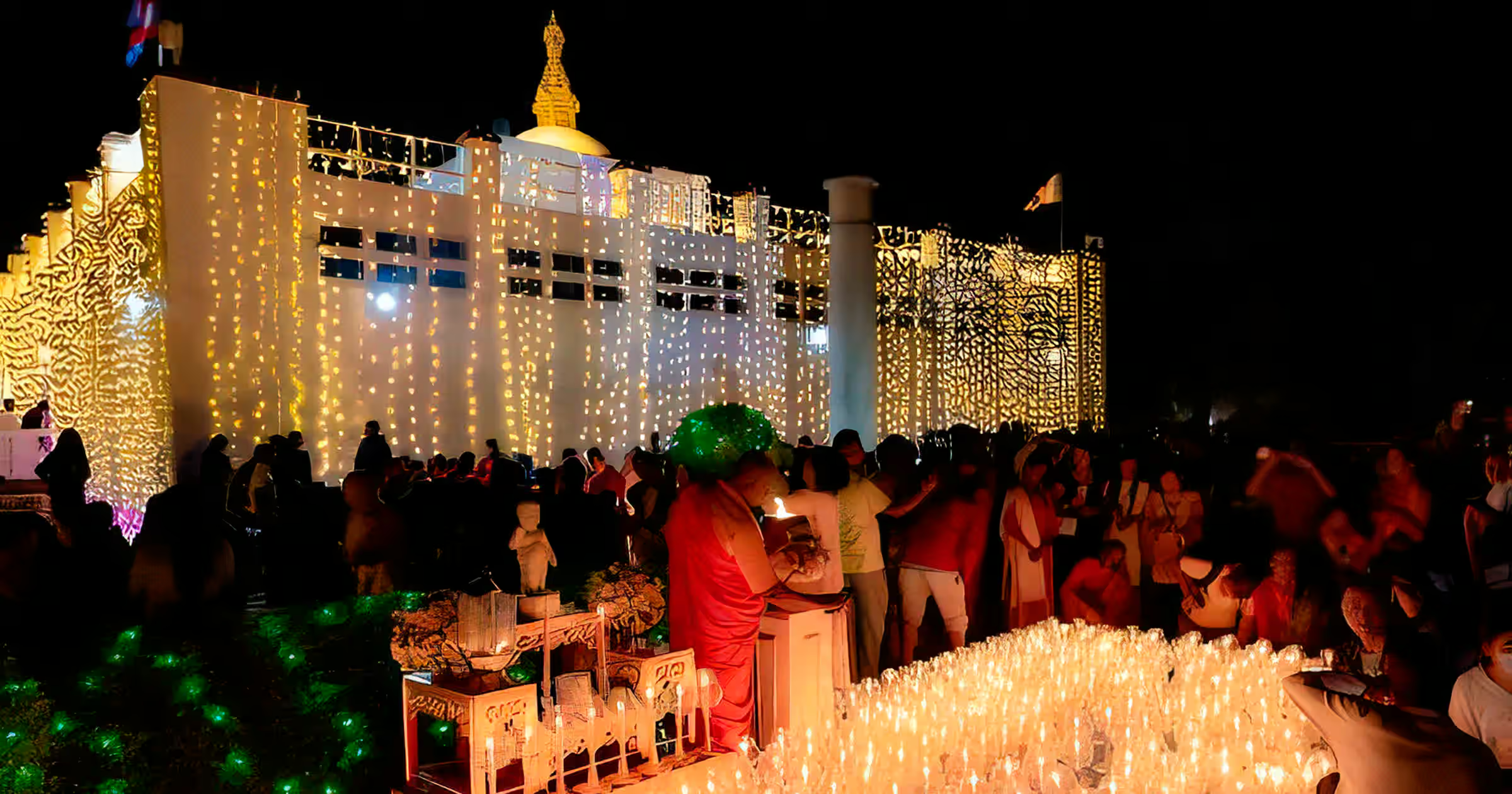
Pilgrims from all around the world visit Lumbini on the occasion of Buddha Jayanti. It usually falls in the month of April or May and depends on the lunar calendar. If you want to celebrate the festival, Buddha Jayanti in the place of his birth, make sure you book your Lumbini pilgrimage tour in April or May.
Suggested Lumbini Pilgrimage Tour Itinerary 2026
- Day 01: Arrival in Kathmandu and fly to Bhairahawa
- Day 02: Exploration of Sacred Garden and nearby attractions
- Day 03: Tour to Monastic Zone and World Peace Pagoda
- Day 04: Exploration of Tilaurakot Kapilvastu ruins
- Day 05: Return to Kathmandu
- Day 06: Final departure
Planning a Lumbini Pilgrimage Tour in 2026?
Or Call/Message on WhatsApp +977 98434 13619
Suggested Itinerary for Buddhist Circuit Tour Nepal
- Day 01: Arrival in Kathmandu and sightseeing of Hidden courtyards
- Day 02: Excursion of Buddhists Cultural Hub, Kopan Monastery and Boudhanath
- Day 03: Explore Swayambhu Mahachaitya and Vihars in Patan and Kirtipur
- Day 04: A Scenic drive to Lumbini or Fly from Kathmandu to Lumbini
- Day 05: Exploration of birthplace of Buddha, Lumbini.
- Day 06: Excursion of Tilaurakot Kapilvastu ruins
- Day 07: Drive to Pokhara
- Day 08: Explore Pokhara and drive to World Peace Pagoda
- Day 09: Drive from Pokhara to Kathmandu
Practical Tips for Your Lumbini Pilgrimage Tour
Lumbini, a Buddhist pilgrimage site, demands visitors to explore responsibly. So make your travel more sustainable by following these tips:
- Always stay in a community based homestay instead of searching for luxury ones.
- Wear modest clothing which covers the shoulders and knees.
- Bring comfortable shoes as you will be walking most of the time inside monastic zones and sacred garden areas.
- Choose eco-friendly transport options like rickshaw or electric vehicle.
- Wake up early for a quiet and serene atmosphere.
- Do not click pictures in restricted areas like inside of particular temples or sanctums.
- Carry a reusable water bottle, sun protection, and light clothing to deal with hot climate.
- Lumbini pilgrimage tour demands silence and make sure you avoid loud conversation.
- Remove shoes before entering the temple and avoid bringing or wearing leather bag and belts.
- Do not litter and keep your plastic or other waste in a waste bag and throw it in designated bins only.
- Do not judge or disrespect pilgrims when they perform according to their religious beliefs.
- If you are traveling alone, make sure you hire a local licensed guide from a government certified trekking and tour agency like Awesome Holidays Nepal.
Conclusion
When doing a Lumbini Pilgrimage tour you are not only visiting a destination but you are also having a transformative journey through spirituality, history, and Buddhist heritage at the revered Birthplace of Buddha. Every aspect of Lumbini from Maya Devi temple to peaceful monastic zone welcomes you with a open arms and timeless wisdom.
Every step you take inside a sacred sites of Lumbini offer you a inner peace and reflection on your journey. To get most out of this Lumbini tour you should also plan wisely no matter what type of travel interest you have on whether it is cultural immersion, spiritual reflection or just a historic exploration.
Make your travel to Lumbini more memorable by planning a trip with Awesome Holidays Nepal in 2026.
FAQs
Expand AllWhere was Buddha born?
Buddha, also known as Siddhartha Gautama, was born in Lumbini, Nepal.
Was Buddha born in Nepal?
Yes, Buddha was born in Nepal.
Is Buddha from Nepal or India?
Buddha was born in Nepal and is from Nepal.
Where is Lumbini located?
Lumbini is located in Rupandehi District of Lumbini Province, in southern Nepal.
Is Lumbini in Nepal or India?
Lumbini is in Nepal.
What is Lumbini famous for?
Lumbini is famous as the birthplace of Siddhartha Gautama, the historical Buddha.
What proves Buddha was born in Lumbini?
The Ashoka Pillar and its inscription, along with archaeological evidence from the Sacred Garden, provide important historical evidence that Buddha was born in Lumbini.
What are the four main Buddhist pilgrimage sites?
Lumbini, Bodh Gaya, Sarnath, and Kushinagar are four main Buddhist pilgrimage sites.
How many days are enough for Lumbini?
For deeper immersion, 2 to 4 days is enough for Lumbini.
Can Lumbini be visited in one day?
Yes, you can also visit Lumbini in one day.
What is the best time to visit Lumbini?
The best time to visit Lumbini is from October to March.
How much does a Lumbini tour cost?
A standard 3-day Lumbini tour costs between $200 and $550 USD per person. The price ranges hugely depends on accommodation, choice of your travel and group size.
What should you wear when visiting Lumbini?
You should wear modest, comfortable clothing that covers the shoulders and knees when visiting Lumbini.
What is the distance from Kathmandu to Lumbini?
Lumbini is approximately 250–260 km from Kathmandu by road.
Is there a flight from Kathmandu to Lumbini?
Yes. You can reach Lumbini by taking a scenic flights to Gautam Buddha International Airport from Kathmandu.
How do you reach Lumbini from Pokhara?
You can reach Lumbini from Pokhara by road and flights.
What is the distance from Pokhara to Lumbini?
Lumbini is approximately 170 to 210 km from Pokhara by road.
Can Indian citizens visit Lumbini without a passport?
Yes, Indian citizens can generally enter Nepal without a passport.
What is the Lumbini entrance fee?
Lumbini entrance fee for foreigner is NPR 700 while SAARC nationals need to pay NPR 400 and Indian nationals need to pay NPR 80. It only cost NPR 20 for Nepali citizens.
What are the Lumbini opening hours?
From 6 AM to 6PM, Lumbini remains opens.
Can non-Buddhists visit Lumbini?
Yes, non-Buddhists can visit Lumbini.
Related blog posts
Discover a choice of tourist destinations loved by most of our visitors. Whether you're on a jungle safari to spot rare animals or walking through a world heritage site, these well-planned itineraries cover the major highlights of Nepal.


 call an expert at: