
Kapuche Lake Trek: 2-Day Itinerary from Pokhara (2026)
 Sristi Adhikari
Are you in search of a peaceful and low-altitude Himalayan adventure which can be completed in a short period of time? Then, Kapuche Lake trek is ideal for you.
This hidden gem combines a scenic drive, peaceful Gurung villages, terraced fields, forest trails, mountain landscapes, and a striking high-Himalayan glacier lake, Kapuche. Those who have a limited period of time, no matter whether you are a beginner and experienced trekker, should do this 2-day Kapuche Lake trek.
From Pokhara, you will head on a fast-paced way to reach the lake, spend a night in the remote Hugu Goth area, and return to Pokhara without having to spend weeks on the trails of Annapurna region. This short Himalayan journey not only takes you to the lowest glaciers lake of Nepal but will also teach you gratitude while rewarding you with a clear view of Annapurna and Lamjung ranges.
Lets dive into our detailed blog of an appealing short adventure to Kapuche Lake trek.
Facts
- Name: Kapuche Lake Trek
- Location: Annapurna, Kaski, Nepal
- Trailhead: Sikles
- Maximum Elevation: 2450 Meters/ 8038 feet
- Duration: 2-Day
- Trek Difficulty: Easy
- Accommodation: Teahouses and Lodge
- Best Seasons: Spring and autumn
- Suitable For: Beginners, families, short-time trekkers,etc.
Where is Kapuche Lake?
Kapuche Lake, also known as Kapuche Glacier Lake or Kahphuche Lake, sits in the northeastern part of the Sikles area of Kaski district, Nepal. It is located at an elevation of 2,450 meters above sea level which makes it one of the lowest-altitude glacier lakes in the world.
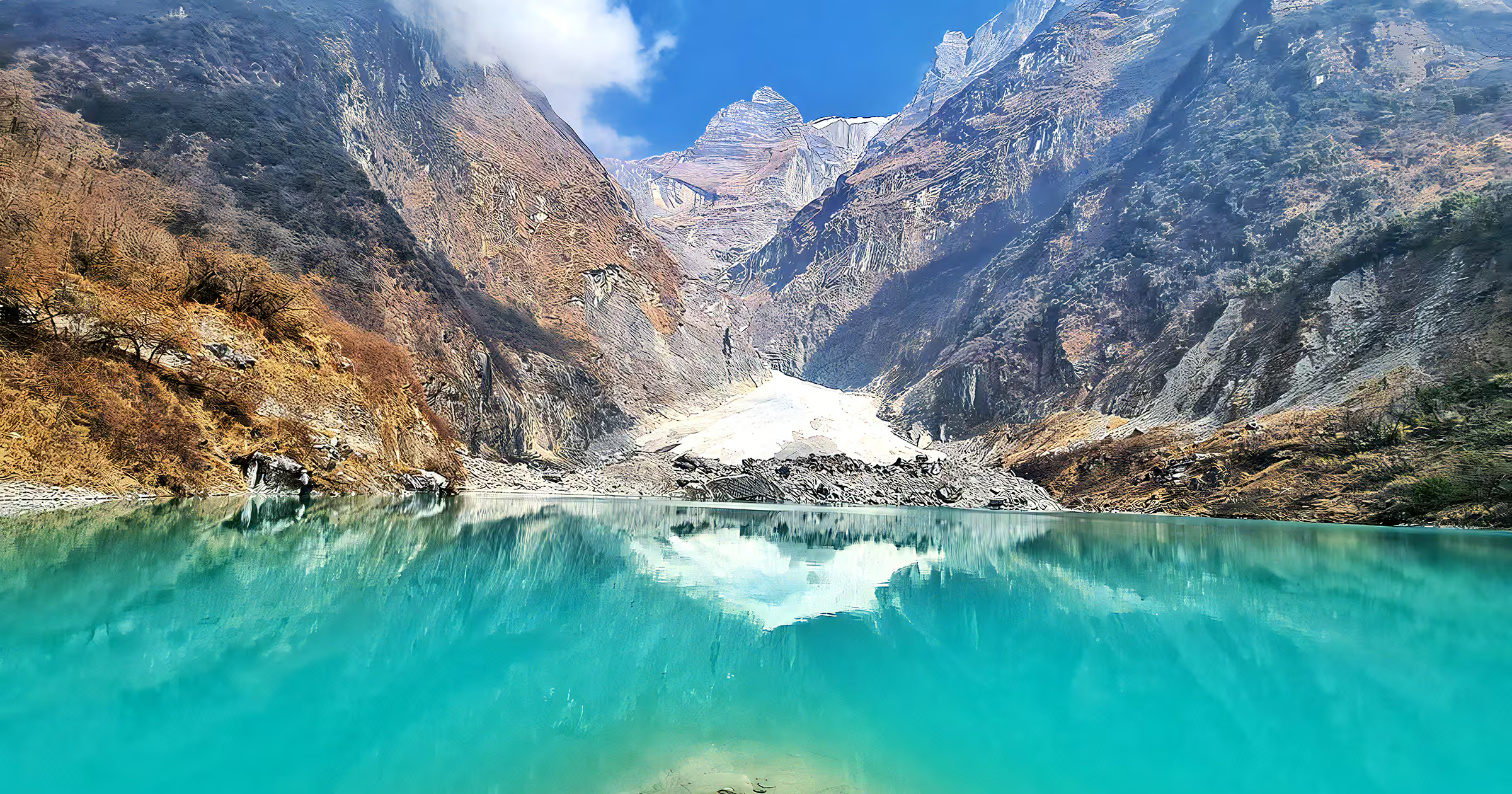
The lake is located at approximately 28.446° N latitude and 84.116° E longitude. This hidden gem of Annapurna region is surrounded by some of the spectacular cliffs and alpine pastures.
The Kahphuche Lake or Virgin Ice Lake stretches over an area of 100,440.74 sq m (~0.1 sq km) and has a depth of 31.91 m.
Formation of Kapuche Lake
In local Gurung language, “Kapuche” refers to “Ka” as snow or ice, “Pu” means breaking down and sliding, and “Che” means landing on a flat surface of land. The name tells the direct story of its formation, fallen ice that settled into the valley forming the glacial lake.
Kapuche lake was formed by repeated straight descents of ice and snow avalanche from the Annapurna II Glacier towards the valley. Over the period of time, debris started to accumulate and stopped the drainage and allowed accumulation of water.
This resulted in the formation of Kapuche lake even at low elevation.
Why Choose the 2-Day Kapuche Lake Trek?
The short trek takes you to the world’s lowest himalayan glacial lake via traversing across Sikles village, dense forest, side by side with Madi Khola. You should choose these short glacial lake trek in Nepal due to following reasons:
Explore Nepal’s Lowest Glacier Lake
The main reason why this trail exists is Kapuche Lake. Once you bypass Hugu, you will get to witness the view of Kapuche Glacier lake waiting for you.
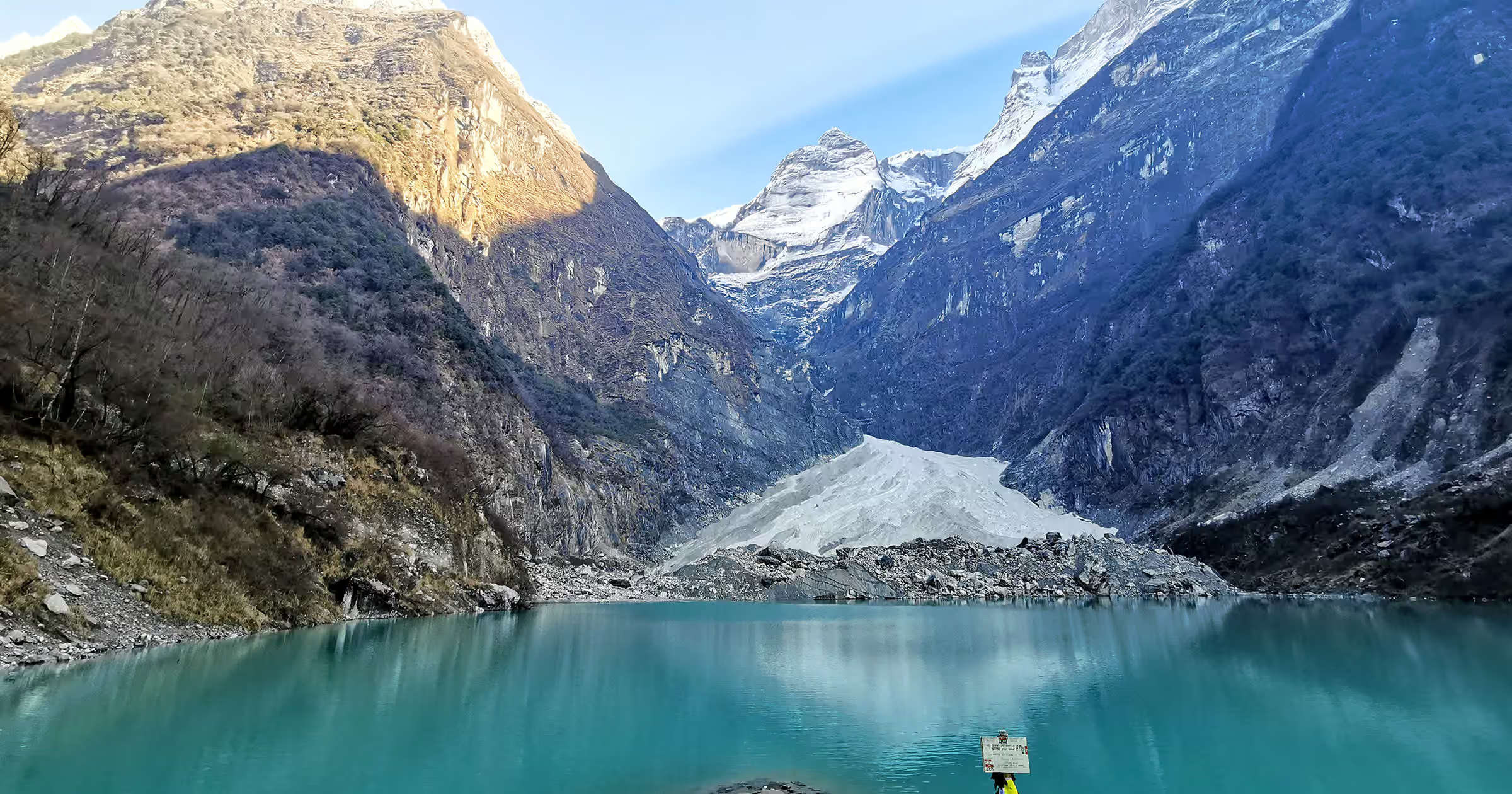
The lake is quite small and has an area of 100,440.74 sq m (~0.1 sq km) and has a depth of 31.91 m. Kapuche lake is turquoise-grey in colour and lies directly beneath the white steep wall of Annapurna II glaciers.
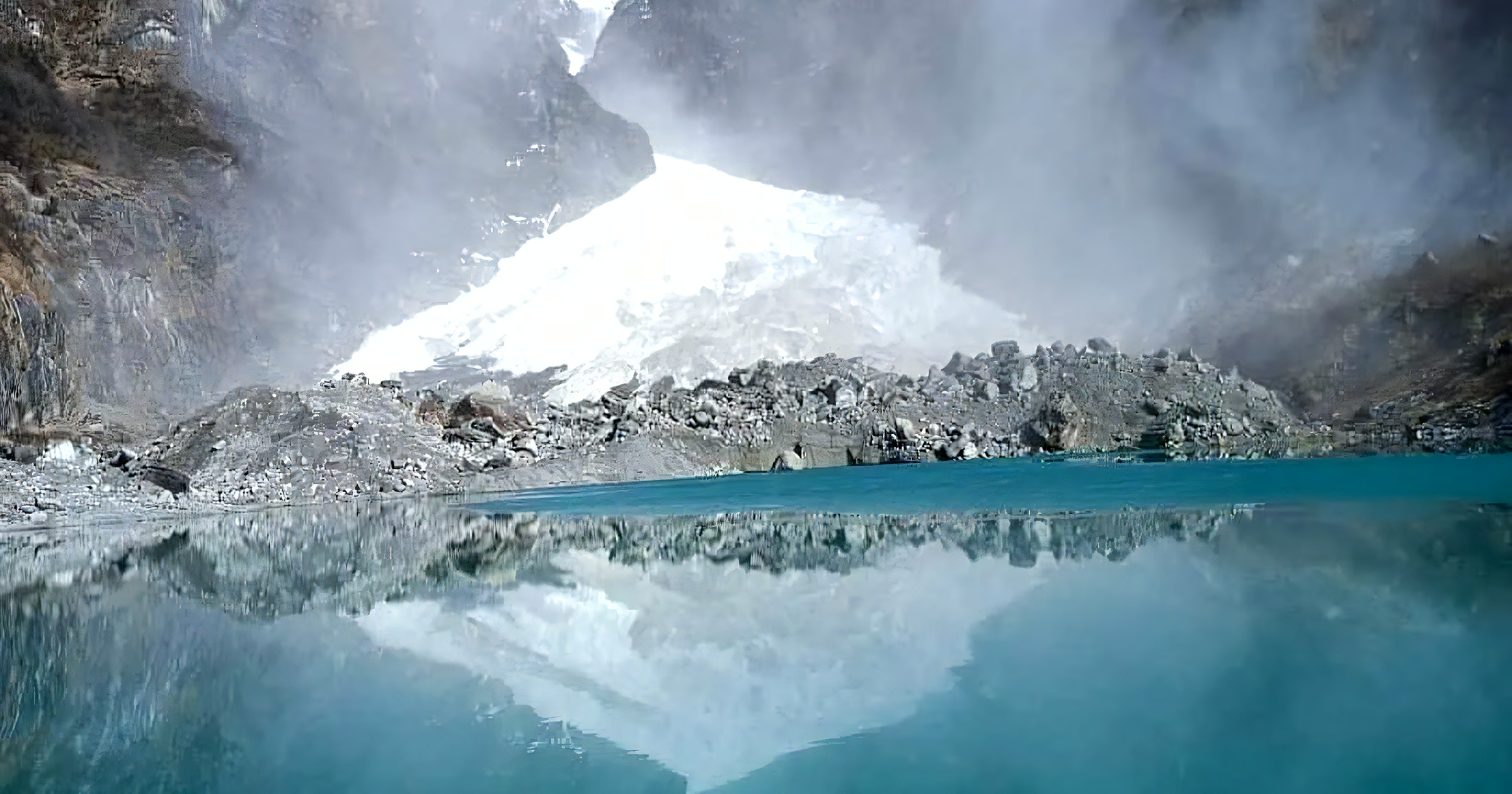
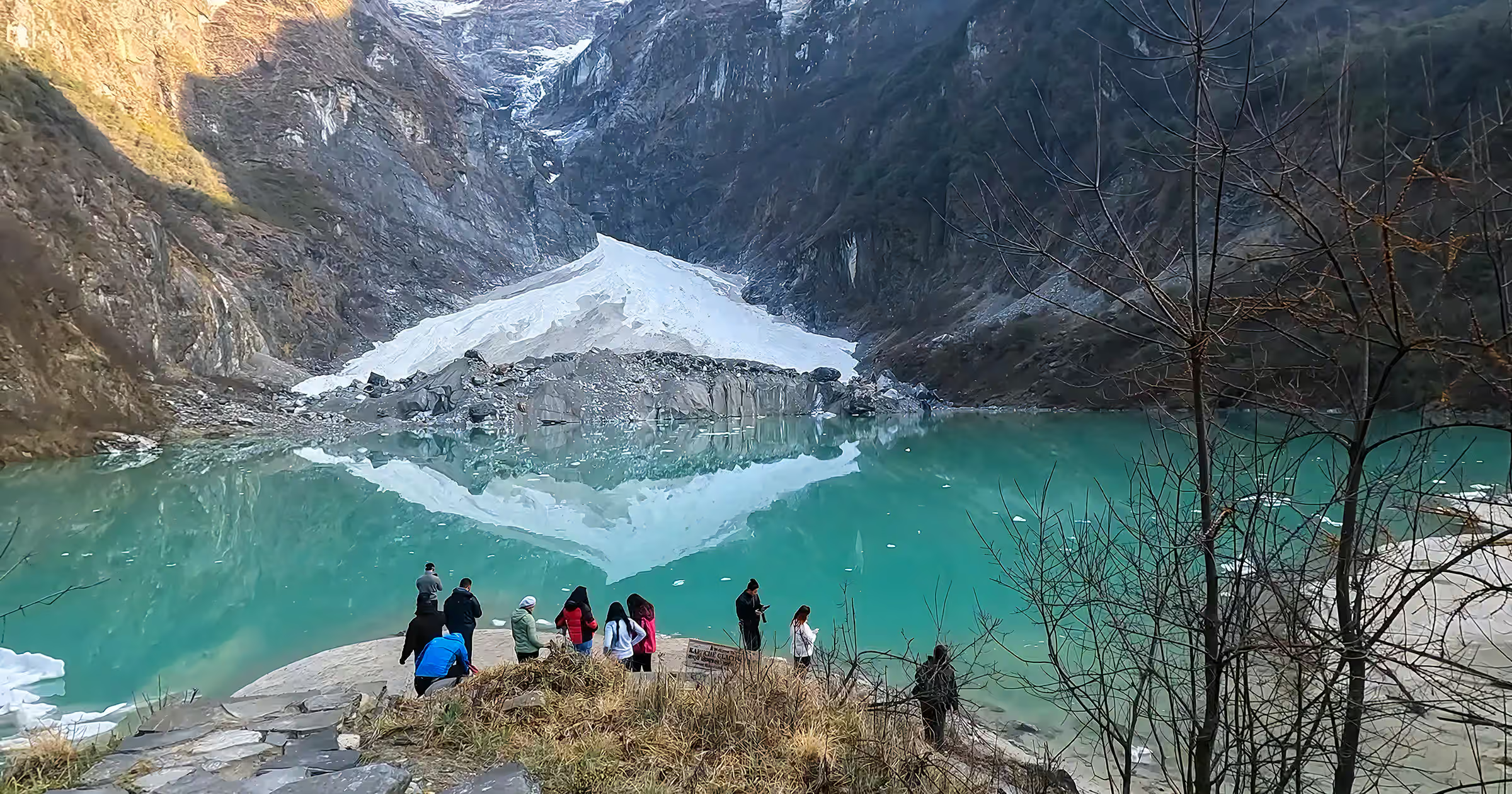
We suggest you stay overnight in Hugu Goth and visit the lake early in the morning so that you can witness the reflection of glaciers on the surface. Within a minute the weather fluctuates and you will then realise why it demands early visit.
You cannot swim but you can walk at the shore, touch water, and enjoy the beauty of the lake until the weather supports you.
Spectacular Himalayan Views
As you will be traversing inside the Annapurna region, Sikles Kapuche lake Trek reward you with the views of snow-capped mountain peaks:
- Annapurna II (7937 meters /26,040 feet)
- Annapurna IV (7525 meters /24,688 feet)
- Lamjung Himal (6983 meters /22,910 feet)
- Machhapuchhre (6993 meters /22,943 feet)
Cultural Immersion in Sikles Village
Sikles is one of the oldest and largest Gurung villages in Nepal. This beautiful Gurung village is situated at an elevation of 1980 meters from sea level and is around 36 km northeast of Pokhara.
You will also encounter other ethnic settlements like Dalit Basti, Gairithar, Kuithar, and Thaprang Thar. There are around 300 households and around 2500 residents in this village.
You will get the opportunity to be a part of well-preserved Gurung culture, tradition, festival, custom, languages, daily rituals, and ceremonies. When exploring Sikles village in the spring season, you can even participate in the Ghatu festival and learn a few steps of traditional Ghatu dance.
Encounter Diverse Wildlife
As Kapuche Lake lies inside the Annapurna conservation area. During your trekking days, you will get to witness diverse biodiversity and can encounter rare species like:
- Himalayan tahr
- Langurs
- Clouded Leopard,
- Leopard,
- Himalayan Serow,
- Muntjac
- Himalayan Musk Deer
- Red Panda
- Bird species like Danphe (Himalayan Monal), Satyr Tragopan and various pheasant species
Edi (Gamley) Waterfall
As you trek from Sikles towards Hugu Goth, the trail rewards you with the refreshing sight and soothing sound of Edi Waterfall. It creates a peaceful natural soundtrack along the route and we suggest our trekkers take a moment to pause, enjoy the cool mist, and capture photographs before continuing through the forested trail toward Hugu Goth.
2-Day Kapuche Lake Trek Itinerary from Pokhara
Those who have a limited amount of time and are in Pokhara, you can easily complete the Kapuche Lake trek in 2 days. Our Kapuche Lake trek itinerary for 2-day is mentioned below.
- Day 1: Pokhara to Sikles and Trek to Hugu Goth
- Day 2: Hugu Goth to Kapuche Lake, Return to Sikles and Drive to Pokhara
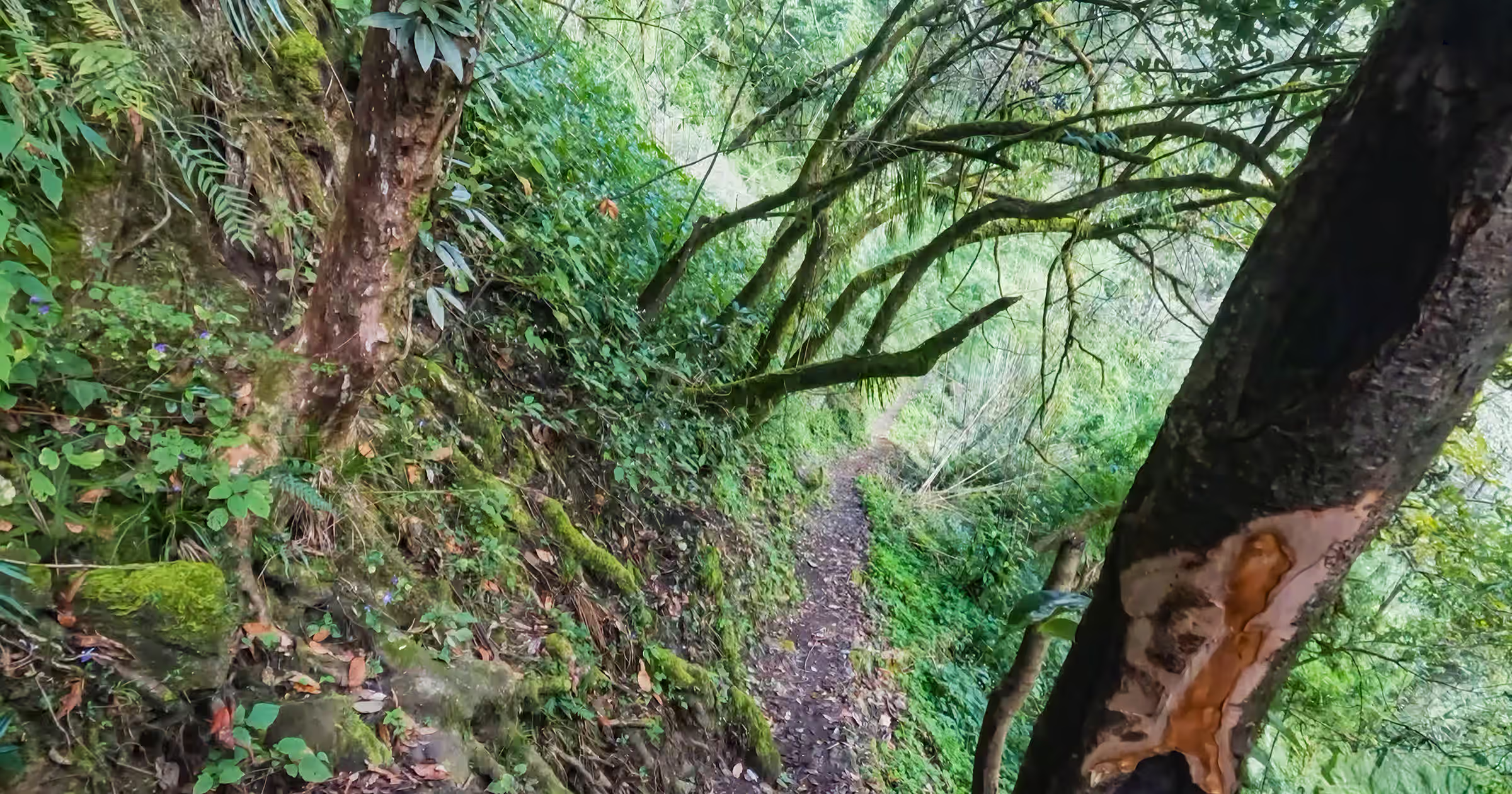
First, you will reach Sikles village by a 3 hour road journey. After exploring the village you will walk for around 5 to 6 hours bypassing rivers, forest, Madi valley, and then you will finally reach Hugu Goth.
Hugu Goth is an overnight stop for the day and next morning you will begin hiking towards Kapuche Lake early in the morning. It will take 2 to 3 hours to reach the glacier lake. The lake is surrounded by steep Himalayan terrain, while the high mountains of the Annapurna region form the backdrop farther above the valley.
After spending time at the lake, retrace the trail toward Hugu Goth and continue down to Sikles. The return journey can feel surprisingly tiring because of the accumulated walking from the previous day.
Descending for several hours can also put significant pressure on your knees. Trekking poles are especially useful on this section. Once you reach Sikles, you will return back to Pokhara in a four wheeler.
Kapuche Lake Trek Difficulty
Kapuche Lake Trek’s difficulty is rated as easy to moderate. Though you will be hiking below the altitude sickness zone, this does not mean you should rush or ignore your body demands.
However, the walking duration and terrain still require reasonable fitness. Day 1 from Sikles to Hugu is quite a demanding section of the trail, as the climb to Karne Bhir is filled with steep switchbacks.
The biggest challenge of the two-day itinerary is the second day. You need to:
- Walk from Hugu Goth to Kapuche Lake.
- Spend time at the lake.
- Retrace the trail toward Sikles.
- Complete the drive from Sikles to Pokhara.
Best Time for Kapuche Lake Trek
The best time for Kapuche lake trek is the Spring and Autumn season. Spring from March to May brings warmer daytime conditions and is a popular Rhododendron blossom.
The daytime temperature ranges from 18°C to 22°C which is perfect for longer hour trekking in the forested trails of the Kapuche lake. The temperature may fall from 0°C to -5°C at night.
Another best time for Kapuche Lake Trek is in Autumn which spans from September to November. The clear skies, pleasant daytime temperature of from 10°C to 20°C makes your journey to Nepal’s lowest glacier lake quite memorable.
Monsoon (June to August) and Winter (December to February) are off-season for himalayan trekking. If you want to avoid crowds these seasons are best but you need to make mental preparation to deal with unpredictable weather conditions.
During monsoon, the trails become slippery and get blocked due to heavy rainfall. There are also chances of landslides and if it does not rain, the daytime temperature increases from 15°C to 24°C and it also brings leeches and mosquitoes in dense forested trails.
The nighttime temperature is quite bearable and fluctuates from 4°C to 8°C. During winter, there are high chances of snowfall in upper trails and you need to deal with harsh and chilly weather conditions.
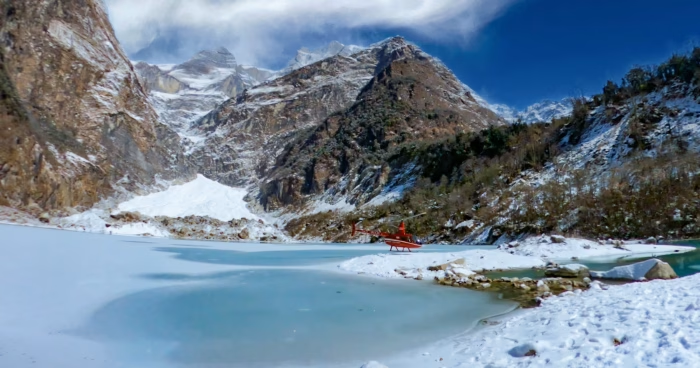
The temperature ranges from 10°C to 5°C during the day and drops to below freezing points at night.
2-Day Kapuche Lake Trek
Accommodation
Accommodation on the Kapuche route is much simpler than what you will find in Pokhara. For a two-day itinerary, the principal overnight stop is usually Hugu Goth.
Hugu Goth is a small settlement where there are only a couple of homestays and lodges offering basic facilities to trekkers. You will get a basic room with foam mattresses, blankets, and communal squat toilets are usually outside.
Their rooms are not heated and lodge owners depend on solar for electricity. We suggest you bring a power bank and headlamp.
Food
Meals are generally simple, filling and based on common Nepali trekking dishes. You may find options such as:
- Dal bhat served with vegetable curries and pickles
- Noodles
- Momo
- Chapati
- Soup
- Tea and coffee
- Omelette, fried rice, etc.
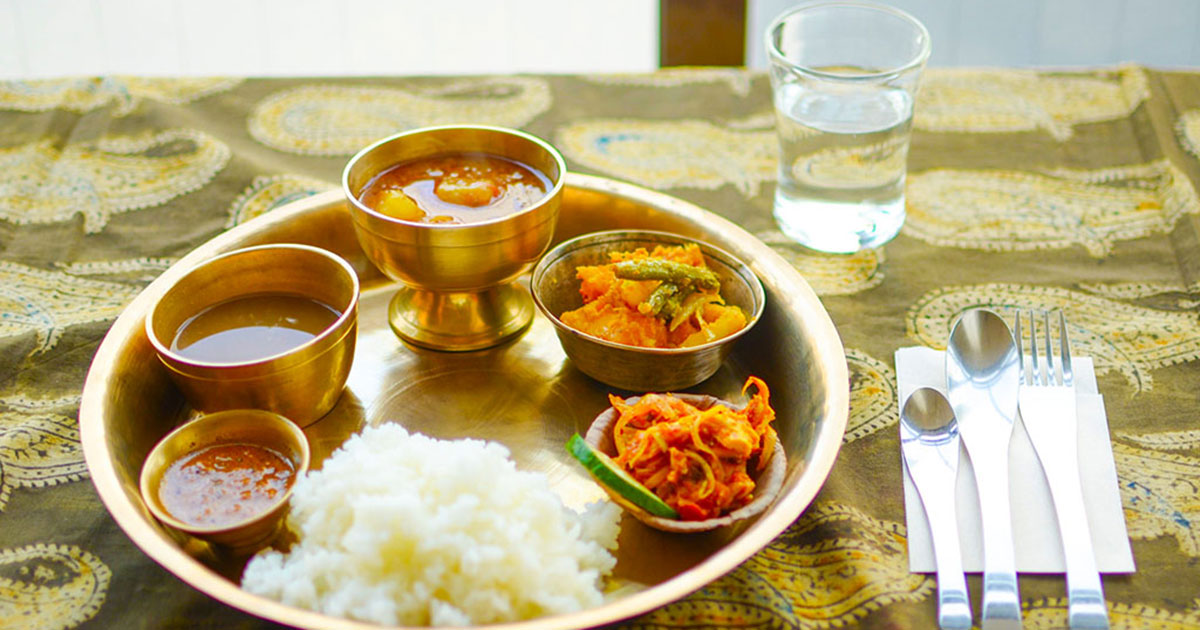
As there are no settlements or permanent villages when you move from Sikles towards Hugu Goth, make sure you pack enough snacks like dry fruits, chocolates, and energy bars for instant fuel.
Drinking Water
In the lower region, you may find teahouses which sell bottled water but we suggest you bring a reusable water bottle and refill them. Also, bringing a water purification tablet makes you stay hydrated as you can purify the water from flowing rivers and streams.
Wi-Fi and Mobile Network on the Kapuche Trail
Wi-Fi services in lower trekking trails like Taprang Sikles are available but you need to pay an extra charge per device. The connectivity is unreliable but you can inform your loved ones back home.
If you have NTC or Ncell sim cards, you can buy data packs and we suggest you enjoy digital detox and connect with nature.
Suggested Kapuche Lake Trek Itinerary 4-Days
When in Pokhara you can use the following itinerary of 4 days to Kapuche Lake trek in 2026:
- Day 1: Pokhara to Sikles via Soti
- Day 2: Trek to Hugu village
- Day 3: Trek from Hugu to Kapuche Lake and return to Sikles
- Day 4: Sikles to Pokhara
Suggested Kapuche Lake Trek Itinerary 5-Days
If you have a remaining week in Nepal and want to use it for another Himalayan excursion, use following Kapuche Lake Trek Itinerary 5-Days in 2026:
Planning A Kapuche Lake Trek in 2026?
Or Call/Message on WhatsApp +977 98434 13619
- Day 1: Kathmandu to Pokhara
- Day 2: Pokhara to Sikles via Soti
- Day 3: Trek to Hugu village
- Day 4: Trek from Hugu to Kapuche Lake and return to Sikles
- Day 5: Sikles to Pokhara and back to Kathmandu
Packing List for 2-Day Kapuche Lake Trek
If you are planning a Kapuche lake trek itinerary of 2-days, make sure you have following packing list:
| Category | Items to Pack |
|---|---|
| Clothing | Moisture-wicking T-shirts, long-sleeve shirt, fleece or warm mid-layer, lightweight down or insulated jacket, comfortable trekking trousers, waterproof/windproof jacket, warm hat, gloves, extra socks |
| Footwear | Good hiking shoes or trekking boots, comfortable camp footwear, optional gaiters during wet or snowy conditions |
| Trekking Gear | Small daypack, trekking poles, headlamp, water bottles, water purification tablets or suitable filter, power bank, offline map, small first-aid kit |
| Personal Items | Sunscreen, sunglasses, lip balm, personal medication, toiletries, toilet paper, wet wipes, quick-dry towel, snacks, passport and permit documents |
Responsible Travel Tips for Sikles Kapuche Lake Trek
Although Kapuche is not a high-altitude expedition, the route still requires sensible mountain safety.
- Make sure you follow these tips during Sikles Kapuche Lake Trek in 2026:
- Make sure you start your trek early in the morning for more daylight and reach the overnight stop before dawn.
- Check the forecast before leaving Pokhara.
- Do not walk on the frozen surface of the lake.
- Avoid swimming in the lake and click pictures from the shoreline only.
- Keep drinking regularly and carry reliable purification methods.
- Bring trekking poles and use them during downhill walk.
- Always trek with licensed trekking guide hired from certified trekking agency like Awesome Holidays Nepal.
- Always step in trailhead with travel insurance which covers high altitude trekking and emergency evacuation.
- Avoid zero use of plastic and pack your waste and throw it only in designated bins only.
- Do not approach or feed wild animals if you encounter them.
- Always walk on designated trekking trails.
Final Thoughts on World’s Lowest Glacial Lake Trek
Kapuche lake trek of 2-day itinerary is perfect for those who are in search of quieter side of Annapurna region and want to test their want to test their endurance. Without having to spend week on the trekking trails, you will begin your trekking journey from Pokhara to the traditional Gurung village of Sikles, continues on foot through forests and the Madi Valley to Hugu Goth, and culminates with the spectacular approach to Kapuche Lake.
Though it may look fast, with good mental and physical preparation, you can complete this 2-day Kapuche Lake Trek from Pokhara. It is a truly extraordinary moment to explore and take memories from the world’s lowest glacier lake while enjoying the traditional culture and majestic vistas of towering peaks throughout the trails.
Explore Kapuche, an unforgettable short escape from Pokhara into the peaceful landscapes of the Annapurna region, and contact Awesome Holidays Nepal for a memorable trek filled with stunning mountain views and authentic Himalayan experiences in 2026.
FAQs
Expand AllWhat is Kapuche Lake Trek?
A short and scenic trek that leads to the beautiful Kapuche Glacier Lake in the Annapurna region of Nepal is called Kapuche Lake Trek.
Where is Kapuche Lake located?
Kapuche Lake, also known as Kapuche Glacier Lake or Kahphuche Lake, sits in the northeastern part of the Sikles area of Kaski district, Nepal.
Is Kapuche Lake the world’s lowest glacial lake?
Yes, Kapuche Lake is the world’s lowest glacial lake.
What is the altitude of Kapuche Lake?
Kapuche Lake is located at an elevation of 2,450 meters above sea level which makes it one of the lowest-altitude glacier lakes in the world.
Is Kapuche Lake Trek easy?
Yes, Kapuche Lake Trek is a easy.
How much does Kapuche Lake Trek cost in 2026?
Kapuche Lake Trek cost ranges from USD 350 to USD 650 per person in 2026.
Is permit needed for Kapuche Lake Trek?
Yes. Kapuche Lake Trek demands the Annapurna Conservation Area Permit (ACAP) and a Trekkers’ Information Management System (TIMS) card.
How high is Kapuche Lake / Kapuche Glacier Lake elevation?
Kapuche Lake / Kapuche Glacier Lake is located at an elevation of 2,450 meters above sea level.
How far is Kapuche Lake from Pokhara / Sikles?
Kapuche Lake is 75 to 80 kilometers (47 to 50 miles) far from Pokhara. It is about 36 to 40 kilometers (22 to 25 miles) away from Sikles.
How long is the Kapuche Lake Trek?
Kapuche Lake Trek can be completed from 2 to 5 days, depending on your starting point, transportation, and itinerary.
When is the Best time to visit Kapuche Lake?
The best time for Kapuche lake trek is the Spring and Autumn season.
Do I need a guide for Kapuche Lake Trek?
Yes. A guide is mandatory for Kapuche Lake Trek. According to the Nepal Tourism Board, you need to hire a certified guide for general trekking routes, and your TIMS card must be issued with one.
How to get to Kapuche Lake from Pokhara / Kathmandu?
From Kathmandu you need to travel Pokhara first and then drive toward Sikles and continue on foot through the trekking route to Kapuche Lake.
Is there altitude sickness risk on Kapuche Lake Trek?
The risk of altitude sickness on the Kapuche Lake Trek is very low as you will be trekking below altitude sickness zone.
Can you see avalanches at Kapuche Lake?
Yes. Kapuche Lake is known for spectacular views of avalanches falling from the surrounding glaciers, particularly during suitable weather conditions.
Is Kapuche Lake Trek suitable for families / kids / seniors?
Yes. Kapuche Lake Trek can be suitable for active families, children, and seniors who are comfortable walking each day for several hours.
Is Kapuche Lake frozen in winter?
Yes. Kapuche Lake is frozen in winter.
Kapuche Lake Trek accommodation / teahouses / lodges?
You will stay in homestays and lodges in the trail with basic facilities.
What is the distance of Kapuche Lake Trek from Hugu Goth to Kapuche?
The trek from Hugu Goth to Kapuche Lake is around 5 to 6 km one way.
What is the Best viewpoint or side trips from Kapuche/Sikles?
Kori Danda and Thulek Viewpoint is the best viewpoint for Kapuche trek.
Related blog posts
Discover a choice of tourist destinations loved by most of our visitors. Whether you're on a jungle safari to spot rare animals or walking through a world heritage site, these well-planned itineraries cover the major highlights of Nepal.
 call an expert at: