
How Sherpas Adapt to High Altitude

 Sristi Adhikari
Have you just completed your high altitude trekking or watched documentaries regarding sherpa’s contribution in Mountain climbing? It’s so obvious of you to ask one fascinating question, How Sherpas Adapt to High Altitude?
While many experienced trekkers and mountain climbers struggle with breathlessness, fatigue, and altitude sickness as they ascend towards the Himalayas, Sherpas appear to move effortlessly across some of the world’s highest peaks. Their extraordinary endurance isn’t just the result of experience but it’s backed by thousands of years of genetic adaptation, efficient oxygen utilization, and a deeply rooted connection with the Himalayas.
So, how Sherpas adapt to high altitude has become one of the most intriguing subjects in human evolution, physiology and modern mountaineering science. Researchers are continuously studying Sherpas because their unique biological characteristics may help improve treatments for patients who are suffering from oxygen deprivation and respiratory illnesses in near future.
Lets dive deeper into how Sherpas adapt to high altitude, science behind their exceptional performance, and separate scientific facts along with popular myths associated with Sherpas, legendary mountain experts.
Who are the Sherpas?
Sherpas are extraordinary human beings who belong to a remarkable ethnic group of native high Himalayan villages of the Solukhumbu region of eastern Nepal. They are found inhabiting from the altitude of 3,000 to 4,500 meters from sea level.
As they are born and grown up in the thin air of high altitude mountainous regions, Sherpas have high altitude adaptation. Sherpas are also referred to as the “Guardian of the Himalayas and are believed to have migrated from eastern Tibet several centuries ago.
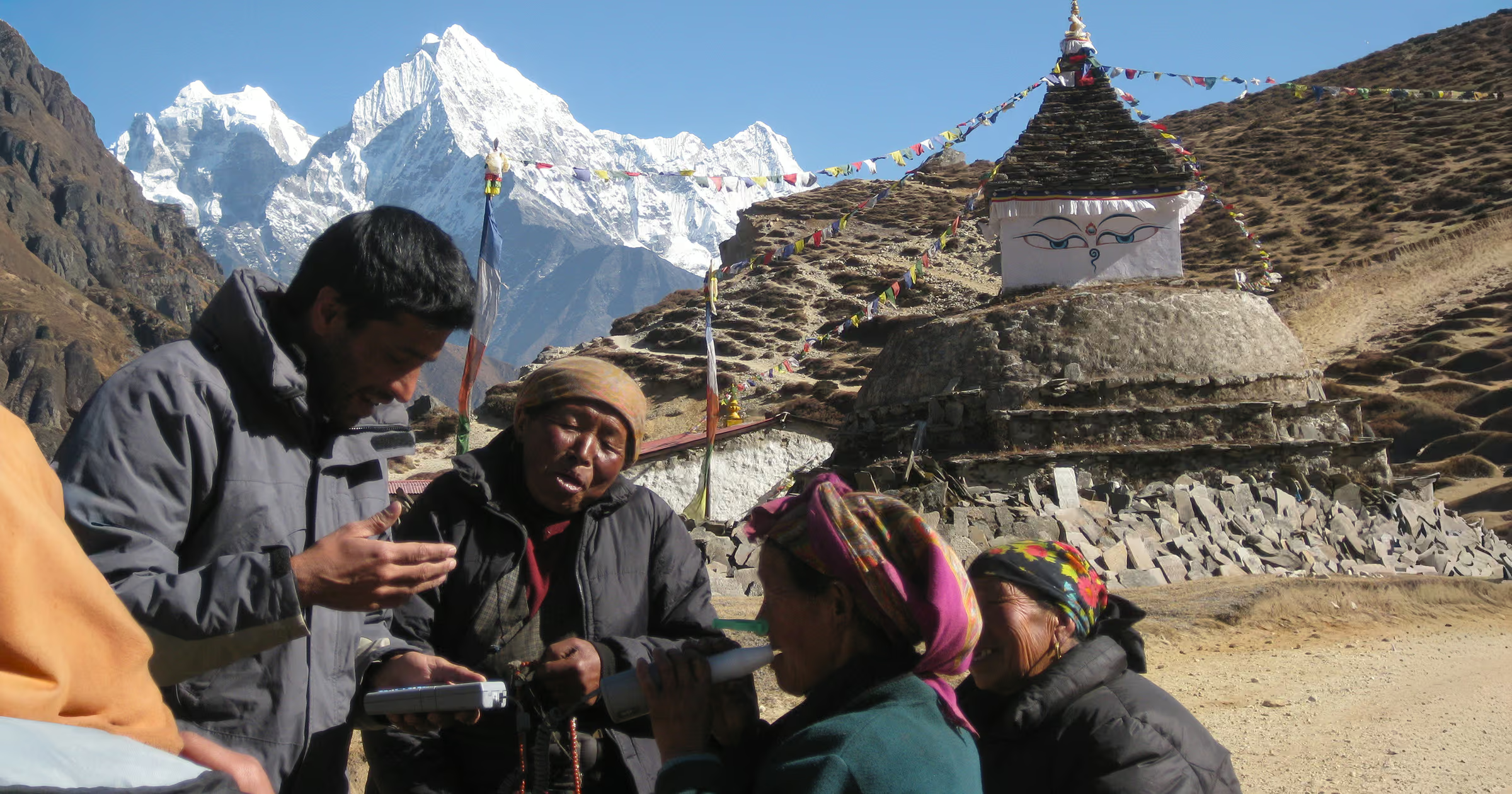
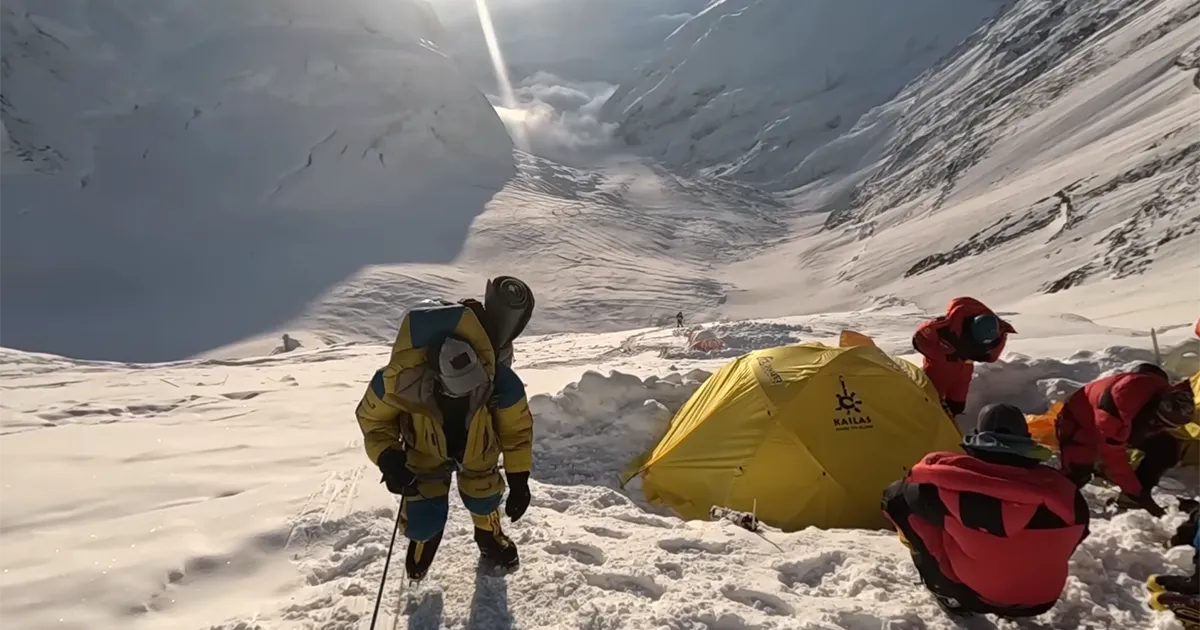
Their immense ability to fix rope, guide climbers at high altitude while carrying climbing gear, Sheraps received their global recognition in high-altitude mountaineering. Besides this, Sherpas are also farmers, traders, and yak herders.
Their centuries-long life in the Himalayas has shaped both their culture and their remarkable ability to thrive in extreme mountain environments.
Challenging Factors of High Altitude
Before going into the depth of How Sherpas Adapt to High Altitude, let’s first understand why high-altitude environments are so demanding. As we all know, atmospheric pressure goes on decreasing as we move in high elevation.
Due to this, there will be a reduction of oxygen level which makes breathing difficult. Those who are trekking above the elevation of 2,500 meters, they will begin experiencing symptoms like:
- Shortness of breath
- Headaches
- Fatigue
- Reduced physical performance
- Acute Mountain Sickness (AMS) or Altitude sickness
As your muscles and oxygen receive less amount of oxygen than usual, it will make you feel exhausted, and you could not even do the simple activities properly.
How Sherpas Adapt to High Altitude
The main reason behind How Sherpas Adapt to High Altitude is that Sherpas are the descendants of Tibetan high-altitude people who inhabited the Tibetan Plateau since 25,000–40,000 years ago. During this period, only those people survived who were favored by nature, continued living there while reproducing successfully even in low-oxygen environments. These adaptations have deeply influenced Sherpa genetics.
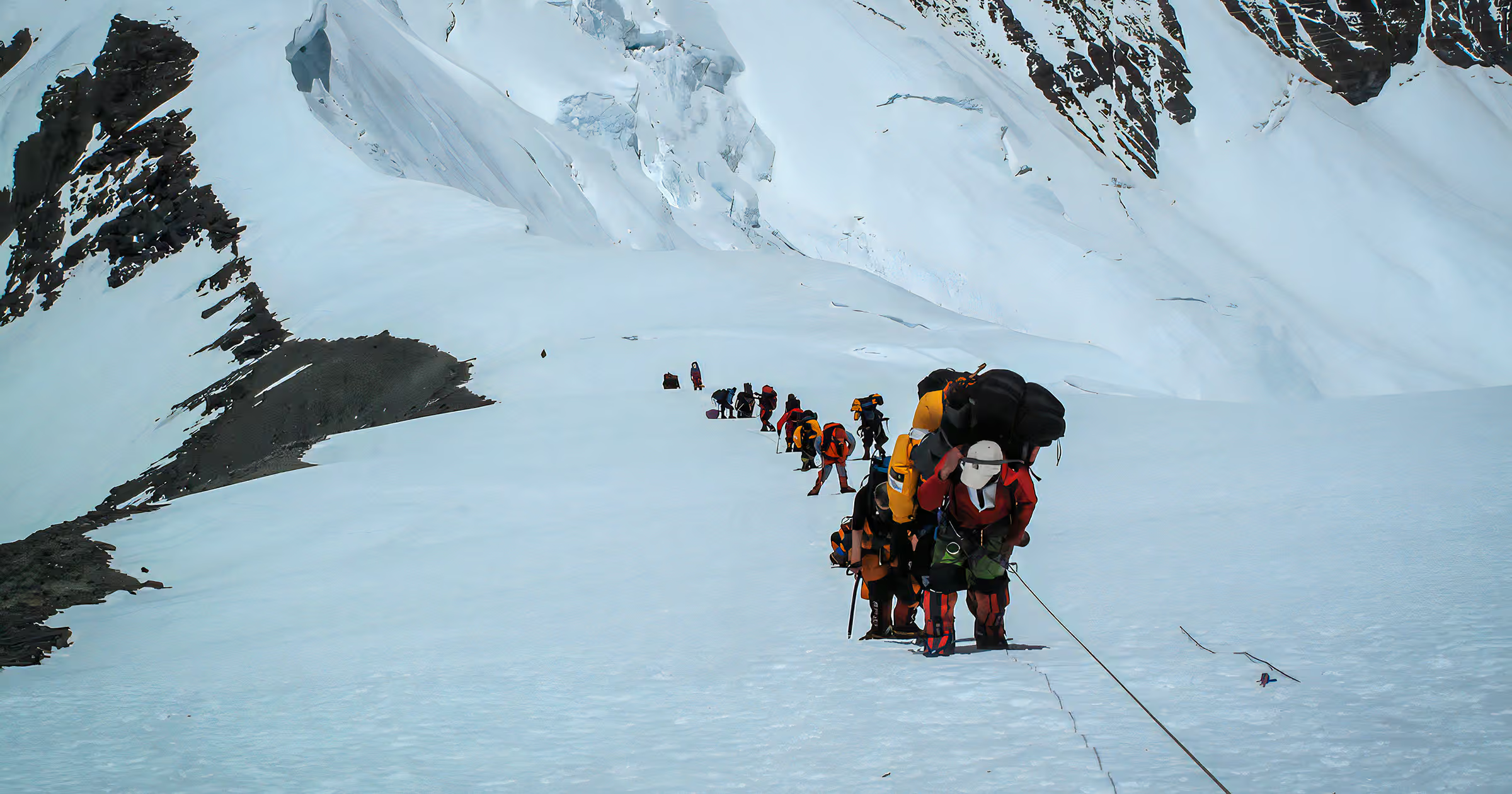
From birth, Himalayan populations who lived at an extreme altitude of Khumjung, Phortse, or Dingboche for thousands of years become exposed to high altitude, they spend their childhood climbing high steep or walking down the narrow rocky alley.
In addition to this, they have to walk for longer distances just to get education from a young age while helping their parents in their daily chores. As a result of this, their lungs and hearts are built differently than other people who live nearer the sea level. This struggle of Sherpas from their childhood make them strong both internally and externally which results in:
- Strong leg muscles
- Lungs with higher capacity
- Extraordinary cardiovascular endurance
- Balance in steep trails of the mountain
Efficient Oxygen Utilization
One of the most fascinating discoveries explaining How Sherpas Adapt to High Altitude is that their body is adapted in such a way without producing unusually high numbers of red blood cells and utilizes the available oxygen level.
There is a belief that you will need more hemoglobin to survive at altitude. It is quite wrong as excessive red blood cells can make your blood thicker which forces the heart to work harder and increases health risks.
Sherpas healthier hemoglobin levels make efficient transport of oxygen throughout the body. This balanced approach helps Sherpas remain active without placing unnecessary strain on their cardiovascular system.
Unique Genetic Advantages
Another factor that answers How Sherpas Adapt to High Altitude is their unique genetic traits. According to researcher, following genes play essential roles in Sherpa High altitude adaptation:
- EPAS1 from Denisovans,
- EGLN1,
- PPARA,

These genes influence how the body senses oxygen, regulates hemoglobin production, and manages energy metabolism even in low-oxygen levels. Unlike lower elevation people Sherpas do not respond to hypoxia and improve oxygen delivery without any side effects associated with longer oxygen deprivation.
Superior Energy Efficiency
Their extraordinary energy efficiency is another remarkable aspect which answers How Sherpas Adapt to High Altitude. Sherpas produce cellular energy more efficiently than people who live in lower elevation.
Their muscles require less oxygen to generate the same amount of energy. This allows Sherpas to climb steep terrain without using reserved oxygen.
Better Blood Flow and Circulation
Their impressive circulatory system is an equally important factor that also answers How Sherpas Adapt to High Altitude. Sherpa possesses higher nitric oxide levels in their blood which widens their blood vessels.
This results in a smooth and effective supply of oxygen in every muscle and organ. This better circulation and vascular function increases cardiovascular endurance of Sherpas at extreme high elevations.
Stronger Muscles in Low-Oxygen Environments
Scientists studying How Sherpas Adapt to High Altitude discovered that muscles of Sherpa people function differently from those who live at sea level. Sherpa muscles is special in following ways:
- Consume oxygen more efficiently at high altitude
- Produces less lactic acid and other byproducts as muscles burns quite slower

- Resist fatigue for longer periods
- Recover faster during prolonged high altitude activity
Sherpas can carry heavy expedition loads with their strong muscles. Also, navigating the steep Himalayan trails early in the morning is easier in comparison to lowlanders.
Less Susceptible to Altitude Sickness
Sherpa possessing lower risk of Altitude sickness also answers How Sherpas Adapt to High Altitude. EPAS1 gene of Sherpa allows them to live, work, and breathe easily in high mountains with very little oxygen.
However, Sherpas are not entirely resistant to altitude-related health issues and can suffer from altitude sickness under extreme conditions. The chance of suffering from altitude sickness is higher in lowlanders than Sherpas.
Lifetime of High Altitude
Genetics play a vital role in How Sherpas Adapt to High Altitude but side by side their lifestyle in extreme environments also contributes. Sherpas are exposed to natural training from their birth, they spend their childhood and whole life on extreme elevation strengthens their bodies and complements their inherited biological advantages:
- Walk long mountain trails daily
- Perform physically demanding work like carrying firewood, farming in steep hills, grazing yak in hillside meadows, etc.
- Live in thin-air environments year-round and even cross high passes just to gain daily kitchen and house supplies.
- Develop exceptional cardiovascular fitness.
Unmatched Mental Strength
Sherpas follow Tibetan Buddhism and follow the teachings of compassion, humility, and harmony with nature. This makes them kind, humble, peaceful, and patient, along with a calm mindset and mental clarity.
Due to this, Sherpas stay calm even under extreme pressure and face the upcoming situation courageously. With their calm mind set, Sherpas make smart decision and get victory even in unpredictable conditions of high altitude like:
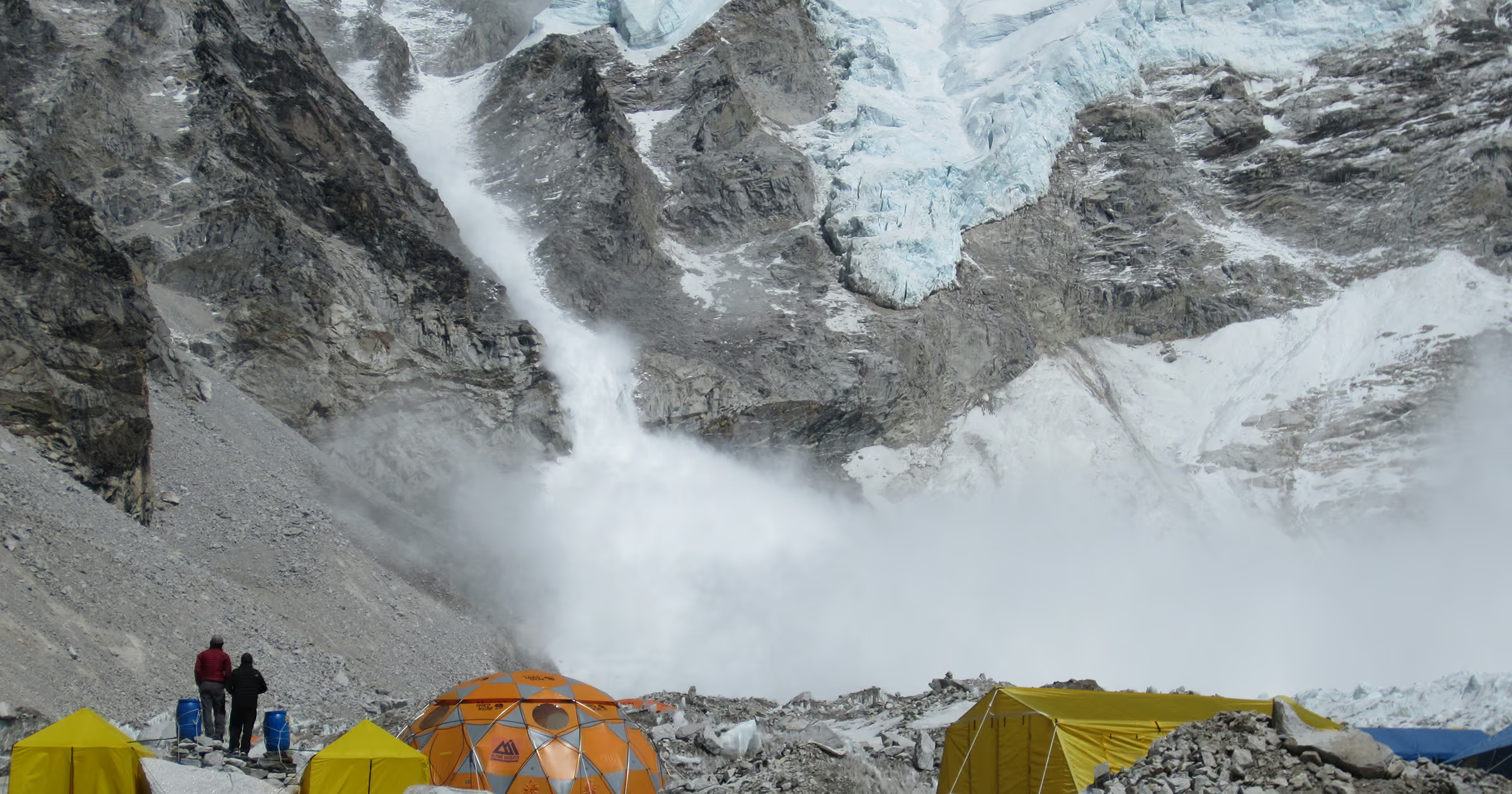
- Avalanche
- Strong winds
- Sudden snowstorms, and
- Extreme temperature drops.
Why does Sherpas Excel in Mountaineering?
The worldwide reputation of Sherpas as extraordinary human beings extends beyond genetics. When talking about How Sherpas Adapt to High Altitude, experience and skills are the most important factors you need to also consider.
Sherpa’s high altitude adaptation by spending their whole life on the dangerous peaks make them guide both beginner and experienced peak climbers. This make them know about:
- Mountain weather and read the terrain conditions
- Avalanche conditions
- Safe climbing routes and setting harness
- Glacier travel
- Rope fixing via Khumbu Icefall
- Managing high-altitude rescue with their quick reflex and calm mindset
- Leading way by carrying oxygen, tents, and supplies
- Guiding the mountaineer more safely
As a result, Sherpas are popular as world’s most accomplished high altitude mountain climber.
Examples of Legendary Sherpas
Many Sherpas are earning global recognition for their extraordinary achievements and their contributions to Himalayan expeditions. Some of the most famous legendary Sherpas are:
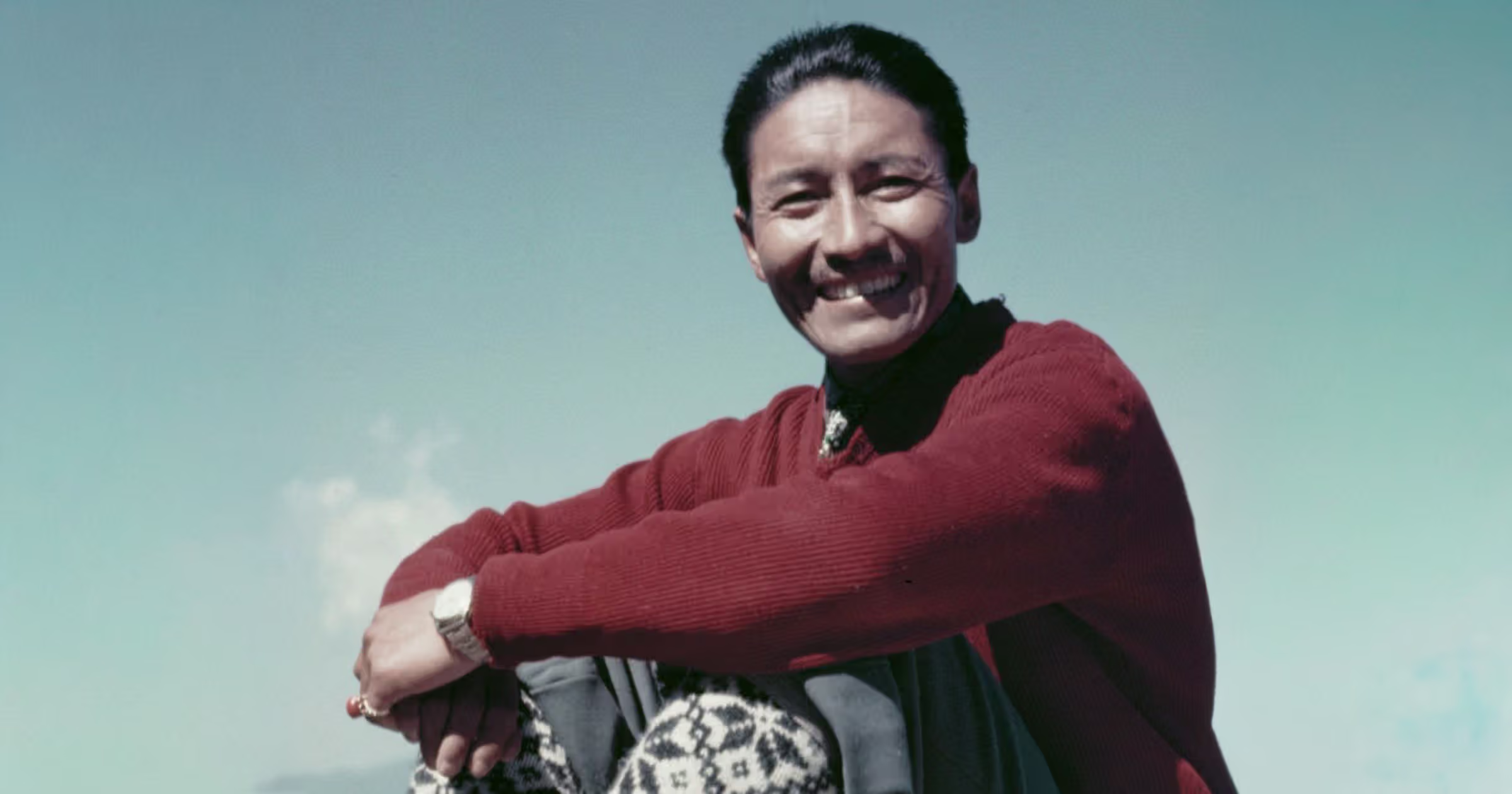
Tenzing Norgay Sherpa
The duo of Sir Edmund Hillary and Tenzing Norgay Sherpa became the first two climbers to successfully summit Mount Everest in 1953. His historic achievement made the Sherpa community popular worldwide.
Ang Rita Sherpa
He was a Nepalese mountaineer who climbed Mount Everest ten times without supplemental oxygen.
Apa Sherpa
Apa Sherpa also known as Super Sherpa and the Snow Leopard has successfully climbed Everest 21 times.
Mingma G Sherpa
He is a renowned Nepali mountaineer who has climbed all 14 of the world’s 8,000-meter peaks.
Kami Rita Sherpa
Kami Rita Sherpa is widely known as the “Everest Man.” By climbing Mount Everest 32 times, he holds the title for the highest number of successful ascents in Everest summits.

What Medical Research is Inspired by Sherpas?
Scientists continue investigating How Sherpas Adapt to High Altitude because these discoveries could benefit millions of people worldwide. Sherpas are playing an important role in understanding how humans can survive in extreme low-oxygen condition at high mountain with research on:
- Cellular energy efficiency,
- Genetics,
- Oncology, and
- Critical care medicine.
Their physiology may contribute in improvement of condition for treatments like:
- Heart disease,
- Stroke,
- Lung disorders,
- Critical care patients,
- Oxygen deprivation injuries.
Common Myths About How Sherpas Adapt to High Altitude
There are many myth circulating online regrading how Sherpas adapt to high altitude, lets debunk 3 common myth regrading Sherpas:
Myth 1: Sherpas Never Suffer from Altitude Sickness
Sherpas are considered as extraordinary human being but this doesn’t means they never get altitude sickness. During mountain climbing, if they neglect their body demands and rush the climbing, they will surely suffer from altitude sickness. During the Everest climbing season around 1.2% of hired high-altitude workers die due to altitude sickness.
Myth 2: Thick Blood Packed with Extra Red Blood Cells
Those who live nearby sea level their body produces excess amount of red blood cells just to take oxygen which results in the thickening of the blood. However, Sherpas blood have high level of nitric oxide which widens the vessels and results in smooth supply of oxygen throughout the body.
Myth 3: Sherpa High Altitude Adaptation is just Standard Physical Fitness
Their endurance results from a combination of genetics, lifelong mountain living, efficient oxygen use, and extensive climbing experience. Also, living for longer period of time in high Tibetan plateaus altered their metabolism and as a result their cellular powerhouse also known as mitochondria burns enough energy even in lower oxygen level.
How to Respect Sherpas During your Himalayan Expedition in 2026?
Sherpas are the backbone of Himalayan expedition, and everyone who are planning to do mountain climbing should have respect towards them. During your climbing journey in Nepal they don’t just play the role of guide and helper, but they will be your guardian and will make sure that you will be eating enough, monitor your health condition, and weather in remote mountainous trails. You should respect them by:
Planning a Peak Climbing in Nepal 2026?
Or Call/Message on WhatsApp +977 98434 13619
- Paying them fairly
- Talking respectfully with them
- Follow their instructions
- Appreciate their navigating and guardian role
- Tipping them after the journey, no matter you got victory to summit or returned from halfway.
Final Verdict on How Sherpas Adapt to High Altitude
The story of How Sherpas Adapt to High Altitude is one of nature’s most extraordinary examples of human adaptation. Their unique physiological and genetic traits make them adjust in the high altitude region where oxygen level drops more than half percent.
From using superior oxygen, centuries of adaptation, deeper Tibetan wisdom, and spiritual discipline to lifelong mountainous experience, How Sherpas Adapt to High Altitude symbolizes that humans evolve according to environment they are more exposed to.
Ultimately, How Sherpas Adapt to High Altitude is more than a mountaineering story but it is a powerful example of evolution, resilience, and the incredible capabilities of the human body. Mountain rewards you with the snowcapped mountain views but if you choose the expedition it will challenge you the second you begin your journey, so show appreciation towards the Himalayan guardian Sherpas by respecting and paying them well.
FAQs
Expand AllHow do Sherpas adapt to high altitude genetically?
Sherpas adapt to high altitude genetically that improves:
- Oxygen use,
- Circulation,
- and Energy production,
This allows them to thrive in low-oxygen environments of high altitude.
What genes help Sherpas survive thin air?
EPAS1, EGLN1, and PPARA are key genes which help Sherpas survive thin air.
Do Sherpas have more red blood cells at altitude?
No. Sherpas generally maintain normal red blood cell levels even at high altitude.
Why do Sherpas have lower EPO response?
Sherpas have a lower erythropoietin (EPO) response because it prevents an excessive increase in red blood cells that could thicken the blood.
What does EPAS1 do in Sherpa altitude adaptation?
EPAS1 help Sherpas in altitude adaptation by regulating their response to low oxygen without producing unhealthy levels of hemoglobin.
What is the role of EGLN1 in Sherpas?
The role of EGLN1 in Sherpas is to improve sensing of oxygen and assisting in a balanced physiological response to extreme high-altitude conditions.
How does PPARA affect Sherpa muscle at altitude?
PPARA affect Sherpa muscle by supporting fat metabolism efficiently and allows better performance even at high altitude with limited oxygen.
Are Sherpas born adapted or do they acclimatize?
Sherpas inherit genetic adaptations at birth, but like everyone else, they still undergo need acclimatization to avoid symptoms of altitude sickness.
Do Sherpas get altitude sickness less often?
Yes. Sherpas have a significantly lower risk of altitude sickness. Their unique genetic and physiological adaptations is the most contributing factor.
Why is Sherpa blood less viscous at high altitude?
Sherpa blood is less viscous at high altitude because even at low oxygen environment, their body produce less red blood cell which make their blood thin while making circulation smooth .
How do Sherpas use oxygen more efficiently in muscles?
Sherpas muscles have highly efficient mitochondria that generate energy while consuming less oxygen.
Do Sherpas have larger lungs than lowlanders?
No. Sherpas do not have larger lungs than lowlanders.
What happens to Sherpa metabolism at 5000m?
Sherpas maintain efficient energy metabolism that supports sustained physical activity despite reduced oxygen availability at 5,000 meters.
How is cerebral blood flow different in Sherpas?
Sherpas have different cerebral blood flow because it regulate blood flow to the brain more effectively. This helps maintain oxygen delivery while reducing the effects of hypoxia.
Do Sherpas have higher VO2 max naturally?
No. Sherpas do not have higher VO2 max naturally.
Can lowlanders copy Sherpa altitude adaptation?
No. Lowlanders cannot copy Sherpa altitude adaptation because they cannot fully replicate the inherited genetic adaptations of Sherpas.
Are Sherpa adaptations same as Tibetan adaptations?
Yes, Sherpa adaptations is same as Tibetan adaptations.
Why don’t Sherpas develop excessive hemoglobin?
Sherpas do not develop excessive hemoglobin because they are adapted in such a way that they don’t need higher hemoglobin even in low oxygen level.
What is blunted HIF pathway in Sherpas?
A blunted HIF full termed as hypoxia-inducible factor pathway helps Sherpas avoid overreacting to low oxygen, preventing unnecessary physiological stress.
Are there epigenetic factors in Sherpa altitude tolerance?
Yes, Researchers believe epigenetic changes may contribute to Sherpa altitude tolerance.
Related blog posts
Discover a choice of tourist destinations loved by most of our visitors. Whether you're on a jungle safari to spot rare animals or walking through a world heritage site, these well-planned itineraries cover the major highlights of Nepal.



 call an expert at: