
Nepal Travel Customs: The Sustainable Forbidden Souvenirs Policy Explained
 Sristi Adhikari
Understanding Forbidden Souvenirs in Nepal is a very important part of following travel customs and practicing responsible tourism of the country. Nepal is worldwide famous for its ancient heritage, Himalayan landscapes, traditional crafts, wildlife, and vibrant markets, and bringing home a meaningful souvenir can make your journey even more memorable.
However, not every item sold in local markets can be legally or responsibly taken out of the country. Some souvenirs may contain protected wildlife materials, archaeological artifacts, endangered plants, or other restricted items.
As a foreigner, having a knowledge of what qualifies as Forbidden Souvenirs can help you avoid hassleful customs complications while protecting cultural heritage, natural environment, and local communities in Nepal.
What Does Forbidden Souvenirs Mean in Nepal?
Those products that are considered illegal to purchase, carry, or export out of the country as they harm wildlife, damage ecosystems, or violate cultural heritage laws is referred to as Forbidden Souvenirs in Nepal. The Forbidden Souvenirs in Nepal not only helps in protection of the culture, religious heritage, and ecosystem but it also avoids misrepresentation of Nepal among foreigners.
Purpose of Sustainable Forbidden Souvenirs Policy in Nepal
The Forbidden Souvenirs Policy in Nepal aims to protect the fragile ecosystem and rare wildlife from illegal hunting. It also protects the centuries old culture, heritage and history of local communities from theft and robbery as well as degraded commercialization.
The purpose of Forbidden Souvenirs Policy in Nepal are:
- Protection of fragile ecosystem and wildlife
- Prevention of illegal hunting of wildlife and nature
- Preservation of cultural, historical, religious, and archaeological heritage of Nepal
- Avoiding the promotion of illegally obtained souvenirs and handicraft,
- Encourage spending on legitimate local artisans and communities
- Guiding foreign visitors towards informing purchasing decision.
This approach turns souvenir shopping into a form of responsible tourism. Instead of asking only, “Is this beautiful?”, travelers can also ask, “Was this produced responsibly?”
Forbidden Souvenirs in Nepal
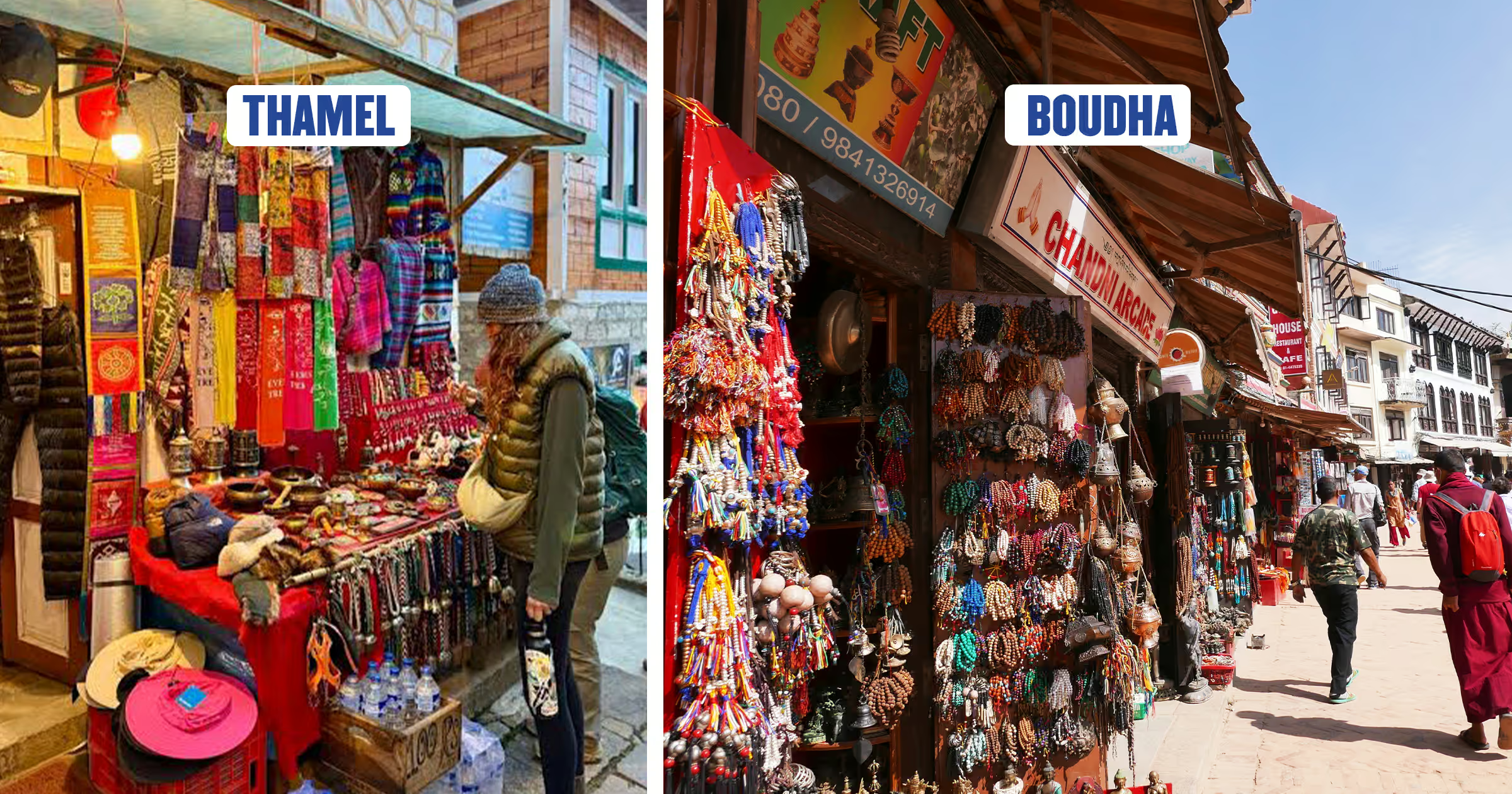
When exploring different parts of Nepal, you may get approached to purchase a variety of handicrafts and souvenir items, but you should have an eye of recognizing which items are considered as Forbidden Souvenirs in Nepal and which item is safe to buy in 2026. Here are different categories of Forbidden souvenirs in Nepal which deserve particular attention.
Antique and Archaeological Objects
The most sensitive part of forbidden souvenirs in Nepal are antique religious and ancient objects. As a responsible travel and tour operator, we suggest you not to buy:
- Ancient statues,
- Religious sculptures,
- Historical paintings,
- Sacred images, Manuscripts,
- Coins,
- Objects more than 100 years old
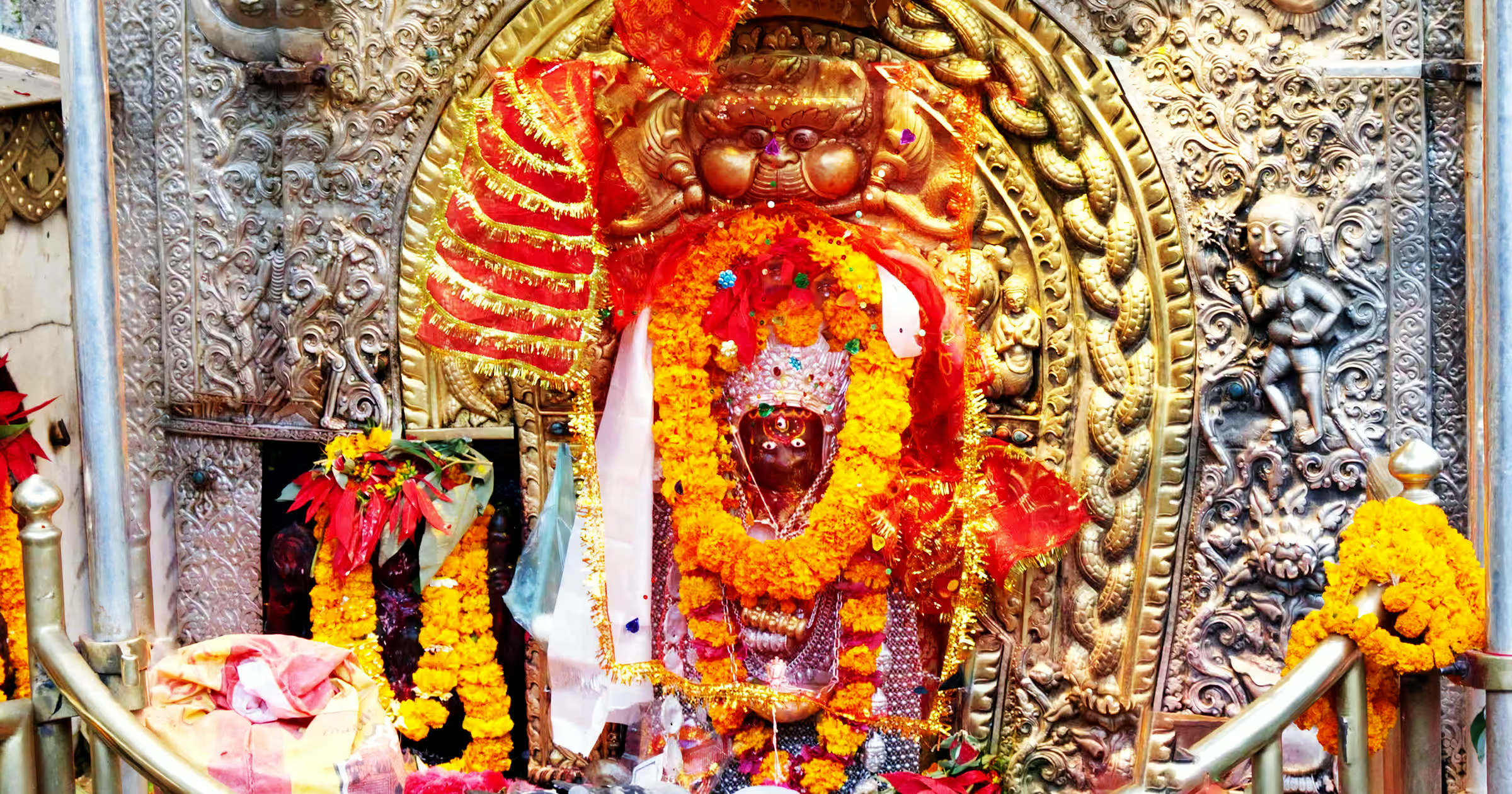
Travelers should be careful when purchasing antique objects and should ask for official verification like documentation before paying. We suggest you leave if they show you unclear documentation.
Sacred and Historic Religious Objects
Some modern religious-style products are perfectly legitimate souvenirs. The concern arises when an object is genuinely historic, illegally obtained, or presented deceptively as an authentic ancient artifact.
This distinction is important when dealing with Forbidden Souvenirs in Nepal. Anything that is removed from religious and cultural heritages sites should not be purchased such as:
- Temples
- Monasteries
- Shrines, Stupas, Chortens
- Sacred sites
- Religious buildings
- Archaeological locations
Travelers should not buy things that are brought from above mentioned sites like:
- Statues,
- Prayer objects,
- Ritual materials,
- Manuscripts,
- Sculptures.
Before buying an apparently old religious object, ask the seller about its provenance and whether it has been examined or certified by the appropriate authority.
Wildlife Products
The sustainable forbidden souvenirs policy also encourages foreign travelers to avoid buying products made from illegal wildlife. Every individual should love mother nature and show their affection by eliminating commercial support of the illegal wildlife trade.
Earth is a shared home for all living things on land, in water, and in the air. As humans, we have a responsibility to protect every organism and wildlife by minimizing the pressures that threaten their existence and preserving the natural ecosystems they depend on.
So, you should avoid buying souvenirs made from threatened, protected, or illegally obtained wildlife such as:
- Ivory,
- Untreated skins from tiger, leopard, snow leopard, etc
- Bones, horns, feathers, fur,
- Teeth, claw,
- Preserved animals
- Wildlife trophies
- Musk deer pods
- Tortoiseshell
- Shahtoosh
You should be cautious and more responsible when purchasing jewelry, carvings, belts, wallets, ornaments, musical instruments, traditional products, and other objects containing animal material.
The wildlife-trade regulations of Nepal demands an appropriate CITES permits and certificates for certain regulated specimens which means protected wildlife cannot be purchased or carried abroad as ordinary tourist souvenirs.
Endangered Plants, Herbs, and Natural Materials
The Himalayas contain valuable medicinal plants and unique botanical resources. Some plant species and raw botanical materials are subject to conservation and export controls.
Nepal’s current trade information includes certain forest and biodiversity-related resources among products subject to export restrictions. We also discourage our clients and guest to purchase products made from protected or endangered plant species like:
- Rare orchids
- Protected wild plants like Wood’s cycad
- Medicinal plants and raw herbs
- Wild-collected botanical specimens
- Seeds from protected plant species
- Rare or restricted timber species.
- Plant products without specific origin
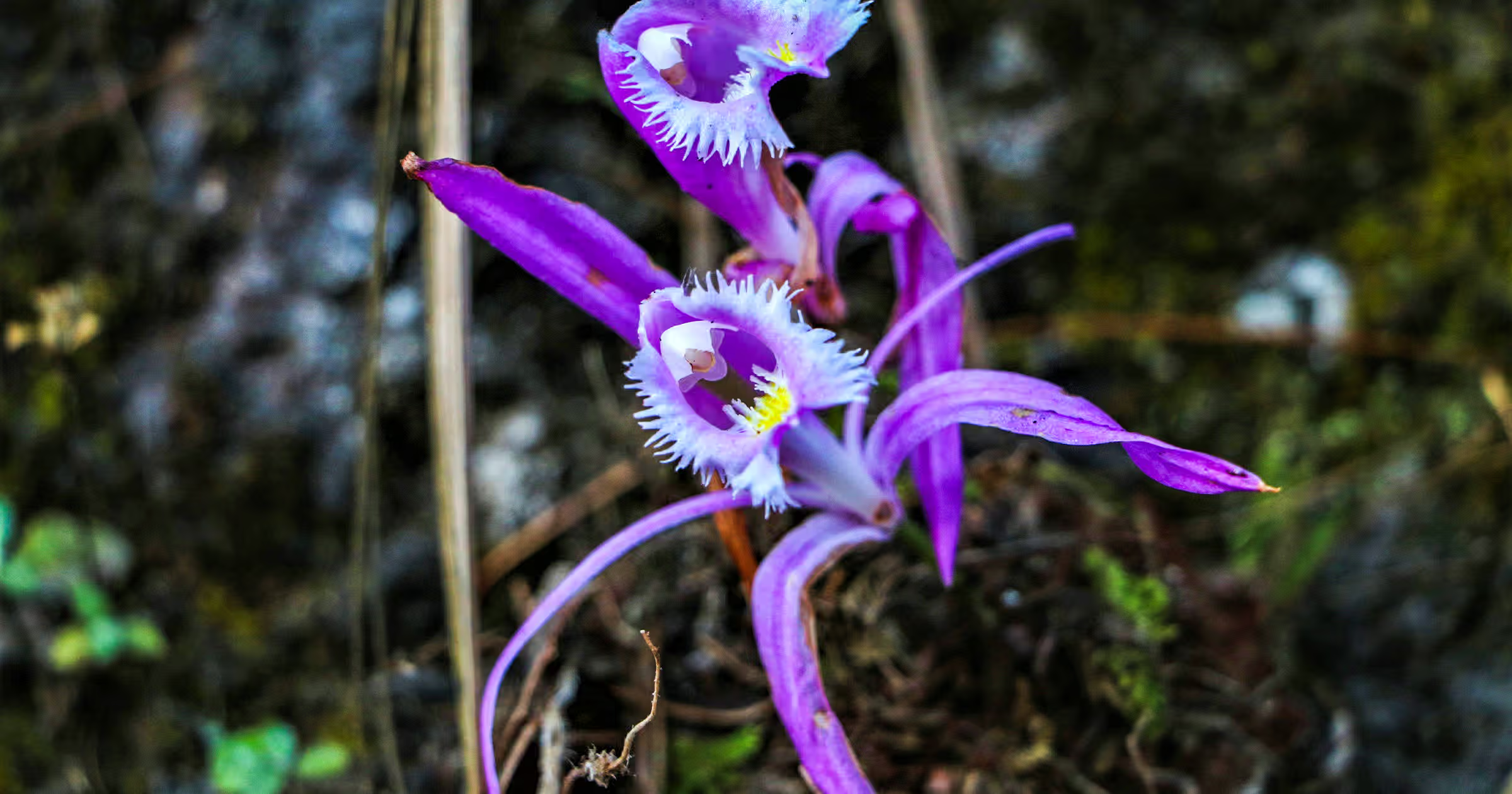
CITES covers both flora and fauna and without official permits, the buying and selling of specimens is considered not safe and illegal.
Illegal Drugs and Controlled Substances
Illegal drugs should never be considered as souvenirs. As a responsible travel agency, we do not support illegal purchase and consumption of drugs and controlled substances.
In Tourist hub these illegal items are sold as souvenir with name:
- Treating medicines,
- Herbal remedies,
- Religious products,
- Recreational substances,
Just because they treat some problems does not mean selling and buying is legal.
Fossils, Sacred Stones, and Geological Objects
Natural objects are another forbidden souvenirs which you should not buy in Nepal as they hold scientific, historic, geological, cultural and religious importance. Buying items that are removed from protected, archaeological, religious, or heritage locations falls in the list of illegal souvenirs in Nepal.
Your ethical shopping in Kathmandu Nepal demands you to avoid items like:
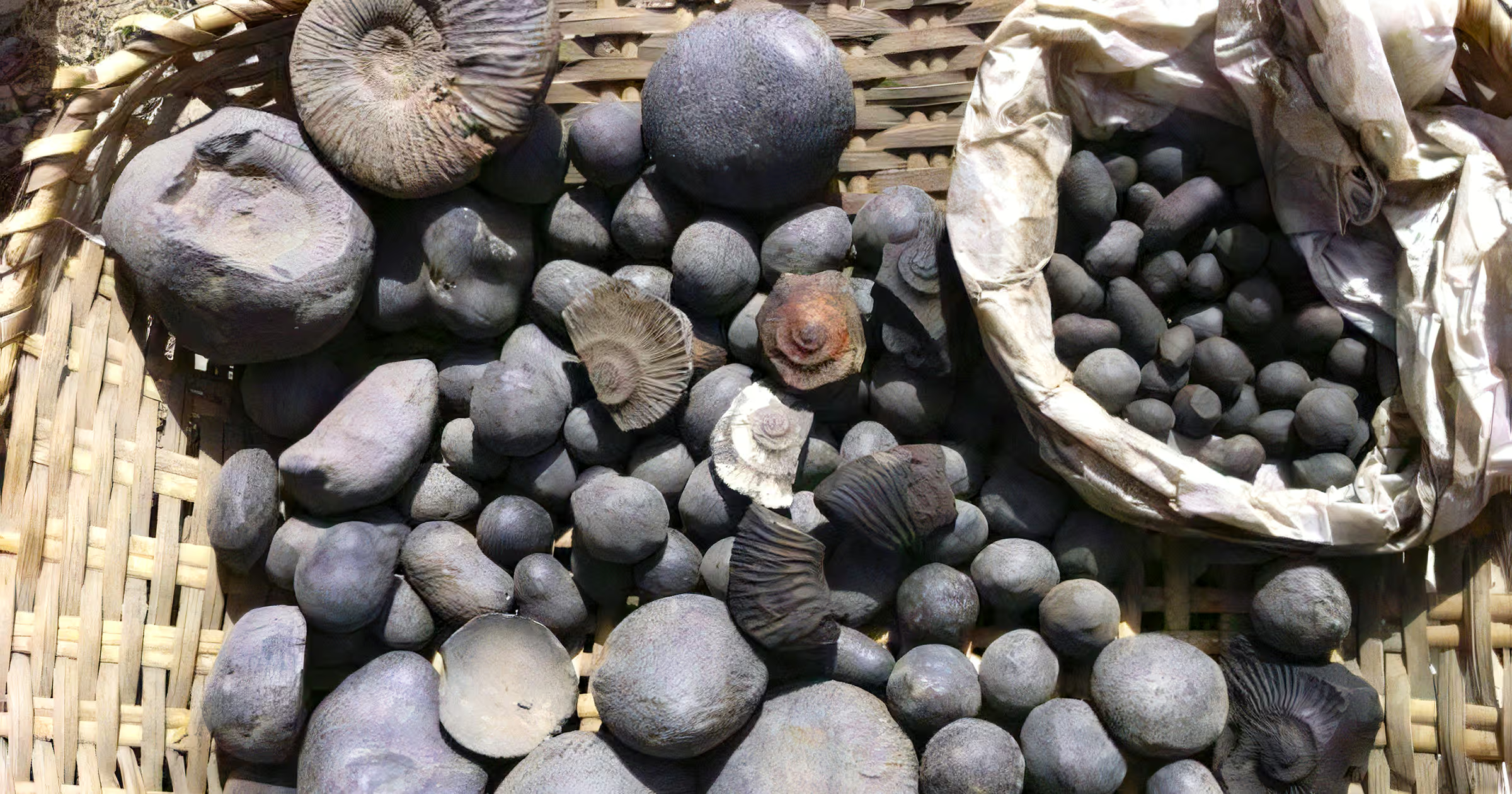
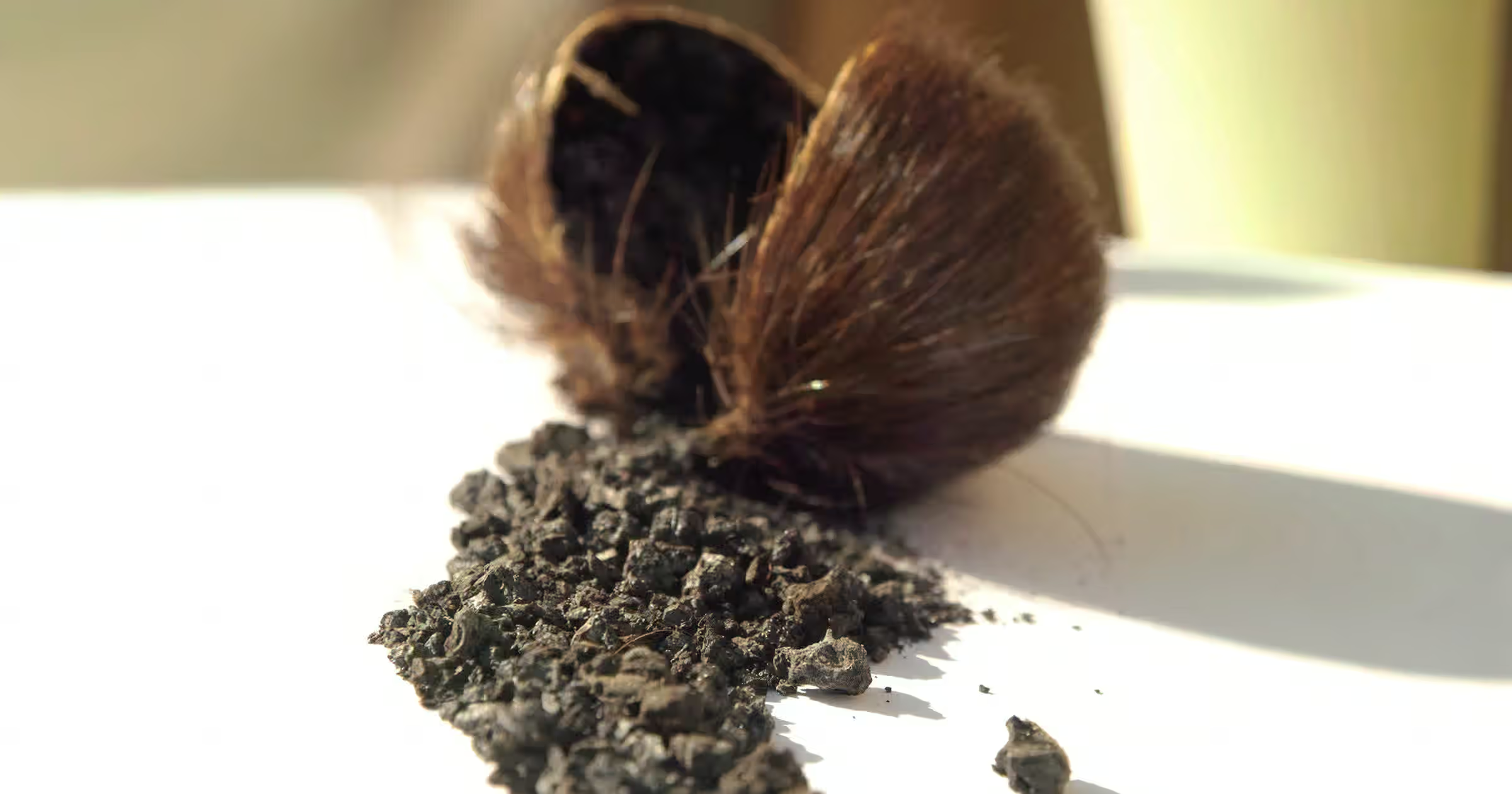
- Fossils and Ammonites,
- Shaligrams and Sacred stones
- Minerals and Crystals.
- Rare geological specimens like rocks and stones from protected sites
- Geological materials without a valid origin.
You can keep rock from trekking trails but you should avoid taking or buying from sacred locations and geological sites.
Counterfeit Cultural Products
Another product which falls inside the list of the forbidden souvenirs in Nepal is presenting modern objects as historic and antique products. We discourage selling of counterfeit product which look like a real as it:
- Claims to be historical
- Misrepresents culture and heritage of Nepal
- Replicas of significant important works and artifacts
When buying items, buyers should always ask about their origin, either it was made genuinely or is just a replica.
Best Ethical Souvenirs to Buy in Nepal
The main purpose of a sustainable Forbidden Souvenirs policy is not to stop tourists from supporting Nepalese businesses. In fact, it encourages foreigners to buy genuine and hassle free souvenirs and help local artisan flourish their artwork all around the world.
You can buy following items as souvenirs from Nepal:
- Contemporary handmade paper products
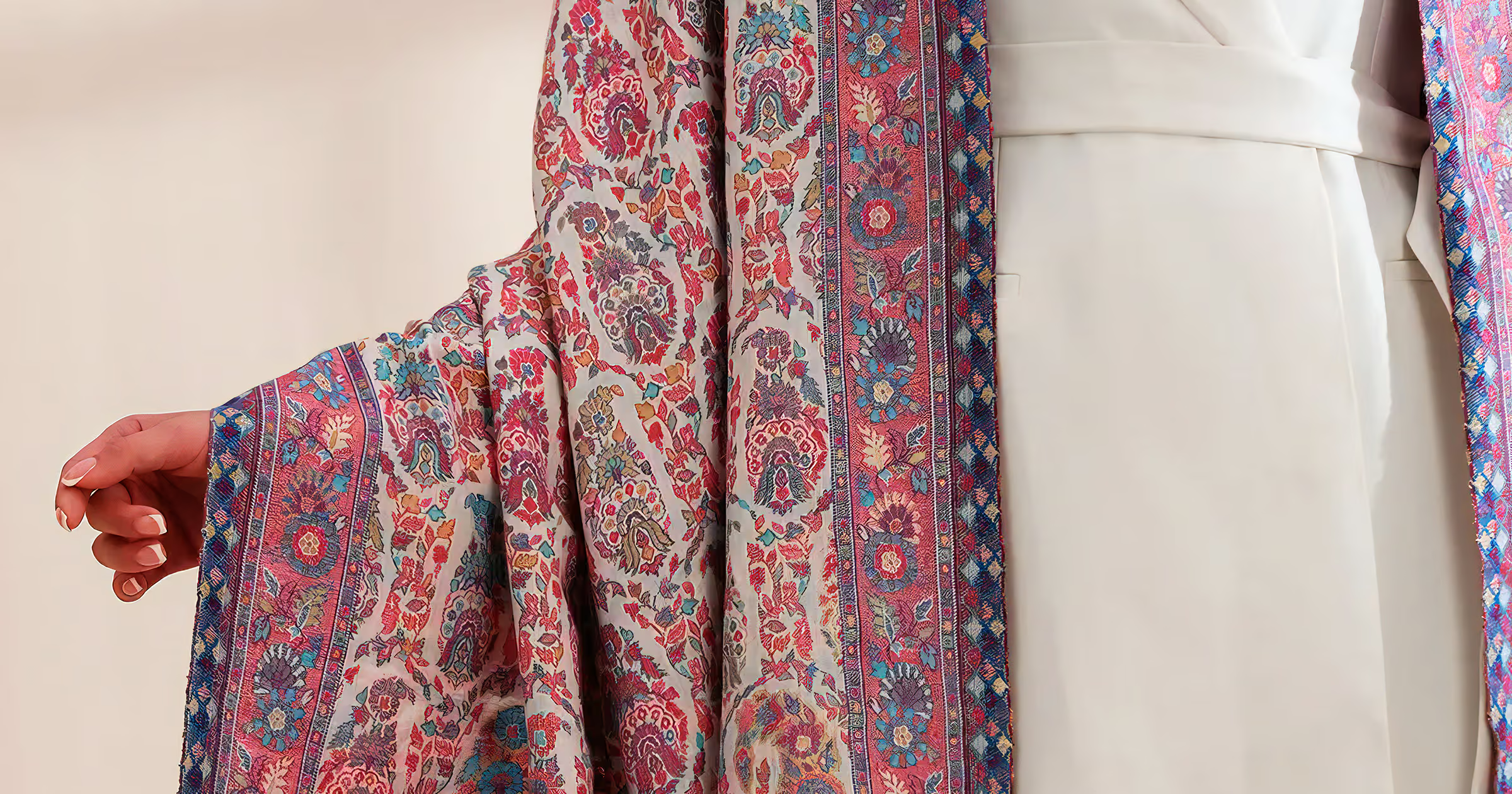
- Locally produced textiles
- Legally sourced pashmina
- Wool and felt products
- Contemporary paintings and artwork
- Handmade metal crafts
- Modern wood crafts from lawful sources
- Nepalese tea and coffee
- Packaged spices
- Packaged local foods
- Ethically sourced jewelry
The approach of buying from legitimate sellers allows tourism revenue to reach artisans and small businesses without creating demand for Forbidden Souvenirs in Nepal. Click here for details on Best Souvenirs from Nepal.
How to Identify Potentially Problematic or Illegal Souvenirs in Nepal?
You should simply ask following question before buying a problematic souvenirs in Nepal like:
What Is This Item Made From?
Check whether the product contains animal parts, unusual plants, fossils, coral, rare wood, or other natural materials.
Where Does the Material Belong?
Ask whether the material was legally sourced or produced. Make the seller explain the origin of material.
How Old is the Product?
If sellers mention words such as “ancient,” “antique,” “historic,” or “archaeological”. Leave the shop.
Does it need any Kind of Documentation?
There are many items which demand permits, certificates, or inspection at Nepal custom, so ask whether the souvenirs need it or not.
Can I Legally Export to my Home Country?
Nepal’s export rules and your destination country’s import rules are not necessarily identical.
These questions can help prevent a seemingly innocent purchase from becoming one of the Forbidden Souvenirs in Nepal that later may cause problems at customs.
Nepal Travel Custom Formalities
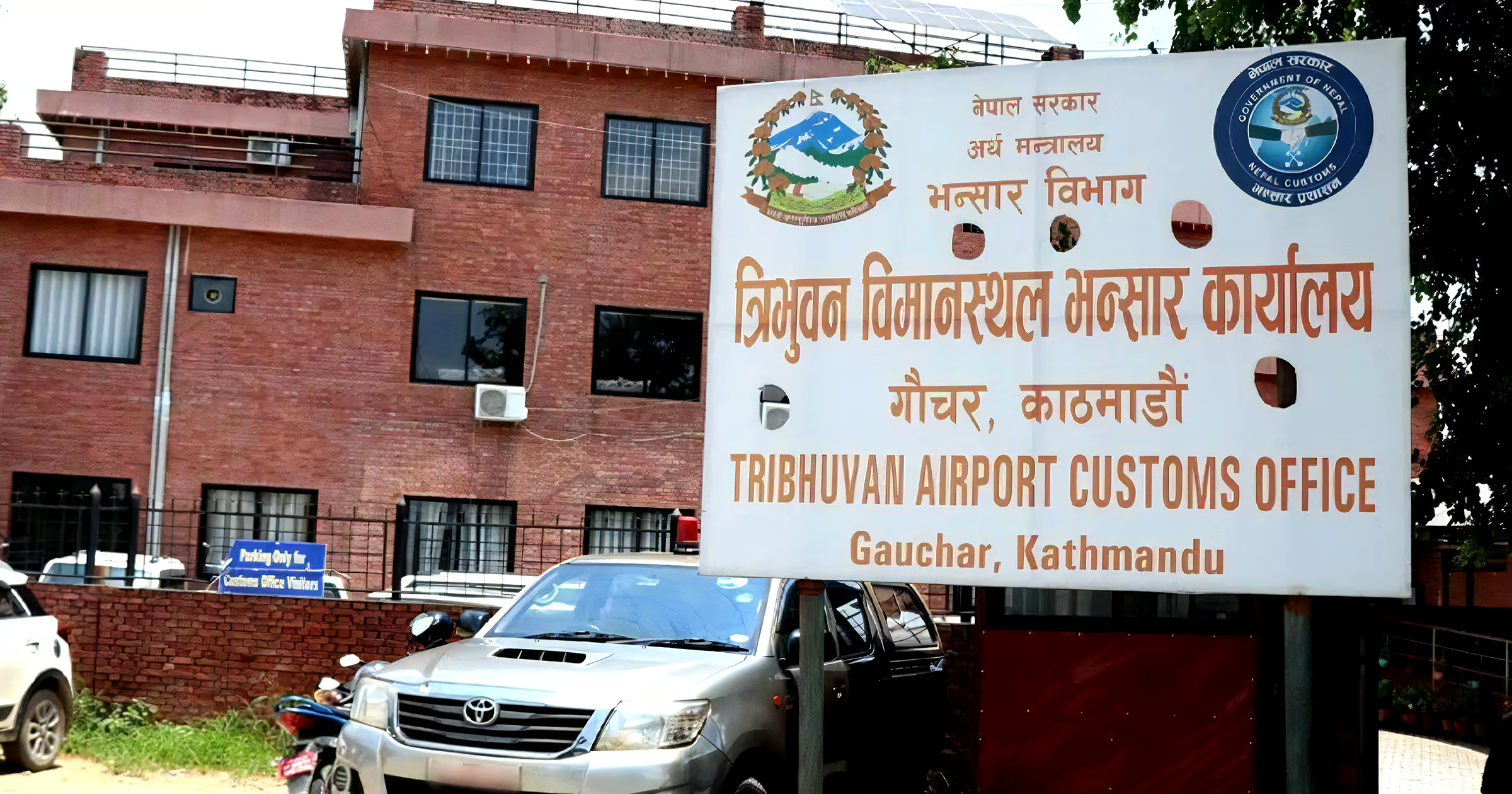
Every traveler should know about Nepal custom procedure when avoiding forbidden souvenirs in Nepal. At the time of entry every individual should declare their baggage and clear it at the customs department.
If you are traveling without dutiable goods you will be proceeded through the Green Channel for quick clearance without a baggage check but if you have dutiable goods , you have to pass through the Red Channel for detailed customs clearance.
What You Can Bring in Nepal
Travelers can bring the following list of things with their personal items when entering Nepal from foreign countries.
- cigarettes (200 sticks) or cigars (50 sticks),
- distilled liquor (one 1.15 liter bottle),
- and film (15 rolls)
Foreigners can also bring in the following things free of duty on condition that if you take them out with you when you leave:
- binoculars,
- movie or video camera,
- still camera,
- laptop computer,
- Currency up to USD 5000
- and a portable music system.
What you Cannot Export from Nepal
If you are planning to export antiques items, you must have a special certification from the Department of Archeology, National Archive Building which is located in Ram Shah Path, Kathmandu. If your antique item is over 100 years old, you cannot take it to your home country.
Travelers are prohibited to take following objects:
- Antiques and Religious Artifacts
- Wildlife Products made from endangered animals parts
- Raw Herbs and Plants without necessary paperwork
- Large Quantities of Cashmere or Pashmina
Planning to Buy Souvenirs from Nepal in 2026?
Or Call/Message on WhatsApp +977 98434 13619
- Local Honey and Dairy Products
- Khukuri Knives in hand luggage
Final Thoughts: Choose Memories Over Forbidden Souvenirs in Nepal
When buying souvenirs in Nepal, the key is to shop thoughtfully. No matter whether you are buying from reputable stores or from local artisan workshop, it is very much important you should strictly follow the laws and regulation of Nepal.
A meaningful souvenir does not need to be ancient, rare, or made from a protected material. A locally crafted product bought honestly from a legitimate artisan can carry just as much meaning and often a much better story.
Make sure you avoid above mentioned list of forbidden souvenir in Nepal and make your journey more responsible by helping the protection of the cultural heritage, wildlife, biodiversity, and communities. Foreigner should follow the simple rule of leaving the store or workshop if something seems unusual or they claimed it antique or rare piece.
Responsible shopping means returning home with memories and meaningful crafts, not with Forbidden Souvenirs in Nepal. If you are in Nepal and looking for guidance on where to find ethical and meaningful souvenirs, contact Awesome Holidays Nepal, our certified and experience tour guide will help you find the exact souvenir place you have interest on.
FAQs
Expand AllWhat souvenirs are banned in Nepal?
Souvenirs made from protected wildlife, illegally obtained archaeological objects, ivory, and other restricted materials are banned to take outside from Nepal.
Can I take antiques out of Nepal?
No. Taking genuine antiques or culturally significant archaeological objects without the required verification and permission from Nepal’s Department of Archaeology is illegal in Nepal.
Why can't you export items over 100 years old from Nepal?
You cannot export items over 100 years old from Nepal because it is necessary to protect the country’s rich cultural, historical, and religious heritage from theft and smuggling.
Do thangka paintings need an export certificate?
Older thangka paintings that are more than 100 years old require clearance and a non-antique certificate from the Department of Archaeology in Nepal.
Can tourists buy singing bowls in Nepal and take them home?
Yes, tourists can buy singing bowls in Nepal and take them home.
Is it illegal to buy religious statues in Nepal?
Yes, it is illegal to buy centuries old religious statues in Nepal.
What wildlife products are prohibited in Nepal?
Wildlife products that are made from their body parts like ivory, rhino horn, tiger parts, etc are prohibited in Nepal.
Can I take Nepali rupees out of the country?
Yes, you can take permitted limits of Nepali rupees out of the country.
What is the gold limit at Kathmandu airport?
You can bring gold limit of 50 grams for women and 25 grams for men at Kathmandu airport.
Can I export gemstones or fossils from Nepal?
No. You cannot export gemstones or fossils from Nepal freely.
What is the Department of Archaeology certificate in Nepal?
A Department of Archaeology certificate in Nepal is an official clearance document which verifies that a cultural artifact, statue, or curio product is a modern replica or item that can be legally permitted to be exported out of the country. It also ensures no authentic ancient or protected heritage objects leave Nepal.
Are yak wool products legal to export from Nepal?
Yes, yak wool products are legal to export from Nepal.
Can I bring khukuri knives home from Nepal?
Yes, you can bring Khukuri knives home from Nepal but you should pack them securely in checked luggage instead of carry-on.
What happens if customs seizes my souvenir at TIA airport?
If customs seizes your souvenir at TIA airport it will be officially confiscated and held by airport authorities if it violates export laws or lacks mandatory clearance.
Are shahtoosh shawls illegal in Nepal?
Yes, shahtoosh shawls is illegal in Nepal. As it is made from the wool of the protected Tibetan antelope and international trade is heavily restricted under wildlife regulations.
Can tourists buy ivory or bone jewelry in Nepal?
No. Buying ivory or bone jewelry in Nepal is illegal in Nepal.
What are CITES regulations for Nepal souvenirs?
The CITES regulations for Nepal souvenirs strictly ban the export, import, purchase of products made from endangered or threatened animals and plants.
Is buying rudraksha beads in Nepal legal to export?
Yes. Buying and exporting personal amounts of Rudraksha beads from Nepal is legal.
What are sustainable souvenir alternatives in Nepal?
Textiles, handmade paper, traditional crafts, responsibly sourced tea, natural-fiber products, etc are some of the sustainable souvenir alternatives in Nepal.
Can I ship souvenirs from Nepal internationally?
Yes, you can ship souvenirs from Nepal internationally via local or international cargo services.
Related blog posts
Discover a choice of tourist destinations loved by most of our visitors. Whether you're on a jungle safari to spot rare animals or walking through a world heritage site, these well-planned itineraries cover the major highlights of Nepal.

 call an expert at: