
Complete Guide to Dakshinkali Temple: History, Timings, Rituals and Travel Tips (2026)
 Sristi Adhikari
Dakshinkali Temple is one of the well-known temples dedicated to the dreadful Goddess, Kali. Located only 22km south of Kathmandu, Dakshin Kali is a vibrant center for those who have interest in history, nature, and spiritual immersion.
Every year thousands of devotees, pilgrims, and curious travelers visit this sacred shrine, Dakshinkali to receive blessings and to enjoy the mystical and spiritual atmosphere. If you are also in search of cultural insight and want to spend some time far away from the busiest street of Kathmandu, then Dakshinkali temple is waiting for you in 2026.
However, before visiting the sacred shrine dedicated to the ferocious Goddess, Kali, read our blog for details on the temple’s history, mythology, rituals, travel information, nearby attractions, and practical tips for a meaningful experience.
Dakshinkali Temple
Dakshinkali Mandir is located near the historic town of Pharping and is dedicated to Goddess Kali. The word “Dakshinkali” comes from Sanskrit which means: “Dakshin” refers to the “South” and “Kali” refers to the “Goddess” meaning “Kali of the South.”
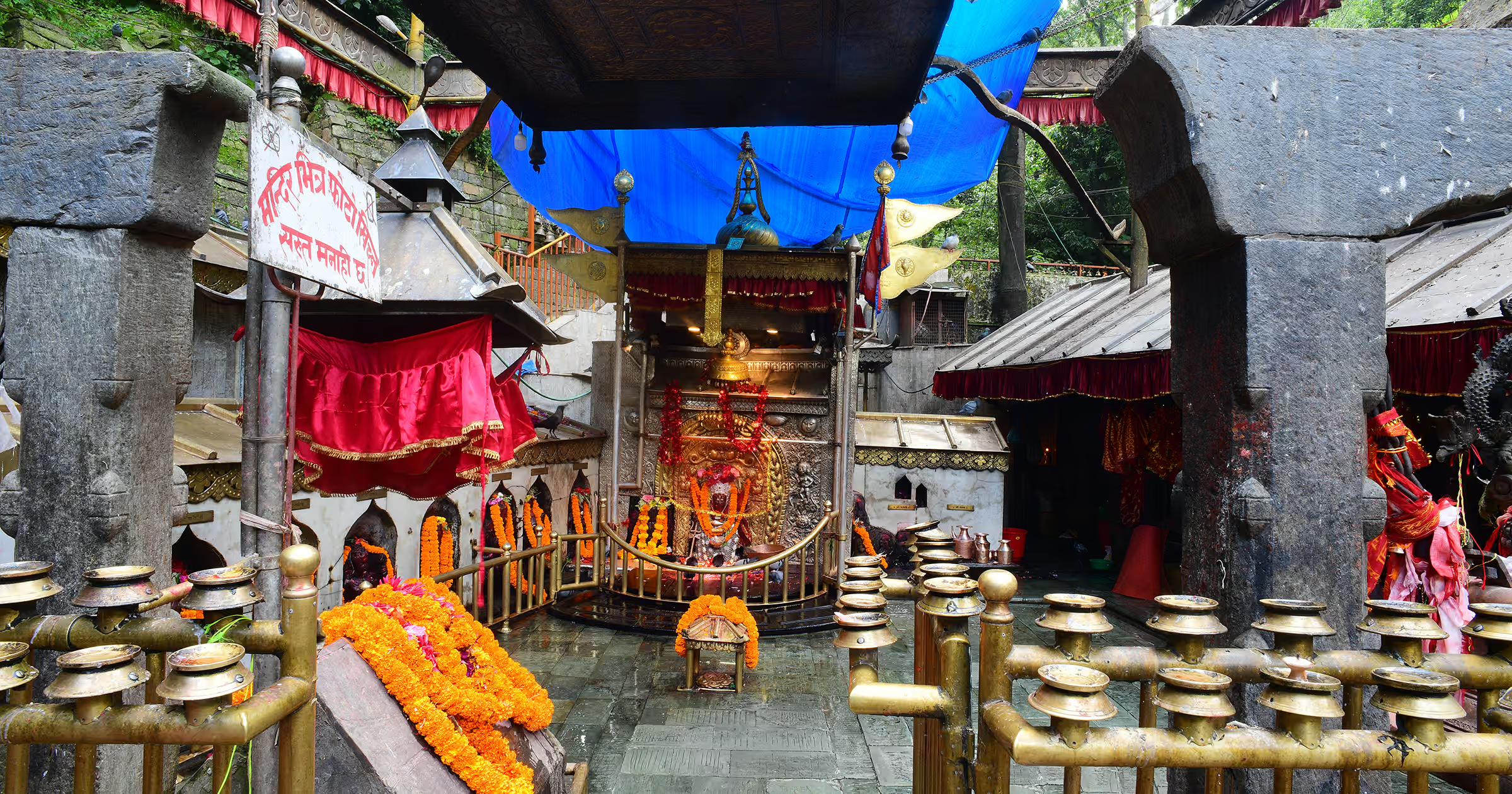
It is one of the most powerful manifestations of the divine feminine known as Shakti in Hinduism. Goddess Kali is believed to remove the evil and negativity of the devotees and make her pilgrims with compassion and power. This is why Goddess Kali is deeply cherished in both Hinduism and Tantric Buddhism.
History and Mythology of Dakshinkali
The temple is believed to be built during the reign of King Pratap Malla in the 14th century. According to Pratap Malla, the Goddess herself appeared in his dream and instructed him to build a temple where she wanted her to be worshipped which is at the confluence of two streams of Southern Valley. So, he commanded the construction of the temple.
Likewise, there is also another belief regarding the establishment of Dakshinkali temple similar to the king of Malla dynasty. The goddess Kali, herself appeared in the dream of a local farmer and expressed her desire to be worshipped at specific location which is now known as Dakshinkali temple.
Statue of Kali
The idols of Kali is placed outdoors. Her fierce forms (Ugra) standing in cremation grounds or her left foot on Shiva’s chest is highly fierce and holds intense cosmic energy. This produce intense vibration, so to protect the wall of temple, Kali statue are usually placed outside.
The statue of Kali 2 feet tall and is carved in a single piece of black stone. The statue is decorated with gold, silver jewelry and flower garland. You will witness several arms where four arms of Goddess Kali is depicted holding:
- Top left hand: a sword
- Bottom left hand: a severed human head
- Top right hand: Abhaya Mudra, offers protection and sanctuary to her devotees.
- Bottom right hand: Varada Mudra, gestures of granting boons, blessing, and spiritual fulfillment.
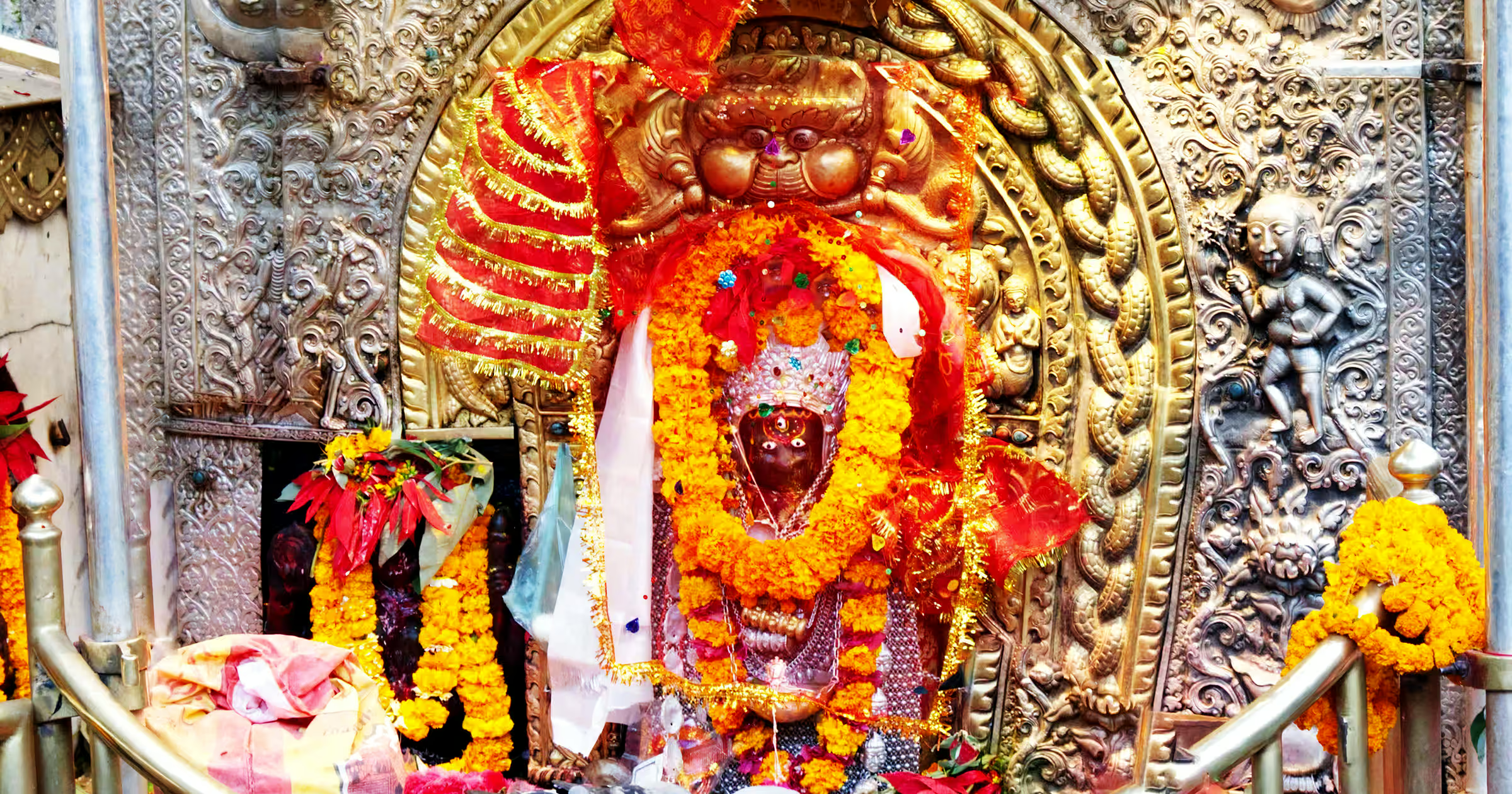
The goddess Kali’s is depicted wearing necklace made up of several heads of demons which symbolizes her as protector and defeaters of malevolent forces. Her three eyes represents sun, moon, and fires which allow her to see different frames of times like past, present, and future.
You can see her victory against evil forces via her protruding tongue and eyes which are wide open. Visitors will also encounter idols of eight mother goddesses, Astramatrikas and Lord Ganesh.
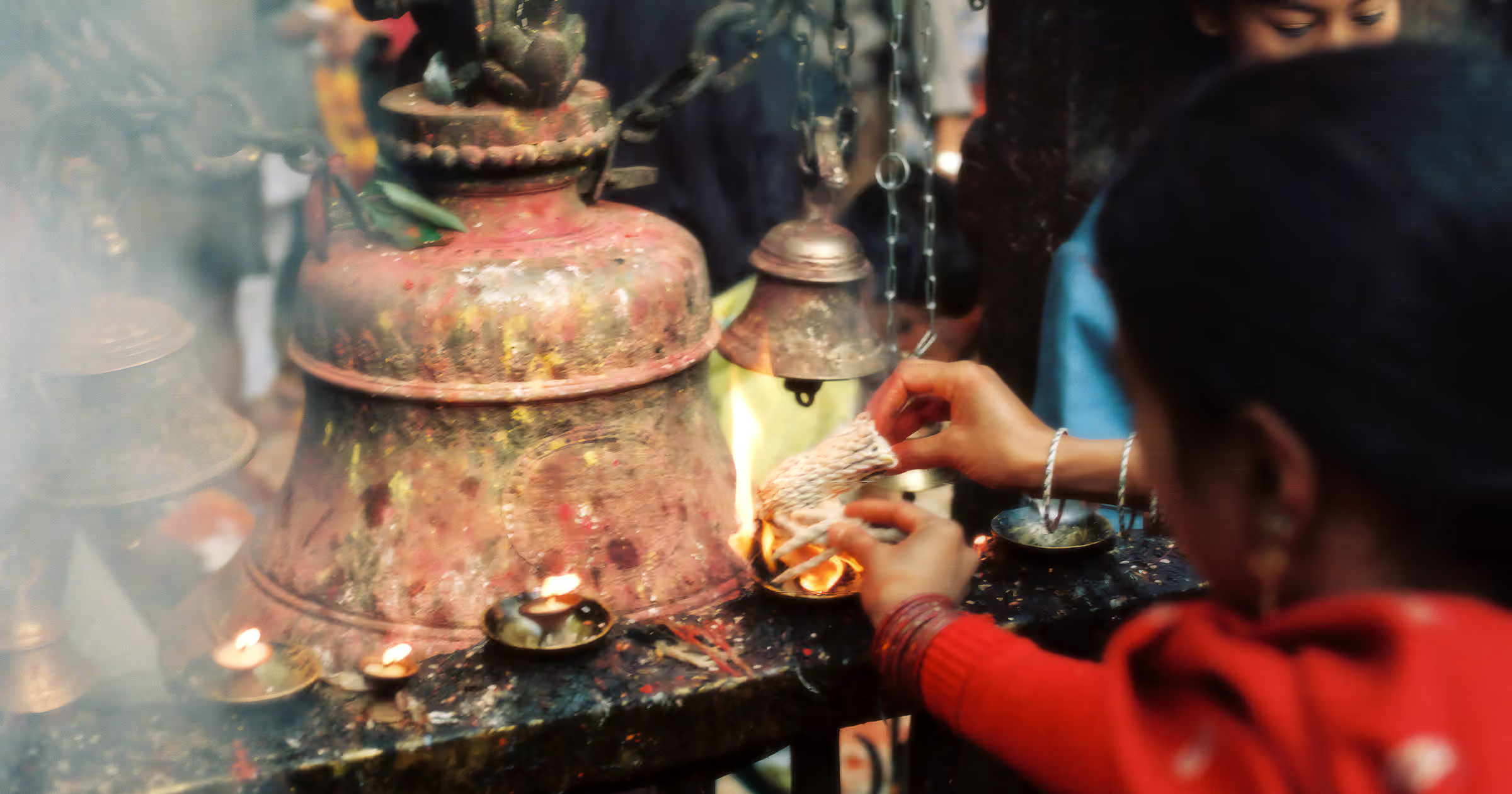
The entrance of the temple has a giant bell which is usually rung by devotees when entering that symbolizes announcement of devotee’s arrival to worship Goddess Kali.
Dakshinkali is one of the most important Shaktipeetha of Nepal and holds the same beliefs as temples like Pashupatinath and Manakamana to Hindu devotees.
Religious and Cultural Significance of Dakshinkali Temple
Dakshinkali is one of the most important temples in Nepal and also acts as a symbol of faith and devotion to Hindu pilgrims. Thousands of devotees visit this holy temple for spiritual cleansing and protection against evil, fulfilling vows and wishes followed by witnessing the ancient tantric rituals performed in the name of sacrifice at the temple courtyard.
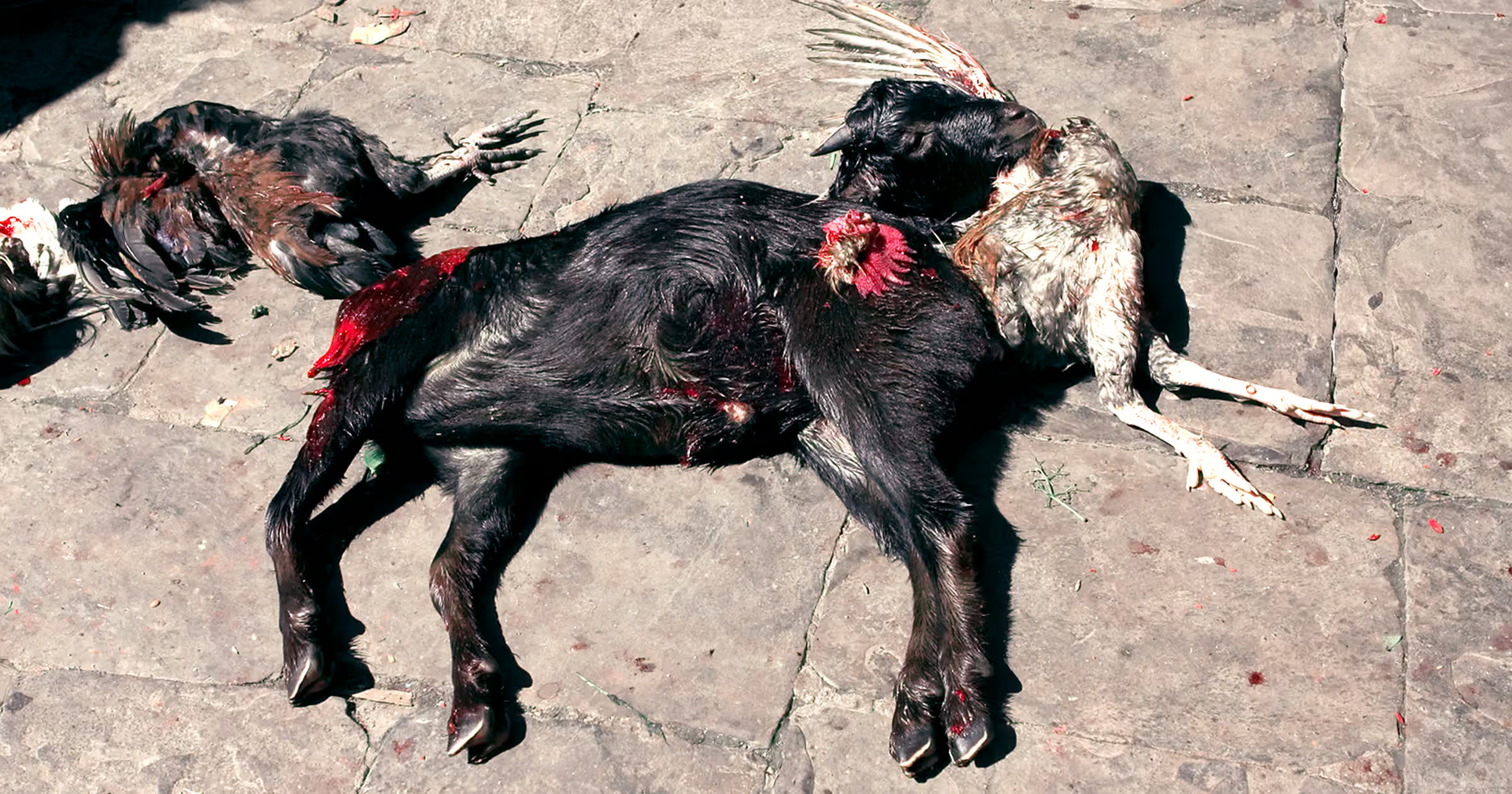
Devotees offer animal sacrifices of cockerels and uncastrated male goats and ask the blood thirsty form of Goddess Kali to protect them from evil forces and bless them with strength to fight against life’s obstacles. Some devotees who are against animal sacrifices offer coconuts and pumpkins to the Goddess.
Likewise, the temple is also an important part of Nepal’s culture and tradition. Here, you will witness ancient customs and practices along with the rituals which have been passed from generations to generations.
Dakshinkali Temple Rituals and Belief in Nepal
When visiting Dakshin Kali temple in Nepal, you will surely witness some of Nepal’s oldest religious traditions from daily rituals to celebration.
Daily Worship
Every day, devotees visit the temple to offer flowers, red vermilion powder, oil lamps, fruits, and prayers to Goddess Kali. The priests of the Dakshin Kali perform rituals on behalf of worshippers and put tika on the forehead after puja.
Planning a Cultural Trip to Nepal in 2026?
Or Call/Message on WhatsApp +977 98434 13619
Many visitors spend time meditating or chanting in the peaceful surrounding of the temple while connecting with the divine power.
Animal Sacrifice Tradition
Devotees believed that the best possible way to worship goddess Kali is by doing a ritual of animal sacrifice. Male goats, birds and roosters are often sacrificed for Kali by devotees seeking blessings or fulfilling religious vows.
If you want to witness how animal sacrifice is done, make sure you visit the Dakshinkali temple on Tuesdays and Saturdays. The sacrifice of animals is done twice a day, once in the morning and another in the evenings. The sacrificed animals and birds are later returned to the owners and they cook the meat as a prasad and enjoy it with their family members.
Major Festivals
Dakshinkali temple is not only a central point of worship but is also a place where festivals and ceremonies are also performed. Some of the major festival celebrated in Dakshinkali temple are:
- Dashain
- Tihar
- Kalika Jayanti
- Harishankar Jatra
- Bajrayogini Jatra
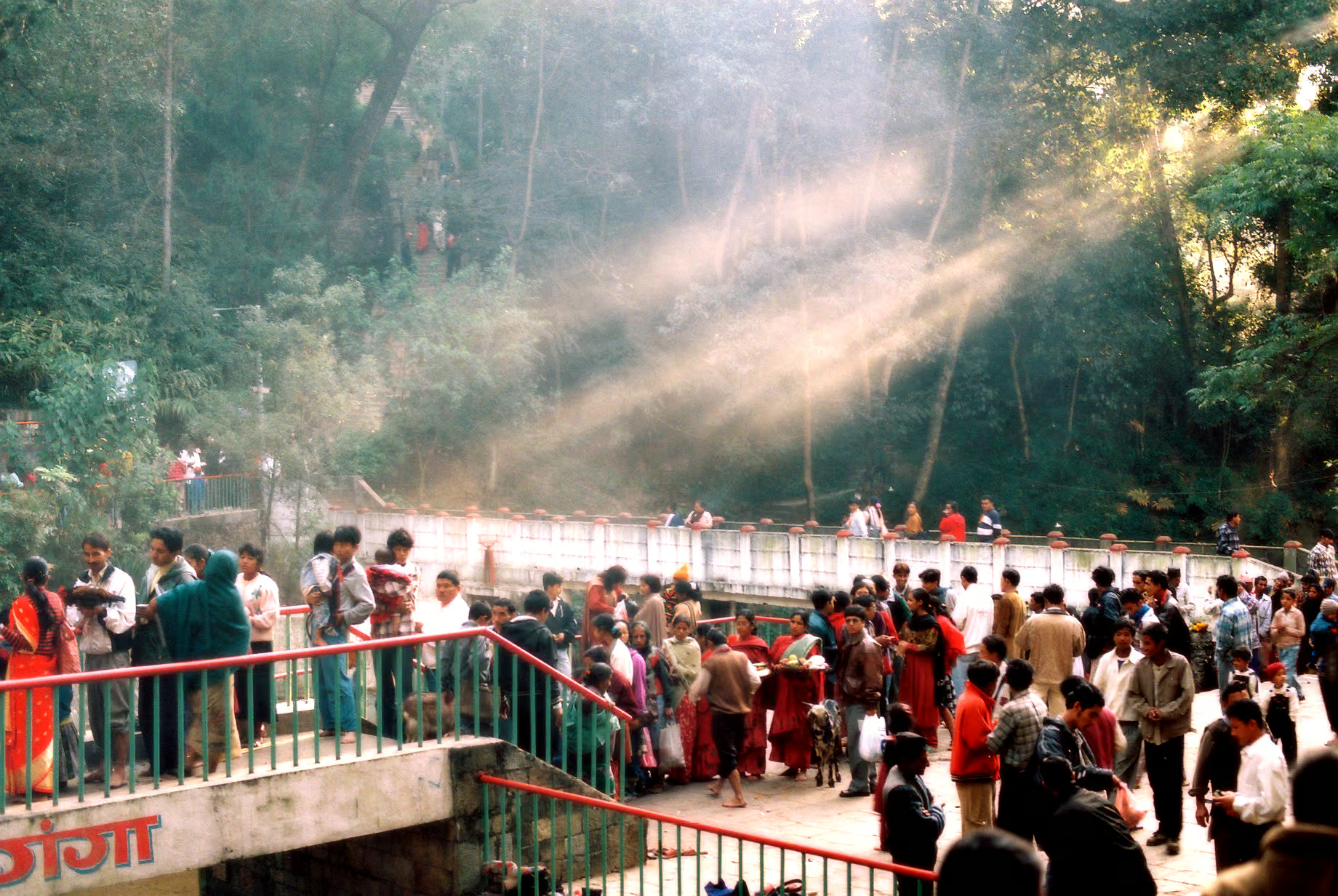
During these festivals, thousands of devotees gather to pray, make offerings of animals and birds while chanting prayers, reciting mantras, bhajans, singing and dancing in traditional songs. Shrawan Sankranti, Janai Purnima, Maghe Sankranti, and Fagu Purnima (Holi), and Gaijatra are also celebrated with music and prayers.
Temple Timings
The Dakshinkali temple remains open from 6 AM to 11 AM in the morning but if you are planning to visit during the day, then arrive from 1 AM to 6 PM. If you want to enjoy a peaceful environment, then arrive before 9 AM as most of the devotees returned doing early morning puja.
How to Reach Dakshinkali Temple from Kathmandu?
You can reach Dakshinkali temple via private vehicle or taxi, motorcycles or by public bus. You can reach the temple within one hour which is excellent to plan a half-day or full-day excursion from Kathmandu in 2026.
By Private Vehicle or Taxi
The easiest option to reach Dakshinkali from Kathmandu is by booking a taxi using ride-sharing apps like Pathao, Yango, Indrive, or TaxiMandu. You will reach within 45 minutes to one and half hours as it depends on the road traffic. If you want to explore nearby places along with the temple, then hire a private vehicle or taxi as it offers better flexibility. It will cost you around NPR 500+.
By Public Bus
If you are on budget, then you can take local buses and micro from Ratnapark, Balkhu, Koteshwor, old bus park, Kalanki, and Martyr’s road. You will reach within 1 to 1.5 hours and you will also get more authentic local experience. It will cost you around NPR 100 to 250.
By Motorcycle
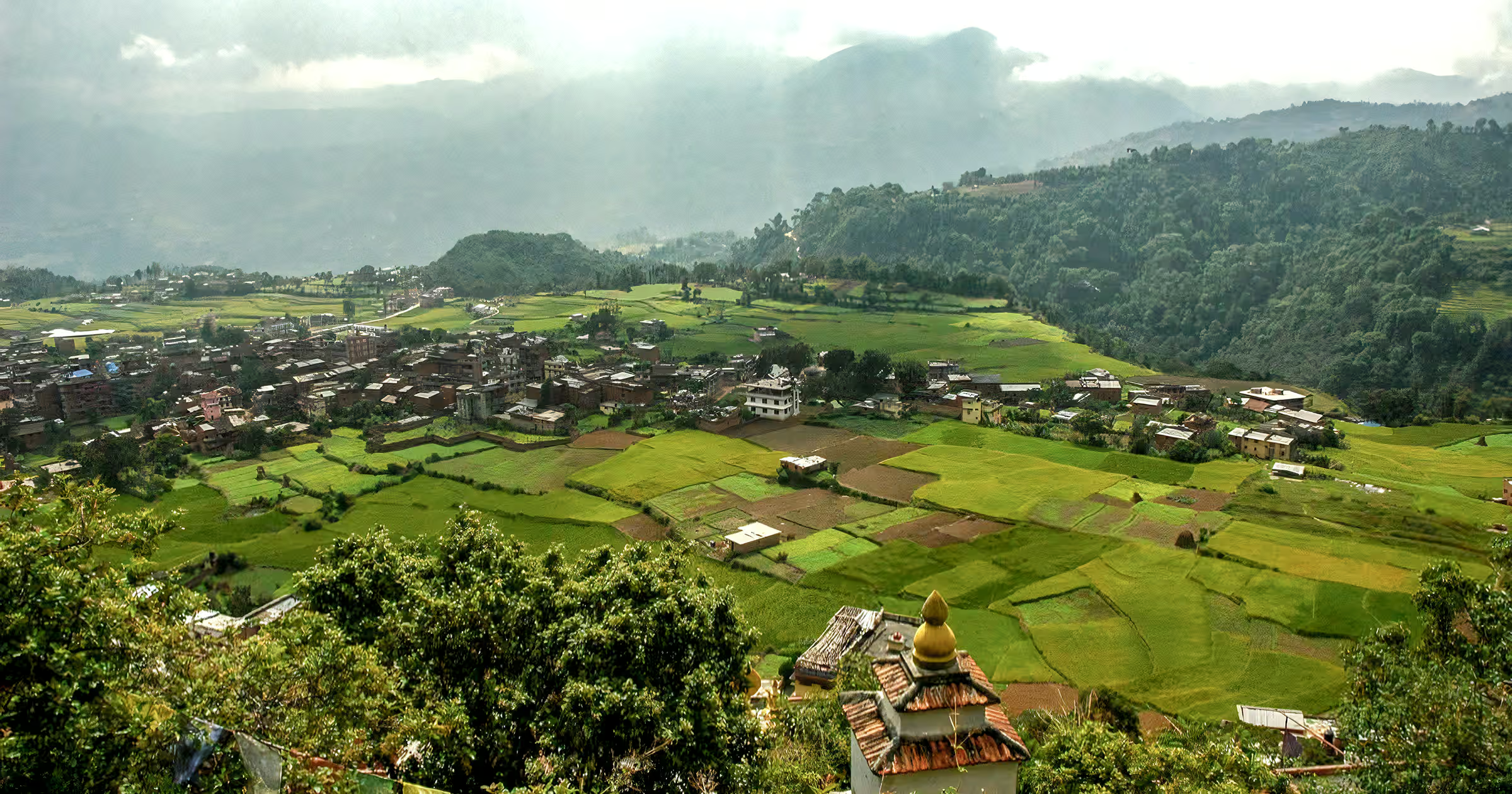
Those travelers who are in search of a rush of adrenaline can rent a motorcycle. The scenic road south of Kathmandu passes through villages, terraced fields, and forested landscapes until you reach the holy temple of Dakshinkali.
Attraction Near Dakshinkali Temple
After completing puja in Dakshinkali temple, there are many places where you can visit in 2026. They are:
Pharping
Pharping is one of the most important spiritual destinations of Nepal which is located at a short distance from the temple. The town is famous for its Buddhist monasteries, meditation centers, ancient caves, viral suspension bridge and traditional Newar culture.
Asura Cave
The cave is believed to be associated with Guru Padmasambhava spiritual enlightenment.
Taudaha Lake
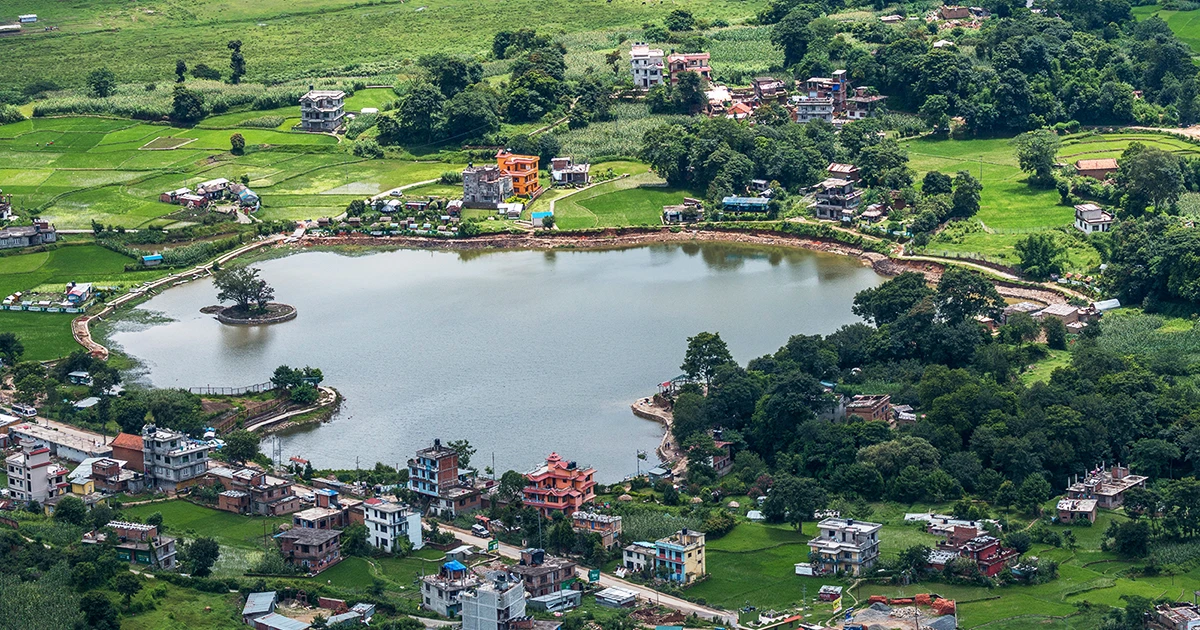
The lake is popular among bird watchers and photography enthusiasts. The serene atmosphere of the lake attracts the devotees of Dakhsinkali and they stop once in here before or after worshipping.
Champadevi Hill
You can enjoy the panoramic views of Kathmandu Valley and the surrounding Himalayan ranges when hiking inside the Forest trails of Champadevi.
Local Food Stalls
The area around the temple features small eateries serving:
- Momo
- Newari Khaja
- Bara
- Traditional Nepali snacks like Selroti, Lakhamari, etc
Practical Tips for Visitors in Dakshinkali
When visiting Dakshinkali temple, make sure your visit is smooth and respectful towards Nepal by following temple etiquette like:
- Reach early in the morning for cooler temperatures and religious atmosphere.
- Cover your knees and shoulders by wearing comfortable clothing.
- Avoid wearing tight and revealing clothes like gym wears.
- Make sure you have cash as small streets stalls and local transport do not take digital transactions.
- Do not click pictures of animal sacrifice and others performing rituals without asking permission.
- Avoid noises and talking on phone loudly around the temple courtyard as it disturbs the peace.
- Prepare for longer waiting times if you are planning to visit during festivals like Dashain and Tihar.
- Always respect rituals performed in the temple like animal sacrifices and the way of local doing puja.
- Avoid ringing temple bells too often and running here and there unnecessarily.
- Do not take money from donation boxes instead place money.
- Always move in clockwise direction when rotation around the temple.
- Remove your shoes and leather items at the main gate.
- Make sure you tie your hair or apply clutch in wet hair before entering the temple.
Final Thoughts on A Sacred Journey to Dakshin Kali Temple
Dakshinkali Temple is not only a religious destination but it is a living expression of Nepal’s spiritual relationship with the divine. Dakshinkali offers a rare glimpse of centuries old culture and traditions with a rare mixture of fierce devotion and tranquil reflection, no matter whether you are a curious traveler, culture enthusiast or devoted pilgrims of Goddess Kali.
From experiencing daily prayer and rituals to animal sacrifice, Dakshinkali temple offers an unforgettable spirituality and you should visit with respect once, when you are in Kathmandu valley while being extra cautious regarding the customs and beliefs. Contact Awesome Holidays Nepal and start planning your unforgettable spiritual journey to Dakshinkali temple with us in 2026.
FAQs
Expand AllWhat is Dakshinkali Temple famous for?
Dakshinkali Temple is famous as one of the most revered Hindu temples dedicated to Goddess Kali in Nepal.
Where is Dakshinkali Temple located?
Dakshinkali Temple is located approximately 22 kilometers south of Kathmandu.
Who is the goddess of Dakshinkali Temple?
Goddess Kali, a powerful manifestation of Goddess Durga who symbolizes strength, protection, and the destruction of evil is the goddess of Dakshinkali Temple.
Is Dakshinkali Temple the same as Kali Temple?
Yes. Dakshinkali Temple is the same as Kali Temple as both temple is dedicated to Goddess Kali.
What is the best time to visit Dakshinkali Temple?
The best time to visit Dakshinkali Temple is during the early morning hours in spring (March–May) and autumn (September–November).
Is there an entry fee for Dakshinkali Temple?
No. There is no entry fee for Dakshinkali Temple.
What are the opening hours of Dakshinkali Temple?
Dakshinkali temple remains open from 6 AM to 11 AM in the morning and from 1 AM to 6 PM in the evenings.
Can foreigners visit Dakshinkali Temple?
Yes. Foreigners can visit Dakshin Kali Temple in 2026.
Is Dakshinkali Temple open every day?
Yes, the Dakshin Kali Temple in Nepal open every day.
Is there parking at Dakshinkali Temple?
Yes, parking facilities are available near the temple area.
Is animal sacrifice still practiced at Dakshinkali Temple?
Yes, animal sacrifice is still practiced especially on Tuesdays, Saturdays, and during major festivals.
What kind of animals are sacrificed at Dakshinkali Temple?
Male goats and roosters are sacrificed at Dakshinkali Temple.
What puja is performed at Dakshinkali Temple?
Kali Puja, special prayers, lamp offerings, and various rituals are performed at Dakshinkali Temple.
What offerings to bring to Dakshinkali Temple?
You should bring offering like flowers, red cloth, vermilion powder, incense, coconuts, fruits, sweets, and oil lamps for Dakshinkali Temple.
Why is Saturday special at Dakshinkali Temple?
Saturday is considered auspicious for Goddess Kali worship as large numbers of devotees visit the temple seeking blessings and spiritual protection.
Can you visit Dakshinkali Temple without animal sacrifice?
Yes. You can visit Dakshinkali Temple without animal sacrifice.
What festivals are celebrated at Dakshinkali Temple?
Dashain, Navaratri, Kali Puja, and other important Hindu religious festivals are celebrated at Dakshinkali Temple.
What is Dakshinkali Mela?
A large religious gathering and fair held during major festivals like Dashain to worship Goddess Kali and celebrate is called Dakshinkali Mela.
Is Dakshinkali a Tantric temple?
Yes. Dakshinkali Temple is associated with Shakta and Tantric traditions that honor the fierce and protective aspects of Goddess Kali.
How far is Dakshinkali Temple from Kathmandu?
Dakshinkali Temple is about 22 kilometers from Kathmandu valley.
Related blog posts
Discover a choice of tourist destinations loved by most of our visitors. Whether you're on a jungle safari to spot rare animals or walking through a world heritage site, these well-planned itineraries cover the major highlights of Nepal.
 call an expert at: