
Chepang Hills and Last Honey Hunter Trail Nepal 2026 | Nepal Trek Guide
 Sristi Adhikari
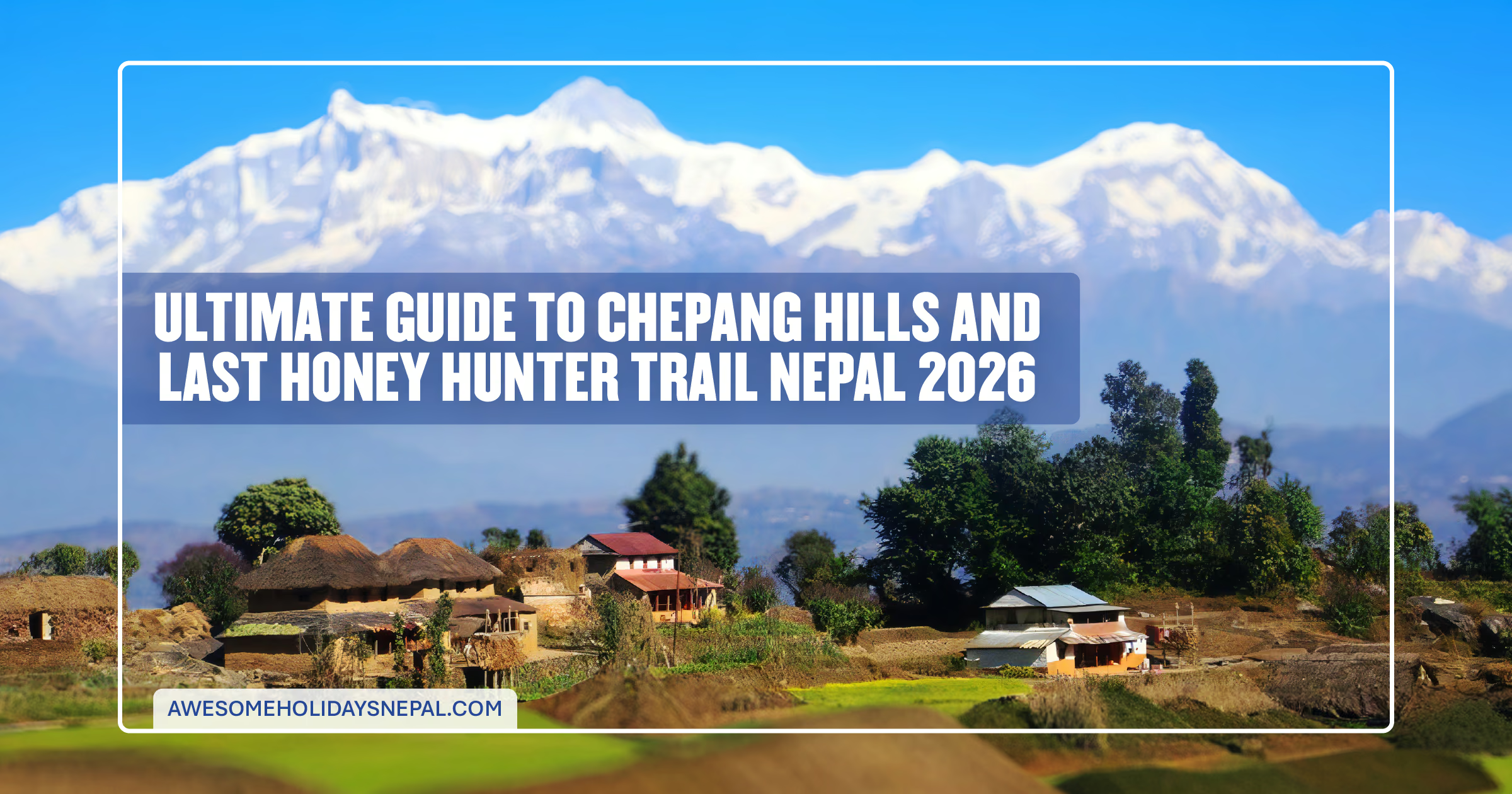
Nepal is famous for Everest and Annapurna, but beyond these iconic trekking destinations lies one of the country’s most authentic cultural adventures—the Last Honey Hunter Trail Nepal. This extraordinary trekking experience combines remote hill landscapes, indigenous Chepang culture, ancient honey hunting traditions, community homestays, and panoramic Himalayan viewpoints.
Last Honey Hunter Trail Nepal offers a remarkable opportunity for those who are in search of less-crowded trekking trails and want to explore untouched villages where traditional lifestyles remain largely unchanged. Unlike popular trekking routes, this journey focuses on cultural immersion, sustainable tourism, and one of Nepal’s oldest traditions—wild honey hunting from towering cliffs.
If you are also planning to witness a remarkable cultural event of Himalayan honey hunting in Nepal whether you are a truly nature lover, documentary filmmaker, photographer or a culture explorer then continue reading our blog for more details:
What is the Last Honey Hunter Trail Nepal?
Last Honey Hunter Trail Nepal is a newly introduced community-based trekking route which highlights the beauty of Chepang Hills of Central Nepal. This trek allows travelers to witness the ancient practice of wild honey hunting and learn about Nepal’s indigenous tribes, Chepang and their way of life.
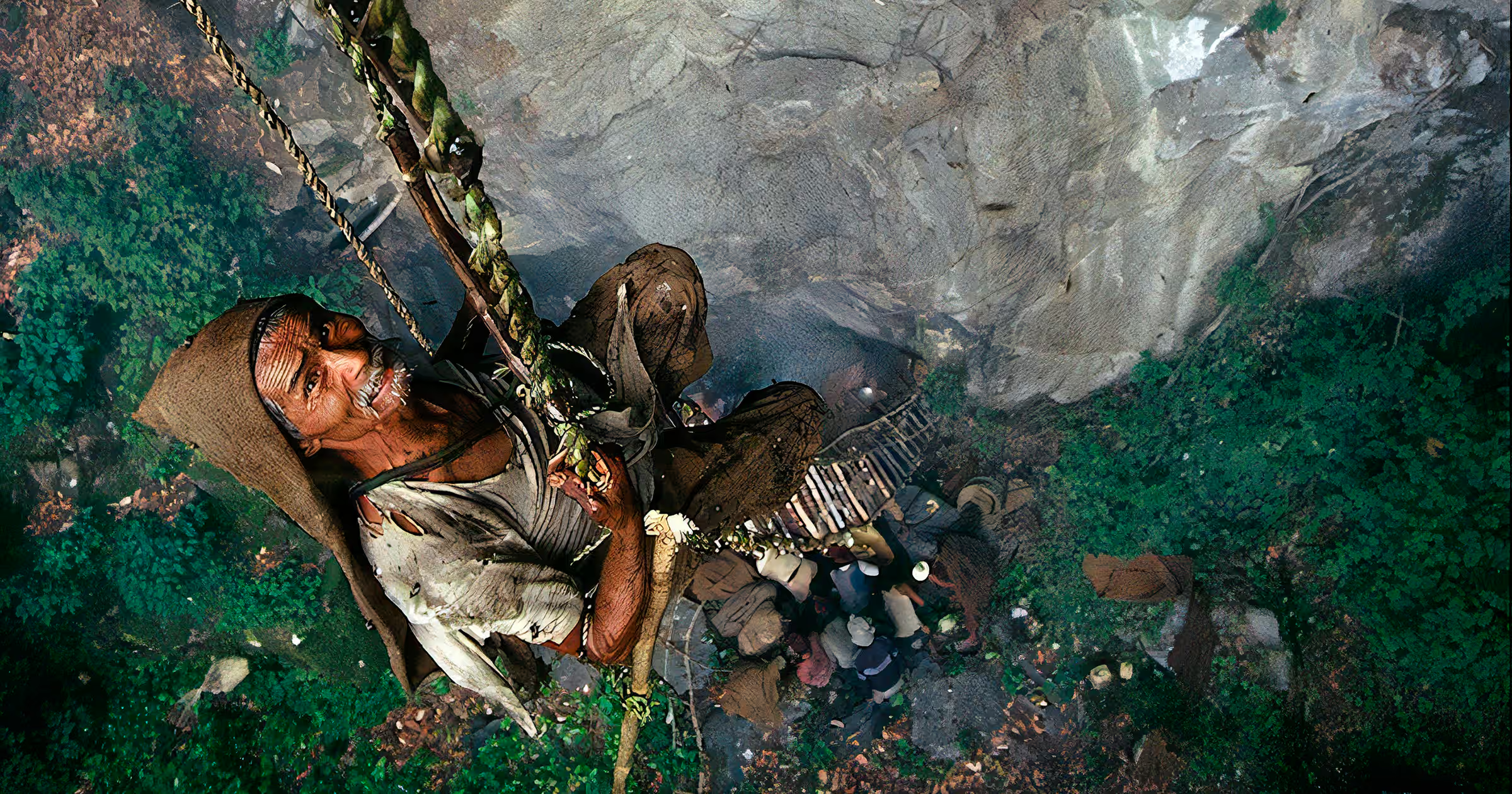
Honey hunting is not simply collecting honey but it is a ritual where skilled local hunters climb towering cliffs using handmade bamboo ladders and ropes without any harness or safety gear. They collect honey from giant Himalayan bee colonies (Apis laboriosa) only wearing locally made bee veils.
The Last Honey Hunter Trail Nepal is not limited to trekking routes today. But it is a cultural journey that introduces travelers to indigenous lifestyles where only a small number of experienced hunters are continuing their centuries old traditions along with sustainable tourism, local conservation efforts, and spectacular hill landscapes overlooking the Himalayan range.
Where is the Last Honey Hunter Trail Nepal?
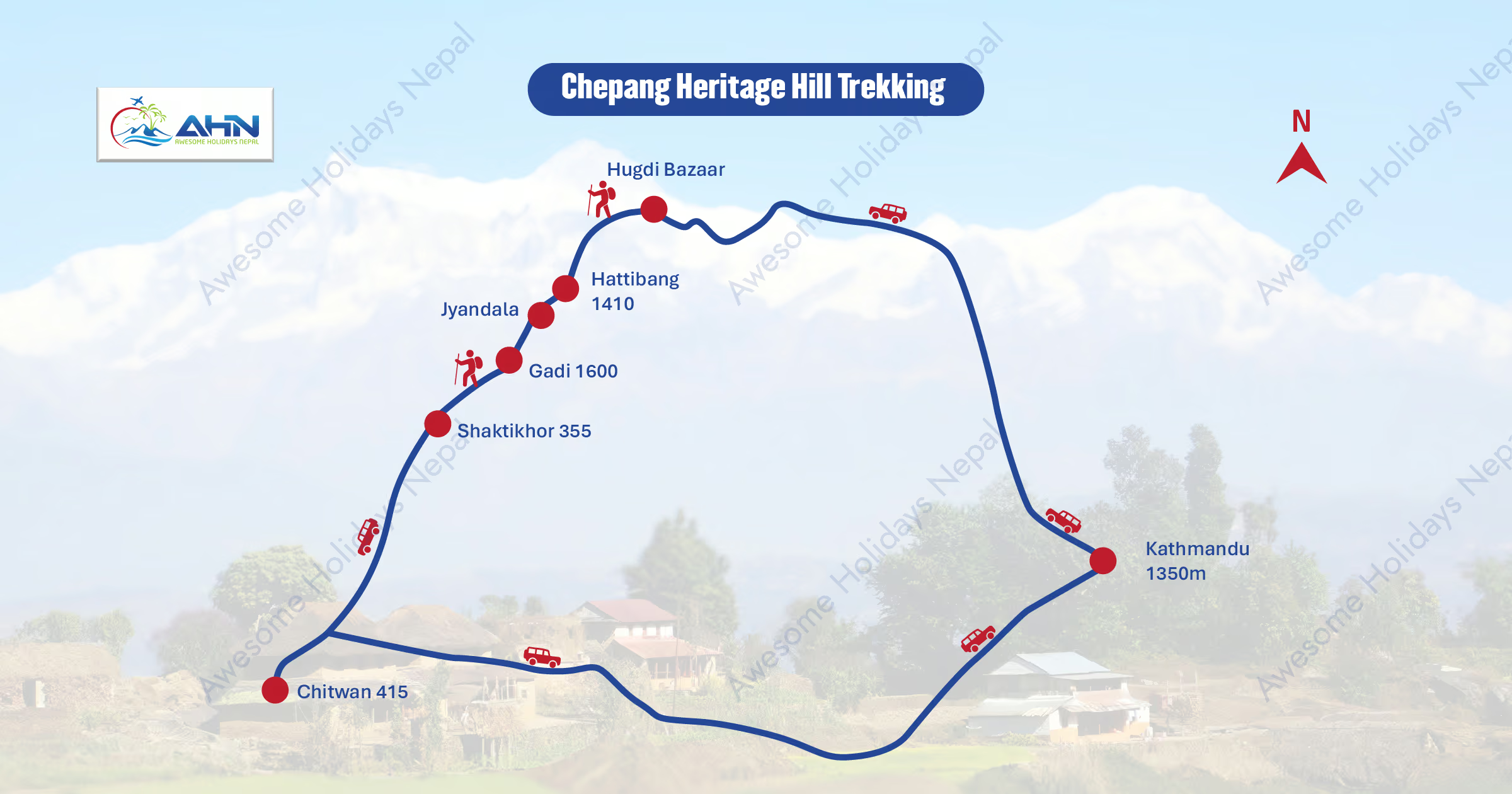
The last honey hunter trail in Nepal is a trekking trail which is located inside the beautiful Chepang Hills between Chitwan, Dhading, and Makwanpur districts of Central Nepal. The route of last honey hunting in Nepal usually starts from Hugdi River which falls in the Prithvi Highway which connects Naubise (near Kathmandu) to Pokhara and takes you to the end of Shaktikhor in Chitwan.
Here you will traversing across routes such as:
- Hugdi→ Hattibang →Jyandala →Siraichuli →Upper Dangadi →Chisapani →Shaktikhor
Most of these routes are home to Nepal indigenous tribes, Chepang, so it is also called as Nepal indigenous tribes trek. Those who want to escape the crowds on the classic trails of Everest or Annapurna, the Last Honey Hunter Trail Nepal trek invites you to discover Nepal off the beaten path with rich indigenous culture and untouched beauty of nature in 2026.
Why Visit the Last Honey Hunter Trail Nepal in 2026?
The increasing demands of the sustainable tourism approach are diverting adventure enthusiasts to authentic experience rather than crowded mainstream trekking trails. The Last Honey Hunter Trail Nepal offers an authentic travel experience that perfectly reflects this growing shift toward sustainable and community-based tourism.
In 2026, visitors from all around the nations and globe should visit this cultural trek in Nepal for:
Witness Authentic Honey Hunting
Honey hunting traditions are one of the oldest living traditions prevalent in Nepal. When doing Chepang hill trek, you will get to learn how skilled honey hunters climb steep cliffs only depending on the handmade rope ladder and equipment made from bamboo.
You will also get to encounter how wild honey bees react when they become angry at the time of wild honey harvest.
Exploration of Nepal’s Indigenous Tribes
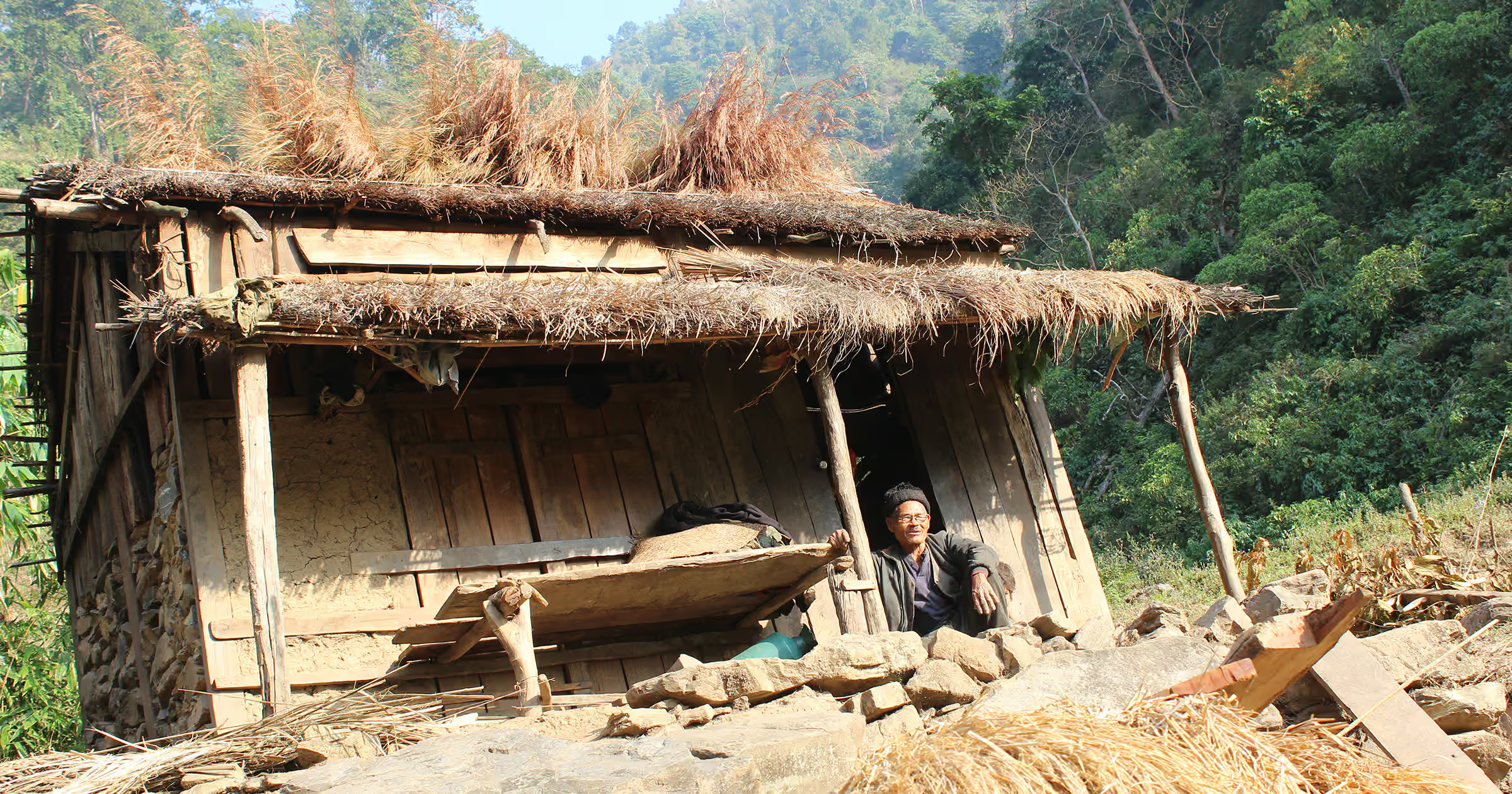
Chepang hill trek takes you to traditional villages mostly inhabited by indigenous Chepang where you will be spending night with them. Chepang are people whose lifestyles used to tie with nature; they were highly dependent on nature for food, shelter, and clothing in the past.
Beautiful Mountain Views
This trek takes you to an elevation of only 2,000 meters and you can trek easily without any difficulty. And, the route of the Last honey hunter trail Nepal offers you the breathtaking views of:
- Green rolling hills
- Awe-inspiring views of snowcapped mountain panoramas like: Rolwaling, Gauri Shankar, Langtang, Manaslu, Annapurna range, Dhaulagiri, etc.
- Sunrise and sunset over the green hills.
Welcoming Village Hospitality
The warm and welcoming nature of the Chepang community is the main highlight of this trek. When trekking, you will get the opportunity to get invitations into local homes.
There, you can learn how to prepare traditional meals prepared from wild roots and yams, soup prepared from wild greens like Sisno (stinging nettle) and niuro (fiddlehead greens) while enjoying meals with their family. Likewise, you will create lifelong memories interacting with them and participating in cultural activities and their nomadic life.
Support Sustainable Community-Based Tourism
Choosing the Last Honey Hunter Trail Nepal directly contributes to the local economy. Community-managed homestays, locally trained guides, and village-based tourism initiatives ensure that the benefits of tourism remain within the region.
By trekking here, visitors help preserve indigenous traditions, encourage environmental conservation, and create sustainable livelihood opportunities for local families while enjoying an authentic travel experience.
Wildlife and Bird watching
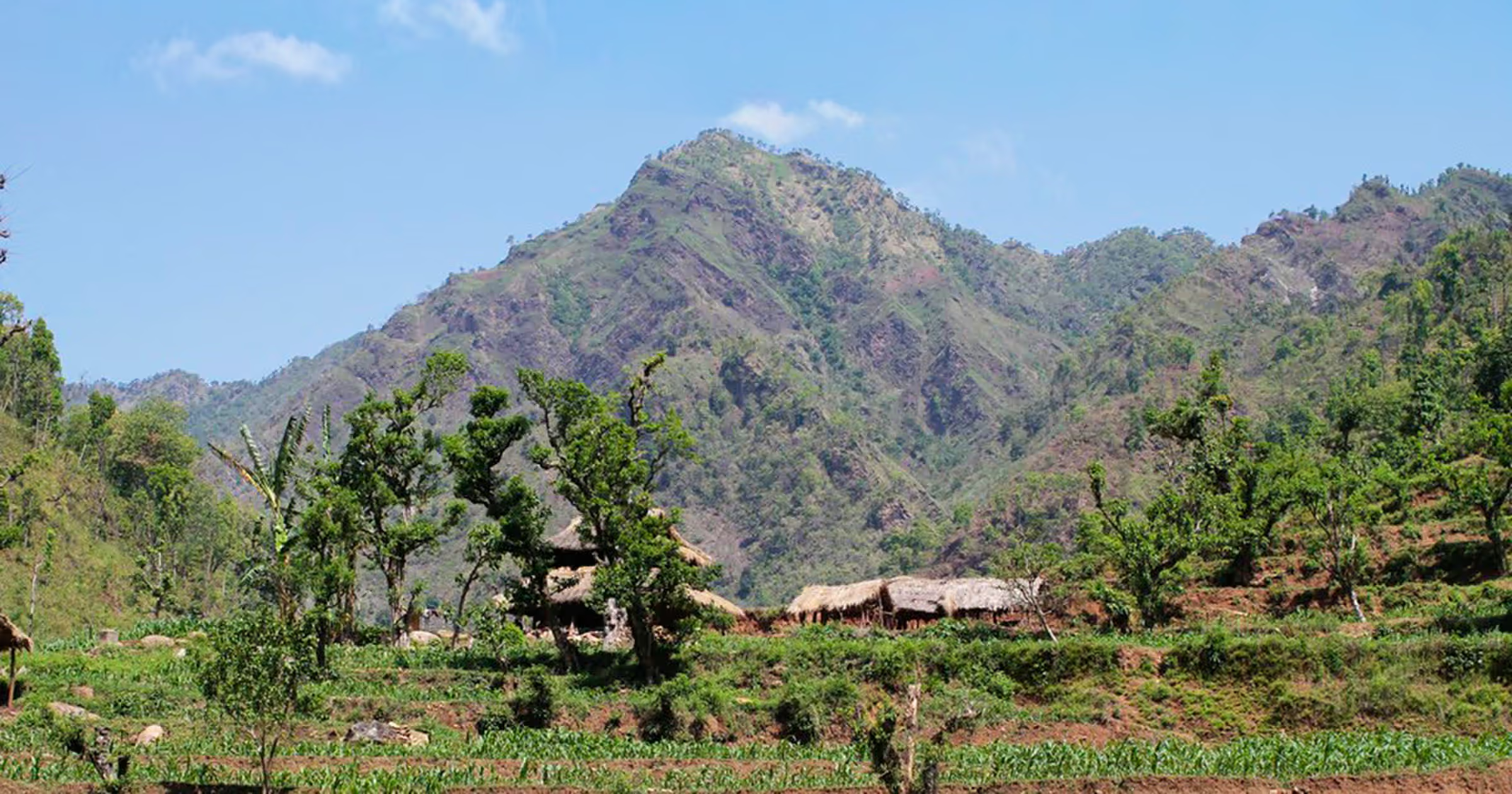
You will be trekking inside the peaceful lush green forests, traditional indigenous village, and scenic hills of the Mahabharat range. Here, you will get to encounter diverse wildlife, colorful butterflies, and numerous bird species as the trails are relatively undisturbed. If you enjoy birdwatching and wildlife photography, Last honey hunter trail Nepal is best for you.
Less-Crowded Trails
The Last Honey Hunter Trail Nepal is one of the finest offbeat treks in Nepal. The peaceful trails allow trekkers to enjoy uninterrupted mountain scenery, authentic village life, and a slower pace of travel without large trekking groups.
The sense of solitude and authenticity which you will experience during this trek is the reason why travelers are seeking destinations beyond the well-known tourist routes in 2026.
The Fascinating Tradition of Honey Hunting Nepal
The chance to learn about the ancient tradition of honey hunting Nepal is one of the greatest perks of Last Honey Hunter Trail Nepal. Not anyone can harvest the wild honey, only experienced honey hunters are assigned to do so.
These experienced honey hunters have the ability to climb vertical cliffs using handmade rope ladders because they grew up watching the harvesting and continuing their family long run legacy. They carefully harvest wild honey produced by the giant Himalayan honey bee with bamboo baskets and smoking torches, they don’t need any safety harness or safety gear.
They simply practice this process with their courage, teamwork, and knowledge of nature. Even in the 21st century, several communities of Hattibang, Jyandala, Uppardang Gafi are focusing on the preservation of this unique cultural heritage despite the influences of modernization.
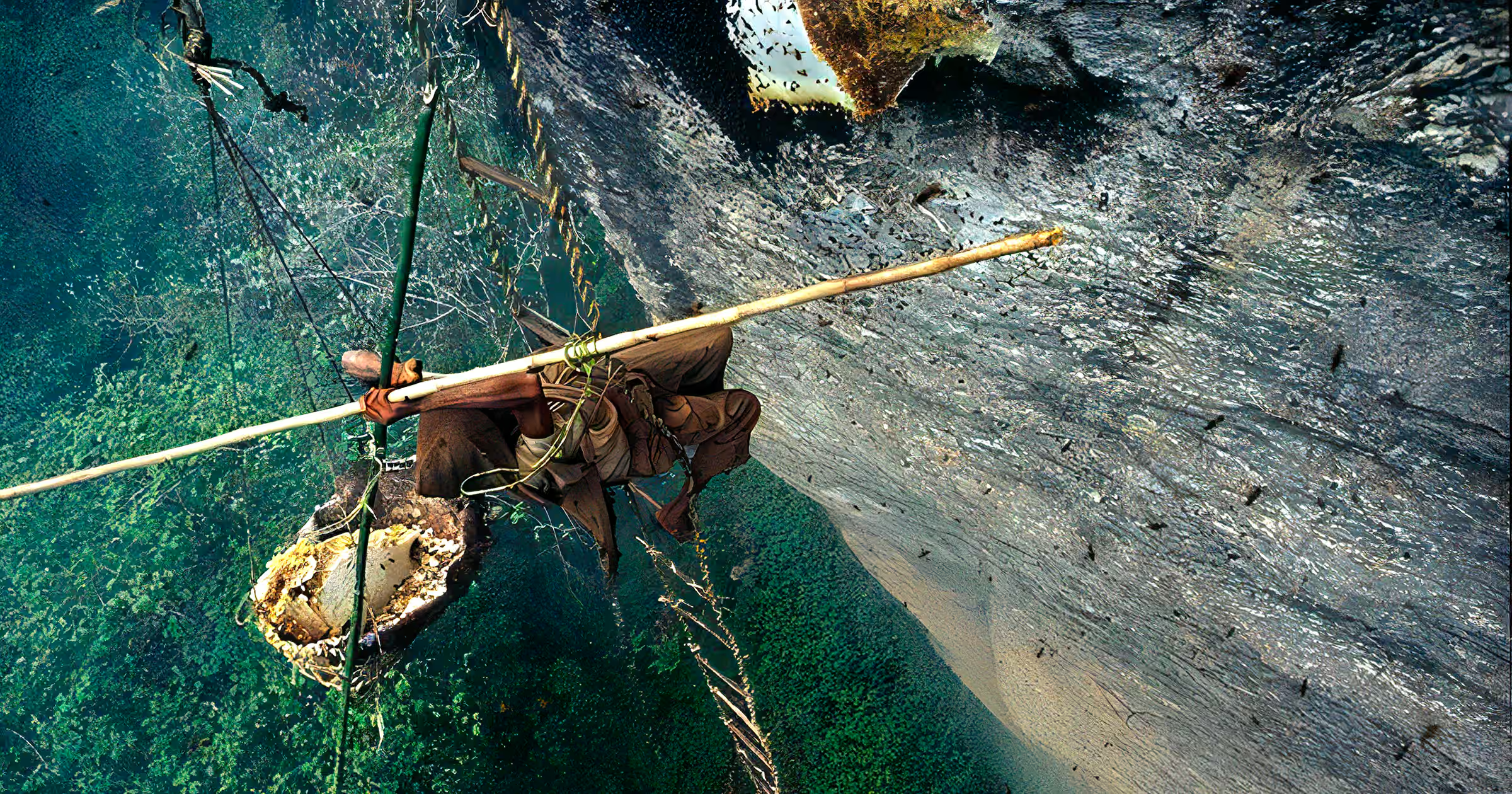
If you want to witness or learn about the process of wild honey harvest, from local experts make sure you plan a trek in the Spring and Autumn season in 2026.
Who are the Chepang People?
The Chepang are indigenous group which are one of the underserved communities in Nepal. Their ancestors used to follow nomadic life and used to depend on hunting, gathering, fishing, shifting cultivation, and forest resources.
For generations, they have lived sustainably within the forests of central Nepal depending on:
- Wild yams, collection of Githa and Vyakur
- fruits,
- Extraction of butter from Chiuri tree (Diploknema butyracea)
- medicinal herbs,
- honey, and
- forest products like catching wild birds and bats
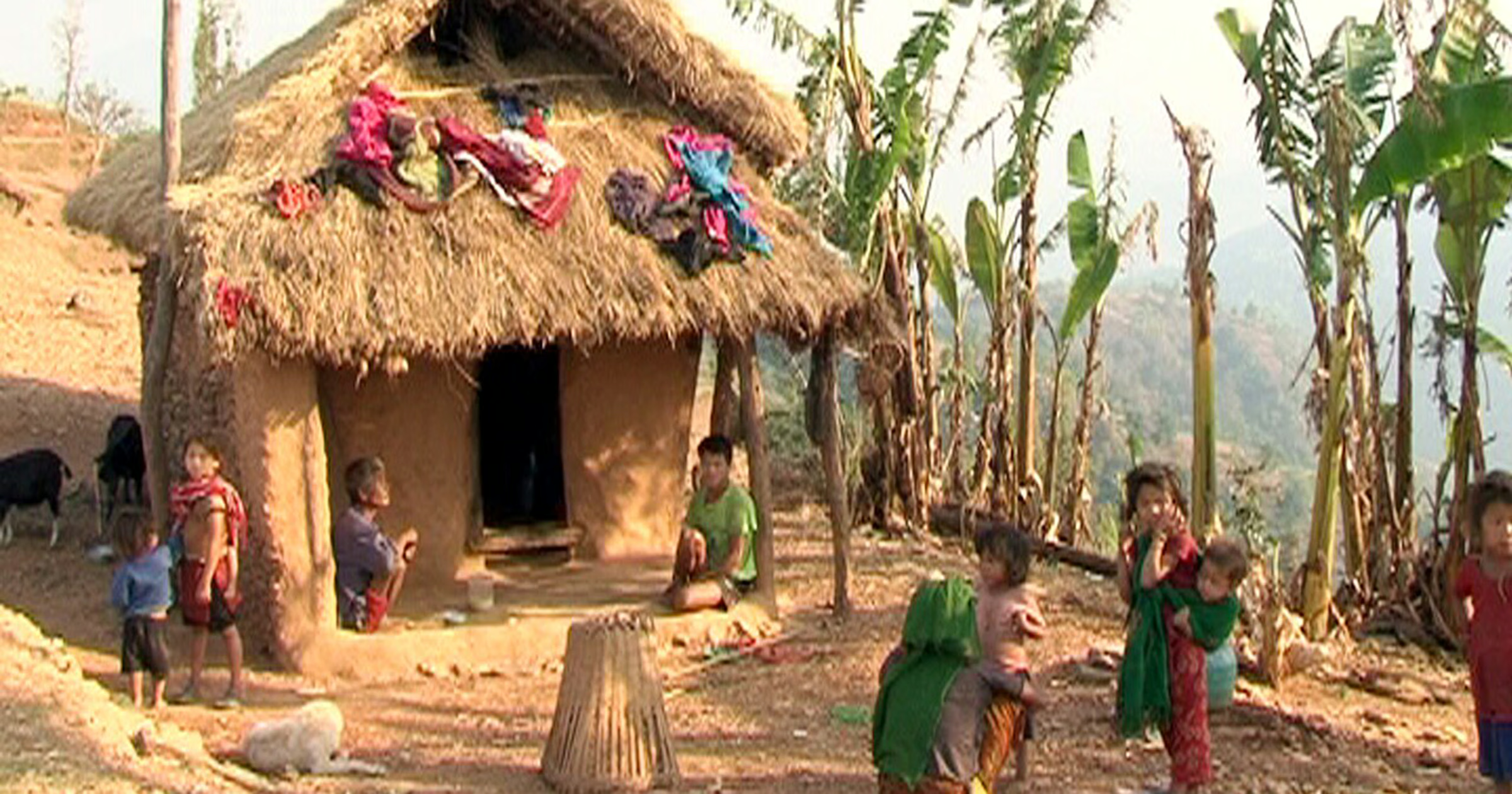
Today, community tourism has become an important source of income, allowing visitors on the Last Honey Hunter Trail Nepal to experience authentic village life. Your small visit will help local families through homestays and cultural programs. During your Chepang Hill trek, you will get to experience:
- Traditional Chepang dances
- Local millet dishes like Dhido, Roti, and Khole (Soup prepared from millet powder)
- Organic mad honey
- Chhonam festival Handmade crafts like Jabi (traditional bags), Doko and Dalo (baskets),Gundri (mats) etc.
- Community storytelling
- Indigenous farming practices
Typical Itinerary for the Last Honey Hunter Trail Nepal
Different trekking agencies and tour operators offer different itineraries according to your schedule and your travel style. Here is the simple itineraries which we offer during the journey to honey hunting in Nepal in 2026:
- Day 01: Drive Kathmandu to Hugdi (300 meters)
- Day 02 : Trek Hugdi to Hattibang (1,800 meters)
- Day 03 :Hattibang to Jyandala (1950 meters)
- Day 04 :Hike to Siraichuli and Upper Dangadi (1945 meters)
- Day 05 :Honey hunting experience and Chepang cultural exploration
- Day 06 :Trek to Chisapani and Shaktikhor (3505 meters)
- Day 07 :Drive back to Kathmandu
Why the Last Honey Hunter Trail Nepal is One of the Best Offbeat Treks in Nepal
Travelers seeking authentic experiences often search for offbeat treks in Nepal rather than crowded mountain routes. There are few destinations which offer cultural encounters as well as natural beauty as successfully as The Last Honey Hunter Trail Nepal. It stands out because it offers:
- Rich indigenous culture
- Traditional honey hunting heritage
- Sustainable tourism
- Beautiful landscapes
- Easy accessibility
- Community homestays
- Peaceful walking trails
- Responsible travel opportunities.
Responsible Trekking Tips to Chepang Hill Trek in 2026
If you are planning for Last Honey Hunter Trail Nepal, then make sure you follow these tips to make your journey more memorable in 2026:
- Respect local customs and traditions.
- Always ask permission before photographing local people.
- Support local communities by hiring local guides and staying in community homestays instead of heading to hotels for convenience.
- Avoid use of plastic and carry your waste in designated bags and dispose of them in designated bins only.
Planning to Explore Chepang Hills and Last Honey Hunter Trail 2026?
Or Call/Message on WhatsApp +977 98434 13619
- Make sure you buy locally made handicrafts from communities.
- Follow your guide instructions carefully during honey hunting demonstrations.
- Always walk in the designated trails and avoid plucking or poking wild flora and fauna.
- Make sure you cover your shoulders and knees when visiting communities and temples.
Conclusion: Experience Nepal Beyond the Beaten Path
The Last Honey Hunter Trail Nepal is far more than a trekking destination. It is an unique opportunity to connect with one of oldest and rarest indigenous communities of Nepal.
Trekking to Chepang communities of central Nepal amaze you with its dramatic Himalayan viewpoints, peaceful forest trails to authentic Chepang villages and the breathtaking spectacle of cliff honey hunting.
If you are in search of an exceptional combination of culture, nature, adventure, and responsible tourism,the Last Honey Hunter Trail Nepal is waiting for you to discover in 2026. Also, let Awesome Holidays Nepal help you have an unforgettable adventure with our local guides.
FAQs
Expand AllWhat is the Chepang Hill Trek in Nepal?
The cultural trekking routes that takes you the authentic Indigeous Chepang community of Central Nepal is known as the Chepang Hill Trek in Nepal.
What is the Last Honey Hunter Trail in Nepal?
An immersive trekking experience that follows ancient cliff honey hunting tradition while exploring remote indigenous communities and Himalayan landscapes is known as Last Honey Hunter Trail in Nepal.
Who are the Chepang people of Nepal?
The Chepang people are one of Nepal’s indigenous communities. They traditionally lived in the mid-hills and known for their unique culture, forest-based lifestyle, and warm hospitality.
Is the Last Honey Hunter still alive in Nepal?
Yes, the Last Honey Hunter still alive in Nepal.
Where was the Last Honey Hunter documentary filmed?
The Last Honey Hunter documentary was filmed at the remote Hongu River Valley in eastern Nepal.
What is the best time to visit Chepang Hills Nepal?
Spring (March–May) and autumn (October–November) offer clear mountain views, pleasant weather, and cultural activities which is why it is considered as the best time to visit Chepang Hills Nepal.
Do I need a permit for Chepang Hill Trek?
Yes, you will need a standard Trekkers’ Information Management System (TIMS) Card for Chepang Hill Trek. You will also need Chitwan National Park Entry Permit , if you are planning to visit it with.
Can I do the honey hunting trek without a guide?
A licensed local guide is highly recommended for honey hunting treks.
Is the Chepang Hill Trek difficult?
The Chepang Hill Trek is considered an easy to moderate trek and is best suited for beginners.
Is honey hunting in Nepal dangerous?
Yes, traditional honey hunting is a high-risk activity for hunters. It include climbing to steep cliffs and wild bees without any safety harness.
Is the Last Honey Hunter Trail safe for solo travelers?
Yes. The Last Honey Hunter Trail is generally safe for solo travelers when trekking with a licensed local guide.
Do I need travel insurance for offbeat Nepal treks?
Yes. A travel insurance covering trekking, emergency evacuation, and medical expenses is strongly recommended.
What is mad honey and is it legal in Nepal?
Mad honey is a rare wild honey containing natural grayanotoxins from rhododendron nectar. It is legal to produce, sell, and consume in Nepal.
Can tourists participate in honey hunting in Nepal?
Yes. Tourists can participate only as observers and cultural participants in honey hunting rather than cliff climbers in Nepal.
What do the Chepang tribe eat?
The Chepang tribe usually eat millet, maize, wild vegetables, yams, fruits, honey, and seasonal forest foods alongside locally grown crops.
What are the cultural highlights of Chepang Hills?
The cultural highlights of Chepang Hills offers:
- Authentic homestays,
- Indigenous traditions,
- Local dances,
- Traditional cuisine,
- Handicrafts,
- Unique Chepang way of life.
How much does the Chepang Hill Trek cost?
The Chepang Hill Trek costs ranges in between USD $230 to $700 per person. This cost highly depEnds on the number of days, group size, and included add-ons.
How to book a honey hunting experience in Nepal 2026?
You can book a honey hunting experience through a registered Nepal trekking company like Awesome Holidays Nepal in 2026.
What is the best season for honey hunting in Nepal?
The best seasons for honey hunting are spring (April–May) and autumn (October–November), when traditional honey harvests take place.
How to get to Chepang Hills from Kathmandu?
You will reach Chepang Hills by hopping on a tourist bus or private jeep from Kathmandu to Hugdi River. It will take 3 to 4 hours to reach Hugdi which is the starting point of trekking trails and then passing through scenic forested trails and hills, you will arrive in Chepang village.
Related blog posts
Discover a choice of tourist destinations loved by most of our visitors. Whether you're on a jungle safari to spot rare animals or walking through a world heritage site, these well-planned itineraries cover the major highlights of Nepal.

 call an expert at: