
Cash vs Card in Nepal 2026: The Ultimate Financial Survival Guide for Tourists
 Sristi Adhikari
Are you planning your first trip to Nepal in 2026? If yes, then knowing how to use cash and cards can save your money, time, and plenty of travel stress, making Cash vs Card in Nepal are an essential part of your financial survival guide.
There are a wide range of payment options available in major cities like Kathmandu, Pokhara where you can use your International cards at hotels, upscale restaurants, travel agencies, and shopping centers. However, cash is only a form of payment when you are using local transportation, tipping guides, porters and hospitality staff, purchasing from small shops and markets of remote mountain villages and in trekking routes.
As a foreigner, you should approach a smart option and should carry both enough Nepalese cash and one or more international cards. In our Nepal money guide 2026 we will explain where to use cash vs cards in Nepal and all the queries regarding ATMs, foreign currency exchange, and how to avoid the financial mistakes that can turn your dream Himalayan holiday into a stressful experience.
Cash vs Card in Nepal: What Should Tourists Use?
This is one of the most asked questions when foreigners are planning their Nepal trip, no matter whether it is for trekking to remote Himalayan region or to touring in the vibrant cities such as Kathmandu and Pokhara. The answer is simple, use both, but make cash your main payment method when you are visiting outside major tourist centers.
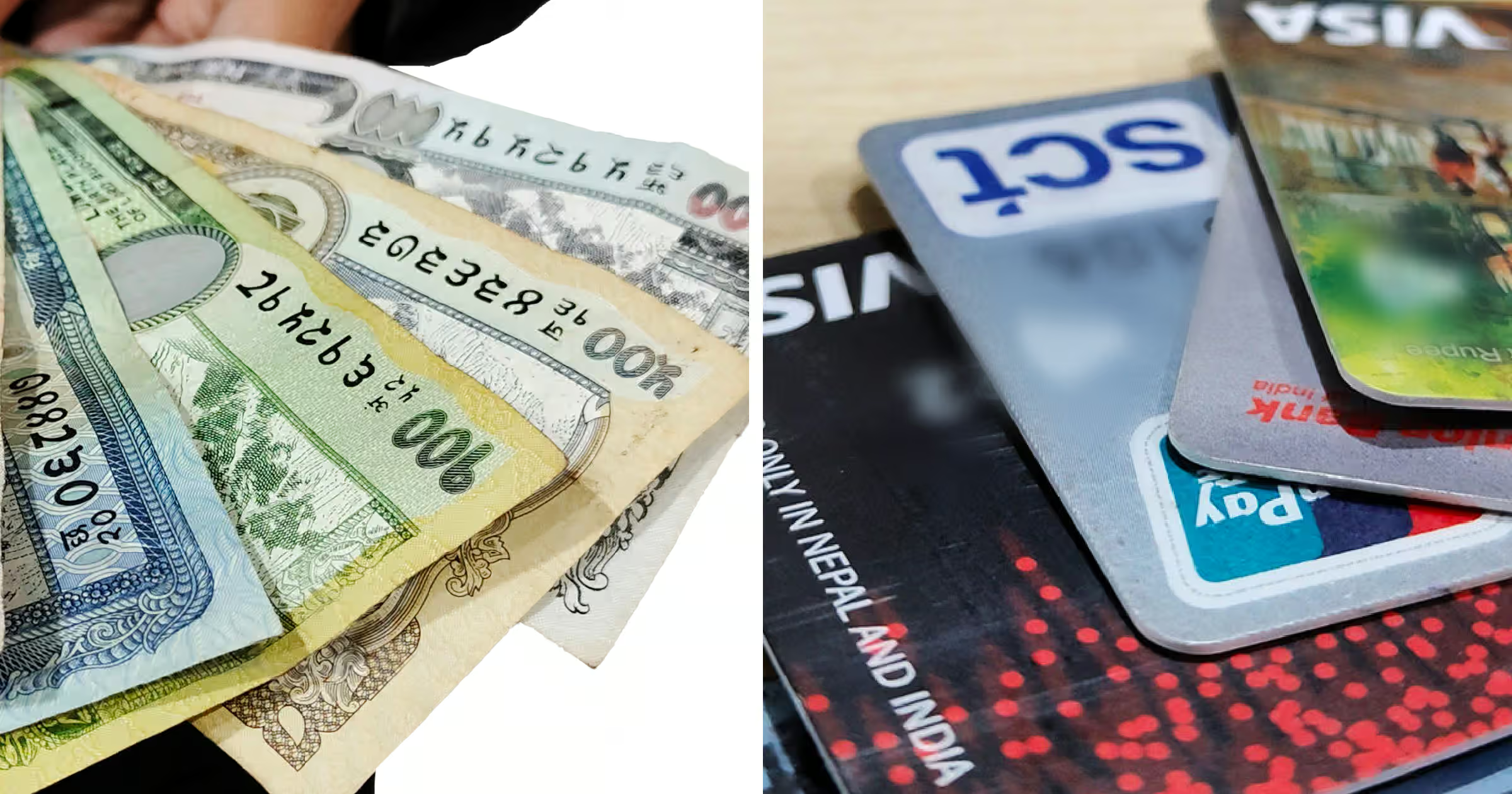
International Visa and Mastercard are widely accepted in cities like:
- Mid to Larger hotels and guesthouses
- Bigger tourist restaurants,
- Trekking agencies and tour operators,
- Shopping malls or centers,
- and selected souvenir shops.
Even so, having cash in your pocket is highly useful in tourist areas as well because power outages may make POS terminals completely non-functional sometimes.
Whereas if your purpose of Nepal visit is to explore countryside villages, trekking to mountainous regions you need to do enough cash planning as you will barely find card terminals and ATMs in routes such as:
So, when considering cash vs card in Nepal, think of your card as a financial backup and convenience tool but not as a complete replacement for physical money.
Overview of Nepal Payment Guide for Tourists
| Payment Method | Where Tourists Can Use It | Availability | Best For |
|---|---|---|---|
| Nepalese Rupees (NPR) Cash | Local shops, markets, taxis, small restaurants, temples, trekking routes and rural villages | Highly accepted | Daily spending and remote destinations |
| International Debit and Credit Cards | Hotels, upscale restaurants, travel and tour agencies, larger department stores and ATMs in major cities |
|
Hotel bills, larger purchases and emergency payments |
| Visa and Mastercard | Major hotels, restaurants, shopping outlets and compatible ATMs |
|
Convenient card payments and cash withdrawals |
| Digital Wallets | QR-enabled shops, restaurants and businesses, particularly in urban areas | Growing | Quick QR payments where supported |
| Mobile Banking and QR Payments | Local businesses and service providers with compatible QR systems | High among local users | Small everyday purchases |
| UPI / Cross-Border QR | Selected merchants that support international QR payments | Available at participating locations | Visitors with compatible UPI-enabled apps |
| ATM Withdrawals | ATMs in Kathmandu, Pokhara and other major towns | Generally available in cities | Getting NPR cash with an international card |
| Foreign Currency Cash | Licensed money changers, banks and selected exchange facilities | Useful for currency exchange | Converting USD, EUR, GBP and other major currencies into NPR |
| Best Payment Strategy | A combination of cash, cards and an emergency reserve | Most practical option | Flexibility throughout a Nepal trip |
Nepal Currency Exchange Guide 2026
The official currency of Nepal is Nepalese rupees (NPR). In Nepal, banknotes are mostly used and in comes in denominations of:
- Re 1
- Rs 2
- Rs 5
- Rs 10
- Rs 20
- Rs 50
- Rs 100
- Rs 500
- Rs 1,000
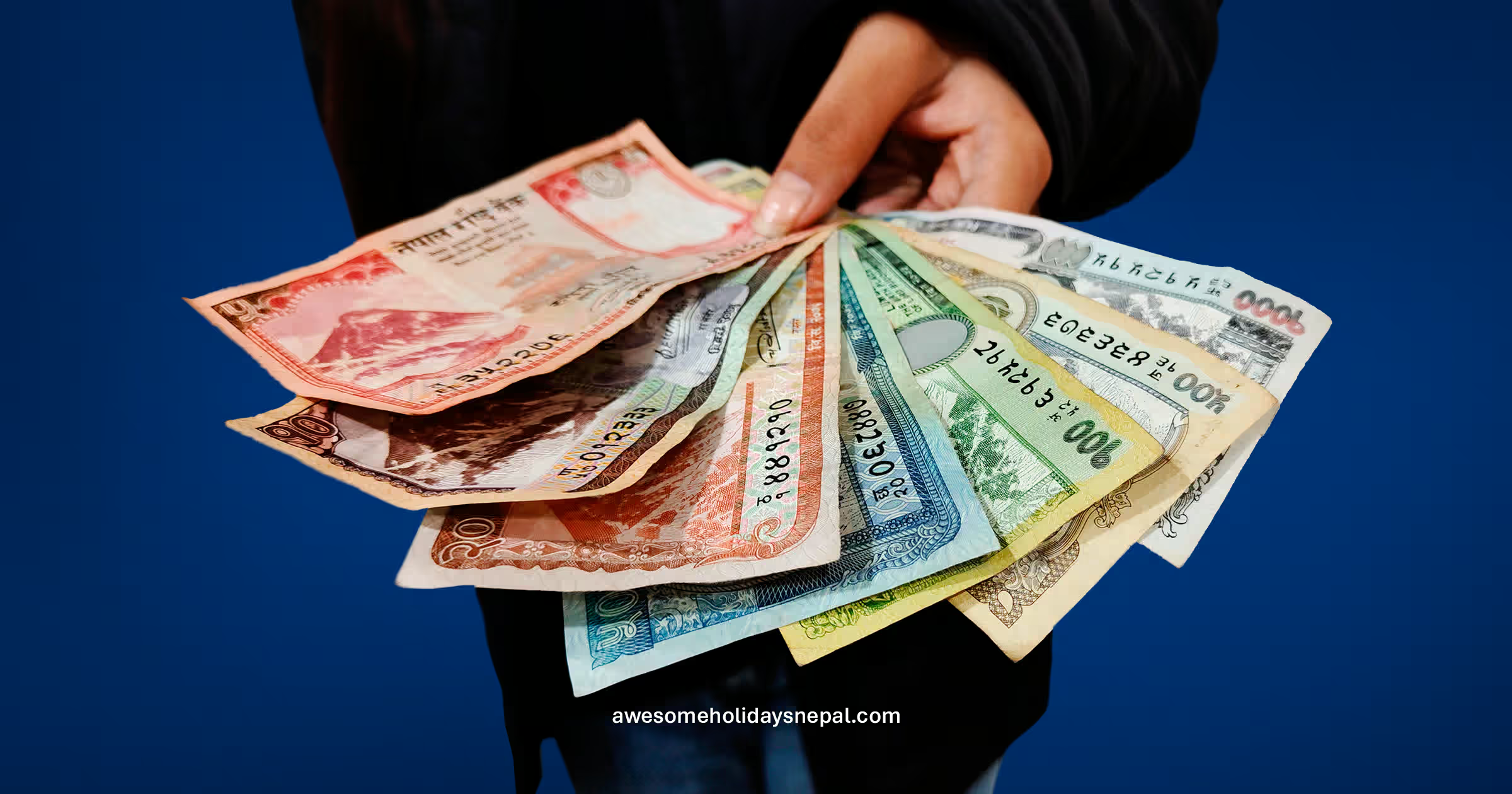
Whereas Rs 25 and Rs 250 are commemorative and coins of rupees one and two is also available which is used for returning in smaller amounts. When travelling to Nepal, we suggest you exchange major foreign currencies such as USD, EUR, and GBP through:
- Authorized banks such as Nabil Bank, Himalayan Bank, Standard Chartered Bank, and Nepal Investment Mega Bank.
- Airport Exchange Counters,
- Licensed money changers of Foreign Exchange (FOREX) only.
Authorized exchangers will provide greater security and help you avoid questionable rates or counterfeit currency. Some of them are:
- Annapurna Money Exchange (Thamel, Kathmandu)
- Tridev Money Exchange (Chaksibari Marg, Kathmandu)
- Dolphin Money Exchange (Thamel link road)
- K.B. Unique Money Changer (near Summit Hotel, Lalitpur)
- Lp Money Exchange (Kwalakhu Rd, Patan)
There are many unofficial street exchanges which may offer you a fair exchange rate but they might scam you should stick only to licensed exchange providers.
Should You Exchange Money at the Airport?
The airport is convenient, but convenience does not necessarily mean the best exchange rate.
You can exchange only a certain amount of money for immediate needs such as transportation fare to hotels, food, or your first night’s expenses. We suggest you exchange around USD 20 to 40 at the airport currency exchange which will be sufficient for you.
This is one of the most useful lessons from the cash vs card in Nepal debate and your payment strategy must begin before you even leave the airport.
Banks Vs Licensed Money Changers
Bank exchange rates are lower than that of licensed money exchangers in Nepal. As licensed money exchangers found in the bustling streets of Thamel are competing with other, they offer better retail rates.
| Factor | Commercial Banks | Licensed Money Changers |
|---|---|---|
| Exchange Rates | Generally Good | Often competitive |
| Convenience | Involve paperwork and demand Passport | Usually faster as only passport is needed. |
| Availability | Limited to banking hours (10 AM to 3 PM) | Longer operating hours |
| Currency Options | Wide range of currencies | May offer fewer currencies |
| Transaction Process | More formal | Quick and straightforward |
| Best For | Large transactions and security | Tourists seeking quick cash exchange |
| Receipts | Provided | Provided |
| Security | High | High when using licensed providers |
If you need to exchange huge sum of money, we suggest you to go to nearby commercial banks whereas if you need to exchange only for transportation or meals, Licensed Money Changers will be best options for you.
How to Exchange Money in Nepal?
When exchanging money in Nepal you should follows these steps so that you can get best exchange rates without getting caught out by hidden fees:
- At first, check daily exchange rate from Nepal Rastra Bank.
- Make sure you head out carrying an original passport, authorized ones do not accept the copies.
- Then, visit a licensed exchange operators in Thamel, Kathmandu or Commercial banks.
- When exchanging huge sum of money visit two to three nearby counters.
- Question them whether it apply any commission or hidden fees.
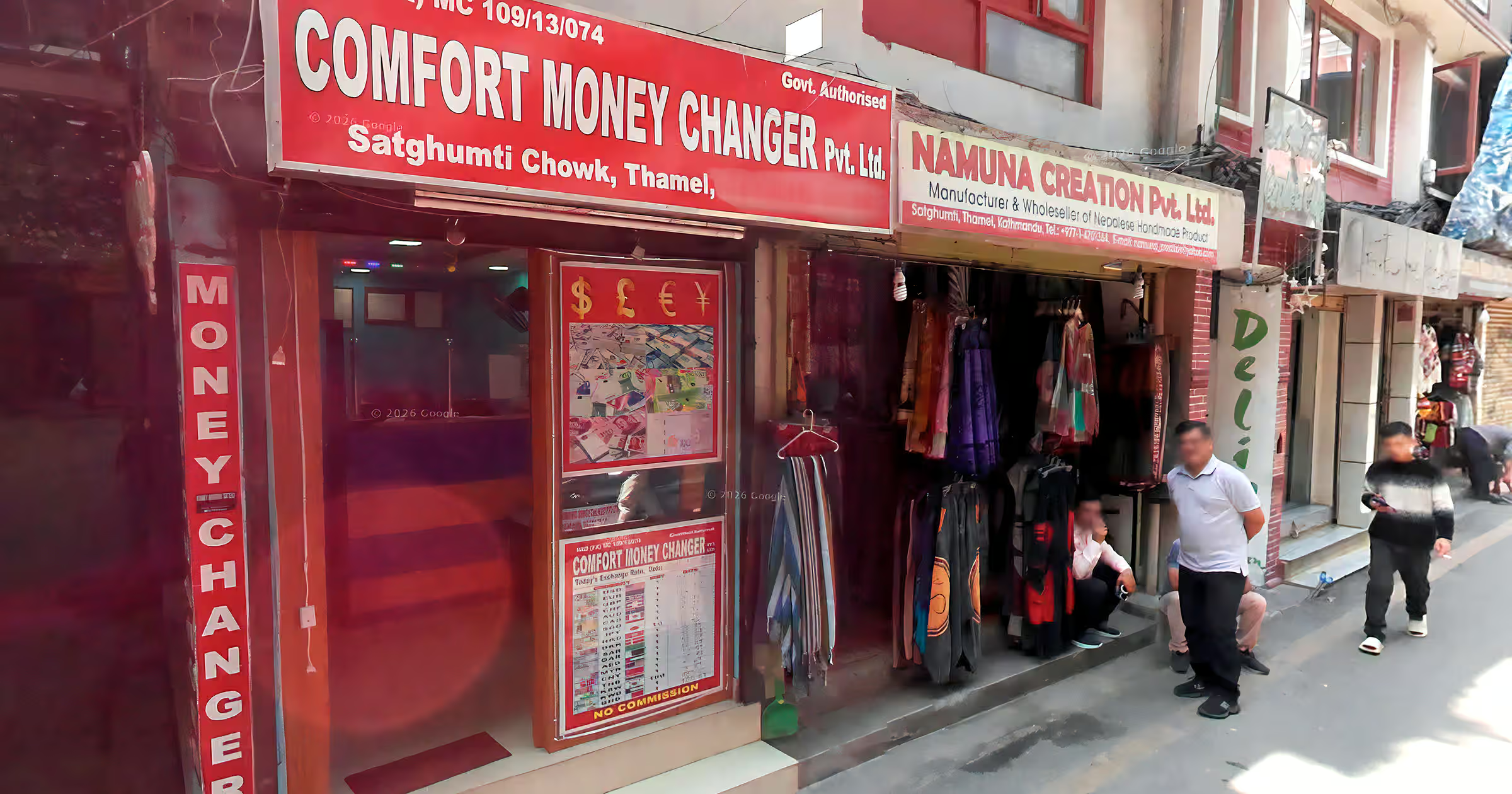
- Exchange your money and get the receipt.
- Before leaving counter, make sure you check the amount properly.
- Place the receipt carefully in case you need to convert leftover NPR before you leave.
Cash or Card in Nepal: Where Does Cash Win?
For everyday use, cash wins the debate about cash or cards in Nepal. You can use Nepalese Currency for:
- Local buses and taxis fares in major cities as well as remote villages,
- Street food and small restaurants,
- Local markets and souvenir shops,
- Small guesthouses,
- Temple donations and entrance fees,
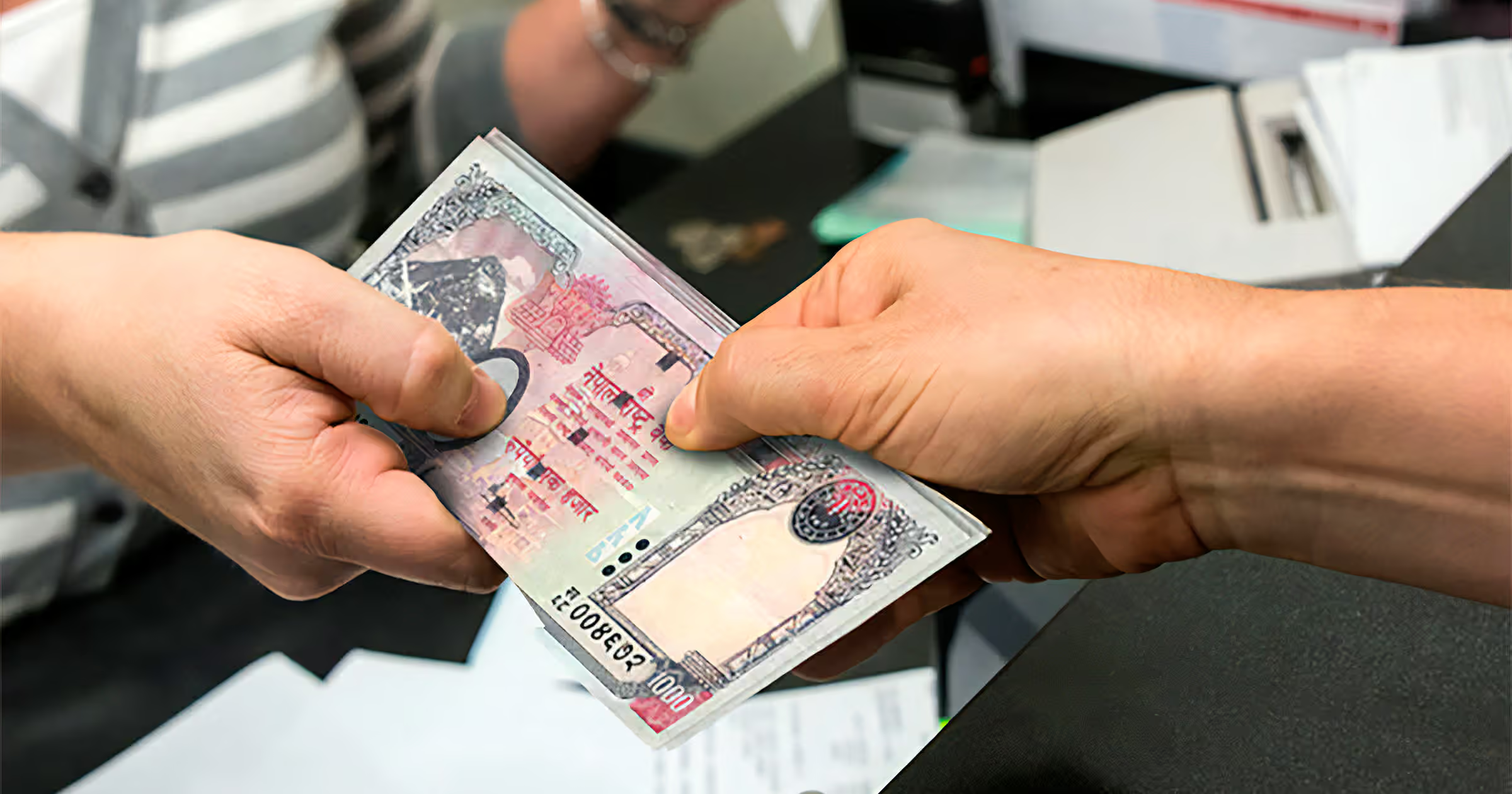
- Tips for service staff, guide, and porters
- Buying snacks and drinks,
- Trekking expenses,
- Remote villages of Everest, Annapurna, Langtang, Manaslu, Kanchenjunga, and so on.
- Teahouses and mountain lodges of high altitude and Countryside.
Cash is especially important outside Kathmandu and Pokhara. If you are exploring rural villages and trekking to high mountain regions, only cash is accepted.
Having lots of money in a bank account but still you will be unable to pay for lunch if there is no working card terminal. This makes cash vs card Nepal particularly important for trekkers.
Cash vs Card in Nepal: Where does Card Win?
Cards are useful when you want convenience, security, or a way to avoid carrying large amounts of physical currency. As part of your cash vs card in Nepal strategy, Credit card use in Nepal is most practical in the urban areas of Kathmandu or Pokhara:
- Larger hotels and upscale restaurants
- Established trekking agencies and tour operators
- Larger shopping malls and selected tourist businesses
- Resorts and ATM withdrawals
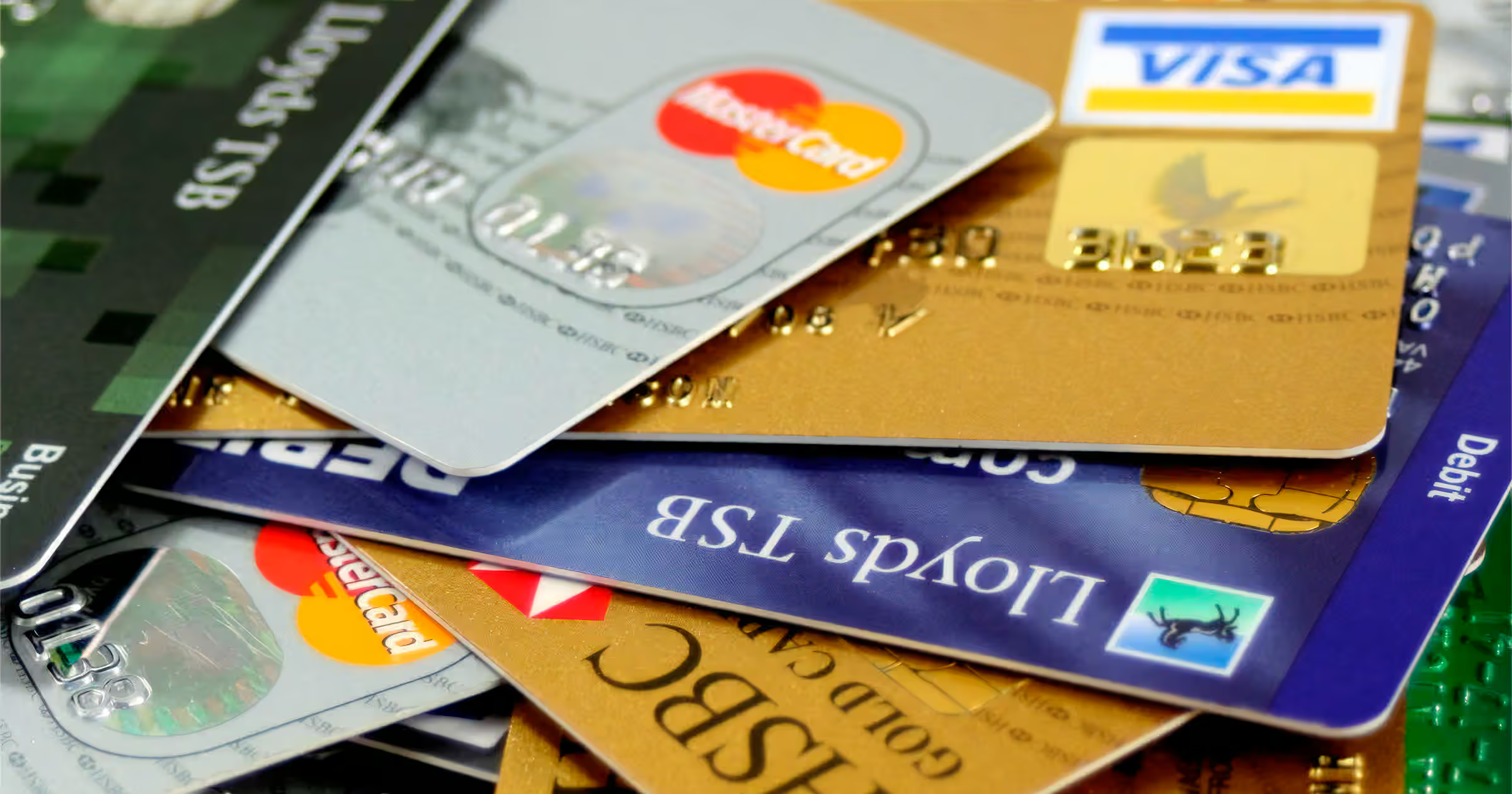
Here in Nepal, International Visa and Mastercard have the broadest acceptance among other international cards. We suggest you bring another card as a backup if you are carrying an American Express as its acceptance can be more limited.
Also, you must understand that not every merchant will accept cards so always ask before ordering or paying.
Card Surcharges Problem in Nepal
In Nepal, if you are paying via your International cards, you must consider the foot note of merchant surcharge. When paying via cards at hotels, restaurants, and trekking agencies, you are more likely to pay an extra 3 to 4% than the original price.
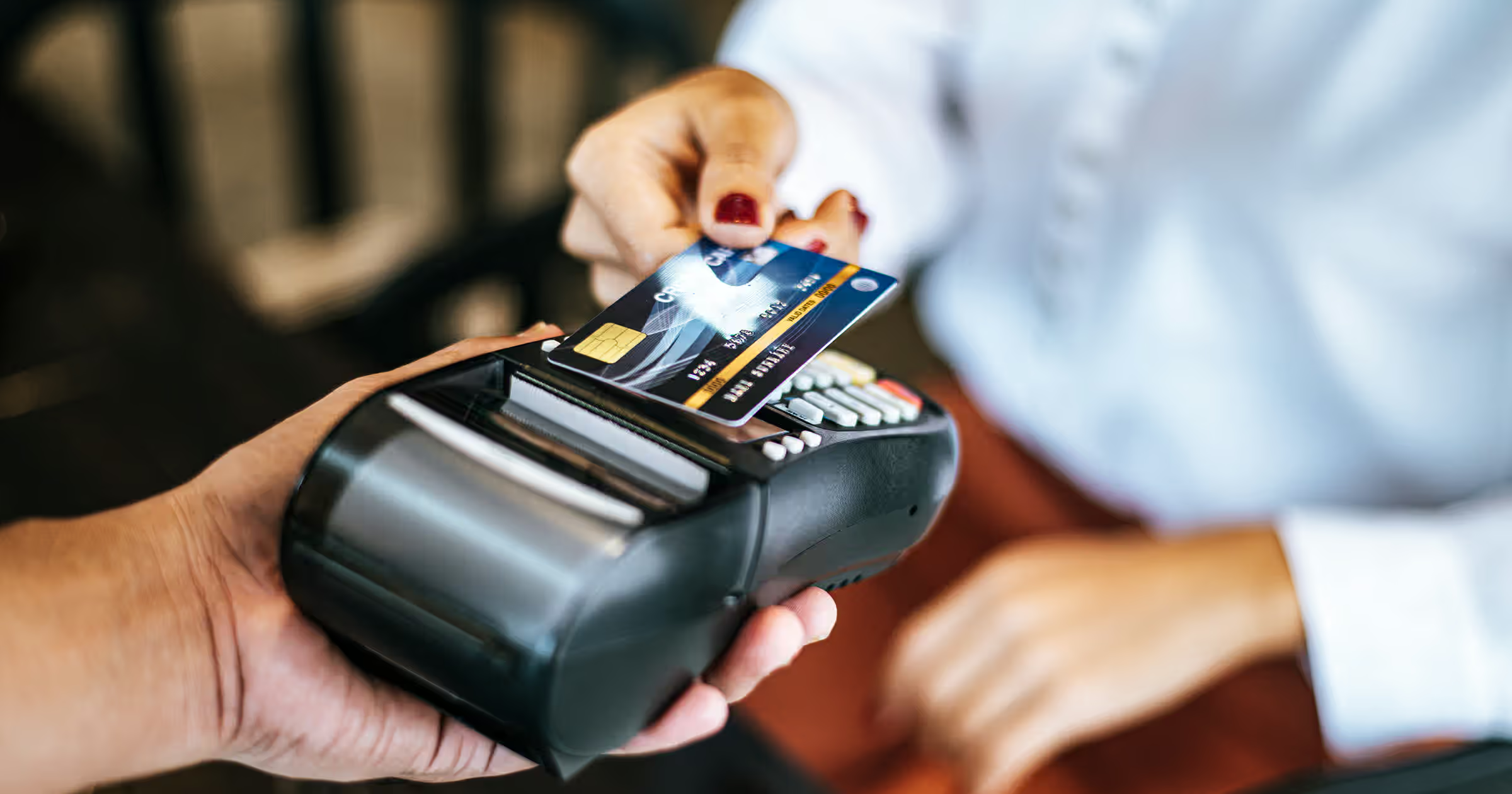
Unlike western countries, where merchants absorb the bank processing fee, here in Nepal, merchants pass bank processing fees directly to you. For a small restaurant bill, this may not matter much. But on a large hotel bill or expensive trekking package, the difference can become noticeable.
| Transaction | Cash Price (NPR) | Card Price (NPR) | 4% Surcharge (NPR) | Extra Paid (NPR) |
|---|---|---|---|---|
| Per night stay | 5,000.00 | 5,200.00 | 200.00 | 200.00 |
| Tour Package | 90,000.00 | 93,600.00 | 3,600.00 | 3,600.00 |
| Meal bills | 2,000.00 | 2,080.00 | 80.00 | 80.00 |
| 10-day trip | 132,541.00 | 137,842.64 | 5,301.64 | 5,301.64 |
| Total | 229,541.00 | 238,722.64 | 9,181.64 | 9,181.64 (~USD 59) |
Before using your card, simply ask: “Is there a card surcharge? Then check the final amount on the payment terminal or receipt. This simple habit can save money throughout your trip and makes the cash vs card in Nepal decision much easier in 2026.
ATM Withdrawal in Nepal: What Tourists Need to Know
Foreigners should opt for the easiest way to obtain Nepalese rupees after arrival in Nepal that is via ATM. Nepal Rastra Bank (NRB) decides the withdrawal limit and transaction limit via cash, card, or online in Nepal. NRB have set a limit on ATM withdrawals of 20, 000 per transaction, 50,000 per day, and 3,00000 per month in Nepal.
ATM withdrawal in Nepal should be done at those booths which are located nearby the prominent affiliated banks. ATMs are widely available in Kathmandu and other major urban areas, although withdrawal limits and fees vary by bank and machine.
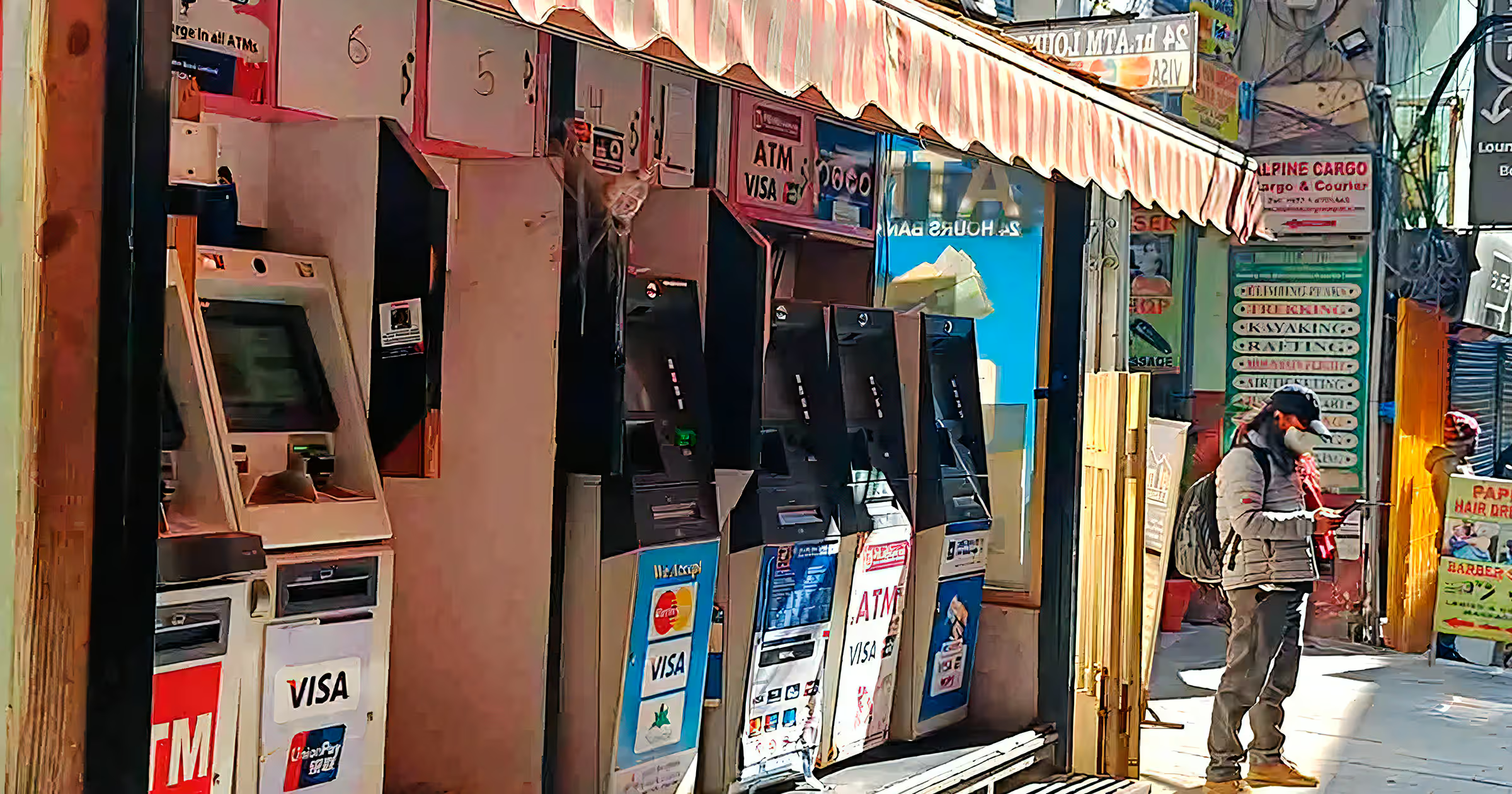
Nabil Bank, Standard Chartered, Himalayan Bank, and NIC Asia etc are considered as the best ATM in Nepal for foreigners.
Fees of ATM Withdrawal in Nepal
| S.N. | Particulars | Charges |
|---|---|---|
| 1. | When withdrawing from the Same bank Atm | Free |
| 2. | Using ATMs of other banks | NPR 15 |
| 3. | Using Nepal ATMs of foreign cards | NPR 500 |
Nepal ATM Withdrawal Limit 2026
| S. N. | Particular | Limit |
|---|---|---|
| 1. | Per Transaction in Nepal | 20,000 |
| 2. | Per Day in Nepal | 50,000 |
| 3. | Per Month in Nepal | 300,000 |
Smart Strategy for ATM Withdrawal In Nepal
For a better ATM withdrawal Nepal experience:
- Use ATMs located inside or directly beside bank branches when possible.
- Withdraw during normal banking hours that is from 10:00 a.m. and 3:00 p.m. during weekdays.
- Saturday and Sundays are considered public holidays so most banks remain closed.
- Avoid isolated or poorly lit machines.
- Check the ATM for anything suspicious before inserting your card.
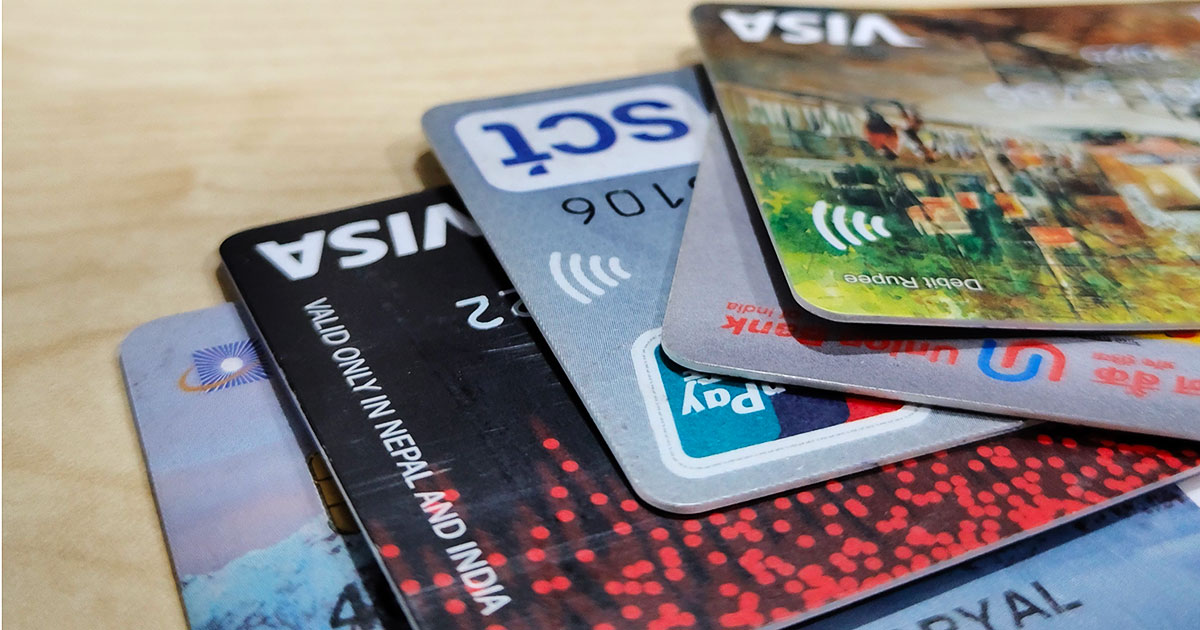
- Cover your PIN while entering it and be mindful of cash withdrawal limits.
- Keep your receipt until the transaction appears correctly in your account.
- Carry at least two payment cards like Visa, Mastercard, and other globally recognized cards.
- Notify your bank before traveling and update your mobile and internet banking so that you will get transaction alerts.
We suggest you withdraw enough cash before heading into remote trekking regions.
These precautions are recommended across several Nepal ATM guides and can reduce both financial and practical problems.
In addition to this, when you are using an international card at an ATMs in Nepal, you may be asked whether you want the transaction processed in your home currency or Nepalese rupees. We suggest you compare the options and consider choosing Nepalese currency rather than allowing the ATM to convert the transaction into their home currency.
It will help you avoid unfavorable dynamic currency conversion rates and make sure you check your bank’s foreign-exchange policy before traveling to Nepal.
Should You Use a Debit or Credit Card at ATMs?
When comparing cash vs card Nepal, there is another important distinction you should consider that is debit versus credit. A debit card is usually the better choice for routine ATM withdrawals in Nepal because a credit-card cash advance may involve additional fees and interest charges.
Your credit card is better kept for purchases, hotel deposits, larger transactions, or emergencies. Also check your home bank’s foreign transaction policy before leaving home. A Nepal ATM fee is only one part of your total withdrawal cost.
Is Digital Payment Useful in Nepal?
The digital-payment ecosystem is growing, particularly in urban areas of Nepal. As part of the cash vs card in Nepal landscape, QR payments and local digital wallets are increasingly common among Nepalese residents.
However, tourists should not assume that local mobile-payment systems will work like their home-country payment apps. Some systems require a Nepalese phone number or local banking arrangements, which can make them inconvenient for short-term international visitors.
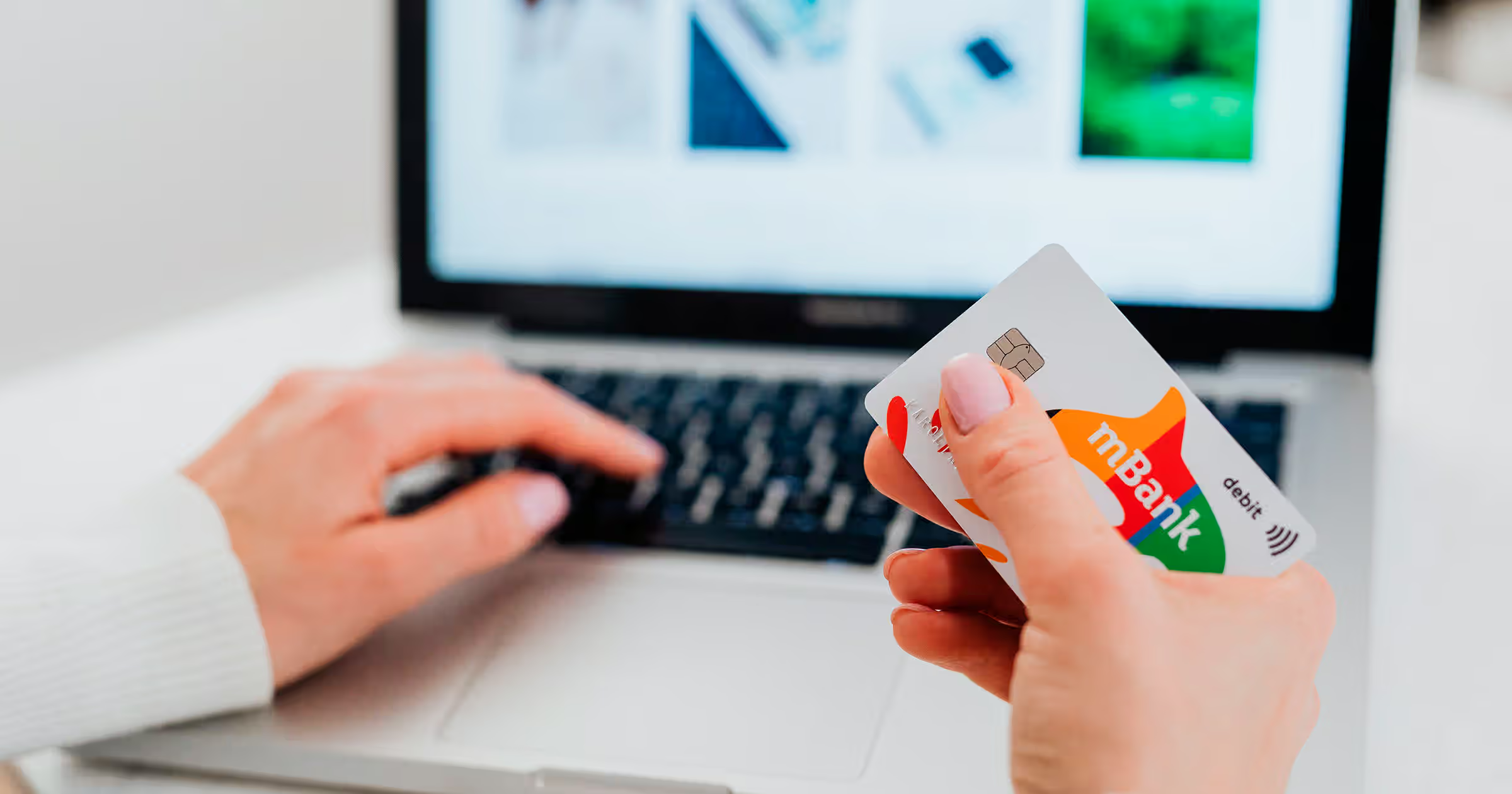
Therefore, digital payments are an interesting addition to the cash vs card Nepal landscape, but they should not replace your physical cash and international card backup.
Money Wire Services in Nepal
In all major cities of Nepal, you may find several money wire services. But, we suggest you to stick on Western Union.
When dealing with agents make sure you ask what their commission rates are, if there are any exchange rate fees and international fees. You should also know that you cannot send money out of Nepal by wire or bank transfer as it only accepts the incoming transactions.
Common Money Mistakes Tourists Make
Understanding cash vs card in Nepal also means understanding what not to do.
Mistake 1: Bringing Only One Card
Sometimes cards can be declined, blocked, lost, or retained by an ATM. So, having at least two cards from different networks helps ensure you always have a backup for payments and cash withdrawals..
Mistake 2: Depending On Mountain ATMs
An ATM may exist on a map but still be out of cash or temporarily unavailable in remote mountainous regions like Lukla, Namche or Jomsom. When planning your cash vs card in Nepal strategy, the best thing you need to do is to withdraw your trekking budget before entering remote areas.
Mistake 3: Carrying All Your Money Together
Losing one wallet should not destroy your entire trip budget. So, focus on dividing cash between secure locations.
Mistake 4: Ignoring Card Surcharges
A small percentage becomes expensive on a large hotel or trekking payment. Make sure you ask about the surcharge before paying.

Mistake 5: Exchanging Money Without Checking the Rate
Don’t automatically accept the first exchange rate you see. Always compare two to three authorized exchange counters.
Mistake 6: Using Isolated ATMs
ATM security matters everywhere. When planning your cash vs card in Nepal strategy, it is also important to approach only those atm booths which are inside or near banks and avoid suspicious or poorly maintained machines.
Practical Strategy for Cash vs Card in Nepal 2026
If you’re still wondering about cash vs card in Nepal, here’s a simple strategy that works for most tourists:
Preparation Before You Fly
- Tell your bank you’re traveling to Nepal and request to increase the limit of daily ATM withdrawal.
- Check international transaction fees.
- Bring two payment cards (Visa or Mastercard). Credit cards should be placed as Backup.
- Carry some emergency foreign currency (USD 200 to 500).
- Save your bank’s international contact details.
- Check the official Nepal immigration website for current visa-payment instructions.
Planning to Travel Nepal in 2026?
Or Call/Message on WhatsApp +977 98434 13619
When You Arrive
- Obtain enough NPR for immediate expenses from Airport currency exchange.
- Use an ATM at a reputable bank if necessary.
- Compare exchange rates before changing a large amount.
- Keep your cash divided between secure locations.
Final Verdict on Ultimate Cash vs Card in Nepal
The cash vs card in Nepal question doesn’t need to be complicated. Think of Nepal as a country where modern card payments coexist with a strong cash culture.
Cash wins for reliability. Cards win for convenience. Using both wins for smart travel in Nepal.
Combine cash and cards, if your travel plan includes exploration of major cities like Kathmandu, Pokhara, and Chitwan whereas if you are trekking to remote mountain villages of Everest, Annapurna, Langtang, Manaslu region, focus on only cash payment.
The best cash vs card in Nepal strategy is therefore not choosing one over the other. It is knowing when to use each.
Planning your Nepal adventure in 2026? Let Awesome Holidays Nepal plan your tours and treks to comfortable stays and local experiences.
FAQs
Expand AllIs cash or card better in Nepal?
Cash is better than card in Nepal. Cards are only convenient for hotels, larger restaurants, tour operators, and ATM withdrawals in major cities.
Can I use credit card in Nepal?
Yes, you can use credit card in Nepal. You can use Visa and Mastercard at many hotels, restaurants, travel agencies, and shopping malls in tourist areas of Pokhara and Kathmandu.
What is the ATM withdrawal limit in Nepal in 2026?
The ATM withdrawal limit in Nepal in 2026 are:
- Per Transaction in Nepal: NPR 20,000
- Per Day in Nepal: NPR 50,000
- Per Month in Nepal: NPR 300,000.
Do ATMs in Nepal accept foreign cards?
Yes. Many Nepalese ATMs accept international Visa and Mastercard debit or credit cards.
How much does it cost to withdraw money from an ATM in Nepal?
For foreign cardholders, withdrawing money from an ATM in Nepal typically costs a flat fee of NPR 500 to NPR 850 (approx. $3.75 to $6.40 USD) per transaction.
Which banks in Nepal have the highest ATM withdrawal limit?
Larger commercial banks such as Nabil Bank, Himalayan Bank, and Standard Chartered Nepal are among the options travelers commonly consider for higher-limit withdrawals in Nepal.
Are Visa and Mastercard accepted in Nepal?
Yes. Visa and Mastercard are highly accepted in major cities and tourist businesses.
Is American Express accepted in Nepal?
Yes, American Express is accepted in Nepal, but it is not widely used. You can only use it at major, upscale hotels such as 3-star to 5-star, large restaurants, international airlines, and some major bank ATMs.
Can I pay for Nepal visa with a credit card?
Yes, tourists can pay for Nepal visa with a credit card. We suggest you to check the latest instructions on the official Department of Immigration website before traveling.
What currency should I bring to Nepal?
USD is highly recommended but EUR, GBP, and other major currencies are also exchanged at authorized banks and money changers.
You should use Nepalese rupees for daily spending.
How much cash do I need for trekking in Nepal?
You may spend around NPR 2,000–3,000 per person per day for personal expenses. It depends on how much you spends for tips, charging, Wi-Fi, showers, snacks, and emergencies.
Are there ATMs on the Everest Base Camp trek?
Yes. You can found ATMs at Lukla and Namche Bazaar on the Everest Base Camp trek. But trekkers should not depend on ATMs and should carry enough Nepalese rupees before heading into remote areas.
Are there ATMs in Lukla and Namche Bazaar?
Yes, there are ATMs in Lukla and Namche Bazaar.
What is the merchant surcharge on cards in Nepal?
The merchant surcharge on cards typically ranges from 3% to 4% of the total transaction amount in Nepal.
Where is the best place to exchange money in Kathmandu?
The best place to exchange money in Kathmandu is at licensed, authorized money changers in the tourist hub of Thamel. Some of the highest-rated money exchanges in Kathmandu are:
- Annapurna Money Exchange
- Tridev Money Exchange
- Dolphin Money Exchange.
Can I use USD in Nepal?
You can use USD in Nepal at the time of paying Visa Fees, Permits and Trekking Fees, Major Hotels and Travel Agencies, Tipping.
Can I use Indian rupees in Nepal?
Yes, Indian rupees are accepted in some parts of Nepal. Travelers should use officially permitted denominations only.
Is cryptocurrency legal in Nepal?
No, cryptocurrency is illegal in Nepal.
What's the exchange rate of USD to NPR in 2026?
As of August 20, 2026, the mid-market exchange rate for the US Dollar (USD) to the Nepalese Rupee (NPR) is around 152.24 NPR per USD.
Can tourists use eSewa or Khalti in Nepal?
Tourists can use eSewa and Khalti only after setting up a full account which demands a Nepali SIM card and passport documentation.
Related blog posts
Discover a choice of tourist destinations loved by most of our visitors. Whether you're on a jungle safari to spot rare animals or walking through a world heritage site, these well-planned itineraries cover the major highlights of Nepal.
 call an expert at: