
Different Types of Nepal Trekking Trails in 2026: Which Route Fits You Best?
 Sujata Pokhrel
Nepal has a way of drawing people in quietly. It’s not just the height of the Himalayas that makes it special, but the sheer variety of experiences packed into a relatively small country. To accommodate all kinds of people and their needs, Nepal’s trekking trails are as diverse as the country itself.
As trekking continues to evolve in 2026 with better access, improved lodges, and more route options than ever, the biggest challenge is no longer whether to trek in Nepal, but which type of trek to choose. Not every trail suits every traveler. Some routes are short and gentle, others long and demanding; some offer comfort, while others take you deep into remote wilderness.
Let’s get through the blog to better understand all the different types of Nepal trekking trails for 2026.
What Defines Trekking Type in Nepal?
Trekking in Nepal isn’t classified by a single factor. Instead, several elements come together to shape what kind of experience a trail offers. The first is duration. A trek that lasts four or five days feels completely different from one that stretches beyond two weeks. Time affects not just physical effort, but also how deeply you experience the landscape and culture.
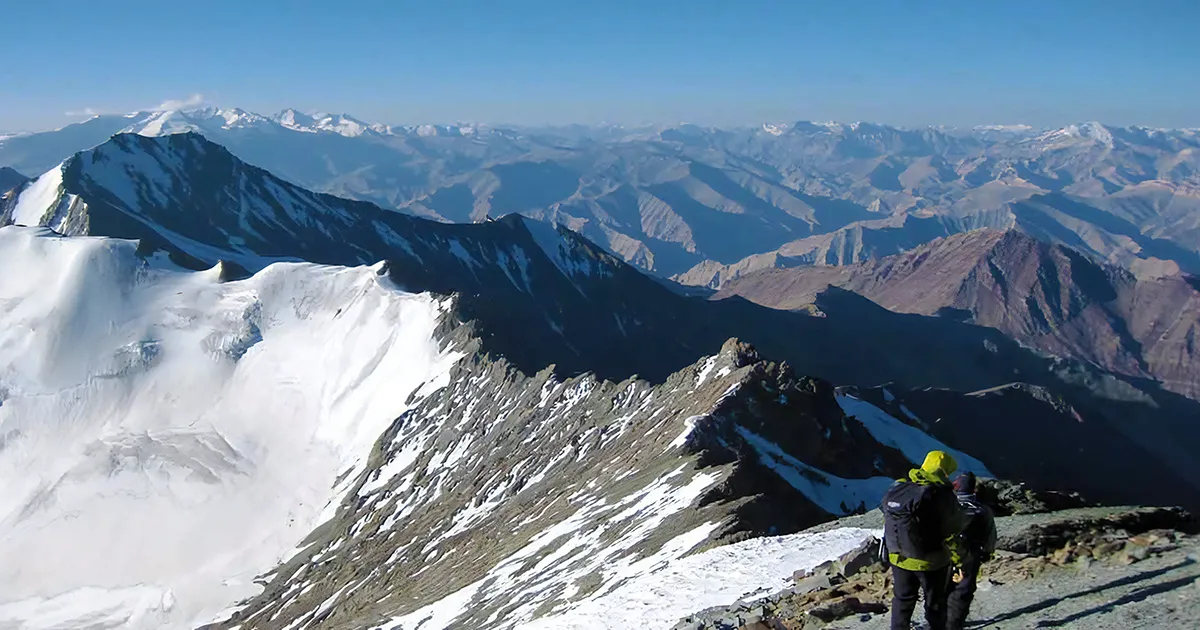
Altitude is another major factor. Trails that remain below 3,000 meters are generally easier and more forgiving, while those climbing above 4,000 or 5,000 meters require careful acclimatization and a slower pace. Difficulty is closely tied to both terrain and altitude. Some trails involve steady, manageable ascents, while others demand long walking hours, steep climbs, or high mountain passes.
Accessibility also plays a role. Many popular routes are supported by well-established infrastructure, while others require camping and logistical planning in remote regions. Finally, trekking style, whether staying in teahouses or camping, shapes the overall comfort and experience of the journey.
Understanding these factors makes it much easier to choose a trek that aligns with your expectations.
Different Types of Nepal Trekking Trails
When you look at Nepal’s trekking landscape as a whole, the trails naturally fall into a few broad categories. There are short treks designed for quick getaways, moderate routes that balance challenge and comfort, and long expeditions for those seeking deeper adventure.
Beyond duration and difficulty, there are also distinctions in how you trek. Some routes are built around teahouse stays, offering convenience and social interaction, while others take you into remote areas where camping is essential. Then there are differences in altitude and popularity. Some trails stay in lower elevations with minimal risk, while others push into high Himalayan terrain. Similarly, some routes are well-known and busy, while others remain quiet and less explored.
Each type offers something unique, and none is inherently better than the others, it simply depends on what you’re looking for.
Best Short Trekking Trails in Nepal
Short treks are ideal for travelers who want a meaningful Himalayan experience without committing weeks of time. These routes typically last between three and seven days and are often located in regions with easy access and well-developed trails.
A classic example is the Ghorepani Poon Hill Trek, known for its sunrise views over the Annapurna and Dhaulagiri ranges. It’s a relatively gentle trek that still delivers impressive mountain scenery.
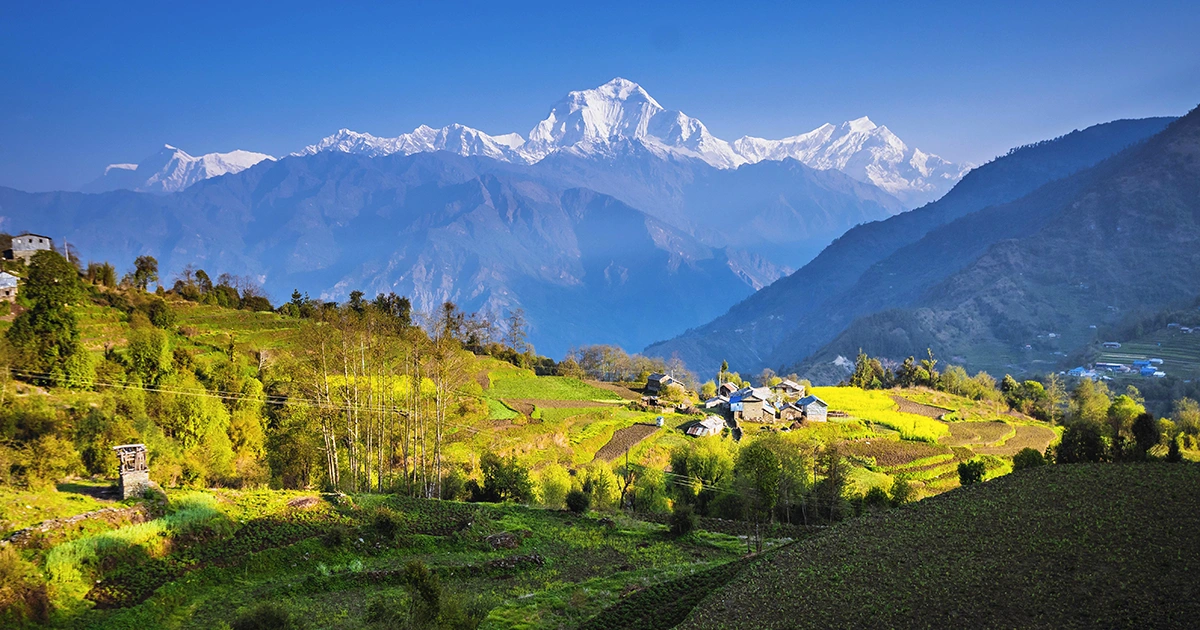
Another increasingly popular option is the Mardi Himal Trek, which offers a quieter experience with surprisingly close views of Machhapuchhre.
Short treks generally stay at lower elevations, making them suitable for beginners, families, and anyone concerned about altitude. They also work well as an introduction to trekking in Nepal, giving you a taste of the landscape without overwhelming physical demands.
Moderate Difficulty Trekking Trails
Moderate treks sit comfortably in the middle ground. They usually last between one and two weeks and provide a deeper immersion into both nature and local culture.
The Annapurna Base Camp Trek is a perfect example. It gradually leads you into a natural amphitheater surrounded by towering peaks, combining manageable trekking days with dramatic scenery.

Similarly, the Everest Base Camp Trek remains one of the most iconic journeys in the world. While it is physically demanding at times, it is still achievable for many trekkers with proper pacing and acclimatization.
These routes typically involve longer walking days and higher altitudes, but they are supported by good infrastructure. For many travelers, this category offers the most rewarding balance between effort and experience.
Long and Challenging Trekking Trails
For those who want to push themselves further, Nepal offers treks that are both physically and mentally demanding. These journeys often extend beyond two weeks and take you into more remote and rugged terrain.
The Annapurna Circuit Trek is one of the most diverse long-distance treks, crossing high mountain passes like Thorong La and passing through a wide range of landscapes. Similarly, the Manaslu Circuit Trek provides a more secluded alternative, with fewer crowds and a stronger sense of remoteness.

These treks require solid fitness, careful acclimatization, and a willingness to embrace unpredictability. In return, they offer a deeper connection to the mountains and a more immersive adventure.
Tea House Treks in Nepal
Teahouse trekking is what most people experience in Nepal. Along popular routes, small lodges provide basic rooms and home-cooked meals, allowing trekkers to travel without carrying heavy gear.
Regions like the Everest Region and the Annapurna Region are particularly well developed for this style. The convenience of having food and shelter readily available makes these treks more accessible and comfortable.
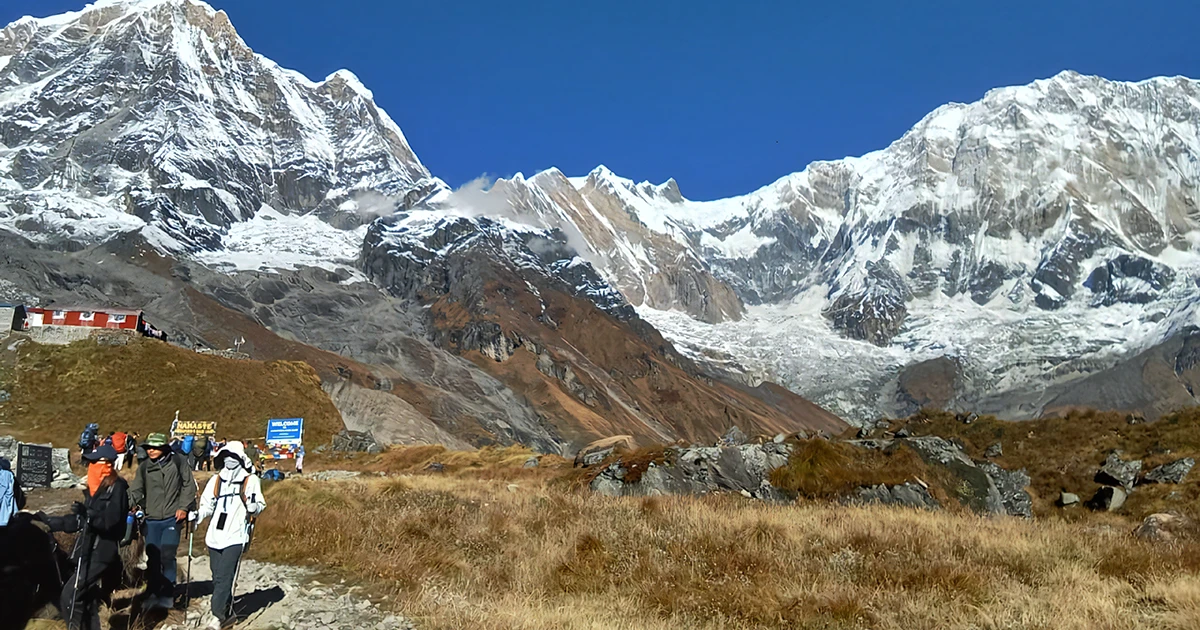
Teahouse trekking also adds a social element. Evenings are often spent in shared dining areas, where trekkers from around the world exchange stories and experiences. It’s a style that combines adventure with a certain level of ease.
Remote Camping Treks in Nepal
In contrast, camping treks take you into parts of Nepal where infrastructure is minimal or nonexistent. These journeys require a full support team, including guides, porters, and cooks, as everything from food to shelter must be carried along the route.
Regions such as Dolpo Region and Makalu Region are known for this kind of trekking. The landscapes here feel untouched, and the cultural experiences are often more traditional and less influenced by tourism.
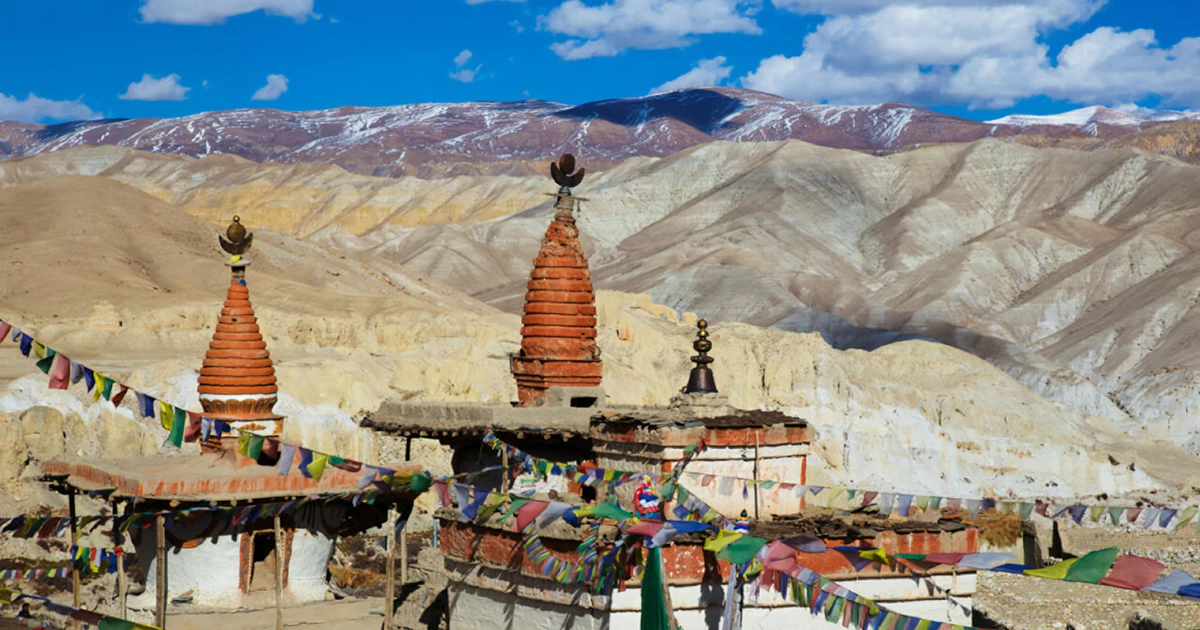
Camping treks are more demanding in terms of logistics and cost, but they offer a rare sense of isolation and exploration that’s hard to find elsewhere.
High-altitude vs Low-altitude Trekking Trails
Altitude shapes the trekking experience in profound ways. High-altitude treks, such as the Everest Base Camp Trek, take you into thin air where every step requires more effort. These routes demand proper acclimatization and awareness of altitude sickness.
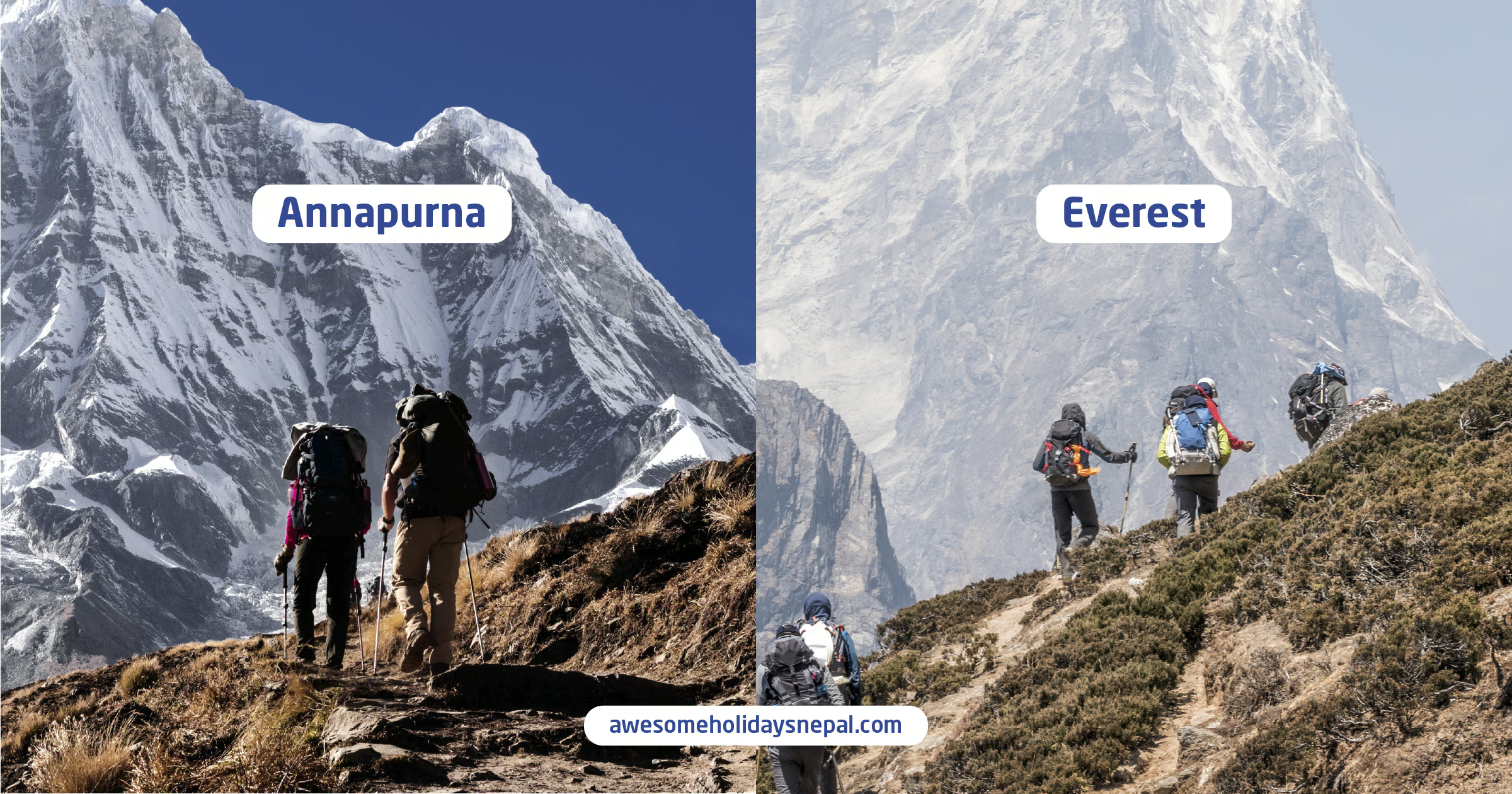
Low-altitude treks, like the are far more forgiving. They allow you to enjoy mountain views without the risks associated with high elevations.
Choosing between the two often comes down to experience and comfort level. Higher isn’t always better; sometimes a lower trail provides a more relaxed and equally beautiful journey.
Popular vs Off-Beaten Trekking Trails
Some trekking routes in Nepal are famous for a reason. Trails like the Everest Base Camp Trek and the Annapurna Base Camp Trek offer reliable infrastructure, well-marked paths, and a lively atmosphere.
However, popularity also brings crowds, especially during peak seasons.
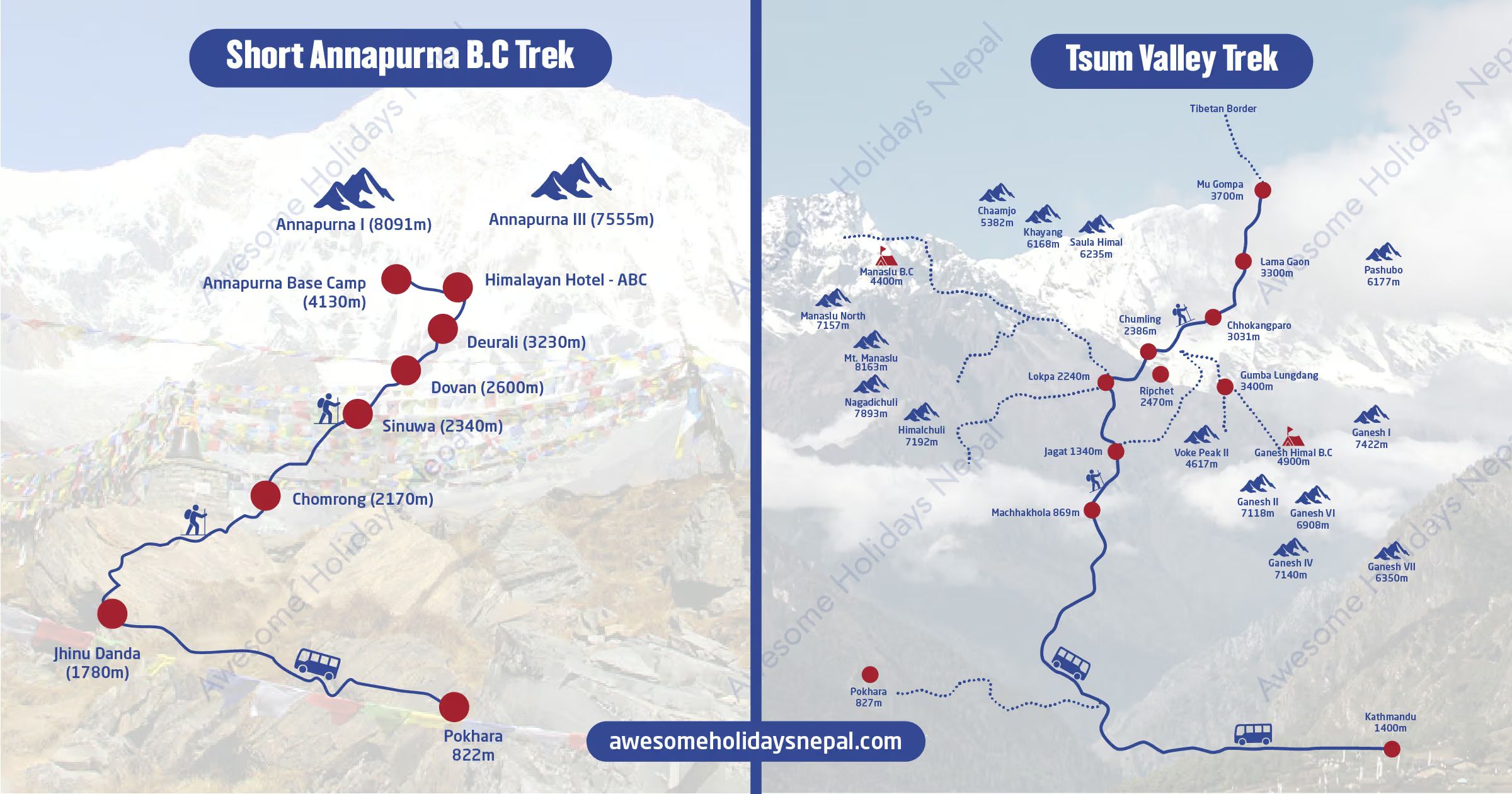
Off-the-beaten-path treks, such as the Tsum Valley Trek, offer a quieter experience with a stronger sense of authenticity. These routes often require more planning but reward you with solitude and a deeper cultural connection.
The choice depends on whether you value convenience and social interaction or peace and remoteness.
How to Choose the Right Trek for You
Choosing the right trek is less about picking the “best” route and more about understanding your own priorities. Time is often the first constraint. If you only have a week, a shorter trek will naturally be a better fit.
Fitness level matters just as much. While many treks are achievable with preparation, it’s important to be realistic about your physical limits.
Budget, comfort preferences, and interest in culture versus scenery also play a role. Some travelers enjoy the social nature of teahouse trekking, while others prefer the solitude of remote trails.
Taking the time to match your expectations with the right type of trek can make all the difference between a challenging experience and a truly enjoyable one.
Fit Seasons for Each Type of Trek
Nepal’s trekking seasons are closely tied to weather patterns. Spring (March to May) and autumn (September to November) are generally the best times for most treks, offering clear skies and stable conditions.
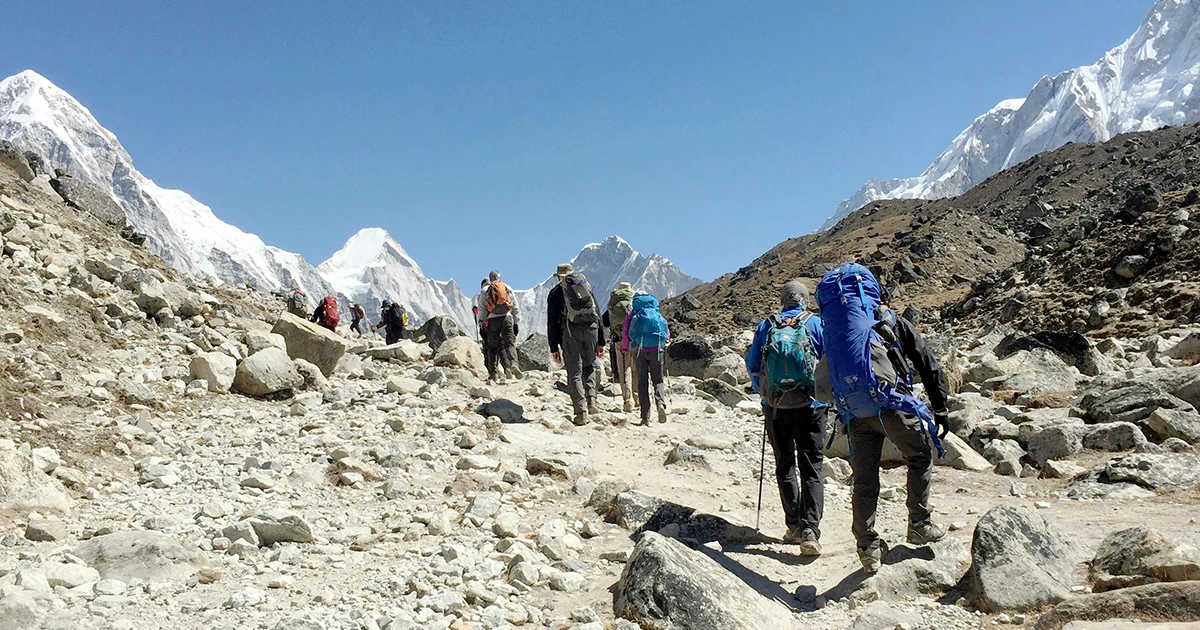
Short and low-altitude treks can also be done in winter, when the air is crisp and trails are quieter, though temperatures can drop significantly.
During the monsoon season, many popular trails become wet and slippery, but rain-shadow areas like Upper Mustang remain accessible and surprisingly dry.
Choosing the right season for your chosen trek type ensures a safer and more enjoyable experience.
Not Just a Trekking Experience
Nepal doesn’t offer just one kind of trekking experience, it offers many, each shaped by landscape, altitude, and culture. Whether you’re looking for a short escape, a classic Himalayan journey, or a remote adventure far from the crowds, there’s a trail that fits your pace and preference.
As you plan your trek in 2026, the key is not to follow trends blindly but to choose a route that aligns with your time, fitness, and expectations. The right match will not only make your journey more comfortable but also far more memorable.
Keep exploring!
FAQs
Expand AllWhat are the main types of trekking trails in Nepal?
Nepal’s trekking trails are usually grouped by duration, difficulty, altitude, and style. Broadly, you’ll find short treks (3–7 days), moderate treks (1–2 weeks), and long, challenging treks (2+ weeks)
What is the difference between a teahouse trek and a camping trek in Nepal?
A teahouse trek involves staying in local lodges along the trail, where you get a bed and meals without carrying much gear. These are common in regions like Everest Region and Annapurna Region.
A camping trek, on the other hand, is fully supported with tents, food supplies, and staff. It’s used in remote areas like Dolpo Region where lodges are scarce or nonexistent.
Which Nepal trekking trails are best for beginners?
Beginners usually do best on shorter, lower-altitude routes with gradual ascents. Treks like the Ghorepani Poon Hill Trek and the Mardi Himal Trek are popular choices because they offer strong mountain views without extreme altitude or long days.
Which Nepal treks are best for travellers who want fewer crowds?
If you prefer quieter trails, routes like the Tsum Valley Trek or areas within the Manaslu Region offer a more peaceful experience compared to busy trails like Everest Base Camp.
Which trekking trails in Nepal have the best teahouse infrastructure?
The best-developed teahouse networks are found in the Everest Region and Annapurna Region. These areas offer a wide range of lodges, from basic rooms to relatively comfortable stays with hot showers and varied menus.
Which Nepal treks require camping for part of the route?
Some treks combine teahouses with camping, especially in more remote sections. Routes in the Makalu Region and Dolpo Region often require camping, either partially or fully, due to limited infrastructure.
What is the difference between a base camp trek and a circuit trek in Nepal?
A base camp trek leads to a specific destination and usually returns along the same route, like the Everest Base Camp Trek. A circuit trek, such as the Annapurna Circuit Trek, forms a loop and crosses diverse landscapes, often including high mountain passes.
Which Nepal trekking trails involve crossing high passes?
High passes are a feature of more challenging treks. The Annapurna Circuit Trek crosses Thorong La, while the Everest Three Passes Trek includes multiple passes above 5,000 meters.
Which Nepal treks are best for short holidays?
Short holidays are best suited to treks like the Ghorepani Poon Hill Trek or the Mardi Himal Trek, which can be completed within a week while still offering excellent scenery.
Which trekking trails in Nepal are best for cultural experiences?
Cultural immersion is strong in regions like Langtang Valley, where Tamang heritage is prominent, and the Upper Mustang, known for its Tibetan-influenced culture and monasteries.
Which Nepal treks are best for mountain views without very high altitude?
Treks like the Poon Hill Trek offer panoramic Himalayan views without pushing into extreme altitudes, making them ideal for those who want scenery without high-altitude risks.
What are restricted-area treks in Nepal?
Restricted-area treks are routes that require special permits due to their remote location or cultural sensitivity. These include regions like Upper Mustang and Manaslu Region, where travel is regulated.
Which Nepal trekking trails need special permits?
Treks in restricted areas such as Upper Mustang, Tsum Valley, and Manaslu Region require special permits, often in addition to standard trekking permits.
Do all trekking trails in Nepal require a guide?
Not all trails legally require a guide, but many restricted regions do. Even where it’s optional, hiring a guide is often recommended for safety, navigation, and cultural insight.
What is the best season for different types of trekking trails in Nepal?
Spring (March–May) and autumn (September–November) are best for most treks. Winter suits lower-altitude routes, while monsoon is ideal for rain-shadow areas like Upper Mustang.
Which Nepal trekking trails are best during the monsoon?
During the monsoon, trans-Himalayan regions such as Upper Mustang and Dolpo Region remain relatively dry and are among the best choices.
Which Nepal trekking trails are best in winter?
Winter is best for lower-altitude treks like the Poon Hill Trek and parts of the Langtang Valley, where conditions are still manageable.
How do trail conditions differ between Annapurna, Everest, Langtang, Manaslu, and Mustang?
The Annapurna Region offers diverse terrain with good infrastructure, while the Everest Region is higher and more rugged. Langtang Region is quieter and culturally rich, Manaslu Region is more remote and less developed, and Mustang Region is dry, windy, and distinctly trans-Himalayan.
Are Nepal trekking trails suitable for solo travellers?
Yes, many teahouse routes like those in the Annapurna Region are suitable for solo trekkers, though restricted areas require group travel and guides.
Which treks in Nepal are best for families or older travellers?
Gentler treks like the Poon Hill Trek and short itineraries in the Everest Region (such as Everest View routes) are well suited for families and older travelers.
Which Nepal treks have the most basic accommodation?
Remote treks in regions like Dolpo Region and Makalu Region have the most basic facilities, often requiring camping.
Which Nepal treks are more comfortable or luxury-friendly?
Luxury trekking options are best developed in the Everest Region and Annapurna Region, where upgraded lodges and even heli-supported itineraries are available.
How difficult are Nepal trekking trails compared with day hiking?
Trekking in Nepal is generally more demanding than day hiking due to longer daily walking hours, consecutive trekking days, and higher altitudes. Even moderate treks require sustained effort over time.
How much altitude gain is normal on different Nepal treks?
Short treks may reach around 2,500–3,500 meters, while moderate treks often go above 4,000 meters. Challenging routes can exceed 5,000 meters, especially when crossing high passes.
Which Nepal trekking trails have the least road walking?
Trails like the Mardi Himal Trek and sections of the Manaslu Circuit Trek tend to have less road exposure compared to parts of the Annapurna Circuit.
Which treks in Nepal are best for photographers?
Photographers often prefer routes like the Everest Base Camp Trek and the Annapurna Base Camp Trek for dramatic mountain scenery, while Upper Mustang offers unique desert landscapes.
Which trekking trails in Nepal are best for wildlife and forests?
Lower-altitude treks in regions like Langtang National Park are known for forests, wildlife, and biodiversity, including red pandas and diverse birdlife.
Which Nepal treks are best for dry, trans-Himalayan scenery?
Treks in Upper Mustang and Dolpo Region offer stark, desert-like landscapes with minimal rainfall and a very different feel from greener regions.
How should I choose between Everest, Annapurna, Langtang, Manaslu, and Dolpo?
If you want iconic views and global recognition, choose Everest. For variety and flexibility, Annapurna works well. Langtang offers a quieter, cultural experience closer to Kathmandu. Manaslu is more remote and adventurous, while Dolpo is best for those seeking true isolation and raw landscapes.
What kind of Nepal trekking trail fits my fitness, budget, and comfort level?
If you prefer comfort and moderate effort, teahouse treks in the Annapurna region are ideal. For higher challenge and iconic scenery, Everest routes are suitable. If your budget is limited, shorter treks work well, while remote camping treks require a higher budget but offer a more exclusive experience.
Related blog posts
Discover a choice of tourist destinations loved by most of our visitors. Whether you're on a jungle safari to spot rare animals or walking through a world heritage site, these well-planned itineraries cover the major highlights of Nepal.
 call an expert at: