
Life in Nepal’s Far-Western Mountain Villages

 Sristi Adhikari
Nepal is globally known as the Country of Mount Everest, and it has a lot to offer, from trekking in the remote, crowded terrain of Everest and Annapurna to very quiet, less exposed villages in the outer world.
Life in Nepal’s Far-Western Mountain Villages unfolds far from busy cities, highways, and modern infrastructures. In districts like Bajhang, Bajura, Darchula, Dolpo, and Humla, daily life still follows the same centuries-old rhythm unchanged for generations. The villages of this region are surrounded by snow-capped mountain ranges like the Saipal Himal, Api Himal, Nampa, Jethi Bahurani, and the Kanjiroba range, deep river valleys, and forests that remain largely untouched by modern tourism.
Understanding Life in Nepal’s Far-Western Mountain Villages is very important if you are planning for exploring the hidden beauty in 2026. In this blog, we will help you learn about how they spend their day-to-day life, the ways they are preserving their century-old culture and tradition, and the bond between the villagers despite the shortage of infrastructure and geography that is very challenging.
The Geography That Shapes Daily Life
The most important factors that influence life in Nepal’s Far-Western Mountain Villages are the landscape. The Far Western people made their settlement on steep hillsides or isolated valleys where roads are scarce, and transportation can take hours or even days via walking.
You can see mountain peaks such as Api and Saipal, along with protected areas like Khaptad and Api-Nampa, surrounding many of these settlements when visiting. The perennial rivers like Mahakali and Karnali flowing through this region also play an important role in agriculture and local livelihoods.
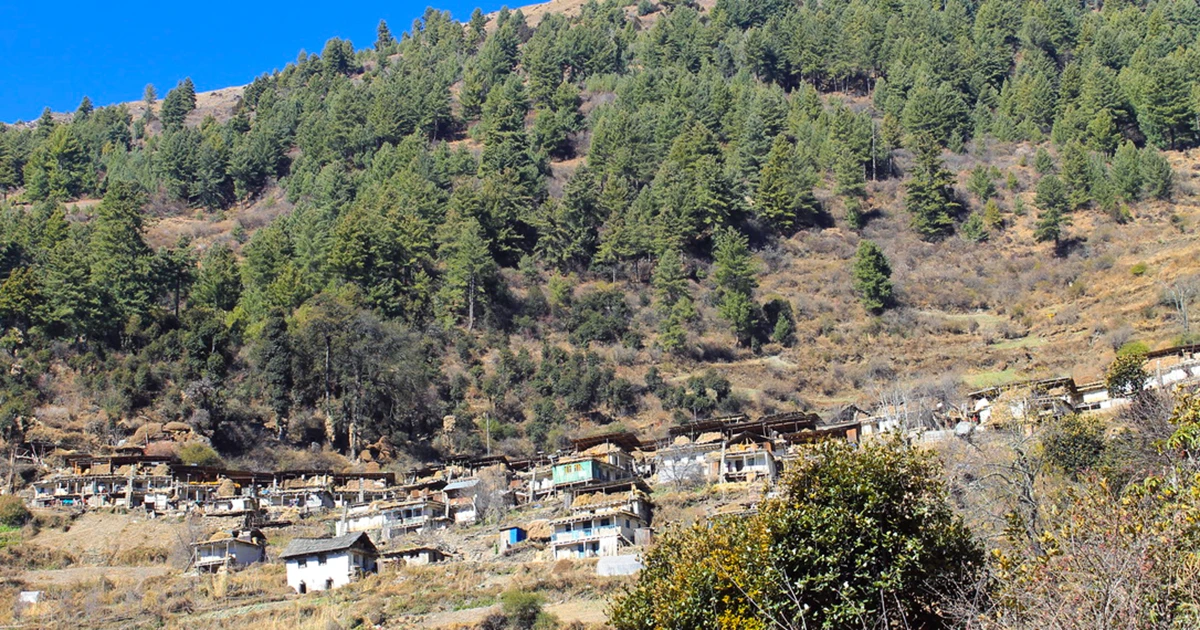
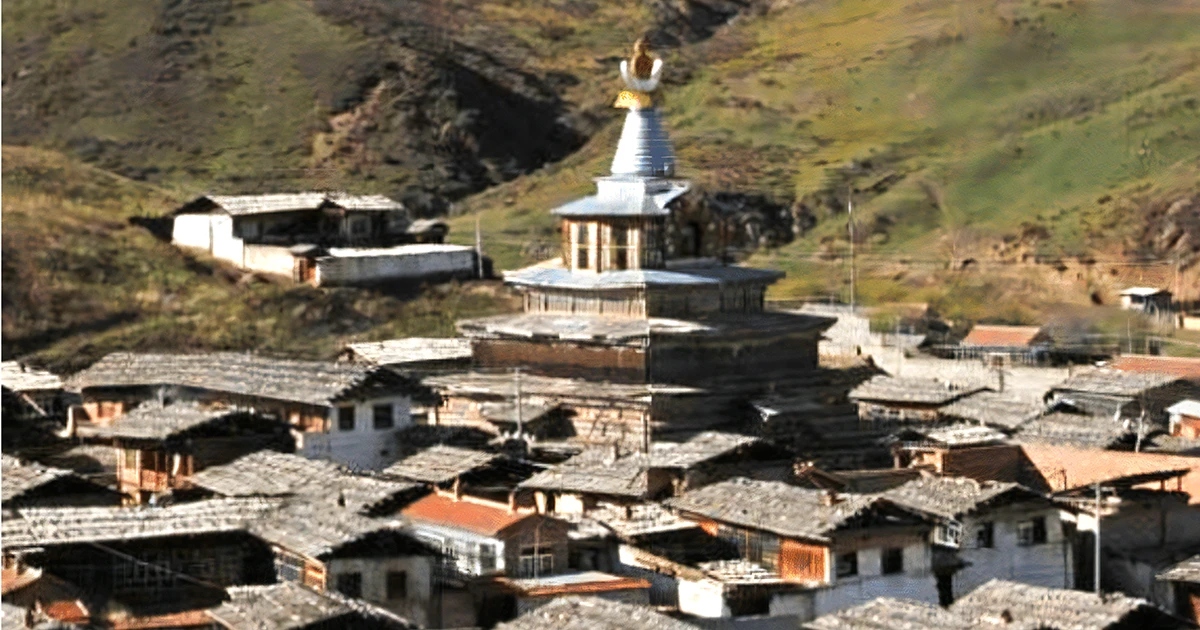
There is no mass tourism, which makes the environment remarkably pristine, and urban development is still far away from these areas. This geography makes Life in Nepal’s Far-Western Mountain Villages both beautiful and demanding and villagers rely on farming, livestock, and forest resources for solving their hand-to-mouth problem.
Daily Life in Nepal’s Far-Western Mountain Villages
Agriculture is the backbone of Life in Nepal’s Far-Western Mountain Villages. Villagers depend on farming and they grow crops like maize, millet, wheat, and barley on terraced fields carved into mountain slopes.
They follow the traditional farming techniques and they also raise livestock such as goats, cattle, and sheep which is good source of protein and dairy products. The byproducts of cattle are used as manure for farming, and they don’t use any chemical fertilizers and believe in growing organic products.
In many villages, households combine farming with seasonal migration for work, as younger generations sometimes travel to cities or abroad to support their families. Despite economic challenges, Life in Nepal’s Far-Western Mountain Villages continues to revolve around cooperation among the villagers. Villagers often help each other during planting and harvest seasons, strengthening the sense of community of the Far Western Nepal.
Culture and Community Traditions
You will see that people follow a deeply rooted heritage in Sudur Paschim province culture. The region is home to diverse ethnic groups with distinct traditions, languages, and beliefs. Many communities follow forms of Hinduism mixed with local spiritual traditions while worshipping their ancestors.
Village life is deeply connected to festivals and they celebrate:
- Gaura Parva
- Bhhume Naach
- Bhuwa festival
- Bhitaulo, and
- Rato Machhindranath Festival
Also they do the daily praying rituals with the whole community. Religious sites such as temples, shrines, and sacred forests hold great cultural significance and bring people together throughout the year.
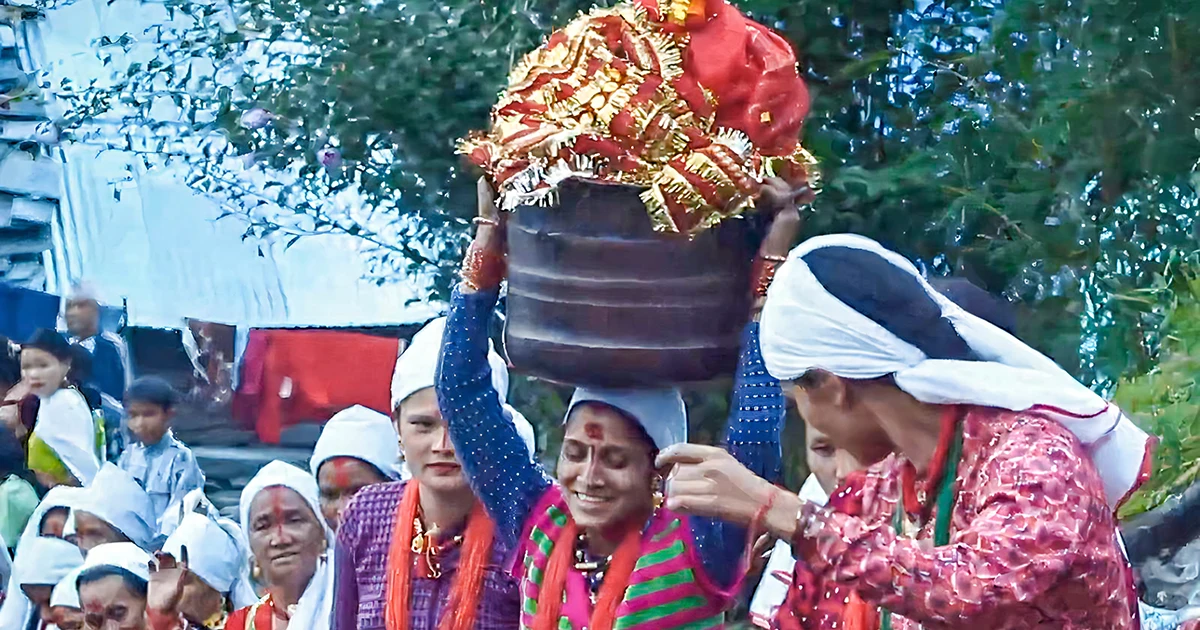
Pilgrimage destinations like Khaptad, Badi Malika, and other sacred locations attract visitors seeking spiritual experiences from all around the world. These century-old traditions are passed down through storytelling, music, dance, and everyday practices. For residents, preserving these customs is an essential part of maintaining identity and heritage in the Far West community.
Education and Health Challenges
The most important human rights of education and healthcare remain one of the biggest challenges in the Far West region. There are a few schools that are often far from home, and children have to walk several hours each day just to attend classes.
In many villages, schools lack teachers, supplies, and proper facilities, so those who want to study higher education either chose to migrate to capital cities like Kathmandu, or those who are from a poor background are supposed to go abroad to earn money. This reality shapes the future of many young people growing up in these remote communities.
Healthcare is also difficult to access; there are no hospitals in the rural areas of Far West. To reach available health posts, they have to walk far away. So, during emergencies, villagers often rely on traditional healers or herbal medicine.
In serious cases, patients may need to be carried for hours to reach transportation. These challenges highlight the difficult side of Life in Nepal’s Far-Western Mountain Villages, where basic services are still out of reach for many families.
Transportation Status
Transportation to Far-Western Nepal mountain villages especially in Karnali and Sudurpaschim provinces, remains extremely difficult due to poor infrastructure and lack of roads and bridges. As of today, many villager like Khalanga, Darchula, are still not connected by proper transport networks which force locals to cross Mahakali rivers using risky cable crossings known as Tuins.
They used this risky rope systems just to reach markets, schools, hospitals, or district headquarters. Due to this, there have been many accidents and deaths over the past years. However, Government have been making promise since 2015 to replace tuins with safe suspension bridges. The progress is till slow which leave many remote communities to risk their lives daily, just to travel or get access to basic human rights.
Migration and Changing Lifestyles
In recent years, many people have migrated to modern cities or abroad from Far west Nepal villages. Some leave their home in search of employment, while some leave Remote Himalayan lifestyle for better lifestyles and to get quality education.
Most of the young people leave for the Gulf countries for employment and send money for their families which is known as remittances. They fulfill their and family dream by living far from their loved ones and become successful in building houses, paying for siblings’ or children’s education, and improving living conditions.
At the same time, migration has also led to quieter villages and you can only see elderly residents and children. However, technology is slowly changing life in the mountains. Mobile phones and internet connections are becoming more common, allowing villagers to stay connected with family members working far from home.
Hospitality and Local Food
Visitors who experience Life in Nepal’s Far-Western Mountain Villages often mention that they receive comfort and generosity from the people. Hospitality is a deeply rooted cultural value in every region of Nepal, and you can see more in the remote region of Far-West like Darchula, Humla, Bajhang, Doti, and so on.
Remote villagers of Far West treat tourists or travelers guest as God and warmly welcome them with tea, home-cooked meals, and a place to stay. Local food reflects the agricultural lifestyle of the region. They commonly eat meals which include Dhido made from millet or buckwheat and other locally grown grains, seasonal vegetables, lentils, and dairy products.
These dishes are simple yet nutritious, often prepared using ingredients produced by the family itself. You will get an opportunity to taste staple dishes like Dhido, Gundruk, Batuk, vegetables made from Sisnu, Liuro saag with side dishes like Mas Masuroko Dal, Sudra curry or Radish pickle, Manda (dumpling made from stuffed minced meat or vegetable), served in bowl, Duna Tapari, which is made from stitching multiple Sal Leaves together.
This warm hospitality is one reason why travelers who visit the region often describe Life in Nepal’s Far-Western Mountain Villages as deeply authentic and memorable.
Natural Beauty and Tourism Potential
While Life in Nepal’s Far-Western Mountain Villages can be challenging, the region offers extraordinary natural beauty like snow-covered peaks, deep valleys, alpine forests, and clear rivers, creating landscapes that make a perfect destination to visit for those who like to spend time far away from city chaos. You can explore popular trails like:
- Api Nampa conservation area trek
- Khaptad national park villages
- Rara Lake
- Api Himal and Saipal Base Camp,
- High-altitude Limi Valley trek.
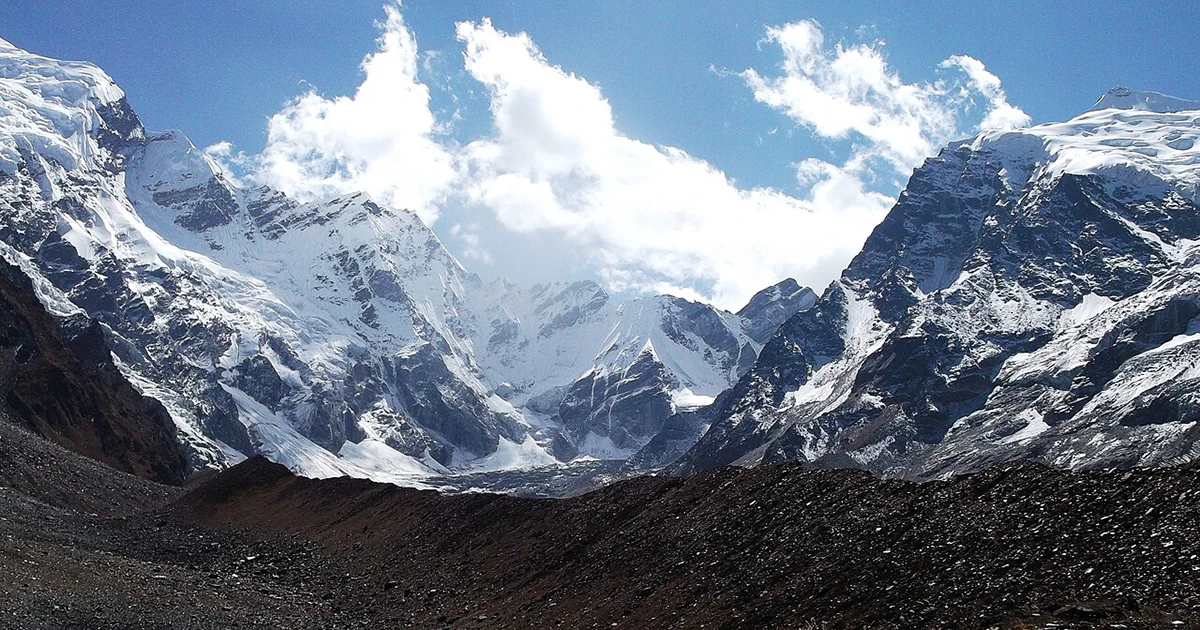
Unlike popular trekking regions, the far-western mountains offer a more authentic and less crowded experience, which is perfect for a digital detox. Visitors who travel here can witness traditional lifestyles, local festivals, and breathtaking Himalayan scenery. Responsible tourism could help create new opportunities for communities while preserving their culture and environment.
A Way of Life Worth Preserving
The Development of the far-western villages is progressing slowly; there is construction of new roads, schools, and health facilities. Also, Government programs and non-governmental organizations are also working to improve livelihoods and infrastructure.
However, sustainable development is essential. Everyone should protect the pristine environment, and preserve cultural traditions along with the modernization. The resilience of local communities is one of the most inspiring aspects of Life in Nepal’s Far-Western Mountain Villages.
While modernization is slowly reaching these communities, many traditional values remain strong. Young people are increasingly involved in tourism, guiding trekkers and managing homestays instead of leaving the place. This creates opportunities for economic growth without losing cultural identity. As more people learn about Life in Nepal’s Far-Western Mountain Villages, the region may gain recognition as one of Nepal’s most authentic cultural landscapes.
Final Thoughts: Resilience in the Himalayas
Life in Nepal’s Far-Western Mountain Villages is a powerful example of how people adapt to some of the most challenging aspects of life. The region is isolated from the modern world, but it has more potential for tourism. The locals are preserving their unique traditions, making a strong bond with the members of the community, and have a deep respect for nature.
While the remoteness bring many challenges but they have been shaping their life with resilience, cooperation, and cultural richness. As development slowly reaches these remote areas, understanding and appreciating Life in Nepal’s Far-Western Mountain Villages becomes even more important.
We suggest you to explore these villages which may be far from the modern world, but it will be worth it of your time and money spend as their stories reflect the enduring spirit of the Himalayas and the people who call them home. Also, when planning for visiting the Far-Western Mountain Villages of Nepal, make sure to contact Awesome Holidays Nepal as we offer customized and fixed itinerary according to your preference which will surely make your journey more memorable.
FAQs
Expand AllWhat is the daily routine in Nepal's remote mountain villages?
The daily routine in Nepal’s remote mountain villages strarts with a morning prayer, fresh cup of tea, followed by fetching water, tending livestock, and working in agricultural fields.
What do people eat in far-western Nepal?
People eat food prepared from locally grown grains like Dhido, Batuk, vegetables made from Sisnu, Liuro saag with side dishes like Mas Masuroko Dal, Sudra curry or Radish pickle, Gundruk, Manda (dumpling made from stuffed minced meat or vegetable), etc.
What is the Deuda dance in Sudurpashchim?
Deuda dance in Sudurpashchim is a dance where 14 couple form a circle by holding hands and moving with slanted steps which is usually done in festivals like Gaura, weddings, and communal gatherings.
How do far-western Nepalese villages survive the winter?
Far-western Nepalese villages survive the winter by making a lifestyle of careful preparation, where they eat the stored food, few migrate to lower altitudes, and other utilize traditional wood-burning stoves for warmth.
What are the unique religious beliefs in Far-West Nepal (Masto tradition)?
The unique religious beliefs in Far-West Nepal is Masto tradition also known as Mashta Deuta which is a distinct from mainstream Hinduism, as they depend on shamanism, formless worship, and ancestral reverence rather than idols or scriptures.
This spiritual system is practiced by the Khas people in the Far-West and Karnali provinces of Nepal.
How is technology and Starlink changing remote Nepal in 2026?
In 2026, technology are emerging and you can find satellite internet when trekking in the remote region with unreliable connection above high altitude region. Starlink is not authorized to operate officially in Nepal.
How do I get to far-western Nepal from Kathmandu?
You can reach far-western Nepal from Kathmandu via airways, byroad in public transportation or in booked taxi.
Are there teahouses in far-west Nepal or do I need to camp?
There are teahouses in far-west Nepal but if you like camping you can do camp as well.
Do I need special permits to visit Sudurpashchim province?
You don’t need special permits to visit Sudurpashchim province but if you are planning to do trek in Api Nampa Conservation Area or restricted border regions, you must have RAP, entry fee for National park and conservation areas with other documents and a licensed guide.
Is it safe for foreigners to travel to far-western Nepal?
Yes, it is safe for foreigners to travel to far-western Nepal.
Can I do a homestay in a far-western Nepalese village?
Yes, you can do a homestay in a Far-Western Nepalese village.
How much does a trek to Far-West Nepal cost?
Trek to Far-West Nepal costs around $1,500 and $3,500+ per person which depends on duration, route, and service level, and it will require around 15 to 20+ day itineraries.
What is the best time of year to visit far-western Nepal?
The best time of year to visit far-western Nepal is in Spring and Autumn.
Do locals in far-western Nepal speak English?
Locals in far-western Nepal speak English in urban areas while in remote region you can’t communicate in english.
What is the altitude of villages in far-western Nepal?
The altitude of villages in far-western Nepal starts from low-lying plains to above 4,000 meters.
What wildlife can be seen near Api Nampa and Khaptad?
You can see wildlife like Snow leopards, clouded leopards, red pandas, Himalayan musk deer, Himalayan tahr, ghoral, serow, blue sheep, grey wolves, jackals, The area is rich in birdlife, including the national bird Danphe (Impeyan pheasant), Munal (Crimson horned pheasant), and Cheer pheasant near Api Nampa while in Khaptad, you will see Himalayan black bear, barking deer, wild dog (dhole), ghoral, musk deer, and leopards and over 270 species of birds.
Do I need a licensed guide for travel in far-western Nepal?
Yes, you will need a licensed guide to travel in far-western Nepal.
What toilets, washing facilities, and drinking water conditions should I expect in village stays?
You should expect Squats toilets, using a bucket of hot water for shower, and drink boiled water, filtered water, or bottled water in village of West Nepal.
What local etiquette should visitors follow in homes, temples, and village festivals?
The local etiquette should visitors follow in homes, temples, and village festivals includes:
- Greeting locals with a “Namaste.”
- Remove shoes before entering homes and temples.
- Use the right hand for eating or passing items.
- Dress modestly by covering shoulders/knees when entering the villages and treligious places.
- Should Avoid public displays of affection.
- Always ask permission before taking photos.
Can I photograph people, rituals, and village homes, or should I ask first?
You can photograph people, rituals, and village homes only after asking teh permission.
Related blog posts
Discover a choice of tourist destinations loved by most of our visitors. Whether you're on a jungle safari to spot rare animals or walking through a world heritage site, these well-planned itineraries cover the major highlights of Nepal.

 call an expert at: