
Kailash for First Timers: Questions People Ask Before Booking
 Amrit K. Aryal
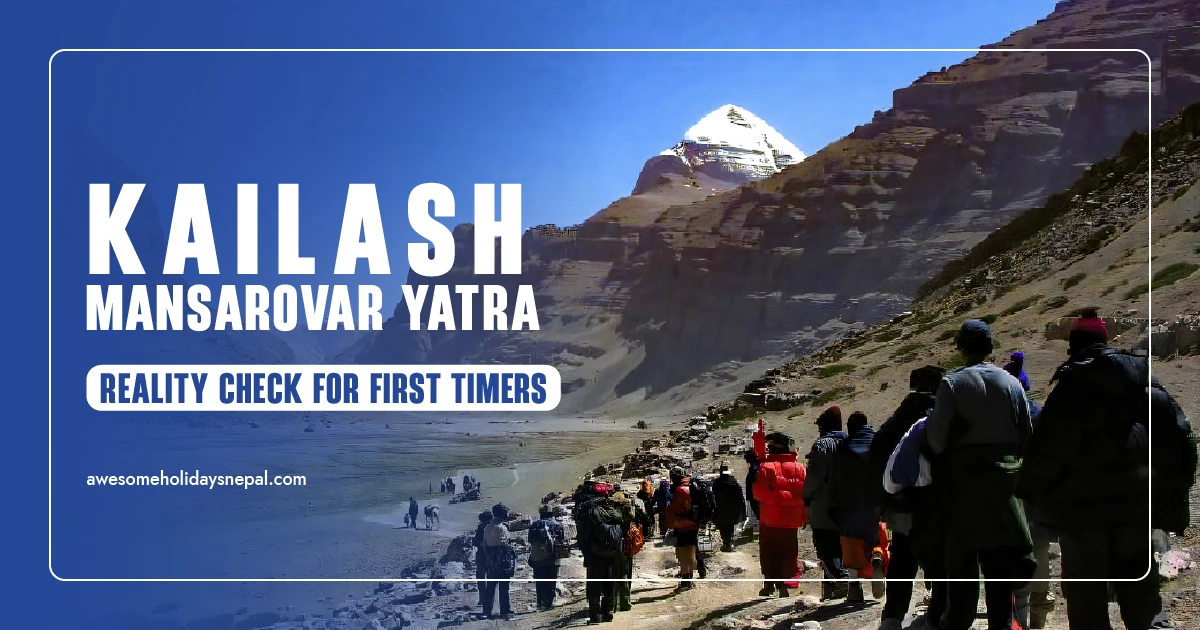
A trip to Mount Kailash is not just a holiday trip. You might have heard someone saying that travelling to Kailash for first timers is going to be something difficult. But in what context? To what degree? Travel to Kailash is a physical as well as spiritual commitment. Whether you are a first timer or have long experience of trekking in the high altitude in the Himalayas of Nepal, Kailash is going to be tough.
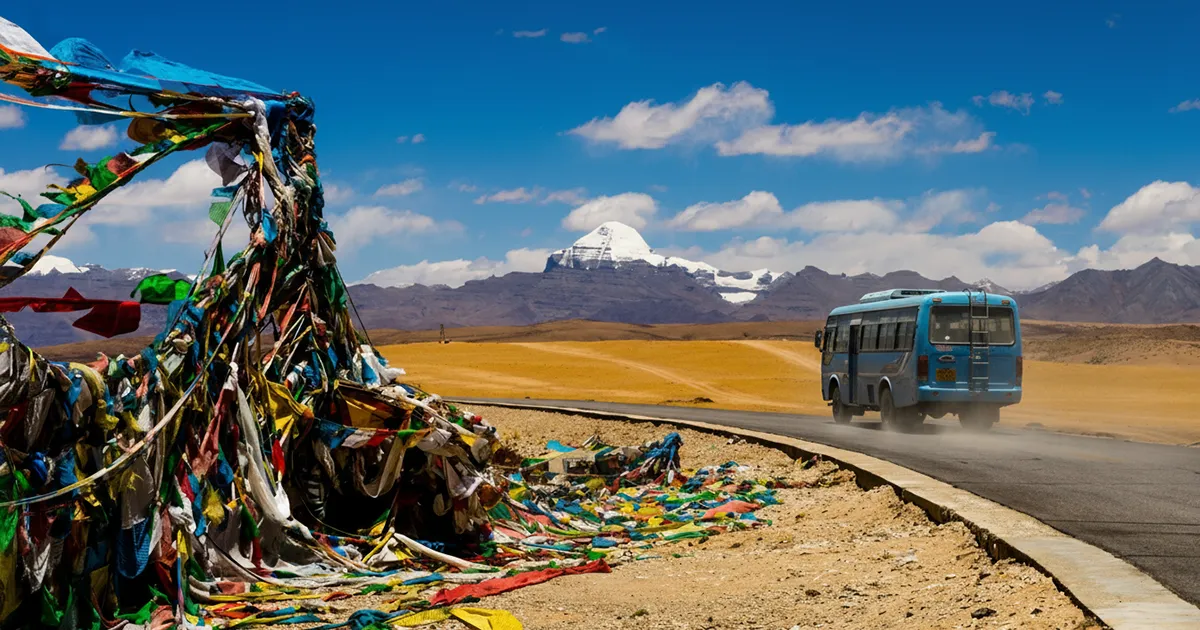
Before going to Kailash, asking the right questions is important before making your booking. This matters because safety, tour, and cost come along with the journey and faith. For people travelling for the first time in Kailash, this blog is structured to let you know the practicality of the Kailash Kora.
Section I: Basic Reality Check, Before Emotion Takes You Over
1. What is the Kailash Mansarovar Yatra?
The Kailash Mansarovar Yatra means different for different people. Many people think that the Kailash Mansarovar Yatra is just a religious journey. For some adventurers, it is a high altitude trekking. And some people want to climb the mountain like Mount Everest or Shishapangma. But, rarely, some know it is a forbidden mountain no one is allowed to climb. One can only circumambulate around the mountain. It is a high-altitude pilgrimage with physical and mental challenges. It is not a place for a mountain expedition.
Passing through the Mansarovar Lake and crossing the Dolma La Pass is the real challenge one must cross with ease. The high altitude above 5600 m is the real Kailash Yatra.
2. Is Mount Kailash Actually Climbed or Only Circumambulated (Kora)?
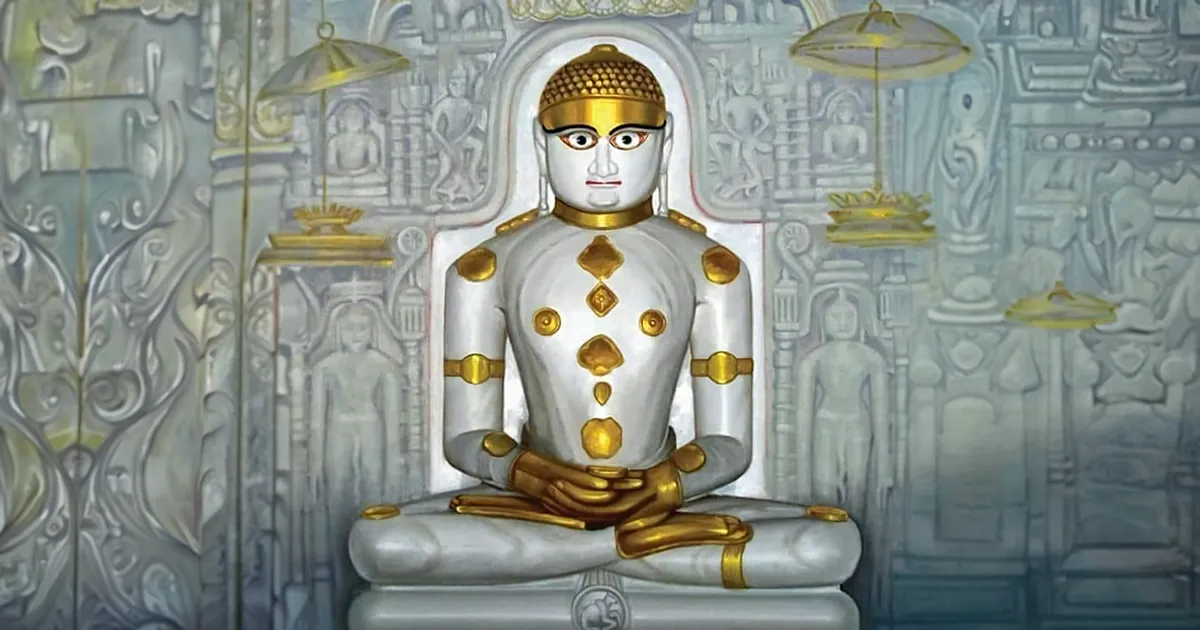
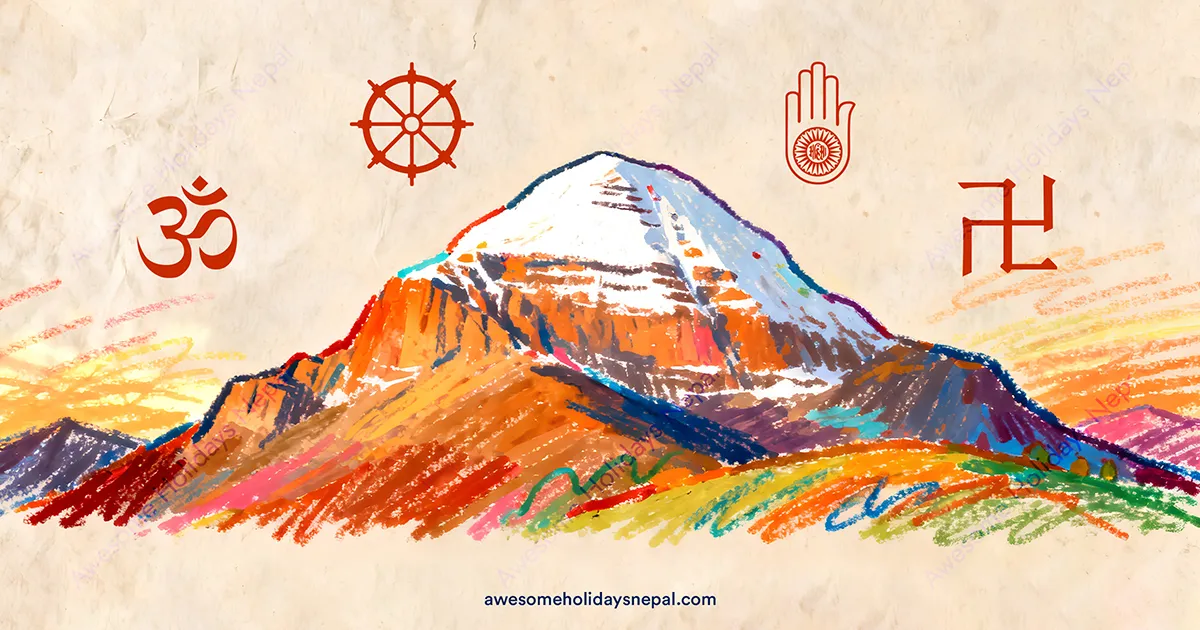
Mount Kailash has never been climbed. Climbing to this sacred mountain is banned and considered unethical and disrespectful. This mountain is highly religious and is worshipped by pilgrims of different religions. For Hindus, it is the abode of Lord Shiva, for Buddhists, it is the home of Demchok, and for Bons, it is the Axis of the universe, known as Mount Meru. Jains visit this mountain with the faith of their Tirthankara, Rishavdev.
The Kailash Kora is around 52 km, completed in 3 days. The Kora must cross the Dolma La at a high altitude of 5600 meters above sea level.
3. Who Is Not Allowed to Go for the Kailash Yatra?
There are certain people who are not allowed to go for Kora. This restriction is made for the safety of the pilgrims. People having following health conditions shouldn’t go for Kailash yatra at all:
- serious heart disease
- uncontrolled asthma
- severe lungs problem
- Recent surgery
- inability to walk for long hours
Also, elderly people with weak health conditions are not allowed to go for the Kailash Yatra. If elderly people are fit enough, with a health certificate, they are allowed to go for the Kailash Yatra along with their family members. Children above 10 are often found going for the Kailash Kora.
Since. Kailash Parvat falls under the administrative region of Mainland China; the visa is issued by the Chinese Government. Sometimes, there could be a political tension disrupting the visa process.
Section II: Routes, Days, and Logistics
4. Which Route Is Better for First-Timers, the Nepal Route or the Lipulekh Route?
For pilgrims, first time in Kailash, the route from Nepal is a better option. This route via Kerung is better for acclimatization planning, better road access, and more supportive staff. On the other side, the route via Lipulekh is tougher with more walking and less flexibility. This route must be applied through the quota system by the Indian government. One must apply for the quota by presenting their health certificate.

5. How Many Days Does the Kailash Yatra Really Take, 10, 12, or 14?
This is where people get more confused. People often choose the wrong itinerary, without knowing the core idea of the days and functions.
- The 10-day Kailash Yatra: This is made for a fit and strong group of people. They must be adjusted to the changing environment, which can be rushed and adjust for the high risk of altitude sickness.
- The 12-day Kailash Yatra: This is a moderate schedule for a balanced trek. This is the most popular option for pilgrims in Kailash. This provides two more days for acclamatization and adjustment to the high altitude.
- The 14-day Kailash Yatra: This is a slow-paced itinerary, especially for elderly people and people with poor physical stamina. You can get enough time for buffering in case of any misfortune, like a weather shift.
For more details, you can read the blog on the Kailash Yatra Duration Guide.
6. Is the Mount Kailash Yatra More Difficult on the Return Journey?
In a way, we can say yes. When you are returning, the body is tired. The oxygen was low at the top of the Dolma La pass. The human body needs some time to recover from the oxygen depletion. There is excitement and a sense of achievement, but the body is demanding relief. Many pilgrims return rejuvenated and changed with new energy in their hearts, fully spiritually awakened.
7. How Much Walking Is Involved Each Day, Especially During the Kora?
During the three days of Kailash Kora, the walking days differ in altitude and geography. Due to variations in geography and oxygen levels, the itinerary is set to walk different distances each day.
- 8 to 15 km per day
- 6 to 8 hours
- cold, wind, uneven path
In case of any difficulty, there are porters and horses to carry you and your luggage, but are always guaranteed due to weather.
Section III: Health, Altitude and Physical Reality
8 . How High Is the Altitude, and When Does Altitude Sickness Usually Start?
The altitude in the Kailash Mansarovar Yatra ranges between 4500 m and 5630 m. People often feel a heavy head above 3500m. Headache, vomiting, and breathing issues are common above 4000m. Even a healthy-looking person might become ill here.
9. Do I Need Prior Trekking Experience to Complete Kailash Kora?
No, Prior trekking experience might help, but it is not necessary. A person with basic fitness can complete the Kora with ease. All you have to do is maintain a steady pace and stay hydrated.
10. What Medical Tests Are Genuinely Necessary and Which Are Formalities?
Usually, the tests include:
- ECG
- BP
- blood sugar
- sometimes chest x-ray
Most of them are a necessity. Before travelling to Kailash, you, the agency, and the government must be sure that you are physically healthy. These are not just paperwork, but are a lifesaver.
11. Can People with Asthma, BP, Diabetes, or Joint Problems Go to Kailash?
In minor cases, yes. If the conditions are under control and can be treated with minor medication, it is good to go.
If these arise, additional problems along with altitude sickness at the Dolma La Pass, but only if the condition is controlled, the doctor approves, and medicine is carried. The joint problem makes Dolma La day painful. Honesty with oneself is very important here.
12. How Cold Does It Actually Get, Even in Peak Season?
The temperature even in the best months reaches 5°C to 15°C during the day and falls below freezing point (0°C) during the night. The cold wind, slippery trails, and low temperature make the journey more difficult.
Section IV: Money, Deposits and Hidden Costs
13. Why Does the Kailash Yatra Cost Vary So Much Between Operators?
The Kailash Yatra Cost Varies So Much between Operators because of various factors, including
- Route used
- group size
- Inclusion as well as exclusion
- Permit handling and days required
- Experience and language of the guides
- Accommodations and food quality
Some of the Mount Kailash tour package are made to provide you with additional services to make your journey easy and safe on the difficult trail of Kailash. The cheaper packages often exclude oxygen, pony, health tips, and emergency assistance.
14. What Does the Yatra Cost Really Include?
Kailash Mansarovar Yatra usually includes the following:
- 5 Night accommodation at Kathmandu on 3 star hotel, Kathmandu Business Hotel or similar
- Accommodation at the guesthouse in Tibet and Kathmandu.
- Sightseeing of Kathmandu city (full day)
- Tibet group paper Visa Fee
- All vegetarian meals in Tibet (Breakfast, Lunch, and Dinner)
- English-speaking Tibetan guide
- All necessary travel and trekking permits as per our itinerary
- Supporting crew members (Cooks, Helpers, and Sherpas)
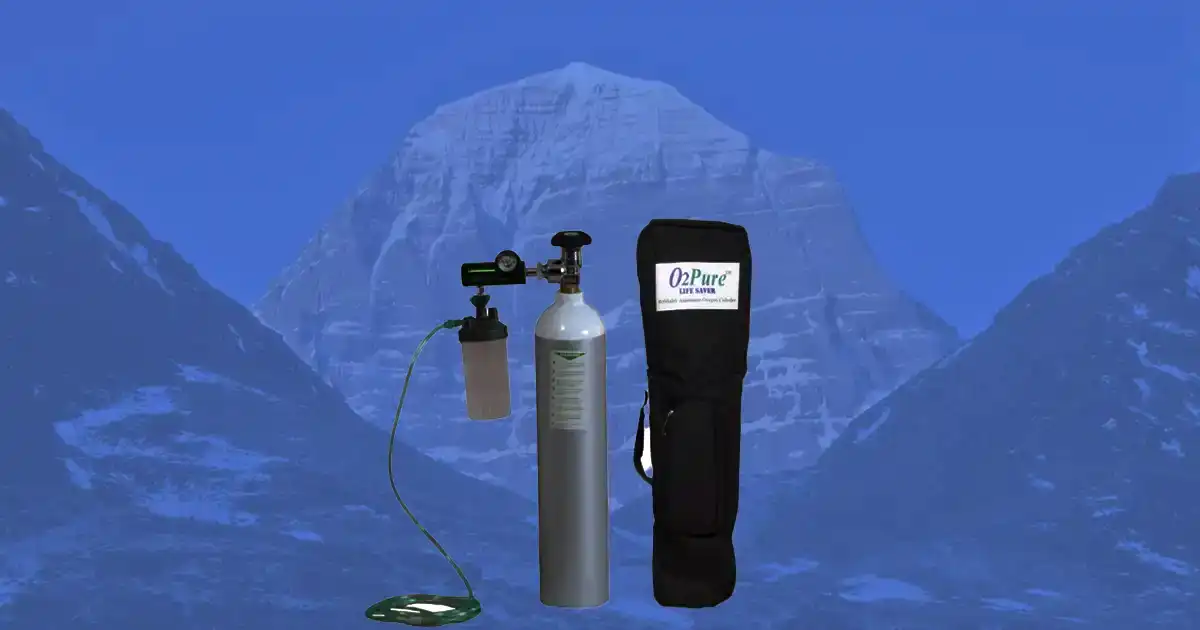
- Oxygen cylinders for emergency use and a medical kit bag
- 1 duffle bag, 1 backpack, 1 cap, 1 passport holder, 1 waterproof windcheater jacket as a souvenir from the Company
- All airport pick up and drop off
- All applicable taxes and service charges
15. How Much Deposit is Normal, and is it Refundable?
The deposit and refund policy is different. The deposit is usually 20–50%. This is needed to process the documentation and apply for permits and a visa.

16. Are There Extra Costs People Don’t Mention?
Sometimes, some costs remain hidden. Some incidents arrive without notice. Weather shift, altitude sickness, emergency medication, and damage to gear bring additional expenses. Some of them are:
- Pony/ Horse Charges
- Extra oxygen cans
- Extended Hotel Stay
- Additional Medicine
So, you need to carry buffer money in Chinese yuan.
Section V: Permits, Visas and Political Uncertainty
17. Who Issues the Kailash Permit: India, Nepal, or China?
The government of China issues the permit and Visa. The tour operators in Nepal assist you in coordinating with the operators in Tibet.

18. What Happens If Tibet Side Closes Suddenly After Payment?
If there is a sudden closure of the Tibetan side after the payment is done, then there is a refund depending on the reason for the closure. If possible, the Yatra will be postponed for the future.
The policy is not under the control of any operators. This is one of the biggest risks in the Kailash Yatra.
19. How Early Should Permits Be Applied For?
One must apply 3–4 months before travel for the permit. Once the permit is granted, you can only apply for a visa. The application must be done through an operator.
Section VI: Daily Life during Yatra
20.What Kind of Accommodation Should First-Timers Expect?
Kailash for First Timers comes with a shared room in the teahouses in Tibet. Some of the teahouses have installed a heating system. The food is simple and basic vegetarian.

21. Is Vegetarian Food Available Throughout the Yatra?
Yes, the food is simple, vegetarian, hot, and tries new flavors in Tibet.
22. Are Toilets, Bathing, and Hygiene Manageable?
The toilets and bathrooms are simple, manageable, but may not be too comfortable. Bathing is limited, and water is cold. Carry your wipes and sanitizers.
Section VII: Spiritual and Emotional Questions
23. Is Kailash Yatra Only for Deeply Religious People?
Not necessary. The Kailash Yatra is for people without a belief in god or the Supreme Energy. It is also best for adventurers, photographers, and nature lovers who want something out of the box.
24. What Does “Inner Transformation” Actually Mean?
Inner transformation does not mean a miracle. It actually means to know you, omitting ego, and to slow down in the rush of life.
25. What if someone cannot complete the Kora?
Not everybody can complete the Kora. Do not take it as a spiritual failure. Your health always comes first in high-altitude trekking. Even seeing Mount Kailash from a distance is considered blessings for many pilgrims.
Related blog posts
Discover a choice of tourist destinations loved by most of our visitors. Whether you're on a jungle safari to spot rare animals or walking through a world heritage site, these well-planned itineraries cover the major highlights of Nepal.


 call an expert at: