
Altitude Medication Rules in Nepal: What You Can and Cannot Bring
 Sristi Adhikari
Are you uncertain about the Altitude Medication Rules when traveling in Nepal? It may seem confusing at first, and you may think about which medicine will get passed during customs, or whether you can bring certain medication or not. Then, you are in the right place; this blog answers all your queries.
When planning a Himalayan expedition or trek in Nepal, you must bring the necessary medication in a limited quantity, along with the required documents. Most medicines are allowed freely, while some require a valid prescription. Follow the Altitude Medication Rules to stay safe and legal, and enjoy full enjoyment of Nepal’s Himalayan adventure.
Possible Health Risks When Travelling in Nepal
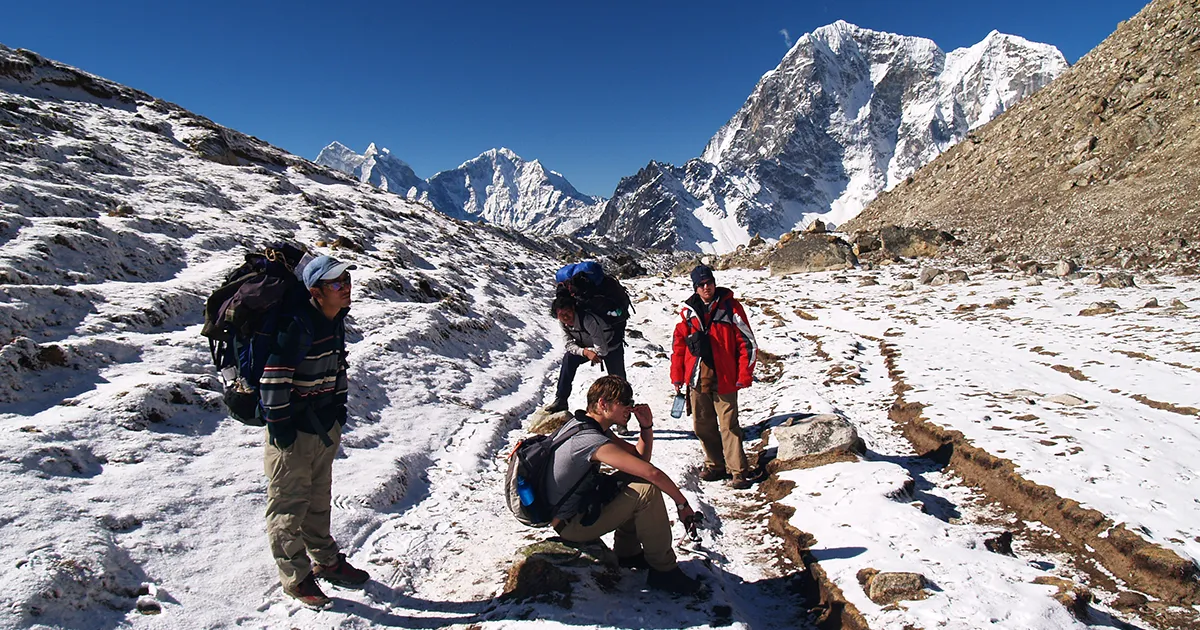
When planning travel in Nepal, you have to be cautious about your mental and physical health. Bringing enough medication and knowing the Altitude Medication Rules will be helpful when exploring high altitudes, longer hikes, and remote regions like the Everest Base Camp trek, Annapurna, Manaslu, Dolpo, and the Mustang region. You may face the following health problems, whether you are trekking or mountain expedition:
- Altitude Sickness/ AMS, HAPE, and HACE
- Food and Water-Borne Problems
- Injuries and Accidents
- Cold and respiratory-related illness
- Sun Exposure and Dehydration
- Fatigue and Sleep-Related Issues
- Insect bites
- Emotional Strain
Essential Medicine Check-list
These health risks should be addressed and treated early. You should have the following medicines so that you can address these health risks. Nepal’s altitude medication rules include bringing prescribed medicine with the original covering in a limited amount.
You cannot bring more than the limit; if found doing so, you have to pay fines or have to stay in the prison cells.
Altitude Sickness Medicine
There is a high chance of suffering from Altitude sickness when you trek above 2,500 meters altitude from sea level. Trekkers and climbers should bring the following medicine to cope with altitude sickness at high altitudes when doing the EBC trek, ABC trek, or for climbing Mount Everest.
The mild symptoms of altitude sickness include headache, dizziness, uneasiness, and feeling discomfort, which, if not addressed in time, may convert into life-threatening situations like HAPE or HACE. You should follow the Altitude Medication Rules while bringing medication in Nepal.
Acetazolamide (Diamox)
Acetazolamide, also known as Diamox, is used for treating altitude sickness, also known as Acute mountain sickness. Trekkers should consume 125–250 mg of Acetazolamide twice a day on the first day of the trek and continue consuming it for 3 days. This helps trekkers to adapt to lower oxygen levels at high altitudes. You can also buy Acetazolamide for altitude sickness in pharmacies in Nepal or bring it on your own.

Dexamethasone
Dexamethasone for altitude sickness is available in Nepal with a prescription only. It also acts the same as Diamox and should be eaten the same way and same proportion.
Nifedipine
Nifedipine is used for the treatment of HAPE as it helps open the blood vessels in the lungs. This helps in the reduction of pulmonary pressure and should only be consumed after health professional guidance.
Pain Relief Medicine
- Ibuprofen or Naproxen
- Paracetamol (Acetaminophen)
GI Medicine
- Loperamide (Imodium)
- Oral Rehydration Salts
- Antibiotics
Cold and Respiratory Medicine
- Antihistamines
- Cough Syrup or Lozenges
First Aid Kit Essentials
- Blister pad
- adhesive band-aid
- Sterile gloves
- Safety pins
- hydrocolloid dressing
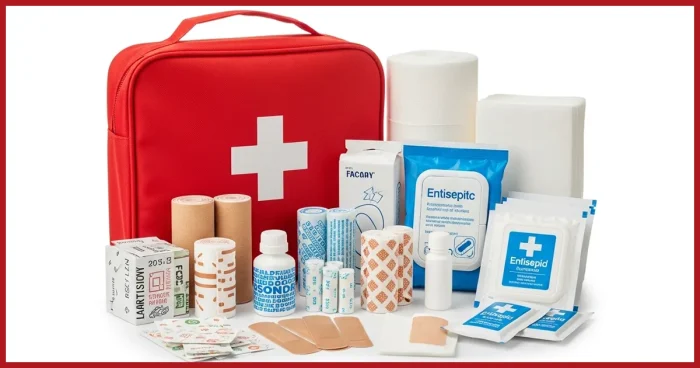
- Antiseptic ointment and wipes
- Gauze and Medical Tapes
- Elastic Bandage
- Tweezers and small scissors
Eyes and Skin Care
- Sunscreen
- Lip balm with SPF
- Eye Drops
Important Tips for Bringing Medicines
Travellers should have enough preparation when packing medicine for Nepal instead of buying it in Nepal. You should follow certain protocols so that you can avoid delays due to Nepal customs rules.
Must have a Doctor’s Prescription
You should always carry a doctor’s prescription if you are carrying severe painkillers, Diamox for altitude sickness, or medication for prolonged diseases.
Do Not Bring Restricted or Controlled Drugs
Medicines like narcotic painkillers, strong sedatives or sleeping pills, along with psychiatric medicines, are considered restricted or controlled drugs in Nepal. If you are prescribed these with a legal doctor’s name, then only you can pass the Tribhuvan International Airport customs.
Pack in Hand Luggage
You should carry your prescribed medicines and any sort of medicines in your hand luggage. This will help you with easy access when needed.
Always Pack Medicine in the Original Cover
You should always pack medicine in its original box or bottles. Do not pack if it doesn’t have clear labelling, as it may raise suspicion and increase the risk of confiscation.

Check Expiry Dates
All of your medicines should be within their valid expiry dates. Bringing medicines that are past of expiry dates is discarded.
Avoid Bulky Quantities
The bulky quantities of medicine are considered for commercial purposes, and it is banned in the Nepal customs regulations. You can only bring medicine valued at NPR 10,000 at once, as it follows the Altitude Medication Rules.
Consult a Doctor Before Travelling
If you consult a doctor before packing medicines in your bag, you will be guided properly and can use them later.
Medication That Needs Caution
Knowing about the Altitude Medication Rules in Nepal helps you prepare early and avoid packing, as it may only cause trouble in Nepal customs further. Here is the list of some medicines that need extra caution when packing for Nepal Travel. You should have a valid prescription and medical justification if you packed them in your luggage.
Narcotic and Opioid Painkillers
It includes Codeine, morphine, tramadol, and oxycodone. With a prescription and a medical report, you will be fined as it is strictly controlled in Nepal.
Strong Sleeping Pills and Sedatives
Examples include Diazepam (Valium), Alprazolam (Xanax), and Zolpidem.
Psychiatric and Neurological Medicines
It includes Antidepressants, Anti-anxiety medications, and Anti-epileptic drugs.
Stimulant Medicines
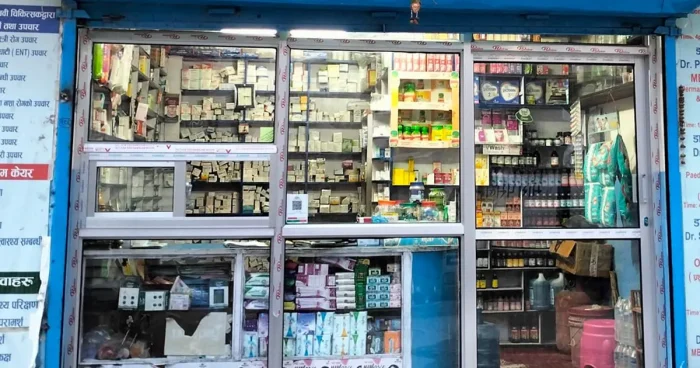
It is restricted, and without approval, you cannot carry ADHD medications like methylphenidate, amphetamines. If you can’t manage without having them, you can simply buy in Nepal pharmacies.
Steroid and Hormonal Drug
It includes Prednisone and Testosterone-based medications.
High Dose or Injectable Medication
Injectable painkillers and Insulin in large quantities are avoided without proper documentation.
Herbal and Alternative Medicines
Altitude Medication Rules restrict bringing unlabeled herbal pills, powders, or oils without ingredient lists.
Banned Medications in Nepal
There are a few medicines that are banned and are considered illegal in Nepal, as they don’t fall under the Altitude Medication Rules, such as:
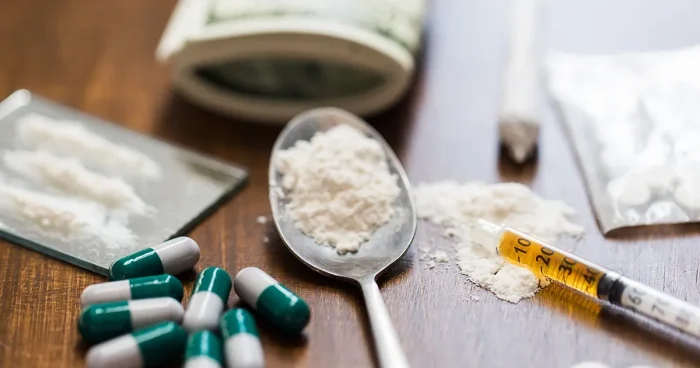
Narcotics and Recreational drugs
Even a small quantity of narcotics and psychotropic drugs like Heroin, Cocaine, Cannabis, LSD, or MDMA results in serious legal consequences.
Best Things To Do for Custom Declaration
You should always declare your medicines at customs so that there are no issues when entering Nepal. If you have no idea whether the medicines are allowed or not allowed in Nepal, you should always declare them, as customs officials can sense lies, and you have to be more transparent.
Travelers should always include their name, dosage, and the purpose of the medicine in the prescription documents.
Key Takeaways on Altitude Medication Rules in Nepal
Understanding the altitude medication rules in Nepal helps you explore a high-altitude journey to the Himalayas without facing problems with Nepal airport customs rules. Instead of suffering from a lack of certain medications in high altitudes, packing the required medicines like altitude sickness medication and other health-related medicines is the best option for travelers traveling to Nepal in 2026.
Having a valid prescription for the medication and carrying it in the original packaging is highly recommended in order to avoid any problems in the customs section of Tribhuvan International Airport. Enjoy the Himalayan landscapes of Nepal, along with packing only allowed prescribed drugs in a limited amount for safe and memorable travel in Nepal 2026.
FAQs
Expand AllCan I bring Diamox (acetazolamide) into Nepal for trekking?
Yes, you can bring Diamox (acetazolamide) into Nepal for trekking.
Do I need a prescription or doctor’s letter to carry altitude medication in Nepal?
You don’t need a prescription or a doctor’s letter to carry altitude medication in Nepal. But having it is highly recommended.
How much prescription medication can I bring into Nepal for personal use?
You can bring a medical prescription with a medicinal value of NPR 1,000 in Nepal.
Which medicines are considered controlled substances in Nepal (for travellers)?
Medicines like Codeine, dextropropoxyphene, ethylmorphine, etorphine, fentanyl, methadone, morphine, pethidine, pholcodine, opium, and medicinal opium, followed by Psychotropic Substances (Benzodiazepines, Stimulants, etc.) and other Prohibited Substances are considered controlled substances in Nepal (for travellers).
Are codeine cough syrups or strong painkillers allowed through Nepal customs?
Codeine cough syrups or strong painkillers are only allowed through Nepal customs if you have the necessary official permits and documentation in advance.
Can I travel to Nepal with sleeping tablets or anti-anxiety medication?
Yes, you can travel to Nepal with sleeping tablets or anti-anxiety medication.
Should I keep my medicines in original packaging when entering Nepal?
Yes, you should keep your medicines in their original packaging when entering Nepal.
What should I do if I’m carrying injectable medication (needles/syringes) for a trek?
If you are carrying injectable medication (needles/syringes) for a trek, you must have a doctor’s prescription and always carry it in its original packaging.
Can I buy altitude sickness medication in Kathmandu or Pokhara instead of bringing it?
Yes, you can buy altitude sickness medication in Kathmandu or Pokhara instead of bringing it.
What happens if airport customs questions my medication at arrival in Nepal?
If airport customs asks questions about your medication upon arrival in Nepal, you should show the doctor’s prescription along with keeping the medicine in its original packaging.
Related blog posts
Discover a choice of tourist destinations loved by most of our visitors. Whether you're on a jungle safari to spot rare animals or walking through a world heritage site, these well-planned itineraries cover the major highlights of Nepal.



 call an expert at: