
How to Plan a Perfect 12-14 Day Everest Base Camp Trek (Step-by-Step)
 Sristi Adhikari
Have you ever wondered how trekkers plan a 12-14 day Everest Base Camp Trek? The answer lies in balanced mental and physical preparation. The Everest Base Camp altitude is at an elevation of 5,364 meters above sea level, and its success depends on proper acclimatisation, prior physical fitness, and walking at a balanced pace.
The breathtaking beauty of the Himalayas, immersive Sherpa culture, Sherpa monasteries like Tengboche and Dingboche, scenic villages like Namche Bazaar, Dingboche, and iconic viewpoints like Kala Patthar have been attracting the hearts of adventure enthusiasts globally. The rough terrain, unpredictable weather conditions, and risk of altitude sickness can be overcome easily if you plan right with a trekking agency like ours, Awesome Holidays Nepal.
Continue reading how our company will help you plan the perfect 12-14-day Everest Base Camp Trek with unforgettable mountain views in a safe way:
Step 1: Choose the Right Time to Trek
A 12-14-day Everest Base Camp Trek plan begins by choosing a perfect time for more enjoyment and safety. The Everest Base Camp altitude lies at 5,364 meters. This high altitude trek demands the best season for clear mountain views and dry conditions.
Spring and Autumn are the best or peak seasons for the EBC trek.
Spring Season
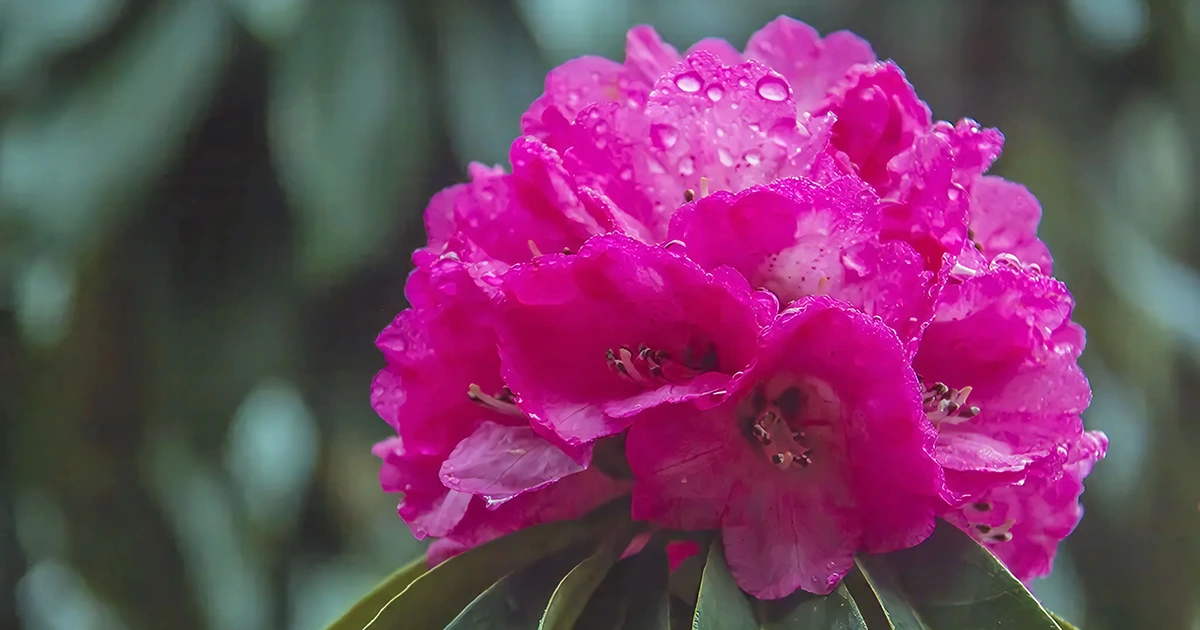
Spring is from March to May, and it features stable weather, clear mountain views, and the vibrant bloom of the Rhododendron forest throughout the trails.
Autumn Season
This season starts from September and lasts until November. It offers the best visibility of the Himalayan mountain ranges with cool and dry weather conditions.
Avoid Off-Seasons
- Monsoon, which starts from June and lasts until August, is not good for travelling to high altitudes like the EBC trek. The heavy rain, clouds, and landslides. It will block the view of high peaks and slippery terrain, making your journey more difficult.
- Winter is from December to February in Nepal. The extreme cold, heavy snowfall, and flight delays make it unfavourable to explore the Himalayan beauty.
Step 2: Decide on 12-14 Day of Everest Base Camp Trek
We help you plan a 12-14-day itinerary with proper acclimatisation days. Here is a typical breakdown of the 12-14-day EBC trek:
- Day 1 to 2: Arrival in Kathmandu, flights from Kathmandu to Lukla, and trek to Phakding
- Day 3 to 8: Trekking and acclimatisation. First acclimatisation in Namche Bazaar and second in Dingboche
- Day 9 to 11: Reach EBC, Kala Patthar, and back to Namche Bazaar
- Day 12 to 14: Fly to Kathmandu and Departure
Step 3: Get Permits and Documents Ready
The total Everest base camp trek distance is 130 km (80 miles) from Lukla to EBC and back. You must acquire the following permits and documents:
- Sagarmatha National Park Permit
- Khumbu Pasang Rural Municipality Permit
- Trekkers Information Management System (TIMS Card)
- Gaurishankar Conservation Area Permit (trekking via Jiri)
- A passport with a validity of more than 6 months
- Nepal tourist Visa and passport-size photos
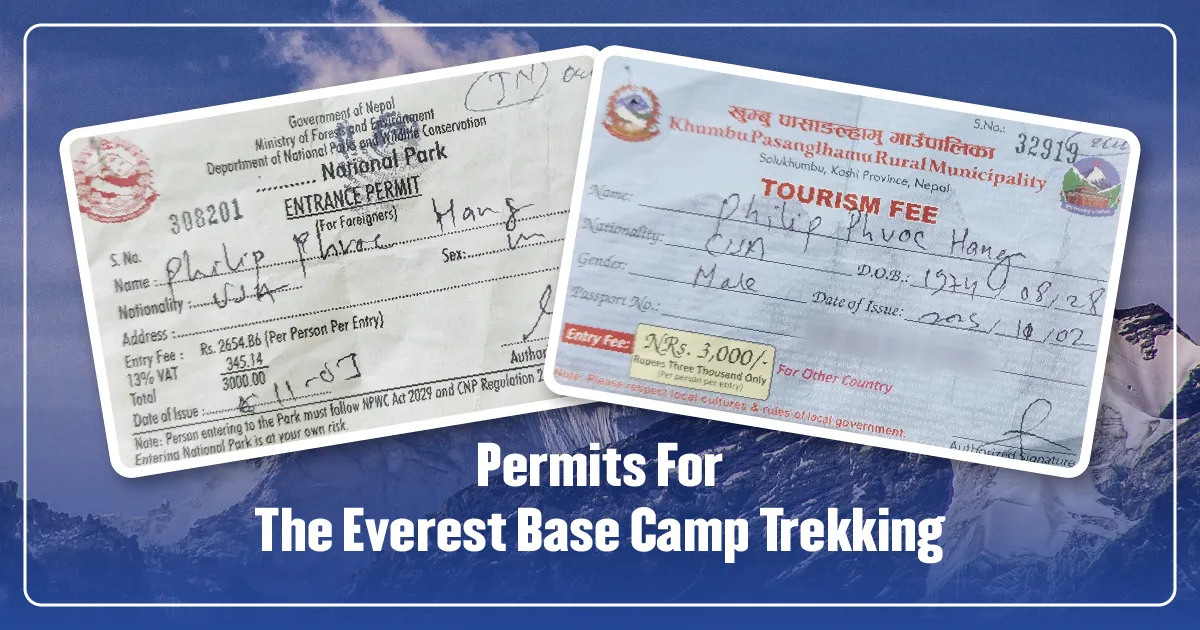
For the details of how to acquire permits and what documents are needed, check our blog Everest Base Camp Trekking Permits.
Step 4: Choose a Guided Trek, Instead of an Individual Trek
The Nepalese government has strictly prohibited trekking alone in the Everest region, so we guide you with a professional guide who has been working in this field for more than a decade. Choosing a guided trek helps you with logistic handling, manages a safe high altitude trek with a deeper insight into the culture and religion of the regions.
First-time trekkers should avoid trekking alone, as there is a high chance of getting lost in navigation. We also allocated the porter’s weight limit, and you should not make him carry more than 10 to 15 kgs.
Step 5: Plan Your Everest Base Camp Itinerary
Here is our 14-day itinerary of the EBC trek:
- Day 1: Arrival at Kathmandu, Nepal
- Day 2: Kathmandu to Lukla (Lukla altitude: 2,860 meters) and Trek to Phakding
- Day 3: Phakding to Namche Bazaar
- Day 4: Acclimatisation Day in Namche Bazaar (Namche Bazaar altitude: 3,440 meters)
- Day 5: Namche Bazaar to Tengboche
- Day 6: Tengboche to Dingboche
- Day 7: Acclimatisation Day in Dingboche
- Day 8: From Dingboche to Lobuche
- Day 9: Trek from Lobuche to Gorak Shep and Everest Base Camp, then return to Gorak Shep
- Day 10: Hike from Gorak Shep to Kala Patthar and trek down to Pheriche
- Day 11: Trek from Pheriche to Namche Bazaar
- Day 12: Trek from Namche Bazaar to Lukla
- Day 13: Fly from Lukla to Kathmandu
- Day 14: Free Day in Kathmandu
- Day 15: Departure from Kathmandu
Step 6: Prepare Physically and Mentally
The EBC trek requires physical preparation of 8 to 10 weeks before the actual trek. You should practice hiking, stair climbing, and cycling for cardio. Focus on leg and core strength training is very important, as you need to practice hiking with a backpack in nearby hills.

The Everest Base Camp trek also needs mental preparation, as you will be exploring the remote regions of the Khumbu region. You should be mentally ready for basic services in tea houses and lodges, a limited variety of food, and longer hours of walking and risks of altitude sickness.
Step 7: Pack Smart for the Trek
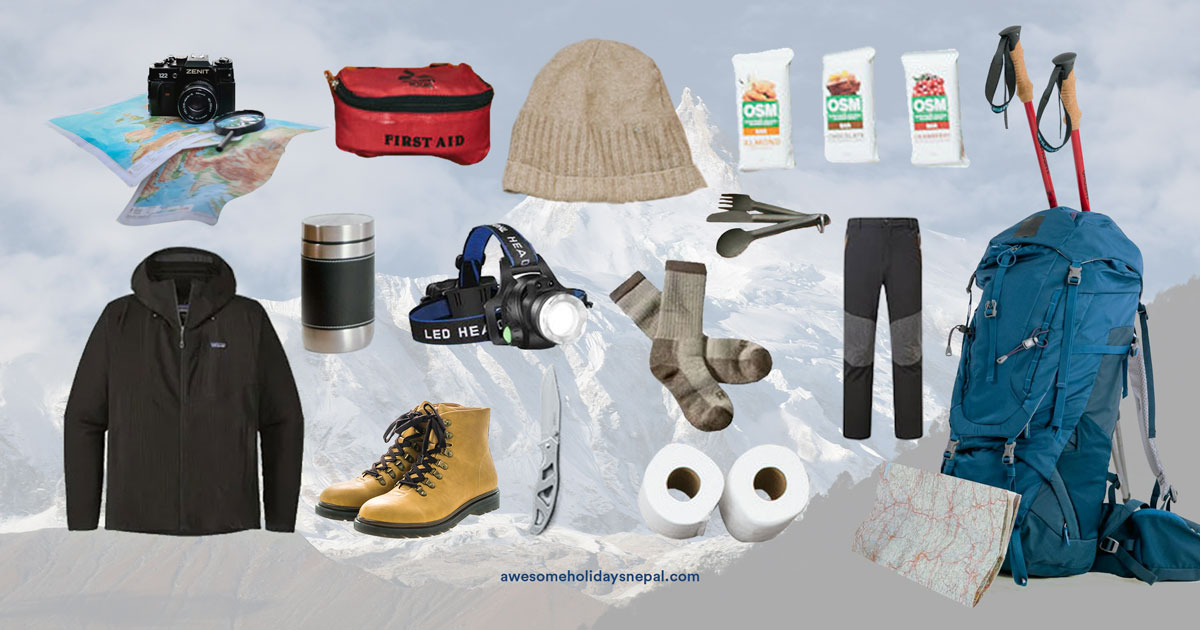
What to pack for the Everest trek is most asked questions by trekking enthusiasts. Overpacking will cause discomfort to trekkers, so pack the following things for a more comfortable and enjoyable journey:
Clothing
- Fleece jacket or a lightweight
- Waterproof or windproof jacket
- Waterproof trekking pants
- 2-3 pairs of quick-drying trekking shirts
- A few pairs of lightweight pants and one more warm trekking pant
- A beanie or woollen hat, a cap or sun hat, and a neck gaiter
- Lightweight inner gloves and waterproof insulated outer gloves
- A few pairs of liner socks, trekking socks, camp shoes and trekking boots.
Trekking Gear
- Duffel bag
- Trekking poles
- Backpack of 50 to 65 litres in volume
- Sleeping bag
- Sleeping bag liner
- Headlamp
- Extra batteries
- Hydration bladder/Reusable Water bottle
- Water purification tablets
- Backpack cover
Personal Items
- Quick-drying towel
- Wet-wipes
- Hand-sanitizers
- Toilet papers
- Feminine hygiene products
- Toothpaste and toothbrush
- Biodegradable body wash
- Sunscreen, ETC
Gadget and Accesories
- Power bank
- Rechargeable solar batteries
- Camera with a zoom lens (75-300 mm), telephoto lens (75-200 mm), and 85 mm lenses.
Step 8: Manage Altitude and Stay Healthy
The EBC trek is a high-altitude trek. You will be walking up to Kala Patthar. It has an altitude of 5,645 meters (18,519 feet). This height increases the chances of altitude sickness. You should walk at a slow pace and avoid any sort of caffeine and intoxicants like alcohol and smoking.
You should eat an appropriate amount of food during the trekking days and must consume 3 to 4 litres of water daily. Drinking water safety must be highly prioritised. Always listen to your body’s demands and follow your guide’s commands seriously. You should rest properly on the acclimatisation days, and if you feel any discomfort, descend immediately.
Step 9: Budget Your Everest Base Camp Trek
EBC trek with our company will only cost USD $1155 per Person. You will be spending around $1200 to $2000 for 12 to 14 days of the Everest Base Camp trek. This trekking cost includes domestic flights, permits, accommodation and meals, guide and administrative and government taxes. Carry $1,000 to $1500 extra for buying snacks, souvenirs, tipping guides and porters, followed by other expenses.
Step 10: Respect Local Culture and Environment
The 12-14-day Everest Base Camp Trek makes you explore the cultural and religious attractions of the Khumbu region. You have to respect the local culture and complete your journey in an eco-friendly way. Always dress modestly when entering religious places like monasteries and gompas, walk clockwise around mani walls, and always capture pictures with monks’ consent.
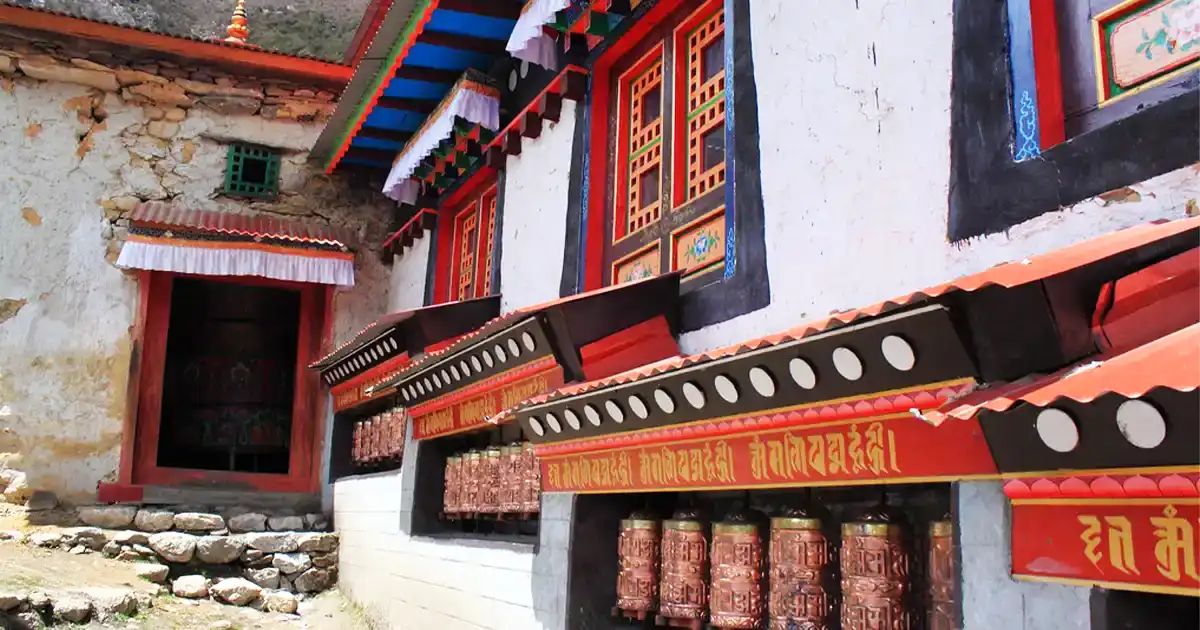
Your journey should avoid littering, plastic use, and always use biodegradable materials at your tea house. Always follow the principle” Leave nothing but Footprints.”
Turn Your 12-14 Day Everest Base Camp Trek Dream into Reality
The balance of adventure, safety, effort and enjoyment concludes the 12-14 day Everest Base Camp trek. The best season, well-planned itinerary, proper arrangements of documents and permits, and proper acclimatisation planning will make your EBC trek a successful and more memorable one. Planning through well well-certified company like ours will help you enjoy every moment of the journey.
Every trekker should have respect in their heart for the Sherpa culture and traditions. As a responsible trekker, you should have a deep appreciation for the Himalayas. Proper packing, enough physical and mental preparation can easily make your 12-14 day Everest Base Camp trek successful and filled with lifetime memories.
FAQs
Expand AllIs 12 days enough for Everest Base Camp, or is 14 safer for acclimatisation?
14 days is significantly safer than the 12-day Everest Base Camp trek.
What’s the best 12–14 day Everest Base Camp itinerary for first-timers?
The best 12-14-day Everest Base Camp itinerary for a first-timer includes:
- Flight to Lukla
- Trekking to Namche Bazaar and acclimatization
- Trekking to Tengboche, Dingboche, and acclimatization
- EBC and Kala Patthar and return to Lukla and then to Kathmandu.
How many acclimatisation days should I include on the EBC trek?
At least 2 days of acclimatization should be included on the EBC trek.
What’s the best month to do a 12–14 day EBC trek?
Autumn (October-November) and Spring (April-May) are the best times to do a 12–14-day EBC trek.
Do I need a guide for the Everest Base Camp trek?
Yes. You must hire a guide for the Everest Base Camp trek.
What permits are required for the EBC trek and where do I get them?
Sagarmatha National Park Permit and the Khumbu Pasang Lhamu Rural Municipality Permit are required for the EBC trek. You can obtain them in the Sagarmatha National Park Permit and the Khumbu Pasang Lhamu Rural Municipality Permit. Most of the trekking agencies take care of the permits.
How hard is the Kala Patthar hike and when should I do it?
The Kala Patthar hike is physically demanding. You should do it in the spring and autumn seasons.
How much should I budget per day for snacks, showers, and charging?
You must allocate a budget of $10 to $20 USD per day for snacks, showers, and charging.
What’s the best way to handle Lukla flight delays in my itinerary?
The best way to handle Lukla flight delays is by adding 2 to 3 days of buffer days in the itinerary.
What should I pack for Everest Base Camp in spring vs autumn?
You should pack lighter gloves for warmer days, gaiters for snow/mud, extra sun protection (hats, SPF), and potentially microspikes for early spring snow, while heavier gloves, a warmer hat, extra thermal layers for frosty mornings/evenings, and potentially hand warmers for Autumn.
Related blog posts
Discover a choice of tourist destinations loved by most of our visitors. Whether you're on a jungle safari to spot rare animals or walking through a world heritage site, these well-planned itineraries cover the major highlights of Nepal.

 call an expert at: