
Ancient Trade Routes Between India Tibet and Nepal
 Amrit K. Aryal
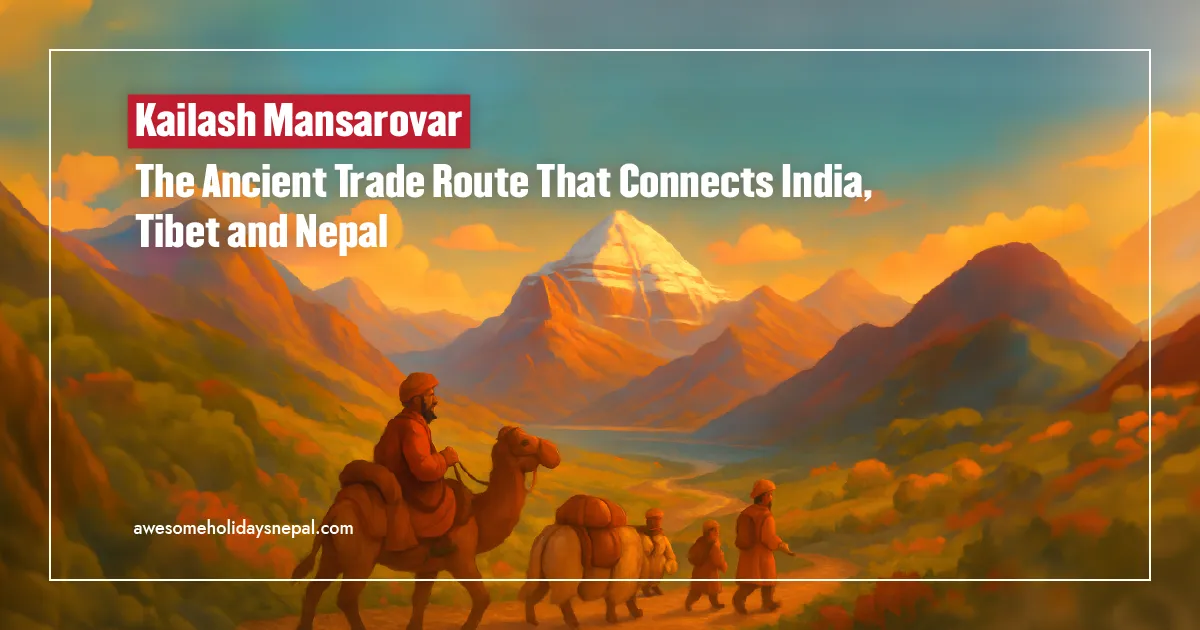
I was trying to figure out the ancient trade route on the old maps I have. The tales I heard about these trade routes sometimes feel like a faint storyline running beneath my skin. The Ancient trade routes between India, Tibet, and Nepal move like an ever-flowing river through the Himalayas. And the center of the trade route is Mount Kailash.
The whole trade route between India, Tibet, and Nepal passes along the Kailash Mansarovar pilgrimage route. The Sacred Mountain Kailash Parvat and the strange Lake Mansarovar, lying on the dusty bends of the old Silk Road that once carried salt and wool, are history now.
Exploring the travel memories of many ancient travelers in the torn pages of old books took me to the old paths. Many of them have mentioned a common name, Kailash and Mansarovar.
Ancient Trade Route
While talking about ancient travelers, they moved on this route as if the mountains called them. The entire route between China and India passed through Nepal, serving as the middle ground. India sent its caravans to the north, and China traded in the south. Nepal was always there to connect them. Tibet received goods, faith, and people who walked slowly with hope.
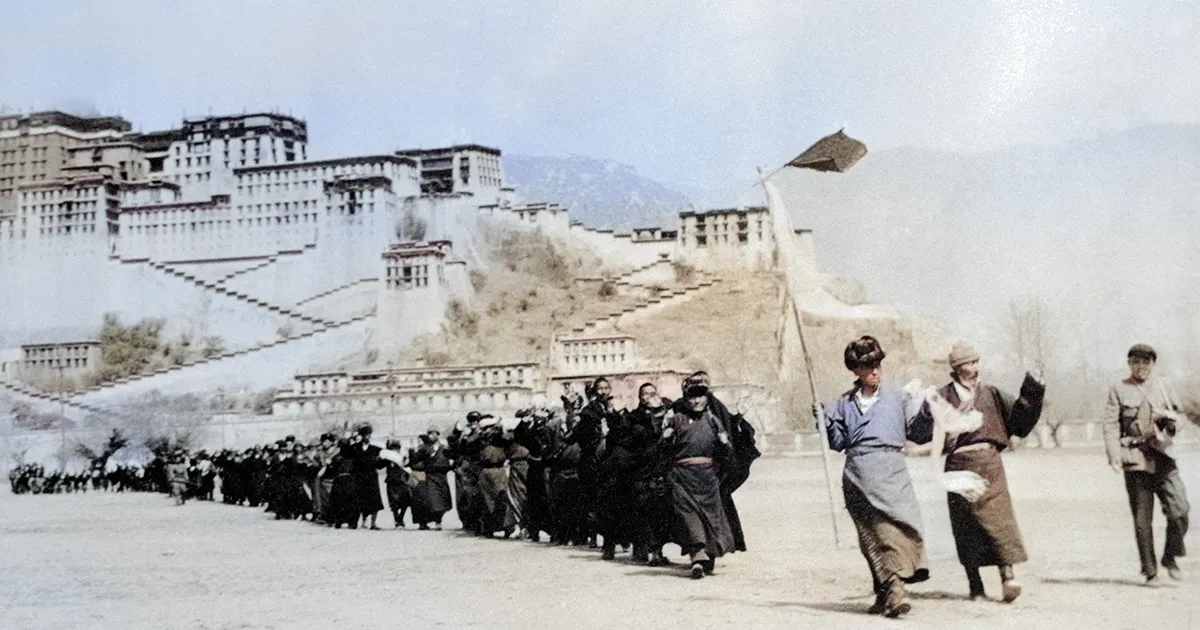
They used to highlight the significance of the Kailash Mansarovar Yatra route with such weight. The route was not only made in the modern age but has existed since ancient times as the oldest Himalayan pathways. Not a pure Silk Road, but a tributary of it.
As the booking for Kailash Mansarovar Yatra has opened for 2026, it is good to know about the ancient trade routes between India, Tibet and Nepal through this blog. This blog is a flashback of the old memories roaming around the land of Kailash Mansarovar Yatra in the ancient era.
The Ancient Spine of the Himalaya
How the Ancient Trade Routes Between India Tibet and Nepal Grew
The trade establishment of the ancient trade route between India, Tibet, and Nepal was not as easy as described in the textbooks or historical notes. The Kailash Mansarovar Yatra route grew as a pilgrimage route. It was walked by the earlier shepherds, merchants, monks and slowly became a major route for trade.
Role of Nepal in the Salt Trade Route
The trade salt route between Tibet and Nepal runs through the Tibetan plateau and the middle hills of Nepal. As always, Nepal was the bridge between India and China. As Tibet came under full control of China, and the Sino-Indian war in 1962, the trade pattern changed. The use of the old trading route between India and Tibet slowed, and the use of salt-carrying caravans decreased.
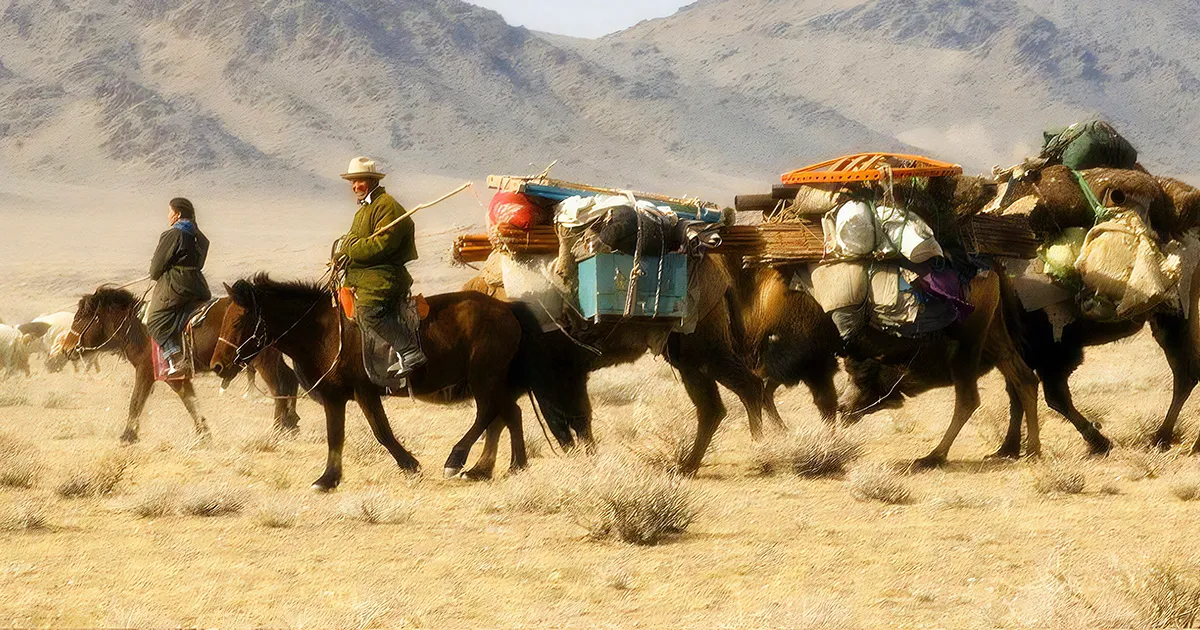
Soon, the ancient trade routes between India Tibet and Nepal via Kailash Mansarovar became a smaller branch of the Silk Road. Though not fancy, the roads became popular and an integral part of the merchants. like the ground itself held breath. When you visit Kailash Mansarovar in 2026, you can still feel the footsteps of ancestors that seem to echo till date.
Kailash Mansarovar: Cultural and Trade Hub
The Kailash Mansarovar pilgrimage was a hub for religious and cultural exchanges among the Buddhists, Bons, Buddhists and Hindus and traders. Nepal traded both salt and rice, using sheep, goats and yak caravans with jangling bells. Then, trade was mostly bartered. With known or unknown awareness of the Kailash parikrama, everyone preferred this route for usual transportation.
As people say, the people there came from different beliefs. Sometimes they fought, sometimes they shared meals, and at the end of the day, they prayed together. They became accidental companions for various reasons.

Mount Kailash: The Axis Mundi of the Universe
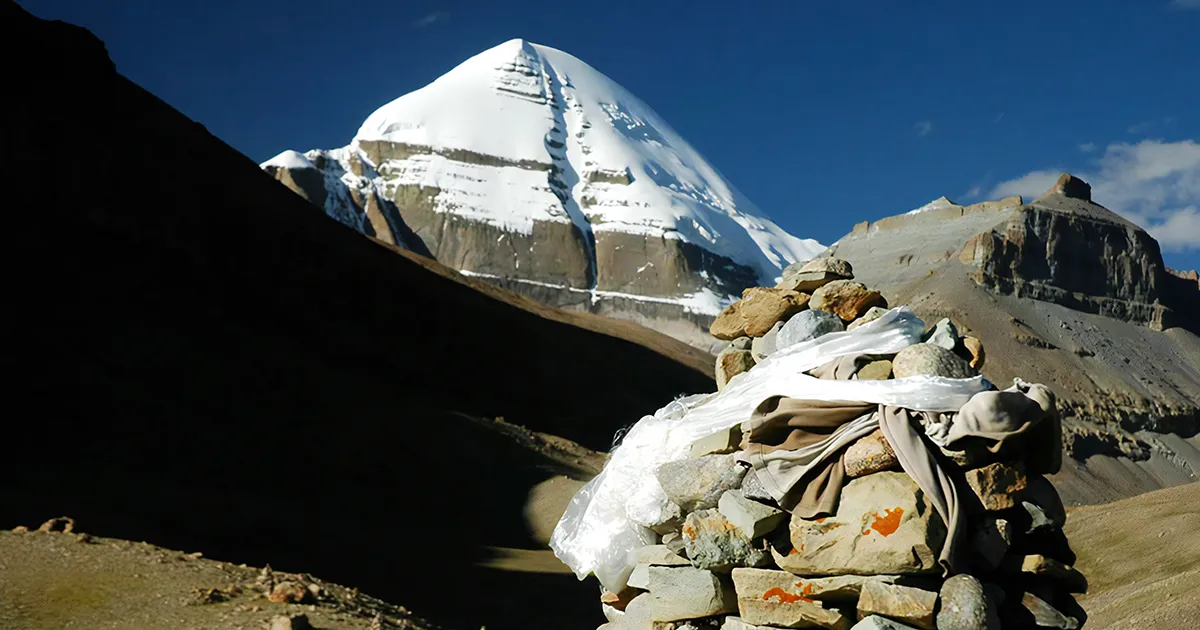
If somebody asks the reason for Kailash being the center for the religious pilgrimage, there could be various versions of stories as per different people from different beliefs. For Hindus, it is the abode of Lord Shiva and Parvati. For Buddhists, it is the home of “Demchok” or Chakrasamvara. For Jains, Ashtapada in the inner Kora, is the place where their first tirthankara, Rishavdeva, got enlightened and for Bons, it is the ruling land of Tonpa Shenrab Miwoche.
Mount Kailash is even considered the center of the universe, also known as the central Axis Mundi. The presence of the mountain keeps the balance during the rotation of the Earth around the solar system.
Kailash Mansarovar Visa and Permit
Now, in the modern era, even religions and spiritual achievements are bound by borders between countries. Mount Kailash and Mansarovar lie in the inland China, making it necessary to obtain permits and a visa. Here is a list of essential documents you need to obtain before entering the border beyond Nepal.
- A Passport valid for at least six months
- Tibet group visa, only via a registered tour company in Tibet.
- Permit to enter China or part of Tibet
- Special Kailash region access paper
- Travel insurance
- Medical clearance (compulsory for Indian citizens)
- Passport-size photos, safely stuffed inside a pouch
Note: As you are entering the cold and windy area of Tibet, keep your documents safe and dry. Tibetan wind can easily tear apart your papers.
Fixed Departure Date for Kailash Mansarovar Tour 2026
- 10 April 2026 – 24 April 2026
- 22 April 2026 – 6 May 2026
- 9 May 2026 – 23 May 2026
- 11 May 2026 – 25 May 2026
- 13 May 2026 – 27 May 2026
- 24 May 2026 – 7 June 2026
- 6 June 2026 – 20 June 2026
- 21 June 2026 – 5 July 2026
- 23 June 2026 – 7 July 2026
- 5 July 2026 – 19 July 2026
- 8 July 2026 – 22 July 2026
- 22 July 2026 – 5 August 2026
- 2 August 2026 – 16 August 2026
- 19 August 2026 – 2 September 2026
- 2 September 2026 – 16 September 2026
- 4 September 2026 – 18 September 2026
- 20 September 2026 – 4 October 2026
- 30 September 2026 – 14 October 2026
Lastly, the Kailash Mansarovar tour stands in the ancient trade routes between India, Tibet and Nepal. It is the oldest crossroads of culture and a place where the ancient trade routes between Nepal, India, and Tibet once breathed the air of the mountains.
Going to Mount Kailash for the great Mount Kailash Mansarovar Yatra in the Horse Year 2026 will let you walk the trails and follow the footsteps of the ancient travelers, pilgrims and traders. This will allow us to pull the threads together, from the past and connect them with the future. This 2026, the Kailash Tour will help you open the portals to view the past.
FAQs
Expand AllIs the Kailash Mansarovar trekking route difficult?
High altitude above 5000 m makes it tricky for the Kailash Mansarovar Yatra. Thin air and cold also make the systems weaker. Walk slowly and drink enough water to keep yourself hydrated.
Can older pilgrims do the Kailash Mansarovar pilgrimage in 2026?
Yes. People above 70 are often found doing the Kailash Kora. You need to be fit and healthy, irrespective of your age. Get your doctor’s advice and plan acclimatization.
Can anyone climb the Sacred mountain Kailash?
No. Nobody has ever climbed Mount Kailash; not anybody in modern days dares it. Kaialsh is not a place to win but to devote yourself.
How did the ancient Kailash Mansarovar trade route function between India Tibet and Nepal?
The ancient Kailash Mansarovar trade route was a trail for the seasonal movement of traders. Some long chains of passes linked Uttarakhand with Tibet and Nepal. They used goats, sheep, and yaks as a means of transportation. Traders used to wait till the snow melted for a safer and visible trail in the highlands.
Was Kailash Mansarovar part of the Silk Road?
The Kailash Mansarovar yatra was a part of the Silk Road, but not the complete route. It was a part of the side branch of the trans-Himalayan trade route in the ancient period. This route often connected the countries of South Asia and the Tibetan plateau for trade and cultural exchanges.
Can Indian pilgrims travel to Kailash Mansarovar via Nepal?
Yes, Indian pilgrims usually take the route via Nepalgunj or the Kathmandu -Kerung route. They need a travel permit and a visa applied for in a group through a registered travel company in Tibet.
What goods were traded on the Kailash Mansarovar route?
The Kailash Mansarovar route was used for the trade of goods like Tibetan salt, Nepali rice, wool and woollen blankets, silk, herbal medicines, metal utensils, Indian grains and sea salt and Chinese tea.
Is the Kailash Mansarovar trade route still active today?
Though the traditional barter system ended, the route is still in use with some changes due to political and administrative boundaries. The caravans are replaced by modern vehicles.
How did Buddhism spread through the Kailash Mansarovar trade route?
The Kailash Mansarovar trade route was popular among monks and traders. The saints and monks carried scriptures and oral teachings from monasteries throughout Tibet. They also traded artistic motifs and Thangkas between India, Nepal, and Tibet.
What is the historical significance of the Lipu Lekh pass?
Lipu Lekh pass was one of the oldest Himalayan passes that linked India and Tibet. It was used by traders, pilgrims, and armies. It was one of the crucial entries toward Mansarovar and Purang.
Can I get a Tibet visa from Nepal for Kailash Mansarovar?
You can get a Tibet visa from Nepal for the Kailash Mansarovar Yatra. It is only to be processed and applied through an authorised travel agency in Nepal and Tibet. Solo travelling is not allowed.
What were the main trading centres along the route?
The main trading stops in the trading route are Purang and Taklakot in Tibet, Darchula and Humla in Nepal, and the Pithoragarh belt in India.
Is the Kailash Mansarovar route open for pilgrims?
Yes, the Kailash Mansarovar route is open for pilgrims. But always check before making payments, as there could be temporary blockades due to political tensions.
What role did the Kailash Mansarovar route play in Hindu-Buddhist cultural exchange?
Hindus and Buddhists share common gods and goddesses as protectors. They also share temples, pilgrimage landscapes, and accept cultural exchange.
Are there archaeological findings on the route?
Archaeologists have found remains of old caravan trails, ruined rest stops, and ancient mani walls. They even discovered abandoned salt storage sites and traces of early monasteries along the trail.
How has China’s control over Tibet affected the route?
After the 1960s, China’s control over Tibet has affected the route with stricter border rules and centralised trade. The old routes have been replaced with highways, and modern vehicles have replaced the caravans.
Most importantly, solo travelling is not allowed.
Related blog posts
Discover a choice of tourist destinations loved by most of our visitors. Whether you're on a jungle safari to spot rare animals or walking through a world heritage site, these well-planned itineraries cover the major highlights of Nepal.

 call an expert at: