
Kangshung Valley Trek: The Remote Eastern Face of Everest
 Sujata Pokhrel
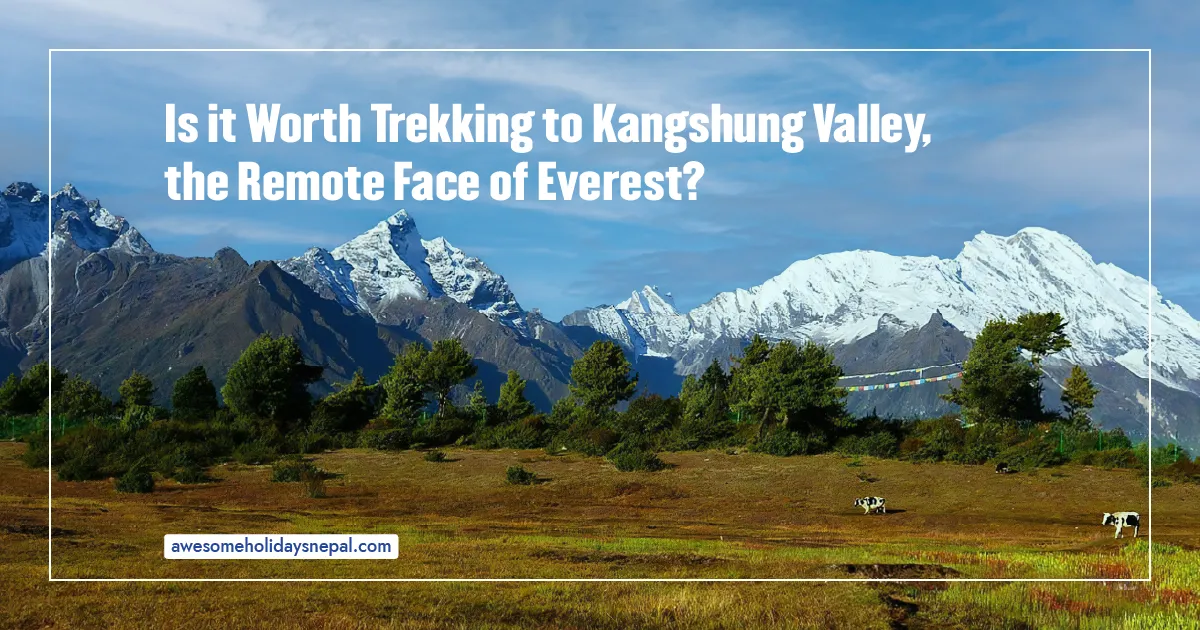
Did you know Everest has three different faces? Oh yes, that’s correct. The Kangshung valley trek is the exploration of one such remote face of Everest, the Eastern face.
Most adventurers are aware of the South Face that leads the way through Namche Bazaar. Likewise, the North Face’s adventure through Tibet is also well-known. But the Kangshung face on the eastern side isn’t the most talked about!
The Kangshung Valley Trek takes you into this hidden world. It is not a journey for everyone, and that is exactly what makes it special. Unlike the popular Everest Base Camp routes, Kangshung Valley is defined by silence, isolation, and raw Himalayan wilderness.
And the reason is the challenging terrain, with glaciers and rocky trails that are difficult to trek through. Let’s go through the blog to find more about the remote eastern face of Everest and the adventures of the Kangshung Valley trek.
Kangshung: The Eastern Face of Everest
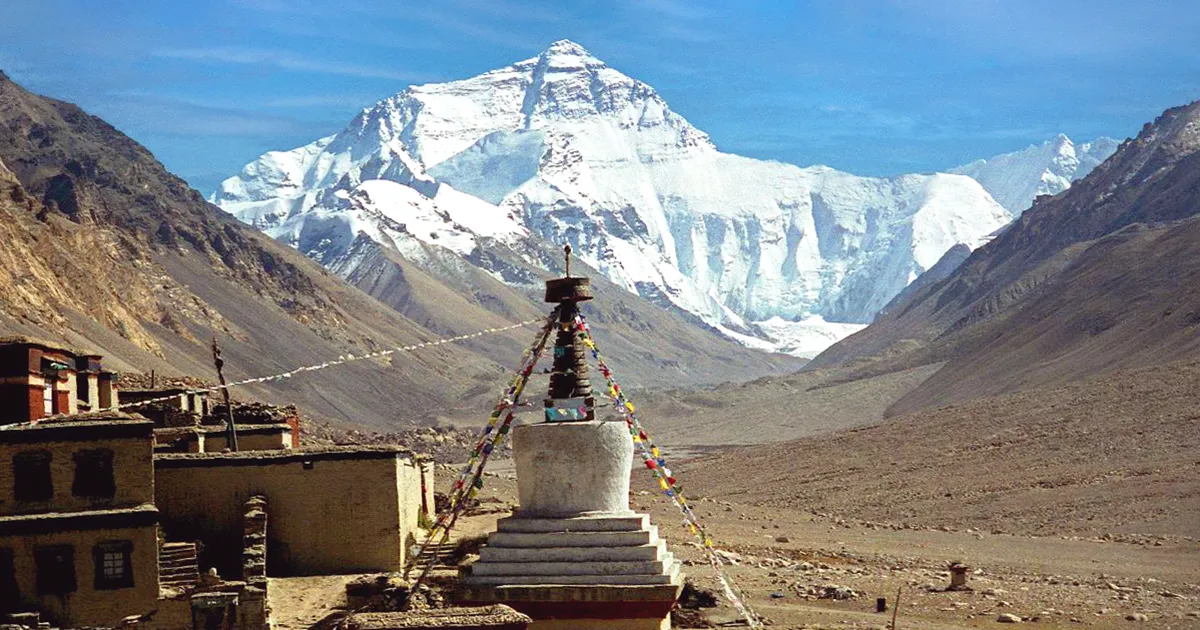
The Kangshung Face forms the eastern wall of Mount Everest, rising dramatically above the Kangshung Glacier inside Tibet’s Qomolangma National Nature Reserve. Towering over 3,000 meters from base to summit, this face is steep, wild, and visually overwhelming.
Historically, the Kangshung side of Everest remained largely unknown until the early 20th century. During the 1921 British Everest Reconnaissance Expedition, George Mallory and his team explored this region in search of possible routes to the summit. Although climbers later abandoned Kangshung as a primary ascent route due to its extreme dangers, the face earned a reputation as one of Everest’s most awe-inspiring sides.
For trekkers, Kangshung is not about climbing Everest but, it is about standing beneath one of the mountain’s most dramatic and least-seen faces, witnessing Everest in its rawest form.
Kangshung Valley Trek
The Kangshung Valley Trek is a high-altitude trekking route in eastern Tibet, offering close-up views of Everest’s eastern face along with neighboring giants Lhotse, Makalu, and Chomo Lonzo.
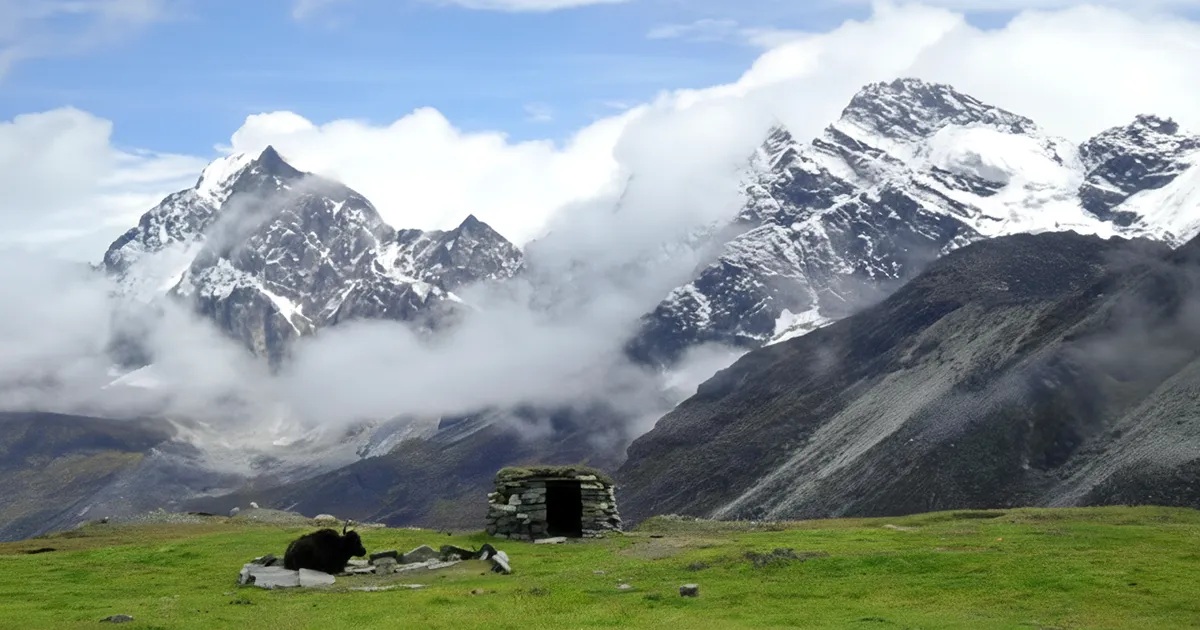
This trek is entirely different from Nepal’s teahouse-based routes. It is a fully supported camping trek, passing through remote Tibetan valleys, nomadic grazing lands, alpine meadows, and glacial basins. The trail feels more like an expedition than a commercial trek, making it ideal for experienced trekkers seeking solitude and authenticity.
Where’s Kangshung Valley?
Kangshung Valley lies in the Shigatse Prefecture of Tibet, east of Mount Everest. The trek usually begins from Kharta Valley, a fertile river basin surrounded by barren Himalayan ridges.
From Lhasa, travelers drive across the vast Tibetan Plateau to reach Kharta, passing sacred lakes, high passes, and traditional Tibetan towns. From Kharta, the trail gradually ascends toward the Kangshung Glacier, revealing increasingly dramatic mountain scenery with every step.
Highlight of Kangshung Valley
- Rare views of Everest’s Kangshung (Eastern) Face
- Panoramas of Everest, Lhotse, Makalu, and Chomo Lonzo
- Remote Tibetan villages and nomadic yak-herding culture
- Wild alpine landscapes untouched by mass tourism
- Historic trekking routes explored during early Everest expeditions
- Complete solitude compared to crowded Everest trails
Trek Overview
The Kangshung Valley Trek is a remote, high-altitude journey that explores the eastern side of Mount Everest, far removed from the busy trekking routes of Nepal. Beginning from Kharta Valley in eastern Tibet, the trail gradually ascends through alpine meadows, yak-grazing pastures, glacial valleys, and high mountain passes before reaching the viewpoint of the Kangshung Glacier and Everest’s Eastern Face.
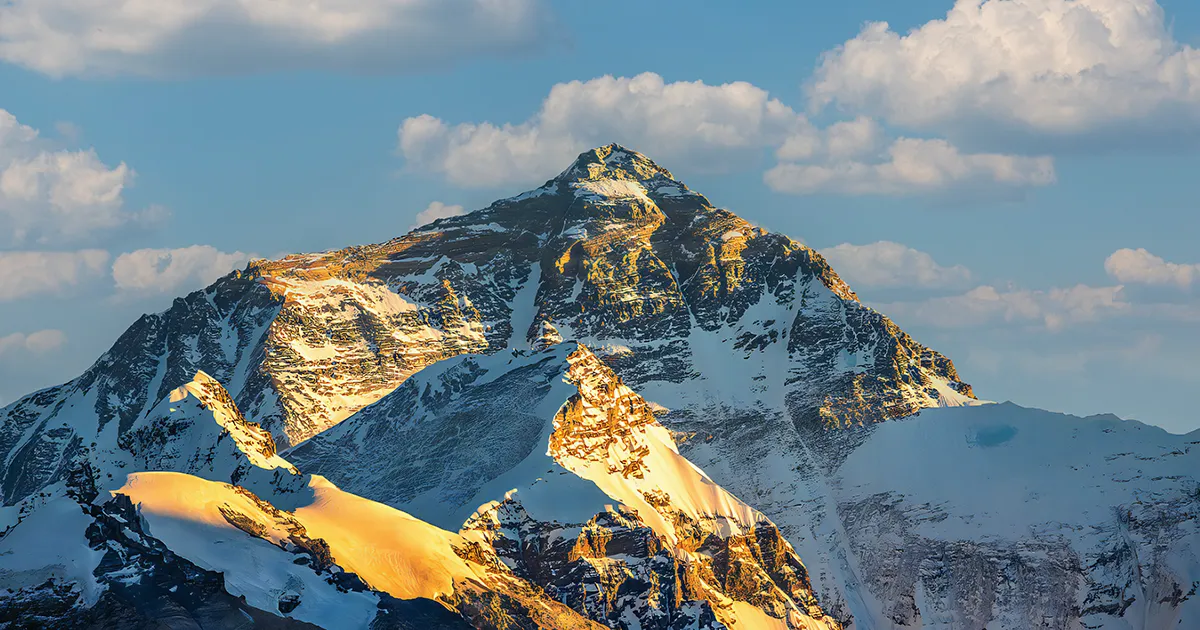
This is a fully supported camping trek, as there are no teahouses or lodges along the route, and all supplies are carried by yaks or porters. The trek usually takes 10 to 14 days, with several days dedicated to acclimatization due to altitudes exceeding 5,000 meters.
Kangshung Valley Trek Itinerary
Here’s what a typical Kangshung valley trek itinerary looks like:
Day 1: Arrival in Kathmandu
Day 2: Sightseeing in Nepal
Day 3: Drive to Nyalam (the Nepal- Tibet border town)
Day 4: Drive to Kharta Valley vis Shigatse
Day 5: Acclimatization and Short Hike around Kharta
Day 6: Trek through alpine valleys and cross Shao La Pass
Day 7: Trek to Kangshung base camp & return to Hoppo
Day 8: Cross Langma la pass and enjoy panoramic views of Everest
Day 9: Descend Back to Kharta
Day 10: Drive to Rongbuk Monastery
Day 11: Explore the North Everest Base Camp
Day 12: Drive to Zangmu
Day 13: Back to Kathmandu
Day 14: Departure from Kathmandu
Best Time to Visit
Alike most of the trekking destinations, fall and spring are the best seasons to visit the Kangshung Valley. Usually later spring months from May to June are optimal as the weather is table and you can also see the blooming alpine meadows. Besides, the mountain views are clearer and noticeable from a distance.
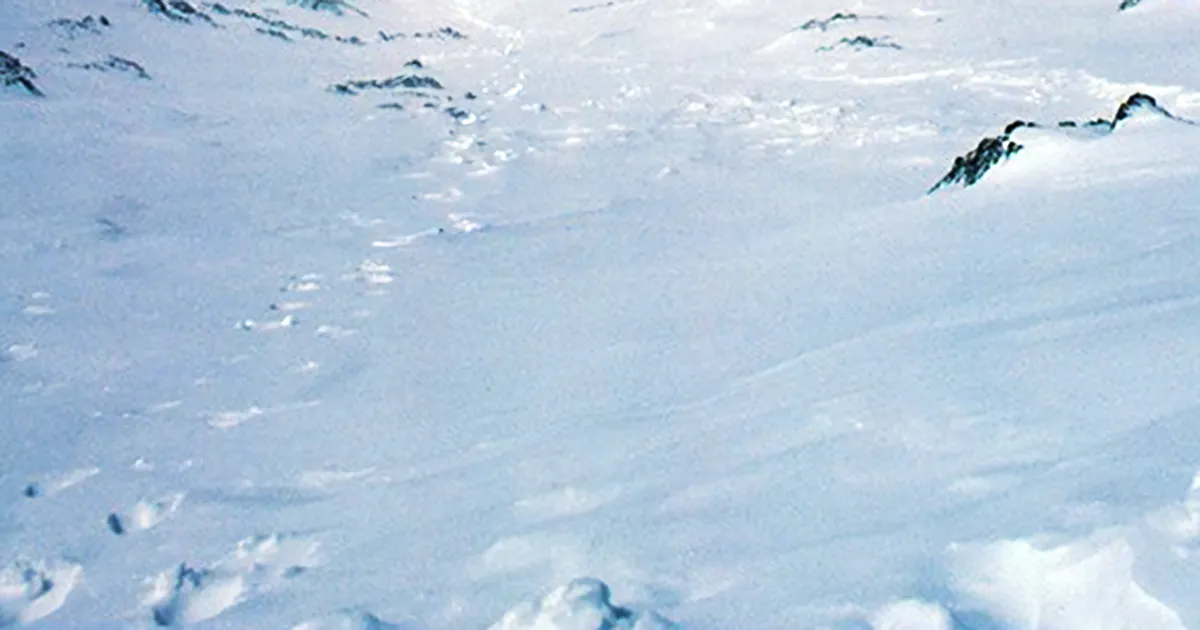
Another ideal time to visit Kangshung valley is during the months of September to October since the weather is clearer after monsoon and visibility is more distinct. Early autumn has very rare distractions and temperature is so apt which is why it is most suitable weather for treks. Contrastingly, winters are very harsh in such higher elevation so it isn’t ideal to trek to Kangshung valley.
Permits and Access Required
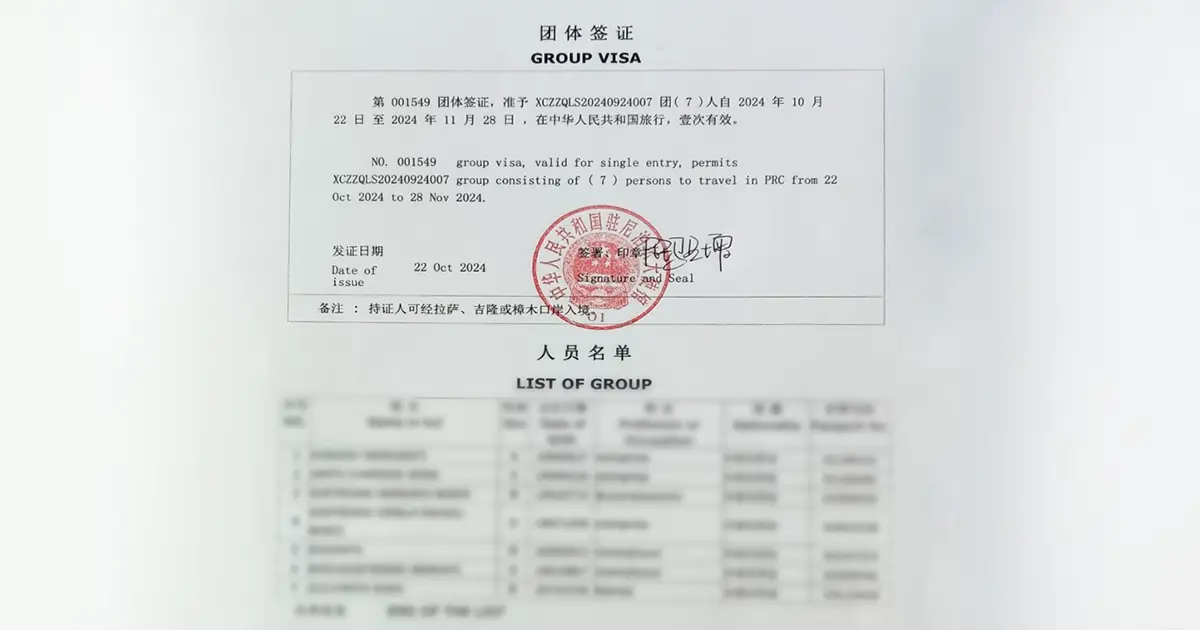
You need a proper planning before trekking in Tibet as acquiring a permit to step in China isn’t that easy and smoot. It requires quite some time and advance planning to collect the official travel permit. You will need a Tibet travel permit and Chinese visa for crossing the border of Nepal and travelling to this eastern face valley of Mount Everest.
Since independent travel is not allowed, you need to wait for whole group to assemble to acquire this permit. Sometimes it can get rejected and in such instance, you will have no option other than to wait and reapply.
Tibet Travel Permit
All travelers must obtain a Tibet Travel Permit, along with additional regional permits for restricted areas like Kharta and Kangshung. These are arranged exclusively through licensed Tibetan tour operators.
A local Tibetan guide and private vehicle are mandatory throughout the journey.
Difficulty Level
The Kangshung Valley Trek is considered challenging to strenuous. High altitudes, long trekking days, rocky terrain, glacial crossings, and the lack of facilities demand good physical fitness and previous high-altitude trekking experience.
Proper acclimatization, steady pacing, and a well-organized support team are essential for a safe and enjoyable trek.
Wrapping Up
The Kangshung Valley Trek is not just a walk in the Himalayas—it is an exploration of Everest’s most hidden and powerful side. Away from crowds, teahouses, and modern comforts, this trek offers something rare: authentic wilderness and profound silence beneath the world’s highest peak.
For trekkers who crave solitude, challenge, and a deeper connection with the Himalayas, Kangshung Valley stands as one of Everest’s greatest untold stories. This is Everest stripped of modern distractions, raw, majestic, and unforgettable.
Keep exploring!
FAQs
Expand AllWhat is the Kangshung Valley trek difficulty level?
The Kangshung Valley trek is comparatively challenging as you will have to cross several passes close to 5000 meters from sea-level. The trail is remote, rugged, and lacks infrastructure, requiring good fitness, prior high-altitude experience, and proper acclimatization.
How long does the Kangshung Valley trek take?
The trek usually takes 10 to 14 days on foot, depending on your pace and acclimatization needs. Including travel from Lhasa to Kharta Valley and back, the full journey typically lasts 18 to 20 days.
Is the Kangshung Face of Everest climbable?
Yes, the Kangshung face of Everest is climbable but it’s very difficult to do so. It was first successfully climbed in 1983 by an American expedition led by Carlos Buhler, Kim Momb, and Louis Reichardt. The wall rises over 3,350 meters (11,000 ft) and is one of the most technical and avalanche-prone routes on Everest.
Why is Kangshung Valley less visited than other Everest routes?
The Kangshung Valley is remote, hard to access, and lacks teahouse facilities, unlike Nepal’s Everest Base Camp route. It requires special permits, organized camping, and travel through Tibet, making it more complex and expensive
Do you need a special permit for Kangshung Valley trek?
Yes, you need a Chinese visa, a Tibet travel permit and an alien’s travel permit for the Kangshung Valley trek.
What’s the best time to trek Kangshung Valley?
The best time to trek Kangshung Valley is during late spring (May–June) and early autumn (September–October). During these months, the skies are clear, the temperatures are moderate, and the visibility of Everest, Lhotse, and Makalu is superb.
Are there teahouses on the Kangshung Valley route?
No, there are no teahouses on the Kangshung Valley trek route as it is solely camping-based trek. Trekkers must carry tents, food, and supplies with the help of yaks or porters.
How do I get to Kangshung Valley from Lhasa or Kathmandu?
From Lhasa, you’ll travel overland to Shigatse, then onward to Kharta Village, the starting point of the trek. This journey takes around 2–3 days by vehicle.
From Kathmandu, trekkers typically fly to Lhasa via Gonggar Airport, as overland entry via the Tibet border requires separate permissions.
Is Kangshung Valley safe for solo trekkers?
Solo trekking in Tibet is not permitted by Chinese regulations. All travelers must join an organized group tour with a registered guide and driver. However, when accompanied by professionals, the trek is considered safe, with very few reported incidents.
What wildlife can you see in Kangshung Valley?
As Kangshung region falls within the territory of Qomolangma National Nature reserve, you are likely to catch a sight of rare Himalayan wildlife such as blue sheep, Himalayan marmots, musk deer, snow pigeons, and occasionally Tibetan foxes.
Can you see Everest summit from Kangshung Valley?
Yes, you can definitely see Everest summit from Kangshung Valley. In fact, it offers the most dramatic view of the entire east face of the peak from viewpoints near Pethang Ringmo and Kangshung Base Camp.
What gear is essential for Kangshung Valley trek?
You’ll need high-altitude trekking and camping gear, including:
- Four-season tent and sleeping bag (rated to -15°C or below)
- Layered clothing and down jacket
- Waterproof boots and gaiters
- Trekking poles
- Personal first aid and altitude medication
- UV-protective sunglasses, sunscreen, and gloves
- Water purification system and portable solar charger.
How does Kangshung compare to Everest Base Camp trek?
The Kangshung Valley trek is far more remote and difficult than the Everest Base Camp trek. While EBC offers teahouses, steady trails, and cultural villages, Kangshung offers pure wilderness, solitude, and untouched landscapes.
Are guides mandatory for Kangshung Valley?
Yes, local Tibetan guides are mandatory for Kangshung valley trek as independent trekking isn’t allowed in Tibet, all travelers must be accompanied by a certified guide, driver, and support staff from an authorized Tibetan travel agency.
What are the altitude risks on Kangshung trek?
Altitude sickness is the main risk on this trek since passes exceed 5,000 meters. Common symptoms include headache, nausea, and fatigue. Proper acclimatization is essential so, consider spending a night at Kharta before ascending and don’t forget to carry Diamox or other AMS medication and maintain hydration through out.
Has anyone summited Everest via Kangshung Face?
Yes. The first successful ascent of Everest via the Kangshung Face was made by an American expedition in 1983, led by James Morrissey, Carlos Buhler, and Louis Reichardt.
What cultural experiences await in Kangshung Valley?
The trek passes through remote Tibetan settlements where ancient traditions and Buddhist culture thrive. You’ll encounter mani walls, prayer flags, yak herders, and small monasteries nestled in the valleys. Trekkers often share butter tea with locals, gaining insights into Tibetan nomadic life and spiritual practices.
Is satellite phone or internet available on Kangshung trek?
There is no cellular or internet coverage in the Kangshung region. Some expedition teams carry satellite phones for emergency communication. Power banks or solar chargers are essential for keeping cameras and GPS devices operational during the trek.
Which agencies offer Kangshung Valley trek packages?
Only a few specialized Tibetan and Nepal-based trekking agencies offer Kangshung Valley treks, such as Explore Tibet, Tibet Vista, and Snow Lion Tours. These agencies handle all permits, logistics, guides, and camping arrangements. Always verify that your operator is registered with the Tibet Tourism Bureau (TTB).
What makes Kangshung Valley spiritually unique?
Kangshung lies within a sacred region of Chomolungma (Everest), revered by Tibetans as the “Goddess Mother of the World.” Locals believe the valley is guarded by mountain deities, and the presence of prayer flags and chortens symbolizes blessings for those who venture here.
Related blog posts
Discover a choice of tourist destinations loved by most of our visitors. Whether you're on a jungle safari to spot rare animals or walking through a world heritage site, these well-planned itineraries cover the major highlights of Nepal.
 call an expert at: