
Mustang Apples Economy: How High-Altitude Farming Shapes Marpha and the Travel Experience
 Sristi Adhikari
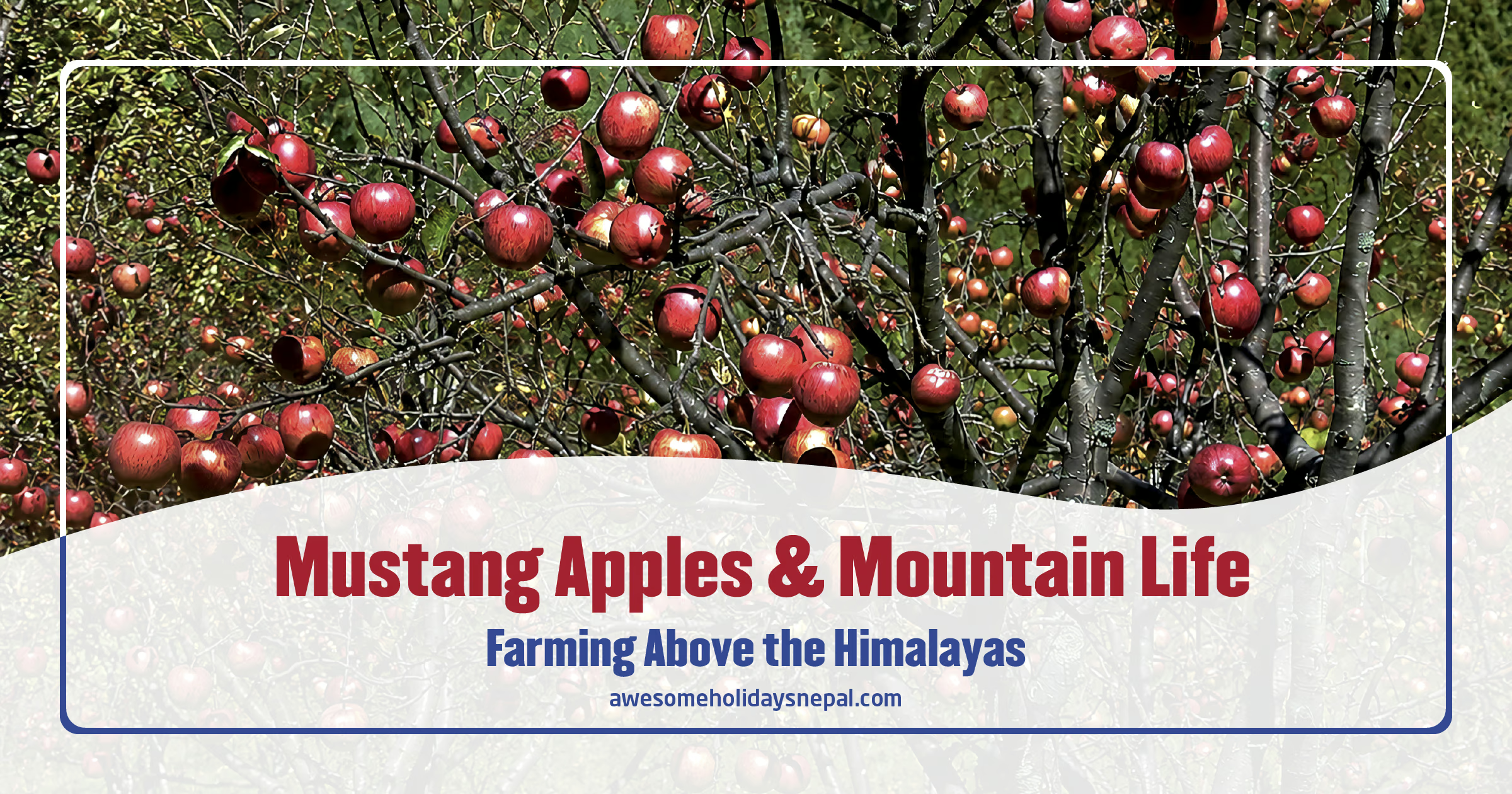
Mustang Apples are one of the most famous Himalayan fruits which successfully make a space in the heart of every traveler who once visited Nepal’s mystical Mustang region. Marpha village is situated in the lap of the Annapurna mountain which offers almost unreal experience of flagstones, paved alleys, peaceful setting of apple orchards, and warm hospitality.
Every corner of the Marpha village tells how mountain life is shaped by high-altitude farming, from homemade apple pies and fresh juice to traditional apple brandy shared beside warm teahouse fires.
For trekkers and culture lovers who are on the journey to Mustang, get ready to witness the dramatic mountain views along with tasting fresh Mustang Apples straight from the orchards, sipping locally made cider, and discovering how high-altitude farming shapes everyday life in 2026.
Geography of the Mustang
Mustang, also known as the Last forbidden Kingdom is located in the northern part of Nepal beyond the Annapurna and Dhaulagiri ranges. Mustang remains dry for most of the year because it is located in the rain shadow areas where surrounding mountains block rain clouds from entering the valley.
The dry and warm sunny days, colder nights, low humidity , and mineral rich soil of the Mustang region are ideal for the high altitude apple cultivation. Besides Mustang apples, other high altitude agriculture includes farming of staple cereals like Buckwheat, Barley, Mustard, Beans and Peas, Mustang Potatoes, along with other crops like apricots and walnuts.
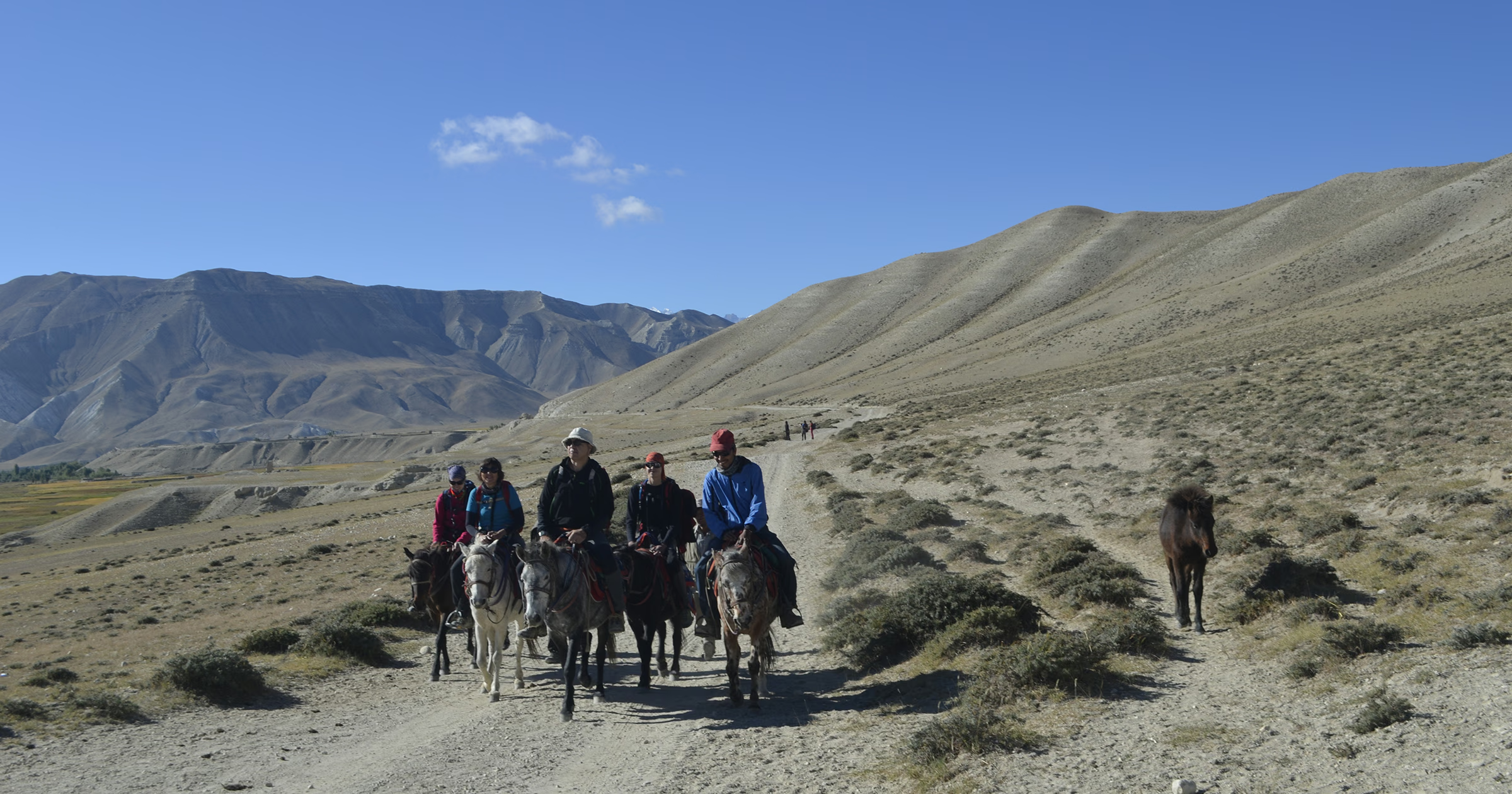
Due to the cold climate above 2,500 to 3,000 meter elevation, fruit ripens very slowly but it does not compromise on the quality and taste. The Mustang region offers a harsh environment but with stone canals, system irrigation, terrace farming, and using seasonal harvesting methods, the farmers are adapting themself for many generations.
Marpha, the Capital of Mustang Apples
When talking about the Mustang Apples, you cannot complete your sentence mentioning Marpha. The word Marpha is derived from local Thakali, where “Mar” refers to hardworking and “Pha” refers to people, translating to “hardworking people”.
Marpha is a village located in the lower Mustang region at an elevation of 2,650 meters from sea level (8,694 feet). Being a prominent and most important trekking spot Marpha is famous worldwide as the “Apple Capital of Nepal.”
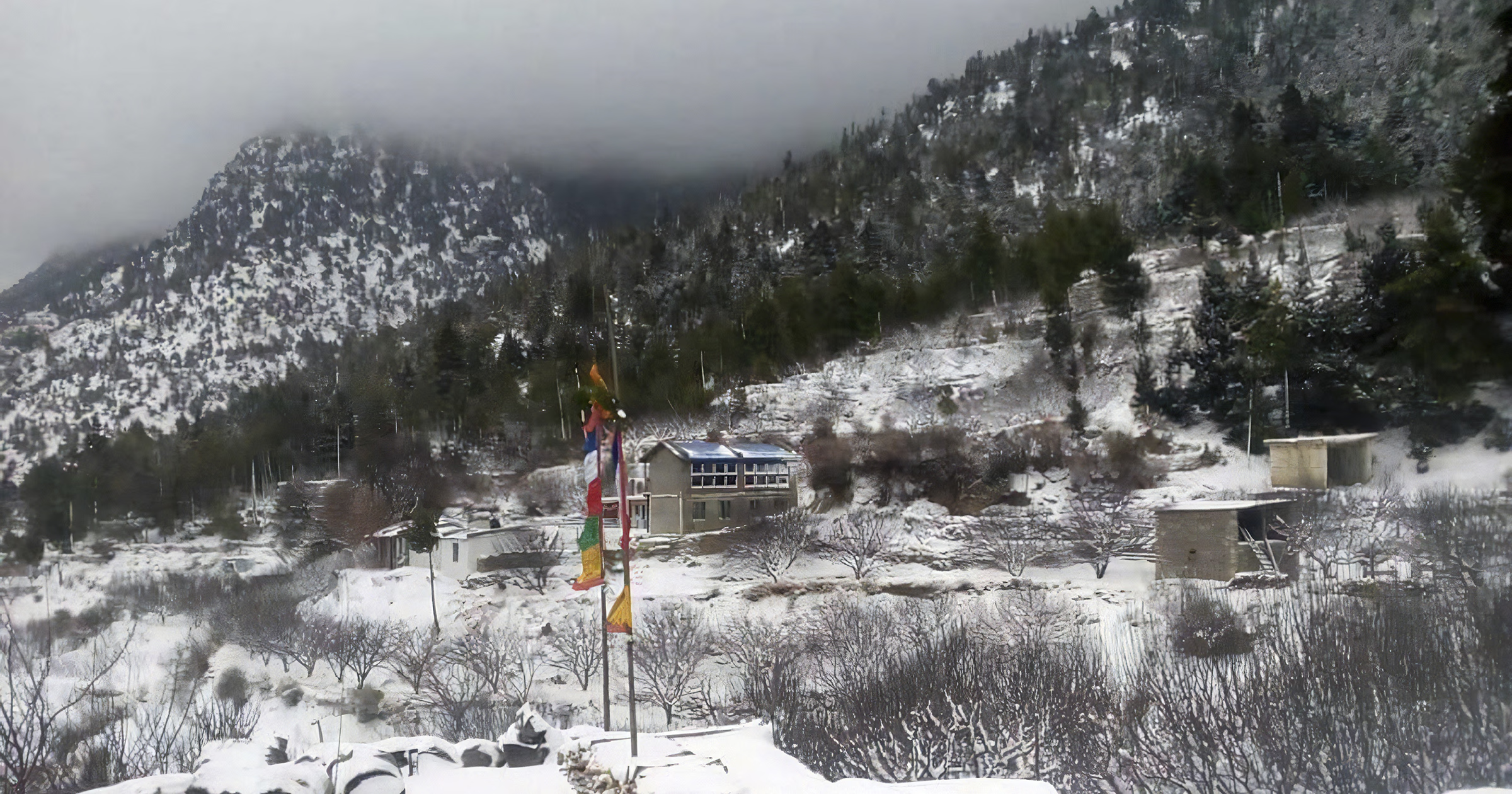
The Marpha village is made up of a traditional whitewashed stone house which is incomplete without a fluttering of a Buddhist prayer flag in the flat roof. Every trekker who enters inside the district will definitely witness apples and local life are connected to each other, as almost every second door shop sells apple products, from dried apples and jams to cider and famous Marpha apple brandy.
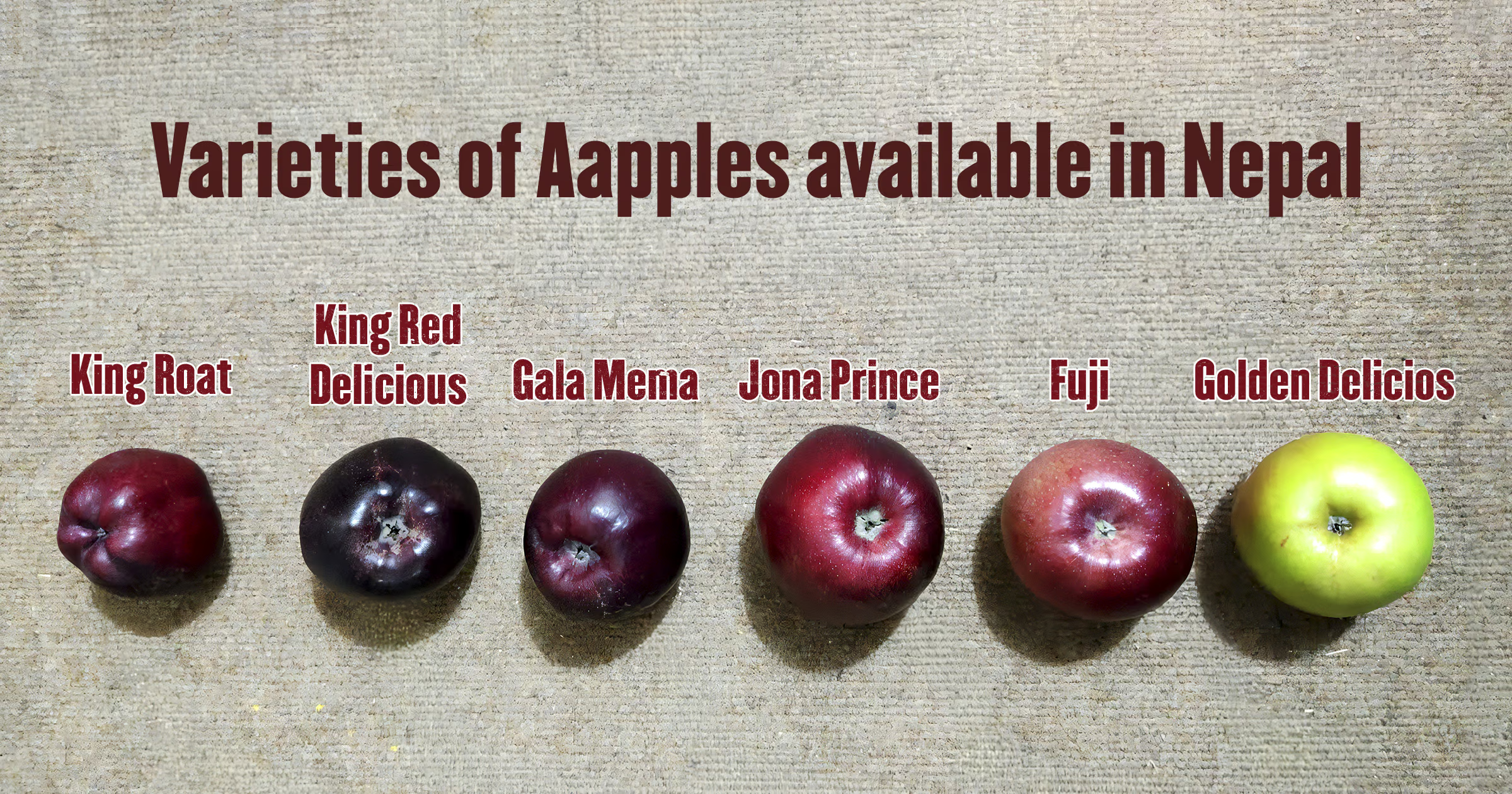
The scent of fresh Marpha Apple drifting through the narrow alleys during harvest season, from late August to early November makes your heart driven towards the orchard. Marpha Apple farming in Nepal includes varieties like:
- Red Delicious,
- Royal Delicious,
- Rich and Red Delicious,
- Golden Delicious,
- and Fuji.
If you want to eat Mustang Apples, a crisp, sweet taste filled with flavor, then we suggest you visit the vibrant Marpha orchard after October 15.
How Mustang Apples Changed the Local Economy?
Before doing apples farming, Mustang people heavily depended on animal trade and subsistence agriculture. Over time, apple cultivation transformed the region. Now, the Mustang Nepal economy depends on the Marpha apples and high altitude agriculture.
Almost every household in Mustang is involved in apple farming, earning income from fresh apples and products like dried apples, apple chips, cider, jam, juice, and the famous local apple brandy popular among trekkers and foreign visitors. These products are even distributed throughout Nepal and exported on a small scale.
In addition to this, the growth of Apple farming decreased the rate of young ones leaving the Mustang region in search of employment day by day. Seasonal workers, transport operators, shopkeepers, and local restaurants all benefitting directly or indirectly from the growing popularity of the Mustang apple economy.
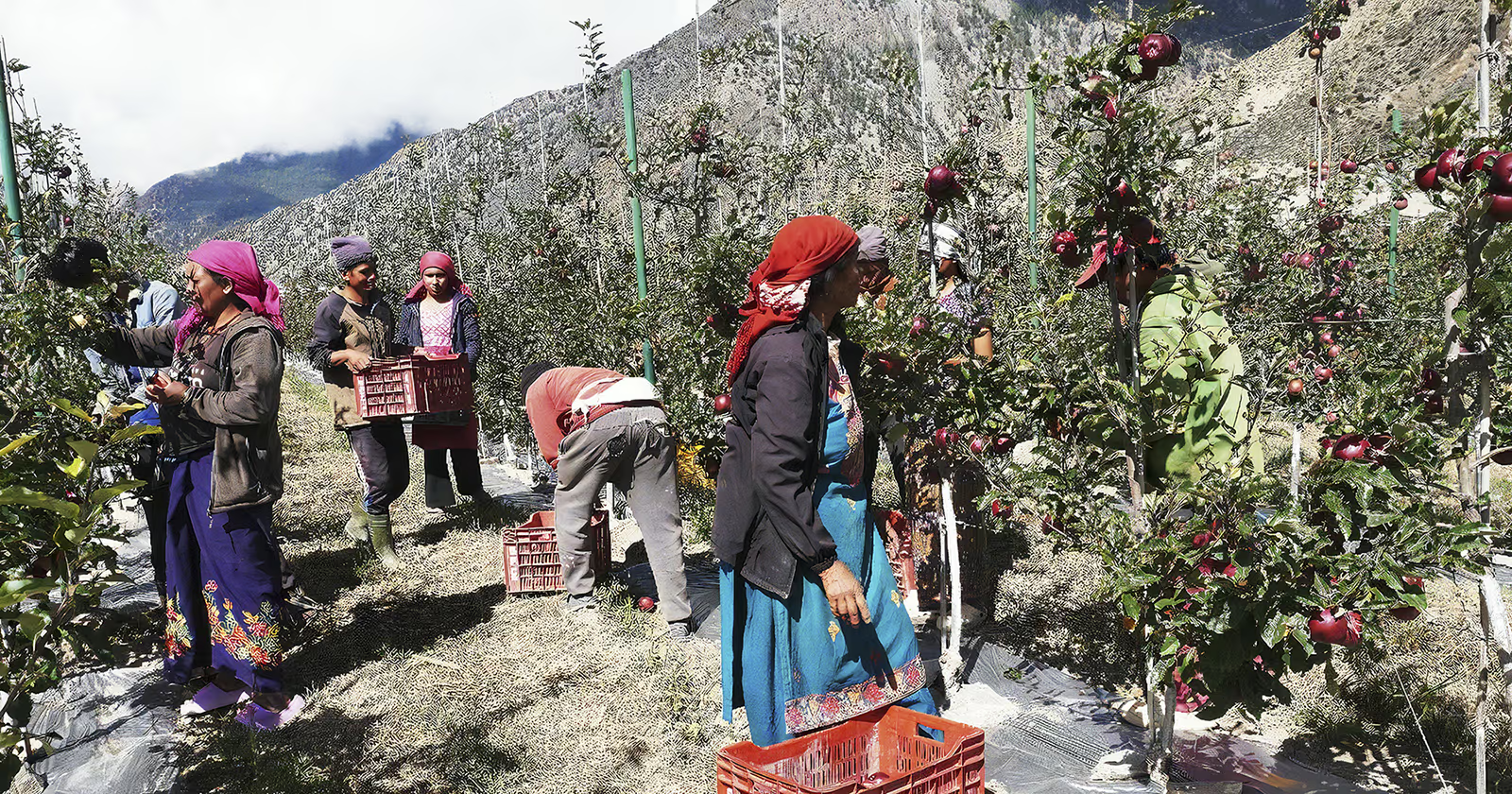
Finally, the rise of agro-tourism had been attracting the heart of every trekker or travel enthusiast and now they are making Marpha Mustang as the mandatory stop point. They enjoy the highlights of exploring orchards of Marpha Apples in Mustang and even tasting fresh apples directly from trees.
Challenges of Apple Farming in Mustang Nepal
Apple farming above an elevation 2,000 meters, makes locals earn money but they have to face many challenges. Unpredictable weather conditions and global warming are affecting the snowfall patterns which leads to damaged crops and reduction in the harvest quality at Marpha, Mustang Apple farming at high altitude.
Another issue Mustang farmers are facing is water availability. Because Mustang lies in the trans-Himalayan rain shadow region, it receives very little rainfall, forcing farmers to heavily rely on snowmelt to irrigate their apple orchards.
Remote Himalayas of Mustang require travel via road, where blacktopped roadways are found until you reach Beni, after that the condition of road is unpaved with loose gravel throughout Muktinath which are more prone to landslides. Due to this section, most of the time, farmers delay deliveries which directly affect profit.
Also, competition from imported fruits has also increased in recent years but we have to encourage organic farming practices by domestic consumption of Mustang Apples as they have fresh, natural taste, and connection to Himalayan farming traditions.
Mustang Apples and the Travel Experiences
The agricultural culture of Mustang offers travelers a deeper connection beyond the dramatic landscapes. When you walk inside the apple orchard while talking with Marpha farmers, you will get the insight of how their daily life revolves around farming.
You can even get to taste the apple you picked from the tree without cost but you have to buy after getting the freebie. Nowadays, the apple products are not only limited to distilleries and juice, but you can see the apple-based dishes on their menus in the local cafes and lodges of the Mustang region.
This connection between agriculture and tourism helps keep economic benefits within the community while offering travelers a more authentic Himalayan experience. If you are interested in photography, then we suggest you visit Mustang in the Spring season, as you can capture the orchard filled with white flowers or apples which perfectly contrast over the dry arid hills.
Signature Taste of Marpha, Apple Brandy
Marpha Apples brandy is one of the most famous products made from locally cultivated apples of Mustang. It has been produced locally and the drink has become part of the trekking culture in the Annapurna circuit for decades.
Since 1996, villagers of Marpha transform apples into strong apple brandy using traditional methods in small distilleries which travelers can even visit and can witness the whole process of production. This distilleries produce:
- 42% Alcohol by Volume of Marpha Apple Brandy made from Marpha Apples.
- Fermented beverages like Apple cider and wine.
- Other products include apple jam, apple juice, dried apples, and apple pies.
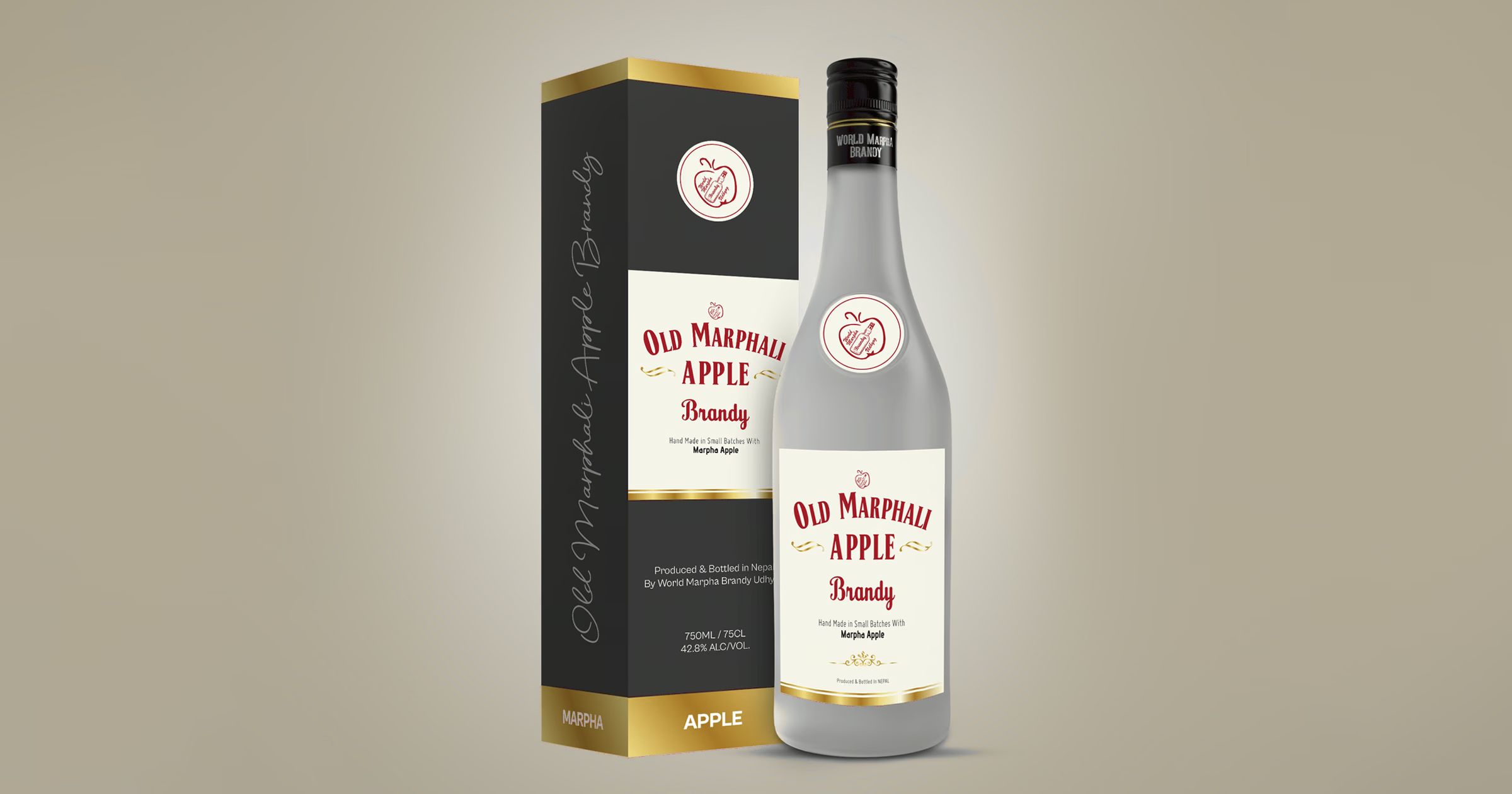
Tasting Marpha apple brandy directly from the distilleries is one of the rewards of exploring the region, where local communities have preserved centuries-old traditions of farming and transformed freshly harvested Mustang Apples into iconic Himalayan spirits.
Sustainable Tourism Through Mustang Apples
Mustang apples play a vital role in sustainable tourism. Locals are relying on farming traditions, food culture, and local craftsmanship instead of fully depending on the trekkers.
Nowadays, locals do not depend fully on tourism and earn good income from their small scale and community based farming. They are also benefitted by travelers as they spend money for orchard visits, homestays, and local products besides food and accommodations.
This close inter-relation between agriculture and tourism has been playing an important role in preserving the centuries old lifestyle of Mustang. Likewise, younger generations are increasingly finding opportunities in:
- Farming
- Hospitality
- Local tourism businesses.
Preserving a High Altitude Agriculture Legacy
The story of Mustang Apples is all about adaptation, resilience, and evolution against a backdrop of unpredictable Himalayan weather conditions. Marpha Apples are not only a crop, it has been successfully becoming the identity of Mustang communities.
From selling freshly picked apples in orchards to observing the manufacturing process of Apple Brandy and wine in small distilleries, Mustang people have greatly evolved over the years. If you are those travelers who are seeking more than just scenic Himalayan beauty, then we suggest you visit Mustang apple orchards which are shaped by culture, agriculture, and generations of perseverance.
Feel free to contact Awesome Holidays Nepal, if you want to taste Mustang Apples, a symbol of life and prosperity at high altitude in 2026.
FAQs
Expand AllWhy are Mustang apples so famous?
The exceptional crunch, juiciness, and flavorful makes Mustang apples so famous.
At what altitude do apples grow in Mustang?
In Mustang, apples grow in an elevation 2,500 and 3,500 meters above sea level.
How many metric tons of apples does Mustang produce annually?
In 2025, Mustang produced 6,069 metric tons of apples.
What is the main source of income in Mustang, Nepal?
The main source of income in Mustang, Nepal are agriculture, tourism, livestock farming, and apple cultivation.
Are Mustang apples 100% organic?
Mustang apples are grown using traditional low-chemical farming methods which makes it organic.
When is the apple harvesting season in Mustang?
Mid-September through October is considered as the apple harvesting season in Mustang.
What types of apples are grown in Mustang?
Red Delicious, Golden Delicious, Royal Delicious, Fuji, and local hybrid apples are grown in Mustang.
What is Marpha apple brandy?
A locally produced alcoholic drink made by fermenting and distilling apples in Marpha is called as Marpha apple brandy.
How do farmers transport apples from Mustang?
Farmers transport apples from Mustang by road via the Kaligandaki corridor using trucks, jeeps, and other vehicles.
Can tourists visit apple orchards in Mustang?
Yes, tourists can visit apple orchards and can even experience apple picking in Mustang.
How does high altitude change the taste of apples?
The cold climate of higher altitude makes apples more sweeter, colorful, crisper, and flavorful.
What are the challenges of farming in the Himalayas?
Harsh weather conditions, water scarcity, difficult transportation, and limited fertile land are the challenges of farming in the Himalayas.
Who introduced apple farming to Mustang?
Agricultural researcher named Buddhi Ratna Sherchan began planting apple trees in his backyard in 1960.
How much do Mustang apples cost in 2026?
Mustang apples cost NPR 15O to NPR 300+in 2026.
What products are made from Mustang apples?
Juice, cider, dried apples, jam, vinegar, wine, brandy, are some popular products made from Mustang apples.
Is apple farming profitable in Nepal?
Good irrigation, accessible transportation, and strong market demand makes apple farming profitable in Nepal.
What is the Mustang Apple Festival?
A cultural event where local celebrates apple harvests, local food, tourism, and traditional products from Mustang is called the Mustang Apple Festival.
What are the agricultural challenges in Upper Mustang?
Dry climate, limited irrigation, strong winds, and poor soil fertility are the agricultural challenges faced in Upper Mustang.
What is the best altitude for growing apples?
The best altitude for growing apples is in between 1,500 and 3,000 meters.
How has the Kaligandaki road affected the Mustang apple trade?
The Kaligandaki road has improved transportation, reduced travel time, and helped Mustang farmers sell apples more easily.
Related blog posts
Discover a choice of tourist destinations loved by most of our visitors. Whether you're on a jungle safari to spot rare animals or walking through a world heritage site, these well-planned itineraries cover the major highlights of Nepal.

 call an expert at: