
Kailash Kora: The Sacred Trek Around Mount Kailash

 Sujata Pokhrel
Mount Kailash and the lake surrounding it are popular for multiple reasons, and the Kailash Kora is one of those. Considering the peak as the cosmic center of the universe, numerous pilgrims visit this sacred region seeking spiritual liberation.
The peak holds a huge significance across the believers of different religions, and all for different reasons. Whilst the Hindus celebrate it as the humble abode of their god, Shiva, the Buddhists see it as a journey guiding one towards enlightenment and spiritual revival. No matter what religion people follow, the common goal for performing kora around Kailash is spiritual attainment.
If you are planning to be a part of this journey of faith and revival, go through the blog to learn in detail about Kailash Kora.
What is the Kailash Kora?
Starting from Darchen, a Tibetan village, the Kailash Kora is actually a trek on which people encircle Mount Kailash with a heart full of faith. More than a casual excursion to the mountain, it is a journey of people’s faith for reviving their own souls.
Even though you can reach this trekking point from India, China, or Tibet, depending on the government’s rules and your ease of travel, the actual trek begins from Darchen. It takes a total of three days to complete a full circle around Mount Kailash, and the total distance is about 52 kilometers.
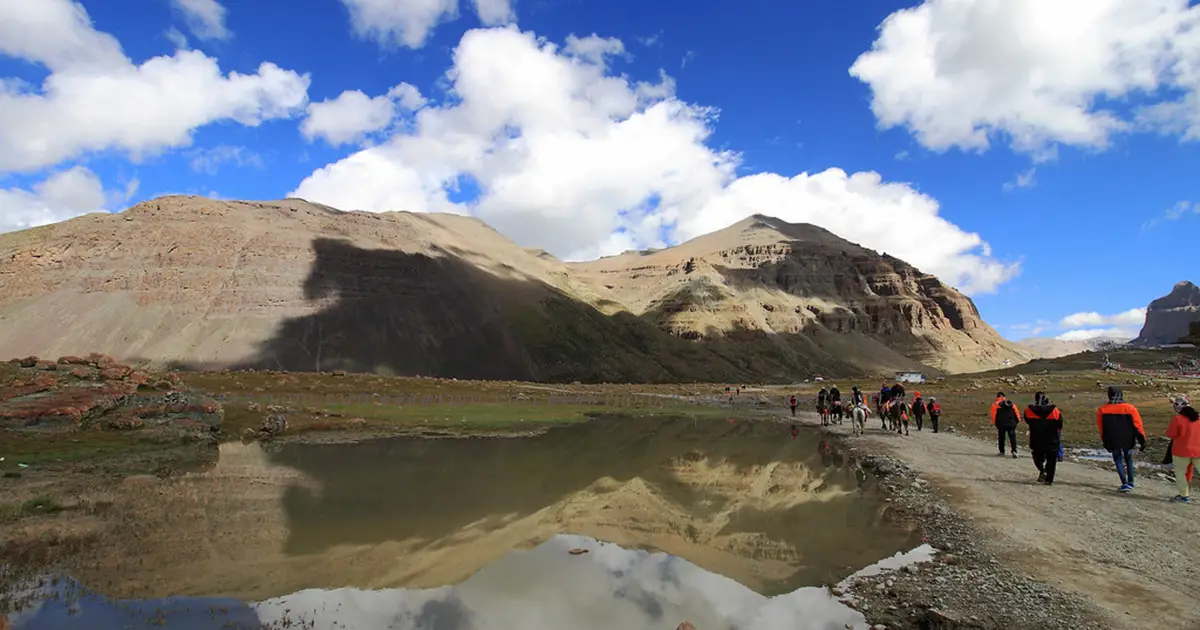
While circumambulating the peak, most people follow a clockwise route following the path of sun, however, the Jain and Bon follower opt for a counter clockwise route. It isn’t known why some people do anticlockwise circumambulation of Mount Kailash as the ones seeking spiritual fulfillment do exact opposite.
Meaning of Kailash Kora
The Kailash Kora is often seen as a act of devotion more than just an ordinary trek for enjoying the pristine landscapes and breathtaking mountain views. The word “Kora” in Tibetan means circumambulation or revolution thus it is an act of walking around Mount. Kailash. This trek actually signifies the journey of life and seeking liberation in the level of your soul.
In fact, Buddhists do not just walk on flat surface while performing Kora. Instead, they lie flat on the ground and keep moving forward in the same pattern and this process is called prostrating. It is a unique way of praying to the lord as an act of submitting your whole self to god.
Kailash Kora Route
Your Kailash Kora begins with a bus/taxi ride from the city of Darchen to the starting point of the Kailash Kora from where you continue on foot. You come across different monasteries, streams cascading down from Kailash, rivers that mix into Mansarovar lake etc. on this route.
Here’s what your Kailash Kora trek route looks like:
Darchen → Tarboche → Dirapuk Monastery → Zutul Puk Monastery → Dolma La Pass
Inner Kora vs Outer Kora
When it comes to Kailash kora, there are two different routes to perform this journey. While the outer kora is a standard trek that involves walking around the outer, less challenging trail covering the basics, the inner core is more intricate journey. The outer kora covers a distance of 52 kilometers and beings as well as ends at Darchen village taking a total of 3 days.
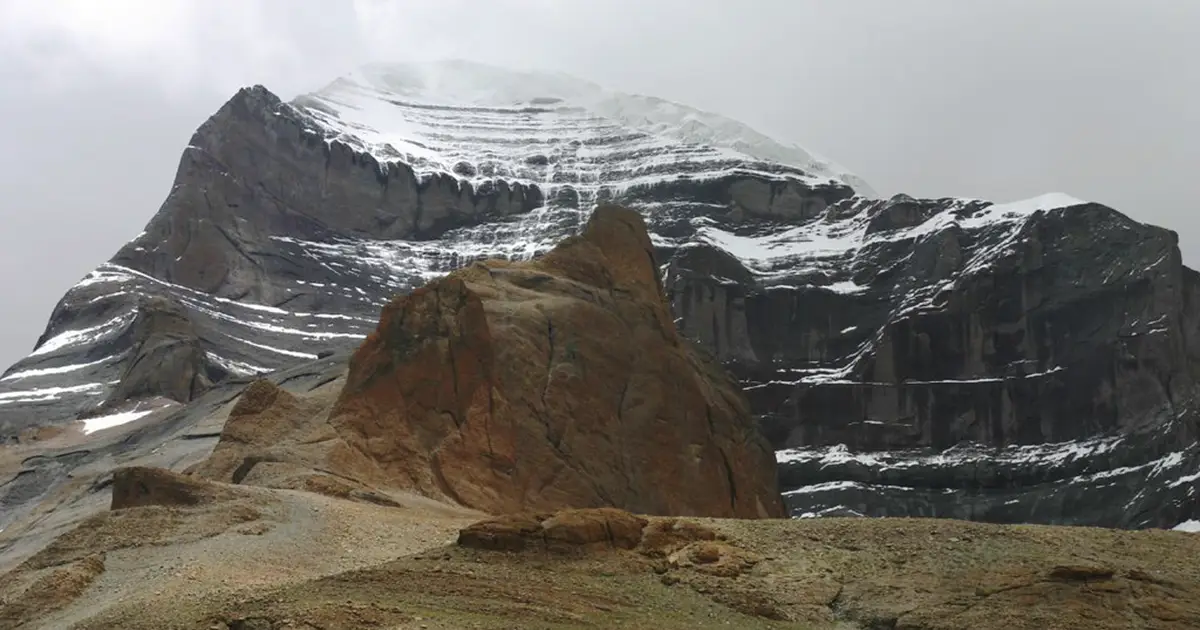
However, the inner Kora is a shorter but more challenging journey that takes you to more sacred sites around Kailash. Some of the highlights of inner kora are: Nandi Hill, Gauri Kunda, Saptarishi Caves etc. You can also actually touch the base of Mount Kailash on this trek, which is why it’s called “a Charan Sparsh” kora.
Basics of Kailash Kora
Despite having the lower elevation in comparison to towering peaks of the Himalayas, the Kailash kora isn’t an easy task. This pilgrimage tests your physical fitness as well as mental strength to tackle the challenges of unforeseeable scenarios.
You need to prepare well with physical exercises, incapacitate lungs to sustain thin air and build mental resilience to tackle harsh conditions. The weather conditions and technical difficulties are a few things you need to be aware of before daring for this journey.
Best Time for Kailash Kora
Since the weather conditions in Kailash region aren’t favorable around the year, only the summer season ins best time for performing Kailash Kora. The months between May to September have tolerable temperatures and hence the risks of catching altitude sickness are comparably low. Besides, there are lesser chances of natural calamities during the summer season.
Many Buddhist pilgrims visit this region in the months of May to June for celebrating the Saga Dawa festival. It is observed to celebrate lord Buddha’s birth, his enlightment journey as well as his death.
Challenges of Kailash Kora
Apart from the higher elevation that also brings along the issues related to less dense atmosphere there are few other challenges of Kailash kore. Following are a few challenges to keep in mind before beginning the trek:
- Unpredictable weather that can get worse without a warning
- Dramatic drops in temperature during day and night
- Difficult tail constituting of rocky and rough terrains
- High altitude brings chilling winds that increases the chances of altitude sickness
Planning Kailash Mansarovar Yatra in 2026?
Kailash Kora Itinerary
Your Kailas Kora Itinerary entirely depends on the route you choose to reach Darchen, as there is an option of different routes depending on your time, availability, and country you enter through. However, the actual trek from this point takes 3 days and here’s what the itinerary looks like:
Day 1: Trek from Darchen to Deraphuk Monastery via Yama Dwar
Early morning your journey begins from Darchen city where you stayed the night before. After having a warming breakfast, we will take a ride to the starting point of the trek, the Yama Dwar which literally translates to gateway of the God of death. From this point we will being our kora journey passing through scenic views of the north face of Mount Kailash. You will also see pilgrims prostrating and circumambulating the Mount Kailash.
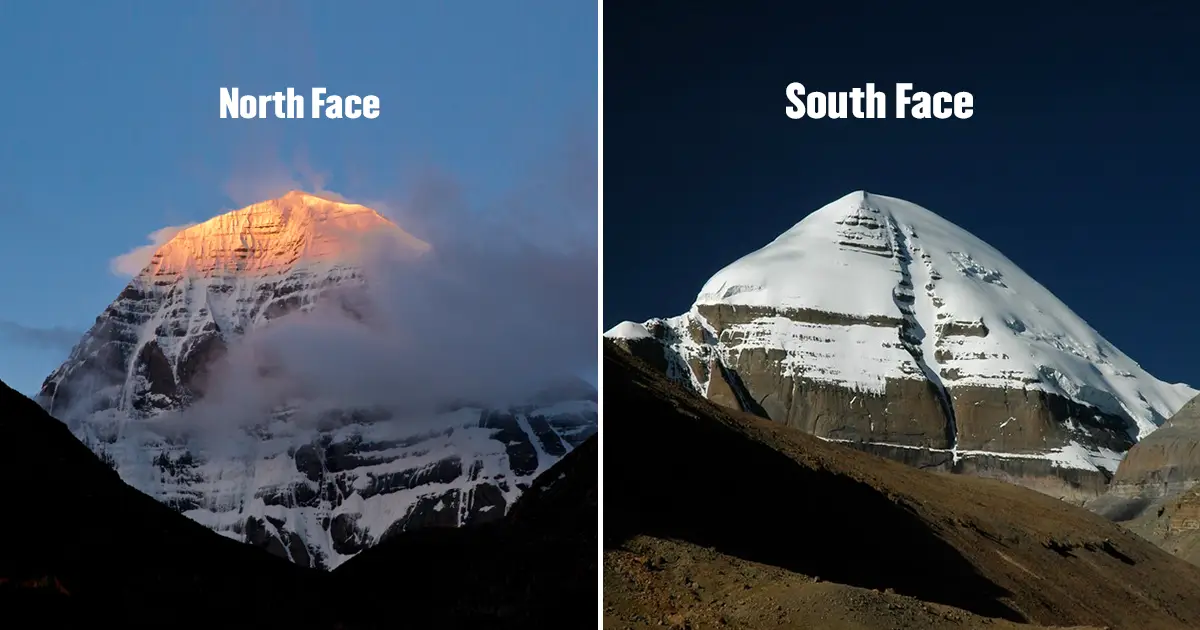
As you hike up, you will pass through flowing rivers, coarse paths, cascading waterfalls, and tea houses where you can enjoy lunch and Tibetan tea. On the wat, you will notice a pile of rocks alongside a holy stone just beneath the west face of the peak. The legends say, stretching your back on this rock relaxes your back off the pain. Passing through surreal landscapes, grazing yaks, and Kailash’s view, you will reach to Derapuk monastery while passing through Darchen.
Ending the tiring hike of the day, we will take a rest at a local guesthouse, located at an elevation above 4900 meters.
Day 2: Trek to Zuthulphuk
Next morning we will rise early and set on our foot journey to the base of Mount Kailash. It will be a 8 to 10 hours trek with halfway uphill gaining some elevation and then descend down Zuthulphuk. This whole journey covers a distance of 22 kilometers and takes you through popular landmarks like Dolma La pass and Gauri Kunda. Since the air is thin and trail is treacherous, this journey can be slightly difficult to traverse through.
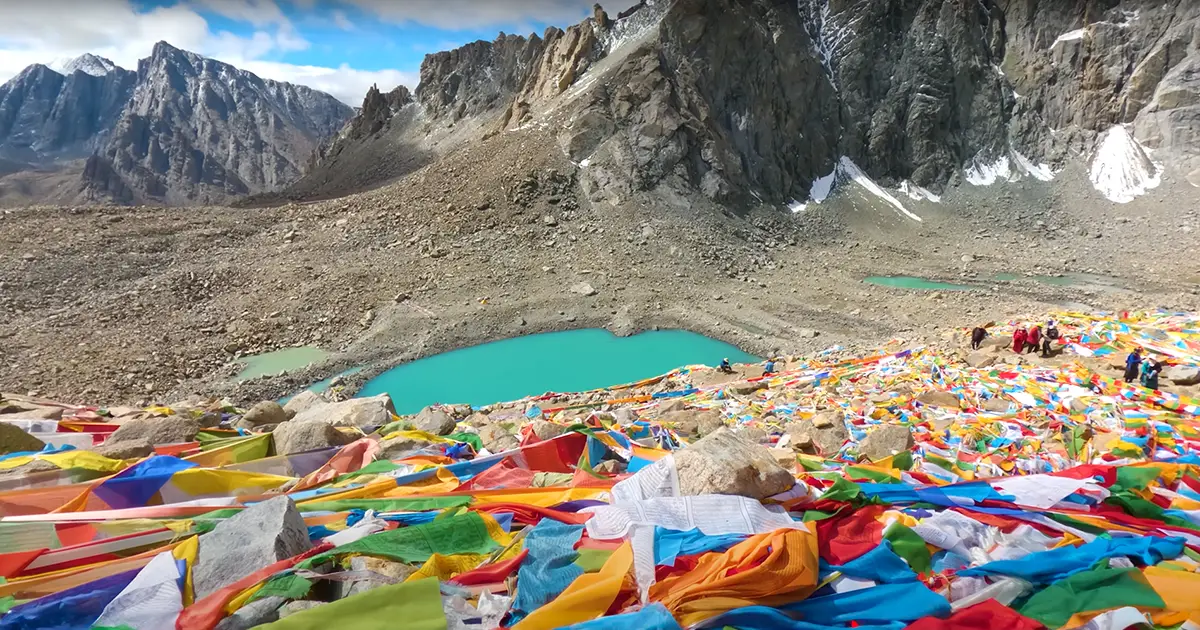
The Dolma la Pass stands at an elevation of 5640 meters from sea level and is the highest point you would reach in the outer Kora of Kailash. The sounds of holy water flowing from the mountain and the warm sunshine makes the trek very pleasant. On good days, you will also be able to catch a sight of animals like Tibetan Blue Sheep, Himalayan Marmots, Wild Yaks etc. . On this day, we will spend the night at the monastery’s guest house while soaking up all the good vibes.
Day 3: Trek Back to Darchen
On this final day of the Kailash Parikrama, we will descend down from an elevation of 4850 meters to Darchen, the starting point of our trek. Along the way, we will come across and hike downhill for around 7 kilometers to reach Saga before taking the ride back to Nepal-Tibet border.
Check our blog on Different Routes of Kailash Mansarovar Yatra to figure out different routes to reach this starting point of your Kailash Parikrama yatra.
A Journey More Than Pilgrimage
There is no doubt the Kailash Kora is more than a casual hike or a regular pilgrimage. It’s an experience that rejuvenates one’s soul and gives an immense satisfaction.
Pilgrims visit with a faith on their respective lords and gods, seeing a connection with the divine one that they believe in. Whatever you’re wishing form, this journey of Kailash is a memorable experience that remains for life.
Get enlightment with a Kailash Kora!
FAQs
Expand AllWhat is Kailash Kora?
Kailash Kora is a spiritual trek in which you circumambulate around the Mount Kailash covering a distance of 52 kilometers.
How long is the Kailash Kora trek?
The Kailash Kora trek is 52 kilometers for a single circumambulation and the trek only takes 3 days to complete.
What is the significance of Mount Kailash Kora?
The Mount Kailash Kora is a spiritual journey that allows pilgrims to purify their souls and seek liberation from the cycle of birth and death (moksha). For Hindus, the trek is associated with Lord Shiva, while Buddhists, Jains, and Bon followers also regard the journey as a key path to spiritual fulfillment.
What is the difference between Mount Kailash inner Kora and outer Kora?
The Mount Kailash inner kora is more strenuous trek that takes you to the foothill of Mount Kailash and other highlights of the region like Nandi peak and Gauri Kunda. Whereas the outer Kora is a regular standard circumambulation trek of the outer circle.
How difficult is the Kailash Kora trek?
Because of the high altitude with rough trails, chilling temperature, the Kailas Kora trek is a very challenging journey.
What is the meaning of Kailash Kora?
The word “Kora” refers to the ritualistic act of circumambulation. In the case of Mount Kailash, the Kailash Kora represents the spiritual journey of walking around the sacred mountain to purify oneself and seek liberation (moksha).
How many kilometers is the Mount Kailash Kora trek?
The Mount Kailash Kora trek is 52 kilometers.
What is included in a Kailash Kora trek package?
A Kailash Kora trek package includes transportation, trek guides and porters, accommodation and meals on the journey, permit fees, and emergency evacuation facility.
When is the best time to do Kailash Kora?
The summer months from April to September is the best time to do Kailash Kora.
How long does the inner Kora of Mount Kailash take?
The Mount Kailash inner kora takes 1 day to complete. However, the trek is challenging despite being a shorter one.
How long does the outer Kora of Mount Kailash take?
The outer Kora of Mount Kailash takes 3 days to complete.
What is the Mount Kailash inner Kora Nandi Parikrama?
The Nandi Parikrama is a part of the inner Kora, where pilgrims circle the sacred Nandi (the sacred bull associated with Lord Shiva) near Mount Kailash.
What permits are required for Kailash Kora?
You need a Tibet travel permit, a Chinese, Nepalese, or Indian visa depending on your point of entry.
How to prepare for the Kailash Kora trek?
Make a habit of trekking, acclimatize properly with short hikes, pack right guide and book your trip from a genuine company like Awesome Holidays Nepal to prepare for the Kailash Kora trek.
Can beginners do Kailash Kora?
Yes, beginners can do the Kailash Kora if you are physically fit to trek long hours. However, it is advisable to get a prior hiking experience to make this journey smoother.
What is the elevation of the Kailash Kora route?
The maximum elevation of the Kailash Kora route is 5640 meters at Dolma La pass.
How is Kailash Kora different from the Mansarovar Yatra?
The Kailash Kora is the circumambulation of Mount Kailash, whereas the Mansarovar Yatra involves visiting Mansarovar Lake. While the Mansarovar Yatra focuses on the sacred lake, the Kailash Kora focuses on completing the spiritual trek around the mountain.
Are there guides available for the Kailash Kora trek?
Yes, there are guides available for the Kailash Kora trek.
What cultural experiences can one expect on Kailash Kora?
During the Kailash Kora trek, pilgrims will encounter Tibetan culture, interact with locals, visit monasteries, and experience the spirituality of Mount Kailash. The trek also offers a chance to witness the indigenous Bon religion practices.
How many days does Kailash Mansarovar Yatra inner Kora take?
The inner Kora of the Kailash Mansarovar Yatra usually takes about 1 to 2 days, depending on the route chosen and the pace of the pilgrims.
What are the main challenges of the Kailash Kora trek?
The physical stress of trekking long hours, harsh weather conditions, and the risk of altitude sickness are the main challenges of the Kailash Kora trek.
Is Mount Kailash Kora trek safe for solo travelers?
Even thought it is safe to to solo trek to Mount Kailash, it isn’t recommended to do so.
What is the spiritual significance of the Mount Kailash Kora?
The Mount Kailash Kora is a sacred pilgrimage believed to purify the soul and bring spiritual liberation.
Can we see Mount Kailash during the inner Kora trek?
Yes, we can see Mount Kailash during the inner Kora trek. In fact, you get its clear views from Dirapuk monastery and you also get to touch the foothills of this peak.
What is the best route for the inner Kora around Mount Kailash?
The best route for the inner Kora is through the sacred sites near the base of Mount Kailash, including Nandi Parikrama and Gauri Kund Lake.
How does the Nandi Parikrama enhance the inner Kora experience?
The Nandi Parikrama is part of the inner Kora and involves circumambulating the sacred bull Nandi near Mount Kailash.
What are the accommodations along the Kailash Kora trek?
Accommodations along the Kailash Kora trek are basic and include guesthouses, monasteries, and tents.
How physically fit should one be for Mount Kailash Kora?
You need a moderate level of fitness for the Mount Kailash Kora.
What is the difference between Kailash Kora and Kora Mount Kailash?
There is no significant difference between Kailash Kora and Kora Mount Kailash as both are sacred circumambulation of Mount Kailash.
Related blog posts
Discover a choice of tourist destinations loved by most of our visitors. Whether you're on a jungle safari to spot rare animals or walking through a world heritage site, these well-planned itineraries cover the major highlights of Nepal.

 call an expert at: