
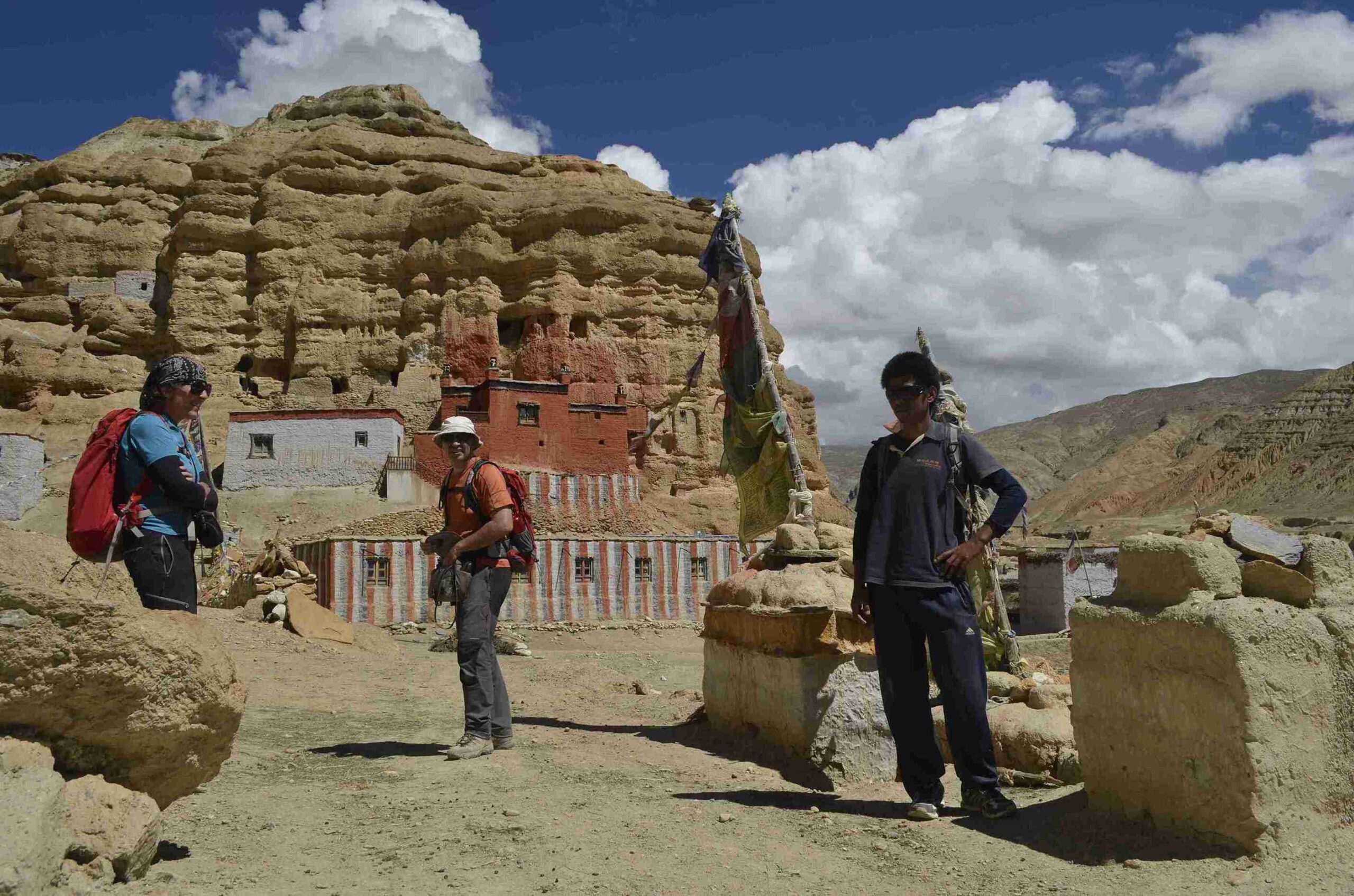
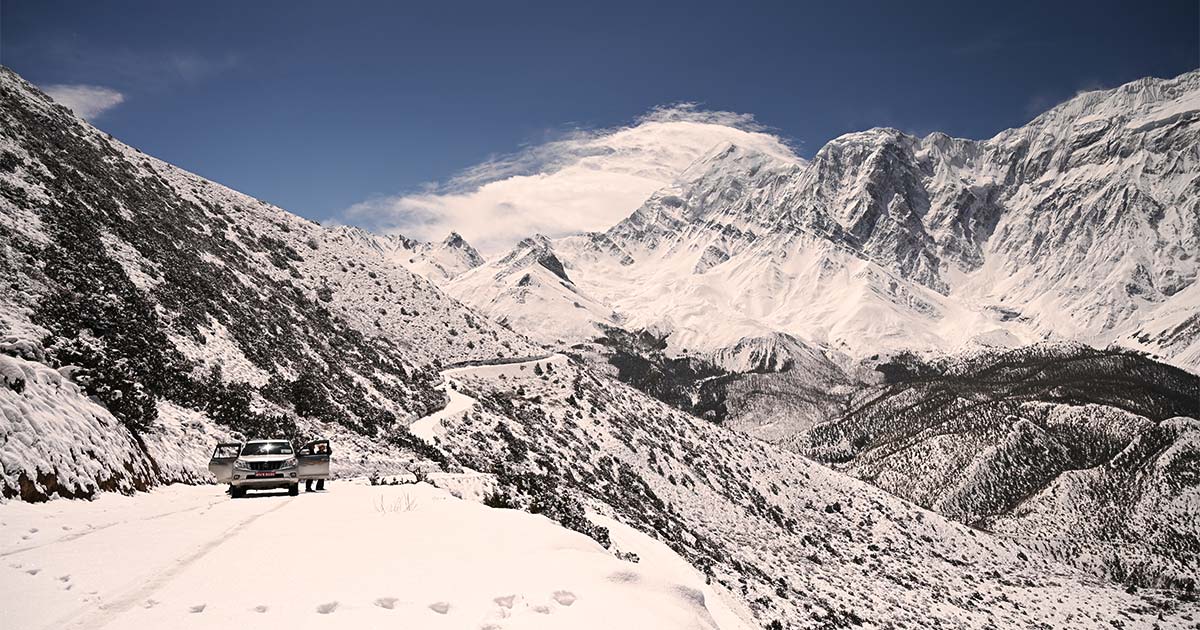
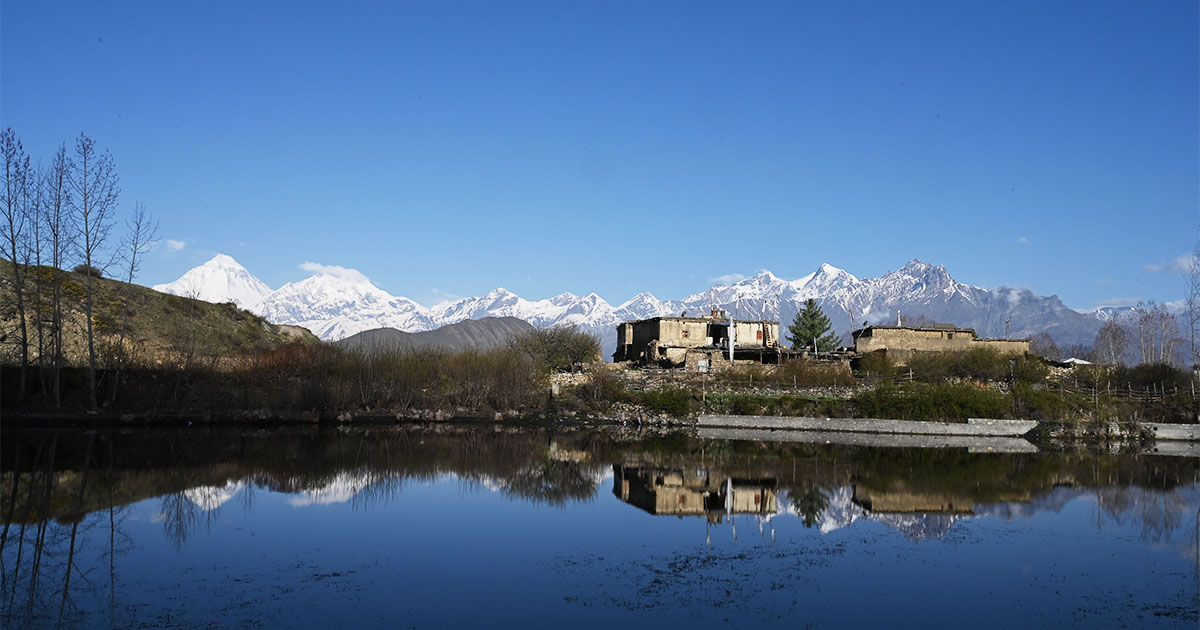
The Upper Mustang trekking with jeep option adds a layer of comfort and flexibility to the traditional journey, allowing travelers to experience the dramatic desert canyons and distinctive cliff formations of Mustang without the physical strain of long trekking days. As you travel along the rugged trans-Himalayan trails, you’ll witness panoramic views of Nilgiri, Annapurna, […]
Upper Mustang Trekking with Jeep

Destinations
2+

Trip Durations
13 Days

Trip Difficulty
Moderate

Meals
Breakfast, Lunch, Dinner

Activities
Walking, Jeep

Accomodation
Hotels

Max Altitude
4310m

Best Season
Mar-May, Jun-Nov,

Start/End Point
Kathmandu
Upper Mustang Trekking overview
The Upper Mustang trekking with jeep option adds a layer of comfort and flexibility to the traditional journey, allowing travelers to experience the dramatic desert canyons and distinctive cliff formations of Mustang without the physical strain of long trekking days. As you travel along the rugged trans-Himalayan trails, you’ll witness panoramic views of Nilgiri, Annapurna, and Dhaulagiri ranges, all while exploring remote settlements that have preserved their centuries-old way of life, similar to other classic routes like the Everest Base Camp Trek, Annapurna Circuit Trek, and the scenic Langtang Valley Trek.
One of the major highlights of Upper Mustang trekking with jeep is the opportunity to reach cultural and historical sites more efficiently, giving you more time to involve yourself in the unique Tibetan-influenced traditions of the region. The route passes through iconic villages such as Kagbeni, Chele, Syangboche, and Tsarang, each offering ancient monasteries, chortens, prayer walls, and beautifully painted caves that tell the spiritual story of Mustang’s past—an experience that complements other journeys like the Manaslu Circuit Trek, Mardi Himal Trek, and the popular Ghorepani Poon Hill Trek which showcase Nepal’s rich cultural and natural diversity.
Traveling by jeep also enhances the experience of reaching Lo-Manthang, the ancient walled capital of the former Mustang Kingdom. With more energy and time on hand, you can fully enjoy exploring its narrow alleyways, royal palace, impressive gompas, and hidden Buddhist relics. The vibrant local festivals, traditional horse-riding culture, and warm hospitality of the Lo people are core parts of the Upper Mustang trekking with jeep experience, attracting similar interest as other famous Himalayan adventures including the Annapurna Base Camp Trek and Helambu Trek.
Along the way, the journey includes visits to sacred sites such as the Chungsi Cave and the Ghar Gompa, one of the oldest monasteries in Nepal. These sites offer deep insight into Tibetan Buddhism and the spiritual significance that surrounds the region. The jeep-supported itinerary ensures that you get to comfortably explore these attractions while keeping the adventure element alive throughout the journey, just like spiritually immersive routes such as the Khopra Ridge Trek and the Tsum Valley Trek.
The Upper Mustang trekking with jeep route concludes with a memorable descent toward Muktinath, one of the holiest pilgrimage destinations in Nepal. Here, travelers can experience the peaceful atmosphere of the temple complex, natural flame, and 108 water spouts before making their way back to Jomsom. This combination of comfort, culture, spirituality, and high-altitude desert landscapes makes the Upper Mustang experience truly unforgettable for modern explorers, much like the iconic Everest Three Passes Trek or the serene Panchase Trek.
Upper Mustang Trekking highlights
- Exploration of Lo-Manthang: The walled city is the ancient capital of the Kingdom of Mustang, rich in history and culture with monasteries, palaces, and traditional Tibetan architecture.
- Visit to Muktinath: A sacred pilgrimage site revered by both Hindus and Buddhists, known for its holy waters and eternal flame.
- Scenic Drives through the Kali Gandaki Valley: Witness the dramatic landscapes of one of the deepest valleys in the world, surrounded by the towering peaks of Annapurna and Dhaulagiri.
- Cultural Immersion in Traditional Villages: Explore the ancient villages of Tsarang, Kagbeni, and Dhakmar, each offering a unique insight into the local Tibetan culture and way of life.
- Exploration of Chhoser Cave: Visit the ancient cave dwellings near Lo-Manthang, historically used for meditation and as a shelter by the local people.
- Stunning Himalayan Landscapes: Throughout the trek, enjoy panoramic views of the Annapurna and Dhaulagiri ranges, as well as the rugged beauty of the Upper Mustang region.
Upper Mustang Trekking Itinerary
Expand All
Day1
Arrival in Kathmandu
Upon arrival at Tribhuvan International Airport in Kathmandu, you’ll be warmly greeted and transferred to your hotel. In the evening, we’ll enjoy a welcome dinner featuring traditional Nepali cuisine. This is the perfect time to relax, adjust to the time zone, and discuss the upcoming adventure.
Hotel
Dinner
Max. Altitude: 1350m/4429ft
Day2
Preparation day and full day sightseeing of Kathmandu
Our support staff will collect your original passport for Mustang Permit. In the meantime, enjoy Kathmandu, the vibrant capital of Nepal, offers a rich cultural experience with its bustling streets and historic temples, setting the tone for your journey ahead. Day 2 is dedicated towards the blessing of all different god and goddess. Visit Swoyambhunath, Pashupatinath temple and Boudhanath Stupa.
Hotel
Breakfast
Max. Altitude: 1350m/4429ft
Day3
Kathmandu to Pokhara and Drive to Thasang Village
After breakfast, we’ll take a scenic flight from Kathmandu to Pokhara, known for its stunning natural beauty. Upon arrival in Pokhara, we’ll head on with our 4 wheel drive to Thasang Village, located in the Kali Gandaki Valley. The drive offers great views of the Annapurna and Dhaulagiri ranges. Thasang Village, nestled amidst lush landscapes, is a serene spot to spend the night, surrounded by the grandeur of the Himalayas.
Hotel
Breakfast,Lunch,Dinner
Max. Altitude: 2700m/8858ft
Day4
Drive to Kagbeni
Before setting off from Thasang one can enjoy a easy walk to the village. This tiny village gives you a perfect idea of how simple people are living. The morning can be amazing with the sun poked Mt. Dhaulagiri and the glacier view from the roof top of the hotel. From Thasang village, we’ll drive to Kagbeni Village, located in the Kali Gandaki Valley.The drive offers great views of the Annapurna and Dhaulagiri ranges. Kagbeni Village, nestled amidst lush landscapes, is a serene spot to spend the night, surrounded by the grandeur of the Himalayas.On the same day, we’ll drive through the charming villages of Marpha and Jomsom before reaching Kagbeni, the gateway to Upper Mustang.
Marpha is famous for its apple orchards, while Jomsom is known for its windswept landscape and as a hub for trekkers. Kagbeni, with its medieval atmosphere and narrow alleyways, offers a glimpse into the unique culture of the region. We’ll explore Kagbeni before settling in for the night.
Hotel
Breakfast,Lunch,Dinner
Max. Altitude: 2810m/9219ft
Day05
Kagbeni to Tsarang via Ghami
We begin our journey into the heart of Upper Mustang, driving from Kagbeni to Ghami, known for its beautiful landscape, unique culture and interesting architecture. After exploring Ghami, we’ll continue to Tsarang, a village rich in history and culture. Tsarang is home to a large monastery and an ancient palace, both of which we’ll have the opportunity to visit. The landscapes today are otherworldly, with barren, wind-swept terrain framed by towering cliffs.
Hotel
Breakfast,Lunch,Dinner
Max. Altitude: 3710m/12172
Day06
Drive to Lo-Manthang
Today, we’ll drive from Tsarang to Lo-Manthang, the capital of the former Kingdom of Mustang. Lo-Manthang is a fascinating walled city, home to ancient monasteries, royal palaces, and a unique culture that has remained largely untouched for centuries. We’ll spend the day exploring the city, visiting the monasteries, and interacting with the local people, who are known for their warmth and hospitality.
Hotel ( Feature Hotel- Royal Mustang)
Breakfast,Lunch,Dinner
Max. Altitude: 3840m/12598ft
Day07
Exploration day at Lo-Manthang
We’ll spend the day exploring Lo-Manthang and the surrounding areas, including a visit to the Chhoser Cave, an ancient cave complex that was once used as a residence and for meditation. The day offers a deep dive into the rich history and culture of the Upper Mustang region. In Lo-Manthang, we’ll also explore the famous monasteries, each with its unique architecture and spiritual significance.
Hotel
Breakfast,Lunch,Dinner
Max. Altitude: 3840m/12598ft
Day08
Drive to Muktinath and Explore Jharkot Village
After breakfast, we’ll drive to Muktinath, a sacred pilgrimage site for both Hindus and Buddhists. The temple is located at an altitude of 3,800 meters and is revered for its holy waters and eternal flame. Pilgrims from all over Nepal and India visit Muktinath to bathe in the sacred waters and offer prayers. The drive to Muktinath offers stunning views of the surrounding peaks and valleys.
Hotel
Breakfast,Lunch,Dinner
Max. Altitude: 3710m/12172ft
Day09
Exploration of Muktinath Area
We’ll spend the day exploring Muktinath and its surroundings. The temple complex includes several shrines, the most significant being the Muktinath Temple itself, which houses the eternal flame. We’ll also visit the nearby village of Ranipauwa and have time to reflect on the spiritual and cultural significance of this sacred site.
Hotel
Breakfast,Lunch,Dinner
Max. Altitude: 3710m/12172ft
Day10
Drive to Jomsom
After breakfast, we’ll drive to Jomsom, a major town in the Mustang region and a popular starting point for treks in the Annapurna area. Jomsom is known for its strong winds, apple orchards, and the nearby Dhaulagiri Icefall. We’ll explore the town and its surroundings, enjoying the unique blend of Tibetan and Thakali culture that characterizes this region.
Hotel
Breakfast,Lunch,Dinner
Max. Altitude: 2743m/8999ft
Day11
Drive back to Pokhara
We’ll take an early morning ride from Jomsom to Pokhara, with few stops on the way on finish the drive at Pokhara which offers a perfect conclusion to the Upper Mustang adventure.
Hotel
Breakfast
Max. Altitude: 950m/3117ft
Day12
Fly back to Kathmandu
We’ll return to Kathmandu on the scenic flight . Once in Kathmandu, there’s time to explore more of the city’s cultural and historical landmarks, such as Boudhanath Stupa, Swayambhunath (Monkey Temple), or Durbar Square. This day offers a chance to immerse ourselves once more in the rich heritage of Nepal before our departure.
Hotel
Breakfast
Max. Altitude: 1350m/4429ft
Day13
Departure day
Depending on your flight schedule, you may have some free time for last-minute shopping or sightseeing in Kathmandu. Our representative will transfer you to the airport for your departure, marking the end of your incredible journey through the Upper Mustang and Muktinath regions of Nepal.
Breakfast
Upper Mustang Trekking Cost Includes
- Airport pickup and drop off (both domestic and international)
- Welcome/Farewell dinner at Kathmandu.
- 3 nights hotel in Kathmandu
- 1 night hotel in Pokhara
- Kathmandu-Pokhara flight
- Stay at Luxury hotels on the jeep tour on a twin-sharing basis (single room available with an extra charge)
- Feature stay of 2 nights at Royal Mustang Hotel Lo-Manthang
- Standard meals during the Upper Mustang trip includes Breakfast
- Luxury Landcruiser Jeep from Pokhara to Lo-Manthang and Back
- Purifies drinking water during the trek using a water purifier or chemical purifying tablets.
- All necessary permits for the Upper Mustang trek (USD 500).
- Local English-Speaking guide throughout the trip.
- First-aid treatment in case of any emergencies.
- All administrative expenses and government taxes.
Upper Mustang Trekking Cost Excludes
- Meals in Kathmandu and Other hotels except for the welcome/farewell dinner
- International flight fares and airport departure tax.
- Bottled water or any kind of beverage.
- Tourist visa for entry in Nepal.
- Travel insurance and the emergency evacuation service charges.
- Tipping for guides and drivers
- Personal expenses including personal gear or equipment.
Upper Mustang Trekking date and time
| Dates | Price | Availability |
|---|---|---|
|
Select Date:
Please select the date
|
US$ 3110 |
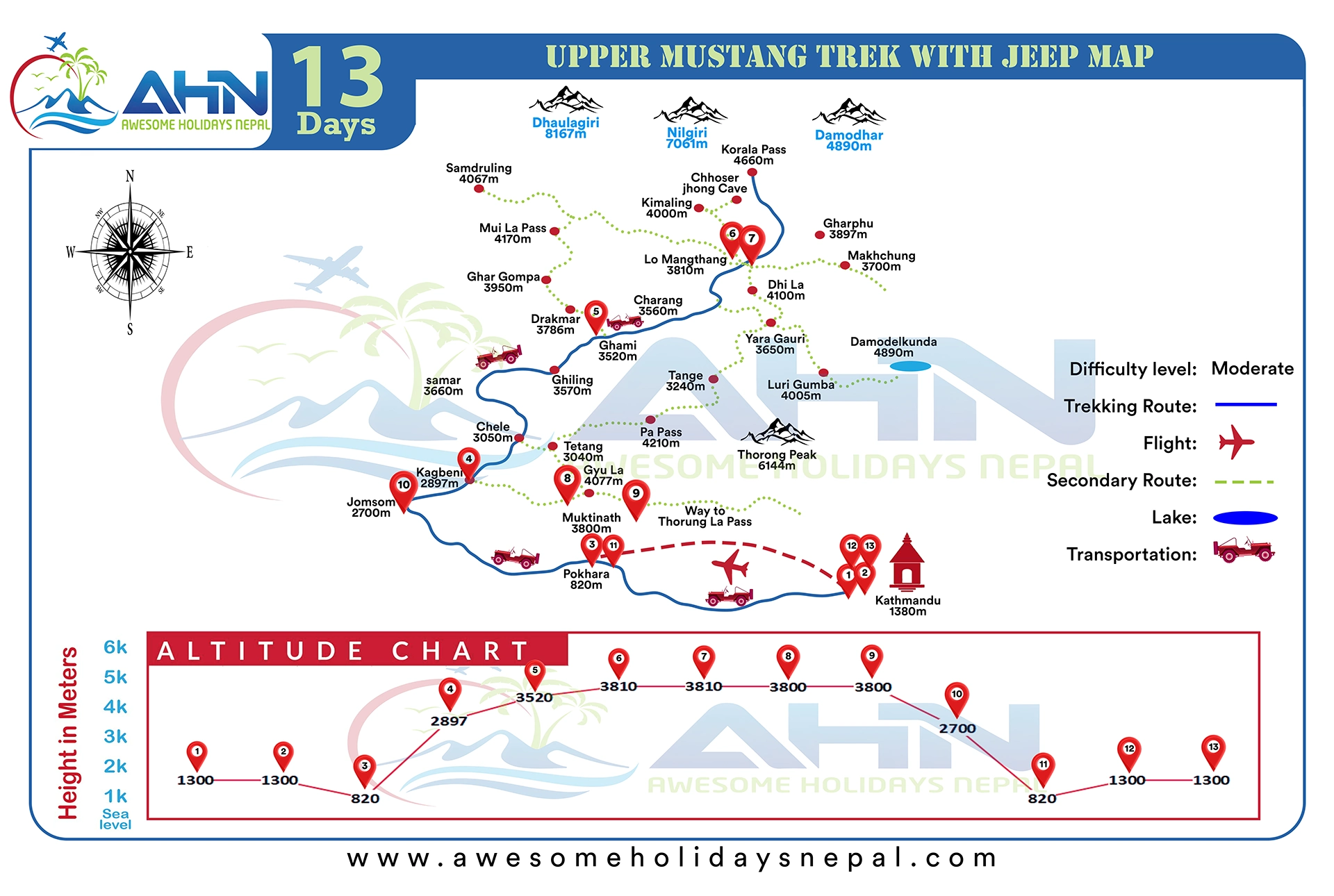
Upper Mustang Trekking Map
Trip Video
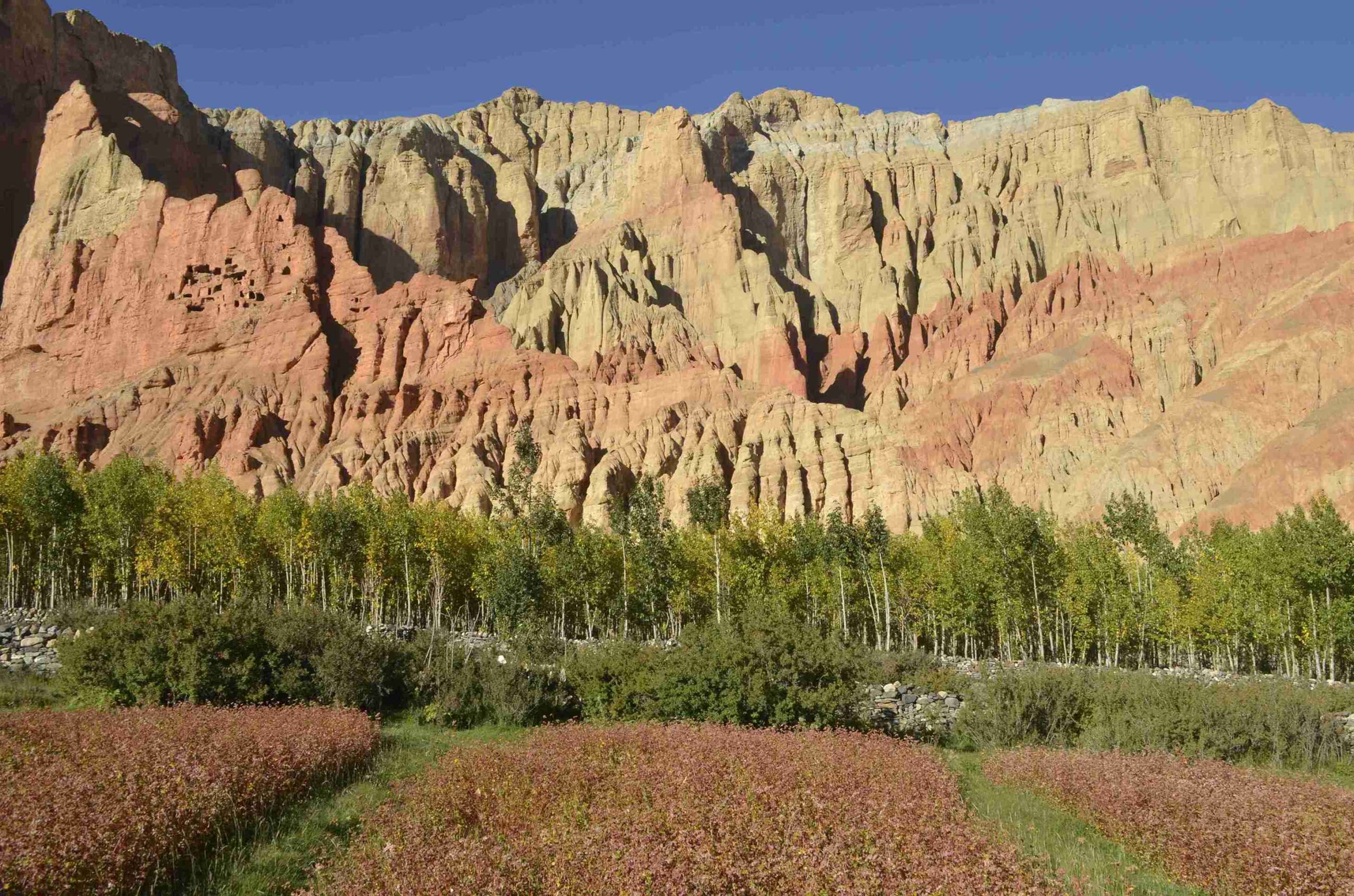
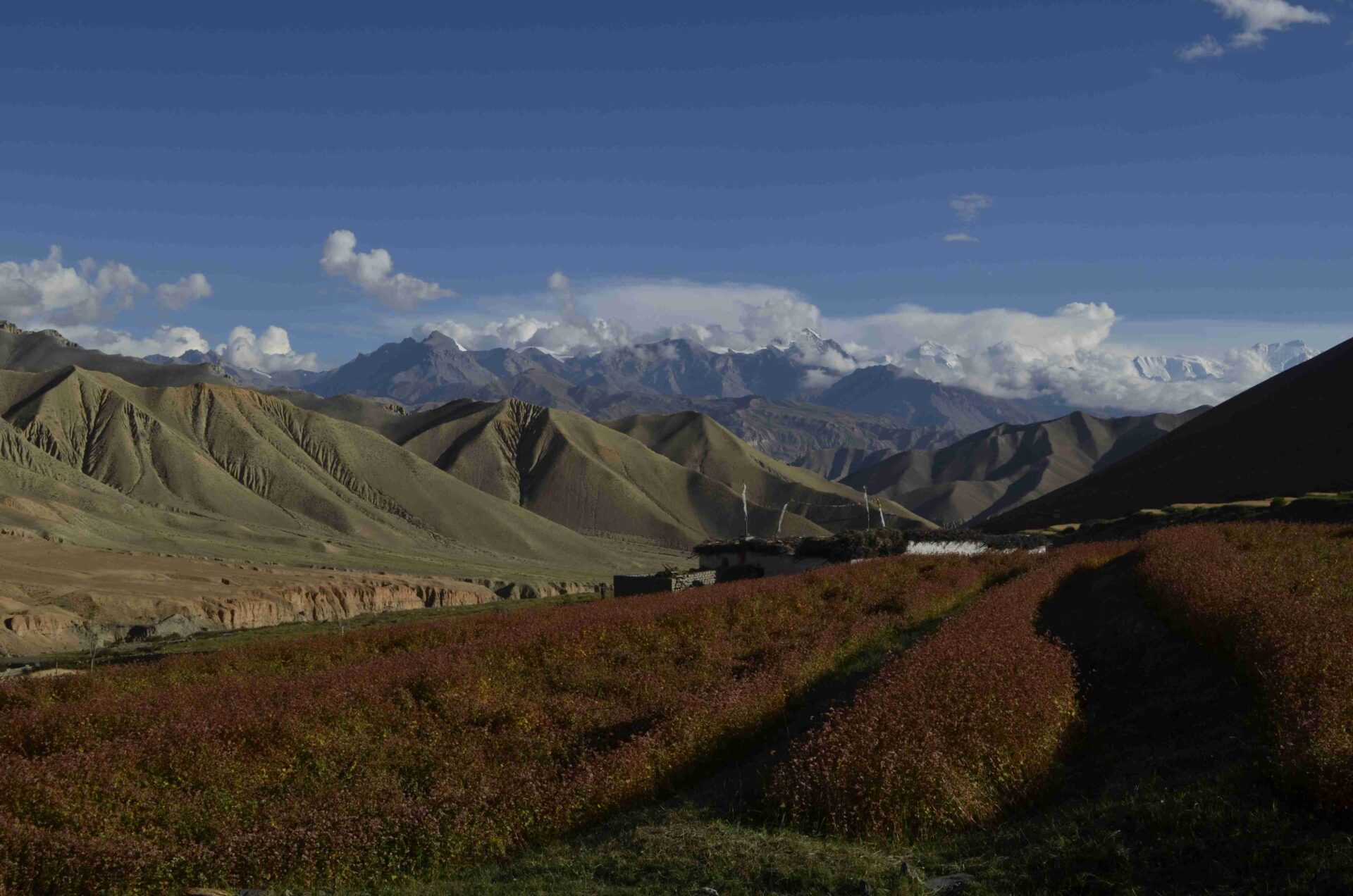
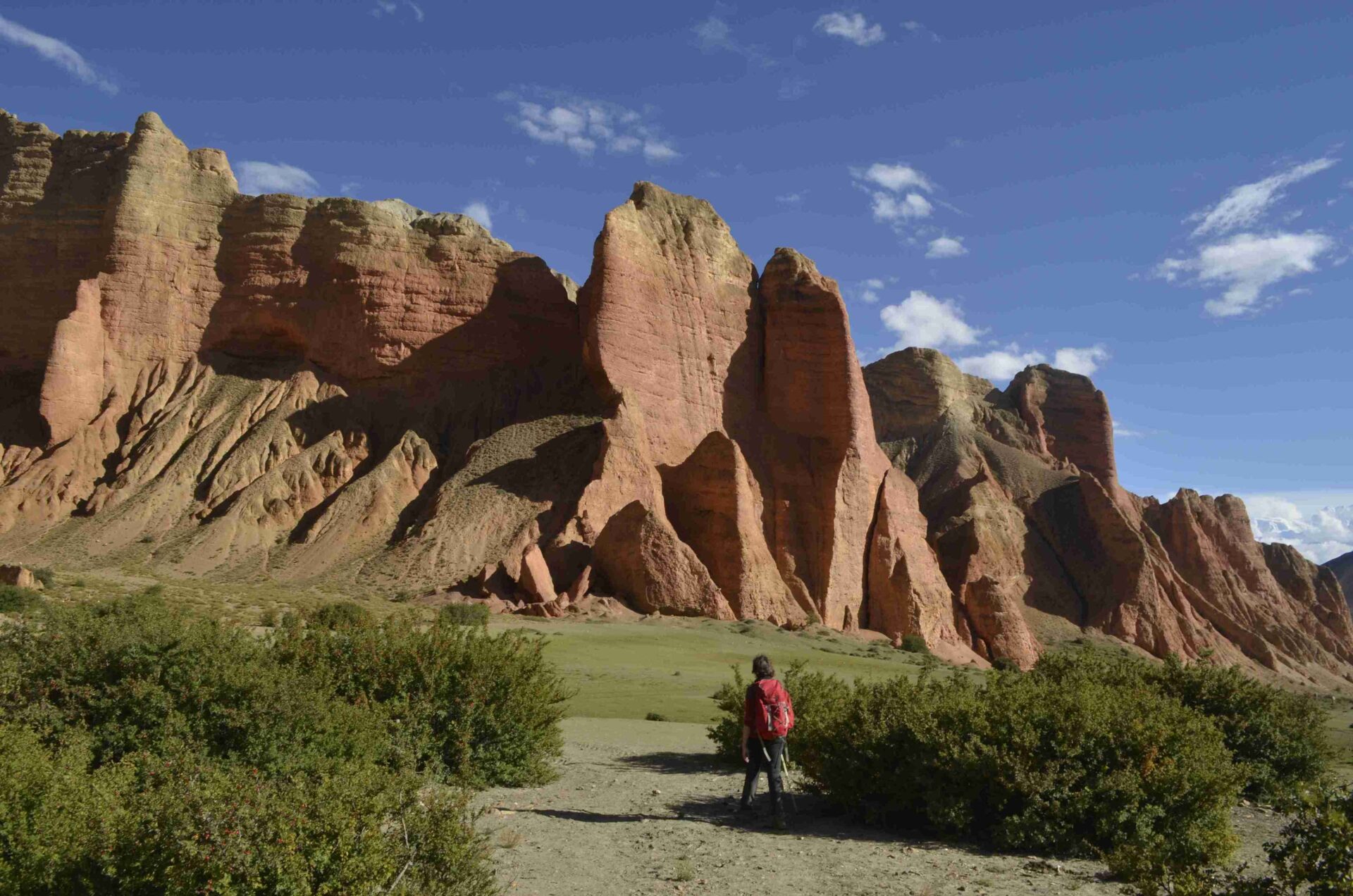
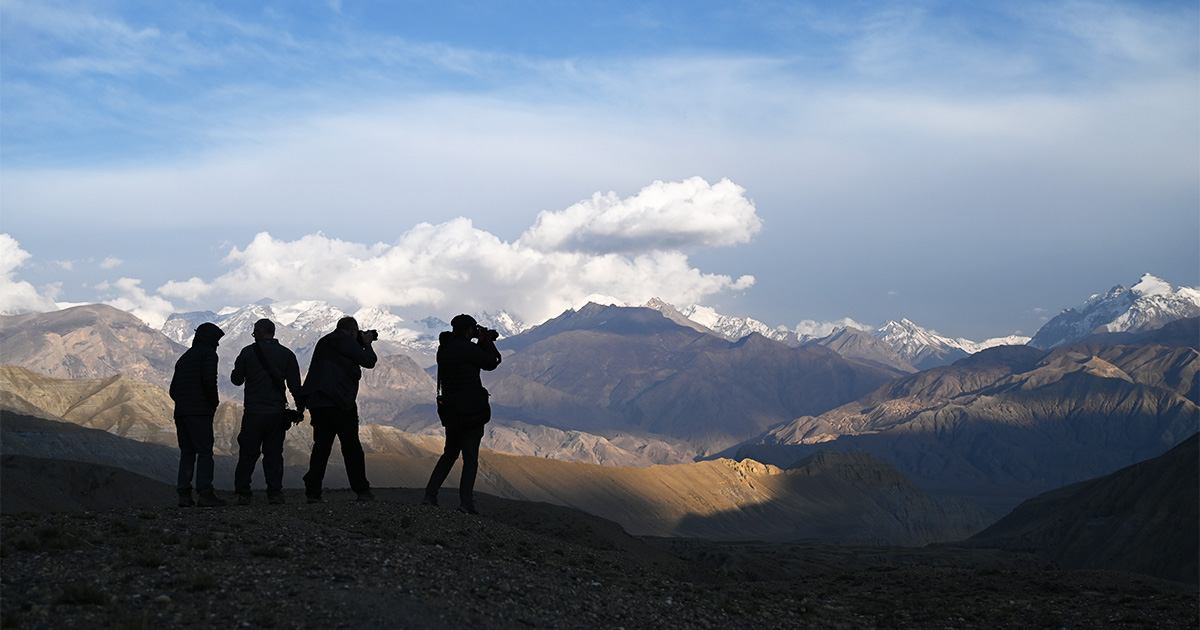
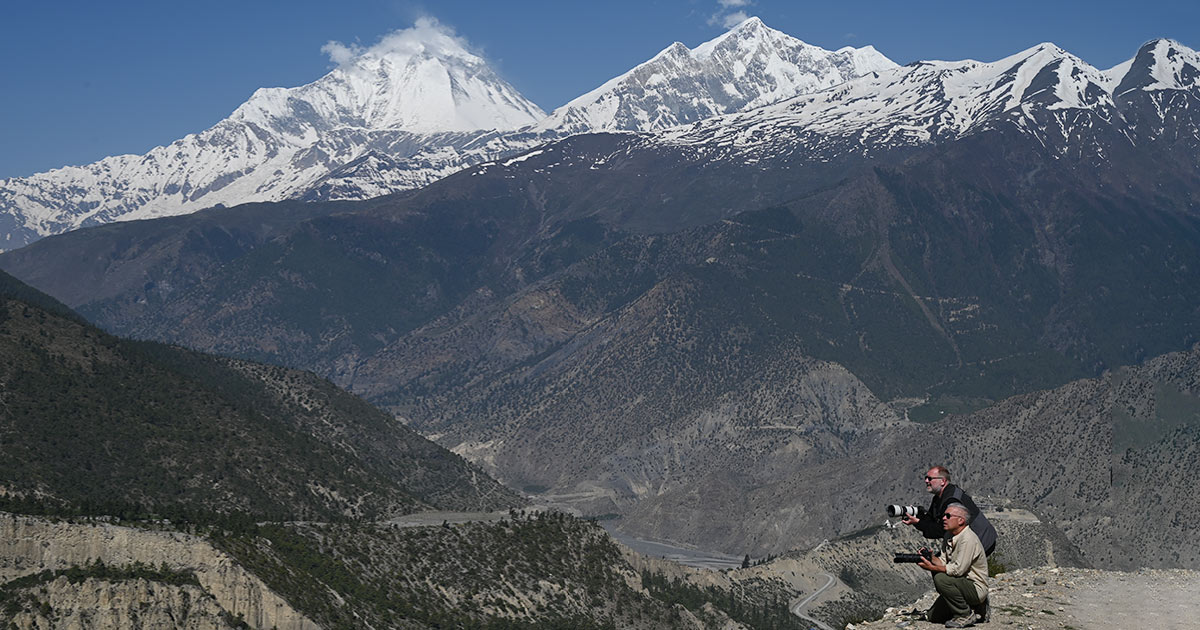
Upper Mustang Trekking Gallery

Packing List for Upper Mustang Trekking with Jeep
The key is to prioritize lightweight, durable, and versatile gear. It's important to test and familiarize yourself with your equipment before embarking on a trek. If you find a particular brand that meets your criteria for quality, that's great, but always prioritize functionality and reliability.

Packing List for Upper Mustang Trek
Even though you do not have to get all the trekking gear for Upper Mustang’s Jeep trek, you still need to make some preparations to prevent getting sick from the lower temperature and harsh climate. You must layer your clothes to prevent cold and get the right footwear for comfort and to prevent slippage. Similarly, medications to prevent serious situations due to altitude sickness are essential things to pack for a trek.
Check the following packing list for the Upper Mustang Tour:
Important: Travel Documents
- Passport (at least 6 months of validity)
- Travel Insurance
- Passport-size photos
- Debit/Credit Cards
- Emergency Contact Details
- Some Cash
Clothing
- Warm caps/Knitted hats
- Sun hat or cap
- Body Warmers top and pants
- Fleece jacket/pullovers
- Waterproof/Windproof jackets and pants
- Hard-shell outer gloves
- Socks (Hiking, Liner, Wool)
- Liner socks
- A pair of slippers
- Gaiters (for winter treks)
- Sleeping wear/night suits
- Undergarments & sports bra
Sun-Protection
- Sunglasses
- Shades (preferably polarized)
- Sunscreen Cream/spray
Optional Equipment
- Toiletry kit
- Reusable water bottle
- Towels
- Cameras and mobile phones
- Power banks (preferably solar-charged)
- Binoculars
- Pee funnel and pee bottle
- Whistle
- Thermos bottle for hot drinks and water
- Binoculars
- Cards/books/diaries
Essential Medicine & First-aid
Even though your trekking guide will carry the necessary medications for altitude sickness and first aid kits to help in case of any accidents, you also need to have personal kits. A personal first aid kit needs to have the following elements:
- Cough syrups
- Ointment
- Cough syrup
- Ointments
- Antiseptic creams
- Mosquito repellents
- Electrolyte
Upper Mustang Trekking FAQs
Expand AllWhat is the Upper Mustang Jeep Trek?
The Upper Mustang Jeep Trek is an overland journey to the remote Mustang region of Nepal, often called the “Last Forbidden Kingdom.” Instead of walking the entire route, travelers drive through dramatic landscapes, ancient monasteries, and Tibetan-influenced villages, making it a faster and more comfortable alternative to trekking.
How is the Upper Mustang trek different when done by jeep?
When done by jeep, the trek is less physically demanding and takes fewer days compared to trekking on foot. It allows you to cover more distance quickly, visit hidden villages, and still experience the region’s culture and scenery. However, it offers less of the slow-paced trekking experience that many hikers enjoy.
Is it possible to explore Upper Mustang without trekking?
Yes, the jeep tour makes it possible to explore Upper Mustang without long days of walking. You can reach Lo Manthang and other key destinations comfortably by road, while still taking short hikes around cultural and scenic spots.
Is it possible to explore Upper Mustang without trekking?
Yes, the jeep tour makes it possible to explore Upper Mustang without long days of walking. You can reach Lo Manthang and other key destinations comfortably by road, while still taking short hikes around cultural and scenic spots.
What is the altitude of the Upper Mustang Jeep tour?
The jeep route reaches altitudes of around 3,800–4,000 meters, with Lo Manthang itself standing at about 3,840 meters. Travelers should still be mindful of altitude sickness.
How many days does the Upper Mustang Jeep tour take?
The jeep tour typically takes 7 to 10 days, depending on the itinerary, starting from Kathmandu or Pokhara and reaching Lo Manthang before returning.
What are the highlights of the Upper Mustang overland trip?
Highlights include the walled city of Lo Manthang, centuries-old monasteries, the stunning desert-like landscapes, caves carved into cliffs, and Tibetan-influenced culture. The Tiji Festival is another major attraction if your trip coincides with it.
What is the best season for a jeep tour to Upper Mustang?
The best time is spring (March to May) and autumn (September to November). The region lies in a rain shadow, so it can also be visited during the monsoon (June to August), unlike many other treks in Nepal.
How difficult is the Upper Mustang trek with a jeep?
The jeep trip is not physically demanding, but the journey can be bumpy due to rough roads. Altitude and long driving hours may still be challenging for some travelers.
What is the road condition for the Upper Mustang Jeep journey?
Roads in Upper Mustang are a mix of rough tracks, gravel, and sometimes newly built sections. Conditions are improving, but expect off-road driving and occasional bumps.
Is the Upper Mustang Jeep tour suitable for families?
Yes, it is a good option for families and those who cannot trek long distances. Children and older travelers often find the jeep tour more comfortable.
Is Lo Manthang accessible by jeep?
Yes, Lo Manthang, the ancient capital of Mustang, is accessible by jeep, making it one of the highlights of the overland trip.
Are there teahouses or lodges along the Upper Mustang jeep route?
Yes, basic teahouses and lodges are available throughout the route, offering local meals and simple accommodation.
How high is the road to Upper Mustang?
The road passes through high mountain passes, with the highest sections reaching close to 4,000 meters.
Can I do photography tours in Upper Mustang by jeep?
Yes, jeep tours are popular for photographers as they allow flexibility to stop at scenic spots, monasteries, caves, and panoramic viewpoints.
How does the Upper Mustang Jeep trip compare to the Annapurna Circuit?
Unlike the lush landscapes of the Annapurna Circuit, Upper Mustang offers dry, desert-like terrain with Tibetan culture. The jeep trip is also shorter and less physically demanding.
How much does the Upper Mustang Jeep trek cost?
The cost depends on group size, itinerary, and services included. On average, it ranges between USD 1,800–3,000 per person, covering permits, transportation, accommodation, and meals.
What’s included in your Upper Mustang Jeep trek package?
Packages usually include transportation, accommodation, meals, required permits, guide services, and sometimes a porter. Always check with your tour operator for details.
How do I book the Upper Mustang Jeep tour from Kathmandu?
You can book through a trekking agency in Kathmandu like Awesome Holidays Nepal. Permits must be arranged in advance, as Upper Mustang is a restricted area. we will assist you to get the permits.
Is the Upper Mustang Jeep trek available in winter?
Yes, but winter (December–February) brings very cold temperatures, and some passes may be snow-covered, making travel more challenging.
Is private jeep rental available for the Upper Mustang trip?
Yes, private jeeps can be hired for a more comfortable and flexible journey.
Are meals included in the jeep trekking package to Upper Mustang?
In most packages, three meals a day are included. This typically covers Nepali and Tibetan-style food in teahouses.
Do you offer Upper Mustang Jeep tours from Pokhara?
Yes, many tours can be arranged directly from Pokhara, which is closer to Mustang than Kathmandu.
What’s the maximum group size for the Upper Mustang Jeep expedition?
Group sizes usually range from 4 to 7 people per jeep. Larger groups may require multiple vehicles.
Are luxury jeep options available for the Upper Mustang tour?
Yes, some agencies provide upgraded jeeps with more comfortable seating and suspension for a smoother ride.
When is the best time to trek to the Upper Mustang Trek?
The best time to trek to the Upper Mustang Region is during the Autumn and Spring seasons, as the climate is favorable and the trekking route is rich in luscious greens. For a safe, memorable, and incredible experience, plan a trek between mid-September and November or March and June.
However, the trek is possible all around the year. As long as you can avoid rainstorms and sustain extreme temperatures, you can ascend during colder months to avoid the crowd.
How long does the Upper Mustang trek take?
The Upper Mustang walking trek usually takes 16 days to complete, but the duration might vary depending on how you customize your trip and the transportation you use.
Do I need to book in advance?
Though it might not be mandatory, booking your Upper Mustang trek in advance is better to ease the process, specifically if you plan for trekking seasons, as mentioned above.
Booking in advance secures your spot and ensures you and your trekking company are well-prepared for the trek. However, getting the trekking permits, booking accommodation and transport, and getting your visas might take time.
What kind of fitness level is required?
Trek to the Upper Mustang requires moderate fitness since you will walk at least 6-7 hours daily. You will also need good cardiovascular endurance and muscular strength to ascend quickly through rough terrain.
If you aren’t somebody who doesn’t perform physical training regularly, it is better to start training at least ¾ months in advance. Ensure you include cardio, flexibility exercises, and strength training in your workout to prepare your body for the trek.
What permits are required?
To explore the Upper Mustang, you require three different permits: a special Mustang trek permit, an Annapurna Conservation Area project permit, and a TIMS card (Travelers Information Management System).
Do I need travel insurance?
Travel insurance isn’t mandatory when trekking in the Upper Mustang region. Still, it is advisable to do so to prepare in advance for possible catastrophic situations on the trek.
Can I customize my itinerary?
Yes, you can customize your itinerary for the Upper Mustang trek to fit your needs. We can add or subtract the acclimatization days, optimize the trekking route, and shorten or elongate the trek as you prefer.
However, if you have booked for our regular trekking package that moves as a group, customizing the itinerary just for an individual isn’t possible.
What is the best way to train for the trek?
Some of the best ways to train for the trek are through regular cardio, focusing on breathing exercises, strength training, lifting weights, hamstring sketching exercises, and so on. You can also switch to climbing stairs instead of lifts, walking, or jogging instead of driving to smaller distances to prepare your body.
Additionally, going on regular hikes or climbing up the hills can be the best way to train for the trek.
What kind of gear do I need?
To trek to the Upper Mustang region, you will need lightweight and warmer clothing, trekking poles, hiking boots, headlamps, sleeping bags, sunglasses, toiletries, and solar batteries.
Do I need vaccinations?
Getting any vaccinations to trek to the Upper Mustang region isn’t mandatory. However, you can check your country’s travel regulations and vaccinate yourself before visiting Nepal.
Typically, routine vaccines are available, including those against Malaria, Japanese Encephalitis, Hepatitis A, Hepatitis B, Typhoid, Rabies, and Cholera.
What currency should I carry?
For any personal expenses other than those offered by the trekking company, you will need Nepalese rupees for your Upper Mustang trek. However, it is better to have some USD or your home currency as a backup for emergencies or returns.
Exchange your currencies for Nepali rupees in Kathmandu to find the best rates.
Do I need a visa for Nepal?
To travel to Nepal, you will need a “Tourist Visa.” This visa is available on arrival for most foreign visitors except those from African countries, Afghanistan, and refugees with travel documents.
Check the official website of the Department of Immigration for information regarding On Arrival and other tourist visas in Nepal.
Is it possible to trek solo?
It is possible to trek solo to the Upper Mustang Region, as the terrain isn’t that difficult to reach.
What is the trek route like?
The trekking route to the Upper Mustang consists of rough rocky terrain, a couple of steep hills, stairs, and narrow trails. Along your path, you will encounter suspension bridges, a biodiversity conservation area, luscious green forests, and locally inhabited villagers.
What kind of accommodation is available?
While standard, three-star, and five-star accommodations are available in Kathmandu, the options might be restricted on the trekking route. You will most likely find tea houses with clean rooms along the route.
And yes, getting private rooms or rooms with attached bathrooms is possible, but you will have to pay an extra charge.
How do I get to the starting point?
If you want to trek through the Upper Mustang region, you can reach the starting point, i.e., Jomsom, via flight or on a jeep ride.
Is there electricity and Wi-Fi available?
Yes, electricity and Wi-Fi are available in most of the teahouses en route to the Langtang region trails. However, it might be costly to access internet services and charge your devices at these stops, and the reliability of the connection could be better, too. You can carry rechargeable solar batteries for electricity.
How much luggage can I carry?
Since you will be traveling on a bust and then hiking along the trekking route, there is no restriction on the luggage you can carry. However, it is better to travel light as you will have to
What is the food like on the trek?
The guesthouses and teahouses primarily serve Nepali, Tibetan, and other ethnic cuisine, including Rice, Pulses, Bread, Noodles, and Soup.
Are there showers available?
Yes, showers are available on the trek to Upper Mustang, but it’s recommended that you avoid showering at higher elevations.
Can I charge my electronics?
There are provisions for charging your electronics in rest houses, teahouses, or local stays. But remember to carry the required adapters (C type and D type) with you to fit in your chargers.
What kind of toilets are available?
The teahouses have clean but fundamental squat toilets en route to Upper Mustang. In case of emergencies, private areas along the trail can also be found to relieve the pressure.
Is it possible to do laundry on the trek?
Yes, doing laundry on the Upper Mustang Trek is possible. However, the water is cold, so we suggest you do not use it unless required. Packing enough clothes is better than looking for laundry in elevations with cold water.
Can I buy snacks and drinks on the trek?
You are less likely to find a store to buy snacks and drinks on the trek as it is a remote area inhabited by fewer people. However, the tea houses along the trail do sell biscuits, candies, and other snacks.
We advise you to carry protein bars, dried nuts, and fruits to snack when you want. For drinking water, you can bring a refillable bottle with a filter to drink water from sprouts or springs along the way.
Are there ATMs along the trail?
ATMs are not available in Upper Mustang beyond Jomsom, so it is essential to carry enough cash for the entire trek.
How do I deal with altitude sickness?
If you get altitude sickness on your way Upper Mustang, let your trekking guide know about the situation. The guides are prepared with first aid required for such a situation.
Rest at the same spot and take anti-sickness medications. After you feel a little better, descend to a lower altitude. If the situation worsens, request the guide reach out to the head office in Kathmandu for a helicopter rescue.
What should I pack for the trek?
It would be best to pack warmer clothes, trekking gear, all your necessary medications, and travel documents for the trek. Additionally, you should pack protein bars, dry nuts, and fruits for snacking on the trek, along with a refillable water bottle.
Even though the company will provide you with packaged water bottles along the journey, it is convenient to carry your own.
Are there medical facilities along the way?
Medical facilities are very limited on the trekking routes of the Upper Mustang except in towns like Jomsom. We suggest you carry all necessary medications in your backpack before you drive to the base.
Is it safe to drink the water?
Water from natural sources looks clean in the Langtang region, but it might not be safe to drink. You can purify the water using bottle filters, chlorinate it, or boil it to make it potable.
What should I do in case of an emergency?
The first thing you can do in an emergency is contact our trekking guide. Our guides are equipped with oximeters and necessary first-aid kits and trained to handle any kind of emergency.
Besides, the guides will have all the necessary contacts to contact emergency rescue services such as helicopter rescue, air ambulance, or land rescue.
How can I prevent altitude sickness?
The best way to prevent altitude sickness is by taking proper rest after your trek, acclimatizing to the altitude, staying hydrated, and avoiding alcohol while on the trek.
What should I do if I experience altitude sickness?
Whenever you feel sick due to altitude, stop immediately and rest for a while. Hydrate yourself and take medications to ease the pain.
You should never try to ascend or descend right away whenever you are experiencing altitude sickness. Let your trekking guide know about your situation and request an emergency rescue if the condition worsens.
What medications can help with altitude sickness?
Acetazolamide (usually sold under the name Diamox) can help you with altitude sickness. As it reduces the severity of any observed symptoms as well as helps you adjust to high altitude quicker, Diamox is often suggested to treat acute altitude sickness.
Some other medications that can also help are Dexamethasone, Nifedipine, and Ibuprofen. It is safe to consult your physician and take the medications in advance to prevent allergies or any undesired reaction against the drugs.
What other health concerns should I be aware of?
You should be aware of any medical conditions that you might have before planning the trek. If you have pulmonary diseases, asthma, or any other breathing-related illness, it’s better to get it checked and prepared in advance with medication and stimulatory exercises.
Additionally, you should be aware of any allergies that you might have before you trek. It is always best to avoid food, drinks, or agents that can instigate a hypersensitive reaction in your body to prevent any illness on the route.
Is it safe to trek alone?
It isn’t too safe to trek alone in the wilderness. If you are planning to trek to high-altitude mountains like the Upper Mustang region, which can often have unpredictable weather, is prone to natural calamities, and involves risky and rough terrains, it isn’t safe to travel solo.
If you know the route very well and are mentally and physically prepared to trek alone, go for it. Otherwise, it is recommended to take along a travel guide who knows the route well to have a smooth trekking experience.
What should I do if I get injured?
If you get injured during the trek, stop for a break and take the necessary first aid. If you have a serious injury that needs immediate attention, call for emergency rescue with the help of your trekking guide.
Are there any dangerous animals on the trek?
Since the trekking route takes you through conservation areas, it is obvious to see animals on the route. Although it is less likely to find a dangerous animal on the trail, it isn’t impossible. Leopards, cheetahs, musk deer, etc., can often inhabit mountainous regions.
Traveling in groups in such forest areas is better than encountering one. But if you do, don’t just run or instigate the animal; let it pass before you move.
What is the weather like on the trek?
The weather can be unpredictable if you are trekking in a mountainous region. Usually, the temperature is lower and can drop to freezing at night.
Besides, the higher elevation areas often have snow storms, soft rains, and chilled breezes.
Are there short versions of the Upper Mustang Trek?
Yes. While the full Upper Mustang Trek usually takes 12–14 days, shorter versions are possible. Many trekkers choose to fly from Pokhara to Jomsom and then trek directly to Lo Manthang, which reduces the itinerary to 7–10 days. Another option is a jeep tour, which can cover the route in just 4–6 days. These shorter versions focus on the highlights, such as Lo Manthang, Chhoser caves, and monasteries, while skipping longer walking sections.
Can Nepali citizens trek to Upper Mustang for free or at a lower cost?
Nepali citizens do not need to pay the expensive restricted area permit (USD 500 for foreigners) to trek in Upper Mustang. However, they still need to carry valid identification and follow local regulations. For Nepali trekkers, the cost is significantly lower, with expenses mainly limited to transportation, accommodation, and food.
Can you combine Upper Dolpo with the Upper Mustang Trek?
It is technically possible, but very challenging. Upper Dolpo and Upper Mustang are both restricted areas that require special permits, guides, and significant logistical planning. The trek between Dolpo and Mustang involves remote, high-altitude passes with little infrastructure. Only highly experienced trekkers with strong logistics support should attempt to combine both. Most travelers choose to visit them separately due to cost, difficulty, and time requirements.
Do you need a guide and porter for Upper Mustang?
Yes, a licensed guide is mandatory because Upper Mustang is classified as a restricted area by the Government of Nepal. Trekkers cannot enter without registering through a trekking agency. Porters are not mandatory, but hiring one can make your trek more comfortable, especially since the terrain is dry and demanding. Having local support also enriches the experience by providing insights into Mustang’s culture and traditions.
How difficult is the Upper Mustang Trek?
The Upper Mustang Trek is considered moderate in difficulty. The altitude is not as extreme as in Everest or Manaslu, but it still reaches over 3,800 meters at Lo Manthang and over 4,000 meters at some passes.
How does the Upper Mustang Trek compare to the Annapurna Circuit?
Both treks are scenic but very different in character. The Annapurna Circuit is lush, diverse, and popular, with forests, waterfalls, and villages. Upper Mustang, by contrast, is dry, barren, and culturally Tibetan. Mustang offers fewer crowds, ancient monasteries, and a feeling of stepping into a lost kingdom. While Annapurna showcases natural diversity, Mustang highlights cultural and geographical uniqueness.
How is Mustang connected to Tibetan culture?
Mustang has deep cultural and historical ties with Tibet. The region was once part of the Tibetan kingdom of Ngari and still practices Tibetan Buddhism. Monasteries in Lo Manthang, Chhoser, and Tsarang date back centuries, with traditions, architecture, and festivals resembling those of Tibet. Even today, locals speak dialects similar to Tibetan, wear traditional dress, and follow ancient customs.
How is the Mustang region different from other parts of Nepal?
Unlike the lush, green landscapes of most of Nepal, Mustang has a dry, high-altitude desert environment with rugged cliffs, caves, and eroded canyons. It is culturally distinct, with Tibetan influences dominating everyday life, festivals, and architecture. Mustang’s unique identity as the “Last Forbidden Kingdom” also sets it apart, as it was closed to outsiders until 1992.
How is the Upper Mustang Trek from Jomsom?
Most trekkers start the Upper Mustang journey from Jomsom after flying from Pokhara. From Jomsom, the trail follows the Kali Gandaki River northward into Mustang, passing through villages like Kagbeni, Tsarang, and finally reaching Lo Manthang. The trek from Jomsom typically takes 10–12 days round trip, depending on the itinerary.
How to prepare for high altitude on the Upper Mustang Trek?
Although the altitudes in Mustang are moderate compared to Everest or Annapurna, proper preparation is still necessary. Spend a few days in Pokhara or Jomsom to rest before trekking. Walk slowly, drink plenty of water, and avoid alcohol during the trek. Training
Is the Upper Mustang Trek suitable for beginners?
Yes, beginners with a good fitness level can complete the Upper Mustang Trek. The trails are not technically difficult, and the risk of very high altitude is lower than in other treks. However, the dry climate, dusty trails, and long walking days can be demanding. Hiring a guide, preparing physically, and walking at a steady pace will make the trek more manageable for first-timers.
Is Upper Mustang or Lower Mustang better for cultural experiences?
Both have rich culture, but Upper Mustang offers a more authentic and preserved Tibetan heritage. Lo Manthang and surrounding villages still maintain traditional ways of life, ancient monasteries, and festivals like Tiji. Lower Mustang (Jomsom, Kagbeni, Muktinath) is more accessible and modernized, but still important for Hindu and Buddhist pilgrims. For deep cultural immersion, Upper Mustang is the better choice.
What are the best short treks in Upper Mustang?
Some short trek options include:
- Jomsom to Lo Manthang and back by jeep + short hikes (5–7 days)
- Jomsom to Chhoser caves (4–5 days)
- Lo Manthang exploration trek (3–4 days within Upper Mustang)
These itineraries skip the long approach but still provide cultural highlights and unique landscapes.
What are the best short treks in Upper Mustang?
Some short trek options include:
- Upper Mustang Trekking with Jeep (13 days)
- Upper Mustang Trek (17 Days)
These itineraries skip the long approach but still provide cultural highlights and unique landscapes. for more detail, visit the site.
What are the cultural highlights of the Mustang region?
The cultural highlights of the Mustang region are:
- Lo Manthang, the walled capital of the former kingdom
- Ancient monasteries like Thubchen, Jampa, and Tsarang
- The Tiji Festival, a three-day Buddhist celebration
- Sky caves of Chhoser, used for meditation and burial
- Local traditions, Tibetan art, and unique mud-brick architecture
What is Mustang in Nepal known for?
Mustang is famous for its unique desert-like landscape, ancient Tibetan culture, and the historic walled city of Lo Manthang. It is known as the “Last Forbidden Kingdom” because it remained closed to outsiders until the early 1990s. The region is also popular for the Tiji Festival, sky caves, and the deep cultural heritage of Tibetan Buddhism.
What is the altitude profile of the Upper Mustang Trek?
- Jomsom – 2,720 m
- Kagbeni – 2,810 m
- Chele – 3,050 m
- Syangboche – 3,475 m
- Tsarang – 3,560 m
- Lo Manthang – 3,840 m
The trek generally stays between 2,700 m and 4,000 m, making altitude manageable but still requiring acclimatization.
What is the history of the Mustang Kingdom?
Mustang was once an independent kingdom known as the Kingdom of Lo, founded in the 14th century. Its rulers were closely tied to Tibet, and the region became a center of Buddhism and trade between Nepal and Tibet. The kingdom officially became part of Nepal in the 18th century but retained its monarchy until 2008, when Nepal abolished all royal titles.
What is the Kingdom of Lo in Mustang, Nepal?
The Kingdom of Lo was the ancient monarchy of Mustang, with Lo Manthang as its capital. The king of Lo held semi-autonomous rule under Nepal until 2008. Even today, locals revere the royal family, and Lo Manthang remains the cultural and spiritual center of Upper Mustang.
What is the Muktinath to Upper Mustang Trek route?
Some trekkers extend their pilgrimage to Muktinath by continuing north to Upper Mustang. From Muktinath, the route joins Kagbeni and follows the Kali Gandaki into Upper Mustang, eventually reaching Lo Manthang. This route blends religious pilgrimage with cultural exploration.
What is the Tiji Festival in Upper Mustang?
The Tiji Festival is a three-day Buddhist celebration held in Lo Manthang each spring (usually May). It symbolizes the triumph of good over evil and includes masked dances, rituals, and prayers. It is one of the most important festivals of the region and draws both locals and trekkers.
What is the typical Upper Mustang Trek itinerary?
A standard itinerary runs for 12–14 days:
Pokhara – Jomsom – Kagbeni – Chele – Syangboche – Tsarang – Lo Manthang – Chhoser caves – Ghar Gompa – Jomsom – Pokhara.
This allows time for acclimatization and cultural exploration.
What makes Lo Manthang a unique destination?
Lo Manthang is the former capital of the Mustang Kingdom and one of the last remaining walled cities in Nepal. It is home to centuries-old monasteries, royal palaces, mud-brick houses, and narrow alleyways. Visitors can explore caves, Tibetan art, and witness the Tiji Festival. Its preserved culture and isolation make it one of the most unique destinations in Nepal.
What’s it like trekking to Lo Manthang during the Tiji Festival?
Trekking during the Tiji Festival is a once-in-a-lifetime experience. The entire village of Lo Manthang comes alive with music, chanting, and masked dances. Trekkers not only witness the cultural celebration but also enjoy a festive atmosphere shared with locals. It is a popular time, so accommodation may be crowded, and permits should be arranged well in advance.
When and where is the Tiji Festival celebrated?
The Tiji Festival takes place every May in Lo Manthang,which lasts three days. The exact dates vary according to the Tibetan lunar calendar. It is celebrated in front of monasteries and courtyards with dances, rituals, and prayers performed by monks.
Where is the Mustang region located in Nepal?
Mustang lies in north-central Nepal, bordering Tibet to the north. The region stretches along the upper Kali Gandaki River and is divided into Lower Mustang (around Jomsom and Muktinath) and Upper Mustang (north of Kagbeni).
Why is Upper Mustang called the "Last Forbidden Kingdom"?
Upper Mustang was closed to outsiders until 1992 to preserve its culture and traditions. Its ancient monarchy, Tibetan Buddhism, and walled city of Lo Manthang gave it a mysterious reputation. Because of its late opening and unique heritage, it is often called the “Last Forbidden Kingdom.”
Upper Mustang Trekking Reviews
Login to Review

What makes this trip different ?
 Environment-Friendly Initiative

- Awesome Holidays Nepal believes in contributing to the wellness of the environment while promoting adventure and tourist destinations in Nepal.
- For every visitor who books a trip or trek with us, we plant a fruit tree in barren lands in collaboration with community forests.
Giving Back to the Community

- Awesome Holidays believes that the native residents know any destination better than an outsider. Thus, the guides, porters, and travel companions who will serve you through the trek or tours are local residents of that particular region.
- As a part of our communal service, Awesome Holidays is also contributing to the welfare of street dogs by feeding them every week.

Similar trips
Experience the difference with our trek experts guiding you through the most challenging trekking routes of Nepal's most famous mountain base camps. We believe in making every journey awesome for you!

 call an expert at: