Kailash Mansarovar Yatra-Everything You Need to Know
The Kailash Mansarovar Yatra is one of the most spiritual and life-changing journeys in the Himalayas. Situated in the Ngari region of Tibet, Mount Kailash is revered by Hindus, Buddhists, Jains, and Bon followers as the most sacred peak in the world. The journey is not just about trekking but about devotion, inner awakening, and experiencing one of the holiest sites on earth.
To make your Kailash Yatra memorable, you need to be well-prepared with information about altitude, routes, weather, facilities, and other important details.
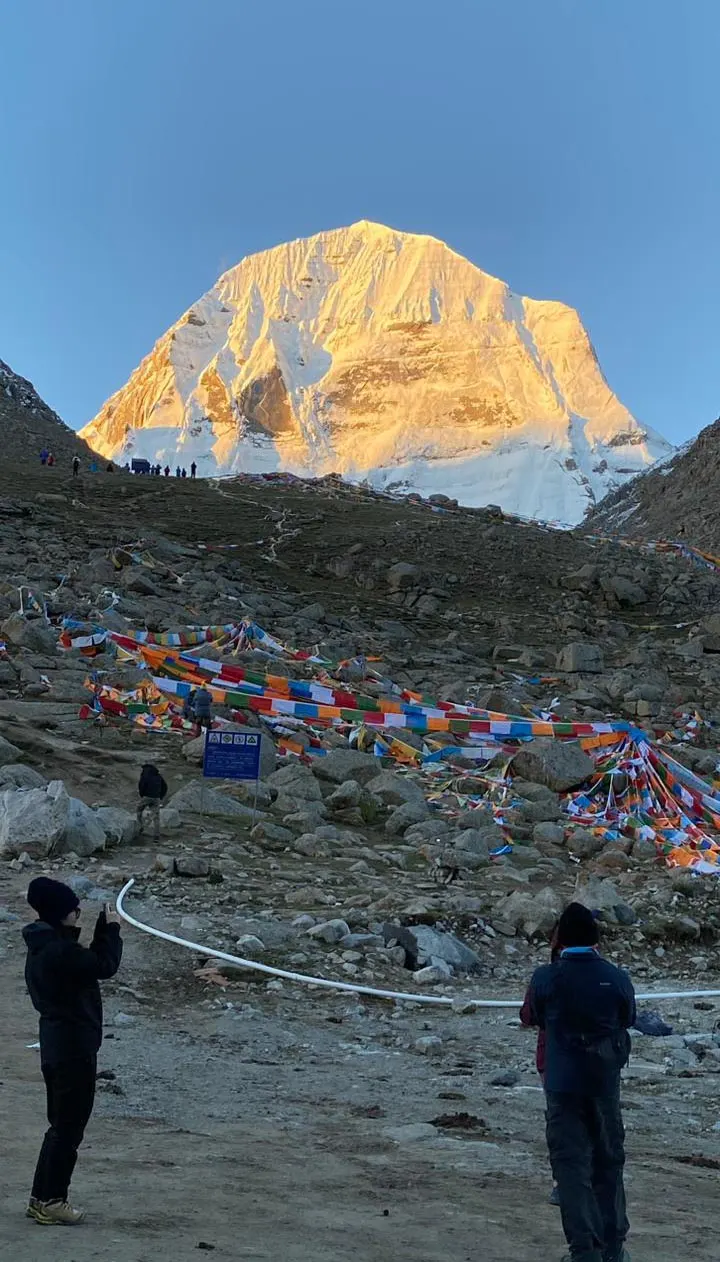
How High is Mount Kailash?
Mount Kailash stands tall at 6,638 meters (21,778 feet) above sea level. While the mountain is unclimbed and sacred (no one is allowed to ascend), pilgrims undertake a 52 km circumambulation (Kora/Parikrama) around the mountain.
The highest point of the trek is the Dolma La Pass (5,630 meters / 18,471 feet)-a spiritually significant and physically demanding point of the journey.
Accommodation during Kailash Yatra
Accommodation on this Yatra is very basic compared to Nepal treks.
-
Kathmandu (before and after the Yatra): Standard 3-star hotels with twin-sharing rooms and private bathrooms. Options for 4-star or 5-star hotels are available at extra cost.
-
On the Tibetan side: Accommodation ranges from simple guesthouses and mud houses to basic lodges and tented camps. Most rooms are dormitory-style with common washrooms.
-
Lake Mansarovar: Pilgrims usually stay in guesthouses or tents near the holy lake. Nights can be very cold.
Comfort is limited, and adjusting to modest facilities is part of the Yatra experience.
Washroom Facilities
Washroom facilities are very basic during the Yatra.
-
In Kathmandu and major towns en route, attached bathrooms are available.
-
Near Mansarovar and during Parikrama, toilets are usually common squat toilets or makeshift ones.
-
Carrying personal hygiene items like wet wipes, toilet paper, and hand sanitizers is highly recommended.
Yatra Essentials
Permits
Foreign pilgrims need special permits from the Tibet Autonomous Region (TAR) authorities. Indian pilgrims often join through the Ministry of External Affairs (MEA) or private tour operators. Required documents generally include:
-
Passport valid for at least 6 months
-
Chinese Visa and Group Travel Permit
-
Special Kailash travel authorization
Travel Insurance
Travel insurance is mandatory, covering high-altitude trekking, emergency evacuation, medical issues, and unforeseen delays.
Trekking Gear Checklist
-
Warm clothing in layers (thermal innerwear, down jacket, fleece, windproof jacket)
-
Comfortable trekking shoes
-
Walking stick / trekking poles
-
Sun hat, sunglasses, and sunscreen
-
First-aid kit and medicines for altitude sickness
-
Energy snacks, dry fruits, and hydration packs
Difficulty Level
The Kailash Mansarovar Yatra is moderately to highly difficult due to:
It requires strong physical fitness and mental preparation.
Trekking Distance
The Kailash Parikrama (Kora) covers approximately 52 km in 3 days:
-
Day 1: Darchen to Dirapuk (12 km / 6-7 hrs)
-
Day 2: Dirapuk to Zutulpuk via Dolma La Pass (22 km / 10-12 hrs)
-
Day 3: Zutulpuk to Darchen (18 km / 3-4 hrs)
Best Time for Kailash Mansarovar Yatra
The Yatra is seasonal due to extreme weather in Tibet. The best time is:
-
May to September-Clear skies, relatively stable weather, and suitable temperatures for trekking.
-
The rest of the year is too cold and dangerous due to heavy snow and blocked passes.
Safety and Health
-
Altitude sickness is the biggest risk. Always ascend gradually and take acclimatization days.
-
Stay hydrated and avoid alcohol/smoking.
-
Carry Diamox or other prescribed medicines for AMS (Acute Mountain Sickness).
-
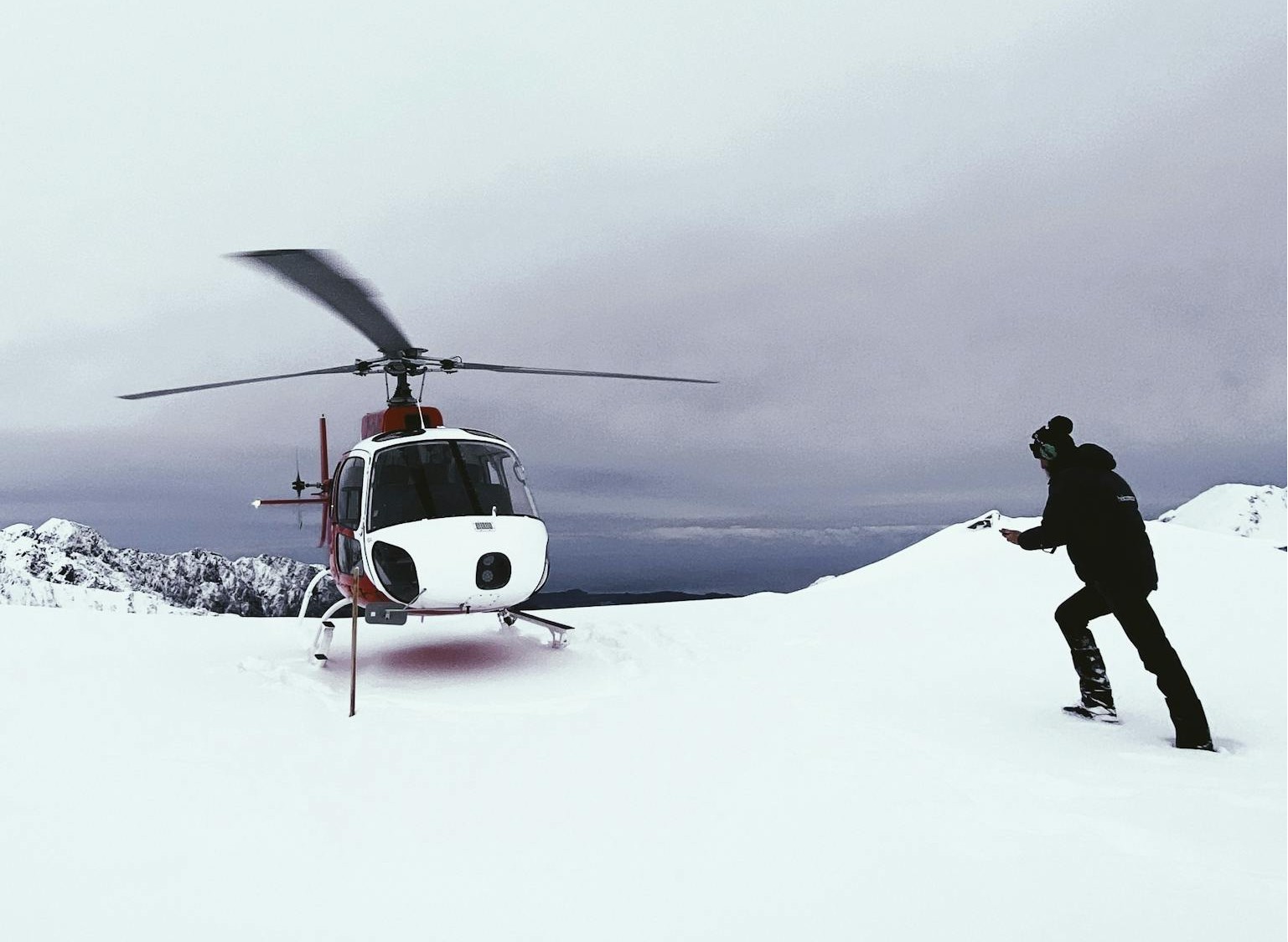
Guides are trained to assist in emergencies, and helicopter evacuation is possible but costly.
Preventing Altitude Sickness
-
Acclimatize properly in Nepal or Tibet before starting the Kora.
-
Walk slowly, breathe steadily, and rest frequently.
-
Inform your guide immediately if symptoms (headache, nausea, dizziness) appear.
-
Descend if sickness worsens.
Internet and Connectivity
-
In Nepal, good internet facilities are available.
-
In Tibet, connectivity is limited. Some guest houses may provide weak Wifi, but you should not rely on it.
-
Carry a local SIM card (Chinese SIM with data) if available through operators.
Routes to Kailash Mansarovar
There are multiple routes to reach Mount Kailash:
-
Nepal Route (via Kathmandu and Kerung border): Most popular, combining both road and trek.
-
Lipulekh Pass (Uttarakhand, India): Government-organized route with trekking involved.
-
Nathu La Pass (Sikkim, India): Easier route with more driving, but limited slots.
-
Helicopter Route (via Simikot, Hilsa, and Taklakot): Shorter and faster option, popular with those who have less time.
Baggage and Weight Limit
-
Flights/Helicopter routes usually allow 15-20 kg baggage.
-
Extra weight incurs additional cost.
-
Pack light with essential clothing and gear only.
Charging Gadgets
-
Electricity is available in some guesthouses.
-
Carry power banks and solar chargers for remote areas.
-
Bring universal adapters (C and D type).
Food during Yatra
Food is simple and vegetarian due to the sacred nature of the Yatra. Meals include:
-
Rice, lentils, chapati, noodles, potatoes, and soups.
-
Dry fruits, energy bars, and instant foods are useful to carry.
-
Hot tea and soup are commonly served in teahouses.
Cost of Kailash Mansarovar Yatra
The Yatra cost depends on the route and facilities chosen.
-
Standard Overland Package (via Nepal): USD 2,000 – 2,500 per person
-
Helicopter Package (via Simikot): USD 3,500 – 4,500 per person
-
Luxury Package: Higher, depending on customization
Yatra Packages
-
Standard Kailash Yatra: 12–14 days including road travel, Parikrama, and Mansarovar visit.
-
Luxury Heli Yatra: 9–10 days, combining helicopter rides with road sections.
-
Inner Kora Yatra: A more challenging version for highly spiritual seekers, covering inner circuits.
Training for Kailash Mansarovar Yatra
You need good physical and mental preparation. Suggested training:
-
Cardio (jogging, brisk walking, cycling, stair climbing)
-
Strength training (legs and core)
-
Breathing exercises and yoga
-
Practice hiking with a backpack
Start training at least 2-3 months in advance.
Beginner’s Guide to Kailash Mansarovar
-
It’s not just a trek, it’s a spiritual journey.
-
Expect basic facilities, high altitude, and physical challenges.
-
Travel light but be fully equipped.
-
Prepare physically and mentally for long walks and limited comforts.
-
Keep faith, patience, and devotion -the journey is as important as the destination.










 call an expert at: