
Zutulpuk Monastery: The Final Sacred Pause of the Kailash Kora
 Amrit K. Aryal
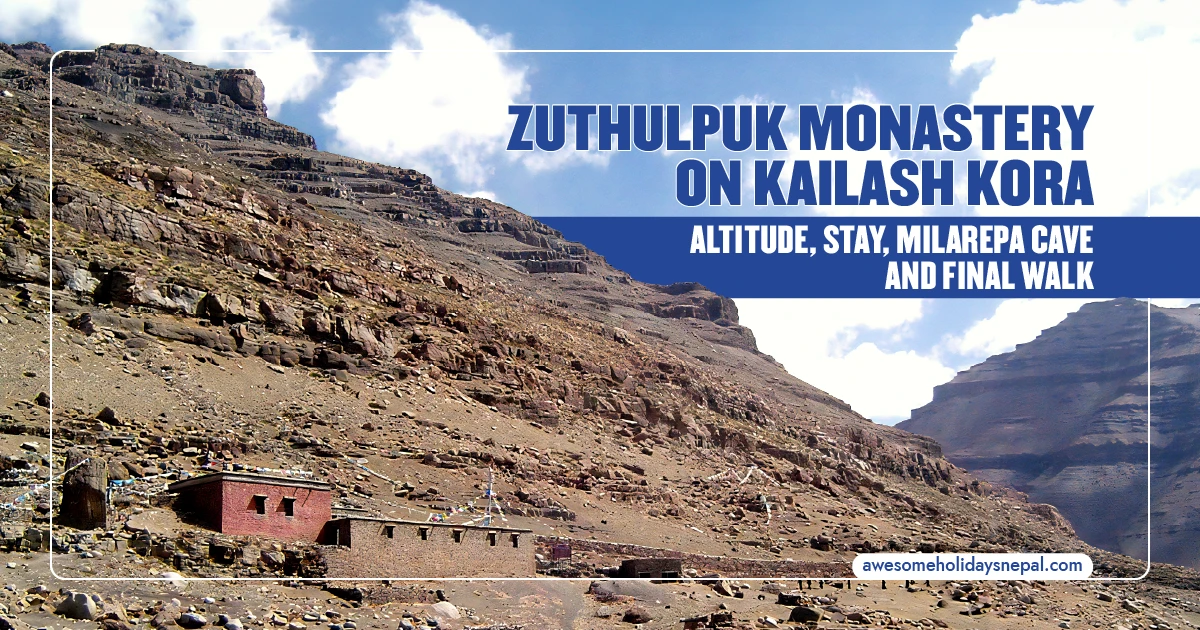
On the second day of Kailash Kora, after crossing the Dolma La Pass, you reach Zutulpuk monastery. The monastery sits quietly, almost hidden in the folds of the Himalayas, and you reach there to rest after walking for hours on the day. This place becomes an oasis in the cold desert of the mountains.
Zutulpuk Monastery, often written as zuthulphuk or zutulpuk, is one of those monasteries around Mount Kailash. The place serves as the final resting point of the outer kora, the place where your physical exhaustion meets a strange kind of inner stillness. By the time you reach here, something in you has already changed. You don’t fully realize it yet.
Where does Zutulpuk Monastery Lie?
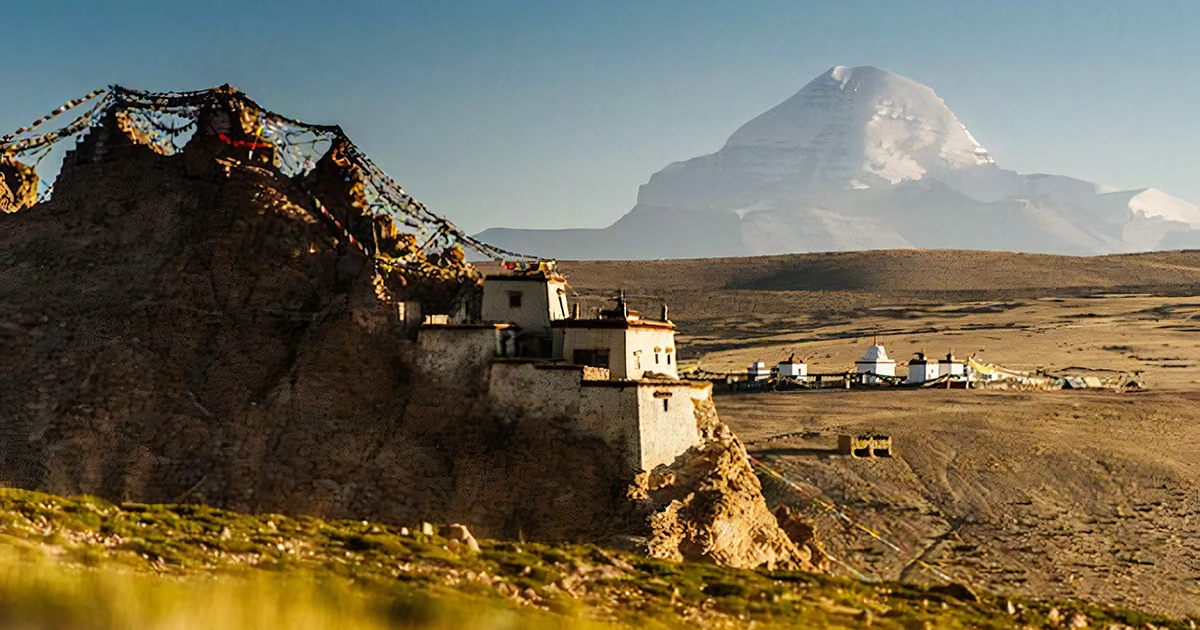
The sacred Zutulpuk Monastery rests on the eastern side of Mount Kailash, at an altitude of approximately 4,790 meters. It is the third and last monastery encountered during the outer Kailash kora, after visiting Choku Monastery and Dirapuk Monastery. The location of this monastery is not just geographical; it is emotional and almost symbolic.
The journey you take from your home to Kathmandu and all the way to Tibet. Reaching here is what gives it meaning on the second day. Pilgrims typically arrive after completing one of the most demanding stretches of the entire kora. The trek from Dirapuk to Zuthulpuk is a long journey that spans nearly 22–24 kilometers, crossing the sacred and physically intense Dolma La Pass, over 5,600 meters.
Descending through rocky terrain and glacial paths
After crossing the Dolma La Pass, your descent to the Zutulpuk monastery is one of the most exciting moments for pilgrims. This is not just a trekking day. It is a test of breath, endurance, and belief in you towards the altitude.
Once you descend off the Dolma LA Pass, you first witness the Gauri Kunda, and after walking for some hours, the valley finally opens up slightly with the Zutulpuk monastery appearing softly. The monastery seems to be smiling at you as if the monastery has been waiting for you for ages.
What is the Meaning of Zutulpuk?
At the heart of Zutulpuk Monastery lies the legendary Cave, believed to relate to Milarepa. The legends say that the name Zutulpuk translates to “Cave of Miracles”. It is clearly seen that the name comes from deep-rooted spiritual narratives. This monastery is found to relate to Milarepa, the tantric yogi in Tibetan Buddhism.
Unlike grand monasteries built for ceremonies, this Zutulpuk monastery feels personally made for meditation. It is a place of practice, of solitude, of direct experience. This is a kind of place where spirituality is not performed; it is lived through every day during the Kora.
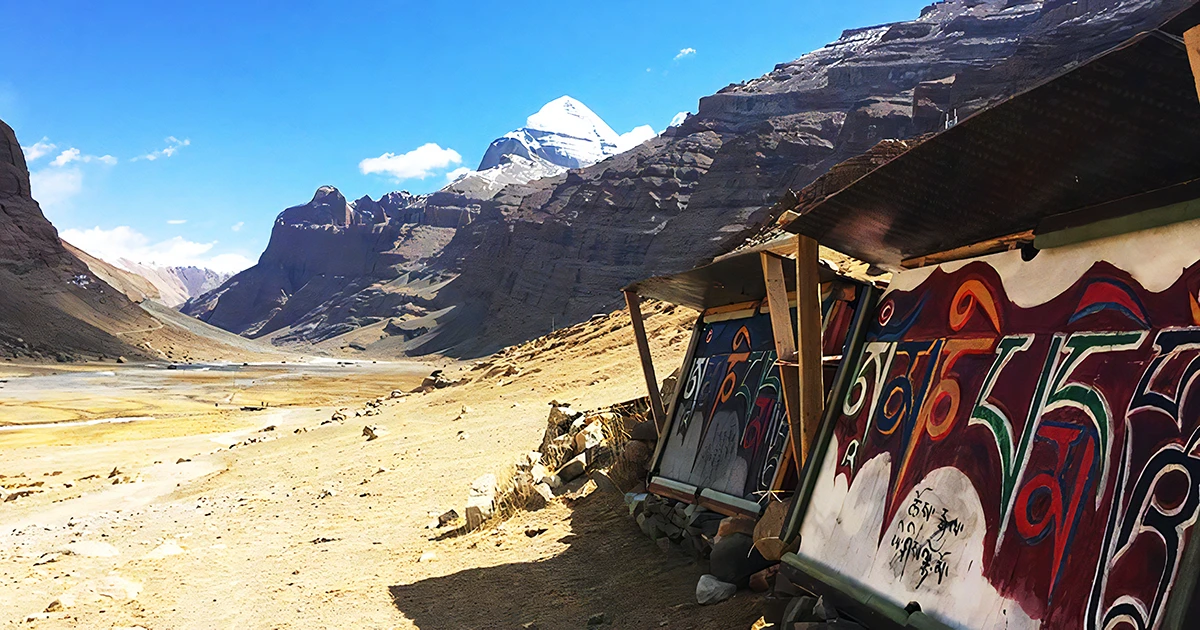
According to Tibetan Buddhist tradition, Milarepa meditated here during his residence in the Kailash region. Inside the cave, pilgrims can see impressions, believed to be his handprints and footprints. The unique pattern of rock formations is said to have softened under his touch. One can still see the meditation space that still carries a distinct, almost palpable silence.
Apart from Milarepa, there is one more powerful legend associated with this place. Legends say that Milarepa had a spiritual contest with a Bon practitioner named Naro Bonchung. People believe that they had a race to reach the peak of Mount Kailash. Milaprea, with his spiritual and Tantric power, climbed the rays of light and reached the peak, winning the race.
The story speaks of a deeper transformation in the region, where Buddhism began to establish itself as a deeper and stronger religion in the region. Most people can feel the energetic vibe inside the cave.
Dirapuk to Zuthulpuk: The Most Demanding Day of the Kora
The journey from Dirapuk to Zuthulpuk is often described as the hardest and most important day of the Kailash Kora. It begins early, usually before sunrise. The air is thin, you can still feel the pain in the body from the previous day, and yet the most challenging part still lies ahead.

The climb toward Dolma La Pass is steep and relentless, so that every step feels heavier than the last. Breathing becomes effort. Thoughts slow down. And somewhere along that climb, something shifts. People often say that crossing Dolma La is like leaving behind an old version of yourself.
After reaching the top of Dolma La Pass, marked with prayer flags and sacred offerings, the real descent begins. This descent is physically tricky, with loose and slippery rocks, icy patches, and glacial streams. But, as you reach the Zutulpuk valley, the monastery eventually welcomes you.
Zuthulpuk vs Dirapuk: Two Different Energies
First-time trekkers often compare the experiences of Zuthulpuk and Dirapuk. The experience is different, but these two monasteries serve completely different purposes.
Dirapuk Monastery
The Dirapuk Monastery is located at a higher altitude, at around 5,200m. It offers dramatic, close-up views of the north face of Mount Kailash. The path feels raw, powerful, and almost overwhelming for non-religious, religious, and spiritual pilgrims.
Zutulpuk Monastery:
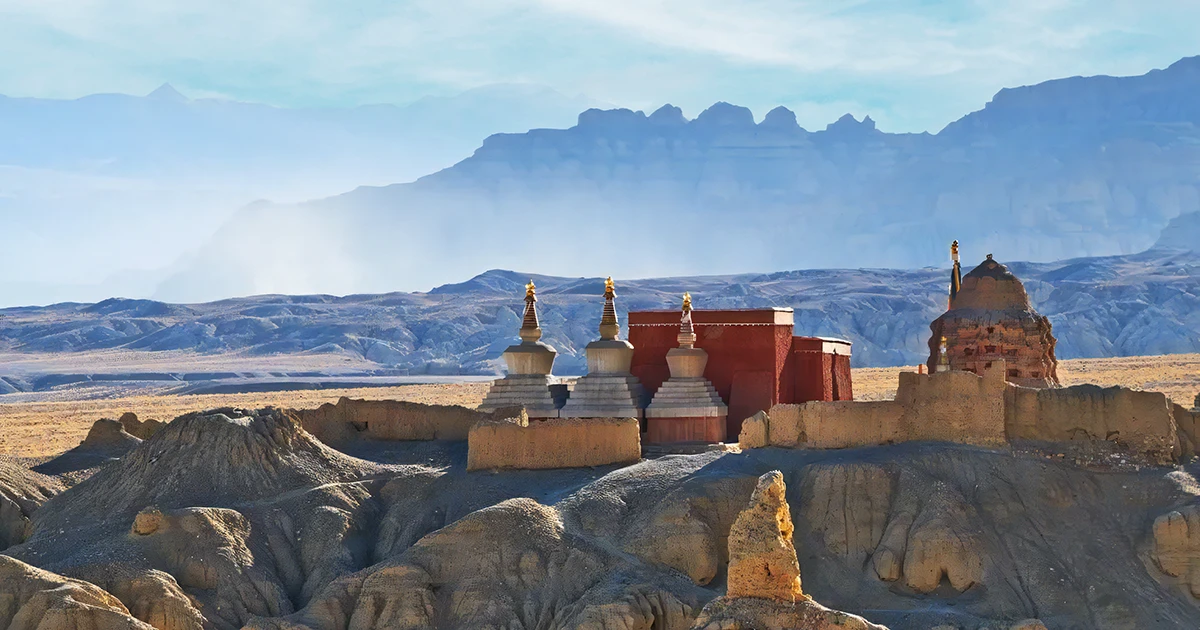
The Zutulpuk Monastery is situated at a lower altitude of around 4,790m, making it easier for the body and mind. The monastery is surrounded by a gentler valley landscape, giving a calmer and more introspective feeling.
We can say that the Dirapuk confronts you and prepares for the upcoming height of Dolma La, and Zutulpuk receives you and heals you.
Can You Stay at Zutulpuk Monastery?
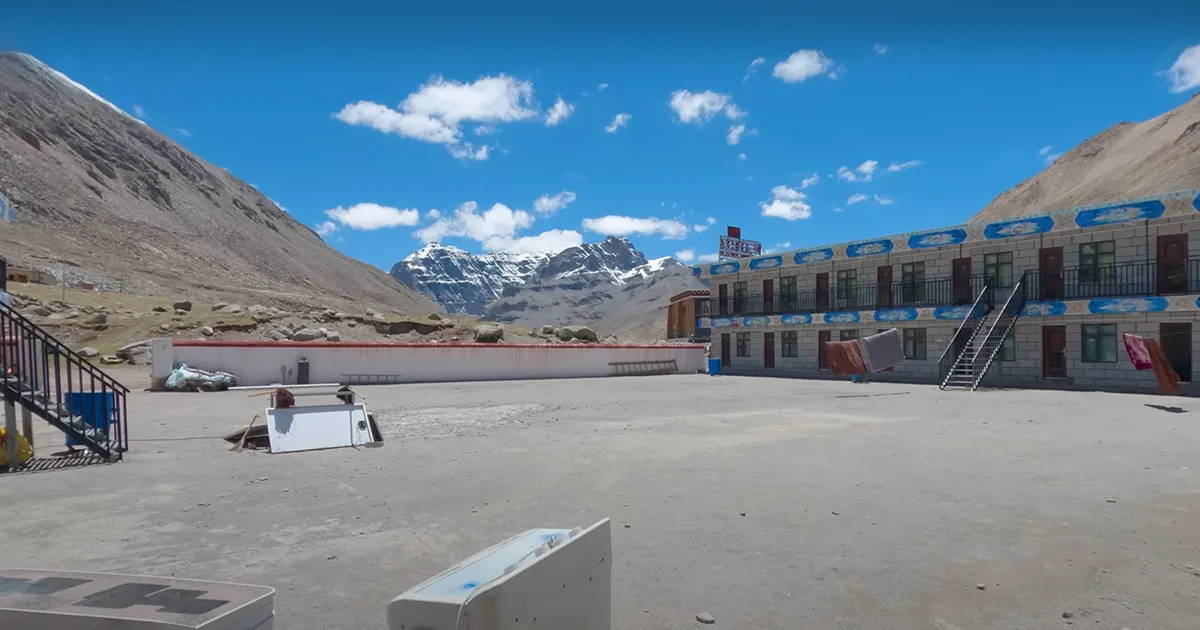
The answer is yes, but with simple expectations. There are some smaller hotels and teahouses at Zuthulpuk. The teahouses around Zuthulpuk Monastery provide pilgrims with simple food and accommodation to spend the night.
Guesthouse Experience
There are basic guesthouses near Zutulpuk Monastery, where pilgrims spend their final night of the kora. These are not the sophisticated hotels available in Darchen or Saga city. The dormitory-style rooms have limited bedding.
So, carrying your own sleeping bag is highly recommended, especially during winter. Attached bathrooms are not available around Zutulphuk or Dirapuk. The toilets are simple and have very basic toilet facilities.
The foods are also very simple and have limited options, such as instant noodles, rice, simple vegetable dishes, and the traditional Tibetan butter tea. Click this link for more on foods on the route to Kailash.
Zuthulpuk Monastery Altitude and Altitude Sickness
Even though Zutulpuk is at a lower elevation than Dirapuk, the altitude of around 4,790 meters is still not free from the risk of altitude sickness. As you reach high altitude, you must consider some changes in your body. Your body is already fatigued, and some of the muscles might have pain from previous walking. The air is thin, and oxygen levels drop significantly.
Another important thing to consider at high altitude is that dehydration from the previous day can affect the entire walking experience. Some of the common symptoms might include headache, mild dizziness, fatigue, and loss of appetite. Here, the best way to avoid complications is to drink water, not all at once but sip by sip.
Zuthulpuk Monastery Permits and Travel Access
Reaching Zutulpuk Monastery is not possible through independent travel. The trek to Zutulphuk is not an isolated trek but a part of the entire Kailash Mansarovar Yatra package. For this, you need
- Tibet Travel Permit
- Alien Travel Permit
- Special permits for the Kailash region
These are applied and arranged through authorized tour operators in Nepal as a part of a structured Kailash Mansarovar Yatra.
Conclusion: The Quiet Completion of a Sacred Journey
The final walk from Zutulpuk Monastery to Darchen, after the long silence of high-altitude struggle, this last stretch feels almost ordinary on the surface. The final walk from Zutulphuk is mixed with the pain of walking and the happiness of completing the Kora. You are no longer walking with the same urgency, and you do not need to prove yourself.
No rush, no grief, just the feeling of accomplishment. Just a subtle, undeniable realization—you have completed something that cannot be measured only in distance or days. Zutulpuk does not stay in your memory as a destination you visited. It stays as something you felt… and never quite left behind.
FAQs
Expand AllWhat is Zuthulpuk Monastery?
Zutulpuk Monastery is one of the sacred monasteries around Mount Kailash, often serving as the accommodating spot on the second day of the outer Kailash Kora. This monastery is associated with the meditation culture along with the Milarepa Cave.
Where is Zuthulpuk Monastery located?
The Zuthulpuk monastery is located on the eastern side of Mount Kailash, on the outer kora. This monastery is reached on the second day after crossing the Dolma La Pass.
Is Zuthulpuk on the outer Kora or inner Kora?
Yes. Zuthulpuk Monastery is a part of the outer Kaialsh Kora that is reached on the second day of the kora.
When do pilgrims usually reach Zuthulpuk?
Pilgrims during the outer kora usually reach Zuthulpuk on the second day, if the weather remains clear.
Is Zuthulpuk the final lodge point on the Kora?
Yes, it is the final rest spot for the Kailash outer kora. After spending the night here, people head for Darchen.
What is the altitude of Zuthulpuk Monastery?
The altitude of Zuthulpuk Monastery is approximately 4,790 meters (15,715 feet) above sea level.
How long is the final walk from Zuthulpuk to Darchen?
The final walk from Zutulphu to Darchen is around 3 to 5 hours, depending on pace and weather conditions.
How far is Zuthulpuk from Darchen?
The distance from Zuthulpuk Monastery to Darchen is around 12 to 14 kilometers.
Why is Zuthulpuk Monastery important?
Zuthulpuk Monastery is significant for both spiritual and meditative rituals. Spiritually, it is linked to Tantrik Guru Milarepa.
What is the Milarepa connection at Zuthulpuk?
Milarepa was a famous Buddhist Tantrik Guru known to meditate at Zuthulpuk. This palace has an ancient cave known as Milarepa Cave. Pilgrims visit this cave to see symbolic imprints and to connect with his legacy of spiritual discipline.
Should the Milarepa story be presented as verified history?
The legends describe Milarepa as a Buddhist Teacher of the 11th century. His story is best understood as a spiritual tradition and sacred narrative, rather than strictly verified historical fact.
Is there a fully verified founding year for the monastery?
The monastery is believed to be formed in the 13th century with renovations in later periods.
What can visitors usually see at Zuthulpuk?
Zuthulpuk is famous for over night accommodation, exploring the Milarepa meditation cave, observe interior halls with Buddhist imagery and thangkas and feel the Tibetan spiritual life.
Is accommodation at Zuthulpuk basic?
Yes, the accommodation and food facilities in the Zuthulpuk Monasteryare very basic, designed for pilgrims rather than comfort-focused travelers.
What are the toilet conditions like?
The toilet facilities in the mountainous region are extremely basic, often shared and without modern sanitation standards.
Is food easy to find at Zuthulpuk?
There are some tea houses with limited supplies and basic foods such as noodles, rice, and tea.
Is Zuthulpuk lower than Dirapuk?
Yes, Zuthulpuk is lower than Dirapuk, making it slightly easier for acclimatization, though still at high altitude.
Related blog posts
Discover a choice of tourist destinations loved by most of our visitors. Whether you're on a jungle safari to spot rare animals or walking through a world heritage site, these well-planned itineraries cover the major highlights of Nepal.


 call an expert at: