
Why People Quit the Everest Base Camp Trek Midway

 Sristi Adhikari
Why people quit Everest Base Camp Trek midway is the most asked question among trekkers, despite the months of planning and preparation. The EBC trek is a dream of every adventure enthusiast, and every year, thousands of trekkers walk in the footsteps of legendary climbers Sir Tenzing Norgay and Edmund Hillary.
However, many of them fail to reach the base of Mount Everest and return midway due to various reasons, such as unpredictable weather conditions, altitude sickness, poor acclimatisation, and dehydration. EBC trek demands physical, mental, and logistical training and preparation, whether you are a first-time trekker or an experienced one.
Let’s break down in detail the reason behind the Everest base camp failure rate and what causes trekkers to quit in the middle of the journey:
Reality of the Everest Base Camp Trek Failure Rate
Every year, about 20-30% of trekkers can’t complete their trek to EBC, even though it is not a technical climb. When trekkers reach Namche Bazaar and Dingboche or Lobuche, they start to suffer from altitude sickness, and fatigue makes them feel weak, lethargic, and lose motivation, so they tend to quit between these regions.

The trek to EBC is not impossible, but it is very demanding, and it needs proper physical and mental preparation along with the support of a good mentor or guides. If you are also planning for the EBC trek and are searching for experienced and certified guides, our Awesome Holidays Nepal guides are there for you. Don’t forget to contact us to plan a trek with us.
Altitude Sickness
Altitude sickness is the common reason why people quit Everest Base Camp Trek midway. The trek to EBC takes you to an altitude of 5,634 meters above sea level, where the oxygen level drops nearly to 50%.
Trekkers start to feel early symptoms from Namche Bazaar, such as headache, nausea, vomiting, dizziness, loss of appetite, and fatigue. When these early symptoms are not addressed, the condition may lead to life threatening situation, HAPE or HACE. Descending is the safe option for trekkers.
Poor Physical Fitness
The EBC trekking is not a technical climb, but it demands strong physical health and endurance. Trekkers underestimate that the journey to EBC can be reached with regular walking, but it is quite far from it and demands a long, early training.
The trek requires walking continuously for 5 to 8 hours with frequent breaks, and the trekking trails are full of steepy ascent and descents. Also, trekkers have to walk with a heavy backpack, which requires strong leg strength and stamina.
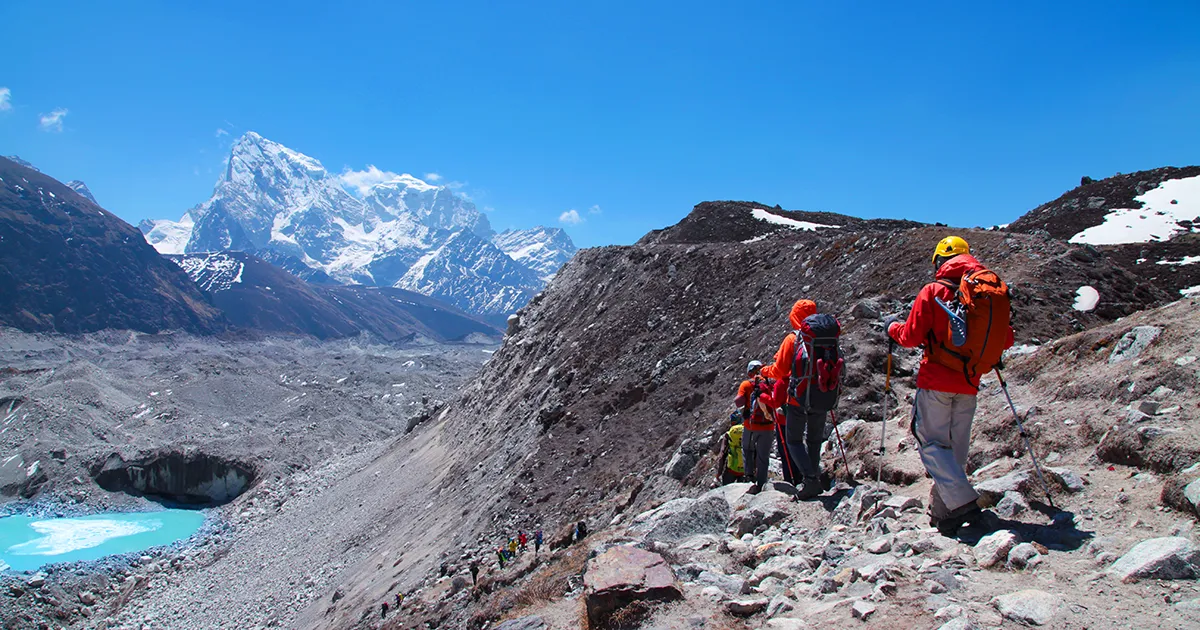
Most of the people couldn’t walk due to poor physical fitness and proper training, got tired and drained faster, and failed the EBC trek midway.
Mental Fatigue and Motivation Loss
Some trekkers realised that they don’t have the motivation to walk further due to mental fatigue, which is the most surprising reason why trekkers turn back from Everest Base Camp. The trek to EBC is multiple week trek, and trekkers have to repeat the routine of eating, walking, and sleeping from the start of the trek to the end of the trek.
Some feel that they are not enjoying the trek, and it is becoming hard to adjust to a cold environment with the basic and limited comfort of teahouses. They start to feel homesick as their expectation couldn’t be met, leading to mental exhaustion.
Illness and Injury
When trekking at high altitude, you have to be careful with a minor illness, as it can derail the journey. There is limited access to medical facilities, and common issues like stomach infection, cold, flu, knee injuries, and ankle sprains can make you quit the journey in the middle.
Extreme Weather
Extreme weather is the most underestimated factor of the Everest Base Camp trek, which leads Everest Base Camp trek quit midway. Trekking to the Himalaya of EBC is filled with unpredictable weather conditions, like anytime you may have to deal with Snowstorms, high winds, or extreme cold.
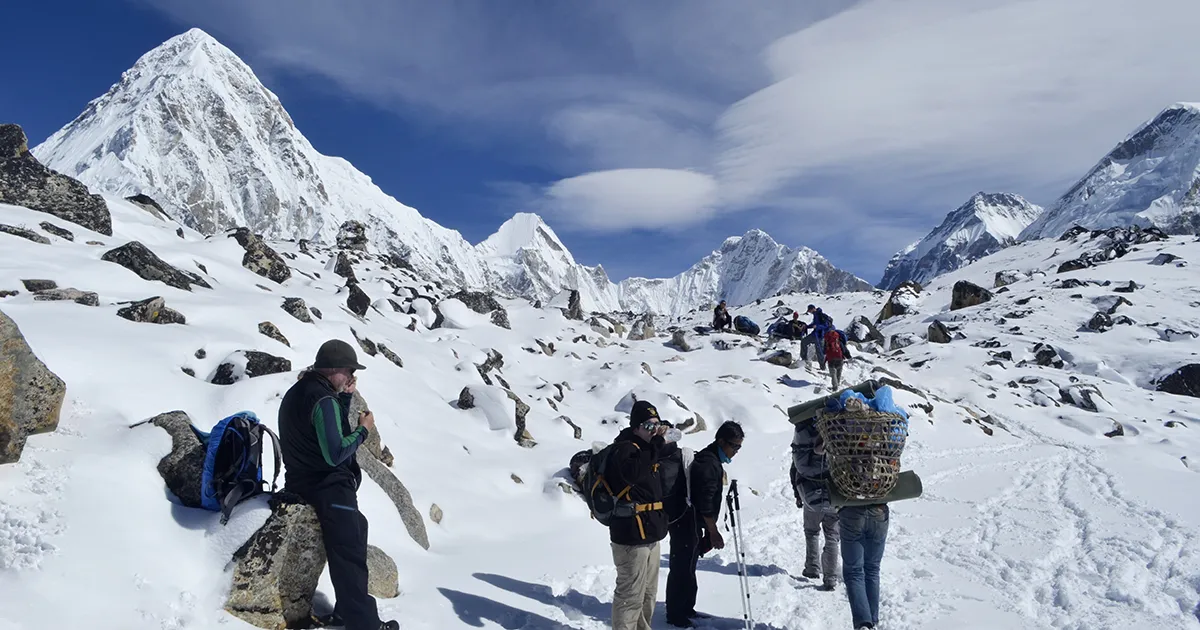
Most of the trekkers are not informed about the extreme weather by their trekking agency, and struggle with gear management. Without warm layers, sleeping bags, and boots, their further journey becomes more uncomfortable,e and they have to quit the trek midway.
Poor Acclimatisation Planning
Trekkers rushed their itinerary because they thought that walking faster would help them to complete the trek faster. But it is not like that; poor acclimatisation planning or skipping acclimatisation days makes your body to adjust to higher altitudes and low oxygen levels.
The rushed planning of EBC without any buffer days increases the Everest Base Camp Failure rate.
Unrealistic Expectation
Trekkers imagine that there would be luxury facilities, trails would be easier, along with the dramatic views of mountains and greenery, but the reality is quite different. They have to share a basic teahouses accomodation with fellow trekkers and have to compromise in bathrooms also.
The limited food options and longer hours of walking drop their motivation to reach the base of the tallest mountain in the world. When trekkers know about the reality behind the social media-tempting pictures and videos, disappointment hits very hard, and it makes them turn back from the EBC trek in the middle.
Tips to Avoid the EBC Trek Failure Rate
The Everest Base Camp trek is challenging, and its failure is preventable if you follow these tips:
- At least add 2 acclimatisation days, one in Namche Bazaar and the other in Dingboche.
- Follow the “Climb High Sleep Low” principle.
- Train properly for more stamina and practice doing cardio, leg strength, and focus on endurance.
- Follow the slow pace to avoid fatigue and altitue related issues.

- Drink at least 3 to 4 litres of water daily with full 3-meal meals.
- Pack every essential gear like a down jacket, a quality sleeping bag, waterproof, broken-in boots, and a proper layering system.
- Always listen to your body’s demands, such as resting when you feel tired, eating snacks to satisfy your hunger, respecting minor pain and body illness.
- Plan with a registered and certified trekking and tour operator like Awesome Holidays Nepal.
Final Thoughts: Why People Quit Everest Base Camp Trek
The success rate of the Everest Base Camp depends on patience and enough physical and mental preparation. Those who have completed the EBC trek aren’t the ones who walk faster or are the strongest, but they are the ones who prioritised the acclimatisation, started to train for the trek 2 to 3 months before the actual trek, while carrying the heavy backpack, buying or renting the proper and essential gear.
Also, they respected their body’s demands well and listened to the guide’s direction, along with drinking 2 to 3 litres of water daily and eating three full meals. Understanding why people quit Everest Base Camp trek thoroughly and preparing and planning the trek well with a licensed trekking company like Awesome Holidays Nepal helps you complete this beautiful trek to the Himalayas. Everest Base Camp trek is challenging, but quitting is optional.
FAQs
Expand AllHow many people quit the Everest Base Camp trek?
About 20-30% of people quit the Everest Base Camp trek.
What is the success rate of Everest Base Camp trek in 2025-2026?
Approximately 80-90% of trekkers successfully reach Everest Base Camp when properly acclimatized.
Is Everest Base Camp trek harder than expected?
Yes, the Everest Base Camp trek is harder than expected.
At what point do most people quit EBC trek?
When people suffer from altitude sickness and become mentally and physically tired, they couldn’t walk further and quit.
Can you do Everest Base Camp without training?
No, you can’t do Everest Base Camp without training.
How common is altitude sickness on EBC trek?
Altitude sickness is very common on the EBC trek.
What happens if you get sick on Everest Base Camp trek?
If you become sick, you are more likely to suffer from altitude sickness on the Everest Base Camp trek.
Is 50 too old for Everest Base Camp trek?
No, 50 is not too old for the Everest Base Camp trek.
Why do people turn back at Dingboche?
Dingboche is located at an elevation of 4,410m, and after reaching there, many people either lose their motivation or become physically drained, so they turn back at Dingboche.
How fit do you need to be for Everest Base Camp 2026?
You need to have moderate-to-good fitness for Everest Base Camp 2026.
What is the dropout rate for Everest Base Camp trek?
The dropout rate for the Everest Base Camp trek is not official, but it is estimated to be 20-30 %.
Can beginners complete Everest Base Camp trek?
Yes, beginners can complete the Everest Base Camp trek with good physical fitness, proper training (cardio/endurance), and gradual acclimatization.
Is Everest Base Camp trek dangerous?
No, the Everest Base Camp trek is not dangerous, but be careful with Altitude Sickness (AMS), Physical Strain, Weather, and Khumbu Cough.
How many days rest needed for EBC altitude?
At least two rest days are needed for EBC altitude.
Why is Lobuche to Gorak Shep the hardest day?
Lobuche to Gorak Shep is the hardest day because of rugged, rocky terrain over glacial moraines at high altitude above 5,000m.
Do people quit EBC because of the toilets?
No, people donot quit EBC because of the toilets.
What is the real difficulty of Everest Base Camp trek?
The real difficulty of the Everest Base Camp trek is extreme High Altitude, terrain, Terrain & Duration, and unpredictable Weather.
How much does it cost to helicopter out of EBC trek?
It costs around $31000 per person with us if you book heli trek package with us.
Is it common to fail Everest Base Camp trek?
No, it is not common to fail the Everest Base Camp trek.
When is the worst month for altitude sickness on EBC?
January and February are the worst months for altitude sickness on EBC.
Can you trek EBC with asthma or heart issues?
Trek to EBC with asthma or heart issues can be completed with prior preparation.
Why do luxury EBC treks still have high quit rates?
Luxury EBC treks still have high quit rates because altitude sickness is a very common factor that makes you quit.
How many hours a day do you walk on EBC trek?
You have to walk 5 to 8 hours a day on EBC trek.
Is the Everest Base Camp trek overcrowded in 2026?
Yes, in peak seasons like Spring and Autumn, the Everest Base Camp trek will be overcrowded in 2026.
What training mistakes cause people to quit EBC?
Lack of proper preparation for high-altitude and endurance-based hiking makes people quit EBC.
Related blog posts
Discover a choice of tourist destinations loved by most of our visitors. Whether you're on a jungle safari to spot rare animals or walking through a world heritage site, these well-planned itineraries cover the major highlights of Nepal.



 call an expert at: