
Why Is Nepal Prone to Earthquakes? The Science Behind Frequent Tremors
 Sujata Pokhrel
Nepal is no stranger to the ground shaking beneath its feet. From small tremors that barely register to devastating quakes that reshape entire communities, seismic activity is a part of life here. But why is Nepal prone to earthquakes in the first place?
The answer lies deep beneath the surface, in powerful geological forces that have been shaping the region for millions of years. Understanding these forces doesn’t just satisfy curiosity. It helps explain the risks, the patterns, and why preparedness matters so much for anyone living in or visiting Nepal
Nepal’s Geographical Location
Nepal sits in a very unique and fragile position on the world map. Tucked between India to the south and China to the north, it lies directly along one of the most active seismic zones on Earth: the Himalayan seismic belt.
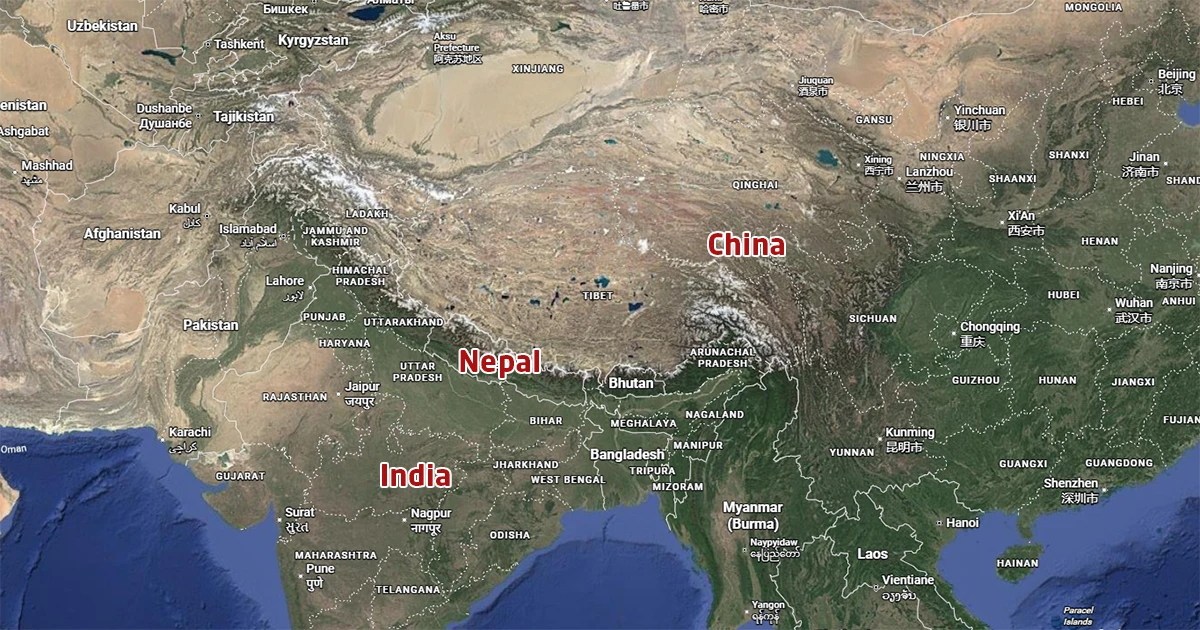
This region isn’t just mountainous, it’s geologically alive. The towering Himalayas are not static formations; they are still rising, slowly but continuously. That upward push is a visible sign of immense pressure building beneath the Earth’s crust.
Because Nepal sits right in the middle of this zone, it experiences the direct impact of that pressure, making earthquakes both frequent and, at times, severe.
Actual Science Behind Earthquakes
At their core, earthquakes are about energy specifically, energy that has nowhere to go until it suddenly does.
The Earth’s outer layer is divided into massive slabs called tectonic plates. These plates are constantly moving, though very slowly, often just a few centimeters per year. This movement is explained by the Theory of Plate Tectonics.
When these plates interact, they don’t always glide smoothly. Sometimes they get stuck due to friction. Over time, stress builds up along these locked sections, known as faults. Eventually, the pressure becomes too great, and the plates suddenly slip past each other. That sudden release of energy travels through the Earth as seismic waves, what we feel as an earthquake.
In Nepal, this process is not occasional, it’s ongoing and intense.
The Collision of Two Giant Plates
To understand Nepal’s earthquakes, you have to look at a massive geological collision that is still happening today.
The Indian Plate is slowly moving northward and pushing into the Eurasian Plate. This isn’t a gentle meeting, it’s a powerful, continuous crash that began around 50 million years ago.
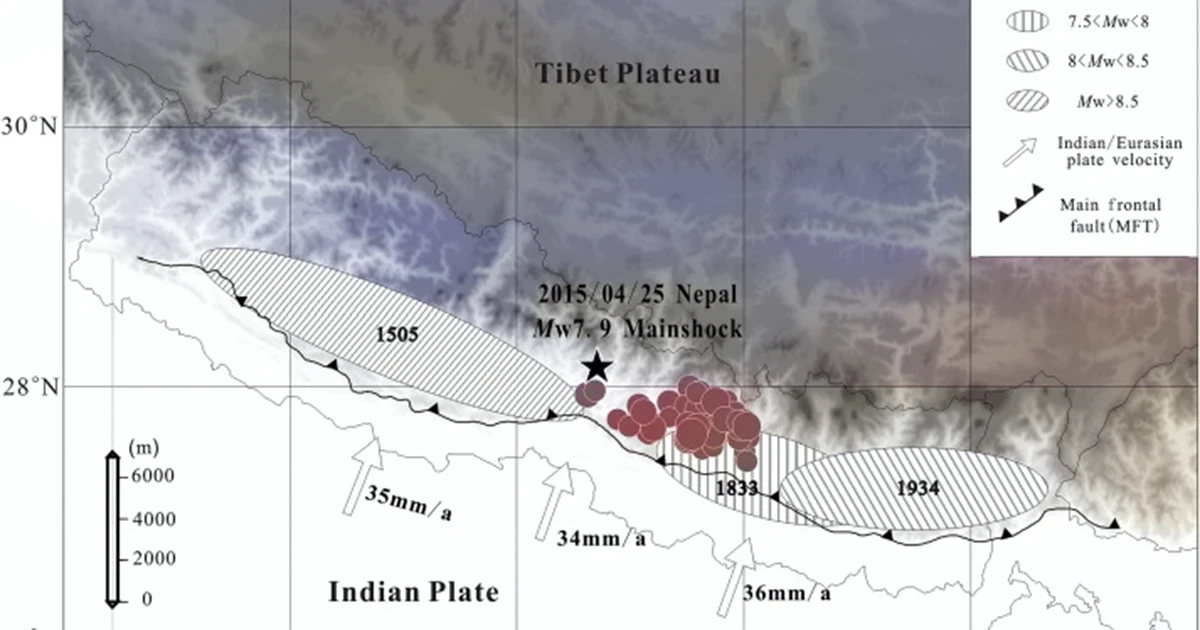
Instead of one plate sliding beneath the other easily, the crust in this region crumples and thickens. This process created the Himalayas, but it also created a dangerous situation underground, as the plates are still moving. This movement is not smooth and the stress keeps building along fault lines.
These fault lines periodically release energy in the form of earthquakes. In simple terms, Nepal sits right on top of a slow-motion collision zone.
Why is Nepal Prone to Earthquakes: The Actual Reason Behind It
There isn’t just one single factor lies beneath such frequent earthquakes in Nepal. There are several factors working together which are mentioned below:
- Continuous Plate Movement: The Indian Plate continues to push north at a steady rate. This constant motion ensures that stress is always building beneath Nepal.
- Locked Fault Zones: In many areas, the plates don’t slide smoothly. They get “locked,” allowing pressure to accumulate for years or even centuries before releasing suddenly.
- Shallow Earthquakes: Many earthquakes in Nepal originate relatively close to the surface. Shallow quakes tend to cause stronger shaking and more damage.
- Aftershocks and Seismic Cycles: Large earthquakes are often followed by numerous aftershocks. These are smaller adjustments in the crust as it settles into a new position.
Looking Back at Nepal’s Earthquake History
Nepal’s past offers a clear reminder of its seismic reality. Several major earthquakes have shaped the country’s history:
- 1934 Bihar–Nepal Earthquake: One of the most destructive in the region, causing widespread damage in both Nepal and India.
- 1988 Udayapur Earthquake: A reminder that even moderate earthquakes can have serious consequences.
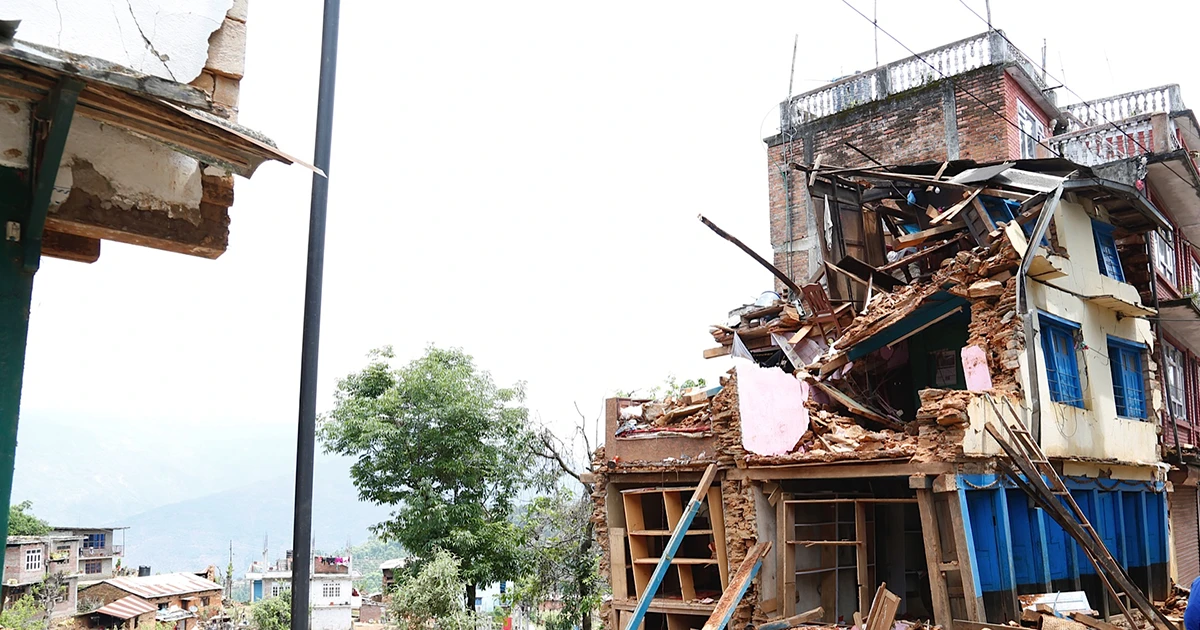
- 2015 Gorkha earthquake: Perhaps the most well-known in recent memory, this quake caused massive loss of life, destroyed heritage sites, and triggered avalanches in the Himalayas.
These events are not isolated incidents. They are part of a long seismic pattern driven by the same underlying geological forces.
What Causes Nepal’s Earthquake To Be So Destructive?
Not all earthquakes cause the same level of damage. In Nepal, several factors make their impact more severe:
Dense Population in Vulnerable Areas
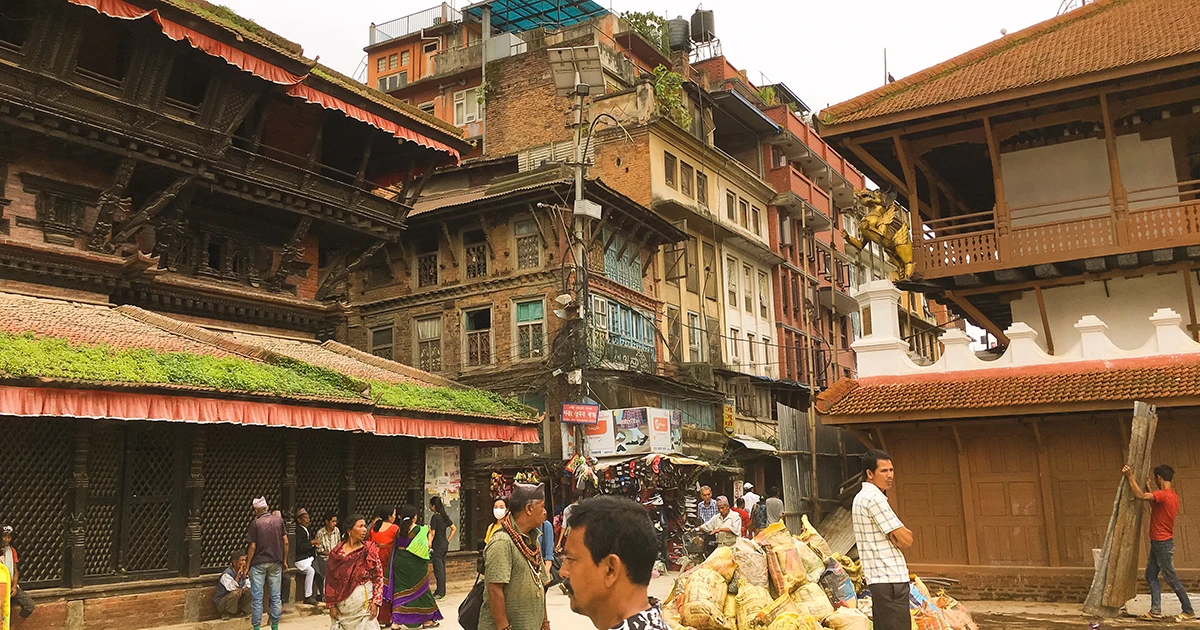
Cities like Kathmandu are densely populated, with many structures built close together, increasing risk during strong shaking.
Building Construction Challenges
Older buildings and those not designed with earthquake resistance in mind are particularly vulnerable to collapse.
Mountainous Terrain
Nepal’s steep landscapes make it prone to landslides, which are often triggered by earthquakes and can be just as deadly.
Limited Accessibility
Remote villages in mountainous areas can be difficult to reach, slowing rescue and relief efforts after a disaster.
Cultural Heritage Structures
Many historical monuments, temples, and traditional homes are not built to withstand seismic activity, making them especially at risk.
Nepal’s Preparation for Future Earthquakes
While earthquakes cannot be prevented, their impact can be reduced and Nepal has been taking steps in that direction.
Improved Building Codes
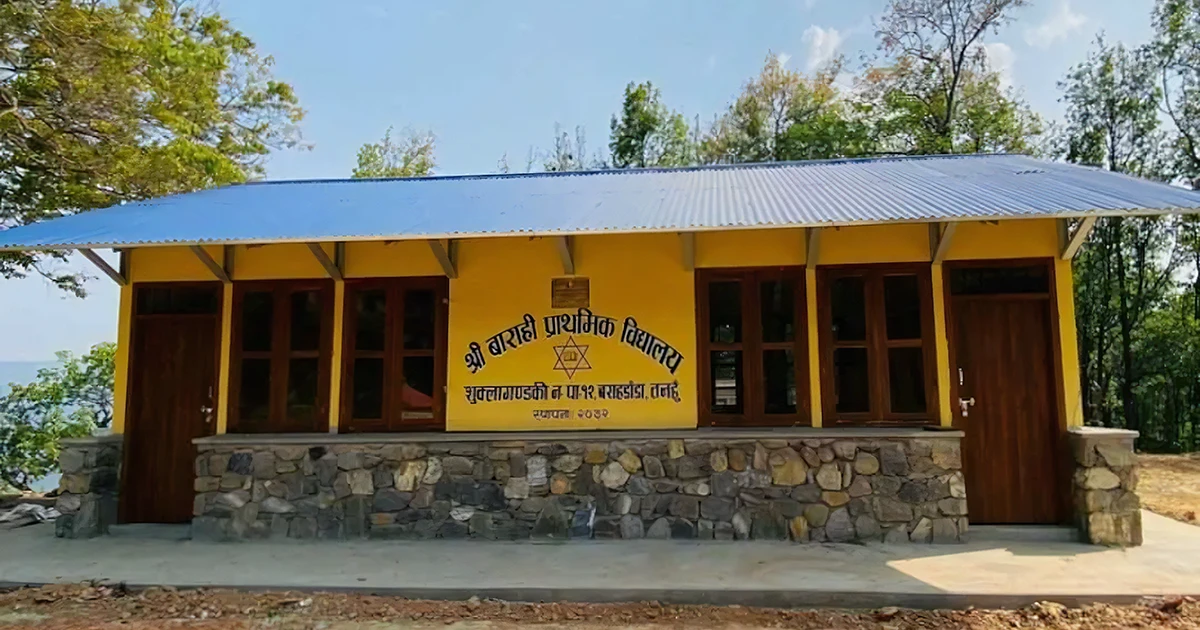
After 2015, there has been a stronger push to enforce earthquake-resistant construction standards.
Public Awareness
Education campaigns now focus on what to do before, during, and after an earthquake.
Monitoring and Research
Organizations like the National Seismological Centre track seismic activity and provide valuable data for understanding patterns.
Community Preparedness
Local communities are increasingly involved in disaster preparedness programs, including drills and emergency planning.
These efforts don’t eliminate risk, but they do make a significant difference in saving lives.
Wrapping Up
So, why is Nepal prone to earthquakes? The answer lies in its position on a powerful geological boundary where two massive tectonic plates are constantly colliding. This natural process has created the breathtaking Himalayas, but it has also made earthquakes an unavoidable part of life.
While the science explains the “why,” the future depends on how well the country continues to prepare. With better awareness, stronger infrastructure, and ongoing research, Nepal can face its seismic reality with greater resilience and confidence.
Despite the risks, Nepal is still most favored tourism destination for adventurers. Take precautions but do not limit yourself from daring the adventure!
FAQs
Expand AllWhy is Nepal prone to earthquakes?
Nepal sits directly on a collision zone between the Indian Plate and the Eurasian Plate. These two massive plates are constantly pushing against each other, building stress that is periodically released as earthquakes.
What causes earthquakes in Nepal?
Earthquakes in Nepal are caused by the buildup and sudden release of stress along fault lines created by tectonic plate movement. When the pressure becomes too great, the Earth’s crust shifts, producing seismic waves.
Why do earthquakes happen so often in Nepal?
Because the tectonic plates beneath Nepal are always moving, stress is continuously accumulating. This ongoing process leads to frequent releases of energy, resulting in regular earthquakes.
Are earthquakes common in Nepal?
Yes, earthquakes are relatively common in Nepal. Most are small and go unnoticed, but the region is seismically active compared to many other parts of the world.
How often do earthquakes occur in Nepal?
Small tremors occur frequently sometimes daily but larger, damaging earthquakes tend to happen over longer intervals, often decades apart.
Is Nepal located on a fault line?
Nepal lies along a major fault system known as the Main Himalayan Thrust, which runs beneath the Himalayas and is responsible for many of the region’s earthquakes.
Which tectonic plates affect Nepal?
Nepal is influenced by the northward-moving Indian Plate and the relatively stable Eurasian Plate. Their ongoing collision drives seismic activity in the region.
What is the Main Himalayan Thrust?
The Main Himalayan Thrust is a massive fault where the Indian Plate is being forced beneath the Eurasian Plate. It is the primary source of large earthquakes in Nepal.
Why is the Himalayan region so seismically active?
The Himalayas are still forming due to active plate collision. This constant geological activity makes the region one of the most earthquake-prone zones in the world
Why does Nepal experience frequent small tremors?
Small tremors occur as the Earth’s crust adjusts to ongoing stress. These minor movements release small amounts of energy regularly.
Are frequent small earthquakes a warning of a bigger one?
Not necessarily. While they indicate active geology, small earthquakes do not reliably predict a larger one. They are part of the normal stress-release process.
Can earthquakes in Nepal be predicted?
No, earthquakes cannot currently be predicted with exact timing. Scientists can identify high-risk zones but cannot say when a quake will occur.
Is Nepal due for another major earthquake?
Geologically speaking, large earthquakes are expected over time in this region. However, it’s impossible to predict exactly when the next major one will happen.
Why was the 2015 Nepal earthquake so destructive?
The 2015 Gorkha earthquake caused severe damage due to strong shaking, shallow depth, vulnerable buildings, and dense populations, especially in urban areas.
Why is Kathmandu more vulnerable to earthquakes?
Kathmandu is densely populated and built on soft sediment, which amplifies shaking. Many older buildings were not designed to withstand strong earthquakes.
What is the Kathmandu basin effect during earthquakes?
The Kathmandu Valley sits on a basin of soft soil that can amplify seismic waves. This means shaking can feel stronger and last longer compared to nearby rocky areas.
Are earthquakes equally likely across all parts of Nepal?
No, risk varies by region. Areas closer to major fault lines, especially along the Himalayas, tend to experience more seismic activity.
Do earthquakes happen more in certain seasons in Nepal?
Earthquakes are not tied to seasons. They occur due to underground geological processes, not weather patterns.
Does the monsoon affect earthquake activity in Nepal?
The monsoon does not cause earthquakes, but heavy rainfall can weaken slopes, making landslides more likely if a quake occurs.
Why do earthquakes in Nepal sometimes trigger landslides?
Strong shaking destabilizes steep slopes, especially in mountainous regions. Loose soil and rock can collapse, leading to landslides.
Are mountainous regions more at risk during earthquakes?
Yes, mountains are more prone to landslides and rockfalls during earthquakes, increasing overall risk.
How does Nepal’s geography increase earthquake risk?
Nepal’s location in an active collision zone, combined with steep terrain and soft valley soils, intensifies both earthquake occurrence and impact.
Are buildings in Nepal designed to withstand earthquakes?
Newer buildings increasingly follow earthquake-resistant designs, but many older structures remain vulnerable.
What improvements were made after the 2015 earthquake?
After 2015, Nepal strengthened building codes, improved disaster response systems, and increased public awareness about earthquake safety.
What is earthquake preparedness in Nepal?
Preparedness includes stronger construction practices, emergency planning, public education, and monitoring by organizations like the National Seismological Centre.
Is it safe to travel to Nepal because of earthquakes?
Yes, Nepal is generally safe to visit. Earthquakes are unpredictable but not constant, and millions of travelers visit each year without issue.
Should earthquake risk affect travel plans to Nepal?
It’s wise to be informed, but earthquake risk alone should not discourage travel. Basic awareness and preparation are sufficient.
What should travellers know about earthquakes in Nepal?
Travelers should know basic safety steps, stay informed, and choose accommodations that follow modern safety standards.
Are trekking routes affected by earthquake risk?
Occasionally, earthquakes can impact trails through landslides or damage, but routes are usually repaired and monitored.
Is the Everest region at risk of earthquakes?
Yes, the Everest region is seismically active like the rest of the Himalayas, though major impacts are relatively rare.
Is Annapurna region safe from earthquakes?
No region in Nepal is completely free from earthquake risk, including the Annapurna region, but travel remains generally safe
What should you do if an earthquake happens while travelling in Nepal?
Follow basic safety: drop, cover, and hold on. Move to open space if outdoors, and follow local guidance.
Are earthquakes in Nepal becoming more frequent?
There is no clear evidence that earthquakes are increasing in frequency. Improved detection simply means more small quakes are recorded now.
What are common myths about earthquakes in Nepal?
Common myths include the idea that earthquakes can be predicted or that small quakes prevent big ones, both are not scientifically proven.
Does Nepal still suffer damage from past earthquakes?
Yes, recovery can take years. Some communities and heritage sites are still rebuilding after major earthquakes like the 2015 event.
Related blog posts
Discover a choice of tourist destinations loved by most of our visitors. Whether you're on a jungle safari to spot rare animals or walking through a world heritage site, these well-planned itineraries cover the major highlights of Nepal.



 call an expert at: