
Why is Mount Kailash Unclimbable: The Mystery Explained

 Sujata Pokhrel
Why is Mount Kailash Unclimbable? This mystery about the most sacred peak of the Himalayas has been unanswered for a very long time. Many accomplished climbers have made multiple attempts to summit the peak but have consistently encountered strange coincidences or faced perilous situations.
It is valid to have this argument, as the elevation of Kailash is just 6638 meters above sea level, which is much less than most peaks of the Himalayan region. Adventurers have even summited the highest peak in the world, like Mount Everest, but none have succeeded over this humble abode of Lord Shiva.
There are many speculations about the reasons behind Mount Kailash being unclimbable beyond the spiritual essence. Among all, the cultural taboos, the physical challenges, and the unfortunate incidents are the main reasons to blame.
Let’s get through the blog to find an answer to why Mount Kailash is Unclimbable.
Reasons Behind Mount Kailash Being Unclimbable
From cultural values to its mysterious shape, there are several reasons why Mount Kailash was considered unclimbable in the past. But this record hasn’t been broken even after the development of the latest gears that support you in any technical climbing. In recent times, the restrictions of the Chinese Government have made this peak unclimbable.
Cultural and Spiritual Beliefs
The Mount Kailash isn’t just a structure made of rocks and stones but a living witness of human histories and faith. The legend from different religions call it is the center of the Universe, the axis mundi. And locals also believe that their divine lords reside on this mountain. That’s why climbing on this peak disrupts the divinity and invokes their wrath.
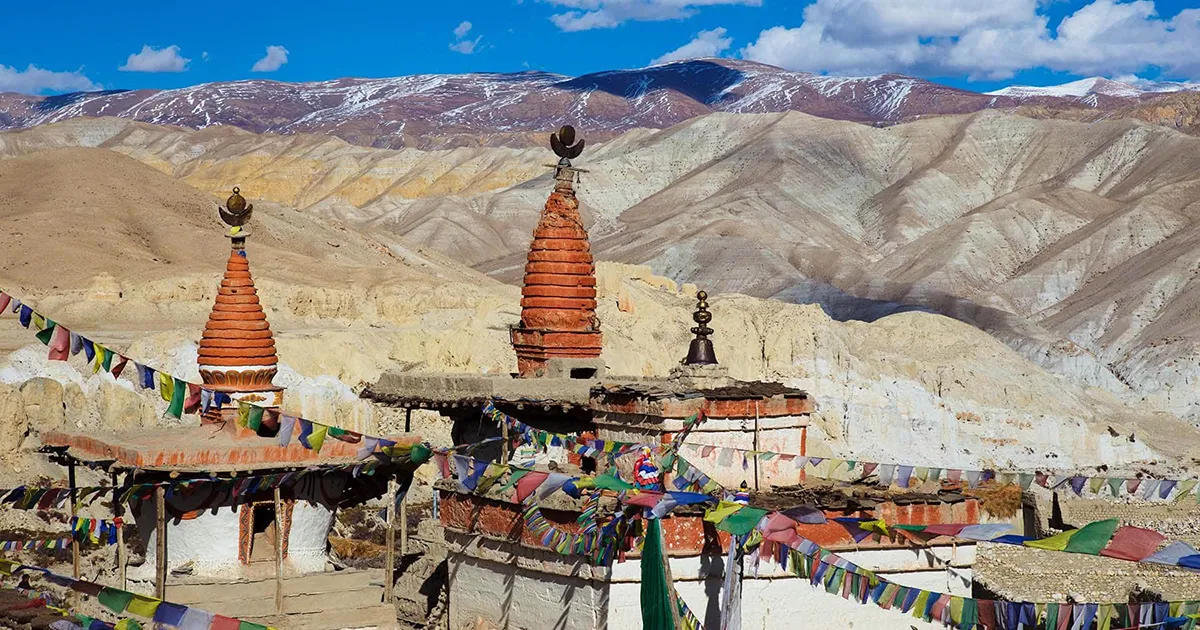
This peak is also considered a power house of immense cosmic energy and hence the human intervention can disrupt this balance. Considering a pilgrimage, devotees just visit Mount Kailash from a distance and soak in the immense energy.
Mysterious Shape of the Peak
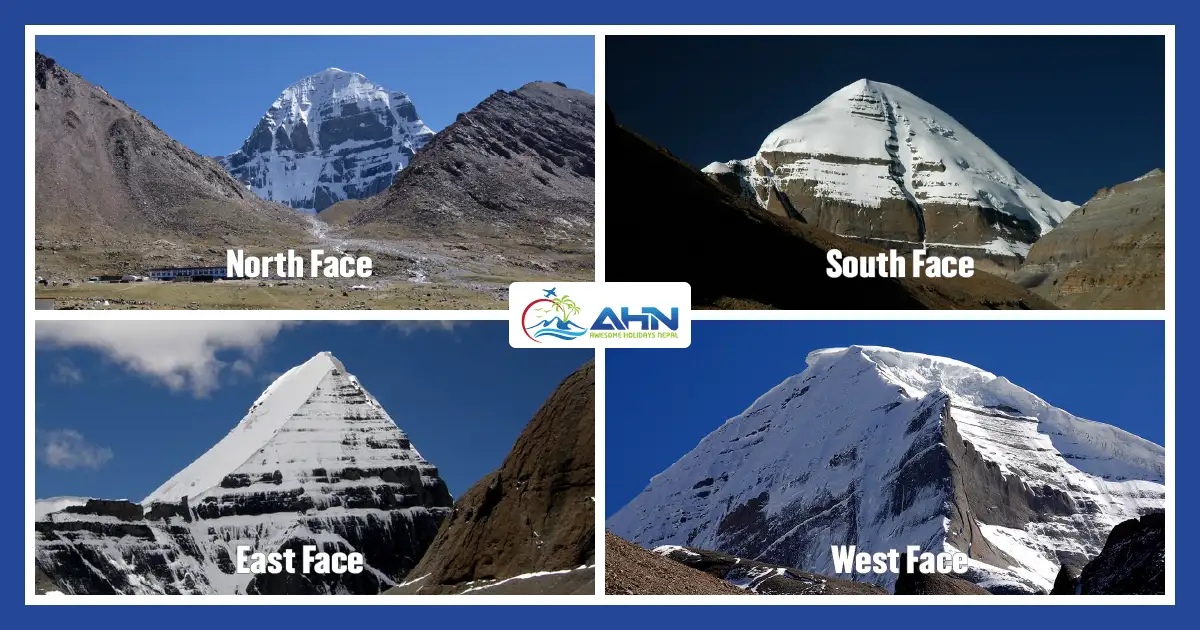
Unlike most peaks of the Himalayas, the Mount Kailash has quite a unique shape that makes it quite mysterious. It looks almost symmetrical with four identical faces that seems fairly identical as if it was thoughtfully crafted. This shape is considered mysterious and speculated to be made by divine forces indicating its sacredness.
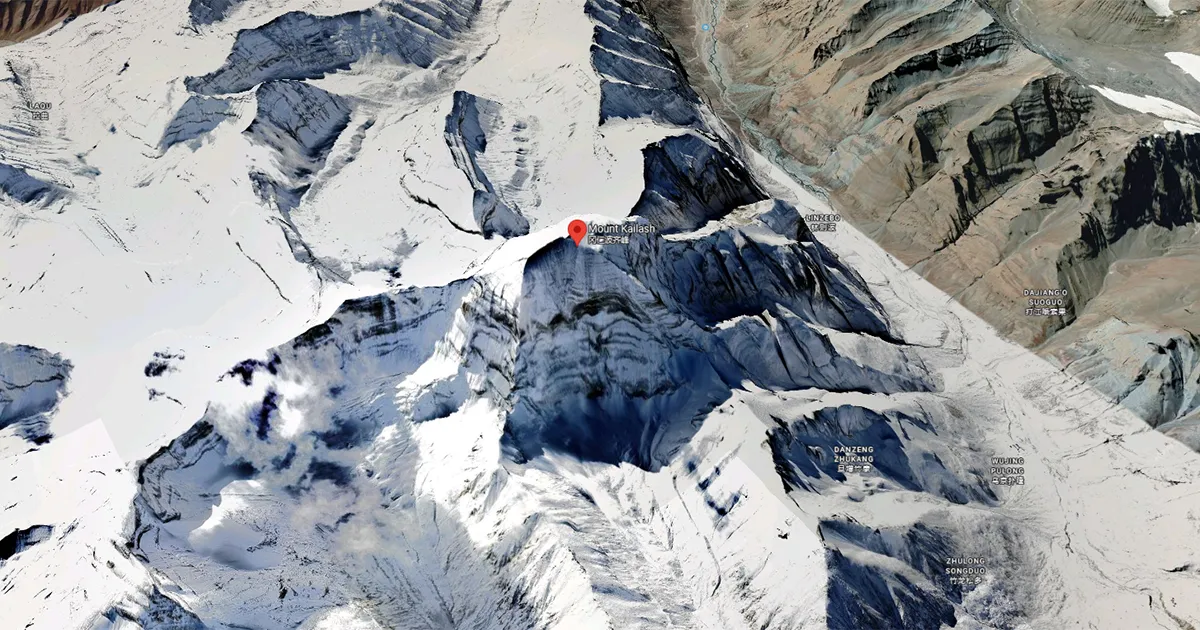
Besides, the sharp edges and steep slopes of all the faces on this makes it a very difficult task to ascend the peak.
Immense Respect for Kailash’s Sacredness
People following Hindu religion think of Mount Kailash as a temple where their lord Kailash and his better half goddess Parvati reside. So summiting the peak is like stepping on their lord’s house which is considered unholy in this religion.
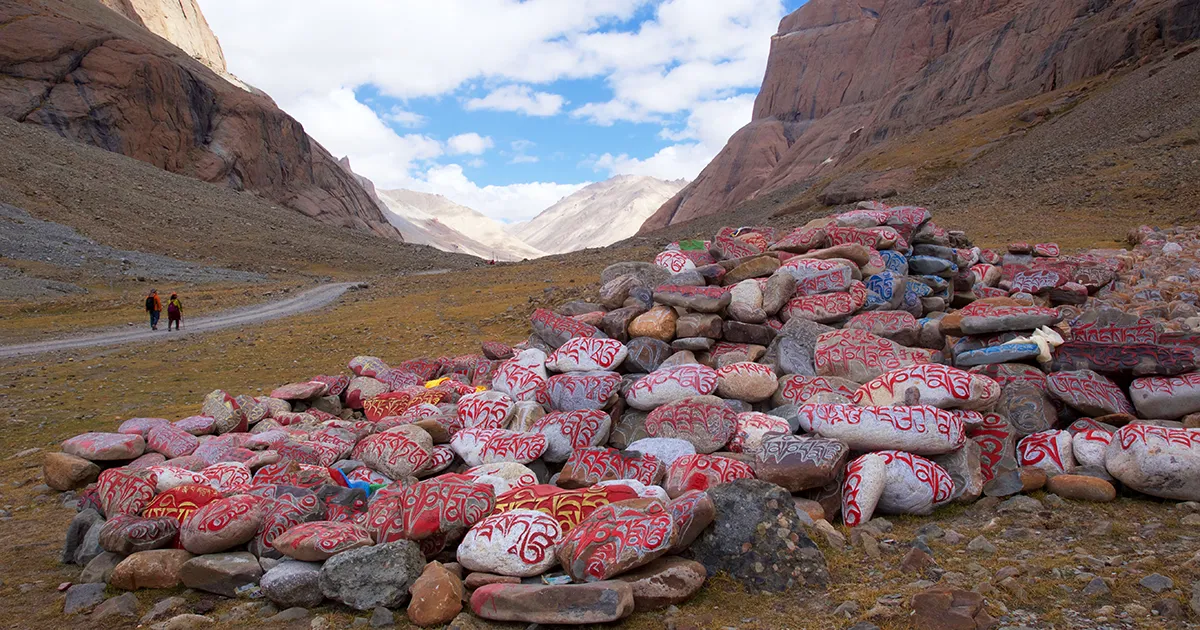
Giving a respect to the sacredness of their lord’s humble abode, people do not visit Mount Kailash.
Restrictions from the Government
Since 2001, the Chinese government has put a total restriction on climbing the sacred Mount Kailash. Whilst its religious significance is told to be the main reason behind this ban, the 2001 incident had hit the final strike for taking this decision. This incident occurred when a team of Spanish climbers asked for a permission to ascend this peak but faced with worldwide protest from different religious practitioners as well as environmentalists.
Before this, an Italian summiteer was granted the permission to climb Kailash. But he rejected the offer saying the faith of people and holiness of the peak is very sacred and hence shouldn’t be conquest.
Besides, there is no success record of climbing Kailash and even in recent times. And anyone who has made the attempt has either regretted it or has faced mysterious death. Keeping all these incidents in mind, the Chinese government placed the restriction for any future attempts to climb the peak, stating the religious sensitivity and environmental concerns.
Planning Kailash Mansarovar Yatra in 2026?
Challenging Trekking Trail
Honestly, from a trekkers point of view, even the trail leading to foothill of Kailash is treacherous for many. The Mount Kailash standing at an elevation of 6638 meters is definitely going to be a difficult one to climb.
Even though it isn’t the tallest peak, its remote location in Tibet makes it difficult to reach. The terrains are rugged and have no properly established route, making it a challenge even for experienced climbers. And to top that off, the weather conditions of the Kailash region is extremely unpredictable.
Limited air in the atmosphere and freezing temperature even adds up to the chances of catching altitude sickness. You require a proper acclimatization to climb such peaks but the facilities aren’t available for summiting Kailash.
Mysterious Occurrences at Kailash
In addition to the restrictions, challenges, and treacherous paths, the mysteries occurring in the Kailash region are reasons why capable people do not dare to make an attempt. The ones who have tried once and returned alive have told stories about their experiences. Some of these mysterious incidents and legends related to Kailash are:
- Supposedly, time passes faster on the Mount Kailash.
- People have experienced rapid aging and this changes have continued even after returning from that space.
- Your nails and hair apparently grow faster in the regions of Mount Kailash.
- Some summiteers have even experienced weird phenomena’s like descending down while climbing the peak.
- A few climbers tell that they got the feeling of descending down while trying to climb the peak.
The Unclimbable Mystery of Kailash
Mount Kailash is a sacred peak that hasn’t been climbed yet, not because of it’s physical challenges but its spiritual significance. For many, it remains as a sacred site that’s to be worshipped and for some as a mysterious center of immense energy.
Whether it is for seeking the lord or spiritual enlightment, the connection to Mount Kailash goes beyond the desire to summit. And so are the landmarks and sites that come across the trek revolving this mighty peak.
Be a part of this mysterious journey to the center of cosmic energy!
Check our blog on Kailash Kora: The Sacred Trek Around Mount Kailash before you plan your Kailash Itinerary.
FAQs
Expand AllWhy is Mount Kailash unclimbable?
Mount Kailash is unclimbable for several reasons with it’s cultural significance and sacred religious status being the prime.
Has anyone ever climbed Mount Kailash?
No, there is no written record of anyone climbing Mount Kailash.
Why is Mount Kailash still unclimbed?
Mount Kailash is still unclimbed because of its religious significance, the harsh climatic conditions, and technical difficulty.
What makes Mount Kailash so difficult to climb?
The mountain has steep, symmetrical faces, high-altitude, unpredictable weather, and no established climbing routes, which makes it physically and technically demanding.
Is it legally or spiritually prohibited to climb Mount Kailash?
Yes, it is both legally and spiritually difficult to climb Mount Kailash.
Why do mountaineers respect Mount Kailash’s sacred status?
Mountaineers respect Mount Kailash’s sacred status because of the respect for local beliefs and cultural traditions.
Has Mount Kailash ever been attempted for climbing?
Yes, historical records suggest that a few people have made an attempt for climbing.
What is the spiritual significance of Mount Kailash?
Mount Kailash is called the humble abode of lord Shiva and also called a symbol of spiritual liberation.
Why is Mount Kailash considered sacred in Hinduism, Buddhism, Jainism, and Bon?
Mount Kailash is considered sacred in Hinduism because of being home of lord Shiva and Parbati, in Buddhism is called home to Avalokiteshvara, a site where first Tirthankara of Jain religion attained liberation, and Bon practitioners consider a sacred site for spiritual practices.
How do religious beliefs prevent climbing Mount Kailash?
Beliefs hold that climbing the mountain would disturb divine energies, offend deities, and violate the mountain’s sanctity.
Is Mount Kailash unclimbed due to extreme weather conditions?
Yes, extreme cold, high winds, and sudden snowstorms make the climb extremely challenging.
Does the terrain of Mount Kailash make it impossible to climb?
Yes, the steep, symmetrical, and ice-covered faces make technical climbing extremely difficult, but the main reason it is unclimbed is spiritual restriction.
Are there any international restrictions on climbing Mount Kailash?
Yes, China enforces strict permits and restricted access, officially banning climbing attempts.
What historical expeditions tried to climb Mount Kailash?
Very few expeditions, mainly early 20th century British and European explorers, attempted but none reached the summit due to technical difficulty or respect for local beliefs.
Why is Mount Kailash a pilgrimage site rather than a climbing destination?
Mount Kailash is a pilgrimage site rather than a climbing destination because of its religious and spiritual significance.
How do local Tibetan authorities enforce climbing restrictions?
Authorities control access through permits, border checks, and guides, ensuring no climbers attempt the summit
Is Mount Kailash unclimbed because of its altitude or technical difficulty?
Yes, Mount Kailash is unclimbed because of its altitude or technical difficulties but its sacredness is the primary reason.
Are there any legends or myths associated with climbing Mount Kailash?
Yes, there are legends that state anyone attempting to climb will anger the deities, bringing misfortune. There are also myths that state that the divine abode shouldn’t be disturbed.
Why do modern climbers avoid attempting Mount Kailash?
Modern climbers respect both religious beliefs and government restrictions, and prefer pilgrimage routes rather than risking cultural offense.
What makes Mount Kailash different from other Himalayan peaks?
Mount Kailash has never been climbed and that is the reason why it is different from other Himalayan peaks.
Can Mount Kailash ever be climbed in the future?
No, Mount Kailash can not be climbed in the future because Chinese government has banned it.
Why is Mount Kailash considered the abode of Lord Shiva?
Yes, Hindu mythology states Lord Shiva resides atop Mount Kailash, with his better half goddess Parvati.
Related blog posts
Discover a choice of tourist destinations loved by most of our visitors. Whether you're on a jungle safari to spot rare animals or walking through a world heritage site, these well-planned itineraries cover the major highlights of Nepal.


 call an expert at: