What “Rescue” coverage should include for Annapurna treks? This is a question every trekker should ask before lacing up their boots in the Annapurna region, as you will be wandering in the remote trails of the Himalayas, where there is always risk of unpredictable things like sudden weather changes, landslides, or suffering from some health risks.
Rescue isn’t just always about emergencies, but it’s also about access, speed, and financial protection, whether you are travelling, trekking, or mountaineering. What “Rescue” coverage should include for Annapurna treks must answer and cover high-altitude evacuations and helicopter rescue to coordination logistics, medical stabilisation, and coverage limits that actually match mountain realities, which can save the life of the trekkers during life altering crisis.
In this guide, we’ll break down what “rescue” coverage should include for Annapurna treks, so that you can choose the right insurance policy and trek responsibly and safely in Nepal’s high mountains.
Travel insurance is mandatory on the Annapurna trek because, if anything goes wrong, such as trekkers suffering from altitude sickness, injury, illness, or sudden weather changes, self-rescue is often impossible, and you have to rely on travel insurance. In many cases, the only option is a helicopter evacuation, which is only possible if you purchase appropriate high-altitude trekking insurance in Nepal.
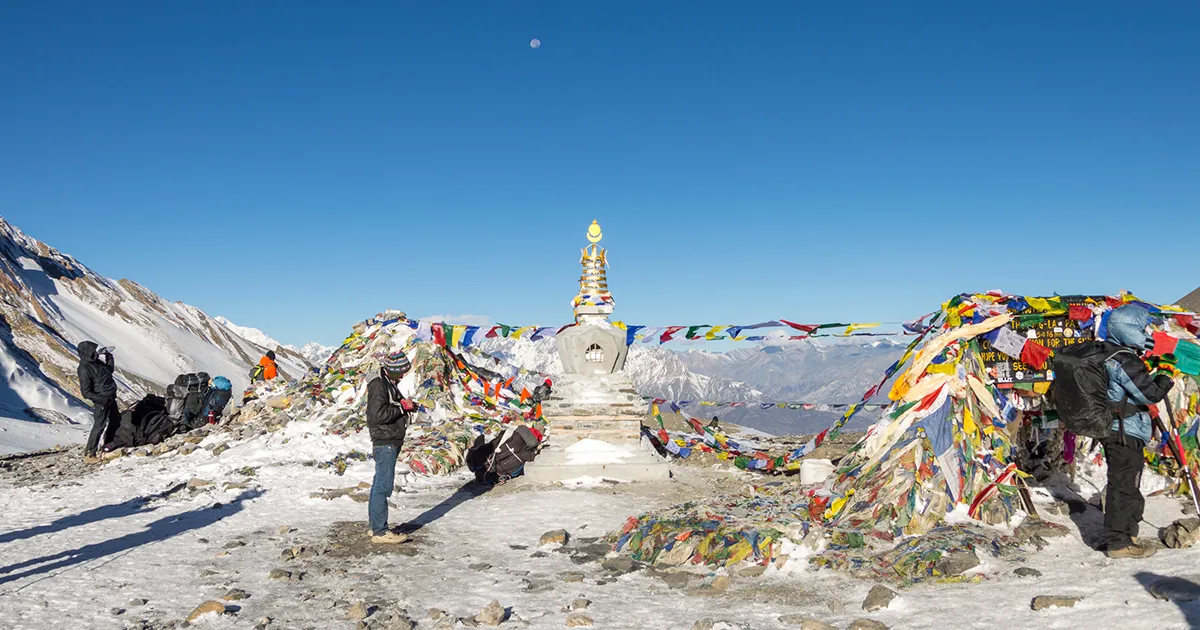
Thorung La Pass of Annapurna Region
When trekking to the Annapurna Circuit and Annapurna Base Camp treks, you will be walking in the altitudes above 4,000–5,400 meters, where there is no road access. Trekkers have to deal with unpredictable weather and trail conditions, and limited medical facilities throughout the journey.
Meaning of “Rescue” in Travel Insurance
The meaning of “Rescue” in the Travel insurance for Annapurna means:
Emergency evacuation from the trail of the Annapurna
Helicopter rescue due to medical emergencies
Transport to the nearest suitable medical facility, either in Kathmandu or Pokhara
Coordination of rescue logistics
What “Rescue” Coverage Should Include For Annapurna Treks
The travel insurance policy must include follwing things when buying insurance for the Annapurna trekking:
Helicopter Evacuation at High Altitude
Helicopter Evacuation at High Altitude is a non-negotiable policy for the Annapurna trek, whether you are trekking to ABC or the Annapurna Circuit.
You should buy a policy that must explicitly cover helicopter rescue up to at least 5,500–6,000 meters. Before paying or signing the insurance form, you should always look for the High-altitude trekking covered, Helicopter evacuation, and no altitude exclusion fine print checklist.
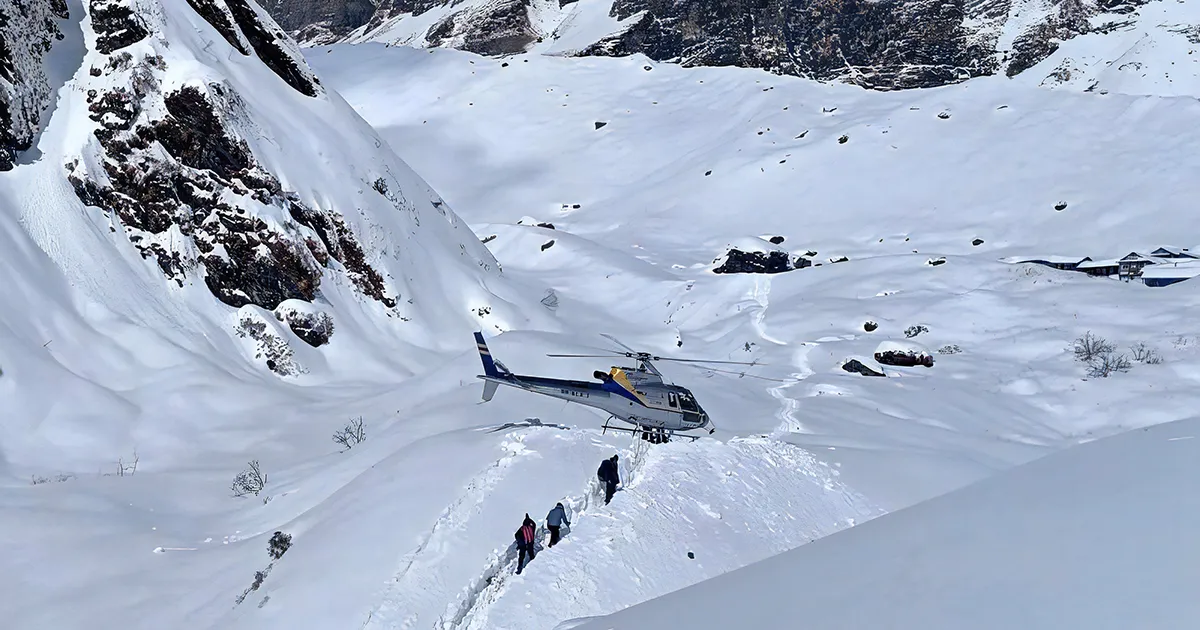
Helicopter doing a rescue in the Annapurna Region
Trekker should be cautious of cap coverage at 3,000 or 4,000 meters, which is useless for Annapurna Base Camp or Thorong La Pass.
Emergency Medical Travel Insurance
The travel insurance for high altitude trekking to Annapurna should also cover evacuation if you suffer from infection, food poisoning, Acute Mountain Sickness (AMS), before it turns into life-threatening dangers like HAPE or HACE. Also, trekkers should not wait for too long to descend if they suffer from any of these things.
High Altitude Coverage
Many standard travel insurance policies place limits on high-altitude trekking, so it’s important to check the details carefully before heading to the Annapurna region. Your policy should clearly state that trekking above 4,000 meters is covered and that well-known routes such as Annapurna Base Camp at 4,130 meters and the Thorong La Pass at 5,416 meters are included.
It should also avoid vague exclusions for “mountaineering” or “adventure activities,” as these are sometimes used to deny claims for normal trekking. Always take the time to read the fine print so you know exactly what is and isn’t covered in the travel insurance policy.
Coverage for Guided and Independent Trekkers
When buying trekking insurance to Annapurna region, you should clearly specify whether it covers both guided and independent trekkers. Some insurance agencies may assume that you are with an organized group that has a licensed guide, and you will have no protection if you are alone.
Even though independent trekkers are not allowed to trek in the Annapurna region, some experienced trekkers go there alone, and have to face problems and become stranded if anything happens, such as trail blockage due to landslide, erosion or sudden snow or rain in the off-season.
High Altitude Insurance Form
To avoid this, you have to have a guide or porter, or be in the group, so that your adventure will be free from worries. Followed by informing your trekking insurer of your choice, and they will ensure your policy explicitly covers your style of trekking prevents any surprises if an emergency occurs.
Emergency Medical Expenses and Transportation
What “Rescue” coverage should include for Annapurna treks must extend beyond a simple helicopter evacuation to ensure you receive proper care throughout an emergency. Your insurance policy should include ground rescue support, such as assistance by porters or stretcher teams, along with emergency transport between medical bills and expenses.
If your condition becomes worse in any case, the policy should make you transfer from regional hospitals, like those in Pokhara, to Kathmandu for higher-level treatment. The insurance should prioritise your life safety rather than just an initial evacuation.
Trip Cancellation or Interruption
After a rescue, most trekkers are unable to continue their journey to the Annapurna region. This will result in significant unexpected expenses, so you have to read carefully and add this policy so that it includes trip interruption or cancellation benefits that reimburse you for the portion of the trek you are forced to miss.
Your trekking policy must include the cost of unused trekking days, pre-paid permits, guides, or lodges, as well as extra accommodation and transportation expenses that may arise after a sudden evacuation. It will surely help you avoid any other financial loss after the rescue itself is over, allowing you to focus on recovery rather than added costs.
Lost, Stolen, or Damaged Baggage
What “Rescue” coverage should include for Annapurna treks must include coverage of the loss, theft, or damage of your baggage and personal belongings during the trek. The insurance should cover the loss of essential gear, clothing, and equipment, along with the delays in luggage delivery, protection against theft at lodges, airports, or along the trekking trail of the Annapurna region.
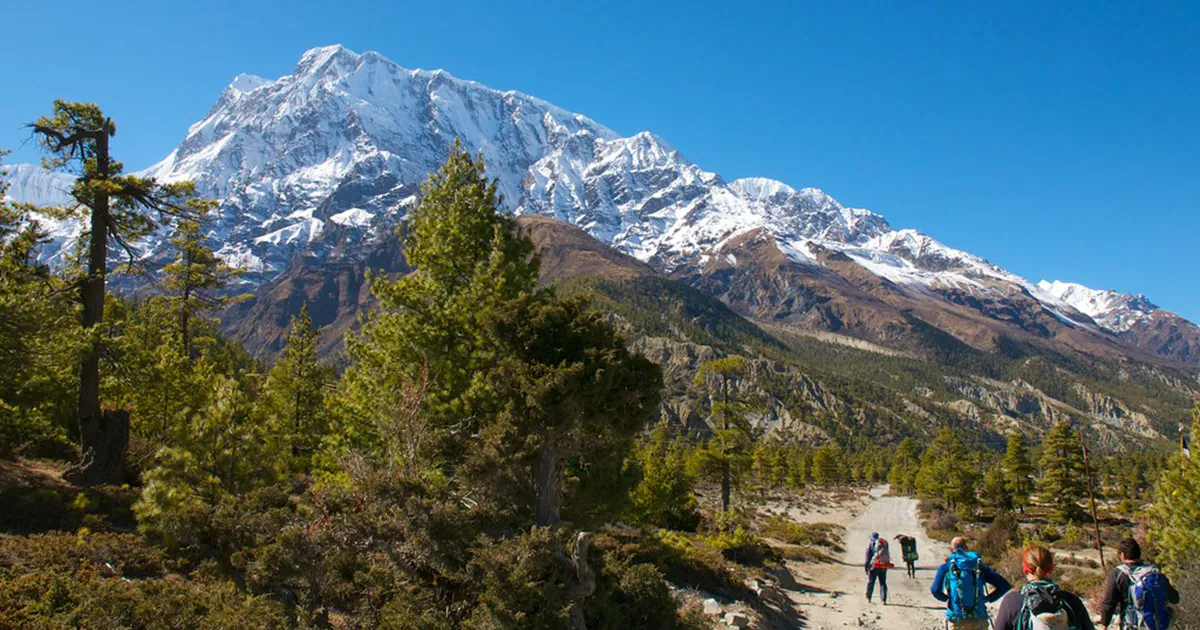
Trekkers in the Annapurna Region
Repatriation
Repatriation must be inside what “Rescue” coverage should include for Annapurna treks. If you require advanced medical care, you will need to return to your home country for better-equipped hospital facilities. If repatriation is included in your trekking policy, you can receive treatment without prohibitive costs or delays, and your loved ones can support your recovery.
Search and Rescue Service
You should purchase the trekking policy, which extends beyond helicopter evacuation to cover full search and rescue operations. If you go missing, you need to be found using locating services in remote or challenging terrain.
At that time, your insurance policy must cover multiple evacuation attempts due to unpredictable weather, poor visibility, or difficult trail conditions that can delay initial rescue efforts. Adding this in you policy will ensure your safety throughout the Annapurna trek.
Recommended Insurance Providers
If you buy insurance from the following insurance providers in Nepal, for your concern of What “Rescue” coverage should include for Annapurna treks:
World Nomads
Safety Wings
True Traveler
Global Rescue
Ripcord Rescue Travel Insurance
Allianz Global Assistance
Key Rescue Coverage Essentials for Annapurna Treks
Understanding what “rescue” coverage should include for Annapurna Treks help you explore the Himalayan adventure without any problems in 2026. You must include ground rescue, emergency transport between hospitals, multiple evacuation attempts, search and rescue operations if you go missing, and even repatriation if advanced treatment is needed in your insurance for the Annapurna regions.
Similarly, having a refund policy in case of trip interruption, unused trekking days due to an emergency, saves you from both financial loss and worries. If you also want to focus on the Annapurna trek without any risk, plan your next Annapurna trek with us, Awesome Holidays Nepal, so that our experienced and certified guide will give you the guidance on what “Rescue” coverage should include for Annapurna treks.
What does “rescue coverage” mean in travel insurance for Annapurna treks?
The meaning of Rescue coverage in travel insurance for Annapurna treks includes the guarantee of financial coverage for emergency helicopter evacuation and medical transport from high altitudes (up to 4,000m-6,000m+) to a hospital in case you suffer from acute mountain sickness or other health relted problems.
Is helicopter rescue included in all Annapurna travel insurance policies?
No. Helicopter rescue should be added when buying the Annapurna travel insurance policies.
Does travel insurance cover helicopter evacuation in the Annapurna region?
Yes, travel insurance covers helicopter evacuation in the Annapurna region only if you added on teh standrad travel insurance policies.
What altitude limit should my insurance cover for Annapurna Circuit and ABC?
The altitude limit of 6,000 meters should be added for the insurance coverage in the Annapurna Circuit and ABC.
Does rescue coverage include evacuation for altitude sickness?
Yes, rescue coverage specialised with evacuation services for altitude sickness is included.
Is AMS, HAPE, and HACE covered under Annapurna trekking insurance?
Yes, AMS, HAPE, and HACE are covered under Annapurna trekking insurance.
What is the minimum evacuation coverage amount recommended for Nepal trekking?
The minimum evacuation coverage amount recommended for Nepal trekking is around USD $50,000-$100,000.
How much does a helicopter rescue cost in the Annapurna region?
A helicopter rescue costs around USD 2,500 to 4,000, depending on altitude, weather, and distance in the Annapurna region.
Who coordinates helicopter rescue during the Annapurna trek?
A licensed trekking agency, local guides, and specialized helicopter rescue companies, in coordination with insurance providers, during the Annapurna trek.
Can my guide or trekking agency request a helicopter rescue on my behalf?
Yes, your guide or trekking agency can request a helicopter rescue on your behalf.
What documents are required for a helicopter rescue insurance claim?
You must have documents like a completed claim form, policy documents, and a detailed medical report justifying the medical necessity for a helicopter rescue insurance claim.
Does rescue insurance cover ambulance transfers in Pokhara or Kathmandu?
Yes, rescue insurance covers ambulance transfers in Pokhara or Kathmandu.
Does rescue coverage include treatment at Pokhara or Kathmandu hospitals?
Yes, a comprehensive rescue coverage includes treatment at Pokhara or Kathmandu hospitals.
Is oxygen therapy and a hyperbaric bag covered under rescue insurance?
Yes, oxygen therapy and a hyperbaric bag are covered under rescue insurance for Annapurna.
Does rescue coverage apply if I am trekking solo in Annapurna?
Yes, rescue coverage applies if you are trekking solo in Annapurna if you buy the policies.
Is guided trekking required for rescue insurance to be valid?
Yes, guided trekking is frequently required for rescue insurance to be valid, especially in high-risk areas like Nepal.
Does rescue coverage include evacuation for injuries like fractures or sprains?
Yes, rescue coverage includes evacuation for injuries like fractures or sprains.
Is travel insurance mandatory for Annapurna Base Camp and Circuit treks?
Yes, travel insurance is mandatory for Annapurna Base Camp and Circuit treks with high altitude evacuation above 6000m, along with emergency medical rescues.
Does insurance cover trip interruption after evacuation from Annapurna?
Yes, insurance covers trip interruption after evacuation from Annapurna if you have bought the policy that includes it.
How can trekkers avoid fake rescue insurance and evacuation scams in Nepal?
Trekkers can avoid fake rescue and evacuation scams in Nepal by choosing a reputable, registered trekking agency, verifying insurance coverage directly with providers, and avoiding letting guides or lodge owners arrange evacuations for minor ailments.
Sristi, a content writer at Awesome Holidays likes to travel and explore the beauty of Nepal. She enjoys trekking and is passionate about how she can contribute on the growth and development of tourism sector in Nepal. Sristi is passionate about the exploration of the diverse landscapes and hidden beauty of nature. She enjoys watching travel content in YouTube. "If you get tired, learn to rest, not to quit.
Related blog posts
Discover a choice of tourist destinations loved by most of our visitors. Whether you're on a
jungle safari to spot rare animals or walking through a world heritage site, these
well-planned itineraries cover the major highlights of Nepal.



 call an expert at: