
What Makes Everest Base Camp Special?

 Sujata Pokhrel
What makes Everest Base Camp special? That’s the question beginners ask themselves before daring this challenging adventure of the 8848.88-meter-tall peak located on the border of Nepal and Tibet.
Everest Base Camp is often on the bucket list of adventurers who love high mountains. While some aim to conquer it for being the foothill of the world’s highest peak, others just seek to witness the Himalayan atmosphere and are thrilled by the feeling of seeing the peak with their own eyes. Apart from the thrill, some religious people visit it to pay tribute at the Buddhist monasteries or just to observe the Mani Rimdu Festival.
Let’s go through the blog to figure out the reasons that make Everest Base Camp special.
Reasons to Do the Everest Base Camp Trek
Spectacular Himalayan Scenery
Why would you do the tiring trek to Everest’s base if you aren’t obsessed with the spectacular Himalayan sight that takes away your breath? The unparalleled mountain views that you can get from different points on the Everest trek is breathtaking.
From the base camp itself, you can catch a sight of Mt. Ama Dablam, Nuptse, Lhotse, and other peaks. Whereas for catching the sight of the top of the highest peak, you can climb up the Kalapathar.
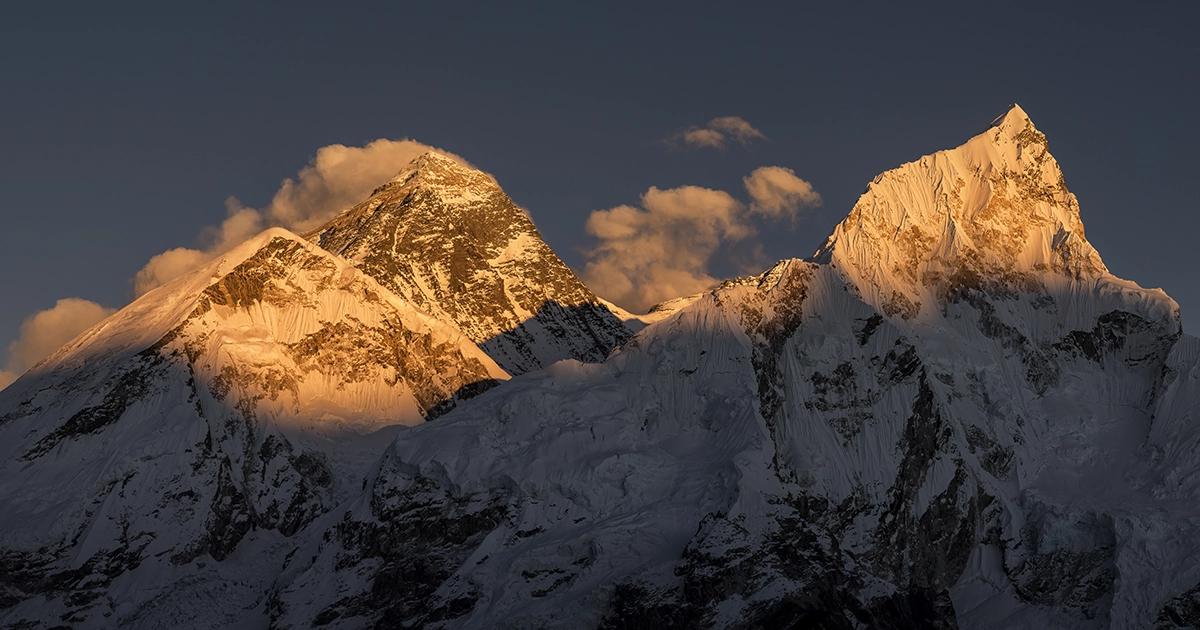
Apart from the sight of mountains, the stunning sceneries of Khumbu glacier and Icefall, the varying landscapes, and biodiversity of the Sagarmatha National Park are something worth enjoying.
Adventurous Trail
There is no doubt that trek to Everest often resonates with adventure and hence the ones who love adventure dare to experience the Everest. Challenging elevation, harsh weather that keeps shifting unpredictably, rough terrains, and narrow trails, that’s the adventure of this trek. Those who are are trained often ascend the mountain whereas the other prefer the trek to Everest Base Camp.

Since it takes you over an altitude of 5300 meters and hence often feels like a test of endurance and physical ability. And for some, the trek to Everest Base Camp feels like following the path of the legendary mountaineers like Tenzing Norgay Sherpa and Edmund Hillary.
Thrill of Lukla Airport
Situated at an elevation of 2845 meters from sea level, the Lukla Airport is also known as the Tenzing Hillary Airport. Since the airport has a shortest runway of just 527 meters with mountains hovering around in all side, it is called one of the most dangerous airport in the world.
Any plane or heli trying to land on this airport must do it in one go as there are mountains all around to avoid a go around. Thus, a good weather condition is mandatory to get any flight around this airport. Besides, the airport lacks advanced navigation or radar systems hence having a clear visual contact is the only option for landing in this airport.
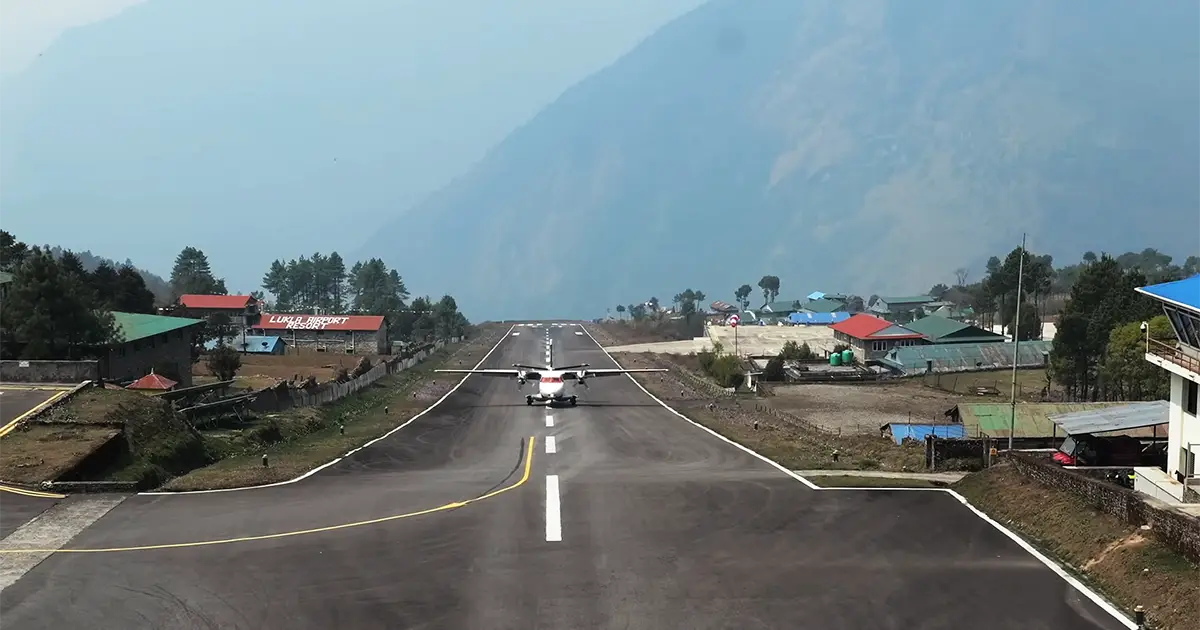
Because of all these dangers, flying to Lukla for Everest Base Camp makes it a thrilling experience.
Towering Peaks
Why would anyone dare the adventurous trek to the top of the world if you can’t see the naked peak? Starting from the flight to Lukla to reaching the Everest base camp, your entire journey constitutes of the sight of towering mountains peaks.

Only on your trek to Namche from Lukla, you can see peaks like Thamserku, Kongde Ri, Kusum Kanguru. As you ascend upwards, the clear sights of Pumori, Nuptse, Everest, Lhotse, Ama Dablam, and Island Peak come more into action.
Beautiful Suspension Bridges
Suspension bridges along the trail connecting the Sherpa villages are another reason why people trek to the Everest Base Camp. These beautiful suspension bridges over Dudh Koshi rivers and ice streams not only assist you to seamlessly trek across the villages but also offer stunning sights of river gorge and dramatic Himalayan scenery.
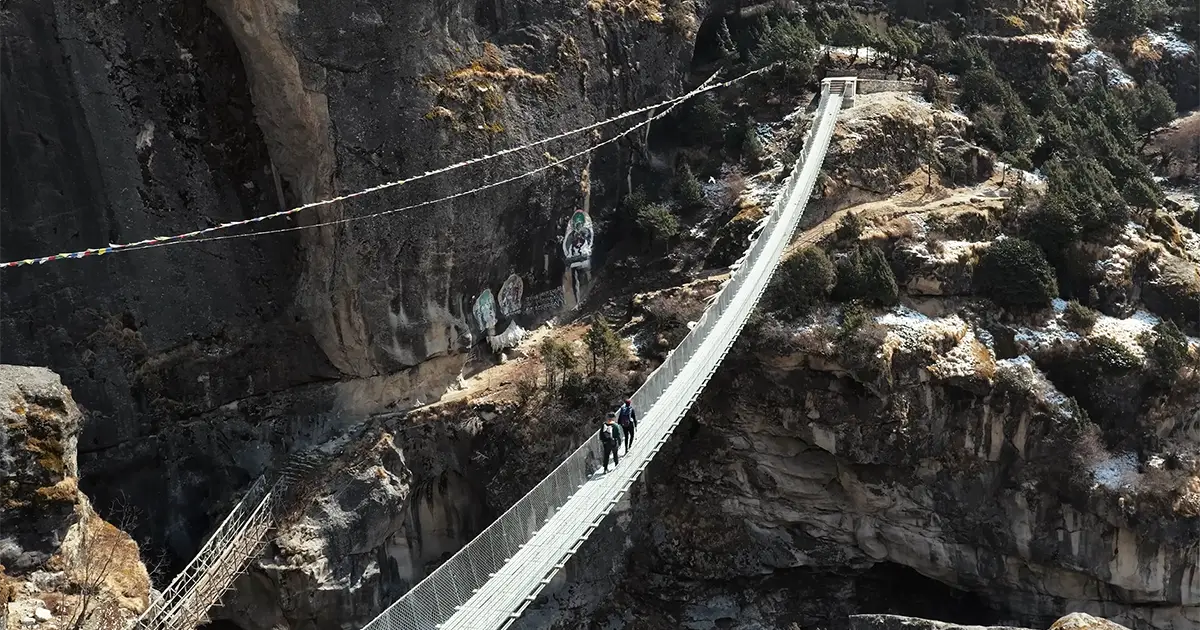
You will come across eight to nine remarkable suspension bridges on your trekking trail. Most of these are covered only on the trek from Lukla to Phakding. Among these all, the Hillary bridge located just below Namche Bazaar is the most famous one.
Sherpa Monasteries
The Everest region is wildly inhabited by Sherpas and Tibetans who are sheer believer of Buddhism. Hence, you will come across a number of monasteries on your trek to the Everest Base Camp, primarily in lower elevation where people live.
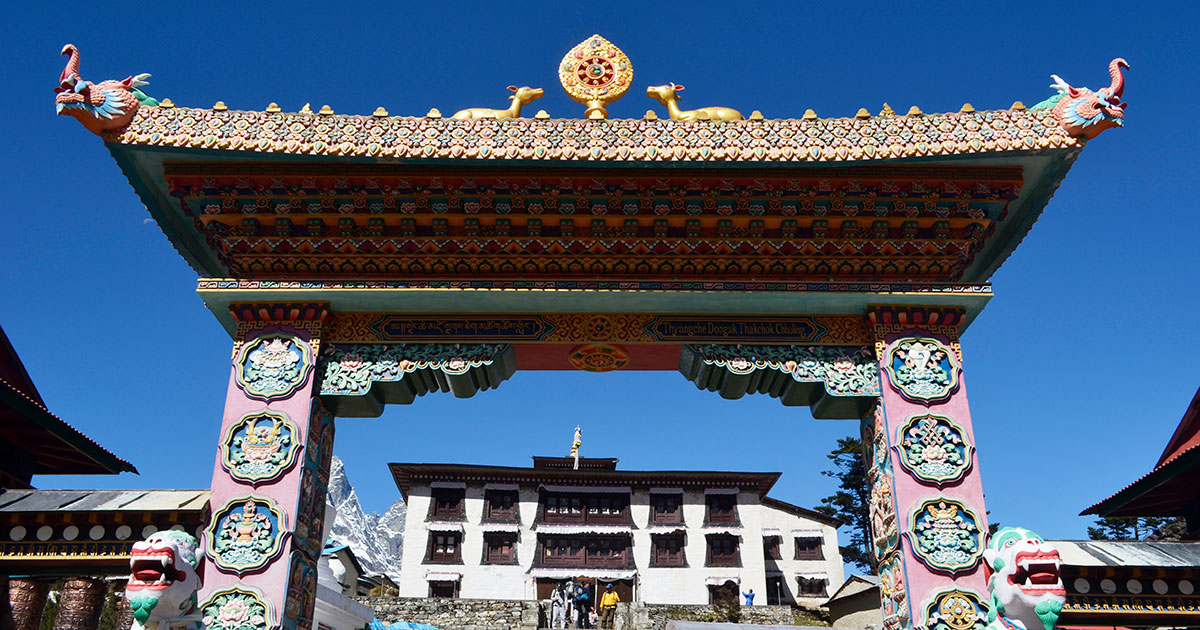
Some of the most infamous monasteries on this trail are Khumjung monastery, Tengboche monastery, Pangboche monastery, Phakding monastery, Namche monastery, and more. And Thame monastery which is located at an elevation 3800 meters in historic village of Thame is one of the most famous monasteries where you can witness the Mani Rimdu Festival.
Scenic Villages
A trek to the Everest Base Camp encompasses of several scenic villages that serve more than just a mere stop. These Sherpa settlements are set against the most stunning backdrop of high snow-capped mountains.

All these villages have their own essence and amenities to serve the visitors. The Namche Bazaar, Gorakshep, Khumjung Village, Tengboche Village, Pangboche Village, Dingboche Village etc. are some of the most popular scenic villages of the Everest.
Everest Base Camp Trek Highlights
Besides, the factors mentioned above, the highlights of the Everest region are the reasons what makes Everest so special. Some of these highlights are:
- Sagarmatha National Park
- Namche Bazaar
- Gokyo Lakes
- Kalapathar
- Khumbu Glacier and Icefall
A Trek Experience for Lifetime
Conquering the risks and challenges of the Everest region is an experience for lifetime from every adventurer. Not just the beauty of mountains, its diverse landscapes, and scenic villages, the adventure itself stays in the memory forever.
Either you have successfully summited the mountain or trek to its base camp, surrounding lakes or the high mountain passes surrounding the region, every experience is worthy.
Get your share of Everest experience!
FAQs
Expand AllHow difficult is the Everest Base Camp trek?
The EBC trek is moderately difficult. It doesn’t require technical climbing but involves long days of hiking (5–7 hours) at high altitude. The main challenges are steep ascents, thin air, and endurance.
How long does it take to trek to Everest Base Camp?
The trek usually takes 12 to 14 days, including acclimatization days in Namche Bazaar and Dingboche. Some itineraries add extra days for side trips or a more gradual pace.
What is the best time of year to trek to Everest Base Camp?
The best seasons are spring (March–May) and autumn (September–November). These months offer clear skies, mild temperatures, and stable weather, ideal for trekking and photography.
How much does the Everest Base Camp trek cost?
The average cost ranges from USD 1,200 to 2,500 per person. Prices depend on whether you join a group trek, hire a guide, or go independently. Flights to Lukla, permits, food, and accommodation are the main expenses.
Can a beginner do the Everest Base Camp trek?
Yes, beginners can complete the EBC trek with good fitness, preparation, and acclimatization. Regular cardio training, stair climbing, and hiking practice before the trip help ensure success.
How high is Everest Base Camp (and Kala Patthar)?
The Everest Base Camp is 5364 meters from the sea-level.
Can you see Mount Everest from Base Camp?
You can’t see the summit of Everest directly from Base Camp because it’s hidden behind surrounding peaks. The best panoramic views are from Kala Patthar near Gorak Shep.
Is the Lukla flight dangerous?
The Lukla flight is short but thrilling. The airport’s mountain runway is steep and weather-dependent, but experienced pilots and strict safety standards make it generally safe for trekkers.
Do I need a guide for the Everest Base Camp trek?
Yes, you absolutely need a guide for the Everest Base Camp trek. It is necessary to hire a licensed guide for right navigation, safety, and local insight.
How do I train for the Everest Base Camp trek?
Start training 8–12 weeks before your trek. Focus on cardio (hiking, running, cycling), leg strength, and endurance. Practice carrying a daypack and walking on uneven terrain to build stamina.
What permits are required for the Everest Base Camp trek?
You need the Sagarmatha National Park permit and the Khumbu Pasang Lhamu Municipality Permit for the Everest Base Camp trel.
How far is the Everest Base Camp trek (in km/miles)?
The EBC trek is about 130 km (81 miles) round trip, roughly 65 km (40 miles) each way from Lukla to Base Camp.
What is the typical Everest Base Camp trek itinerary (12–14 days)?
A standard itinerary includes 2 acclimatization days and takes 12–14 days: Lukla → Phakding → Namche → Tengboche → Dingboche → Lobuche → Gorakshep → Everest Base Camp → Kala Patthar → return to Lukla.
What do you eat on the Everest Base Camp trek?
You will eat meals in teahouses, primarily comprising of Dal Bhat, noodles, soups, rice, pasta, and momos. Breakfasts include eggs, porridge, pancakes, and tea. Most trekkers go vegetarian above Namche for freshness.
Is there Wi‑Fi and electricity on the EBC trek?
Yes, there is Wi-Fi and electricity on the EBC trek and you will have to pay an extra amount ranging from USD 2 to 3 to use it.
How cold does it get on the EBC trek?
Temperatures on the Everest Base Camp trek vary by season and altitude. During the main trekking months, days range from 5°C to 15°C (41°F–59°F), while nights can drop to -10°C (14°F) at higher elevations.
What is the success rate for the Everest Base Camp trek?
The success rate for the Everest Base Camp trek is very high which is around 90%–95% of trekkers reach Base Camp successfully. This is because the route doesn’t require technical climbing skills, just good fitness and proper acclimatization.
Related blog posts
Discover a choice of tourist destinations loved by most of our visitors. Whether you're on a jungle safari to spot rare animals or walking through a world heritage site, these well-planned itineraries cover the major highlights of Nepal.
 call an expert at: